What are Packaging for Online Apparel Sales?
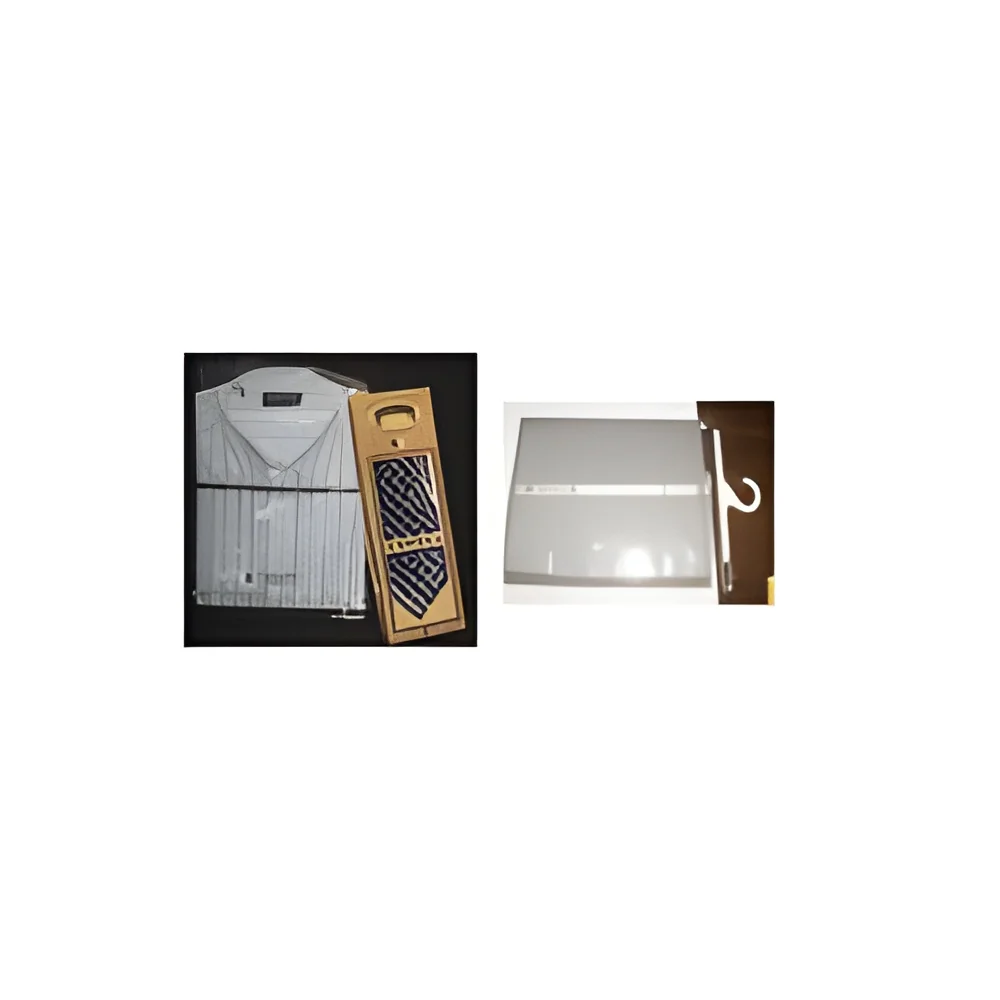
Packaging for Online Apparel Sales refers to the materials and methods used to package clothing and accessories for shipping directly to consumers. This type of packaging is designed to protect the products during transit while also providing an appealing unboxing experience for the customer. Effective packaging not only safeguards the apparel from damage but also reflects the brand's identity and values.
These packaging solutions are primarily used in e-commerce settings, where businesses ship directly to end-users. The packaging must be efficient, lightweight, and durable to withstand various shipping conditions. Additionally, the packaging plays a crucial role in enhancing customer satisfaction through its design and presentation. In the current market, where online apparel sales are rapidly growing, innovative packaging solutions are essential for differentiating businesses from competitors.
The relevance of packaging in the apparel industry has surged in recent years, driven by the boom in online shopping. Brands are increasingly focusing on sustainable and cost-effective packaging solutions that align with consumer preferences for eco-friendly products. This has led to the development of various packaging materials and designs that not only protect the apparel but also promote brand loyalty.
Key Features and Specifications
Packaging for Online Apparel Sales comes with several important features and specifications that cater to the needs of businesses and consumers alike. Understanding these specifications can help companies choose the right packaging for their products.
Key specifications include:
1. Material Type
- Common materials include poly mailers, cardboard boxes, and biodegradable options.
- Technical parameters may vary, such as thickness and weight capacity.
2. Size Options
- Available in various sizes to accommodate different apparel types, from small accessories to larger garments.
- Specific dimensions can be customized based on business requirements.
3. Closure Mechanism
- Options include self-sealing adhesive strips, zip locks, or tuck flaps for easy access.
- Each mechanism provides different levels of security and convenience.
4. Branding Capabilities
- Packaging can be customized with printed logos, colors, and designs.
- Enhances brand recognition and customer engagement.
5. Environmental Compliance
- Many packaging solutions are made from recyclable or compostable materials.
- Essential for businesses aiming for sustainability certifications.
6. Durability
- Packaging should be tear-resistant and water-resistant to protect contents during transit.
- Specifications may include weight limits and impact resistance ratings.
7. Cost Efficiency
- Businesses often seek bulk purchasing options to reduce costs.
- Price may vary based on customization and material choices.
8. Lead Times
- Delivery timelines can vary based on supplier capabilities and order quantities.
- Essential for planning inventory and fulfillment strategies.
In summary, selecting the right packaging involves understanding these key features and specifications to ensure the protection of apparel while catering to brand identity and customer satisfaction.
Common Applications and Use Cases
Packaging for Online Apparel Sales serves various industries beyond just clothing retailers. Its versatility makes it suitable for multiple applications.
1. Fashion Retail: Many fashion brands use specialized packaging to enhance their brand image and ensure garments arrive in pristine condition.
2. E-commerce Platforms: Online marketplaces require robust packaging solutions to handle diverse products and ensure safe delivery.
3. Subscription Boxes: Companies offering monthly apparel subscriptions need packaging that is appealing and functional for repeated use.
4. Promotional Giveaways: Brands often package promotional clothing items attractively to leave a lasting impression on customers.
5. Wholesale Distributors: These distributors require bulk packaging solutions that are efficient and cost-effective for large orders.
6. Custom Clothing Services: Businesses providing tailored apparel need packaging that accommodates unique items while ensuring protection.
7. Event Merchandise: Packaging for event-related clothing must be eye-catching and durable for transport to various locations.
Product Variants and Subcategories
Packaging for Online Apparel Sales includes a variety of options to meet different business needs. This diversity allows companies to select the most suitable packaging for their products.
Poly Mailers
Poly mailers are lightweight, water-resistant bags that provide a cost-effective solution for shipping apparel. They come in various sizes and can be customized with branding. Their durability makes them ideal for e-commerce.
Cardboard Boxes
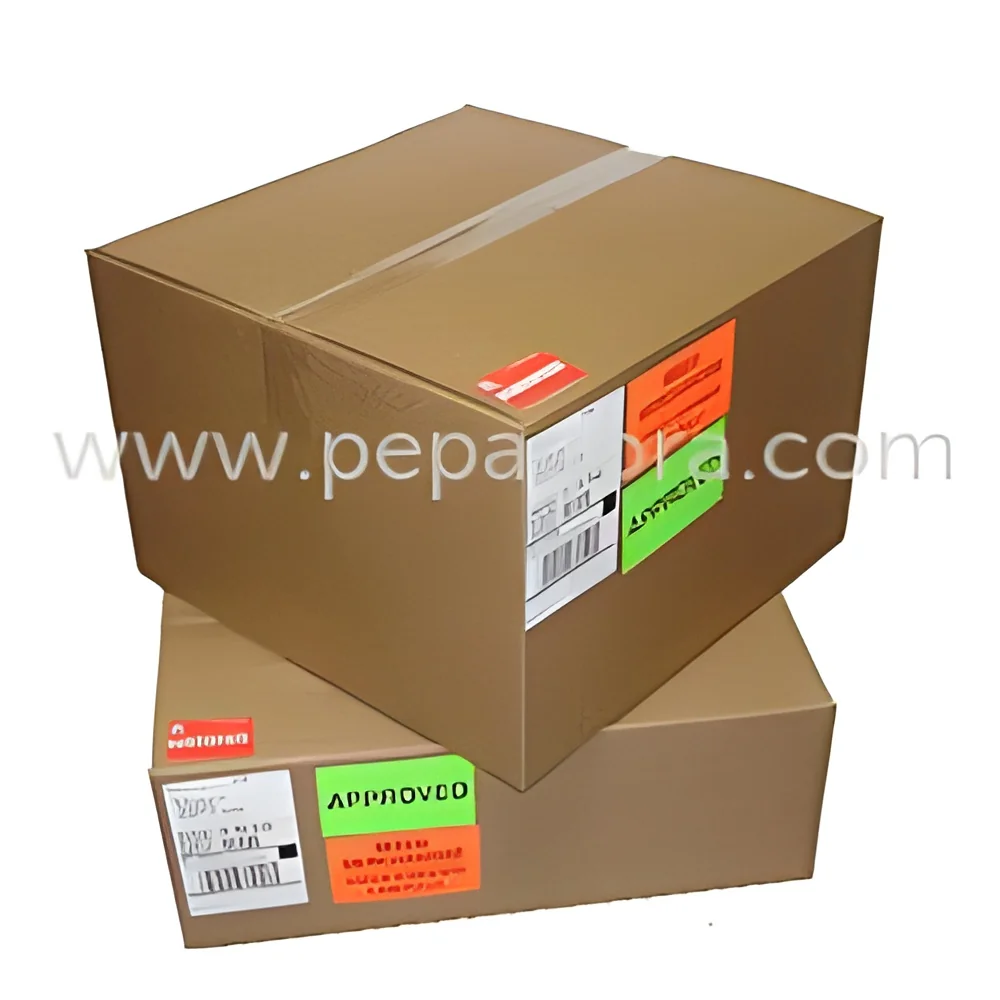
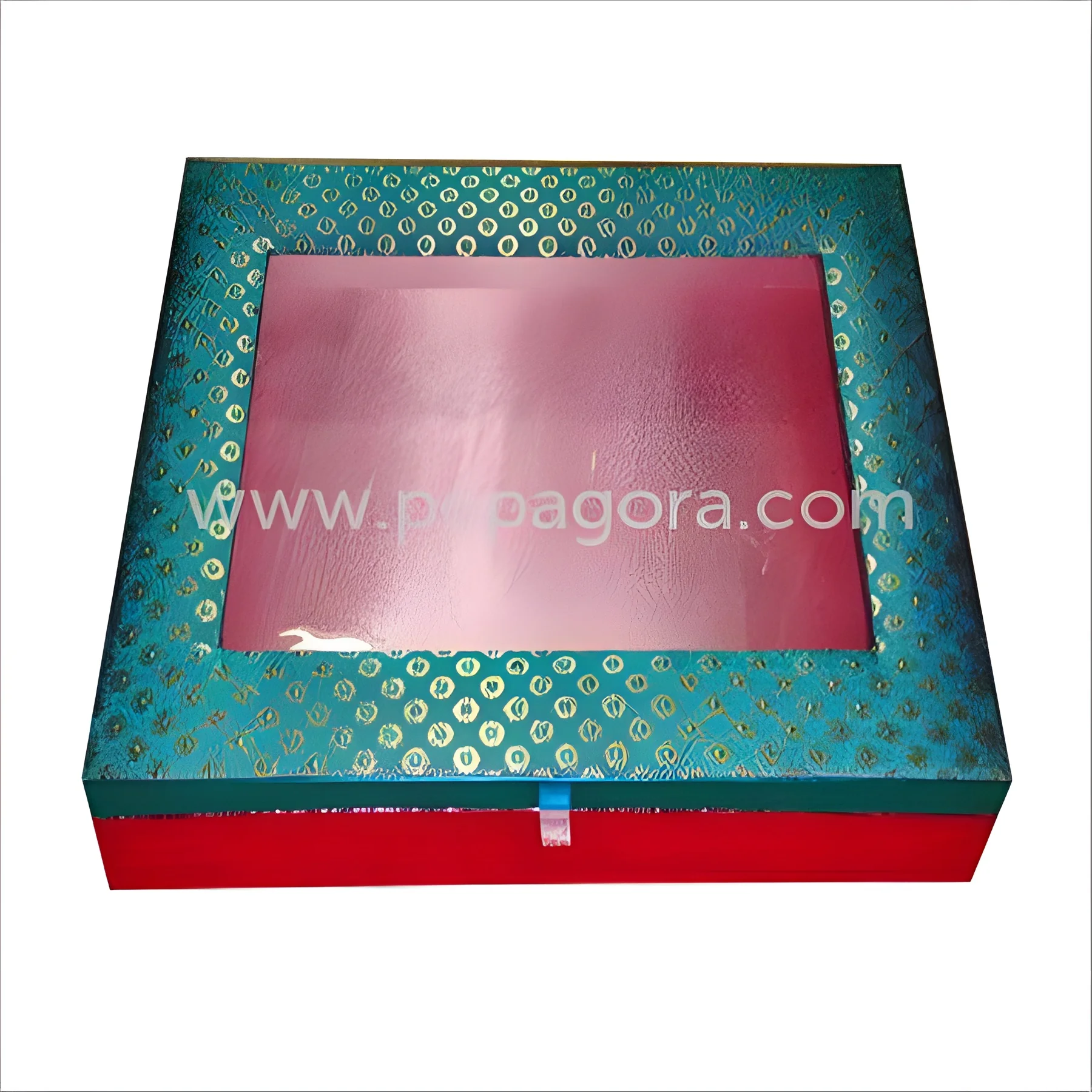
Cardboard boxes offer excellent protection for fragile items or bulk orders. They can be customized for size and design, providing a premium unboxing experience for customers.
Recyclable Packaging
This variant emphasizes sustainability, using materials that are environmentally friendly. It appeals to eco-conscious consumers and helps brands demonstrate their commitment to sustainability.
Biodegradable Packaging
Biodegradable options break down naturally over time, reducing environmental impact. These solutions are suitable for brands looking to promote their eco-friendly practices.
Custom Printed Packaging
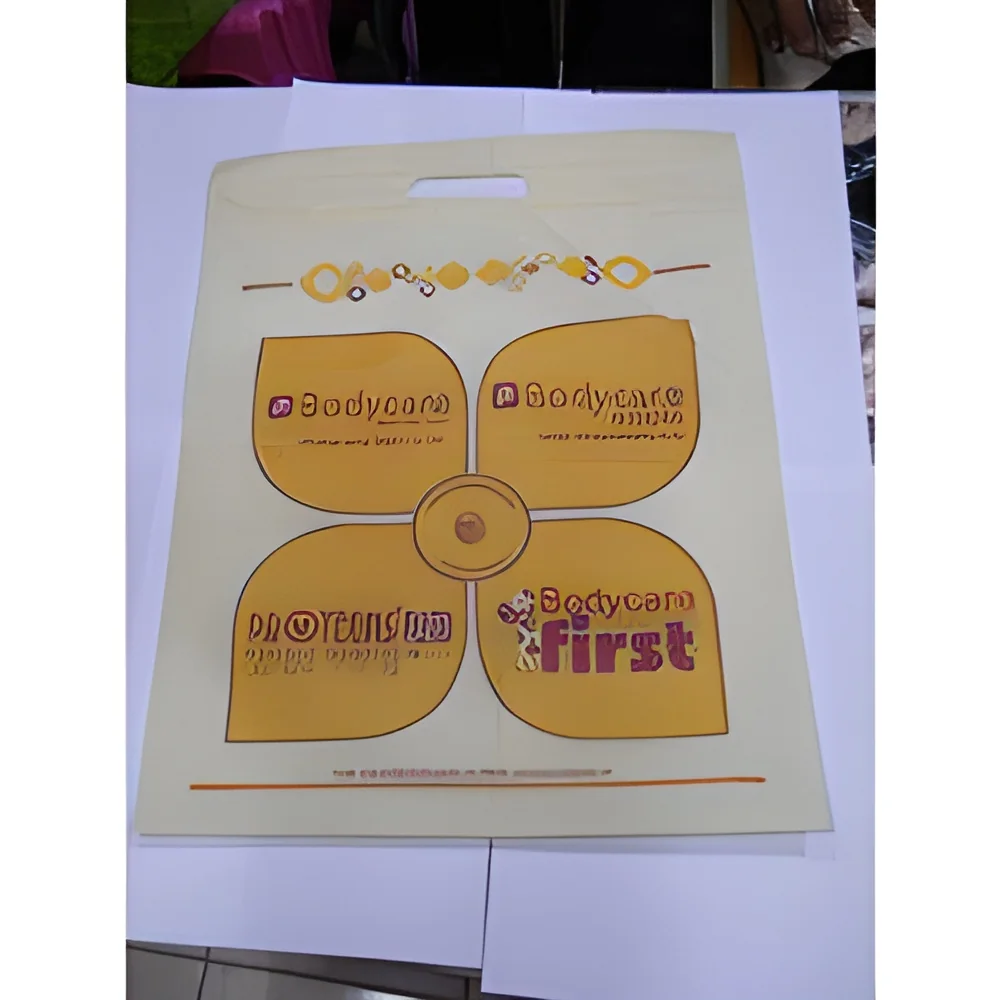
Custom printed options allow businesses to showcase their brand identity directly on the packaging. This can include logos, colors, and designs that enhance customer recognition.
Benefits and Advantages
Packaging for Online Apparel Sales offers numerous benefits that can positively impact a business's bottom line. Understanding these advantages is key for B2B buyers.
Key benefits include:
1. Product Protection: Quality packaging ensures that apparel arrives without damage, minimizing returns and enhancing customer satisfaction.
2. Brand Visibility: Custom branding on packaging increases brand recognition and can lead to repeat purchases.
3. Cost-Effectiveness: Efficient packaging solutions can reduce shipping costs and waste, improving overall profitability.
4. Customer Experience: Attractive packaging enhances the unboxing experience, leaving a positive impression on customers.
5. Sustainability: Eco-friendly packaging options appeal to environmentally conscious consumers and can bolster a brand's reputation.
6. Flexibility: The variety of packaging types allows businesses to select solutions tailored to specific needs and product types.
Buying Guide for B2B Buyers
When sourcing Packaging for Online Apparel Sales, B2B buyers should consider several critical factors to ensure they choose the right solutions.
1. Quality Assessment: Evaluate the quality of materials to ensure they meet the requirements for protection and durability. Look for samples to assess performance.
2. Supplier Verification: Vet potential suppliers by checking their reputation, certifications, and customer reviews. Reliable suppliers are essential for consistent quality.
3. Pricing and MOQ: Understand pricing structures and minimum order quantities to determine budget compatibility. Compare quotes from multiple suppliers for the best deal.
4. Delivery and Lead Times: Inquire about delivery schedules and lead times to align with your business's operational needs. Timely delivery is crucial for maintaining inventory.
5. Compliance Requirements: Ensure that packaging meets relevant regulatory standards and certifications, especially if targeting specific markets or demographics.
Compliance and Certifications
Compliance with industry standards and certifications is vital for Packaging for Online Apparel Sales. Adhering to these guidelines ensures quality and safety in the packaging process.
Relevant quality standards such as ISO 9001 help ensure that manufacturing processes meet international benchmarks for quality management. This standard can enhance customer trust and satisfaction.
Industry certifications like CE indicate compliance with European health, safety, and environmental protection standards. This certification is crucial for businesses operating in or exporting to European markets.
Safety and testing requirements must be met to ensure that packaging materials are safe for use. This includes assessments for toxicity, durability, and environmental impact.
Regional compliance considerations vary by market. Businesses should be aware of local regulations regarding materials and labeling to avoid legal complications and ensure smooth operations.
Why Source Packaging for Online Apparel Sales from Pepagora?
Pepagora provides a trusted platform for sourcing Packaging for Online Apparel Sales, offering several key advantages that benefit B2B buyers.
Verified Supplier Network: Pepagora features a comprehensive network of verified suppliers. This ensures that buyers can access high-quality packaging options from reputable manufacturers.
Streamlined RFQ Process: The platform simplifies the request for quotation process, allowing buyers to easily compare options and make informed decisions quickly.
Trade Assurance and Support: Pepagora offers buyer protection through trade assurance, ensuring that transactions are secure and that buyers receive the products as promised.
Regional Coverage: With a focus on markets in India, the GCC, and Southeast Asia, Pepagora provides diverse options tailored to local needs, ensuring that buyers can find suitable packaging solutions in their region.

 IN
IN