What are Heat Transfer Labels?
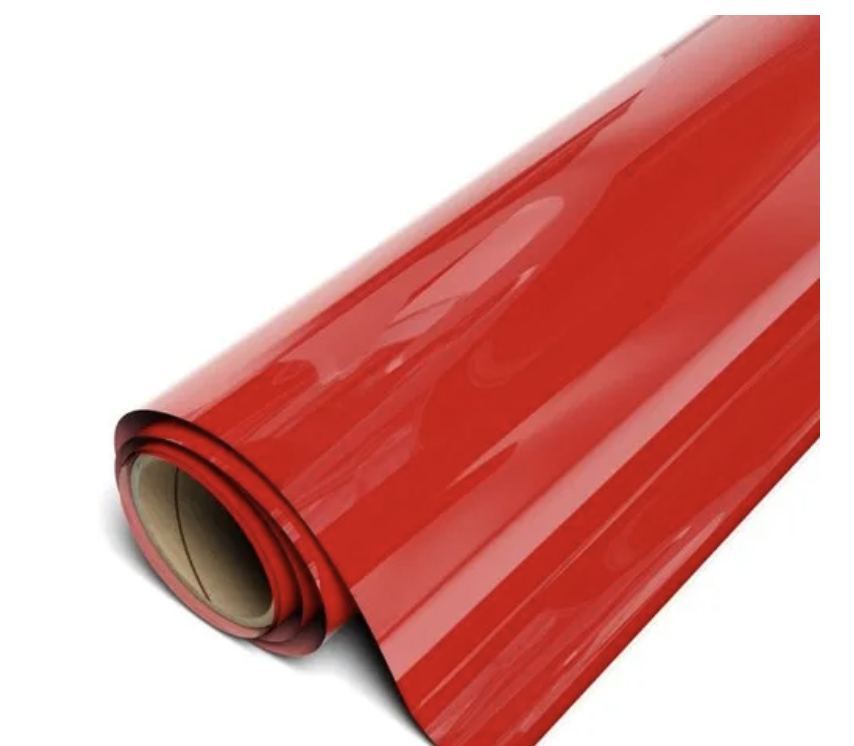
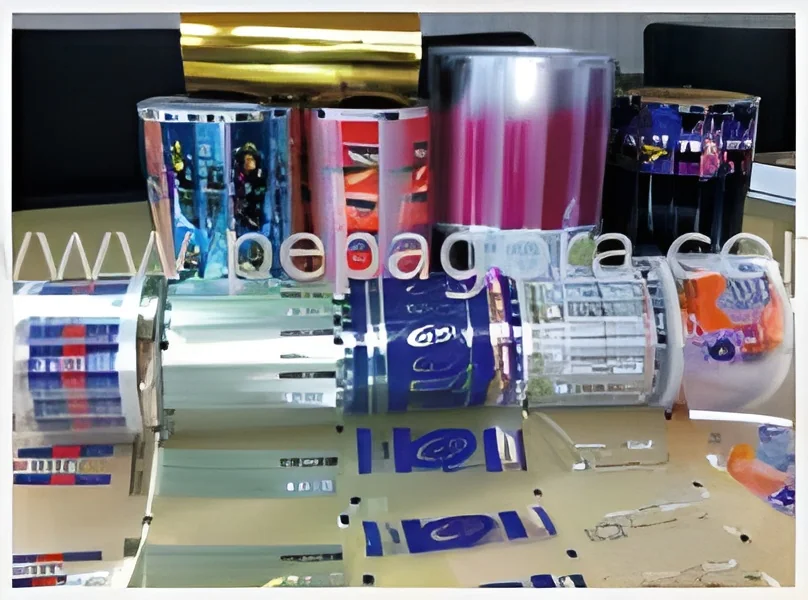
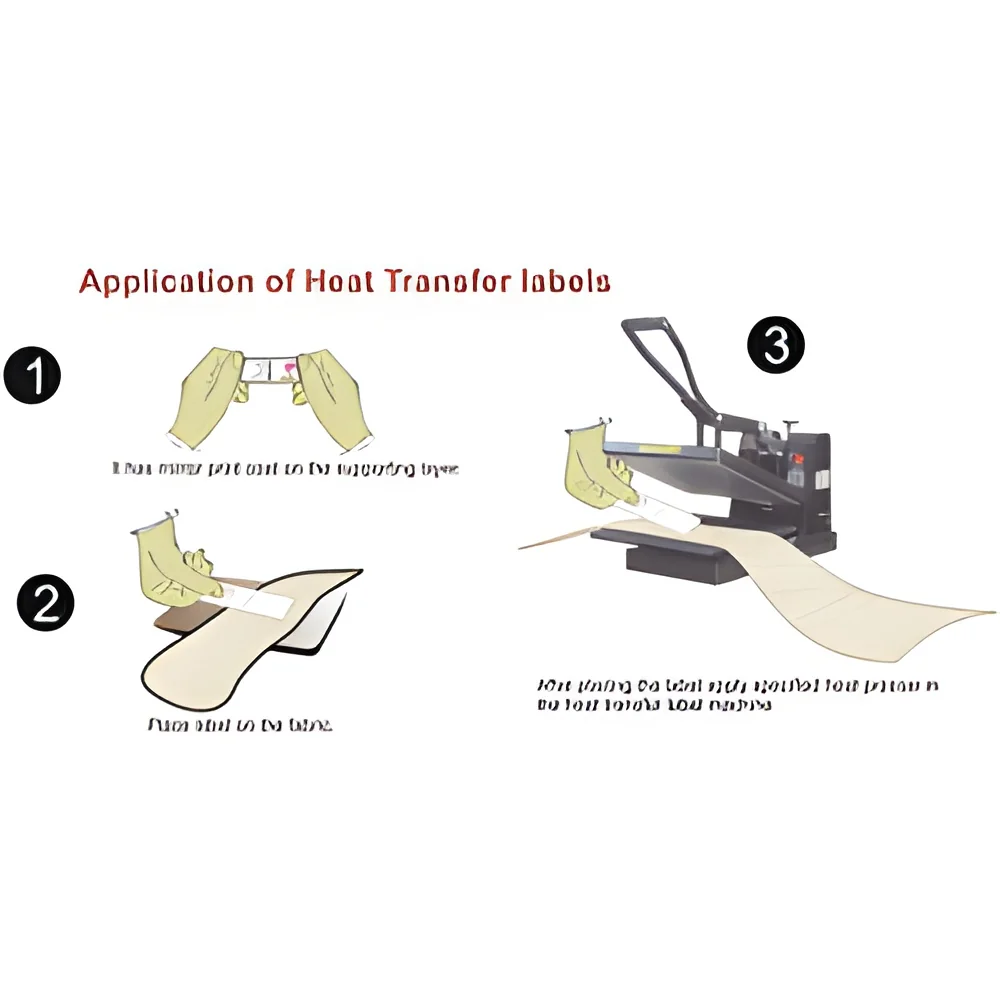
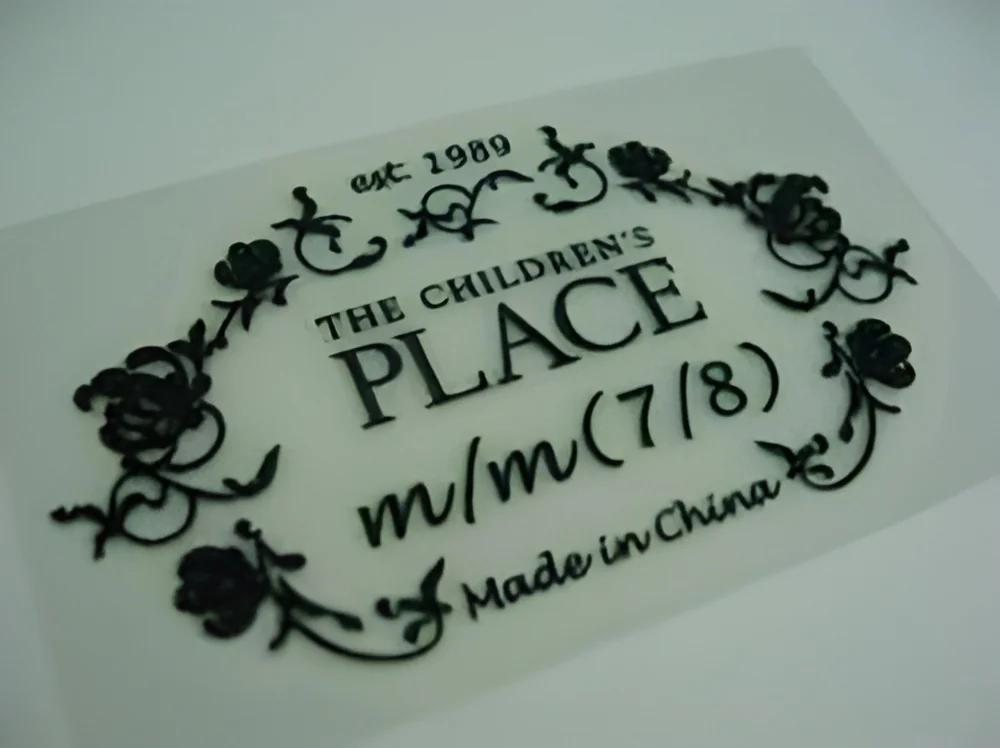
Heat transfer labels are specialized tags that are applied to various products through a process of heat transfer. This method involves using heat and pressure to adhere the label onto the surface of the product, resulting in a durable and high-quality finish. Heat transfer labels are often made from materials such as vinyl or polyester, which allow for vibrant graphics and text that remain intact even under harsh conditions.
These labels are widely used across many industries, including textiles, food and beverage, and consumer goods. Businesses apply heat transfer labels to clothing, packaging, and equipment to provide essential information such as branding, care instructions, and compliance details. The ability to create complex designs and high-quality prints makes them popular among manufacturers looking for effective branding solutions.
In the current market, the demand for heat transfer labels is growing due to increasing consumer expectations for product labeling. Companies are looking for solutions that not only meet regulatory requirements but also enhance brand visibility. This trend is particularly evident in the fashion and food industries, where labels play a crucial role in product presentation and consumer engagement.
Key Features and Specifications
Heat transfer labels offer a range of features that cater to diverse business needs. These labels not only provide essential information but also enhance the aesthetics of the product. Their durability and resistance to fading and scratching are critical for long-term use.
Key specifications include:
1. Material Type
- Common materials include vinyl, polyester, and nylon.
- These materials are selected for their durability and print quality.
2. Print Quality
- High-resolution printing allows for intricate designs and vibrant colors.
- Quality is maintained even after multiple washes or exposure to elements.
3. Adhesion Strength
- Labels are designed to withstand heat, cold, and moisture.
- Strong adhesion ensures labels do not peel or fade.
4. Temperature Resistance
- Heat transfer labels can withstand varying temperature ranges.
- Specific temperature ranges are dependent on the material used.
5. Compliance Standards
- Labels can meet various industry-specific compliance requirements.
- Certifications like CE can be applicable.
6. Customization Options
- Businesses can request custom designs and sizes.
- Flexibility in production allows for unique branding opportunities.
7. Production Lead Times
- Typical lead times may vary based on order size.
- Fast turnaround options may be available for urgent needs.
8. Minimum Order Quantity (MOQ)
- MOQs may differ among suppliers, affecting the purchasing process.
- Understanding MOQ is essential for budgeting and planning.
Heat transfer labels are versatile products that support branding and compliance across various sectors.
Common Applications and Use Cases
Heat transfer labels find applications in numerous industries due to their versatility and functionality.
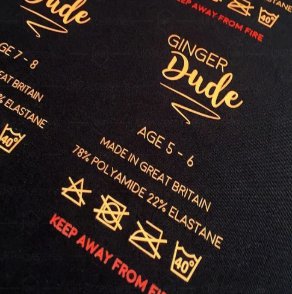
1. Textile Industry: In clothing manufacturing, heat transfer labels are used to provide care instructions, brand logos, and size information. They are popular for their clean finish and durability through multiple washes.
2. Food and Beverage: Labels are applied to packaging to convey nutritional information, expiration dates, and compliance with health regulations. They enhance product presentation and ensure legal compliance.
3. Consumer Electronics: Heat transfer labels can be used on devices to display brand logos, model numbers, and safety certifications. Their resilience helps maintain aesthetics despite frequent handling.
4. Automotive: In the automotive sector, labels are used for information regarding parts, maintenance instructions, and safety warnings. Their ability to withstand heat and chemicals makes them ideal.
5. Cosmetics: Beauty products utilize heat transfer labels for branding and ingredient lists. The labels must be visually appealing and withstand moisture.
6. Pharmaceuticals: Labels are critical for providing dosage instructions, expiration dates, and safety information. Compliance with health standards is paramount in this sector.
7. Sports Equipment: Heat transfer labels are applied to gear and clothing to identify brands and provide care instructions. Their durability ensures longevity during use.
Product Variants and Subcategories
Heat transfer labels come in various forms, catering to specific business needs and applications.
Standard Heat Transfer Labels: These are the most common type, designed for general applications across multiple industries. They offer durability, vibrant printing, and compliance with basic industry standards.
Custom Heat Transfer Labels: Tailored to meet unique branding requirements, these labels allow businesses to specify design, size, and material. They provide an opportunity for enhanced brand visibility.
Specialty Heat Transfer Labels: These labels are designed for specific applications, such as high-temperature environments or sensitive products. They ensure that the label remains intact and legible regardless of conditions.
Benefits and Advantages
Heat transfer labels provide numerous benefits that enhance product appeal and functionality.
1. Durability: These labels are designed to withstand washing, exposure to the elements, and wear, ensuring they remain intact over time.
2. Aesthetic Appeal: With high-quality printing, heat transfer labels can enhance the overall look of a product, making it more attractive to consumers.
3. Versatility: They can be used on a wide range of materials and surfaces, making them suitable for various applications across different industries.
4. Compliance: Heat transfer labels can be designed to meet compliance requirements, helping businesses adhere to regulations in their respective industries.
5. Customization: The ability to customize labels allows businesses to create unique branding opportunities that resonate with their target audience.
6. Cost-Effectiveness: When produced in bulk, heat transfer labels can be a cost-effective solution for branding and information dissemination.
Buying Guide for B2B Buyers
When sourcing heat transfer labels, several factors should be considered to make informed purchasing decisions.
1. Quality Assessment: Evaluate the material and print quality of the labels. Ensure that they can withstand the intended usage conditions without fading or peeling.
2. Supplier Verification: Conduct thorough checks on potential suppliers to verify their reliability and track record. Look for reviews and testimonials from other businesses.
3. Pricing and MOQ: Understand the pricing structure and minimum order quantities. This will help in budgeting and assessing overall costs associated with the purchase.
4. Delivery and Lead Times: Inquire about lead times for production and delivery. Timely receipt of labels is critical for maintaining production schedules.
5. Compliance Requirements: Ensure that the labels meet any necessary industry regulations and standards. This is particularly important for sectors like food and pharmaceuticals.
Compliance and Certifications
Heat transfer labels must adhere to specific compliance and certification standards to ensure quality and safety.
Relevant quality standards, such as ISO 9001, focus on maintaining consistent quality management processes. These standards help ensure that products meet customer and regulatory requirements.
Industry certifications like CE indicate that the labels meet European safety standards. This is crucial for businesses operating in or exporting to markets that require compliance with such regulations.
Safety and testing requirements are also essential. Labels may need to undergo specific testing to confirm their durability and resistance to various conditions, such as temperature and moisture.
Regional compliance considerations may vary based on market location. Understanding local regulations is important for ensuring that labels are suitable for the intended market.
Why Source Heat Transfer Labels from Pepagora?
Pepagora provides a trusted platform for sourcing heat transfer labels with several key advantages that benefit B2B buyers.
Verified Supplier Network: The platform features a network of verified suppliers, ensuring that buyers connect with reputable manufacturers and distributors. This verification process enhances trust and reliability in sourcing.
Streamlined RFQ Process: Pepagora offers a streamlined request for quotation (RFQ) process, allowing buyers to easily request quotes from multiple suppliers. This simplifies the procurement process and saves time.
Trade Assurance and Support: Buyers benefit from trade assurance features that protect their purchases. Pepagora provides support throughout the sourcing process, ensuring that any issues are promptly addressed.
Regional Coverage: With a focus on key markets such as India, GCC, and Southeast Asia, Pepagora facilitates access to a wide range of suppliers. This geographic reach allows businesses to find suitable options tailored to their specific needs.

 IN
IN