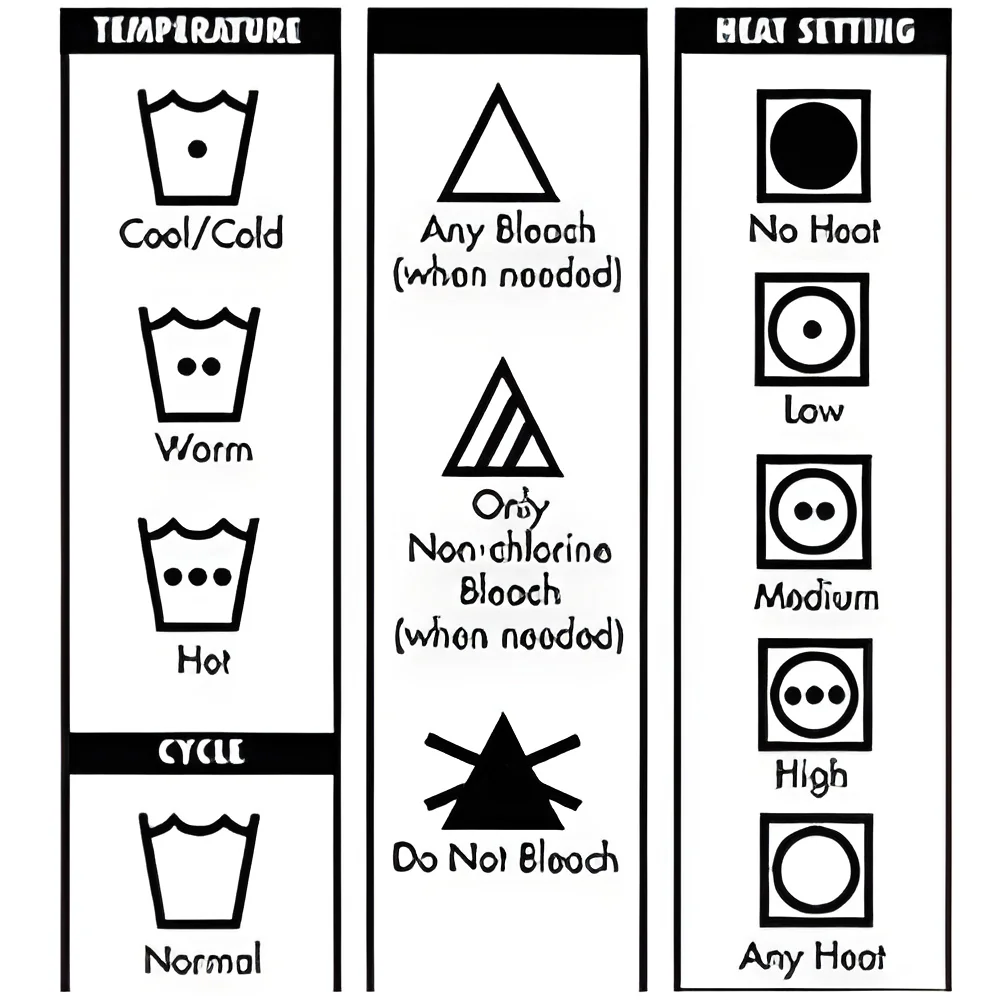
What are Care & Wash Instruction Labels?
Care and wash instruction labels are vital components in the textile and apparel industries. They provide essential information on how to properly care for and maintain various products, ensuring they remain in optimal condition throughout their lifecycle. These labels typically include details on washing temperatures, drying methods, ironing instructions, and any other specific care requirements relevant to the material used.
These labels are primarily used in the clothing, home textiles, and sports equipment sectors. They serve multiple purposes, including helping consumers maintain products effectively and protecting manufacturers from potential complaints arising from misuse. Furthermore, businesses often use these labels to comply with legal and industry standards, thereby enhancing their brand reputation and customer satisfaction.
In a market increasingly focused on sustainability and consumer awareness, the relevance of care and wash instruction labels has grown significantly. Manufacturers are now expected to provide clear guidance on product care, which can influence purchasing decisions and brand loyalty. As a result, the demand for high-quality labels that meet regulatory requirements continues to rise across various industries.
Key Features and Specifications
Care and wash instruction labels come with several key features that enhance their usability and effectiveness. Understanding these specifications is crucial for businesses seeking to implement labels that meet industry standards and consumer expectations.
Key specifications include:
1. Material Type
- Typically made from durable fabric or synthetic materials
- Resistant to wear and tear, ensuring longevity
2. Print Quality
- High-resolution printing for clear readability
- Options for waterproof and fade-resistant inks
3. Size and Format
- Available in various sizes to fit different products
- Custom shapes and designs to align with branding
4. Adhesive Properties
- Strong adhesives for secure attachment
- Options for removable or permanent adhesion
5. Compliance Standards
- Labels can meet international regulations
- Certifications like CE to ensure quality and safety
6. Customization Options
- Ability to print logos and brand colors
- Tailored content to suit specific product needs
7. Temperature Resistance
- Labels designed to withstand high washing temperatures
- Suitable for both industrial and home laundering
8. Environmental Considerations
- Eco-friendly materials available to support sustainability
- Recyclable or biodegradable options for responsible disposal
In summary, the right care and wash instruction labels can significantly impact product longevity and customer satisfaction, making it essential for businesses to consider these specifications carefully.
Common Applications and Use Cases
Care and wash instruction labels are widely utilized across multiple sectors, reflecting their importance in maintaining product integrity and consumer trust.
1. Apparel Industry: These labels are fundamental in clothing, providing washing instructions that help prevent damage and maintain quality over time.
2. Home Textiles: Used in bed linens, towels, and curtains, these labels inform consumers on the best cleaning practices to ensure longevity and performance.
3. Sports Equipment: Labels on items like jerseys and sportswear detail specific care instructions to preserve fabric properties essential for performance.
4. Footwear: Labels provide cleaning and care instructions for different materials, ensuring the longevity of shoes and boots.
5. Automotive Textiles: In car interiors, these labels guide consumers on maintaining upholstery and safety materials effectively.
6. Industrial Products: Labels on protective gear and uniforms ensure compliance with safety standards and proper maintenance guidelines.
7. Furniture: Care instructions for upholstery and fabrics help consumers maintain their investments in home furnishings.
Product Variants and Subcategories
Care and wash instruction labels come in various formats to cater to different business needs and industry requirements. Each variant offers unique features that enhance their functionality.
Standard Fabric Labels: These are commonly used in clothing and home textiles. They are durable and often made from cotton or polyester, ensuring they withstand repeated washings without fading.
Synthetic Labels: Made from materials like nylon or polyester, these labels are often more resistant to wear and tear. They are ideal for items that undergo rigorous cleaning processes.
Heat Transfer Labels: These labels are printed directly onto the fabric, eliminating the need for stitching or adhesives. They offer a clean look and can withstand high temperatures during washing.
Woven Labels: These provide a premium look and feel, often used in high-end fashion items. They are durable and maintain their appearance over time.
Benefits and Advantages
Implementing care and wash instruction labels in products offers numerous benefits for both manufacturers and consumers.
Key benefits include:
1. Enhanced Customer Satisfaction: Clear care instructions help consumers maintain their products, leading to higher satisfaction and repeat purchases.
2. Brand Protection: Proper labels can minimize complaints and returns by informing customers on how to care for products correctly.
3. Compliance Assurance: Labels that meet industry standards help businesses avoid legal issues and enhance their credibility.
4. Customization Opportunities: Businesses can tailor labels to include branding elements, enhancing brand visibility and recognition.
5. Improved Product Longevity: Accurate care instructions contribute to the maintenance of products, extending their usable life and reducing waste.
6. Eco-Friendly Options: Sustainable label materials can appeal to environmentally conscious consumers, enhancing brand loyalty.
Buying Guide for B2B Buyers
When sourcing care and wash instruction labels, it is essential for businesses to consider several key factors to ensure they select the right products.
1. Quality Assessment: Evaluate the durability of materials and print quality. Labels should withstand various washing and drying conditions without fading or peeling.
2. Supplier Verification: Research potential suppliers to ensure they have a track record of reliability and quality. Check for reviews and certifications that validate their credibility.
3. Pricing and MOQ: Understand the cost per label and any minimum order quantities (MOQ) that may apply. Compare various suppliers to find the best value for your needs.
4. Delivery and Lead Times: Confirm delivery schedules and lead times to ensure that labels arrive when needed. This is crucial to avoid delays in production.
5. Compliance Requirements: Ensure that labels meet any necessary regulatory standards specific to your industry, including safety and environmental considerations.
Compliance and Certifications
Care and wash instruction labels are subject to various compliance standards and certifications that ensure their quality and safety. Meeting these requirements is crucial for manufacturers.
Relevant quality standards include ISO 9001, which focuses on quality management systems, ensuring that products consistently meet customer and regulatory requirements. Additionally, HACCP (Hazard Analysis and Critical Control Points) standards may apply in industries where product safety is essential.
Industry certifications, such as CE marking, signify that a product meets European health, safety, and environmental protection standards. This certification can be particularly important for companies exporting products to Europe.
Safety and testing requirements may vary by region and product type. Businesses must be aware of these factors to avoid compliance issues. Regional considerations are also paramount, as different areas may have specific labeling regulations that need to be adhered to.
Why Source Care & Wash Instruction Labels from Pepagora?
Pepagora offers a trusted platform for sourcing care and wash instruction labels, providing multiple advantages to B2B buyers.
Verified Supplier Network: Pepagora connects buyers with a robust network of verified suppliers, ensuring quality and reliability in the products sourced. Buyers can have confidence in the suppliers they engage with.
Streamlined RFQ Process: The request for quotation (RFQ) system simplifies the sourcing process, allowing buyers to receive competitive quotes from multiple suppliers quickly. This efficiency can save time and resources.
Trade Assurance and Support: Pepagora provides trade assurance to protect buyers from potential issues during transactions. This added layer of security fosters trust and encourages smoother business relationships.
Regional Coverage: With a strong presence in India, the GCC, and Southeast Asia, Pepagora offers geographic reach that caters to diverse market needs. This regional focus ensures that buyers can find suitable suppliers local to their operational areas, enhancing logistical efficiency.

 IN
IN