
 IN
INBlankets & Comforters
76 products available
𝗪𝗵𝗮𝘁 𝗮𝗿𝗲 𝗕𝗹𝗮𝗻𝗸𝗲𝘁𝘀 & 𝗖𝗼𝗺𝗳𝗼𝗿𝘁𝗲𝗿𝘀?
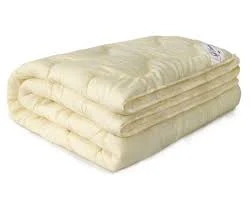
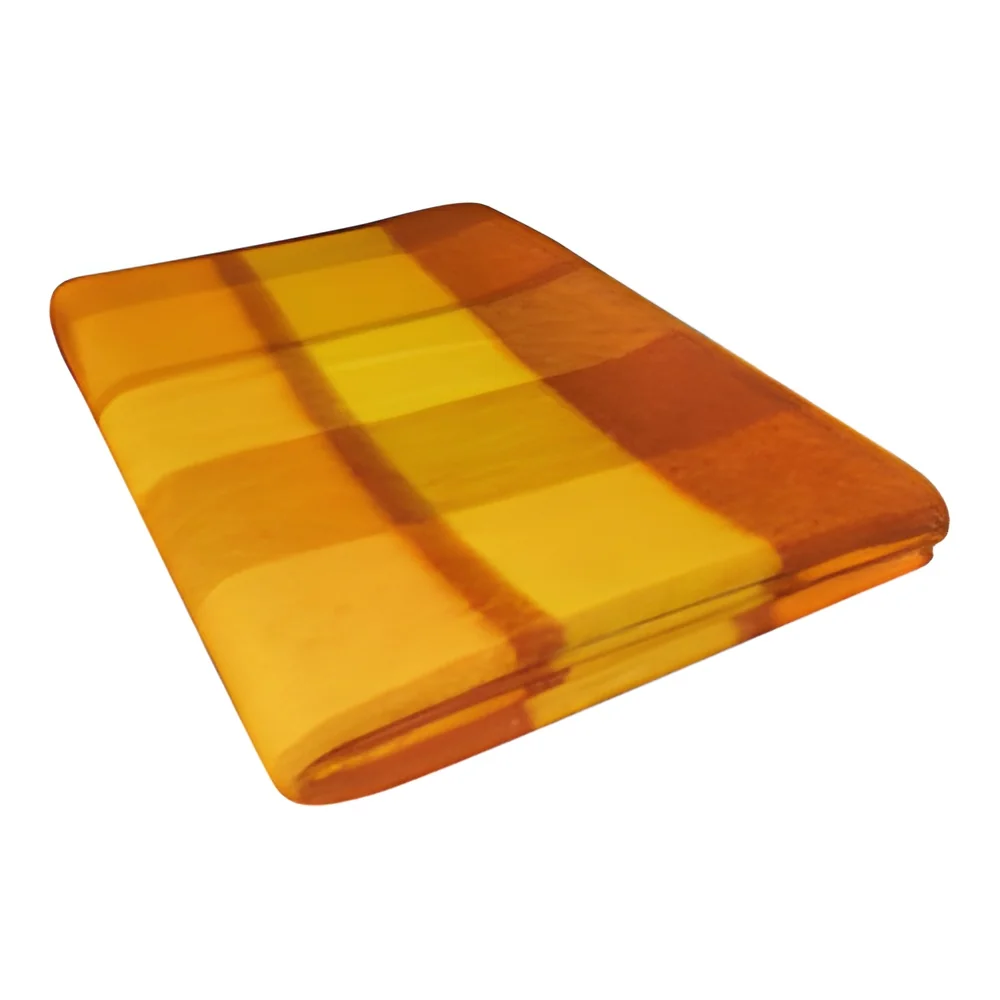
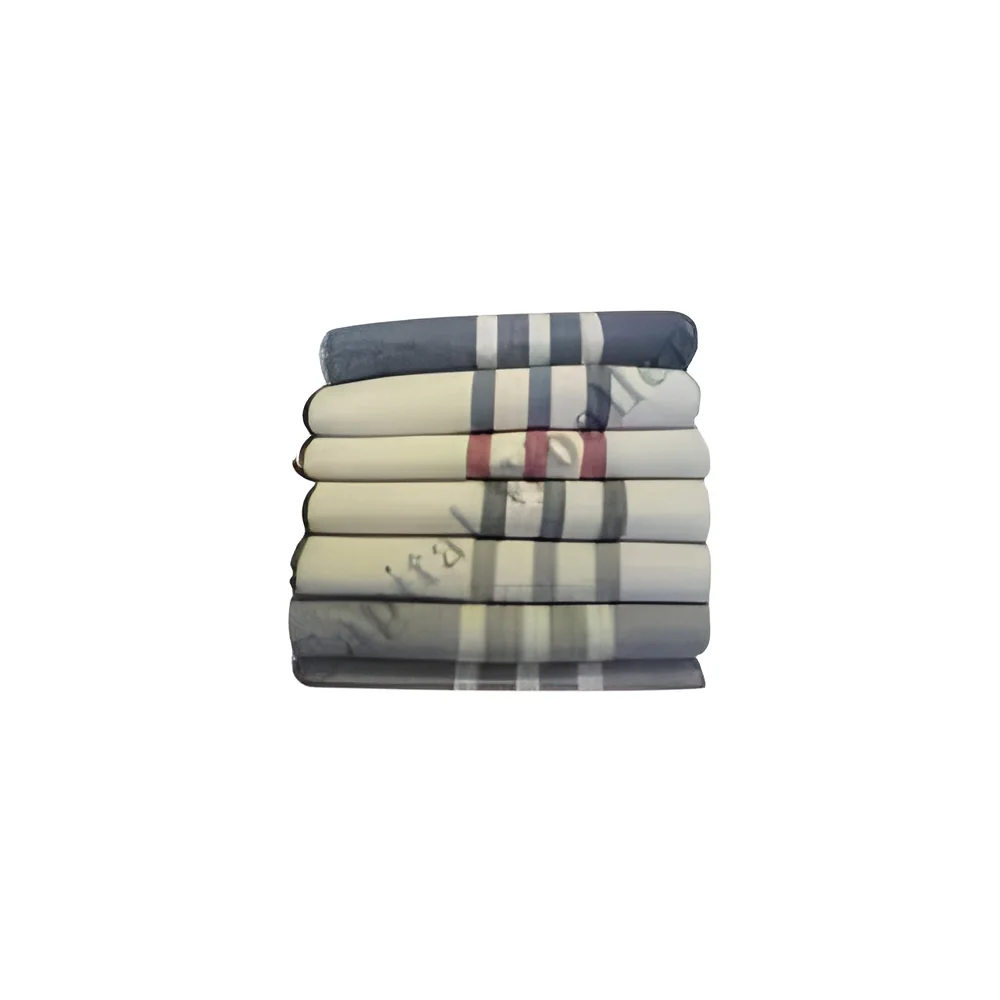
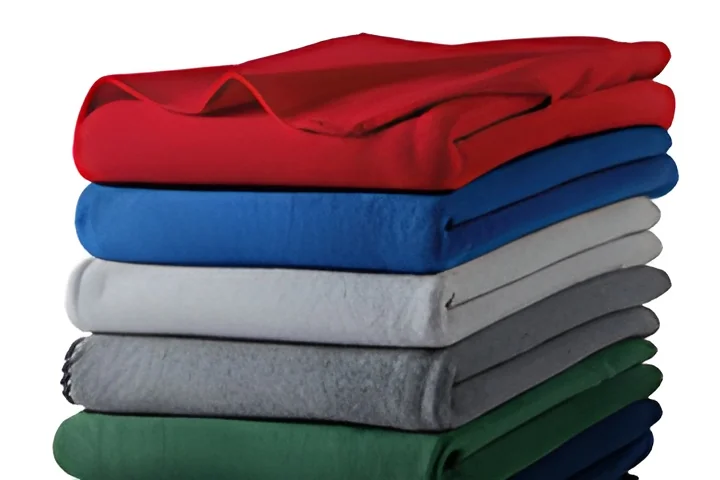
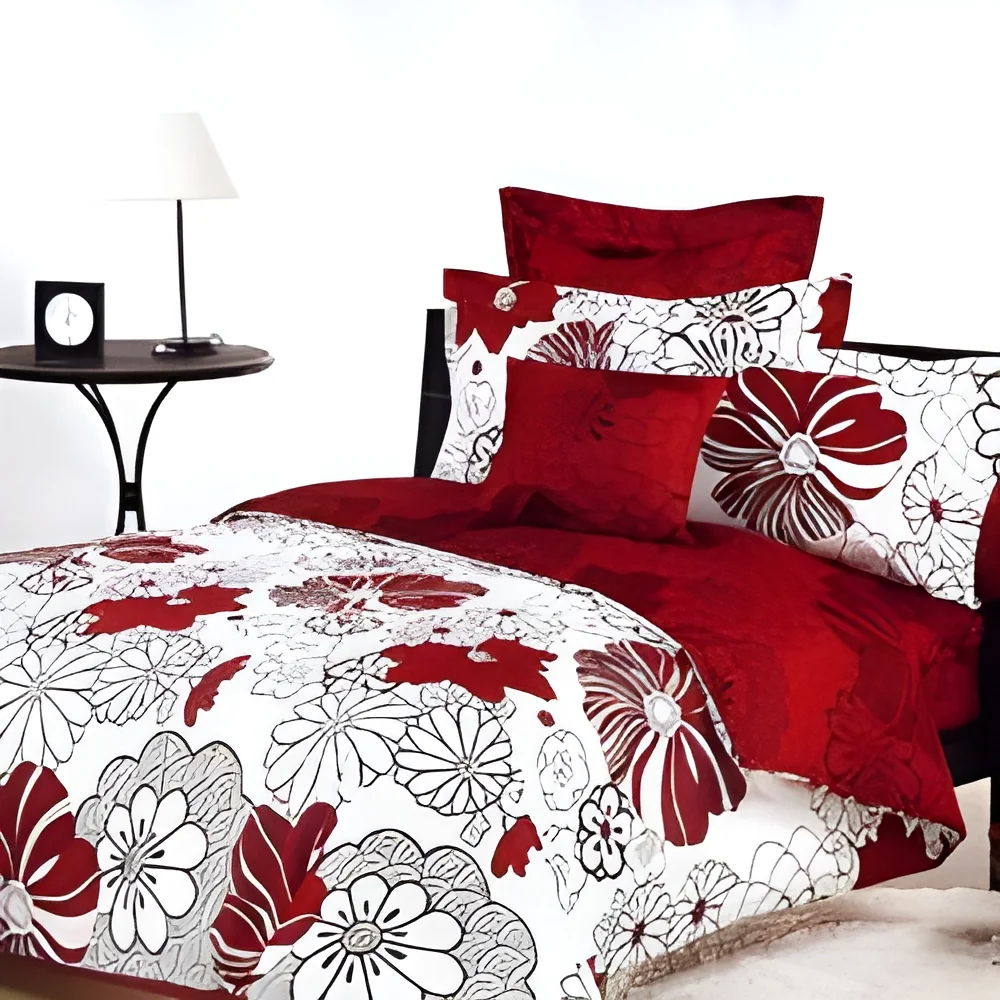
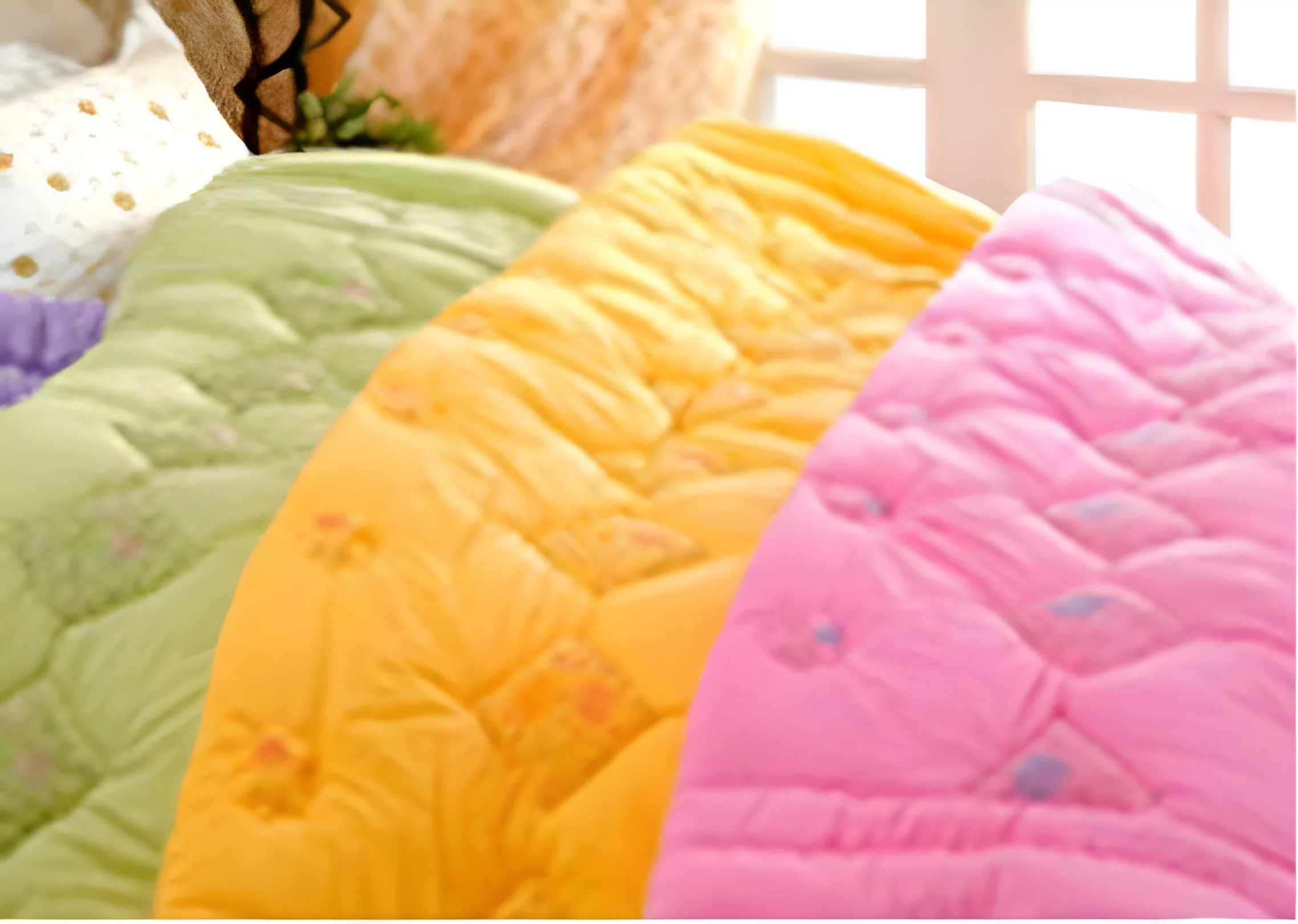
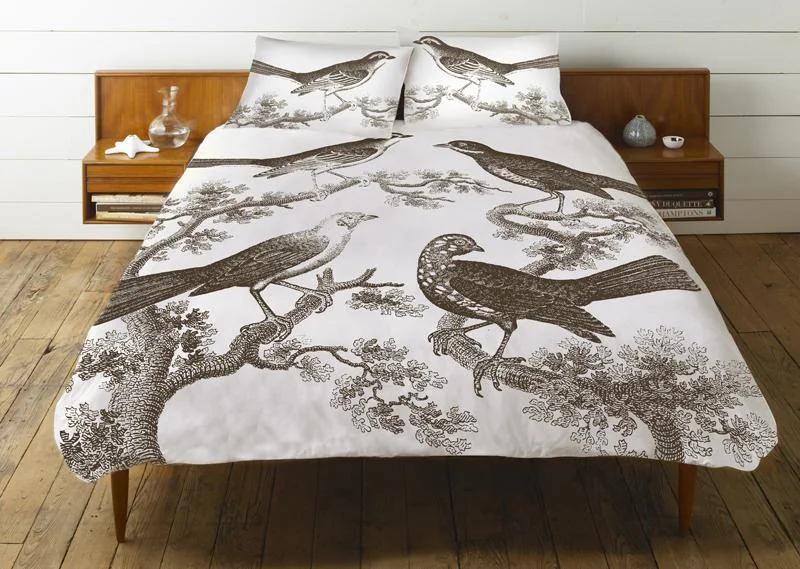
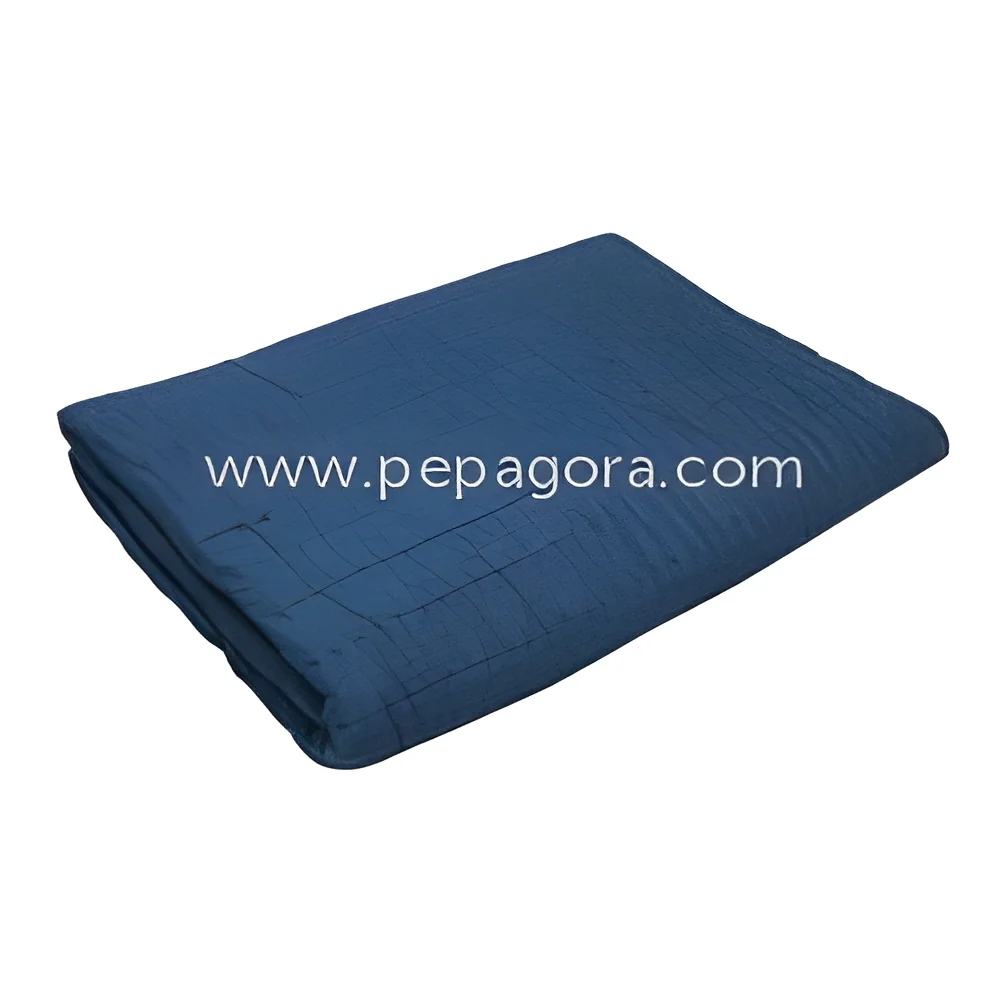
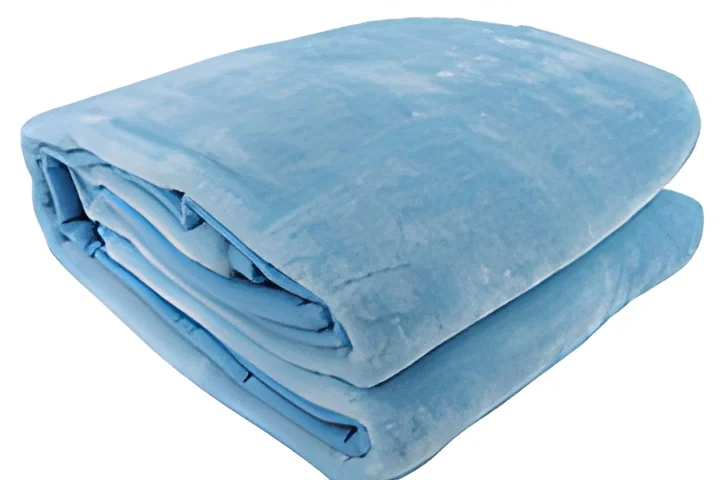
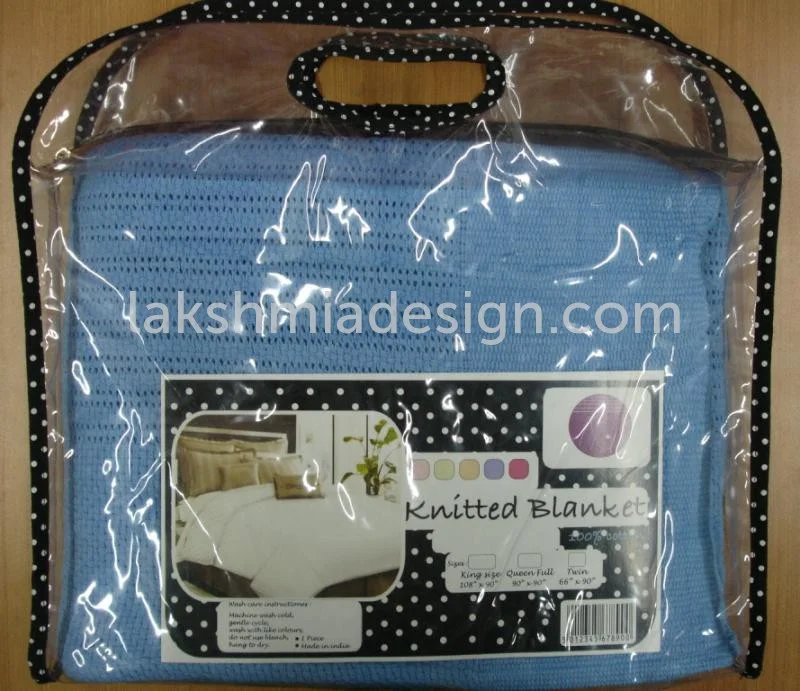
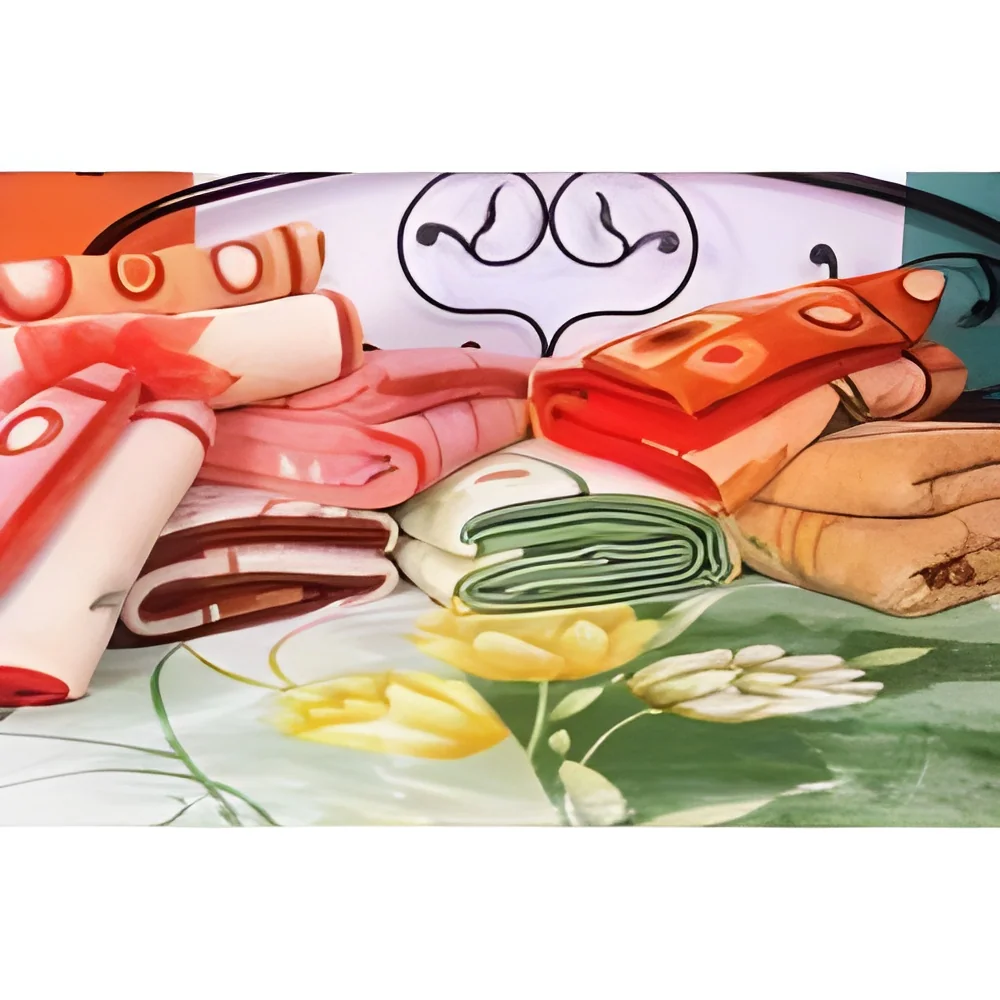
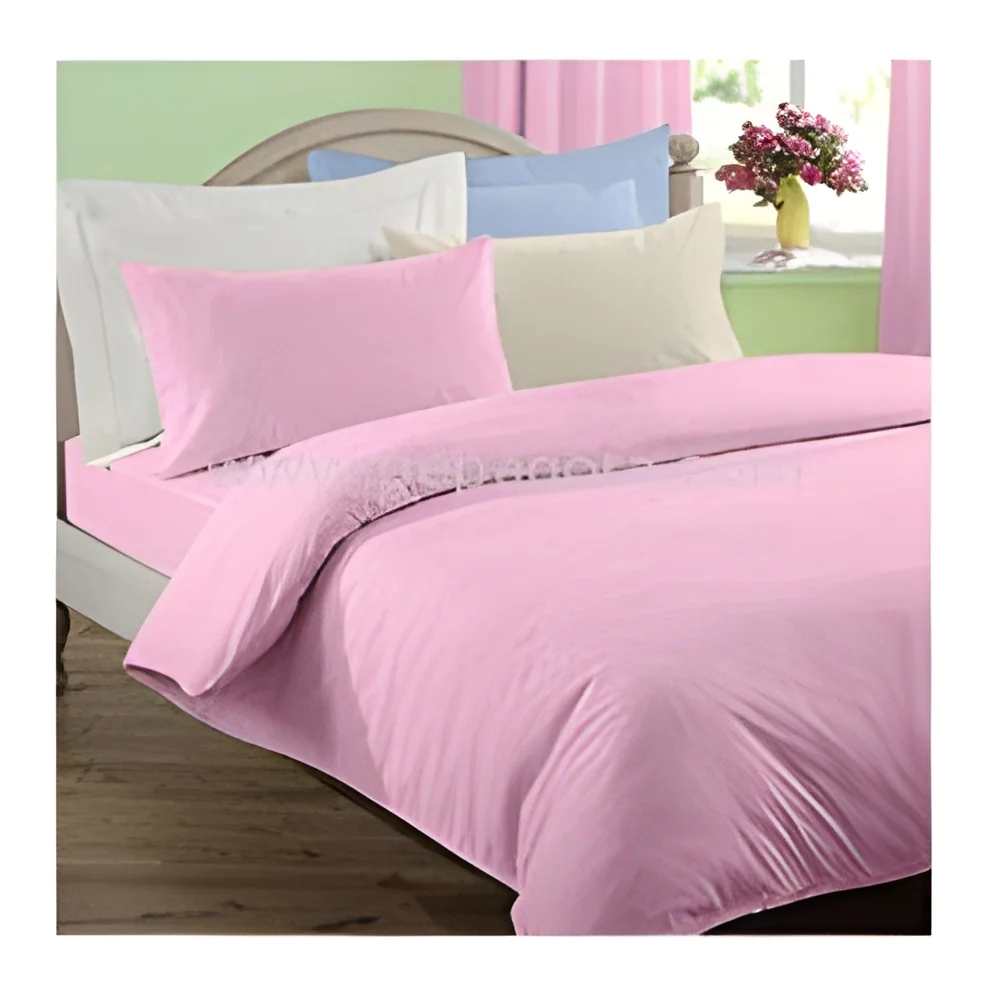
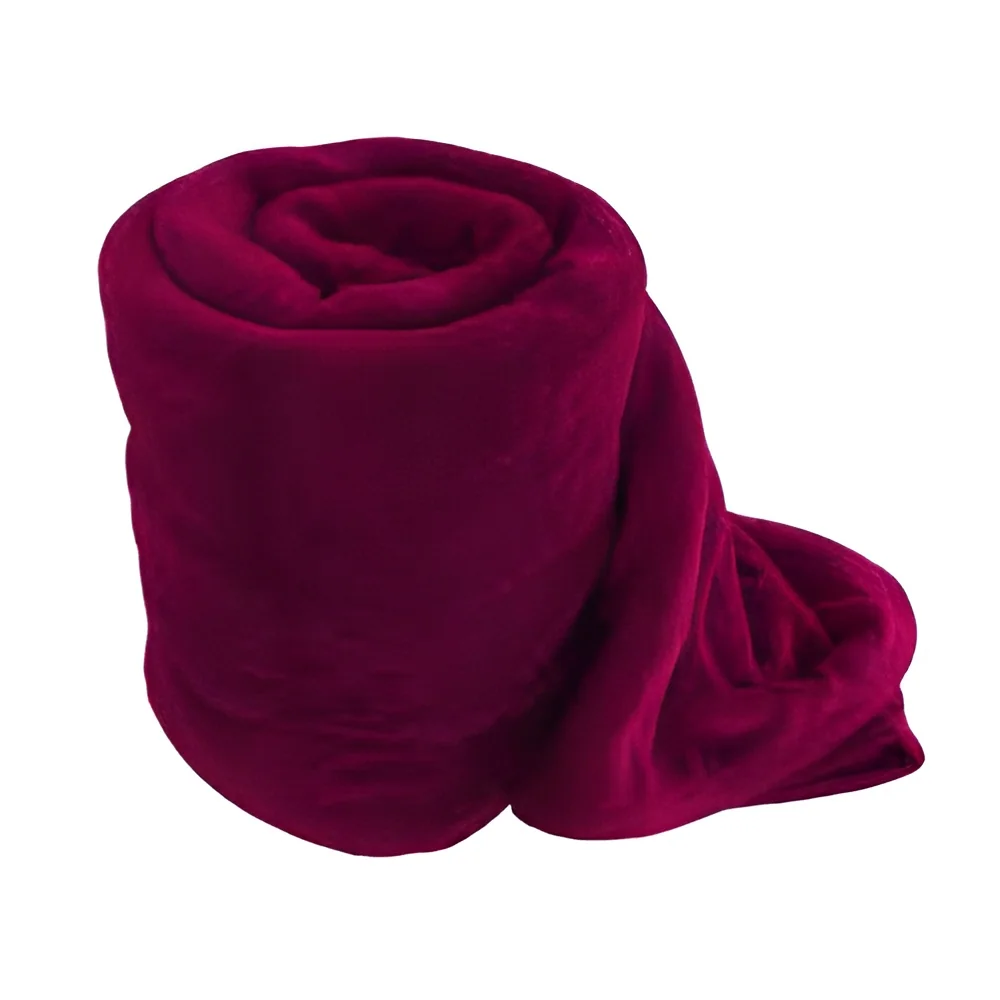
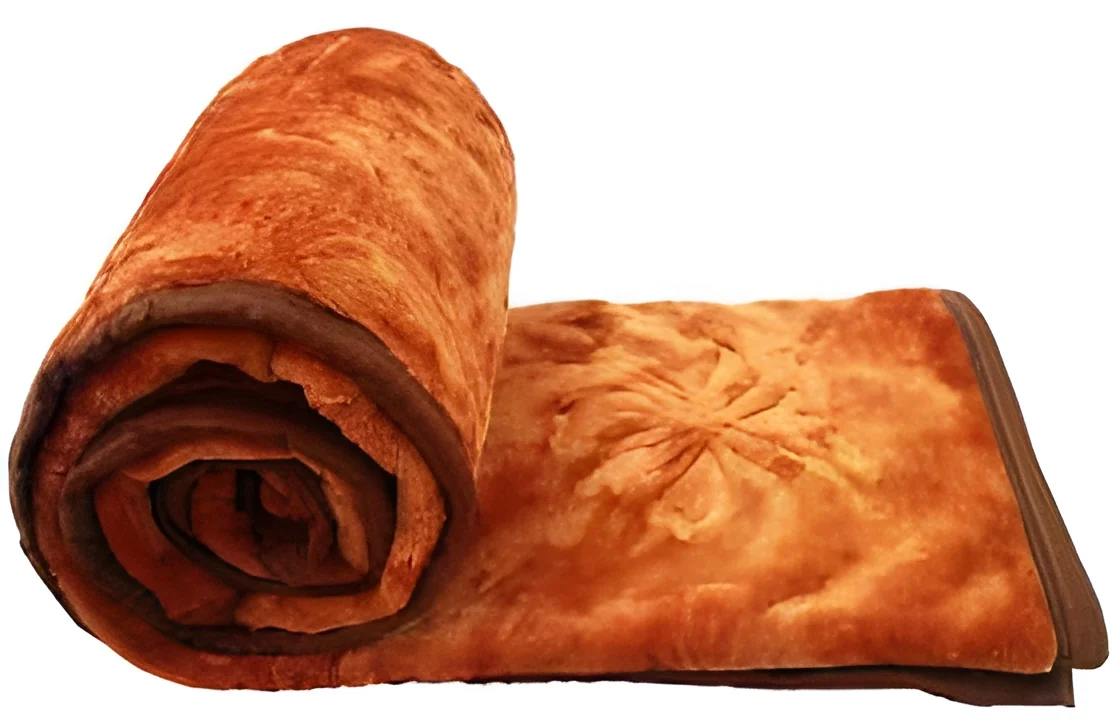
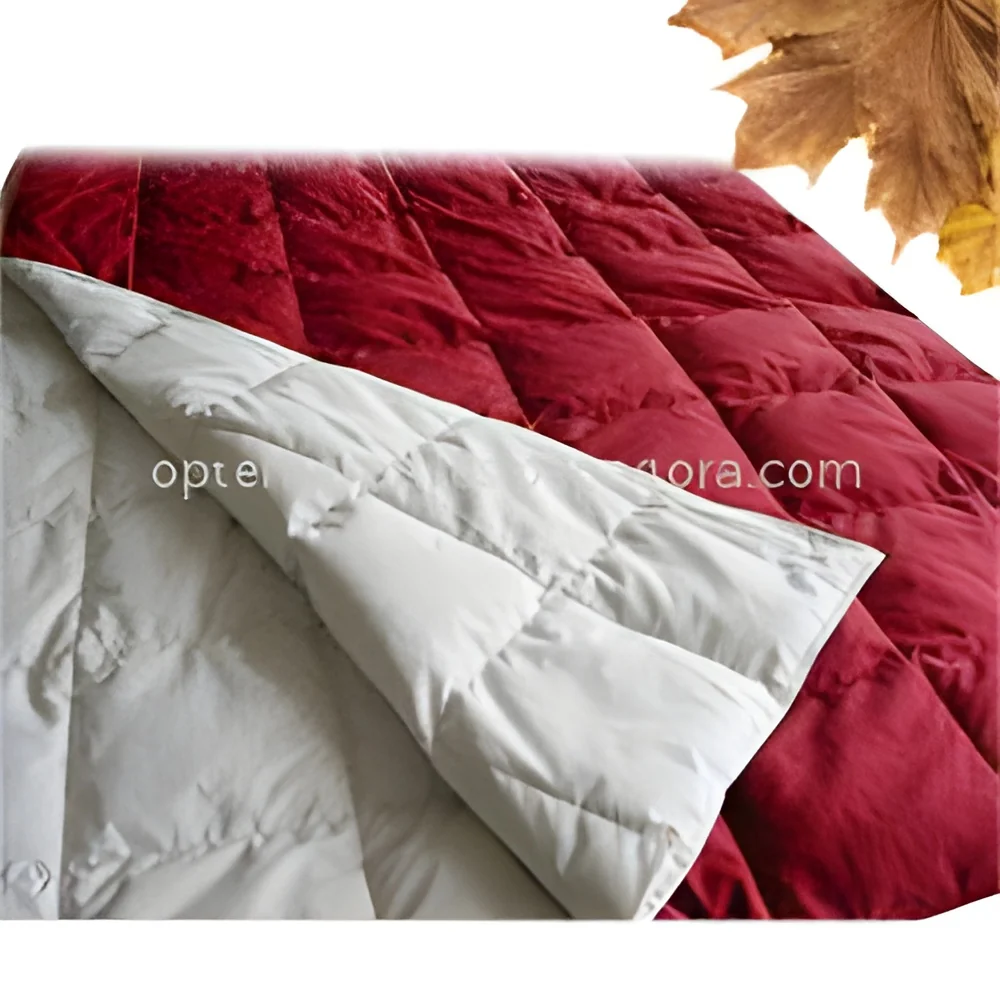
Blankets and comforters are essential textile products used primarily for warmth and comfort. Blankets typically refer to lightweight coverings that provide insulation and can be made from various materials such as wool, cotton, or synthetic fibers. Comforters, on the other hand, are thicker and often filled with materials like down or polyester, designed to provide substantial warmth while also serving as decorative bedding.
In a business context, blankets and comforters are commonly used in hospitality, healthcare, and residential sectors. Hotels utilize them to enhance guest comfort and aesthetics, while healthcare facilities use them to ensure patient warmth and comfort. Additionally, residential applications include everyday use in homes, contributing to interior décor and personal comfort.
The market for blankets and comforters remains strong, driven by consumer demand for quality sleep and comfort solutions. With growing awareness of the importance of sleep health, the industry has seen innovations in materials and design, catering to a diverse range of preferences and requirements.
𝗞𝗲𝘆 𝗙𝗲𝗮𝘁𝘂𝗿𝗲𝘀 𝗮𝗻𝗱 𝗦𝗽𝗲𝗰𝗶𝗳𝗶𝗰𝗮𝘁𝗶𝗼𝗻𝘀
When considering blankets and comforters, it is essential to understand their key features and specifications. These products come in a variety of materials, sizes, and designs, catering to different customer needs and preferences.
Key specifications include:
1. Material Type
- Common materials include cotton, wool, polyester, and blends.
- Each material offers different benefits in terms of warmth, breathability, and ease of care.
2. Size Options
- Available sizes typically range from twin to king.
- Size selection depends on the intended use, such as individual beds or larger settings.
3. Fill Type (for comforters)
- Fill types can include down, synthetic fibers, or cotton.
- Different fill types affect warmth, weight, and overall feel.
4. Weight
- Blankets and comforters can vary in weight.
- Lighter options are suitable for warmer climates, while heavier options are ideal for colder environments.
5. Color and Design
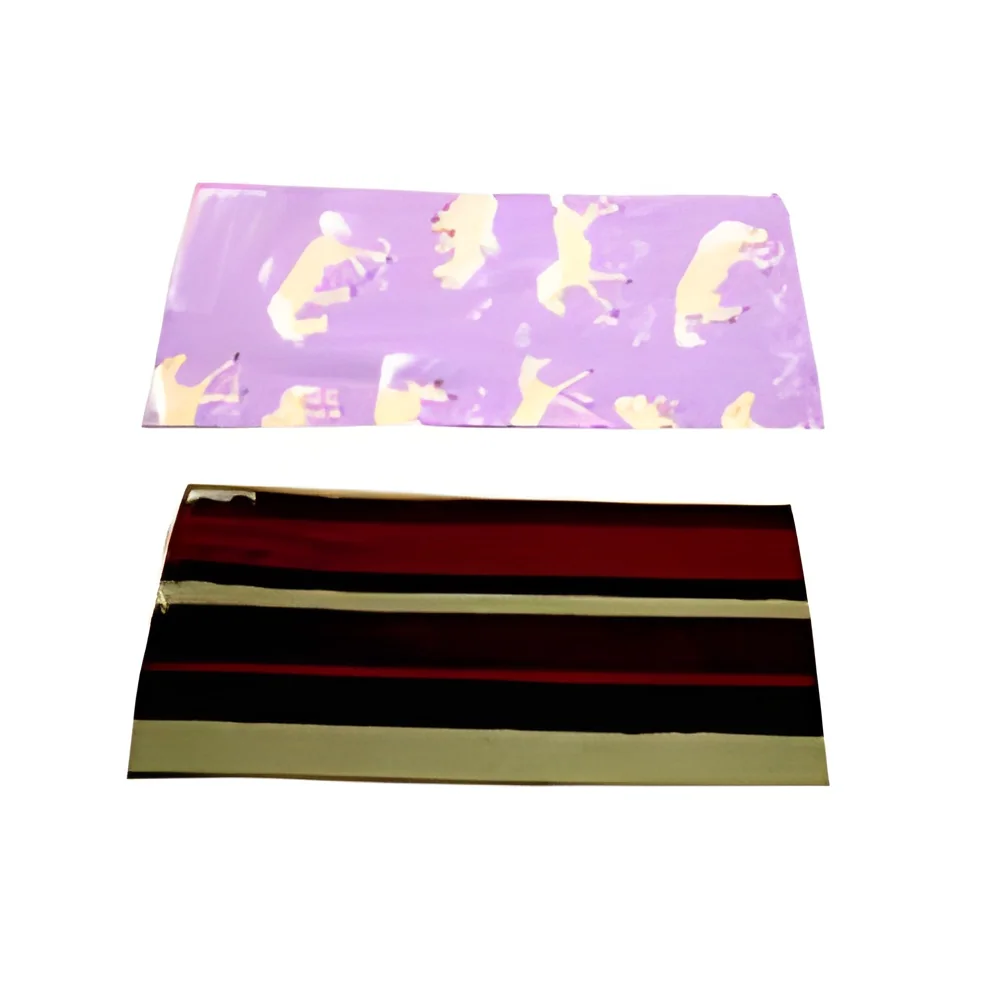
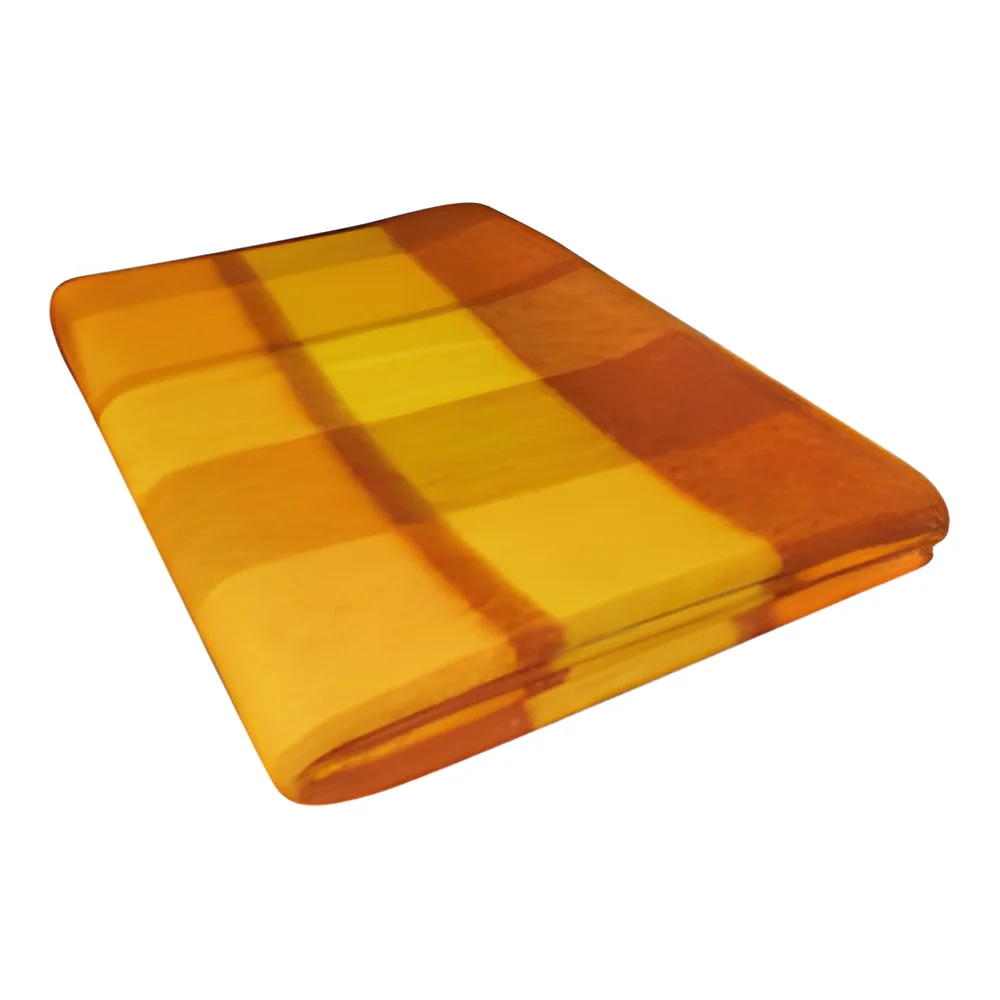
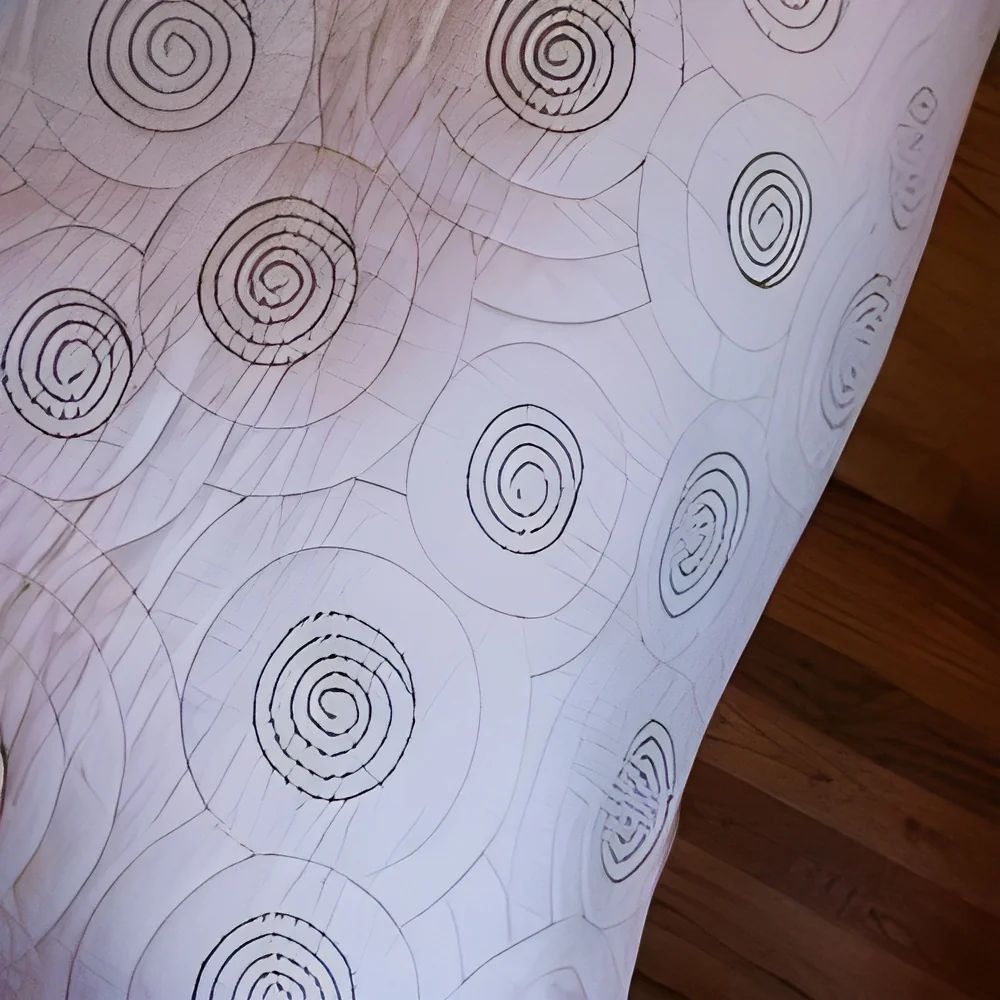
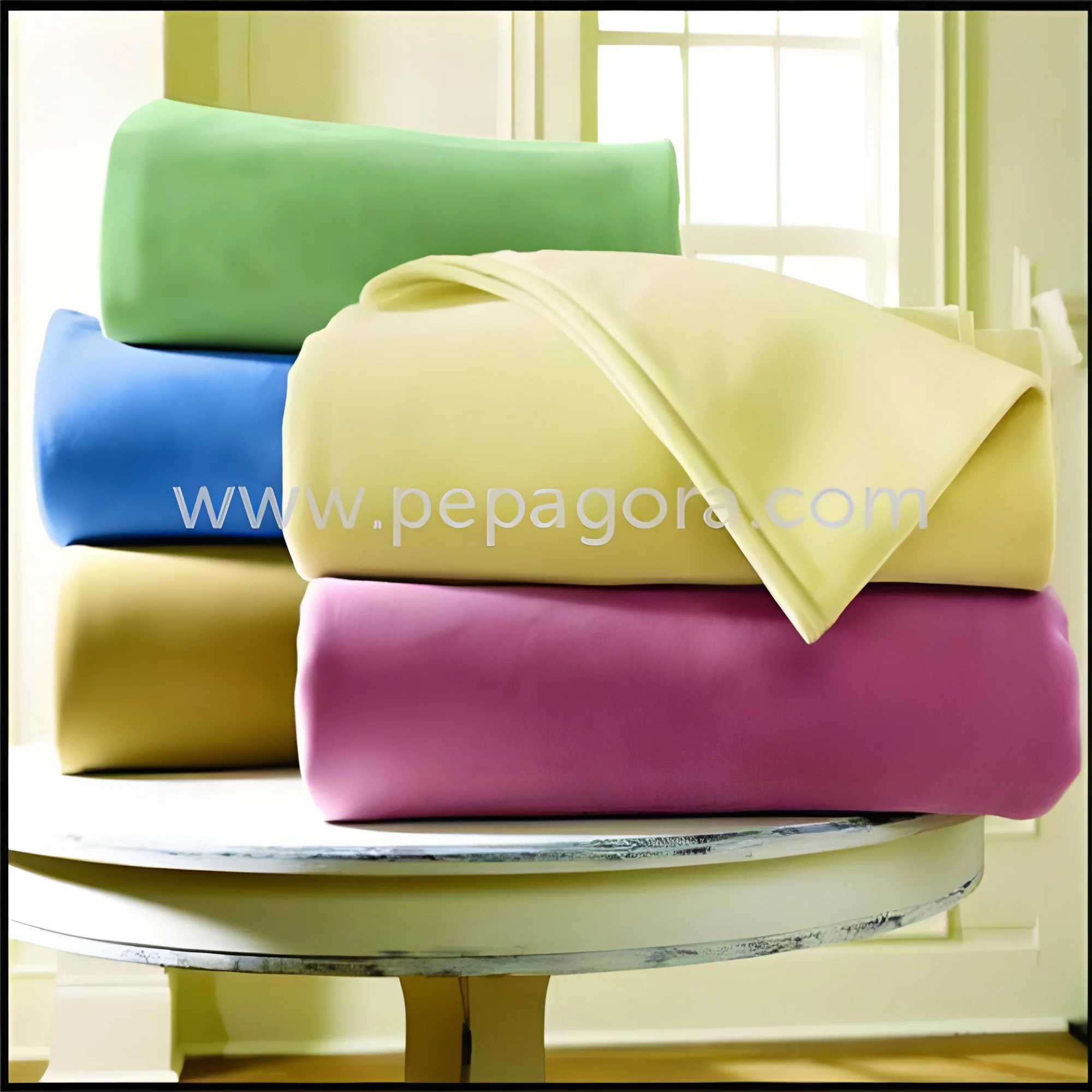
- A wide range of colors and patterns are available.
- Aesthetic choices may influence consumer preferences in commercial settings.
6. Care Instructions
- Many blankets and comforters are machine washable.
- Care requirements can vary based on material and construction.
7. Durability
- Quality construction can enhance longevity.
- Look for products with reinforced seams and high-quality materials.
In summary, understanding the key features and specifications of blankets and comforters is crucial for making informed purchasing decisions in a B2B context.
𝗖𝗼𝗺𝗺𝗼𝗻 𝗔𝗽𝗽𝗹𝗶𝗰𝗮𝘁𝗶𝗼𝗻𝘀 𝗮𝗻𝗱 𝗨𝘀𝗲 𝗖𝗮𝘀𝗲𝘀
Blankets and comforters serve various industries, each with unique applications.
1. Hospitality: Hotels and resorts utilize blankets and comforters to provide guests with comfort and warmth. High-quality bedding enhances the overall guest experience and can contribute to positive reviews.
2. Healthcare: Hospitals and nursing homes use blankets for patient care, ensuring warmth and comfort during recovery. Specialized blankets may also be used for specific medical needs.
3. Retail: Retail stores often sell blankets and comforters as part of their home goods inventory. Seasonal trends can influence the types of products offered.
4. Military: Armed forces require durable and lightweight blankets for use in various environments. These products must meet specific performance standards.
5. Outdoor Recreation: Camping and outdoor gear retailers offer blankets designed for durability and warmth in outdoor settings. These products often feature water-resistant materials.
6. Educational Institutions: Schools and universities may provide blankets in dormitories for student comfort.
7. Residential: Homes utilize blankets and comforters for daily use, contributing to personal comfort and home aesthetics.
𝗣𝗿𝗼𝗱𝘂𝗰𝘁 𝗩𝗮𝗿𝗶𝗮𝗻𝘁𝘀 𝗮𝗻𝗱 𝗦𝘂𝗯𝗰𝗮𝘁𝗲𝗴𝗼𝗿𝗶𝗲𝘀
Blankets and comforters come in various types to meet diverse consumer needs.
Lightweight Blankets: These are ideal for warmer climates or layering. They are easy to wash and often made from breathable materials like cotton.
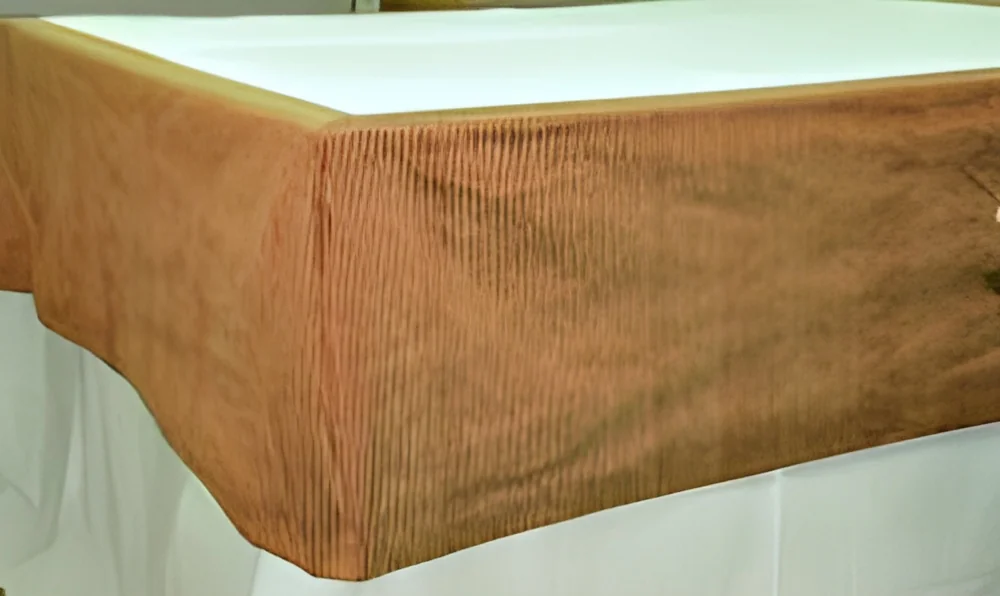
Heavyweight Comforters: Designed for colder environments, these comforters provide substantial warmth. They often feature high-quality fill materials like down or synthetic alternatives.
Electric Blankets: These blankets come with built-in heating elements, allowing users to adjust the temperature for personalized comfort.
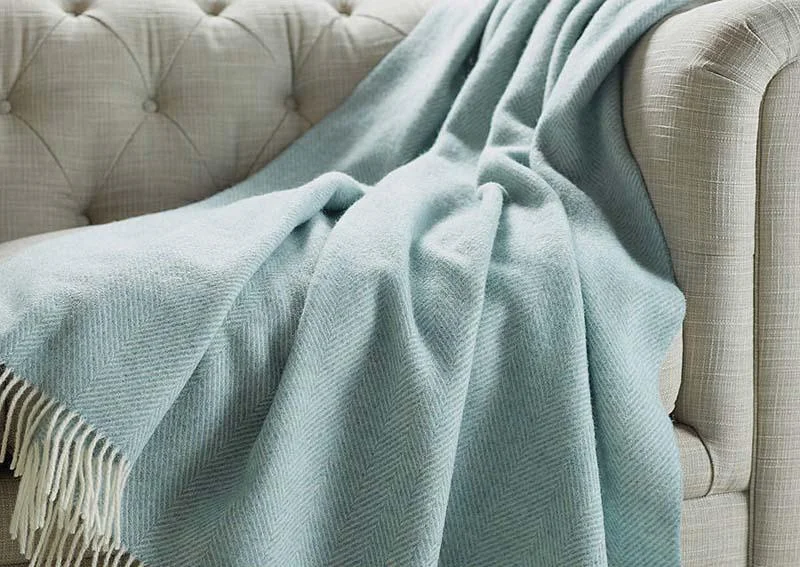
Throw Blankets: Smaller in size, throw blankets are used for decorative purposes as well as for warmth. They are commonly found in living rooms or bedrooms.
Travel Blankets: Compact and easy to carry, travel blankets are designed for on-the-go comfort. They are often made from lightweight materials.
𝗕𝗲𝗻𝗲𝗳𝗶𝘁𝘀 𝗮𝗻𝗱 𝗔𝗱𝘃𝗮𝗻𝘁𝗮𝗴𝗲𝘀
Investing in quality blankets and comforters offers several advantages.
1. Enhanced Comfort: Providing superior warmth and softness improves user comfort, which is essential in hospitality and healthcare settings.
2. Versatility: Blankets and comforters can be used in various applications, making them a flexible choice for businesses.
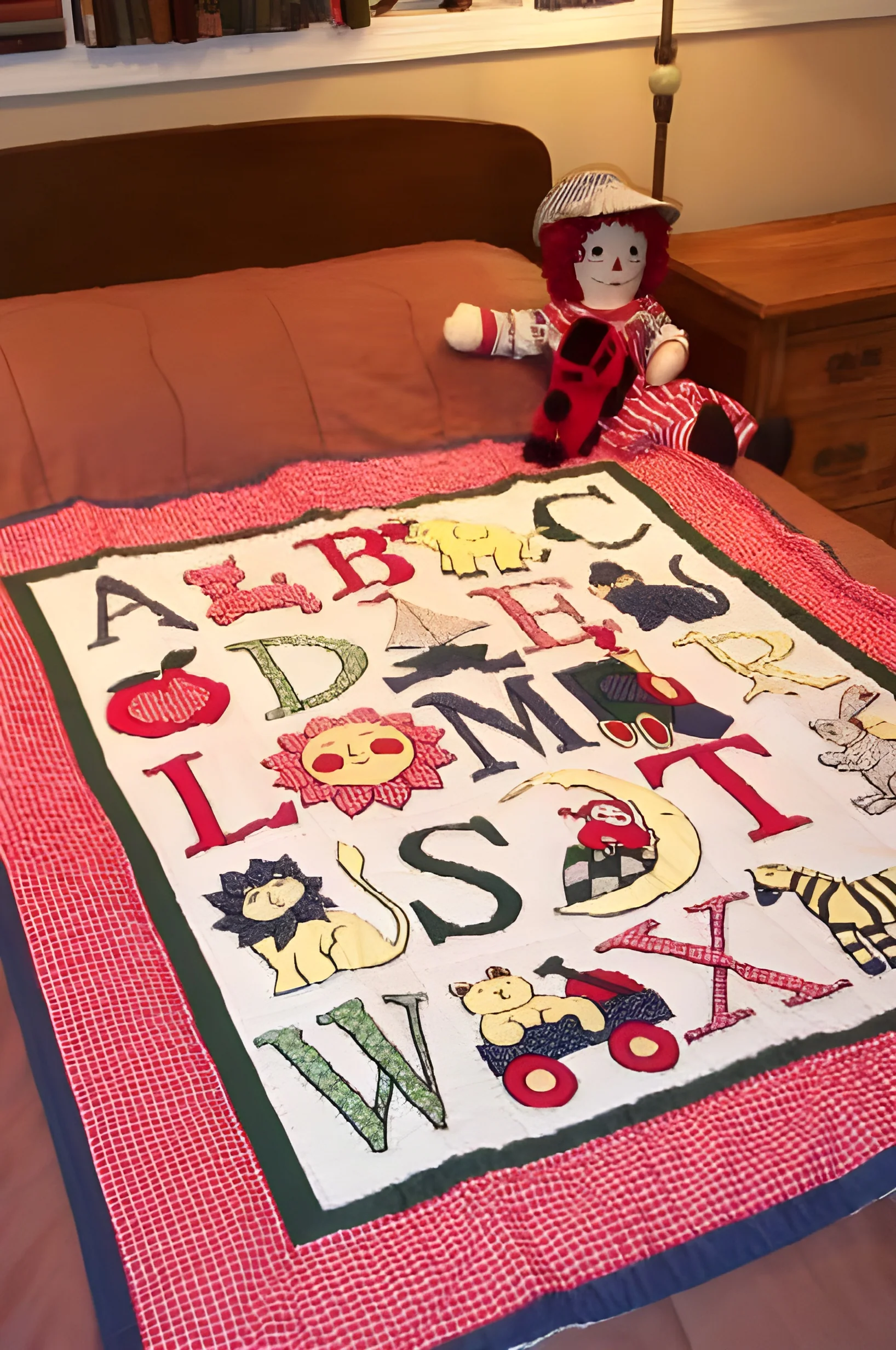
3. Aesthetic Appeal: Available in numerous designs, these products can enhance the visual appeal of any space, contributing to branding and customer satisfaction.
4. Durability: High-quality materials and construction ensure longevity, reducing replacement costs for businesses.
5. Easy Maintenance: Many blankets and comforters are machine washable, simplifying care and upkeep.
6. Improved Sleep Quality: Quality bedding can lead to better sleep, which is crucial for overall health and productivity.
𝗕𝘂𝘆𝗶𝗻𝗴 𝗚𝘂𝗶𝗱𝗲 𝗳𝗼𝗿 𝗕𝟮𝗕 𝗕𝘂𝘆𝗲𝗿𝘀
When sourcing blankets and comforters, B2B buyers should consider several critical factors.
1. Quality Assessment: Inspect the materials and construction for durability and comfort. Look for samples to evaluate quality firsthand.
2. Supplier Verification: Vet suppliers thoroughly to ensure they meet industry standards. Check for reviews and past performance.
3. Pricing and MOQ: Understand the pricing structure and minimum order quantities. Compare prices among suppliers to find the best deal.
4. Delivery and Lead Times: Discuss logistics and expected lead times to ensure timely delivery. Consider suppliers' shipping capabilities and reliability.
5. Compliance Requirements: Ensure products meet relevant safety and quality standards. Check for certifications like CE to guarantee compliance.
𝗖𝗼𝗺𝗽𝗹𝗶𝗮𝗻𝗰𝗲 𝗮𝗻𝗱 𝗖𝗲𝗿𝘁𝗶𝗳𝗶𝗰𝗮𝘁𝗶𝗼𝗻𝘀
Compliance and certifications play a vital role in the blankets and comforters industry. Manufacturers need to adhere to various quality standards to ensure safety and reliability.
ISO 9001 is an essential standard that outlines quality management systems, ensuring that products meet customer and regulatory requirements consistently.
CE certification indicates conformity with health, safety, and environmental protection standards within the European Economic Area. This certification is crucial for products sold in European markets.
Safety testing requirements may include assessments for flammability, toxic substances, and durability. Manufacturers must conduct thorough testing to meet these requirements.
Additionally, regional compliance considerations may vary, necessitating an understanding of local regulations and standards to ensure market access.
𝗪𝗵𝘆 𝗦𝗼𝘂𝗿𝗰𝗲 𝗕𝗹𝗮𝗻𝗸𝗲𝘁𝘀 & 𝗖𝗼𝗺𝗳𝗼𝗿𝘁𝗲𝗿𝘀 𝗳𝗿𝗼𝗺 𝗣𝗲𝗽𝗮𝗴𝗼𝗿𝗮?
Pepagora provides a trusted platform for sourcing blankets and comforters, offering several key advantages for B2B buyers.
Verified Supplier Network: Pepagora has a robust network of verified suppliers, ensuring that businesses can find reliable partners for their blanket and comforter needs. This network enables buyers to connect with manufacturers who meet stringent quality standards.
Streamlined RFQ Process: The request for quotation (RFQ) process on Pepagora is designed to be straightforward, allowing buyers to receive competitive quotes quickly. This efficiency helps businesses make timely purchasing decisions.
Trade Assurance and Support: Pepagora offers trade assurance, providing buyers with protection against issues related to payment and shipment. This support gives peace of mind when making significant purchases.
Regional Coverage: With a strong presence in India, GCC, and Southeast Asia, Pepagora facilitates access to a diverse range of products and suppliers. This geographic reach allows businesses to source blankets and comforters that meet their specific needs across different markets.








Frequently Asked Questions
What are Blankets & Comforters?
Blankets and comforters are bedding items used for warmth and comfort. Blankets are typically single-layered, while comforters are thicker and often filled with materials like down or synthetic fibers for insulation.
What are the different types of Blankets & Comforters?
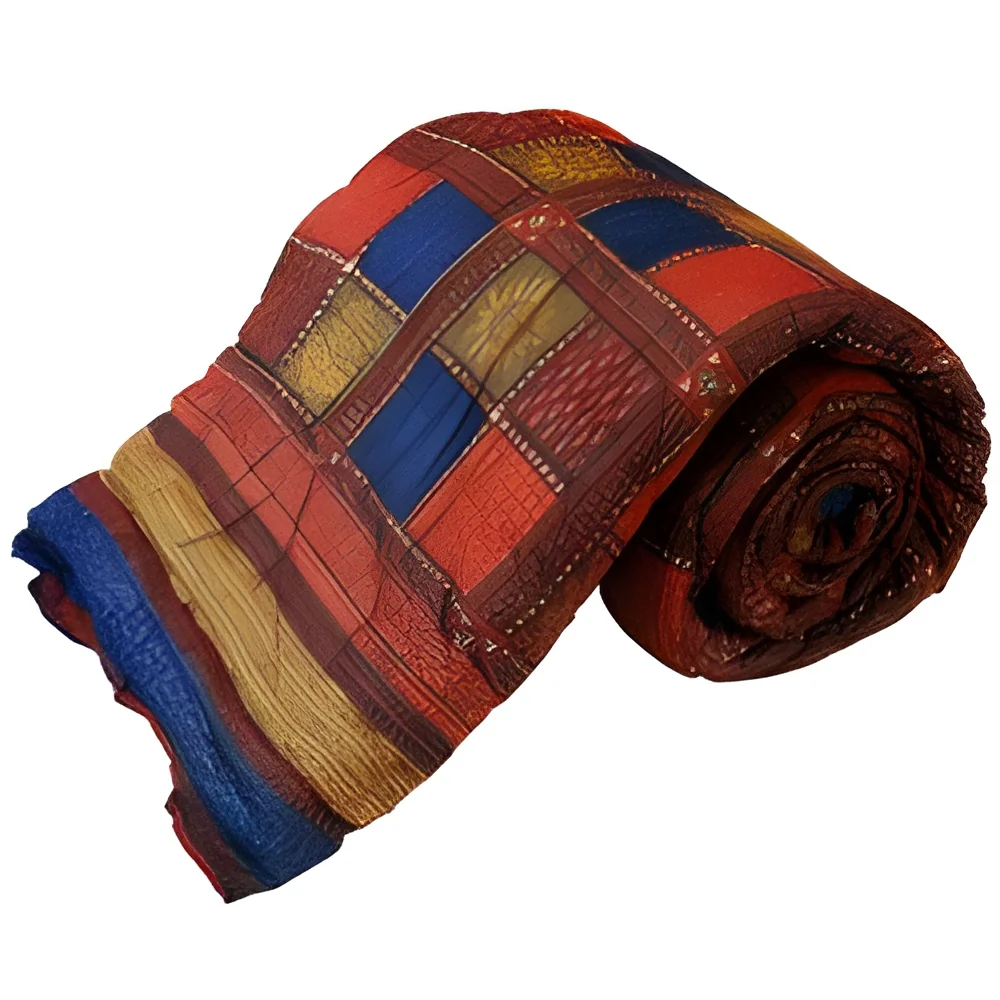
There are various types of blankets and comforters, including fleece blankets, weighted blankets, quilts, and duvet covers. Each type serves different purposes and offers varying levels of warmth and comfort.
How do I choose the right Blankets & Comforters?
To choose the right blankets and comforters, consider factors such as material, size, thickness, and intended use. Additionally, evaluate the climate and personal comfort preferences to make an informed decision.
What are the standard specifications for Blankets & Comforters?
Standard specifications for blankets and comforters include dimensions, fabric type, fill weight, and care instructions. Common sizes range from twin to king, and materials can vary from cotton to polyester.
What is the price range for Blankets & Comforters?
The price range for blankets and comforters can vary widely, typically from INR 500 to INR 5,000 or more, depending on the quality, material, and brand. Higher-end options may feature premium materials and craftsmanship.
What quality standards apply to Blankets & Comforters?
Quality standards for blankets and comforters often include durability, hypoallergenic properties, and adherence to safety regulations. Certifications such as OEKO-TEX® or GOTS can indicate compliance with environmental and safety norms.
Where can I find Blankets & Comforters suppliers in India?
You can find blankets and comforters suppliers in India through B2B marketplaces like Pepagora.com, trade shows, and industry directories. These platforms provide access to a variety of manufacturers and wholesalers.
Can Blankets & Comforters be customized?
Yes, blankets and comforters can often be customized in terms of size, color, design, and branding. Many manufacturers offer customization options to meet specific buyer requirements.
What is the typical minimum order quantity for Blankets & Comforters?
The typical minimum order quantity (MOQ) for blankets and comforters can vary by supplier, generally ranging from 50 to 500 units. It's advisable to check with individual suppliers for their specific MOQ requirements.
What is the typical lead time for Blankets & Comforters?
The typical lead time for blankets and comforters is usually between 15 to 30 days, depending on the supplier, customization options, and order size. It's important to confirm lead times when placing an order.
Why Businesses Trust Pepagora
Thousands of companies trust Pepagora to source smarter and sell faster
Expand Your Sales Globally

Source Smarter,Grow Faster
