
 IN
Wool Blankets
10 products available
What are Wool Blankets?
Wool blankets are textiles made primarily from sheep's wool, designed to provide warmth and comfort. They are known for their natural insulating properties, making them effective in retaining heat while also allowing moisture to escape. This unique combination of breathability and warmth makes wool blankets a popular choice for various applications, both domestic and industrial.
In the business context, wool blankets are widely used in sectors such as hospitality, healthcare, and transportation. Hotels and resorts often use them to enhance guest comfort, while hospitals may provide them for patient warmth. Additionally, wool blankets are favored in outdoor settings, such as camping and hiking, due to their durability and natural properties. The wool blanket market continues to grow, driven by increasing consumer awareness of sustainable and eco-friendly products.
Key Features and Specifications
Wool blankets are characterized by several key features that enhance their appeal in the marketplace. These features include their natural insulation, durability, and aesthetic qualities. When considering wool blankets for purchase, it is essential to understand their specifications to ensure they meet specific business needs.
Key specifications include:
1. Material Composition
- Made primarily from high-quality sheep's wool
- May include blends with synthetic fibers for added strength
2. Size Options
- Available in various sizes including twin, full, queen, and king
- Custom sizes may be available based on client requirements
3. Weight Range
- Typically ranging from lightweight to heavy-duty options
- Weight can influence warmth and portability
4. Color and Design
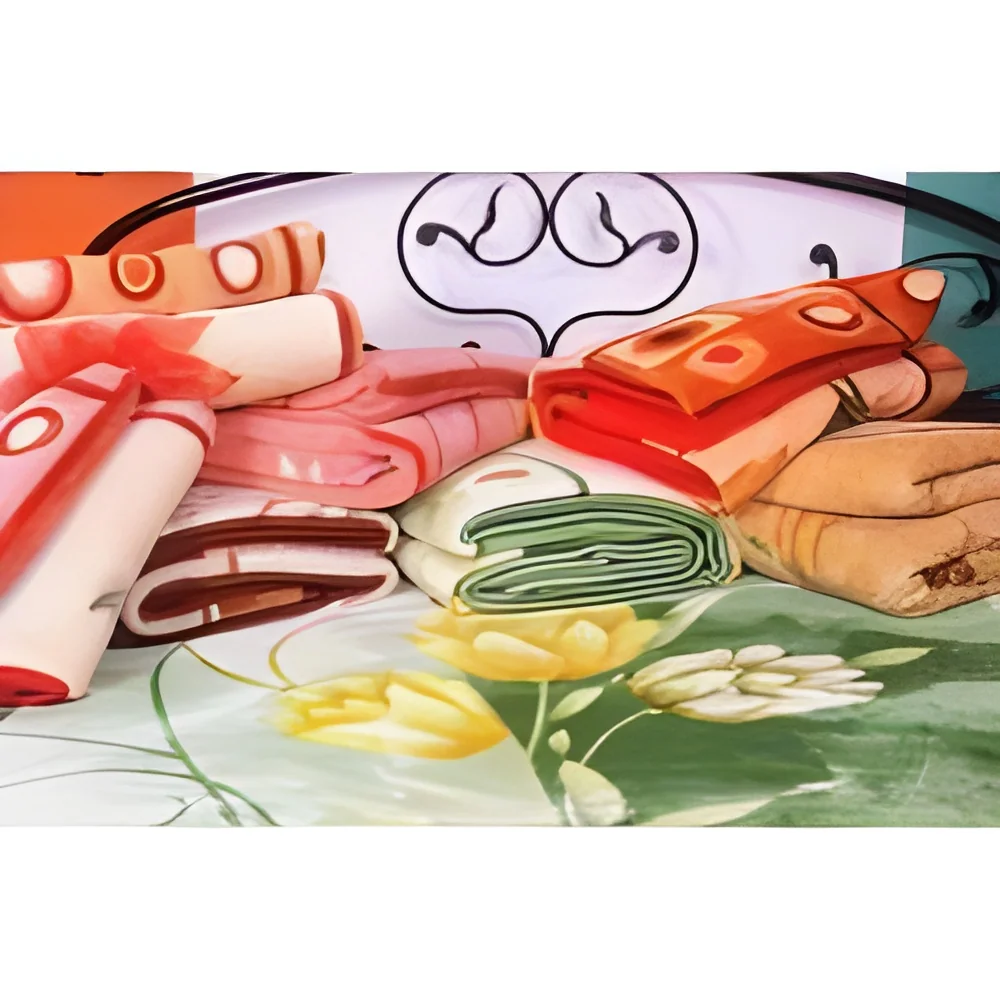
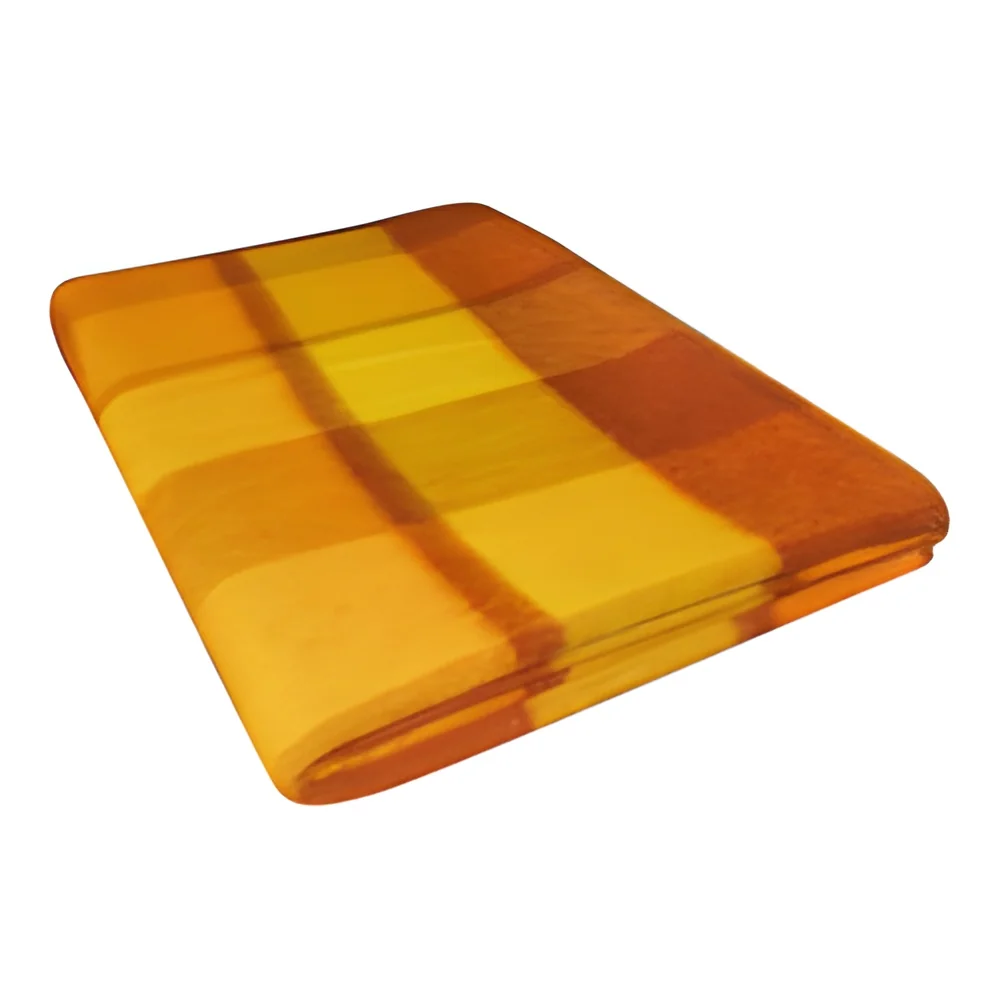
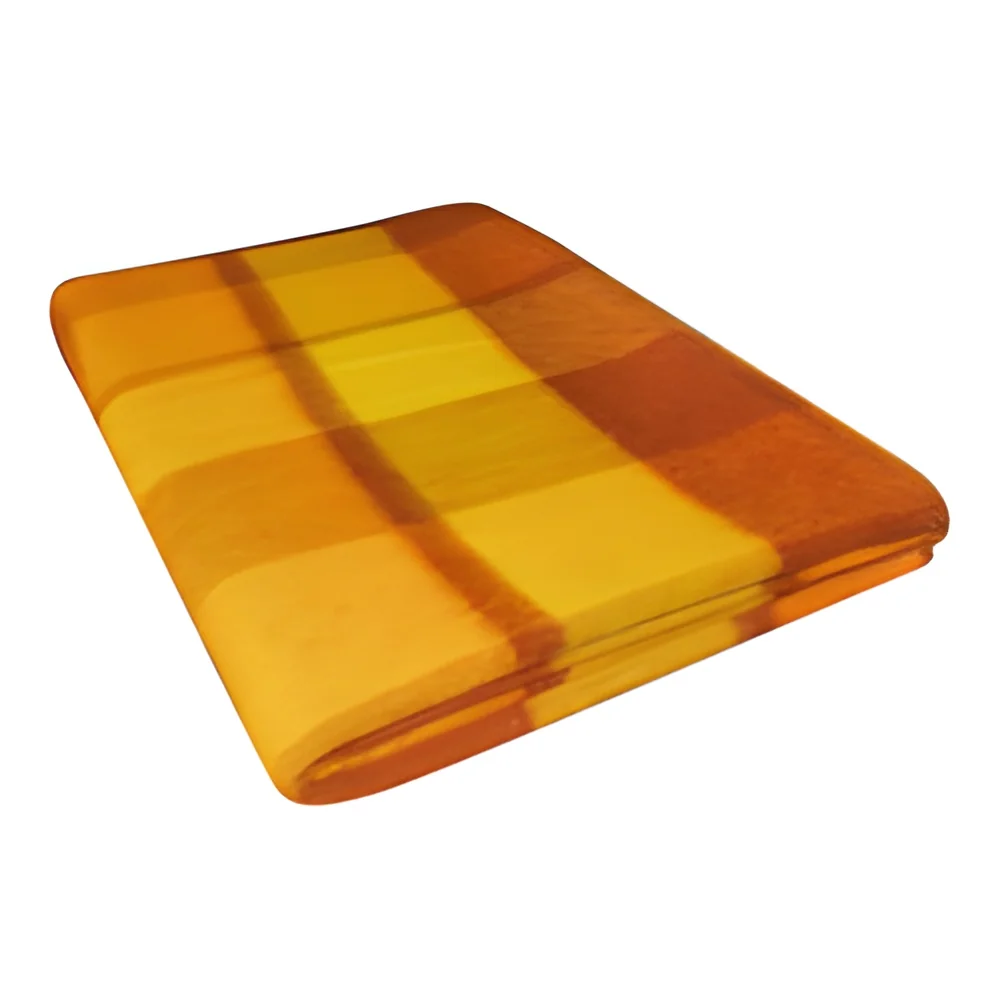
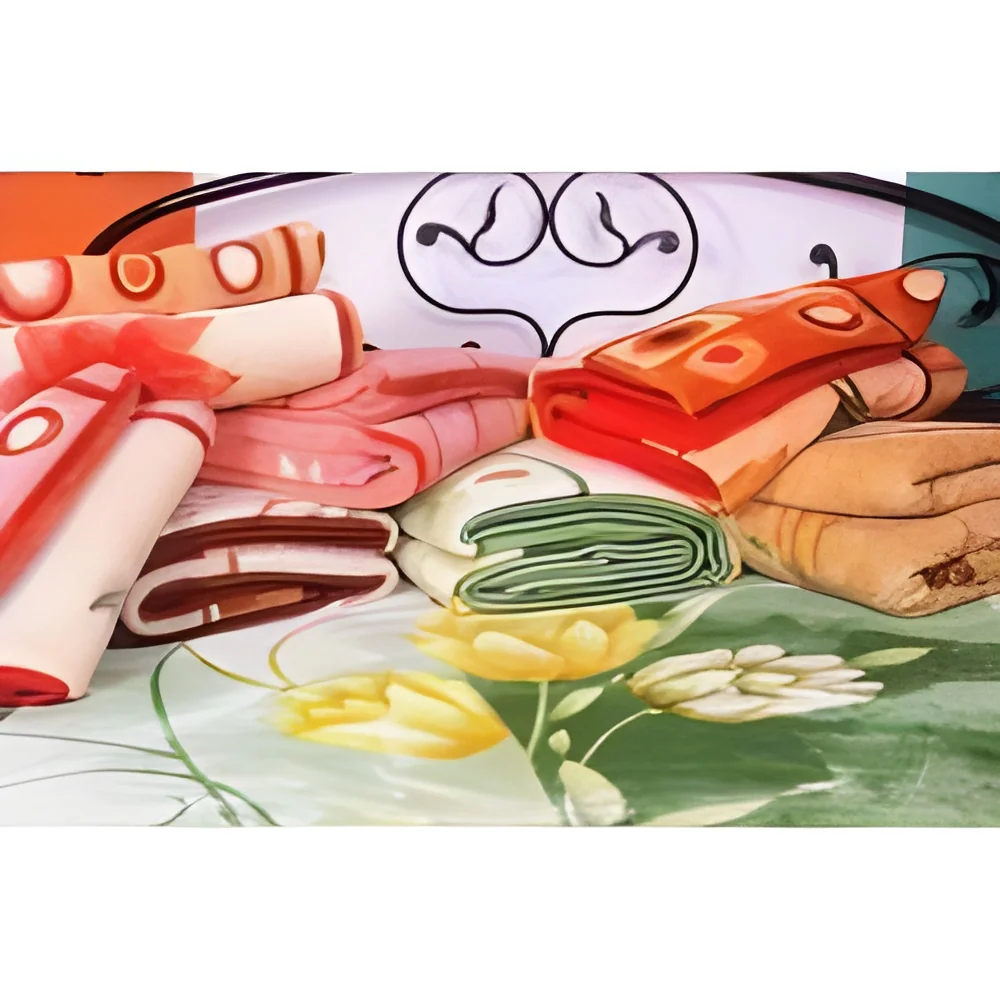
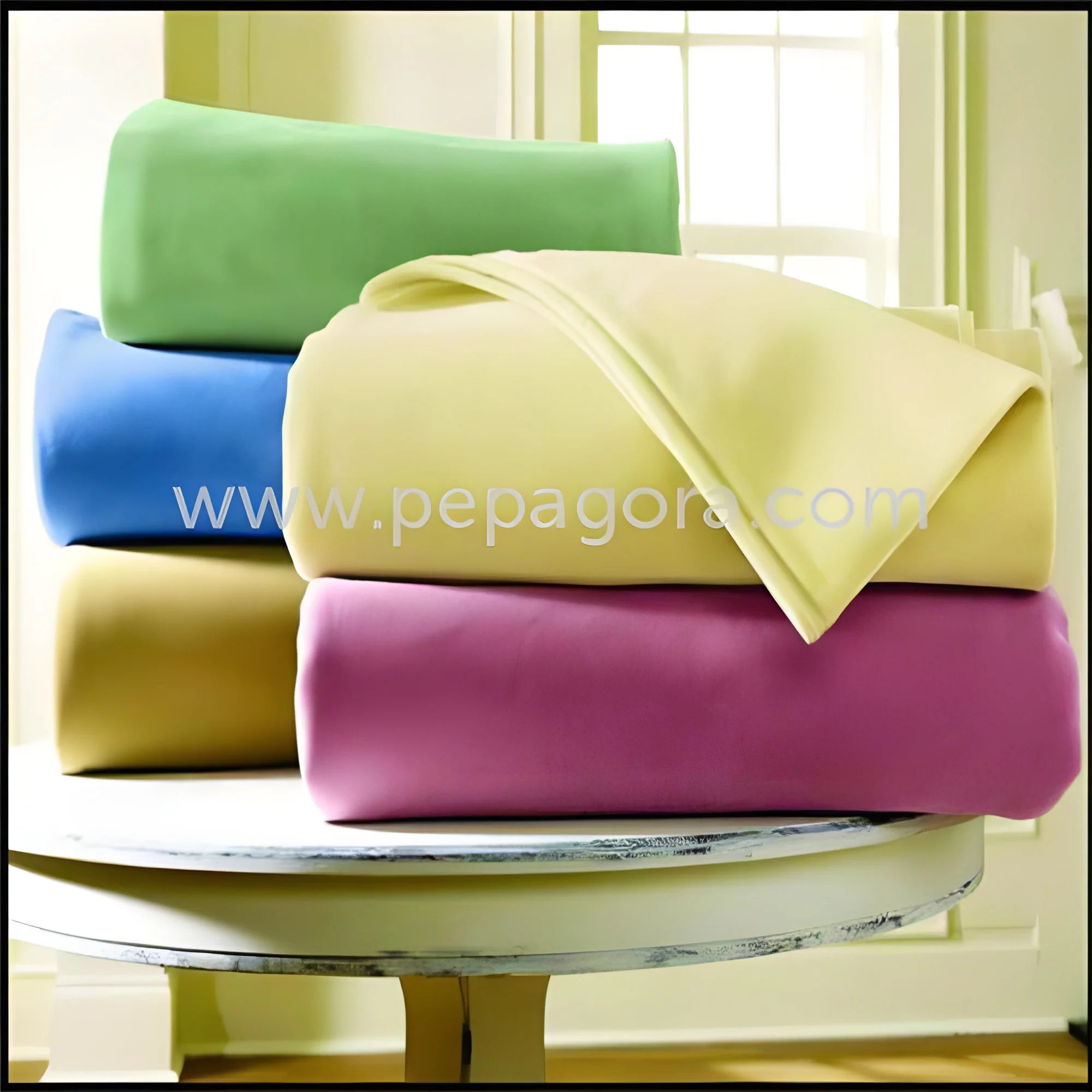
- Offered in a variety of colors and patterns
- Custom designs can be produced for branding purposes
5. Care Instructions
- Usually machine washable or dry clean only
- Specific care instructions may vary by manufacturer
6. Certification
- Often certified for quality and safety (e.g. CE certification)
7. Moisture Control
- Naturally moisture-wicking properties
- Helps keep users dry and comfortable
8. Thermal Regulation
- Excellent thermal insulation
- Maintains temperature in varying conditions
Wool blankets are a versatile choice, combining functionality with aesthetics for various applications.
Common Applications and Use Cases
Wool blankets serve diverse industries, each utilizing their unique properties for specific applications.
1. Hospitality: Hotels and resorts use wool blankets to enhance guest comfort, providing warmth and a touch of luxury in rooms and spas.
2. Healthcare: Hospitals utilize wool blankets for patient care, ensuring warmth and comfort during recovery while being easy to clean.
3. Transportation: Airlines and trains often provide wool blankets for passengers, offering warmth during travel and enhancing overall comfort.
4. Outdoor Recreation: Camping and hiking enthusiasts prefer wool blankets for their durability and ability to insulate against cold weather.
5. Institutional Use: Schools and shelters may use wool blankets for warmth and comfort in communal living spaces.
6. Retail: Home goods retailers offer wool blankets as part of their product lines, catering to consumers seeking quality textile options.
7. Promotional Items: Businesses may use custom wool blankets as promotional gifts or branded merchandise, appealing to clients with a focus on quality.
Product Variants and Subcategories
Wool blankets come in various forms catering to different needs and preferences.
Travel Wool Blankets
These are compact and lightweight, designed for easy portability. Ideal for frequent travelers, they provide warmth without taking up much space.
Luxury Wool Blankets
These blankets are made from premium wool sources, offering superior softness and aesthetic appeal. They are often used in high-end hotels or for gifting purposes.
Heavyweight Wool Blankets
Designed for extreme conditions, these blankets provide exceptional warmth. Commonly used in outdoor settings, they are durable and suitable for camping or emergency kits.
Children’s Wool Blankets
These blankets are made with softer, hypoallergenic wool, ensuring comfort for children. They often feature fun designs to appeal to younger users.
Benefits and Advantages
Wool blankets offer numerous benefits that make them a preferred choice across various sectors.
Key benefits include:
1. Natural Insulation: Wool provides excellent thermal insulation, keeping users warm in cold conditions and cool in warmer temperatures.
2. Breathability: The natural fibers allow air circulation, preventing overheating and promoting comfort during use.
3. Durability: Wool blankets are known for their strength and longevity, making them a cost-effective investment for businesses.
4. Moisture Management: Wool can wick moisture away from the body, keeping users dry and comfortable in various environments.
5. Eco-Friendly: Made from natural materials, wool blankets are a sustainable choice, appealing to environmentally conscious consumers.
6. Aesthetic Appeal: Available in various colors and designs, wool blankets can enhance the visual appeal of any setting, whether in homes or commercial spaces.
Buying Guide for B2B Buyers
When sourcing wool blankets, several critical factors must be considered to ensure the right purchase.
1. Quality Assessment: Evaluate the quality of the wool used, looking for certifications that indicate high standards. Consider the blanket's weight and texture as indicators of quality.
2. Supplier Verification: Research potential suppliers to ensure they are reputable and capable of meeting your needs. Consider visiting their facilities or checking references.
3. Pricing and MOQ: Understand the pricing structure and minimum order quantities (MOQ) required by suppliers. Assess your budget and volume requirements before purchasing.
4. Delivery and Lead Times: Discuss delivery options and lead times with suppliers to ensure they align with your project timelines.
5. Compliance Requirements: Verify that the wool blankets meet any necessary industry regulations and safety standards relevant to your business.
Compliance and Certifications
Wool blankets must adhere to various quality standards and certifications to ensure safety and reliability.
Relevant quality standards include ISO 9001, which focuses on quality management systems, ensuring that manufacturers meet customer and regulatory requirements consistently.
Industry certifications, such as CE marking, indicate that the product has been assessed and meets EU safety, health, and environmental protection standards.
Safety and testing requirements for wool blankets typically involve checking for harmful substances and ensuring the durability of the product under various conditions.
Regional compliance considerations may vary, so it is vital to be aware of local regulations that could affect production and distribution.
Why Source Wool Blankets from Pepagora?
Pepagora provides a trusted platform for sourcing wool blankets, offering several key advantages to buyers.
Verified Supplier Network: Pepagora ensures that all suppliers in its network are thoroughly vetted for quality and reliability. This helps buyers feel confident in their sourcing decisions.
Streamlined RFQ Process: The online quotation system allows buyers to easily request quotes from multiple suppliers, simplifying the procurement process and fostering competitive pricing.
Trade Assurance and Support: Pepagora offers trade assurance, protecting buyers from potential issues during transactions. Their dedicated support team is also available to assist with any inquiries.
Regional Coverage: With a strong presence in India, the GCC, and Southeast Asia, Pepagora connects buyers with suppliers across these regions, facilitating access to high-quality wool blankets tailored to local markets.



Frequently Asked Questions
What are Wool Blankets?
Wool blankets are textiles made from natural wool fibers, known for their warmth, durability, and breathability. They are commonly used for bedding, throws, and outdoor activities due to their insulating properties.
What are the different types of Wool Blankets?
There are several types of wool blankets, including merino wool blankets, lambswool blankets, and pure wool blankets. Each type varies in texture, warmth, and intended use, catering to different preferences and needs.
How do I choose the right Wool Blankets?
To choose the right wool blanket, consider factors such as the type of wool, weight, size, and intended use. Additionally, assess the fabric's softness and durability to ensure it meets your comfort and performance requirements.
What are the standard specifications for Wool Blankets?
Standard specifications for wool blankets typically include dimensions, weight (measured in grams per square meter), and wool content percentage. These specifications can vary by manufacturer and intended application.
What is the price range for Wool Blankets?
The price range for wool blankets can vary significantly based on factors such as quality, type, and brand. Generally, prices may range from INR 1,000 to INR 10,000 or more for premium options.
What quality standards apply to Wool Blankets?
Quality standards for wool blankets often include criteria such as fiber content, durability, and safety certifications. Look for blankets that meet industry standards to ensure they are free from harmful substances and are of high quality.
Where can I find Wool Blankets suppliers in India?
You can find wool blanket suppliers in India through online B2B marketplaces such as Pepagora.com, industry trade shows, and local textile exhibitions. These platforms connect buyers with manufacturers and wholesalers.
Can Wool Blankets be customized?
Yes, many manufacturers offer customization options for wool blankets, allowing buyers to choose colors, sizes, and even patterns. Customization can cater to specific needs for retail or promotional purposes.
What is the typical minimum order quantity for Wool Blankets?
The typical minimum order quantity (MOQ) for wool blankets can vary by supplier, but it usually ranges from 50 to 100 units. It's advisable to check with individual manufacturers for their specific requirements.
What is the typical lead time for Wool Blankets?
The typical lead time for wool blankets can range from 2 to 6 weeks, depending on the supplier and the complexity of the order. Custom orders may require additional time for production and delivery.
Why Businesses Trust Pepagora
Thousands of companies trust Pepagora to source smarter and sell faster
Expand Your Sales Globally

Source Smarter,Grow Faster
