
 IN
Cotton Blankets
8 products available
What are Cotton Blankets?
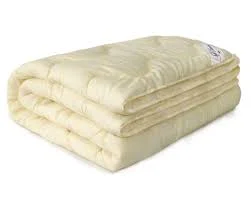
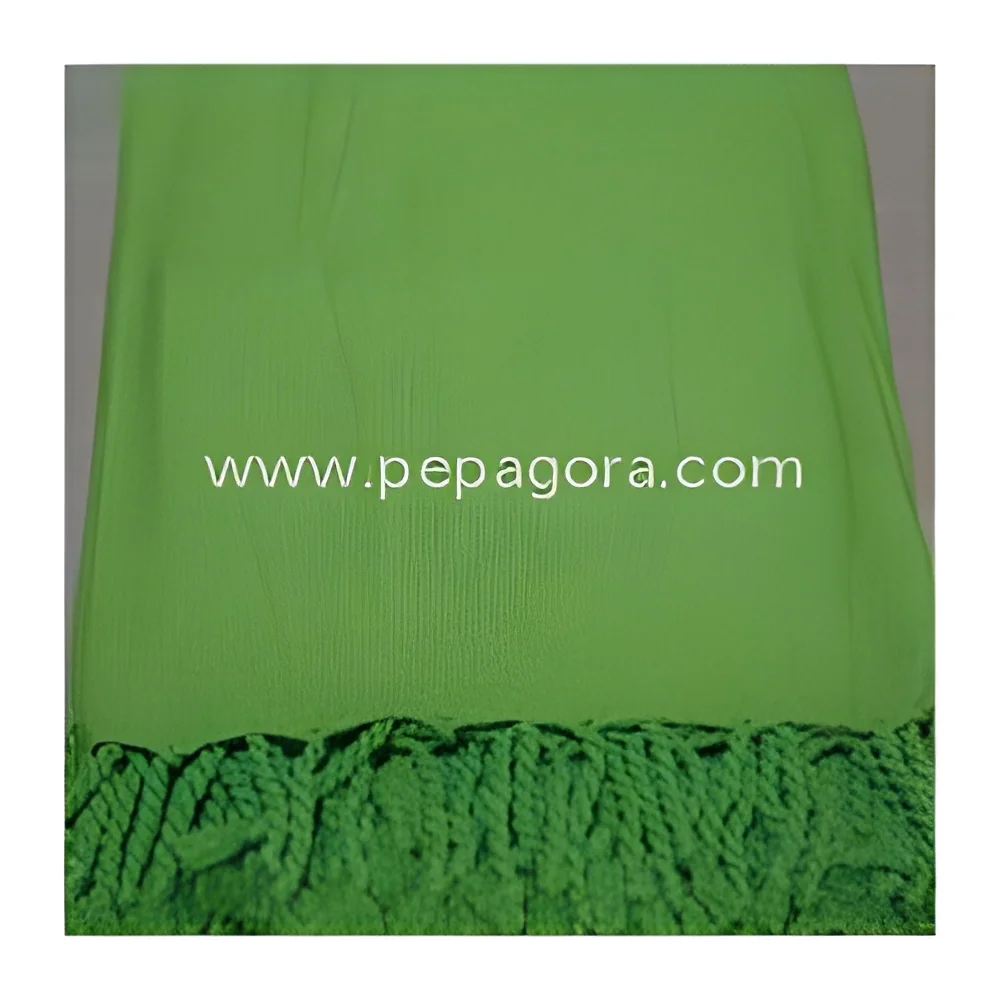
Cotton blankets are textile products made primarily from cotton fibers, designed for warmth and comfort. They are known for their softness, breathability, and durability, making them a popular choice in various settings. Cotton blankets can be woven or knitted and come in different weights, colors, and patterns, catering to diverse consumer preferences and needs.
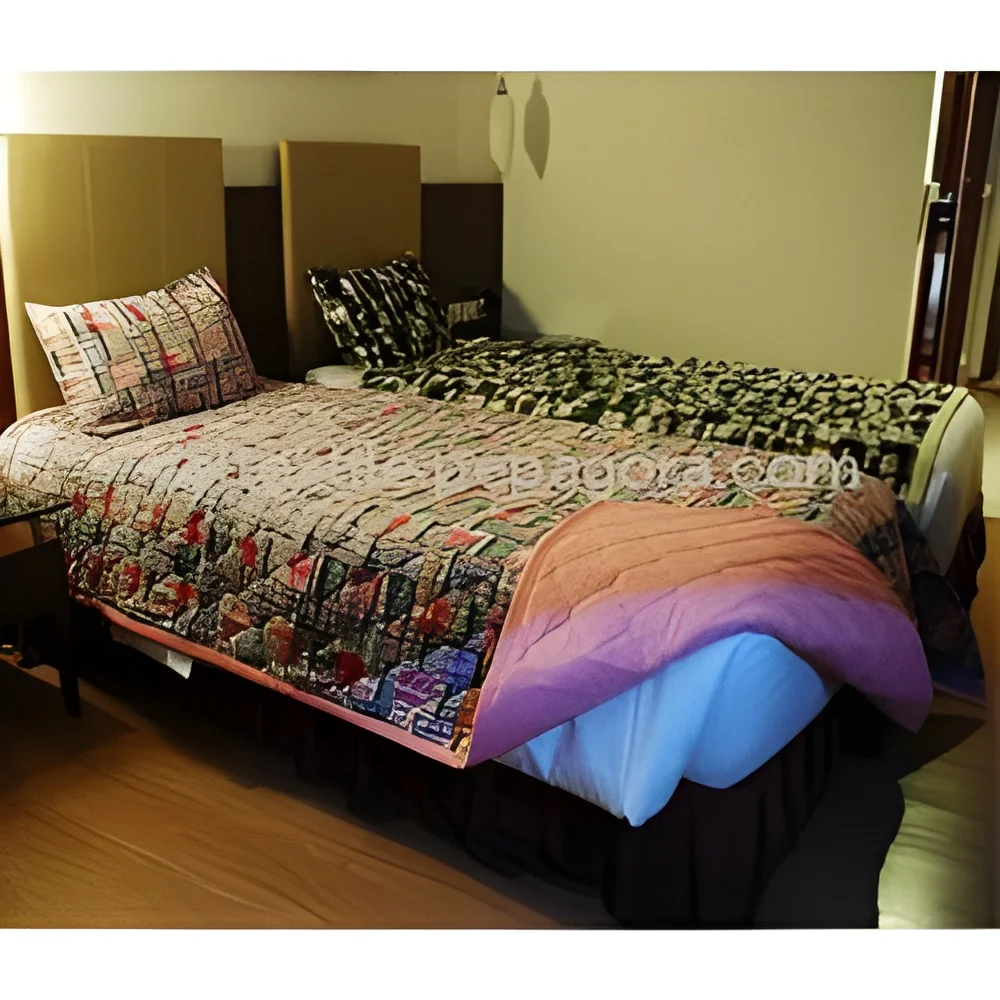
These blankets are widely used in both residential and commercial sectors. In homes, they provide warmth during colder months and serve as decorative pieces. In business applications, cotton blankets are often used in hospitality settings, such as hotels and spas, as well as in healthcare facilities to ensure patient comfort. Their versatile nature allows them to be utilized in numerous environments, underlining their relevance in today’s market.
The cotton blanket industry is significant, with increasing demand driven by trends toward natural and sustainable materials. As consumers become more environmentally conscious, the preference for cotton over synthetic fibers has gained momentum. This shift has positioned cotton blankets as a competitive product in the textile market, appealing to both eco-friendly consumers and businesses looking for high-quality bedding options.
Key Features and Specifications
Cotton blankets are characterized by several key features that enhance their functionality and appeal. These specifications provide essential information for businesses looking to invest in cotton blankets, ensuring they meet specific needs and standards.
Key specifications include:
1. Material Composition
- Made from 100% cotton or cotton blends
- Offers natural breathability and softness
2. Weight
- Available in various weights, typically ranging from lightweight to heavy
- Heavier blankets provide more warmth, while lighter options are ideal for warmer climates
3. Size Options
- Common sizes include twin, full, queen, and king
- Custom sizes may be available based on client needs
4. Color Variability
- Wide range of colors and patterns to match diverse decor styles
- Options for solid colors, prints, and textures
5. Care Instructions
- Machine washable and easy to maintain
- Resilient against fading and shrinking when properly cared for
6. Eco-Friendly Certification
- Often made from organic cotton or produced under sustainable practices
- May carry certifications such as OEKO-TEX or GOTS
7. Comfort Features
- Soft to the touch and hypoallergenic
- Provides warmth while remaining breathable for year-round use
8. Durability
- Designed for long-lasting use with proper care
- Resistant to wear and tear, maintaining appearance over time
In summary, cotton blankets offer a combination of comfort, durability, and aesthetic appeal, making them suitable for various applications in both residential and commercial environments.
Common Applications and Use Cases
Cotton blankets serve various industries, providing comfort and functionality in multiple settings.
1. Hospitality Industry: Hotels and resorts frequently use cotton blankets in guest rooms to enhance comfort and create a welcoming atmosphere.
2. Healthcare Sector: Hospitals and clinics utilize cotton blankets for patient care, as they are soft, hypoallergenic, and easy to clean.
3. Retail: Cotton blankets are popular products in retail stores, appealing to consumers seeking quality home textiles for personal use or gifts.
4. Educational Institutions: Schools and universities often provide cotton blankets in dormitories for student comfort and warmth.
5. Outdoor Events: Cotton blankets are ideal for picnics, camping, and outdoor gatherings, combining portability with comfort.
6. Interior Design: Designers frequently incorporate cotton blankets into home decor for added texture and warmth, complementing various styles.
7. Non-Profit Organizations: Charities may distribute cotton blankets to those in need, utilizing their comfort and warmth to support community outreach efforts.
Product Variants and Subcategories
Cotton blankets come in a variety of options to cater to different consumer needs and preferences.
Lightweight Cotton Blankets: These blankets are perfect for warmer climates and summer use. They offer breathability and comfort without excessive warmth, making them ideal for layering.
Heavyweight Cotton Blankets: Designed for colder temperatures, these blankets provide substantial warmth and coziness. They are often used in winter settings and are popular in hospitality for their luxurious feel.
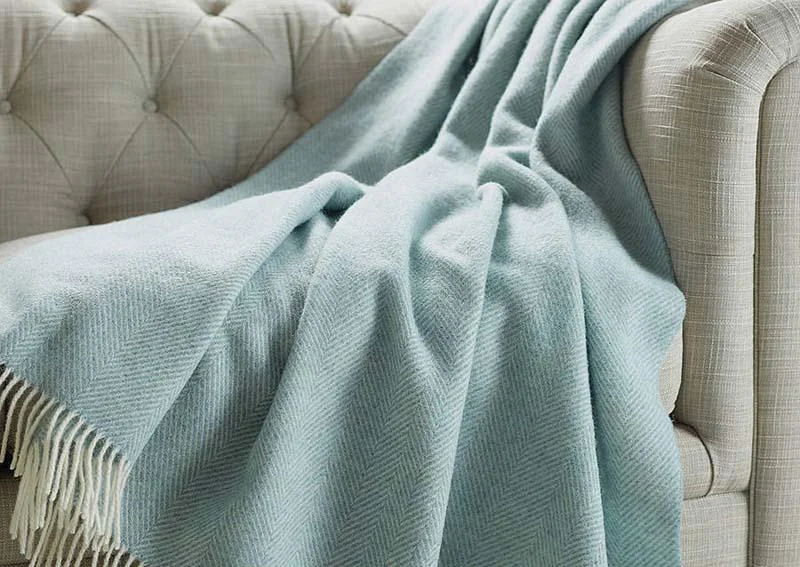
Textured Cotton Blankets: Featuring unique weaves or patterns, these blankets add aesthetic appeal to any space. They can serve as decorative throws while still providing comfort.
Organic Cotton Blankets: Made from sustainably sourced cotton, these blankets cater to eco-conscious consumers. They are produced without harmful chemicals, ensuring a safe and environmentally friendly choice.
Benefits and Advantages
Cotton blankets offer several advantages that make them a preferred choice for consumers and businesses alike.
1. Comfort: Soft and breathable, cotton blankets provide a cozy feel, ensuring comfort throughout various seasons.
2. Durability: High-quality cotton blankets are designed to withstand regular use and maintain their appearance over time, offering long-lasting value.
3. Easy Maintenance: Most cotton blankets are machine washable, making them simple to care for and ideal for busy environments.
4. Versatility: Available in various styles, colors, and sizes, cotton blankets can easily fit into different settings and decor themes.
5. Eco-Friendliness: Many cotton blankets are made from organic materials or produced through sustainable practices, appealing to environmentally conscious consumers.
6. Hypoallergenic: Cotton is a natural fiber, making it less likely to cause allergic reactions, which is especially important in healthcare and hospitality settings.
Buying Guide for B2B Buyers
When sourcing cotton blankets, businesses should consider several important factors to ensure they make informed purchasing decisions.
1. Quality Assessment: Evaluate the quality of cotton blankets by checking the material composition and weight. Look for samples to inspect softness and durability before making bulk orders.
2. Supplier Verification: Verify suppliers by checking reviews, industry reputation, and compliance with quality standards. Building a relationship with trustworthy suppliers can enhance reliability.
3. Pricing and MOQ: Understand the pricing structure and minimum order quantities (MOQ) from suppliers. Compare costs across different vendors to ensure competitive pricing.
4. Delivery and Lead Times: Consider the logistics involved in shipping and delivery. Ensure that suppliers can meet your timelines and discuss options for expedited shipping if necessary.
5. Compliance Requirements: Be aware of any regulatory requirements related to textiles in your region. Ensure suppliers can provide necessary certifications, such as CE marking for safety compliance.
Compliance and Certifications
Cotton blankets are subject to various quality standards and certifications that ensure safety and performance.
Relevant quality standards include ISO 9001, which focuses on quality management systems. This certification ensures that manufacturers maintain high standards in production processes.
Additionally, HACCP (Hazard Analysis Critical Control Point) may apply if blankets are used in healthcare settings, ensuring safe practices in production and handling.
Industry certifications, such as CE, indicate compliance with European safety standards, which is crucial for products sold in European markets.
Safety and testing requirements for cotton blankets often involve ensuring that the materials used are free from harmful substances. Manufacturers may conduct testing to confirm compliance with safety regulations.
Regional compliance considerations vary, and businesses should ensure that the products they source meet local laws and regulations regarding textiles and consumer products.
Why Source Cotton Blankets from Pepagora?
Pepagora provides a trusted platform for sourcing cotton blankets, offering several key advantages for B2B buyers.
Verified Supplier Network: Pepagora has established a rigorous vetting process for suppliers, ensuring that buyers can connect with reputable manufacturers. This network helps eliminate the risks associated with sourcing.
Streamlined RFQ Process: The request for quotation (RFQ) process on Pepagora is designed to be efficient and user-friendly. Buyers can easily submit their requirements and receive tailored quotes from multiple suppliers.
Trade Assurance and Support: Pepagora offers trade assurance programs that protect buyers against potential issues in transactions. This support enhances buyer confidence when sourcing products.
Regional Coverage: Pepagora has a strong presence in key markets, including India, the GCC region, and Southeast Asia. This geographic reach allows buyers to tap into diverse supplier options while ensuring quality and compliance.




Frequently Asked Questions
What are Cotton Blankets?
Cotton blankets are bedding items made primarily from cotton fibers, known for their softness, breathability, and durability. They are commonly used for warmth and comfort in various settings, including homes, hotels, and hospitals.
What are the different types of Cotton Blankets?
There are several types of cotton blankets, including woven, knitted, and quilted varieties. Each type offers distinct features, such as varying thickness and texture, catering to different preferences and uses.
How do I choose the right Cotton Blankets?
Choosing the right cotton blanket involves considering factors like size, weight, and texture. Additionally, it is important to assess the intended use, such as seasonal comfort or decorative purposes.
What are the standard specifications for Cotton Blankets?
Standard specifications for cotton blankets typically include dimensions (such as twin, queen, or king sizes), weight (measured in GSM), and fabric composition (100% cotton or a cotton blend). These specifications help ensure appropriate fit and comfort.
What is the price range for Cotton Blankets?
The price range for cotton blankets can vary significantly based on quality, size, and brand. Generally, you can expect to pay anywhere from INR 500 to INR 3000 for a standard cotton blanket in the Indian market.
What quality standards apply to Cotton Blankets?
Quality standards for cotton blankets often include certifications for fabric safety and durability, such as OEKO-TEX certification. Additionally, manufacturers may adhere to industry standards regarding shrinkage, colorfastness, and thread count.
Where can I find Cotton Blankets suppliers in India?
You can find cotton blanket suppliers in India through various platforms, including B2B marketplaces like Pepagora, trade fairs, and industry directories. Researching online and contacting manufacturers directly can also yield reliable suppliers.
Can Cotton Blankets be customized?
Yes, many manufacturers offer customization options for cotton blankets, including size, color, and design patterns. This allows buyers to create products that meet their specific needs and branding requirements.
What is the typical minimum order quantity for Cotton Blankets?
The typical minimum order quantity (MOQ) for cotton blankets can vary by supplier but generally ranges from 50 to 100 units. It's advisable to check with manufacturers for their specific MOQ policies.
What is the typical lead time for Cotton Blankets?
The typical lead time for cotton blankets can range from 2 to 6 weeks, depending on the supplier and order size. Custom orders may require additional time for production and delivery.
Why Businesses Trust Pepagora
Thousands of companies trust Pepagora to source smarter and sell faster
Expand Your Sales Globally

Source Smarter,Grow Faster
