
 IN
Quilted Comforters
13 products available
What are Quilted Comforters?
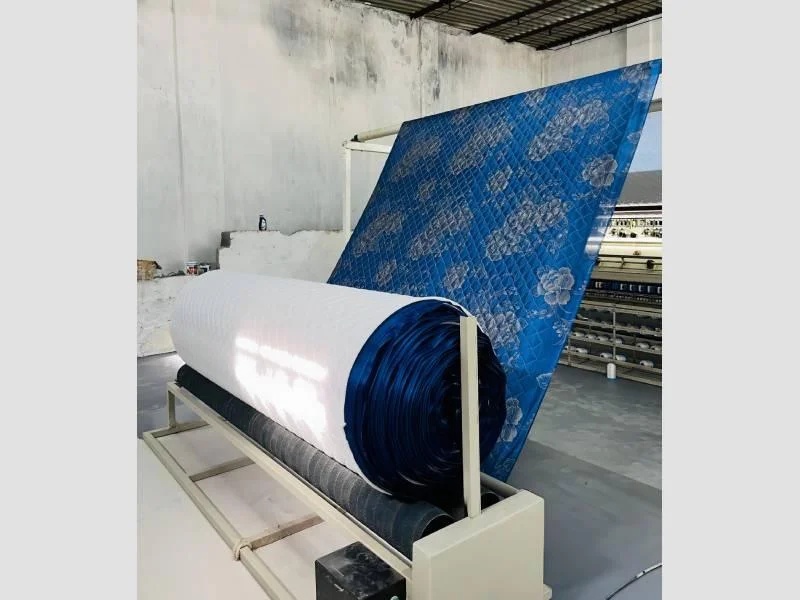
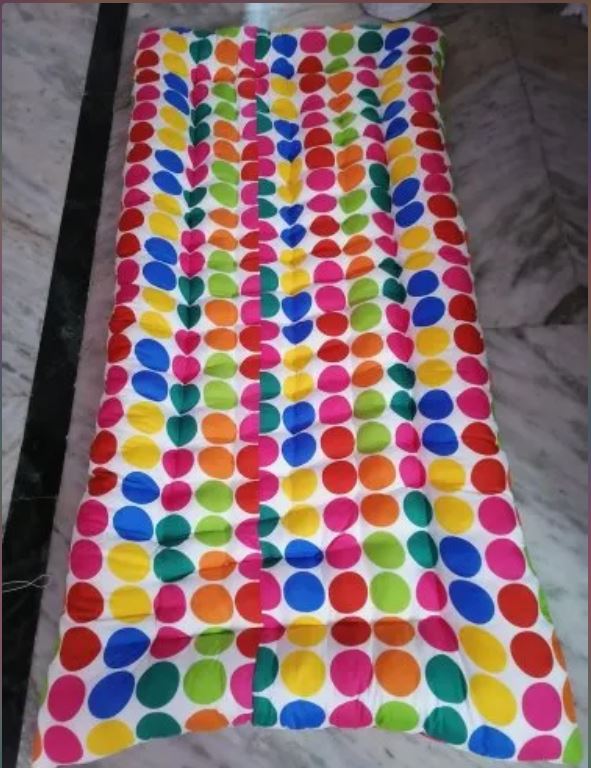
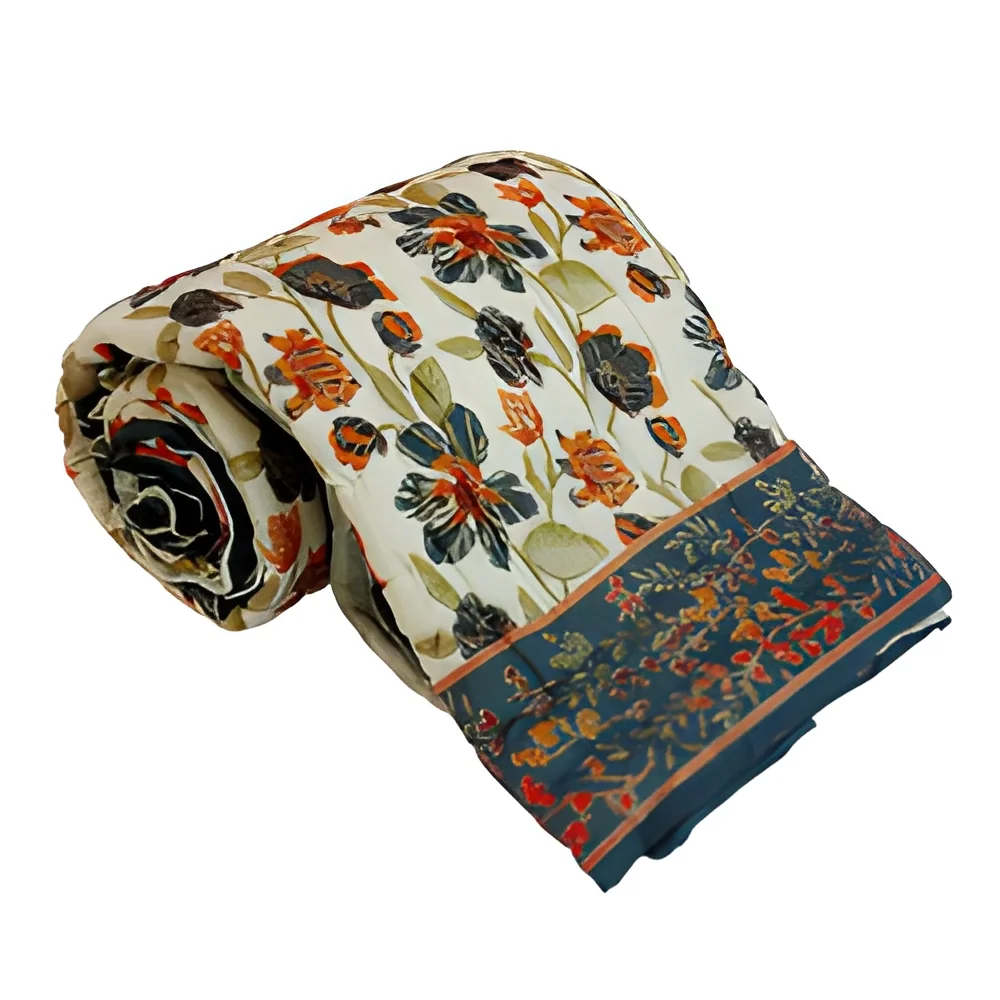
Quilted comforters are bedding products that consist of a top layer of fabric filled with insulation material and stitched together in a quilted pattern. This design not only enhances the aesthetic appeal but also helps to evenly distribute the filling, providing warmth and comfort. The construction typically involves multiple layers, allowing for better insulation and a cozy sleeping experience.
These comforters are commonly used in both residential and commercial settings, including hotels, resorts, and healthcare facilities. They serve as essential bedding items that contribute to guests' comfort and satisfaction, making them a popular choice for businesses in the hospitality industry. In addition, quilted comforters are also relevant in the healthcare sector, where they can provide warmth and comfort for patients.
In the current market context, the demand for quilted comforters is influenced by trends towards improved sleep quality and comfort in various environments. As consumers increasingly seek high-quality bedding products, businesses that offer quilted comforters are positioned to benefit from this growing interest. The product's versatility and functionality make it a staple in the bedding industry.
Key Features and Specifications
Quilted comforters come with various features that cater to different needs and preferences. Understanding these specifications is crucial for businesses when selecting the right products.
Key specifications include:
1. Material Composition
- Typically made from cotton, polyester, or a blend
- Various fill options such as down, polyester fiber, or wool
2. Fill Weight
- Varies to provide different levels of warmth
- Usually measured in grams per square meter (GSM)
3. Stitching Pattern
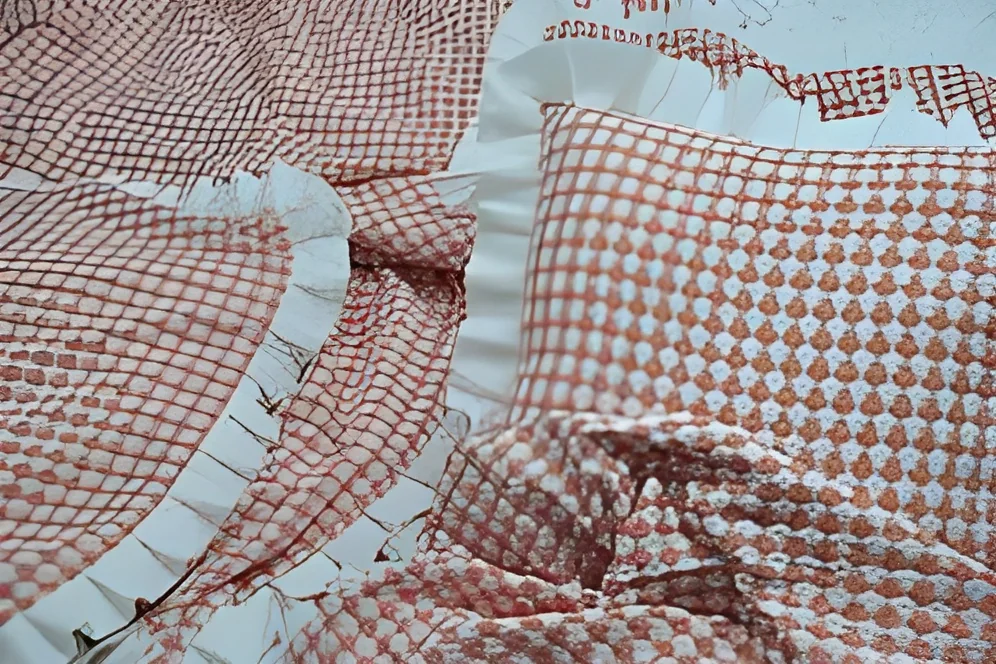
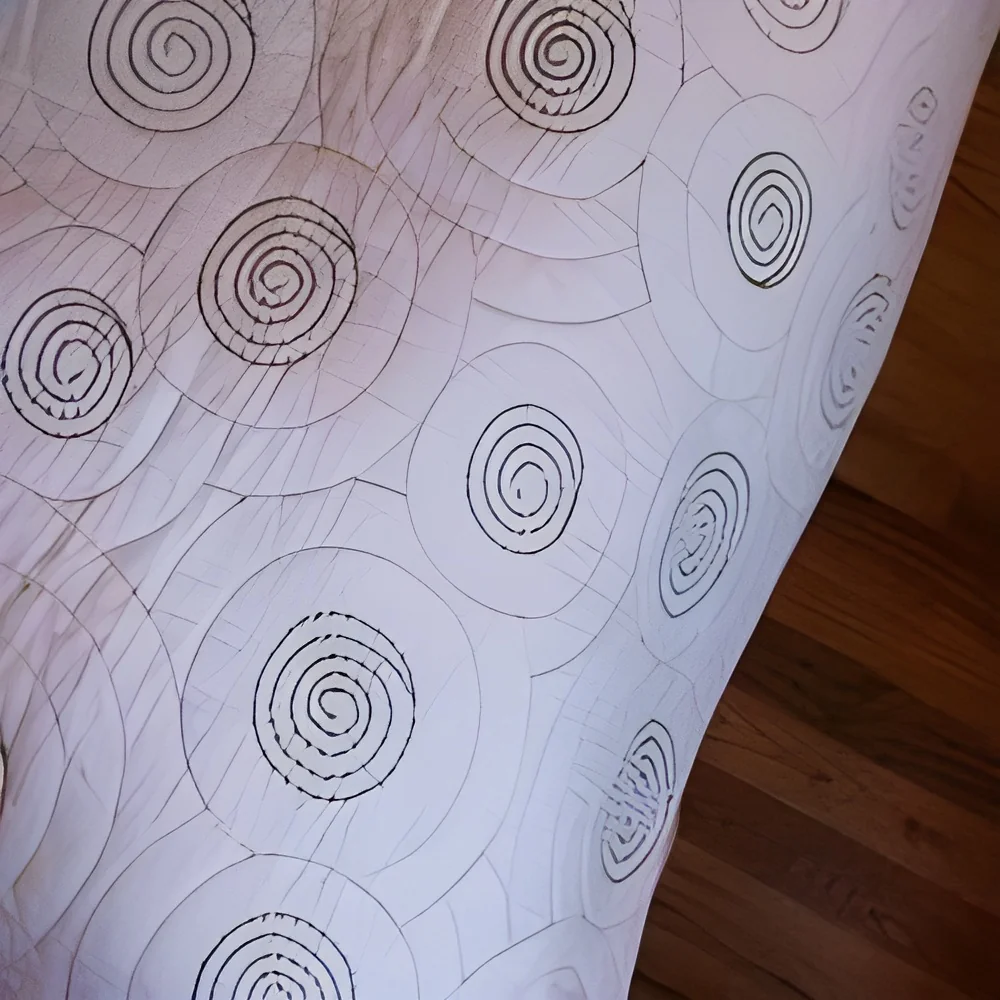
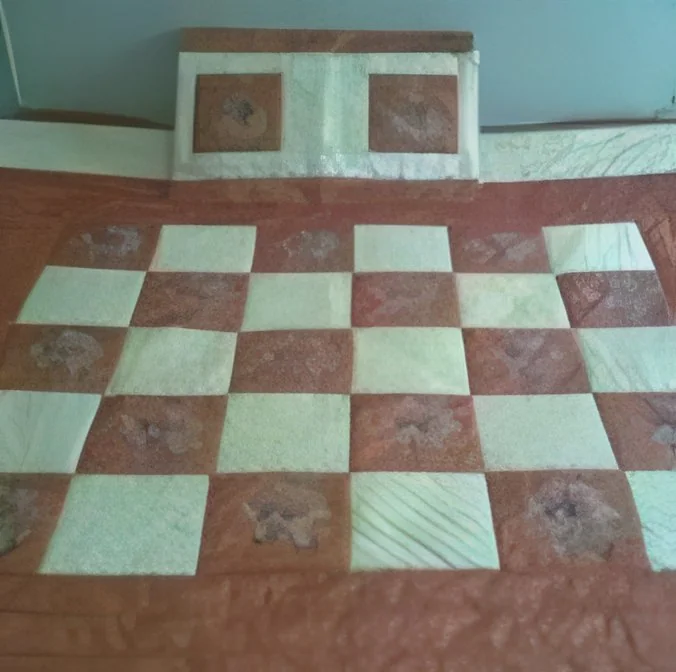
- Various quilted designs such as diamond, box, or channel patterns
- Affects both aesthetics and insulation properties
4. Size Options
- Available in standard sizes like twin, full, queen, and king
- Custom sizes may be offered by some suppliers
5. Care Instructions
- Most are machine washable, but specifics may vary
- Some may require dry cleaning depending on materials
6. Color and Design Variety
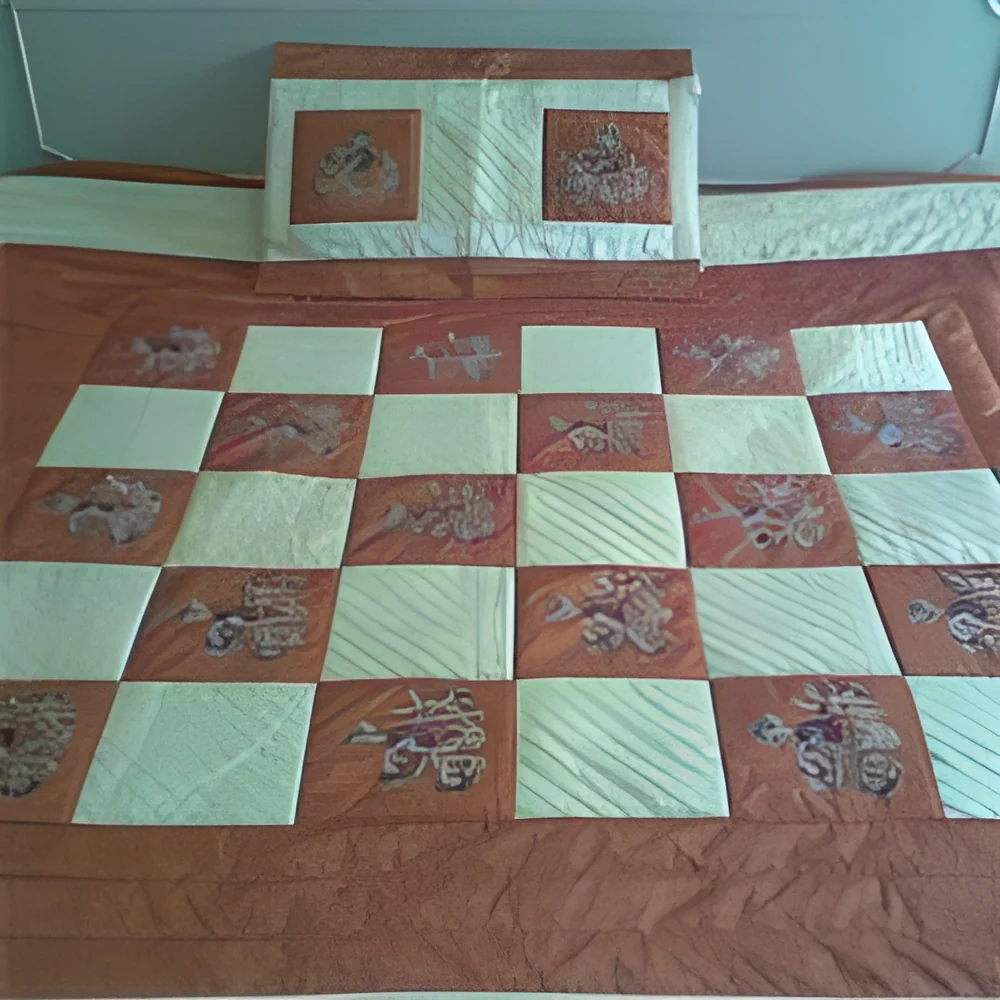
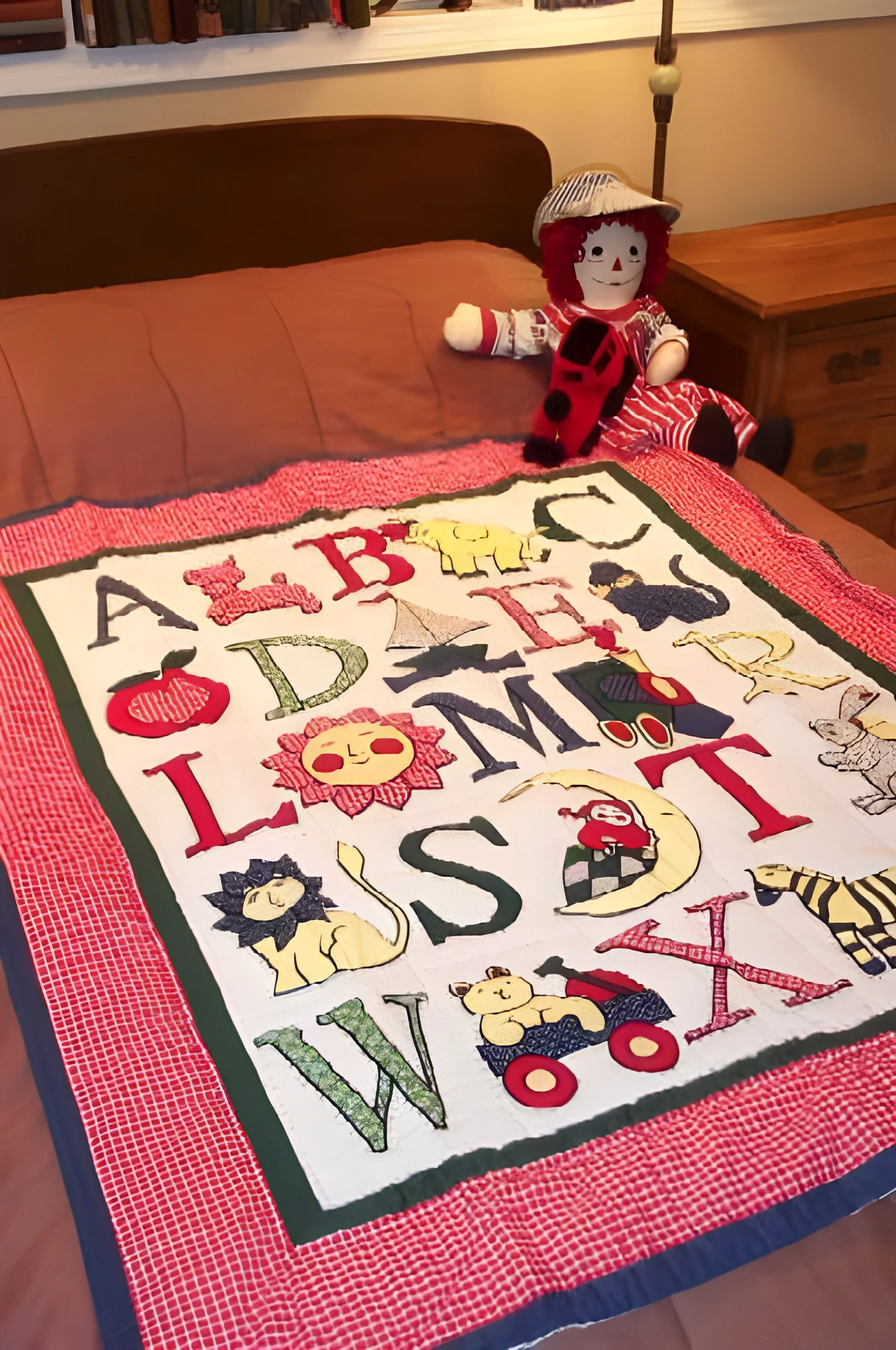
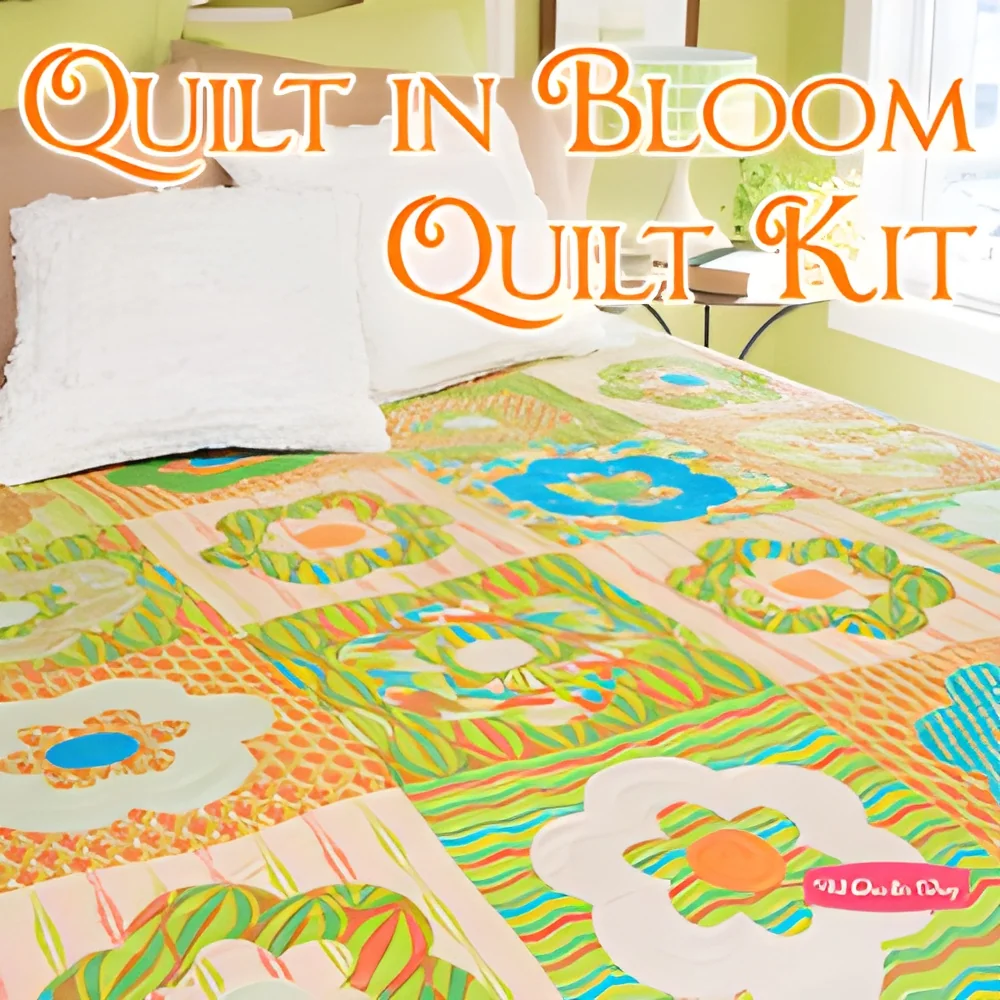
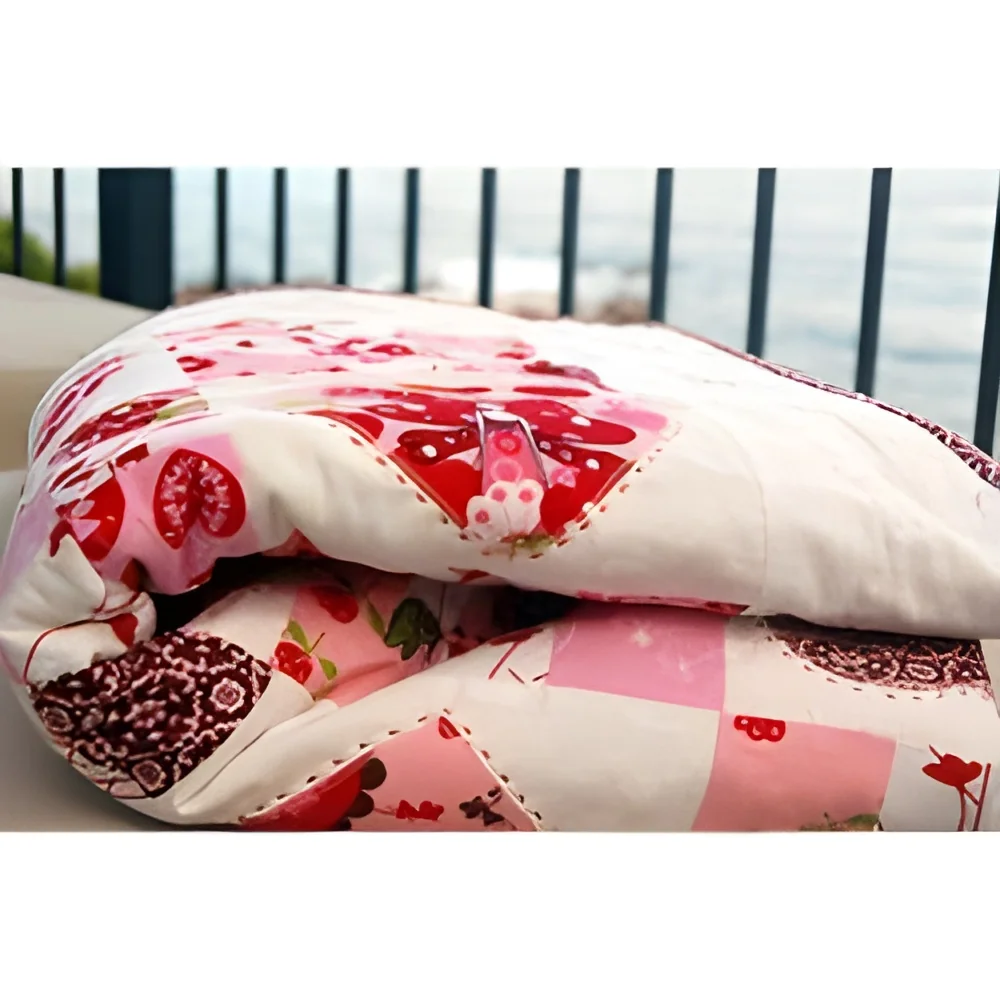
- Wide range of colors and patterns to suit different decor styles
- Options for customization available from select manufacturers
In summary, these key features and specifications allow businesses to choose quilted comforters that meet their specific needs, ensuring customer satisfaction and comfort.
Common Applications and Use Cases
Quilted comforters are versatile products that serve various industries effectively.
1. Hospitality Industry: Hotels and resorts use quilted comforters to enhance guest comfort and improve overall sleeping experiences, contributing to higher satisfaction ratings.
2. Healthcare Sector: Hospitals and nursing homes utilize quilted comforters to provide warmth and comfort to patients, aiding in their recovery and well-being.
3. Retail Bedding: Retailers offering home textiles stock quilted comforters to meet consumer demand for stylish and functional bedding options.
4. Educational Institutions: Dormitories and student housing often provide quilted comforters for students, promoting comfort during their stay.
5. Residential Use: Homeowners purchase quilted comforters for personal use, appreciating their warmth and decorative qualities in bedrooms.
6. Seasonal Promotions: Retailers often market quilted comforters during seasonal sales, particularly in the fall and winter months.
7. Custom Orders: Businesses may seek customized quilted comforters for events, promotions, or branding purposes.
Product Variants and Subcategories
Quilted comforters come in a range of variants to suit different customer preferences and applications.
Lightweight Quilted Comforters
These comforters are designed for warmer climates or summer use. They provide a breathable option while still offering comfort and style.
Heavyweight Quilted Comforters
Ideal for colder environments, these comforters are filled with heavier insulation, providing maximum warmth during winter months.
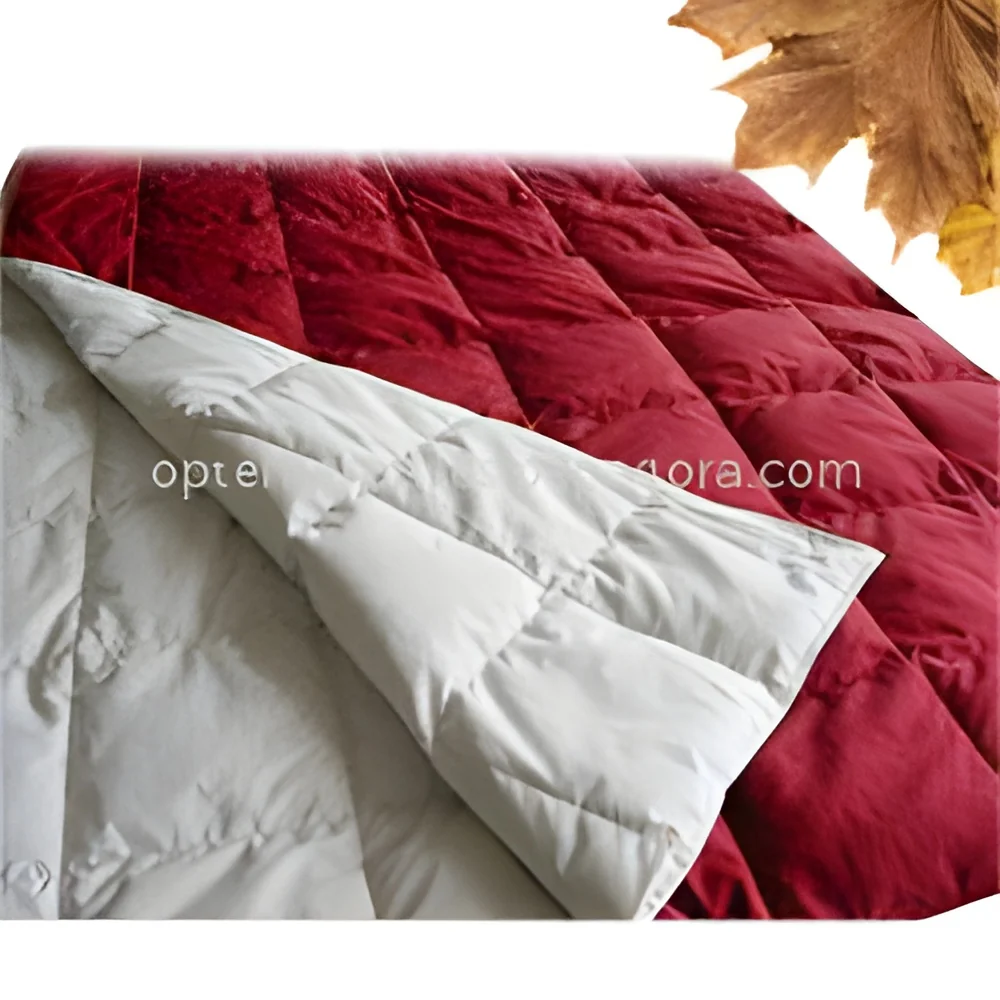
Reversible Quilted Comforters
Offering two designs in one, reversible comforters allow users to change their decor easily, providing versatility in styling.
Hypoallergenic Quilted Comforters
These variants are specifically designed for individuals with allergies, using materials that minimize allergens and provide a safe sleeping environment.
Benefits and Advantages
Quilted comforters offer numerous benefits that make them a popular choice for businesses.
1. Enhanced Comfort: The layered construction provides a cozy and plush feel, ensuring a comfortable sleeping experience for users.
2. Versatility: With various styles, colors, and weights, quilted comforters can suit different settings and preferences, making them suitable for diverse applications.
3. Ease of Maintenance: Many quilted comforters are machine washable, making them easy to care for and maintain, which is ideal for busy industries.
4. Improved Aesthetics: The quilted design adds visual appeal to any bedding arrangement, enhancing the overall decor of a space.
5. Insulation Properties: The filling provides superior insulation, keeping users warm during colder months while remaining breathable in warmer weather.
6. Cost-Effectiveness: Available in various price ranges, quilted comforters can fit different budgets, making them accessible for many businesses.
Buying Guide for B2B Buyers
When sourcing quilted comforters, businesses should consider several key factors to ensure they make informed purchasing decisions.
1. Quality Assessment: Evaluate the materials used in the comforters, ensuring they meet industry standards for durability and comfort. Check for reviews and feedback from previous buyers.
2. Supplier Verification: Vet suppliers to ensure they have a reliable track record. Look for certifications and references to confirm their credibility in the market.
3. Pricing and MOQ: Compare pricing across different suppliers to find competitive rates. Take note of the minimum order quantities, as this can impact budget considerations.
4. Delivery and Lead Times: Inquire about delivery schedules and lead times, ensuring they align with your business needs. Timely delivery is crucial for maintaining inventory.
5. Compliance Requirements: Ensure that the comforters meet any relevant regulatory standards or certifications, such as CE, to guarantee safety and quality.
Compliance and Certifications
Quilted comforters must adhere to various compliance and certification standards to ensure they meet safety and quality expectations.
Relevant quality standards include ISO 9001, which focuses on maintaining a consistent quality management system. This certification assures buyers that the products meet international quality benchmarks.
Additionally, the CE marking indicates compliance with European health, safety, and environmental protection standards, making it essential for businesses that operate in or export to Europe.
Safety and testing requirements are critical, especially in industries such as healthcare, where bedding must be hygienic and safe for patient use.
Regional compliance considerations may vary based on local regulations, so businesses should stay informed about specific requirements in their operating areas.
Why Source Quilted Comforters from Pepagora?
Pepagora offers a trusted platform for sourcing quilted comforters, providing several advantages for B2B buyers.
Verified Supplier Network: Pepagora ensures that all suppliers are thoroughly vetted, guaranteeing that buyers work with reputable manufacturers who meet compliance standards.
Streamlined RFQ Process: The platform simplifies the request for quotation process, allowing buyers to easily compare offers and select the best options for their needs.
Trade Assurance and Support: Buyers are protected through trade assurance programs that safeguard transactions and ensure product quality, providing peace of mind during the purchasing process.
Regional Coverage: Pepagora's extensive network spans India, the GCC, and Southeast Asia, offering buyers a wide range of options and easy access to quality quilted comforters across these regions.


Frequently Asked Questions
What are Quilted Comforters?
Quilted comforters are bedding products made by stitching two layers of fabric together, creating a pattern and providing insulation. They are filled with materials like down, polyester, or cotton, offering warmth and comfort for various climates.
What are the different types of Quilted Comforters?
There are several types of quilted comforters, including down comforters, synthetic fiber comforters, and cotton comforters. Each type varies in terms of insulation, weight, and warmth, catering to different preferences and needs.
How do I choose the right Quilted Comforters?
To choose the right quilted comforter, consider factors such as material, weight, and warmth level. It's also important to assess the size of your bed and the comforter’s design to ensure it complements your bedding aesthetic.
What are the standard specifications for Quilted Comforters?
Standard specifications for quilted comforters include dimensions (such as twin, full, queen, and king sizes), fill power for down products, and fabric type. Additionally, the thread count and stitching pattern can affect the comforter's durability and quality.
What is the price range for Quilted Comforters?
The price range for quilted comforters can vary widely based on factors such as material, brand, and size. Generally, you can expect prices to start around INR 1,500 and go up to INR 10,000 or more for premium options.
What quality standards apply to Quilted Comforters?
Quality standards for quilted comforters often include certifications for materials used, such as down certifications or OEKO-TEX certification for fabric safety. It's essential to look for products that meet these standards to ensure durability and safety.
Where can I find Quilted Comforters suppliers in India?
You can find quilted comforters suppliers in India through B2B marketplaces like Pepagora, industry trade shows, and online directories. These platforms connect you with manufacturers and wholesalers who specialize in bedding products.
Can Quilted Comforters be customized?
Yes, many manufacturers offer customization options for quilted comforters, including size, color, and design. Customization can help meet specific customer preferences and branding requirements.
What is the typical minimum order quantity for Quilted Comforters?
The typical minimum order quantity (MOQ) for quilted comforters varies by supplier but generally ranges from 50 to 100 units. It's advisable to check with individual manufacturers for their specific MOQ policies.
What is the typical lead time for Quilted Comforters?
The typical lead time for quilted comforters can range from 2 to 6 weeks, depending on the supplier, order size, and customization requirements. It's important to confirm lead times during the ordering process to ensure timely delivery.
Why Businesses Trust Pepagora
Thousands of companies trust Pepagora to source smarter and sell faster
Expand Your Sales Globally

Source Smarter,Grow Faster
