
 IN
Thermal Blankets for Winter
4 products available
What are Thermal Blankets for Winter?
Thermal blankets for winter are specialized insulating materials designed to retain heat and provide warmth in cold environments. These blankets are typically constructed from advanced thermal fabrics that effectively trap body heat while allowing moisture to escape. This characteristic makes them essential for maintaining comfortable temperatures in various industrial applications during winter months.
These blankets are commonly used in a wide range of settings, including construction sites, warehouses, and outdoor events. Their primary purpose is to protect personnel and equipment from the adverse effects of cold weather. They are particularly valuable in sectors where maintaining a stable thermal environment is critical for productivity and safety. As winter approaches, the demand for thermal blankets increases, highlighting their importance in various industries.
In today’s market, thermal blankets are relevant due to their applications across multiple sectors, including manufacturing, logistics, and construction. As companies strive to ensure worker safety and product integrity in harsh weather conditions, the need for effective thermal insulation solutions becomes increasingly pronounced.
Key Features and Specifications
Thermal blankets for winter are equipped with several key features that enhance their effectiveness and usability. These specifications play a crucial role in determining the suitability of the blankets for specific applications.
Key specifications include:
1. Material Composition
- Made from high-performance thermal fabrics
- Designed for durability and longevity
2. Dimensions
- Available in various sizes to accommodate different uses
- Standard dimensions typically range from 5x7 feet to 10x12 feet
3. Thermal Insulation Rating
- Rated for optimal heat retention
- Effective in temperatures as low as -20 degrees Celsius
4. Weight
- Lightweight construction for easy handling
- Weighs between 1.5 to 3 kg depending on size
5. Water Resistance
- Some models feature water-resistant properties
- Protects against moisture infiltration
6. Color Options
- Available in various colors for visibility and branding
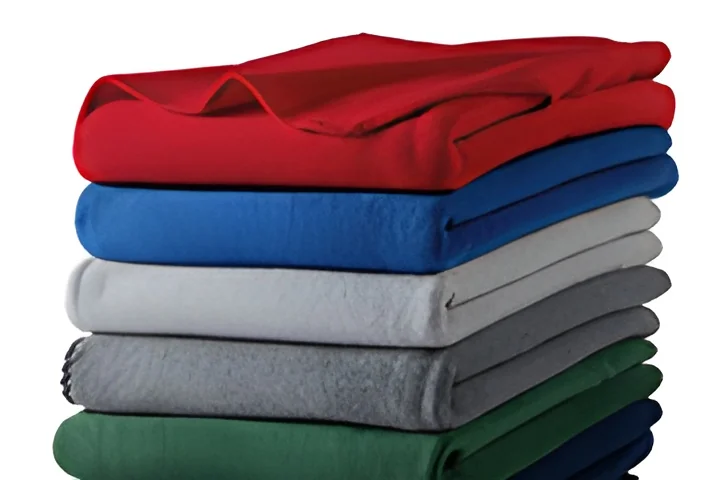
- Common colors include orange, blue, and green
7. Customization
- Options for custom sizes and branding
- Tailored solutions for specific business needs
In summary, understanding these specifications helps buyers identify the right thermal blankets for their specific requirements, ensuring effective thermal management in winter conditions.
Common Applications and Use Cases
Thermal blankets for winter are versatile products that find applications in various industries. Their effectiveness in providing heat insulation makes them indispensable in several contexts.
1. Construction: In construction sites, thermal blankets are used to protect concrete and other materials from freezing temperatures, ensuring proper curing and structural integrity.
2. Logistics: In logistics, these blankets help maintain the temperature of sensitive goods during transportation, particularly for perishables and pharmaceuticals.
3. Agriculture: Farmers utilize thermal blankets to protect crops from frost, enhancing yield and quality during colder months.
4. Outdoor Events: Event organizers employ thermal blankets to keep guests warm during outdoor gatherings, particularly in colder climates.
5. Emergency Services: Emergency responders use thermal blankets to provide warmth to individuals affected by cold weather or accidents, ensuring safety and comfort.
6. Manufacturing: In manufacturing plants, thermal blankets protect equipment and processes sensitive to temperature fluctuations.
7. Oil and Gas: In the oil and gas sector, thermal blankets help maintain the temperature of pipelines and storage tanks in cold environments.
Product Variants and Subcategories
Thermal blankets for winter come in various types to address specific needs and applications. Their diversity allows businesses to select the most appropriate option for their requirements.
Standard Thermal Blanket
This variant is designed for general use and offers excellent heat retention. It is perfect for outdoor activities, construction sites, and emergency situations.
Heavy-Duty Thermal Blanket
This version is made from reinforced materials for extended durability. It is ideal for industrial applications where additional strength is required.
Reflective Thermal Blanket
This variant features reflective surfaces that enhance heat retention. It is commonly used in emergency kits and outdoor survival gear.
Lightweight Thermal Blanket
Designed for portability, this option is suitable for travel and personal use. Its compact size makes it easy to carry for outdoor events or emergencies.
Benefits and Advantages
Thermal blankets for winter provide numerous benefits that can significantly enhance operational efficiency and safety.
1. Enhanced Comfort: These blankets keep personnel warm, improving overall comfort and productivity during cold conditions.
2. Equipment Protection: They help prevent damage to sensitive equipment by maintaining optimal temperatures.
3. Versatility: Thermal blankets can be used in various settings, making them suitable for multiple industries.
4. Cost-Effectiveness: Investing in thermal blankets can reduce heating costs by minimizing heat loss in workspaces.
5. Easy to Handle: Most blankets are lightweight and easy to transport, facilitating quick deployment.
6. Customization Options: Businesses can tailor thermal blankets to meet specific needs, ensuring better performance.
Buying Guide for B2B Buyers
When sourcing thermal blankets for winter, B2B buyers should consider several critical factors to ensure they make informed purchasing decisions.
1. Quality Assessment: Evaluate the material and construction quality to ensure durability and effectiveness. Look for user reviews and performance data.
2. Supplier Verification: Vet suppliers by checking their credentials, certifications, and industry experience to ensure reliable partnerships.
3. Pricing and MOQ: Understand the pricing structure, including bulk purchase discounts, and be aware of minimum order quantities to optimize costs.
4. Delivery and Lead Times: Discuss logistics with suppliers to establish expected delivery timelines and ensure timely availability during peak seasons.
5. Compliance Requirements: Confirm that the products meet relevant industry standards and regulations to mitigate risks associated with non-compliance.
Compliance and Certifications
Thermal blankets for winter are subject to various quality standards and certifications that ensure their performance and safety. Key standards include ISO 9001, which verifies quality management systems, and CE certification, indicating compliance with European safety requirements.
Manufacturers must adhere to safety and testing requirements to ensure the blankets can withstand extreme conditions. Regular testing for thermal insulation properties is essential to guarantee product effectiveness.
Regional compliance considerations also play a role, as different markets may have specific regulations regarding material safety and environmental impact. Buyers should be aware of these factors when sourcing thermal blankets for winter.
Why Source Thermal Blankets for Winter from Pepagora?
Pepagora offers a trusted platform for sourcing thermal blankets for winter, providing several key advantages that make it a preferred choice for B2B buyers.
Verified Supplier Network: Pepagora has established a network of verified suppliers, ensuring that buyers can access high-quality products from reputable manufacturers. This network helps mitigate risks associated with sourcing.
Streamlined RFQ Process: The platform features an efficient request for quotation process that simplifies the procurement experience. Buyers can easily compare quotes and select the best options for their needs.
Trade Assurance and Support: Pepagora provides trade assurance, giving buyers peace of mind regarding their transactions. Support services are available to assist with any issues that may arise during the purchasing process.
Regional Coverage: With a strong presence in India, the GCC, and Southeast Asia, Pepagora ensures that buyers can access thermal blankets tailored to their regional requirements and logistics needs. This geographic reach enhances the flexibility and efficiency of sourcing solutions.

Frequently Asked Questions
What are Thermal Blankets for Winter?
Thermal blankets for winter are specialized blankets designed to provide warmth and insulation during cold weather. They are typically made from materials that trap heat and prevent heat loss, making them ideal for use in colder climates.
What are the different types of Thermal Blankets for Winter?
Different types of thermal blankets for winter include fleece blankets, wool blankets, and electric blankets. Each type offers unique features, such as varying levels of warmth, weight, and maintenance requirements, catering to different user preferences.
How do I choose the right Thermal Blankets for Winter?
When choosing thermal blankets for winter, consider factors such as material, size, warmth level, and ease of care. It is also important to evaluate your specific needs, such as whether you require a lightweight option for travel or a heavier blanket for home use.
What are the standard specifications for Thermal Blankets for Winter?
Standard specifications for thermal blankets include dimensions, weight (typically measured in GSM), and material composition. Common materials used are polyester, wool, and fleece, each offering different thermal properties.
What is the price range for Thermal Blankets for Winter?
The price range for thermal blankets for winter can vary widely depending on the material, size, and brand. Typically, they can range from INR 500 to INR 5,000 or more, depending on the quality and features.
What quality standards apply to Thermal Blankets for Winter?
Quality standards for thermal blankets often include certifications for material safety, durability, and thermal efficiency. Look for products that meet industry standards such as OEKO-TEX or ISO certifications to ensure quality.
Where can I find Thermal Blankets for Winter suppliers in India?
You can find thermal blankets for winter suppliers in India through online B2B marketplaces like Pepagora. Additionally, trade shows and industry directories can also be valuable resources for locating reputable manufacturers.
Can Thermal Blankets for Winter be customized?
Yes, many manufacturers offer customization options for thermal blankets, including size, color, and branding. Customization allows businesses to tailor products to meet specific market demands or customer preferences.
What is the typical minimum order quantity for Thermal Blankets for Winter?
The typical minimum order quantity (MOQ) for thermal blankets can vary by supplier, but it usually ranges from 50 to 200 units. It's advisable to check with the manufacturer for their specific MOQ requirements.
What is the typical lead time for Thermal Blankets for Winter?
The typical lead time for thermal blankets for winter varies depending on the supplier and order size, but it usually ranges from 2 to 6 weeks. Factors such as customization and shipping methods can also affect delivery times.
Why Businesses Trust Pepagora
Thousands of companies trust Pepagora to source smarter and sell faster
Expand Your Sales Globally

Source Smarter,Grow Faster
