
 IN
Z & C Purlins
9 products available
What are Z & C Purlins?
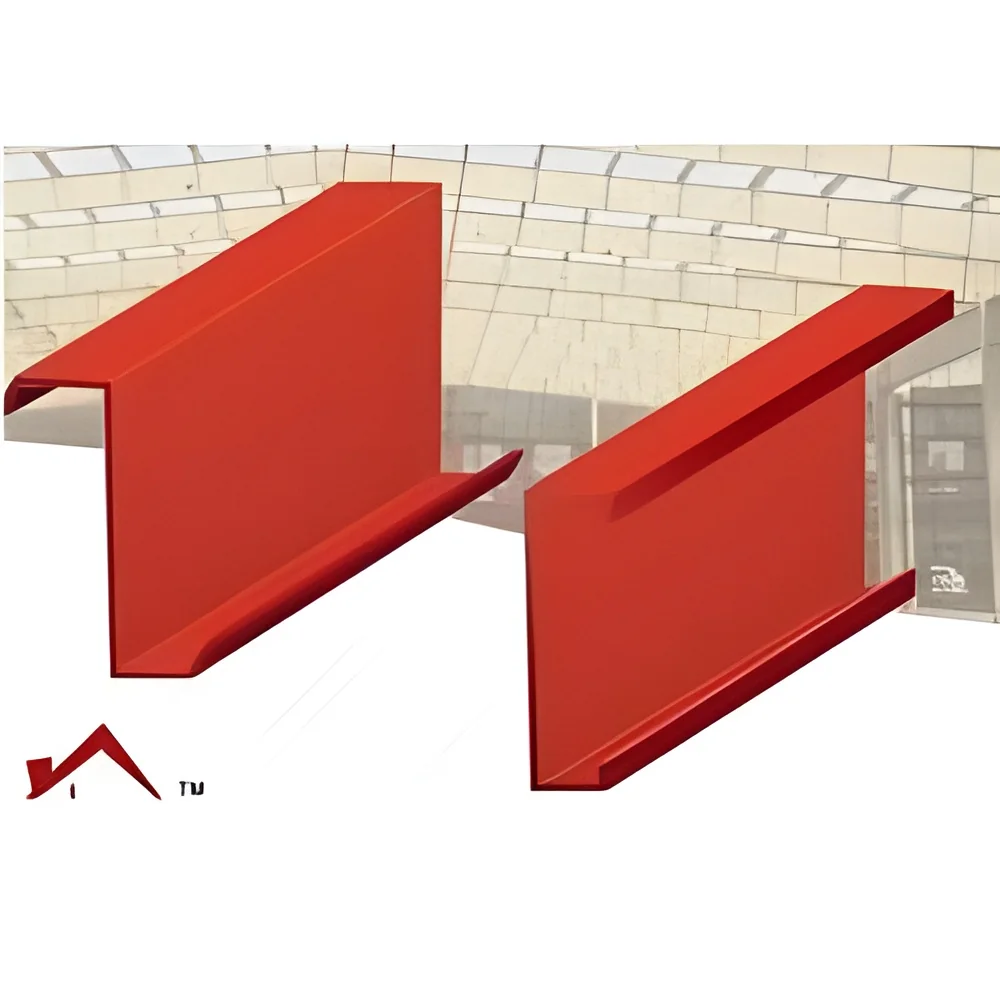
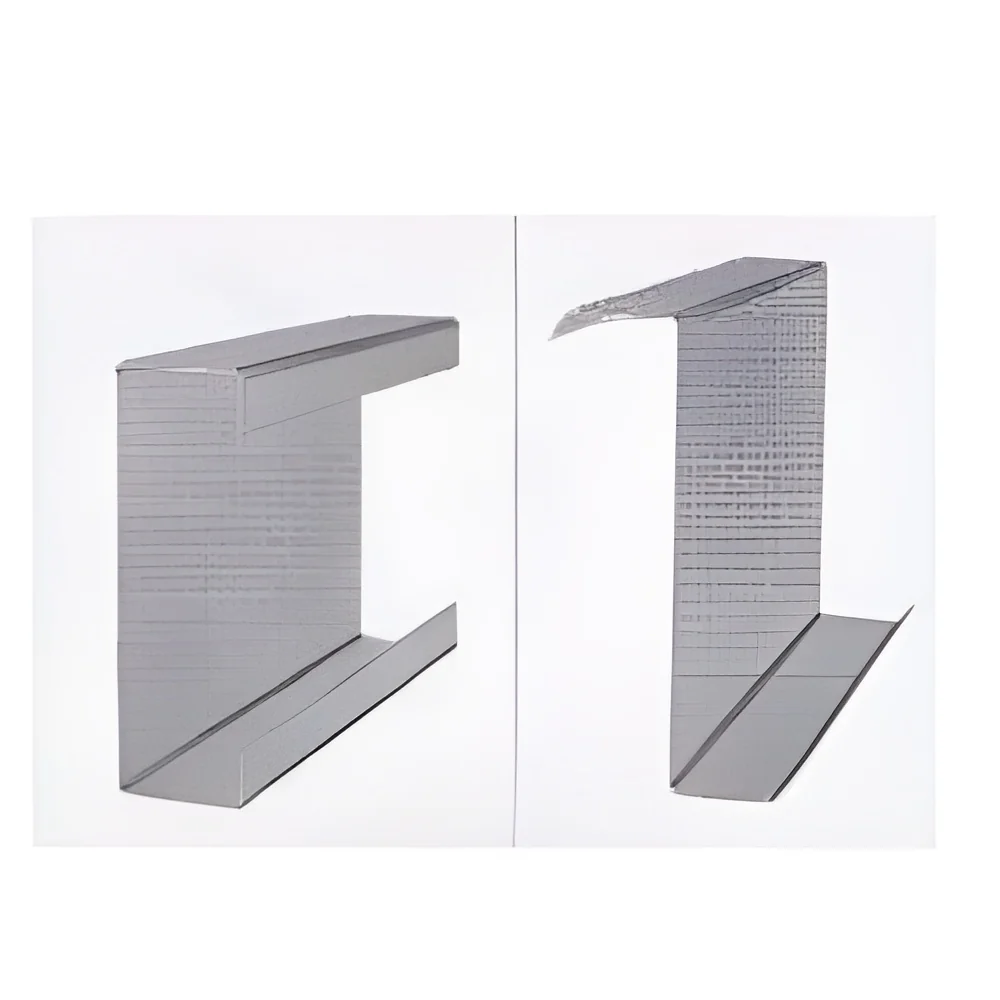
Z and C Purlins are structural components made from cold-formed steel that serve as horizontal supports in construction. The "Z" and "C" shapes indicate their cross-sectional profiles, which provide strength and stability to buildings, roofs, and other structures. These purlins are designed to support rooftop sheeting and wall panels, facilitating the construction of large commercial and industrial buildings.
These purlins are primarily used in steel framing systems and are essential in various applications, including agricultural buildings, warehouses, and manufacturing facilities. They help in reducing the weight of the overall structure while maintaining high load-bearing capacities. Their versatility makes them suitable for both residential and commercial projects, allowing for easy installation and adaptability in design. As the construction industry continues to grow, the demand for Z and C Purlins remains strong, driven by the need for efficient and cost-effective building solutions.
Key Features and Specifications
Z and C Purlins are known for their durability, lightweight design, and ease of installation. They are often chosen for their ability to withstand various environmental conditions while providing structural integrity. The specifications of Z and C Purlins can vary depending on the application and the requirements of the project.
Key specifications include:
1. Material Type
- Galvanized steel or pre-galvanized steel
- Offers corrosion resistance and longevity
2. Thickness
- Typically ranges from 1.5 mm to 3 mm
- Affects the load-bearing capacity and durability
3. Length
- Custom lengths available, commonly up to 12 meters
- Facilitates tailored solutions for different projects
4. Yield Strength
- Generally around 250 MPa to 450 MPa
- Ensures adequate strength for structural applications
5. Coating
- Available in various coatings for enhanced weather resistance
- Options include zinc or polyester coatings
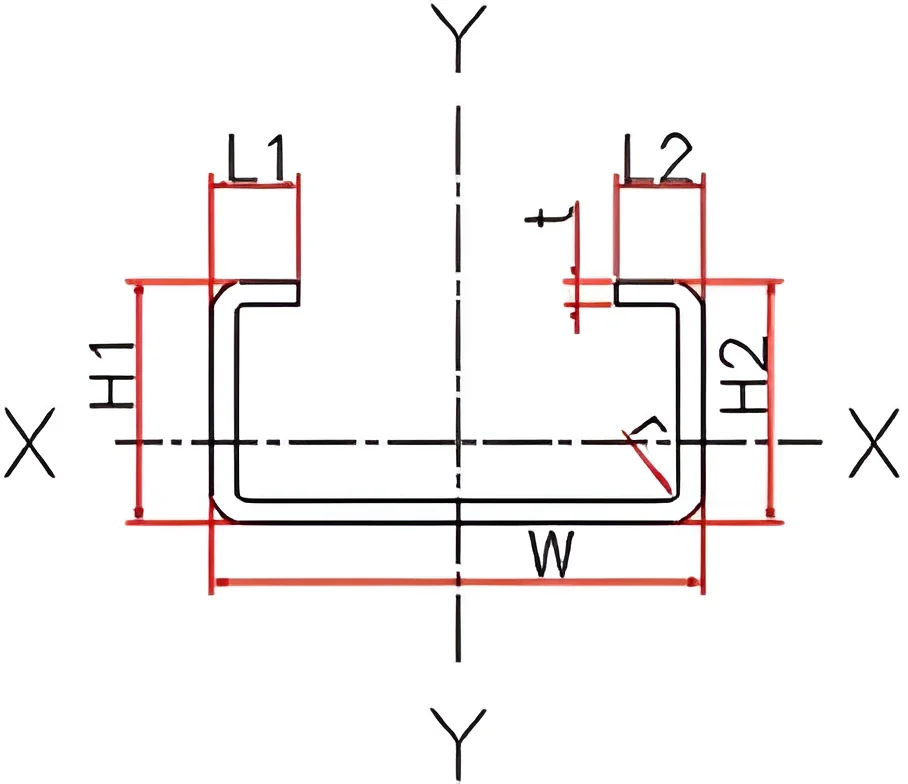
6. Cross-Sectional Dimensions
- Z Purlins: Widths from 100 mm to 300 mm
- C Purlins: Widths from 80 mm to 200 mm
7. Weight
- Weight varies with dimensions and thickness
- Lightweight design aids in easier handling and installation
8. Standard Compliance
- Often complies with industry standards such as BS or ASTM
- Ensures quality and reliability in structural applications
In summary, Z and C Purlins are versatile structural elements that offer significant advantages in various construction applications due to their strength, lightweight nature, and adaptability.
Common Applications and Use Cases
Z and C Purlins find extensive use across several industries, enhancing structural integrity and efficiency.
1. Construction Industry: These purlins are commonly used in steel frame buildings, providing support for roofs and walls. They are integral in creating robust structures that can withstand environmental pressures.
2. Agricultural Sector: Z and C Purlins are utilized in agricultural buildings such as barns and storage facilities. They support roofing systems efficiently, allowing for large open spaces without internal columns.
3. Manufacturing Facilities: Many manufacturing plants use these purlins for their cost-effective support solutions. They allow for quick installation and are suitable for heavy machinery setups.
4. Warehouse Structures: Purlins are essential in warehouse designs, supporting large roof spans and ensuring structural integrity under heavy loads.
5. Residential Projects: Some residential structures incorporate purlins in their framing systems, particularly in modern designs that favor open spaces and high ceilings.
6. Renewable Energy: Z and C Purlins are increasingly used in solar panel installations, providing necessary support for mounting systems in solar farms.
7. Transportation Infrastructure: These purlins can be found in the construction of bridges and overpasses, where they contribute to the load-bearing capacity and overall stability.
Product Variants and Subcategories
Z and C Purlins come in a range of variants designed to meet specific structural needs. Their diversity allows for tailored solutions across various applications.
Z Purlins
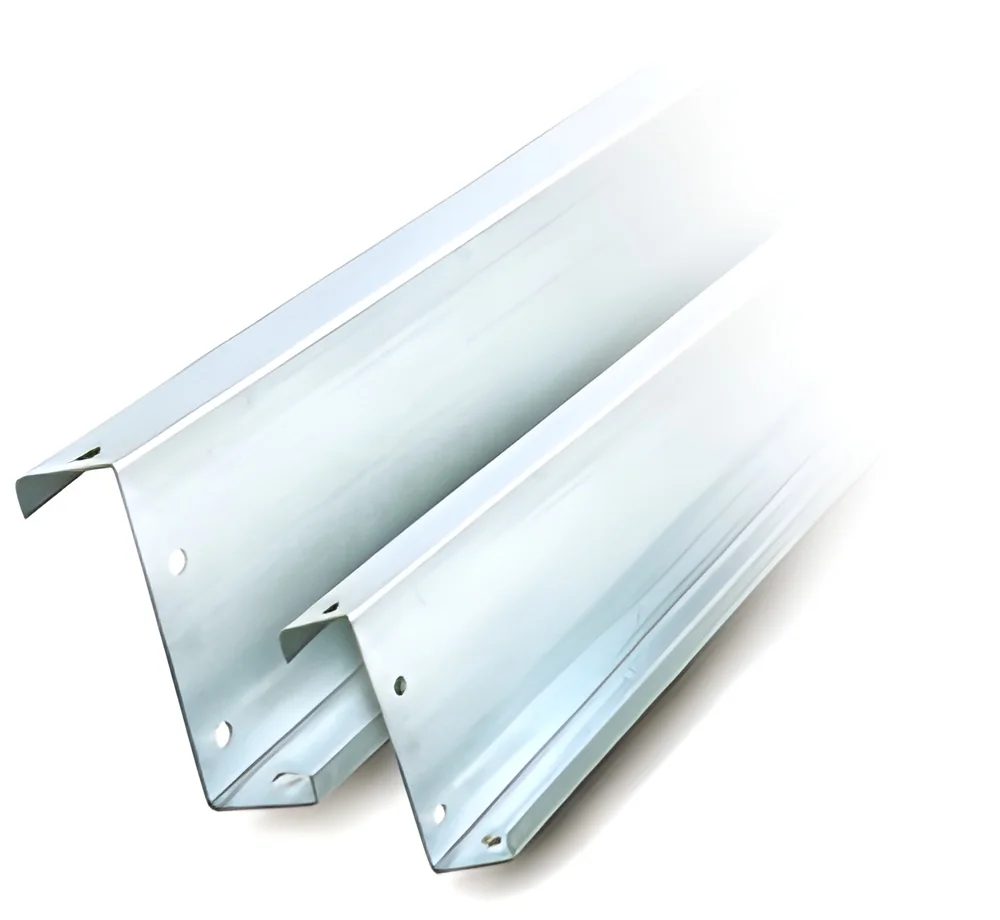
Z Purlins feature a unique Z-shaped cross-section that allows for effective load distribution. They are commonly used in roof structures where they can support sheeting and other materials efficiently. Their design enables quick installation and flexibility in alignment.
C Purlins
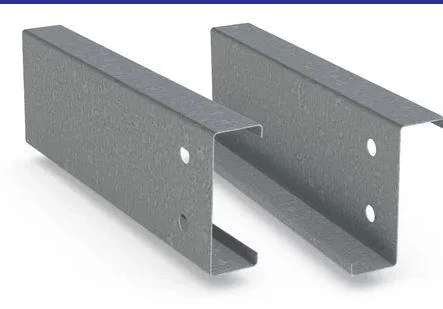
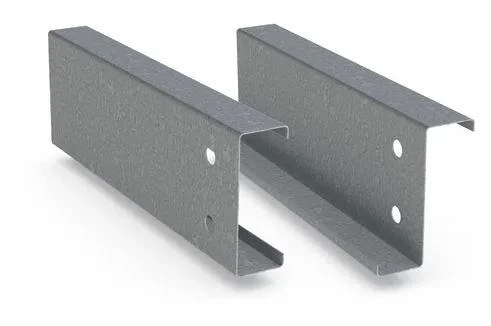
C Purlins are characterized by their C-shaped profile, ideal for applications requiring strong horizontal support. They are often used in wall systems and can be easily integrated into various building designs. Their strength makes them suitable for both light and heavy-duty applications.
Benefits and Advantages
Z and C Purlins offer numerous benefits that make them a preferred choice in construction.
1. Lightweight Design: Their lightweight nature allows for easier handling and installation, reducing labor costs.
2. High Strength-to-Weight Ratio: These purlins provide considerable strength, enabling them to support significant loads while minimizing material use.
3. Corrosion Resistance: Most purlins are made from galvanized steel, ensuring longevity and resistance to harsh environmental conditions.
4. Cost-Effectiveness: They offer a budget-friendly solution for structural support, making them ideal for large-scale projects.
5. Versatility: Z and C Purlins can be used in various applications, from commercial buildings to agricultural facilities, enhancing their appeal.
6. Quick Installation: Their design facilitates fast assembly, leading to shorter project timelines and increased efficiency.
Buying Guide for B2B Buyers
When sourcing Z and C Purlins, it is essential for buyers to consider several key factors to ensure the right choice for their projects.
1. Quality Assessment: Evaluate the quality of the materials used in the purlins. Look for certifications and compliance with industry standards to ensure durability and reliability.
2. Supplier Verification: Vet suppliers by checking their reputation and experience in the market. Reliable suppliers should provide references and have a proven track record.
3. Pricing and MOQ: Understand the pricing structure and minimum order quantities. This will help in budgeting and ensure that you are getting a fair deal.
4. Delivery and Lead Times: Discuss logistics with suppliers to determine delivery schedules and lead times. Timely delivery is crucial for project planning and execution.
5. Compliance Requirements: Ensure that the purlins meet local and international regulatory standards. This includes safety and environmental compliance.
Compliance and Certifications
Z and C Purlins are subject to various compliance and certification requirements, ensuring they meet industry standards for quality and safety.
Relevant quality standards often include ISO 9001, which outlines the criteria for effective quality management systems. This standard ensures that manufacturers consistently provide products that meet customer and regulatory requirements.
In addition, CE certification is essential for products sold within the European Economic Area, signifying compliance with health, safety, and environmental protection standards.
Safety testing requirements are crucial, especially in structural applications, to verify that the purlins can withstand the expected loads and environmental conditions.
Regional compliance considerations may vary depending on local regulations, emphasizing the need for buyers to be aware of the specific requirements in their area.
Why Source Z & C Purlins from Pepagora?
Pepagora provides a trusted platform for sourcing Z and C Purlins, featuring several key advantages that enhance the buying experience.
Verified Supplier Network: Pepagora connects buyers with a network of verified suppliers who meet stringent quality and reliability standards. This ensures buyers can source high-quality products with confidence.
Streamlined RFQ Process: The platform offers a streamlined Request for Quotation (RFQ) process, allowing buyers to easily obtain multiple quotations from suppliers. This competitive process helps buyers find the best prices and terms.
Trade Assurance and Support: Pepagora prioritizes buyer protection through trade assurance measures. This includes safeguards that ensure product quality and compliance with specifications.
Regional Coverage: With a focus on markets in India, the GCC, and Southeast Asia, Pepagora provides comprehensive regional coverage. This makes it easier for buyers to source Z and C Purlins suited to their local needs.
Overall, Pepagora is committed to facilitating smooth transactions and ensuring that buyers receive the best products for their construction projects.

 India
 India
 India
 India

 India
Frequently Asked Questions
What are Z & C Purlins?
Z & C Purlins are structural components used in the construction of buildings, primarily as support for roofs and walls. They are named for their respective shapes, where 'Z' purlins have a 'Z' profile and 'C' purlins have a 'C' profile. These purlins are typically made from steel and are known for their strength and durability.
What are the different types of Z & C Purlins?
The different types of Z & C Purlins include standard purlins, which serve general construction needs, and lightweight purlins, designed for less demanding applications. Additionally, Z purlins can be used for applications requiring higher strength, while C purlins are often preferred for uniform load distribution. Each type can vary in thickness and dimensions based on specific project requirements.
How do I choose the right Z & C Purlins?
Choosing the right Z & C Purlins involves considering factors such as load requirements, span length, and environmental conditions. It's important to assess the structural specifications of your project and consult with engineers or suppliers to ensure the selected purlins meet the necessary strength and durability standards. Additionally, reviewing material properties can help in making an informed decision.
What are the standard specifications for Z & C Purlins?
Standard specifications for Z & C Purlins typically include dimensions like height, width, and thickness, as well as material grades, which are often based on IS standards in India. Common materials used are galvanized steel or cold-formed steel, ensuring resistance to corrosion. It's crucial to refer to local building codes and project requirements when determining specifications.
What is the price range for Z & C Purlins?
The price range for Z & C Purlins can vary significantly depending on factors such as material, size, and supplier. Generally, prices can range from INR 40 to INR 100 per kilogram, but this can fluctuate based on market conditions and purchase quantities. It's advisable to obtain quotes from multiple suppliers to find the best pricing.
What quality standards apply to Z & C Purlins?
Z & C Purlins must meet specific quality standards to ensure their suitability for construction. Common standards include IS 2062 for structural steel and IS 800 for general construction. Compliance with these standards guarantees that the purlins possess the necessary mechanical properties and durability for structural applications.
Where can I find Z & C Purlins suppliers in India?
You can find Z & C Purlins suppliers in India through various channels such as online B2B marketplaces, local hardware stores, and construction supply companies. Websites like Pepagora.com provide a platform to compare different manufacturers and suppliers, helping you find reliable sources for your needs. Networking within the construction industry can also lead to reputable suppliers.
Can Z & C Purlins be customized?
Yes, Z & C Purlins can be customized to meet specific project requirements. Many manufacturers offer customization options, allowing for adjustments in size, shape, and material thickness. It is advisable to discuss your requirements with suppliers to explore available customization options.
What is the typical minimum order quantity for Z & C Purlins?
The typical minimum order quantity (MOQ) for Z & C Purlins can vary by supplier but generally ranges from 1 ton to 5 tons. Some suppliers may offer flexibility in smaller orders, especially for special projects or trial purchases. It’s best to confirm the MOQ with the supplier before placing an order.
What is the typical lead time for Z & C Purlins?
The typical lead time for Z & C Purlins can range from 2 to 6 weeks, depending on the supplier's stock availability and customization requirements. Factors such as order size and manufacturing processes can also impact lead times. It's advisable to discuss timelines with the supplier to ensure timely delivery for your project.
Why Businesses Trust Pepagora
Thousands of companies trust Pepagora to source smarter and sell faster
Expand Your Sales Globally

Source Smarter,Grow Faster
