
 IN
Wooden Button Suppliers
2 products available
What are Wooden Button Suppliers?
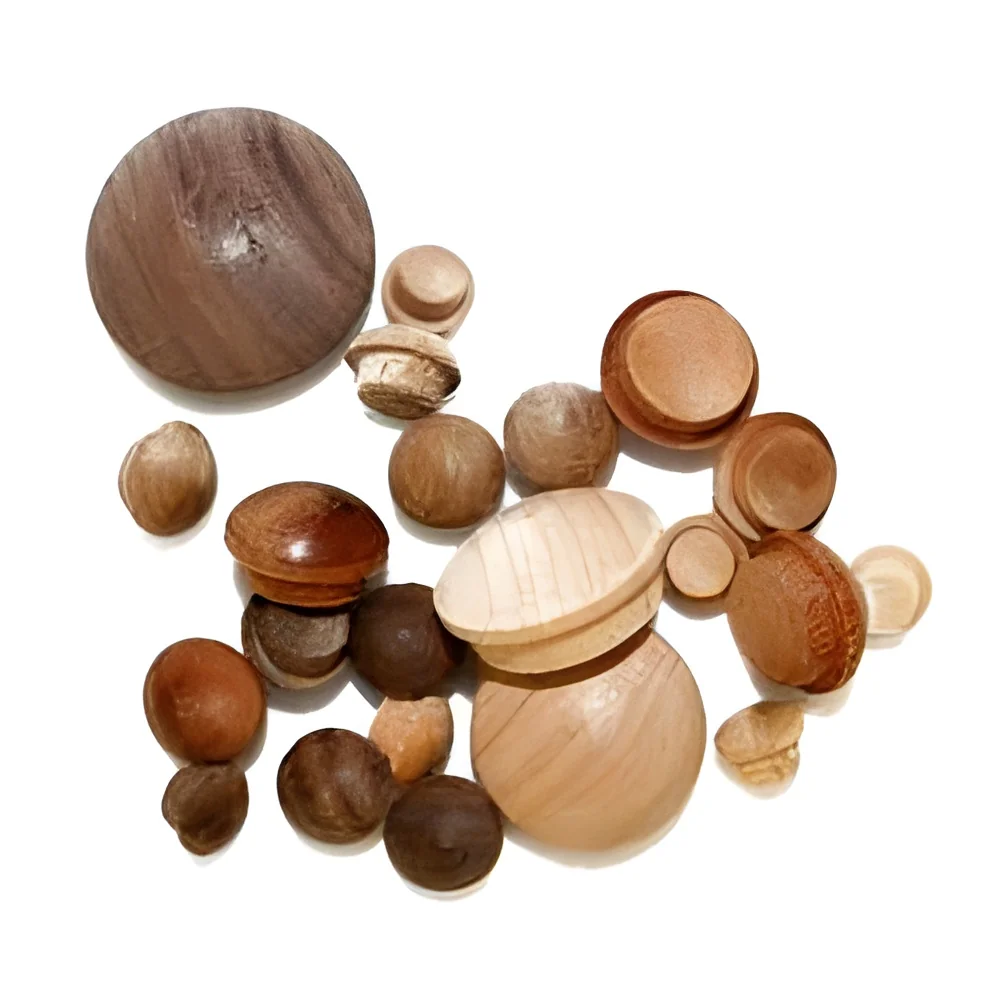
Wooden button suppliers are businesses that specialize in the production and distribution of buttons made from wood. These suppliers typically offer a variety of wooden buttons in different sizes, shapes, and finishes, catering to a wide range of industries. Wooden buttons are often chosen for their aesthetic appeal, sustainability, and unique natural characteristics. They are a popular choice among manufacturers and artisans looking for eco-friendly alternatives to plastic and metal buttons.
The primary uses of wooden buttons include apparel manufacturing, crafting, and home decor. They are commonly employed in clothing, accessories, and decorative items, adding a rustic charm and tactile quality to products. The versatility of wooden buttons makes them suitable for both mass production and bespoke items. In the current market, there is a growing trend towards sustainable materials and practices, which has increased the relevance of wooden button suppliers in various industries.
As industries shift towards environmentally friendly options, wooden button suppliers play a crucial role in providing sustainable solutions. This sector has seen an increase in demand, particularly within the fashion and home decor markets, where consumers are becoming more conscious of the materials used in the products they purchase. The wooden buttons market is continually evolving, with suppliers adapting to trends and customer preferences while ensuring quality and sustainability.
Key Features and Specifications
When considering wooden button suppliers, understanding their key features and specifications is essential. These specifications can impact both the quality and usability of the buttons in various applications.
Key specifications include:
1. Material Type
- Typically sourced from sustainable forests
- Common woods include birch, maple, and walnut
2. Size Range
- Available in various diameters from 10mm to 50mm
- Custom sizes may be available upon request
3. Finish Options
- Natural, stained, or painted finishes
- Options for matte or glossy surface textures
4. Hole Configuration
- Two-hole or four-hole designs
- Custom hole configurations may be offered
5. Weight
- Lightweight for ease of use
- Varies based on size and wood type
6. Customization
- Possibility for custom designs or engravings
- Minimum order quantities may apply
7. Eco-friendly Certification
- Sourced from FSC-certified forests
- Compliance with environmental standards
8. Lead Times
- Varies based on order size and complexity
- Typically ranges from 2 to 6 weeks
Overall, these specifications are crucial for businesses to ensure they select the right wooden buttons for their specific needs.
Common Applications and Use Cases
Wooden buttons are utilized across various industries, highlighting their versatility and appeal.
1. Apparel Manufacturing: Wooden buttons are often used in shirts, jackets, and pants, providing a durable and aesthetically pleasing option for clothing.
2. Crafting: Artisans and hobbyists use wooden buttons in DIY projects, scrapbooking, and home decor, adding a unique touch to their creations.
3. Furniture: Wooden buttons can be incorporated into upholstered furniture, enhancing the design while maintaining a natural theme.
4. Accessories: Bags, hats, and other accessories often feature wooden buttons, providing a stylish and functional fastening solution.
5. Home Decor: Wooden buttons are used in decorative crafts, such as wall art and ornaments, appealing to consumers looking for rustic home accents.
6. Toys: Wooden buttons are popular in the toy industry, often used in educational toys and games for their safety and durability.
7. Footwear: Certain footwear designs may incorporate wooden buttons for decorative purposes, blending style with functionality.
Product Variants and Subcategories
Wooden buttons come in a diverse range of variants, allowing businesses to select options that best suit their needs.
Natural Wooden Buttons
These buttons retain the natural grain and color of the wood. They are often used in eco-friendly garments and crafts, appealing to sustainability-conscious consumers.
Painted Wooden Buttons
Available in a variety of colors, painted wooden buttons offer more design flexibility. They are commonly used in children's clothing and accessories, providing a fun and vibrant look.
Engraved Wooden Buttons
Customization is a key feature of engraved wooden buttons. Businesses can have logos or unique designs added, making them ideal for branding purposes and personalized gifts.
Shaped Wooden Buttons
These buttons come in unique shapes such as animals, flowers, or geometric designs. They are popular in crafting and children's apparel, adding a playful element to products.
Benefits and Advantages
Sourcing wooden buttons provides several benefits to businesses.
1. Sustainability: Wooden buttons are made from renewable resources, making them an eco-friendly choice for manufacturers looking to reduce their environmental impact.
2. Aesthetic Appeal: The natural look of wooden buttons adds a distinctive charm to products, enhancing their visual appeal and marketability.
3. Durability: Wooden buttons are robust and can withstand regular use, providing longevity in apparel and other applications.
4. Versatility: Available in various sizes, shapes, and finishes, wooden buttons can be used across multiple industries and product lines.
5. Customization: The ability to customize wooden buttons allows businesses to differentiate their products and cater to specific customer preferences.
6. Lightweight: Wooden buttons are generally lightweight, making them easy to handle and transport during production and shipping.
Buying Guide for B2B Buyers
When sourcing wooden button suppliers, businesses should consider several factors to ensure they select the right partner.
1. Quality Assessment: Evaluate the quality of the buttons by requesting samples. Look for consistency in size, finish, and material to ensure they meet your standards.
2. Supplier Verification: Conduct background checks on potential suppliers. Assess their reputation, customer feedback, and industry experience to confirm reliability.
3. Pricing and MOQ: Compare pricing structures among suppliers. Consider minimum order quantities and negotiate to ensure cost-effectiveness without compromising quality.
4. Delivery and Lead Times: Discuss logistics with suppliers to understand delivery timelines. Ensure that their lead times align with your production schedules to avoid delays.
5. Compliance Requirements: Verify that suppliers meet industry regulations and quality standards. This may include certifications such as CE or compliance with specific safety protocols.
Compliance and Certifications
Wooden button suppliers must adhere to various compliance and certification standards to ensure product quality and safety. One relevant quality standard is ISO 9001, which focuses on quality management systems. This certification helps ensure that suppliers consistently provide products that meet customer and regulatory requirements.
Additionally, certifications such as CE indicate that the products comply with European safety standards, ensuring they are safe for use in various applications. Safety testing requirements may also apply, particularly for buttons used in children's clothing and toys, where safety is paramount.
Regional compliance considerations can vary depending on market requirements. Suppliers should be aware of specific regulations in their target markets to ensure their products meet local compliance needs.
Why Source Wooden Button Suppliers from Pepagora?
Pepagora provides a trusted platform for sourcing wooden button suppliers, offering several key advantages to B2B buyers.
Verified Supplier Network: Pepagora maintains a network of verified suppliers, ensuring that businesses can partner with reliable manufacturers who adhere to quality standards.
Streamlined RFQ Process: The platform features an efficient request for quotation (RFQ) system, allowing buyers to easily compare offers and select the best options for their specific needs.
Trade Assurance and Support: Pepagora offers buyer protection through trade assurance, providing additional peace of mind during transactions. The platform supports buyers throughout the sourcing process, ensuring a smooth experience.
Regional Coverage: With a presence in key markets such as India, the GCC, and Southeast Asia, Pepagora can connect businesses with local suppliers, facilitating easier communication and logistics. This broad geographic reach enhances accessibility for buyers seeking wooden button suppliers.

Frequently Asked Questions
What are Wooden Button Suppliers?
Wooden Button Suppliers are businesses that manufacture and sell buttons made from wood. These suppliers provide a variety of wooden buttons that can be used in clothing, crafts, and other applications.
What are the different types of Wooden Button Suppliers?
Different types of Wooden Button Suppliers include those specializing in natural wood buttons, dyed wooden buttons, and engraved or printed wooden buttons. Additionally, suppliers may cater to specific markets such as fashion, home décor, or craft industries.
How do I choose the right Wooden Button Suppliers?
To choose the right Wooden Button Suppliers, consider factors such as product quality, pricing, delivery times, and customer service. It's also beneficial to review their catalog and previous customer reviews to ensure they meet your specific needs.
What are the standard specifications for Wooden Button Suppliers?
Standard specifications for Wooden Button Suppliers often include size, thickness, finish, and type of wood used. Common sizes range from small to large, and buttons may come with different numbers of holes depending on their intended use.
What is the price range for Wooden Button Suppliers?
The price range for Wooden Button Suppliers can vary widely based on factors such as the type of wood, size, and customization options. Generally, prices can start from a few rupees per button and go up to several hundred rupees for specialized or handcrafted options.
What quality standards apply to Wooden Button Suppliers?
Quality standards for Wooden Button Suppliers typically include durability, finish quality, and safety. Many suppliers adhere to industry standards, ensuring their products are free from harmful chemicals and suitable for use in clothing and crafts.
Where can I find Wooden Button Suppliers suppliers in India?
You can find Wooden Button Suppliers in India through online B2B marketplaces, trade shows, and local craft fairs. Websites like Pepagora.com also provide a platform to connect with various manufacturers and suppliers across the country.
Can Wooden Button Suppliers be customized?
Yes, many Wooden Button Suppliers offer customization options. This can include variations in size, shape, color, and even engraving or printing designs on the buttons to meet specific customer requirements.
What is the typical minimum order quantity for Wooden Button Suppliers?
The typical minimum order quantity (MOQ) for Wooden Button Suppliers varies by manufacturer but often ranges from 100 to 500 pieces. It's advisable to check with individual suppliers for their specific MOQ requirements.
What is the typical lead time for Wooden Button Suppliers?
The typical lead time for Wooden Button Suppliers can range from a few days to several weeks, depending on the order size and customization requirements. Suppliers usually provide estimated delivery times during the order process.
Why Businesses Trust Pepagora
Thousands of companies trust Pepagora to source smarter and sell faster
Expand Your Sales Globally

Source Smarter,Grow Faster
