What are Cotton Lace Manufacturers?
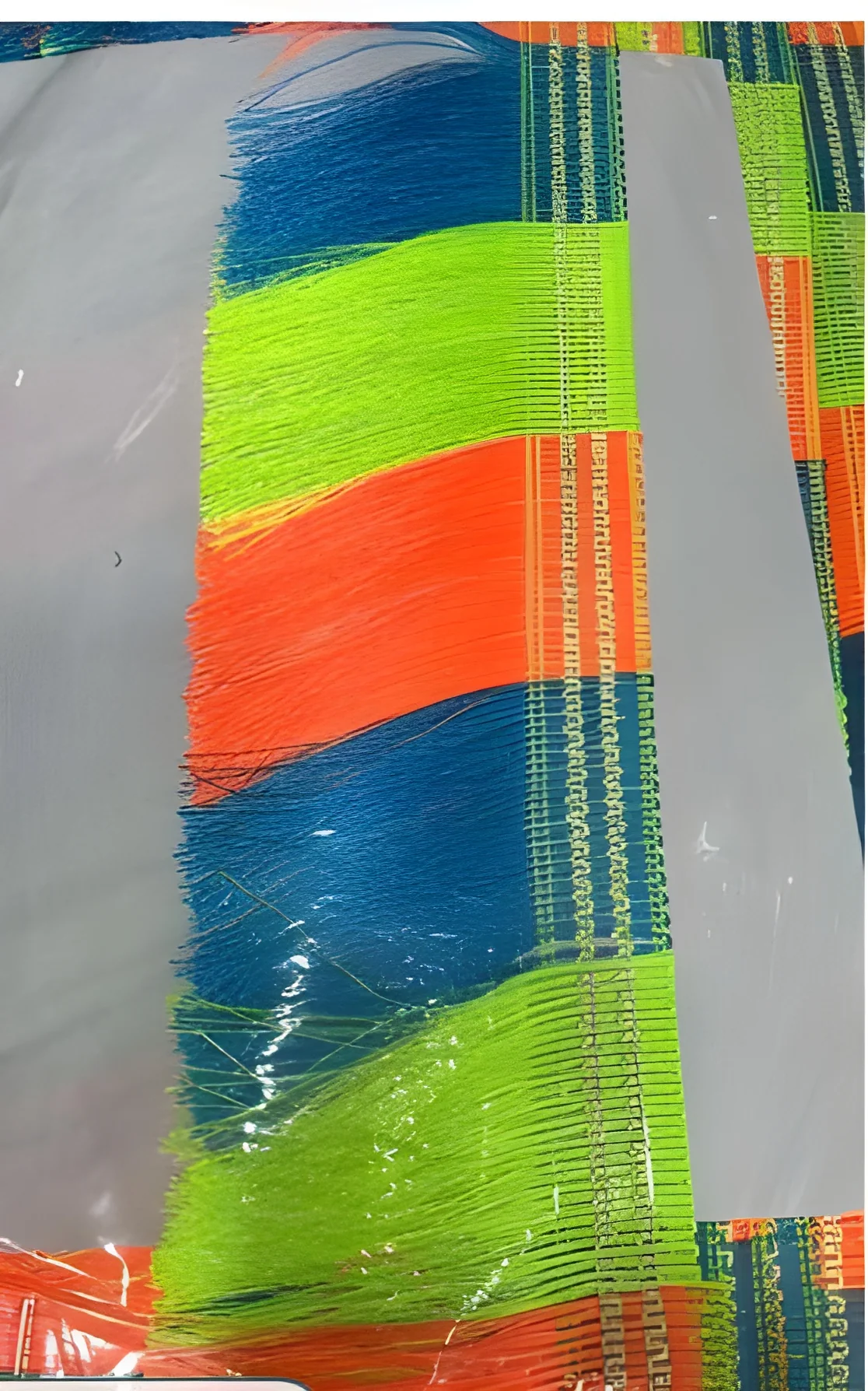
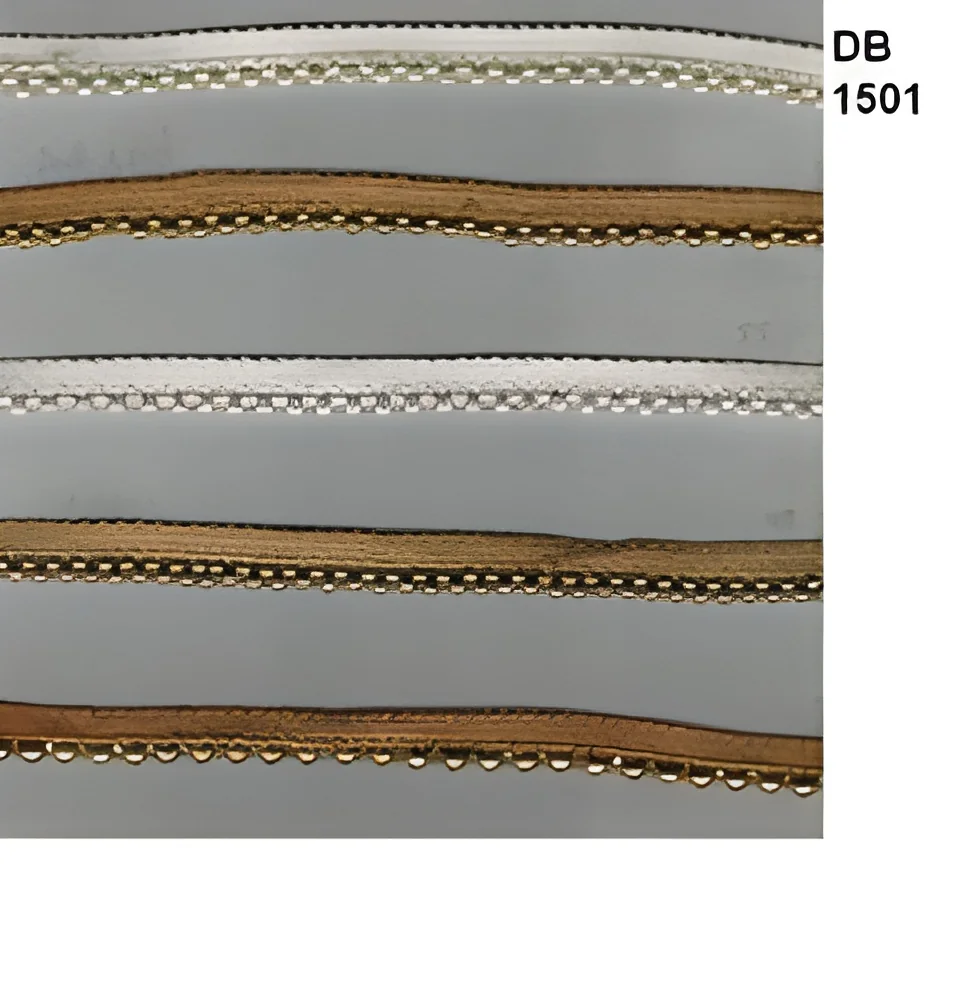
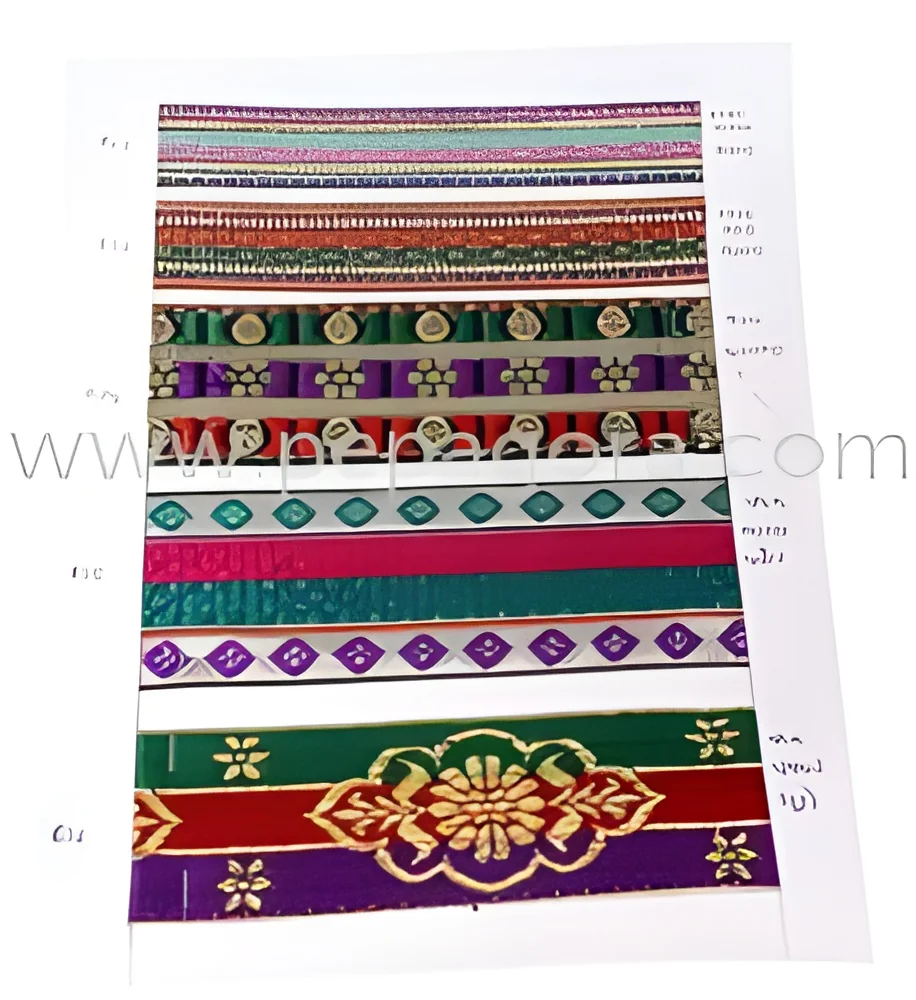
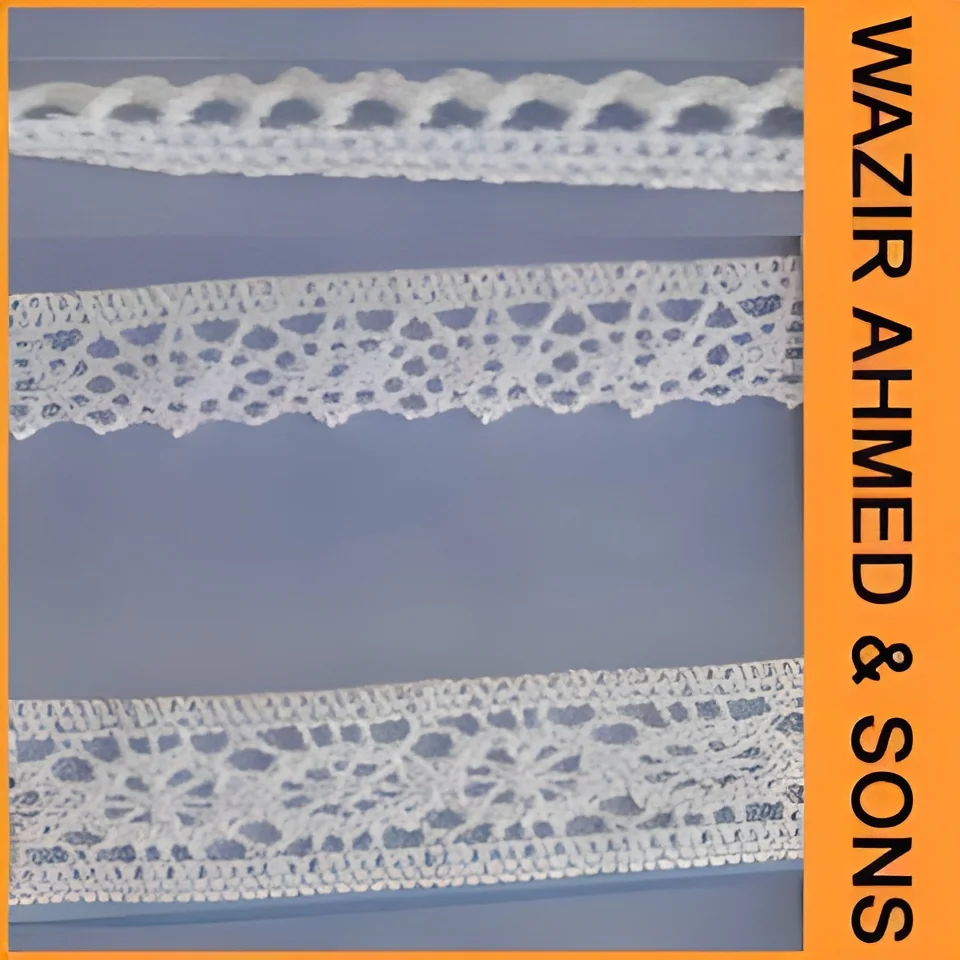
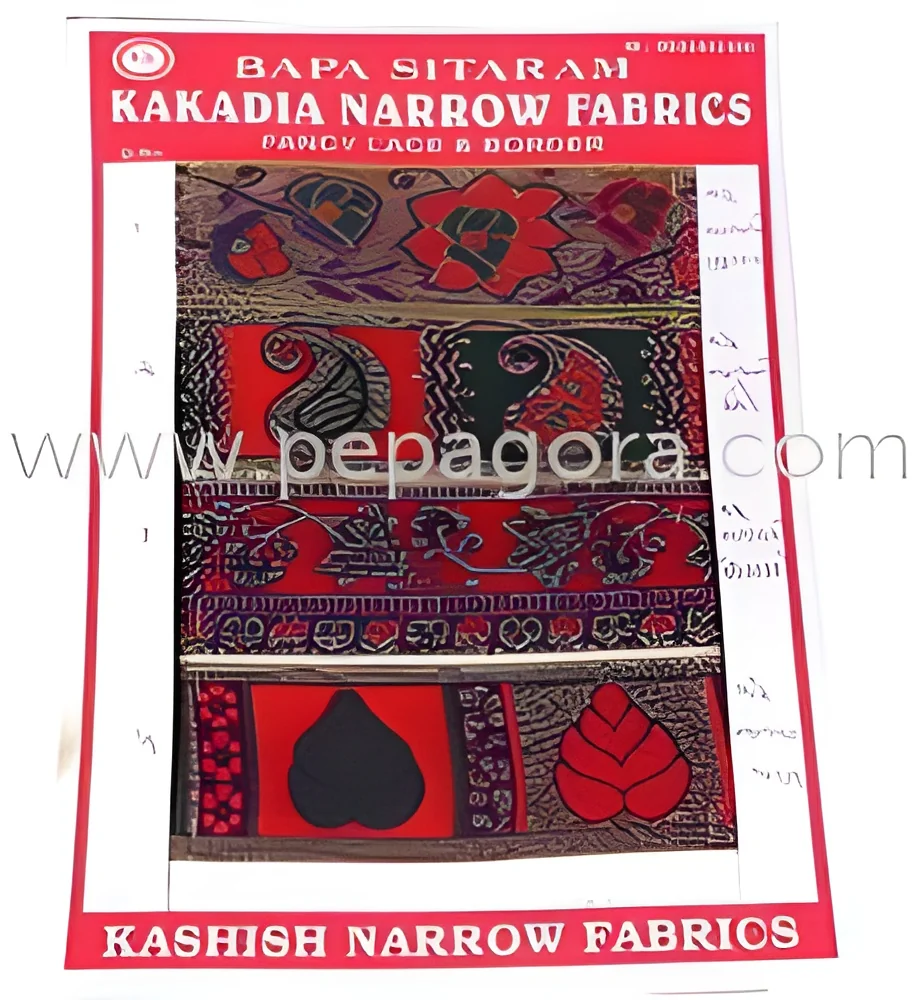
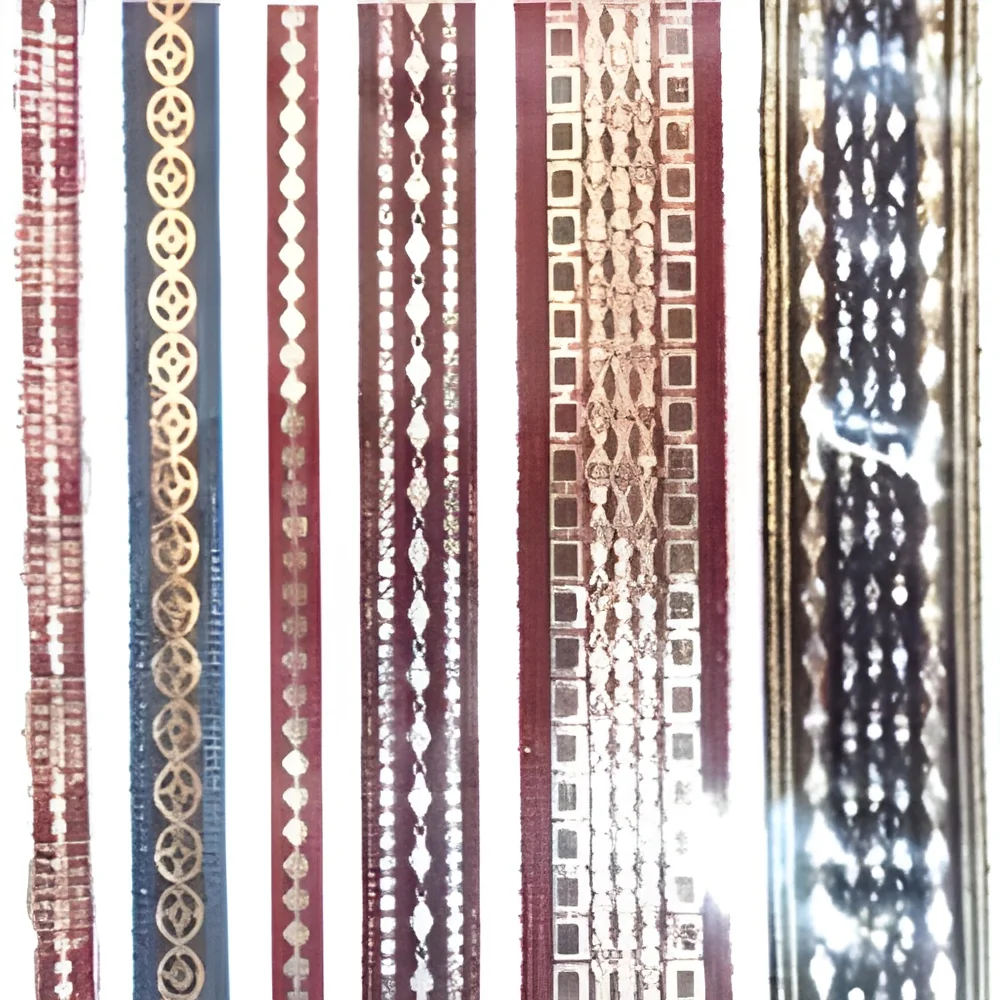
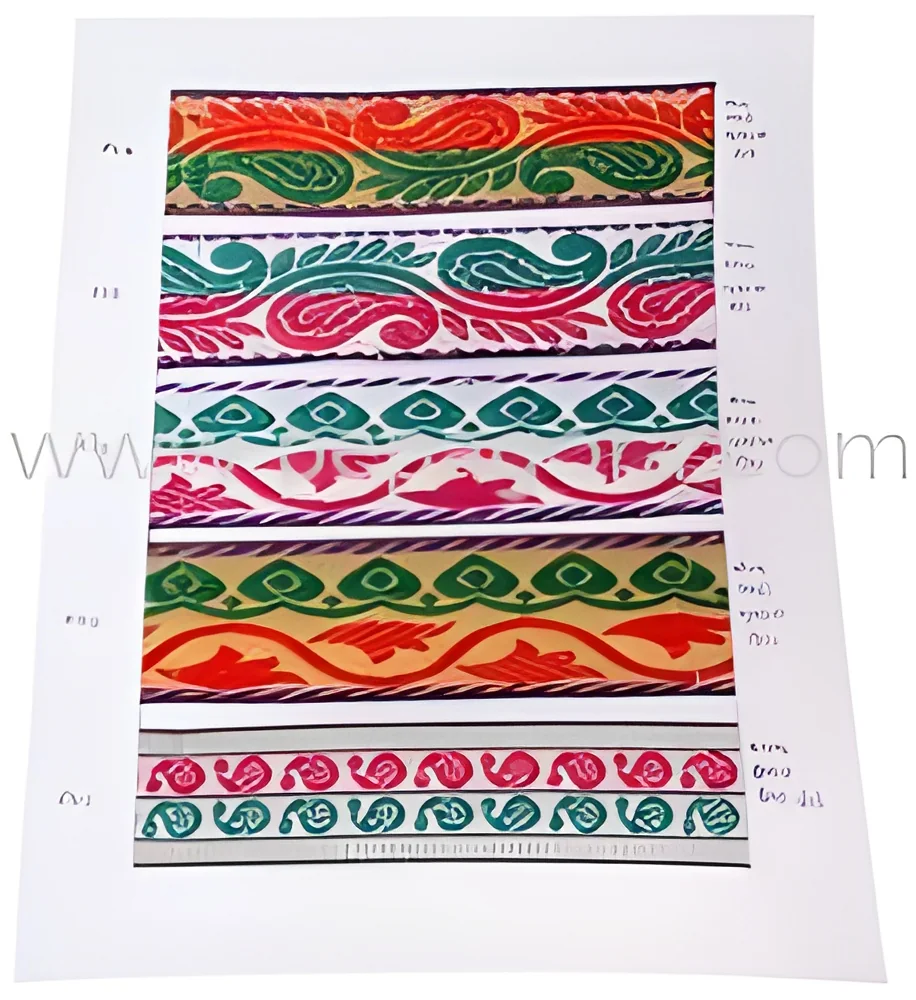
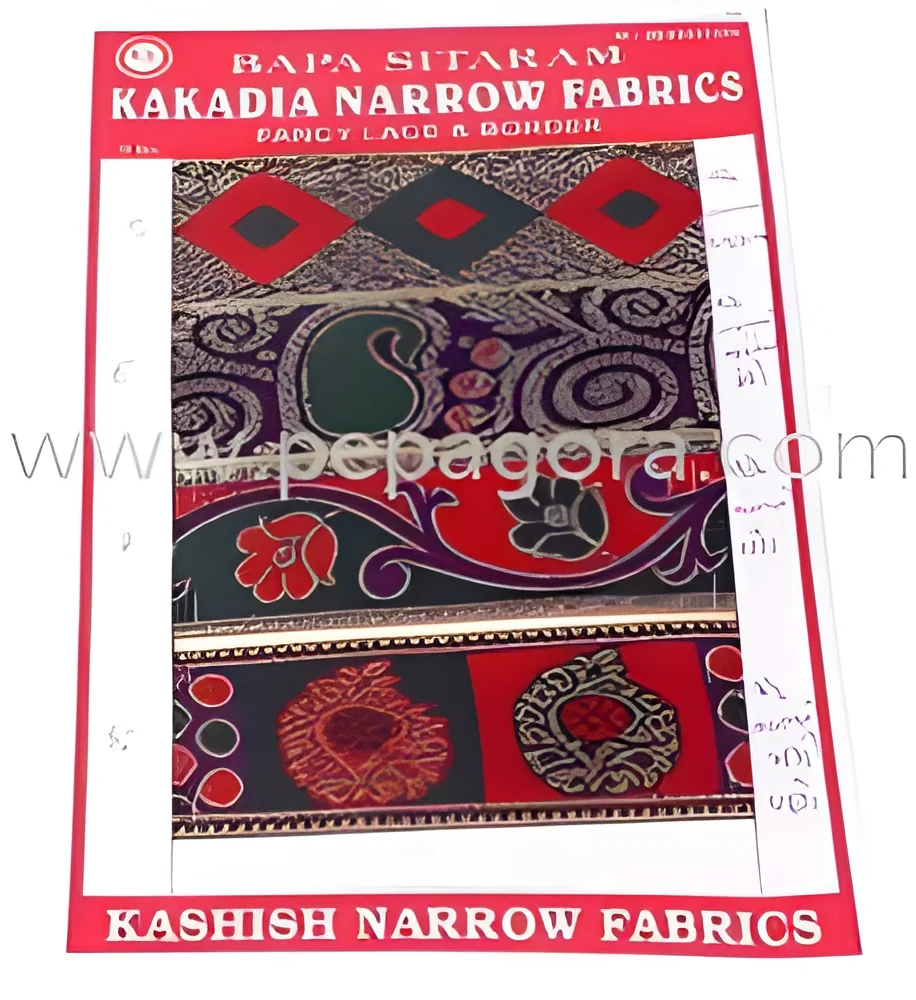
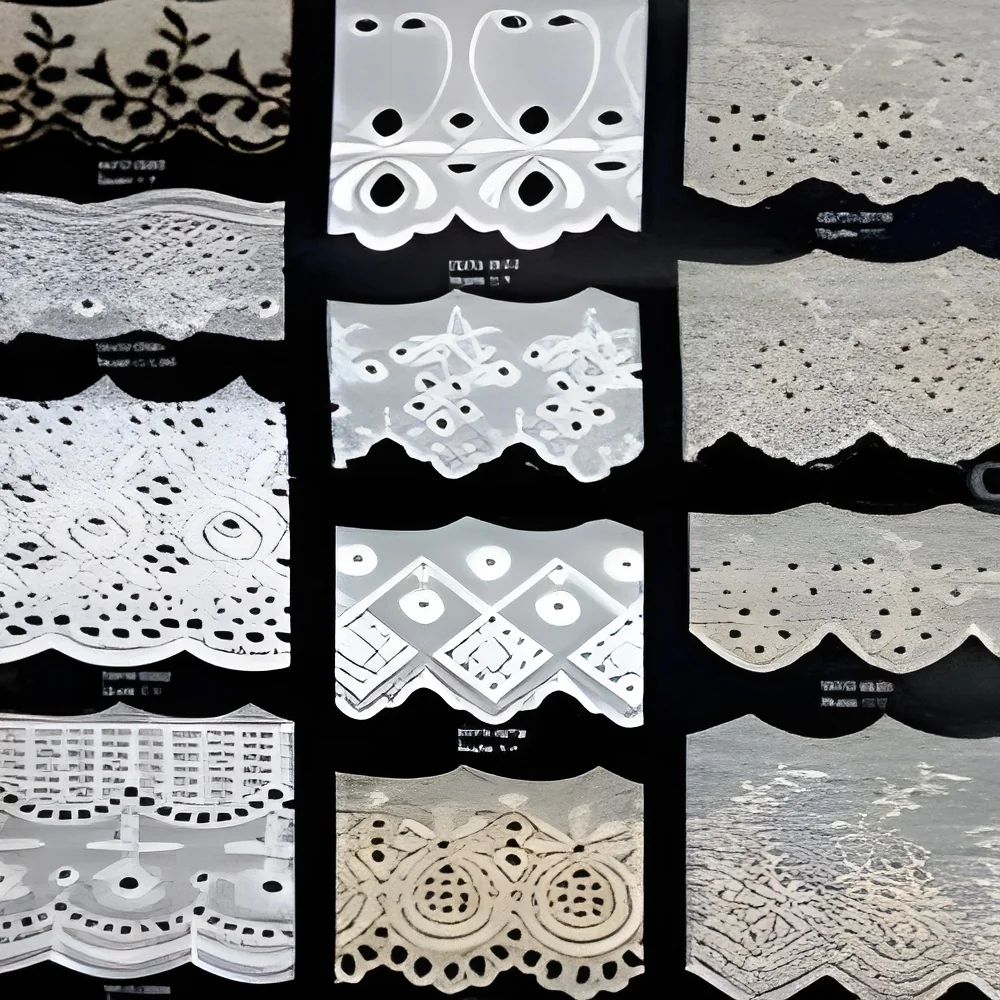
Cotton lace manufacturers specialize in producing lace made from cotton fibers. This intricate textile is created using various weaving techniques that result in delicate patterns and designs. Cotton lace is valued for its versatility, softness, and breathability, making it a popular choice for a range of applications in both fashion and home décor.
The primary uses of cotton lace include embellishments for garments, table linens, curtains, and other decorative items. Businesses in the fashion, home textiles, and crafting industries frequently utilize cotton lace for its aesthetic appeal and functional qualities. The industry has seen a growing demand for sustainable and eco-friendly materials, prompting manufacturers to adapt their processes to meet these consumer preferences.
In the current market context, cotton lace manufacturers play a crucial role in the textile supply chain. As trends shift towards minimalism and sustainability, these manufacturers are challenged to innovate while maintaining quality. The demand for cotton lace continues to rise as businesses seek unique and customizable textile solutions to differentiate their products.
Key Features and Specifications
Cotton lace manufacturers offer a variety of features and specifications that cater to diverse customer needs. These specifications help buyers understand the quality and suitability of the lace for their intended applications.
Key specifications include:
1. Material Composition
- Made primarily from 100% cotton fibers
- Provides a soft and breathable texture
2. Weaving Techniques
- Various techniques used including crochet, embroidered, and woven designs
- Allows for a wide range of patterns and styles
3. Width Options
- Available in various widths, typically ranging from 1 inch to 6 inches
- Enables customization based on specific project requirements
4. Color Variations
- Offered in a spectrum of colors, including natural and dyed options
- Supports diverse aesthetic preferences
5. Customization Options
- Ability to create bespoke patterns and colors
- Provides flexibility for unique design requirements
6. Durability
- High-quality cotton lace is designed to withstand regular use
- Resistant to fraying and fading with proper care
7. Eco-friendly Practices
- Many manufacturers utilize organic cotton and sustainable practices
- Contributes to environmentally conscious product offerings
8. Compliance with Safety Standards
- Adherence to relevant safety guidelines and quality standards
- Ensures products are safe for consumer use
In summary, understanding these specifications is essential for B2B buyers to select the right cotton lace for their needs. Manufacturers that prioritize quality and sustainability are likely to stand out in a competitive market.
Common Applications and Use Cases
Cotton lace serves various industries, showcasing its versatility and adaptability.
1. Fashion Industry: Cotton lace is commonly used in clothing as decorative trim or as a main fabric for dresses, blouses, and lingerie. Its delicate nature adds an element of elegance to garments.
2. Home Textiles: Manufacturers utilize cotton lace for tablecloths, curtains, and bed linens. Its aesthetic appeal enhances home décor, making it a popular choice for upscale interior design.
3. Crafting: Crafters and hobbyists often incorporate cotton lace into scrapbooking, card making, and DIY projects. Its versatility allows for creative expression in various handmade items.
4. Bridal Wear: Cotton lace is frequently chosen for wedding dresses and accessories. The intricate designs contribute to the romantic and timeless look desired by brides.
5. Children's Clothing: The softness and safety of cotton lace make it suitable for children's garments. It adds a charming detail to dresses, rompers, and other apparel.
6. Accessories: Cotton lace is used in hair accessories, such as headbands and hair clips. It provides a stylish touch while remaining lightweight and comfortable.
7. Upholstery: In some cases, cotton lace can be incorporated into upholstery projects, adding texture and elegance to furniture and home furnishings.
Product Variants and Subcategories
Cotton lace offers a range of variants that cater to different design needs and applications.
Crochet Lace
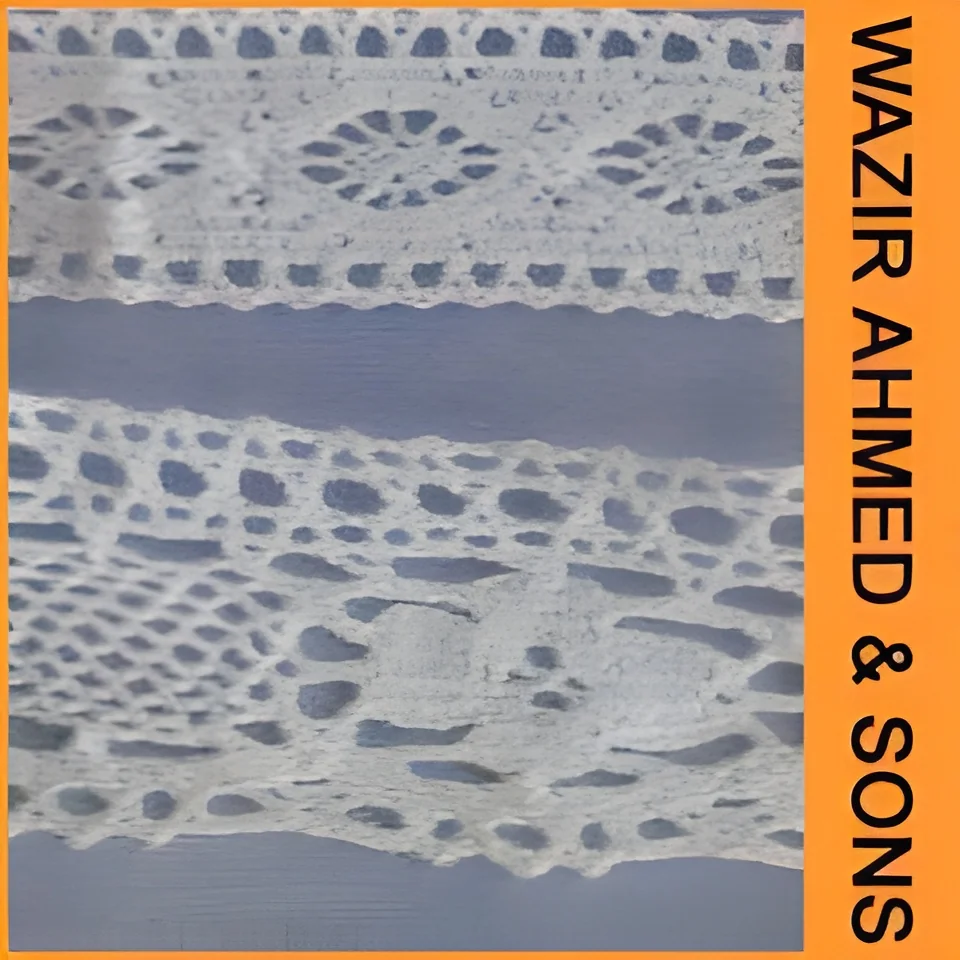
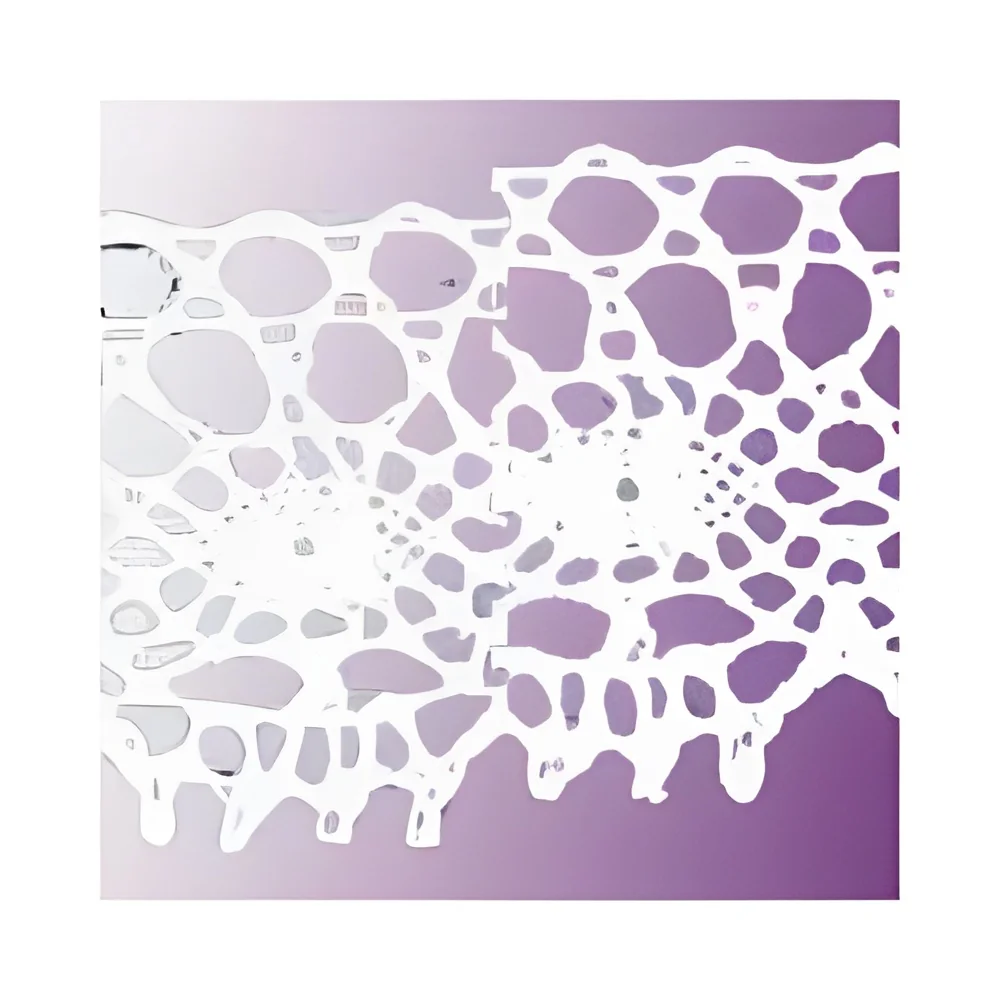
This variant is characterized by its intricate hand-crocheted patterns. It is often used in home décor items like doilies and table runners, offering a vintage charm and unique designs.
Embroidered Lace
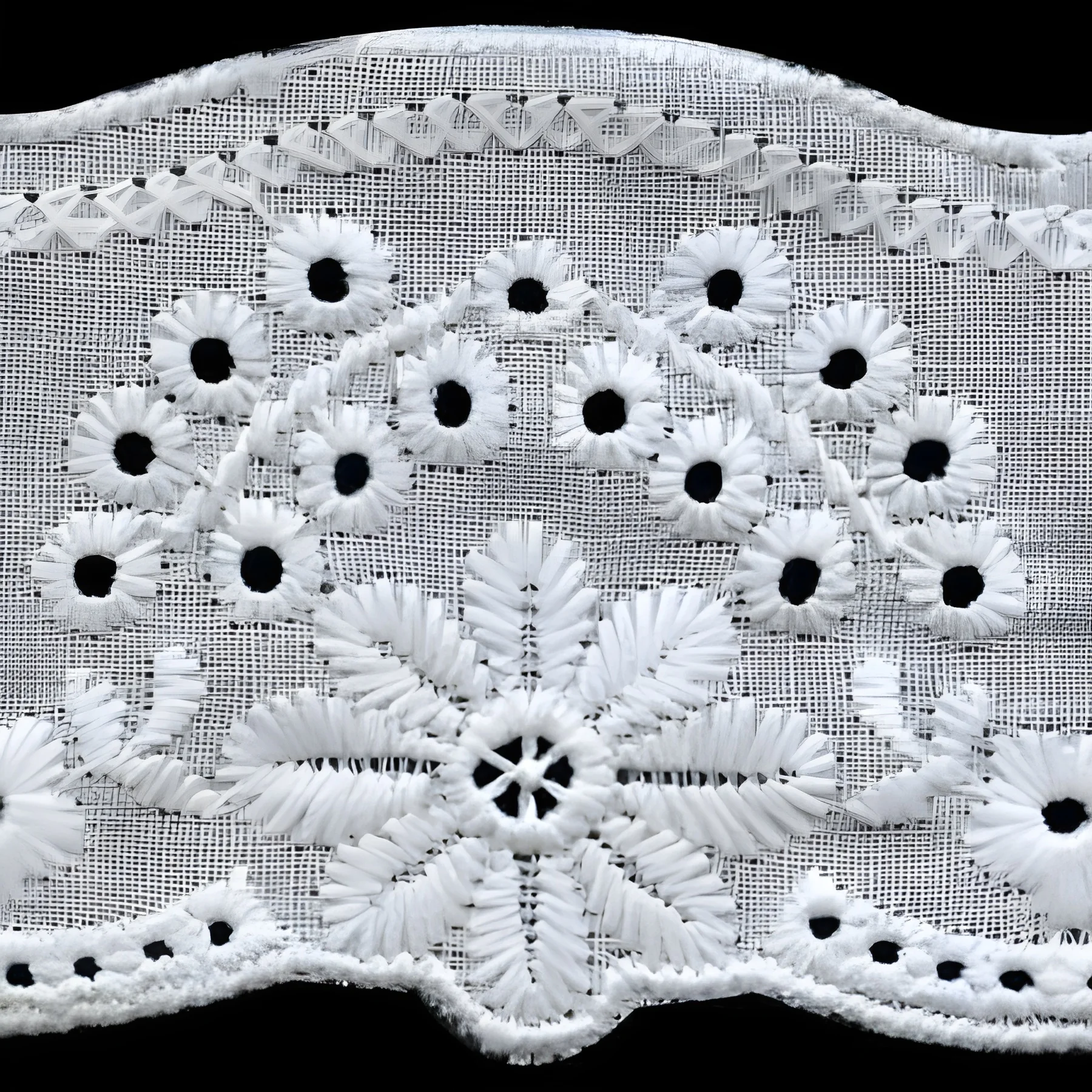
Embroidered lace features decorative stitching that enhances the design. It is popular in fashion garments and bridal wear, adding a touch of luxury and sophistication.
Woven Lace
Woven lace is created using traditional weaving methods, resulting in durable and intricate patterns. It is suitable for both fashion and home textile applications, providing versatility and strength.
Benefits and Advantages
Cotton lace offers numerous benefits that enhance its appeal to businesses and consumers alike.
1. Versatility: Cotton lace can be used in various applications, from fashion to home décor, making it a valuable addition to any product line.
2. Breathability: The natural fibers allow for airflow, making cotton lace comfortable for wear in clothing and other applications.
3. Easy to Care For: Cotton lace is generally machine washable, making it convenient for consumers who value easy maintenance.
4. Customization: Many manufacturers offer customization options, allowing businesses to create unique products that stand out in the marketplace.
5. Eco-Friendly Options: With a focus on sustainability, many cotton lace manufacturers use organic materials and environmentally friendly practices.
6. Timeless Aesthetic: The delicate and intricate designs of cotton lace add a classic touch that appeals to consumers seeking elegance and beauty.
Buying Guide for B2B Buyers
When sourcing cotton lace manufacturers, it is essential to consider several critical factors to ensure you find the right supplier for your needs.
1. Quality Assessment: Evaluate the quality of lace by requesting samples. Look for consistency in patterns, durability, and overall finish to ensure it meets your standards.
2. Supplier Verification: Vet potential suppliers by checking their credentials, reviews, and past customer experiences. This helps ensure reliability and trustworthiness.
3. Pricing and MOQ: Understand the pricing structure and minimum order quantities required by suppliers. This information is crucial for budgeting and inventory planning.
4. Delivery and Lead Times: Discuss logistics and expected delivery times with suppliers to ensure timely fulfillment of your orders. This is vital for maintaining production schedules.
5. Compliance Requirements: Ensure that suppliers adhere to relevant regulatory standards and quality certifications. This is important for product safety and legal compliance.
Compliance and Certifications
Cotton lace manufacturers must comply with several quality standards and certifications to ensure their products meet industry requirements.
Relevant quality standards include ISO 9001, which focuses on effective quality management systems, ensuring that manufacturers maintain high-quality production processes. HACCP (Hazard Analysis Critical Control Point) guidelines may also be relevant, particularly for products that come in contact with food or children.
Industry certifications such as CE (Conformité Européenne) indicate that products meet European safety standards. This is crucial for manufacturers looking to enter international markets.
In addition to safety certifications, manufacturers need to consider regional compliance with local regulations. This may involve adhering to specific textile standards, environmental regulations, and labor laws, depending on their location and target market.
Why Source Cotton Lace Manufacturers from Pepagora?
Pepagora provides a trusted platform for sourcing cotton lace manufacturers, offering several key advantages to B2B buyers.
Verified Supplier Network: Pepagora has established a network of verified suppliers, ensuring that buyers can access reputable and reliable manufacturers. This reduces the risk of sourcing from unverified or low-quality suppliers.
Streamlined RFQ Process: The platform simplifies the request for quotation (RFQ) process, allowing buyers to easily compare quotes from multiple manufacturers. This efficiency helps businesses make informed purchasing decisions quickly.
Trade Assurance and Support: Pepagora offers trade assurance to buyers, providing protection for transactions and ensuring that suppliers meet their commitments. This support fosters confidence in the sourcing process.
Regional Coverage: With a strong presence in India, the GCC, and Southeast Asia, Pepagora connects buyers with manufacturers across these regions. This broad geographic reach allows businesses to find suitable suppliers that meet their specific needs.

 IN
IN