
 IN
INOther Sewing Supplies
80 products available
What are Other Sewing Supplies?
Key Features and Specifications
Common Applications and Use Cases
Product Variants and Subcategories
Benefits and Advantages
Buying Guide for B2B Buyers
Compliance and Certifications
Why Source Other Sewing Supplies from Pepagora?











Frequently Asked Questions
What are Other Sewing Supplies?
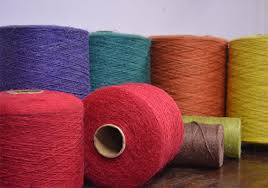
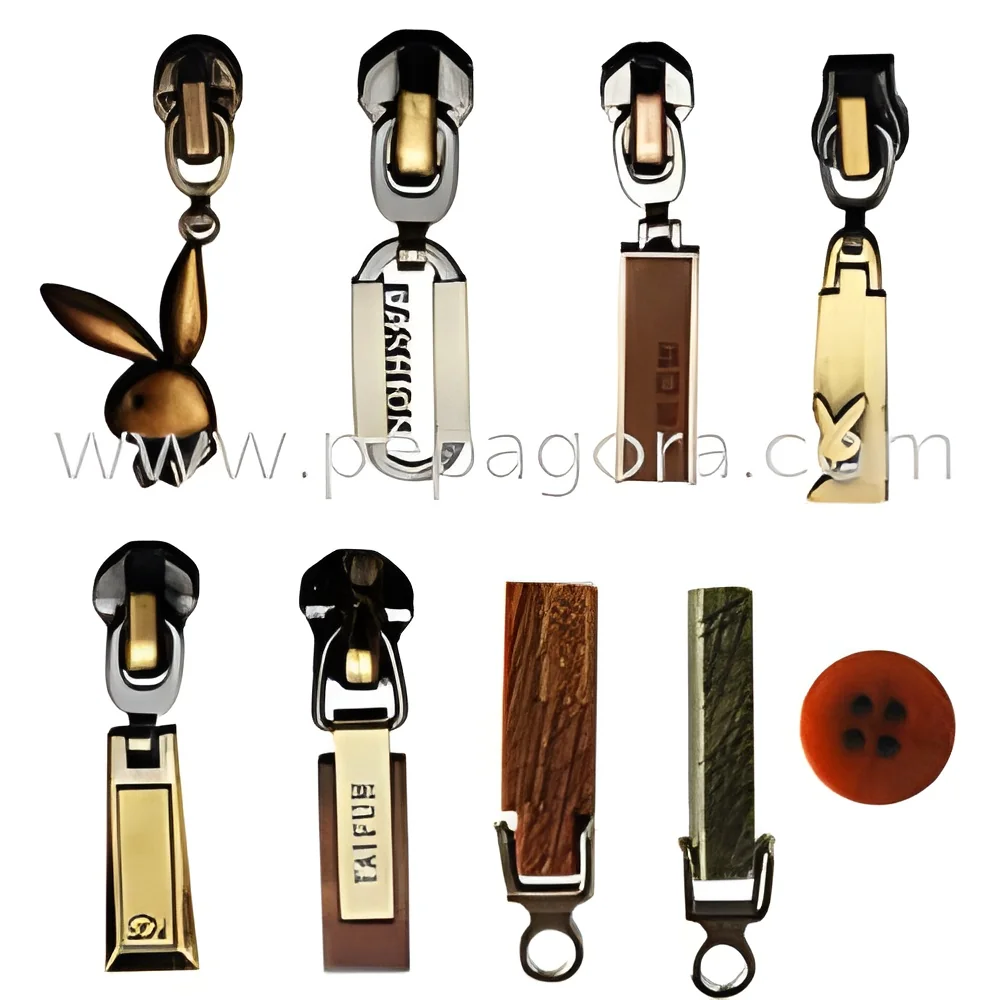
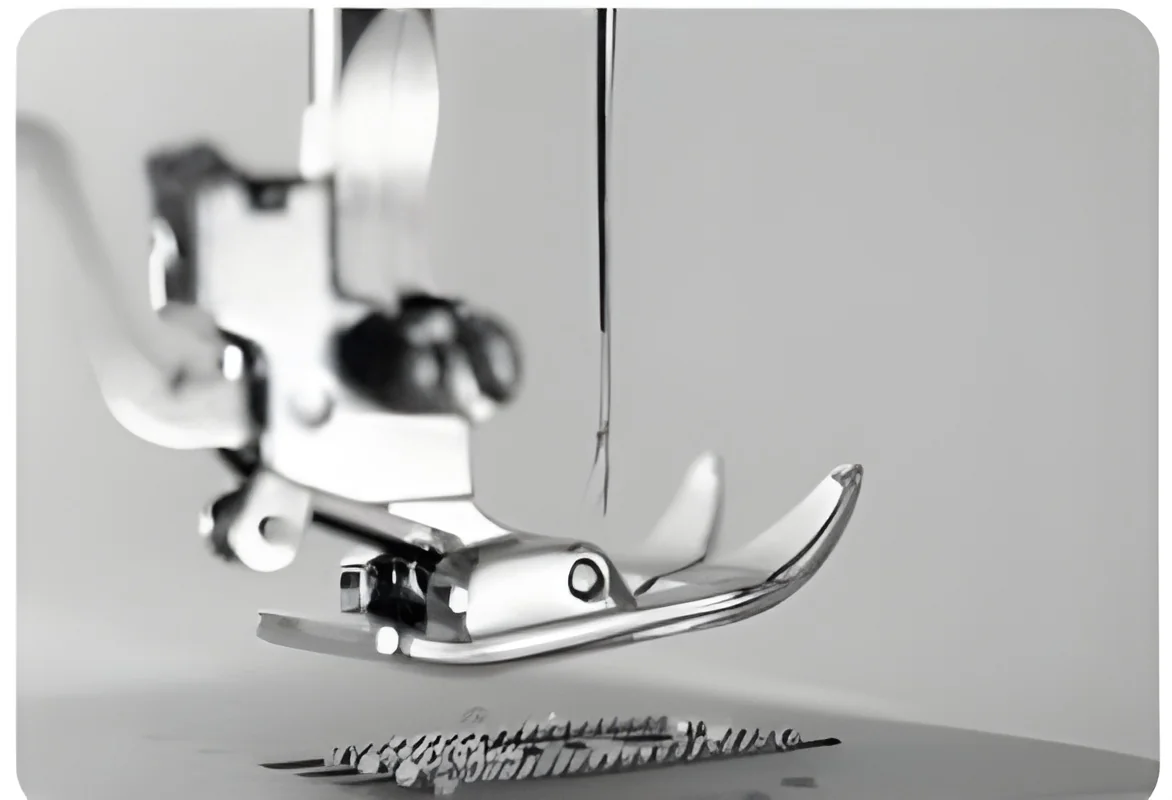
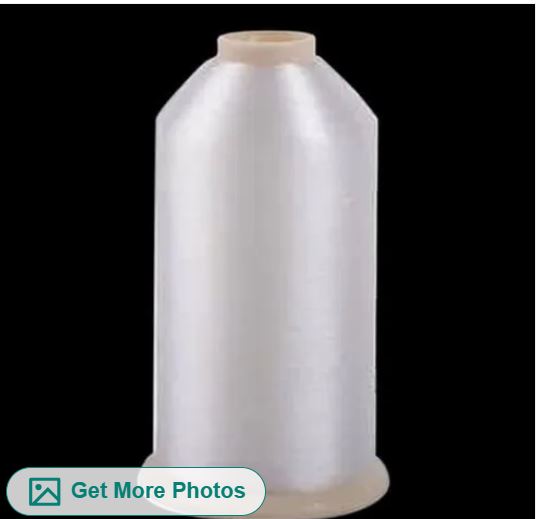
Other Sewing Supplies refer to a variety of items used in sewing projects that do not fall under the main categories of fabric or sewing machines. These supplies include items like threads, needles, buttons, zippers, and various tools that aid in the sewing process. They are essential for completing sewing tasks and ensuring high-quality results.
What are the different types of Other Sewing Supplies?
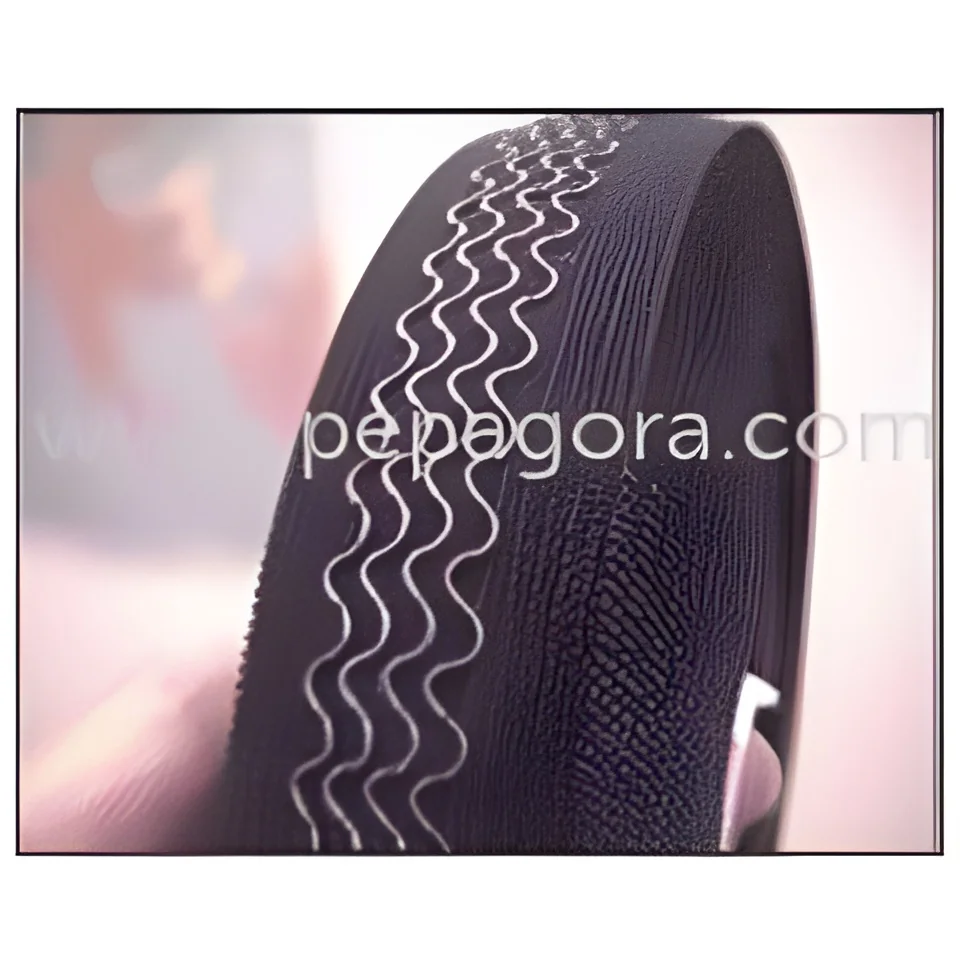
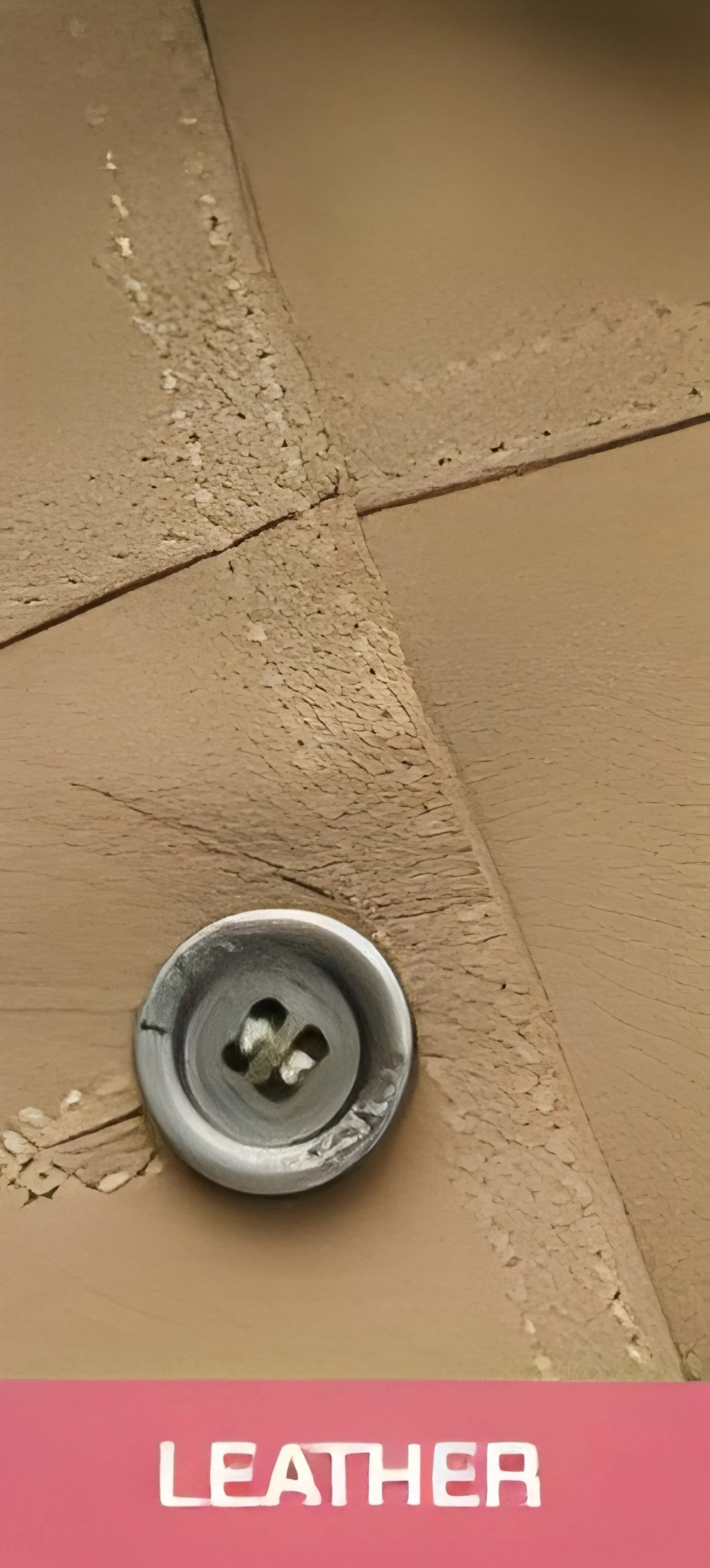
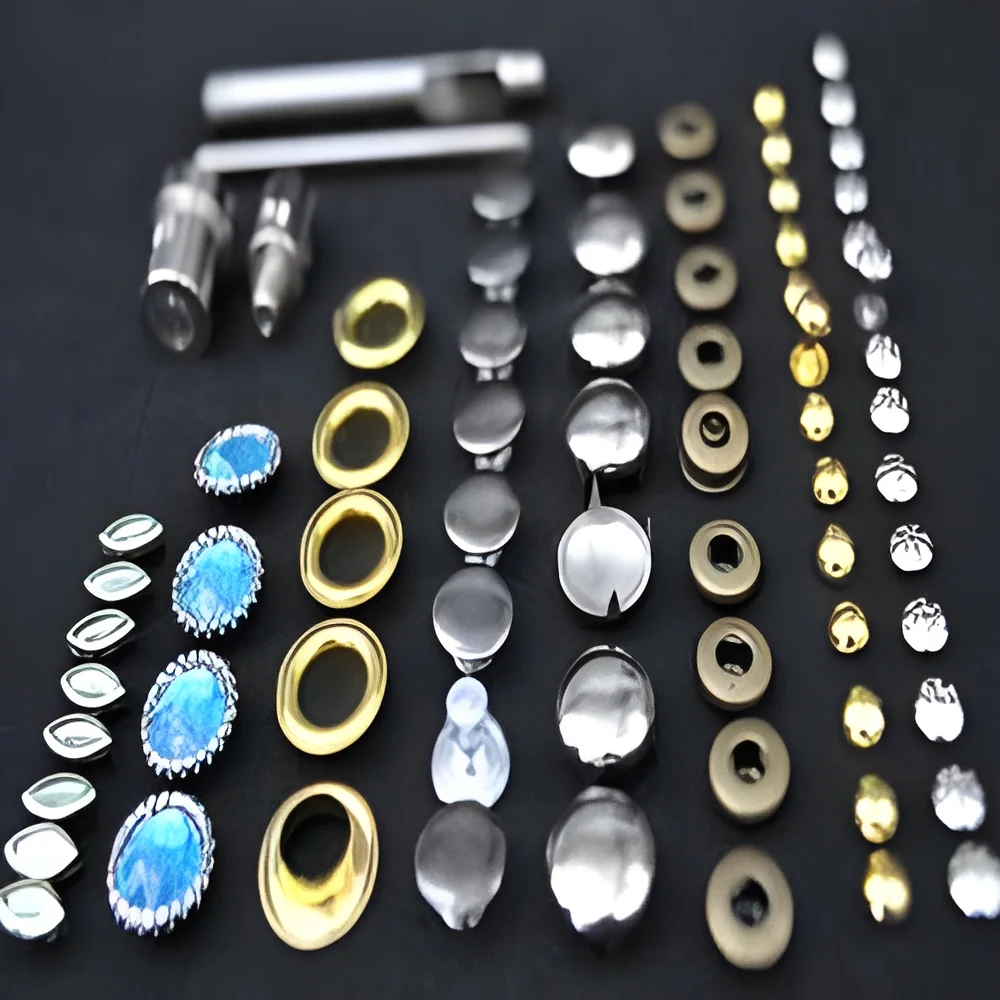
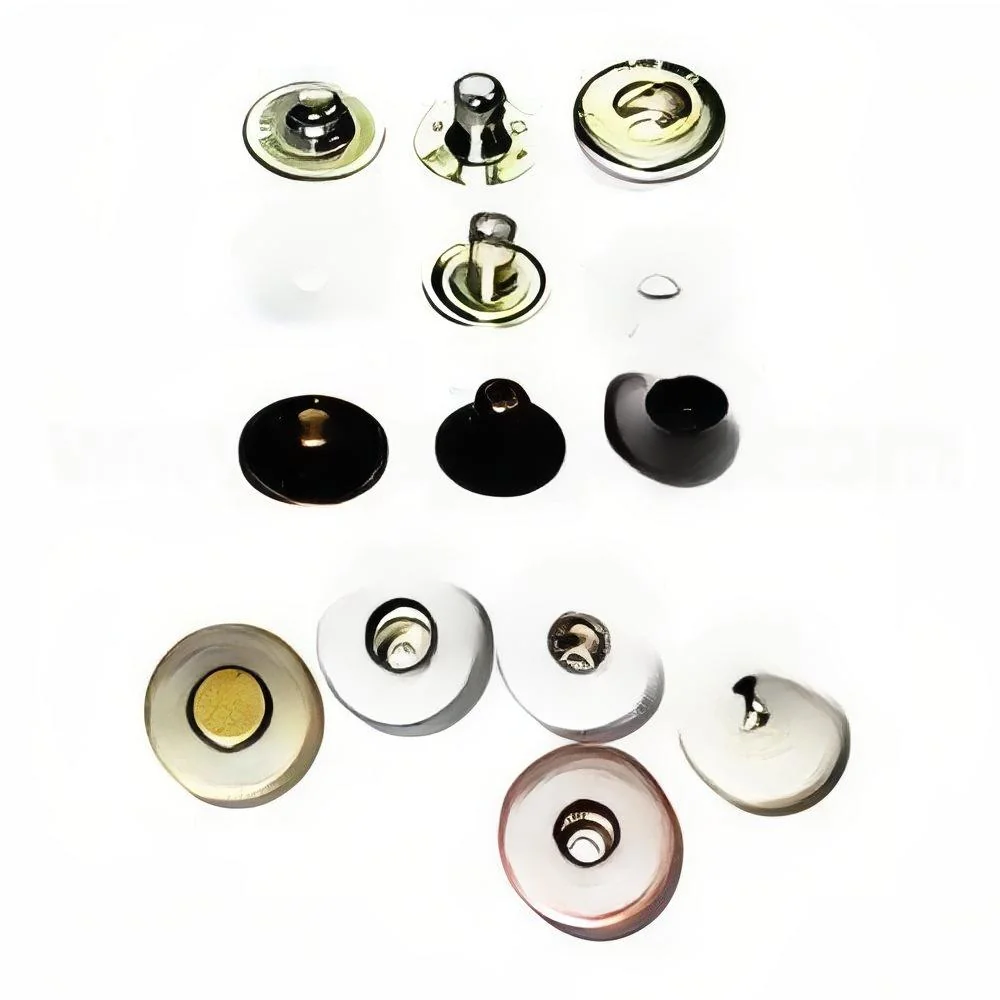
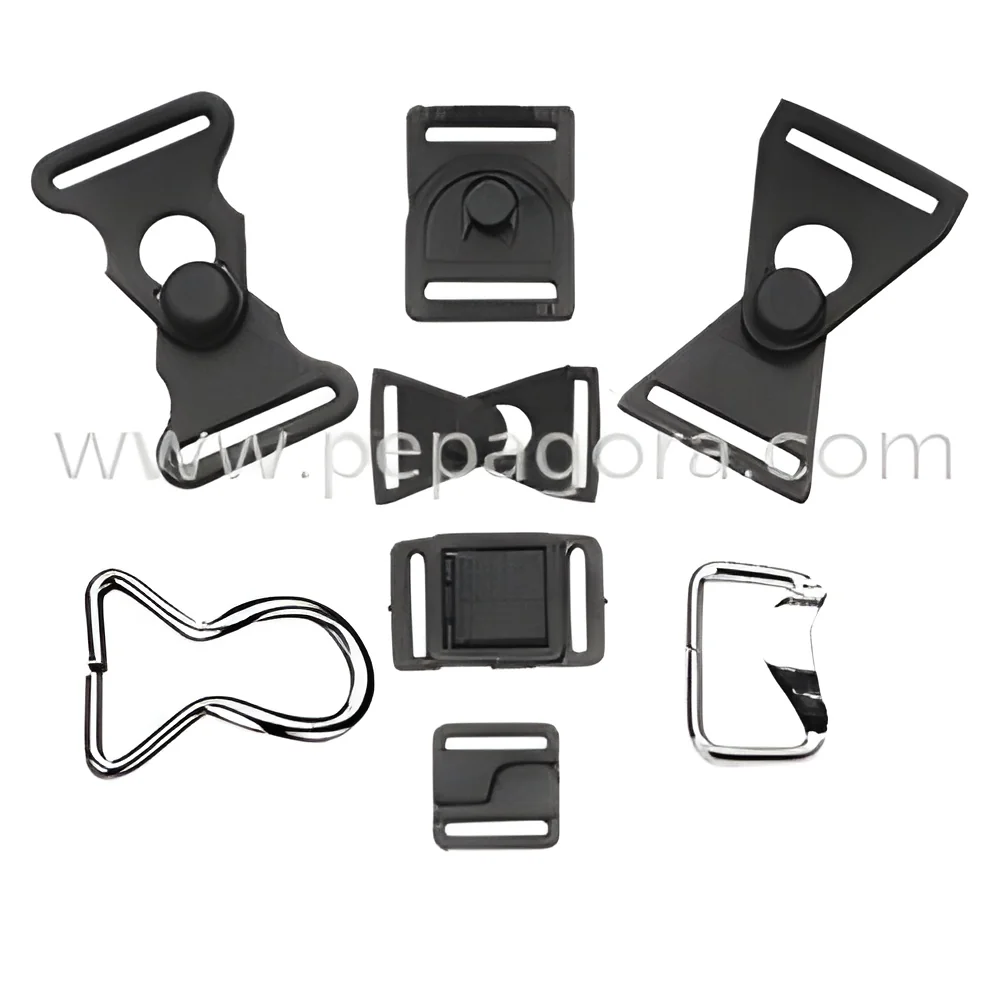
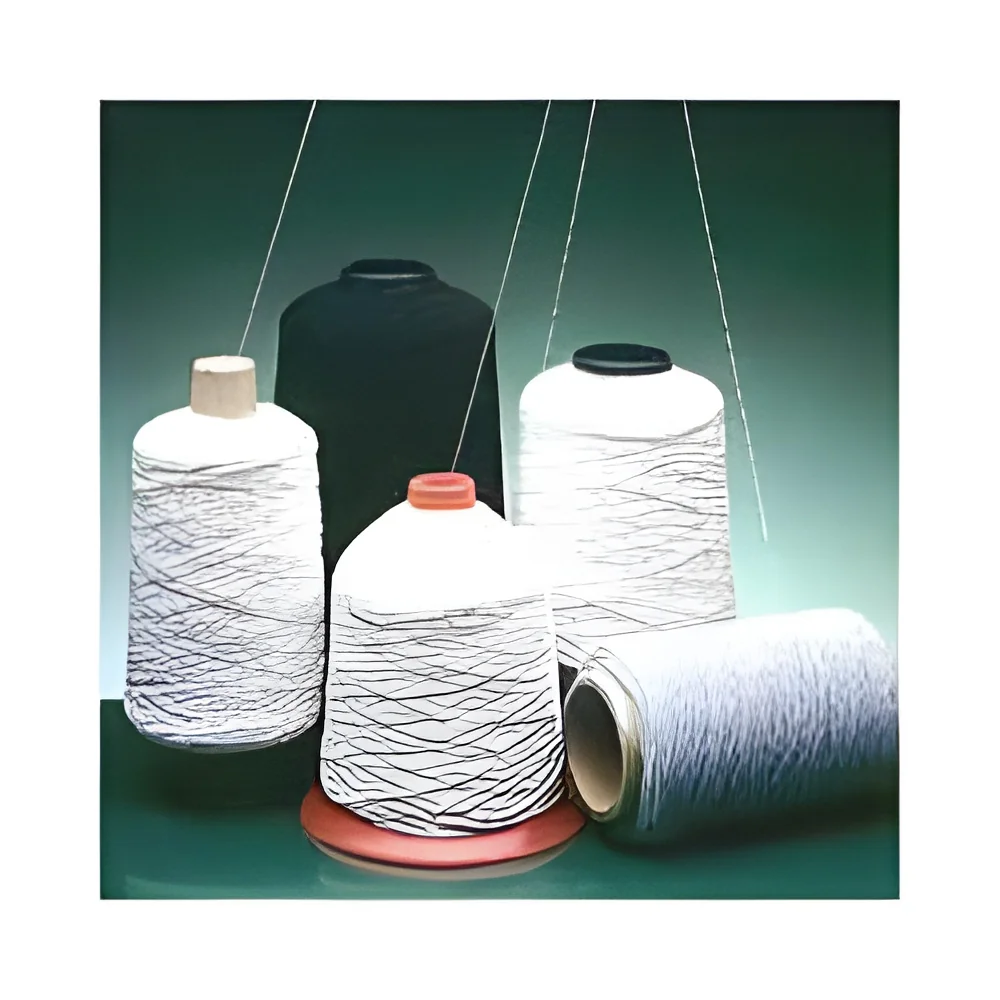
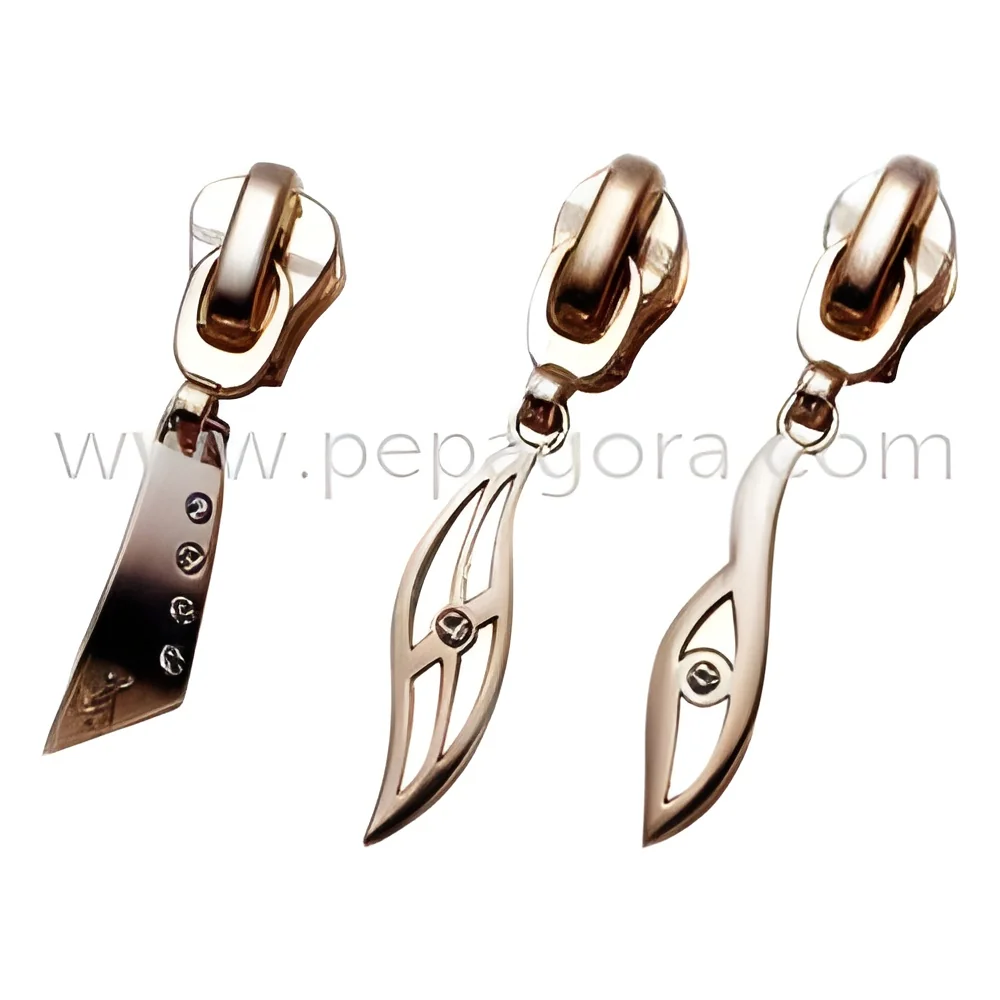
The different types of Other Sewing Supplies include threads (cotton, polyester, nylon), needles (hand and machine), fasteners (buttons, zippers, hooks), and tools (scissors, measuring tapes, pins). Additionally, supplies like interfacing, stabilizers, and sewing patterns also fall under this category. Each type serves a specific purpose in the sewing process.
How do I choose the right Other Sewing Supplies?
Choosing the right Other Sewing Supplies involves considering the type of project you are working on and the materials you are using. For instance, select threads that match your fabric in terms of color and weight, and choose needles that are suitable for the fabric type. It is also helpful to consult with experienced sewists or refer to project guidelines for recommendations.
What are the standard specifications for Other Sewing Supplies?
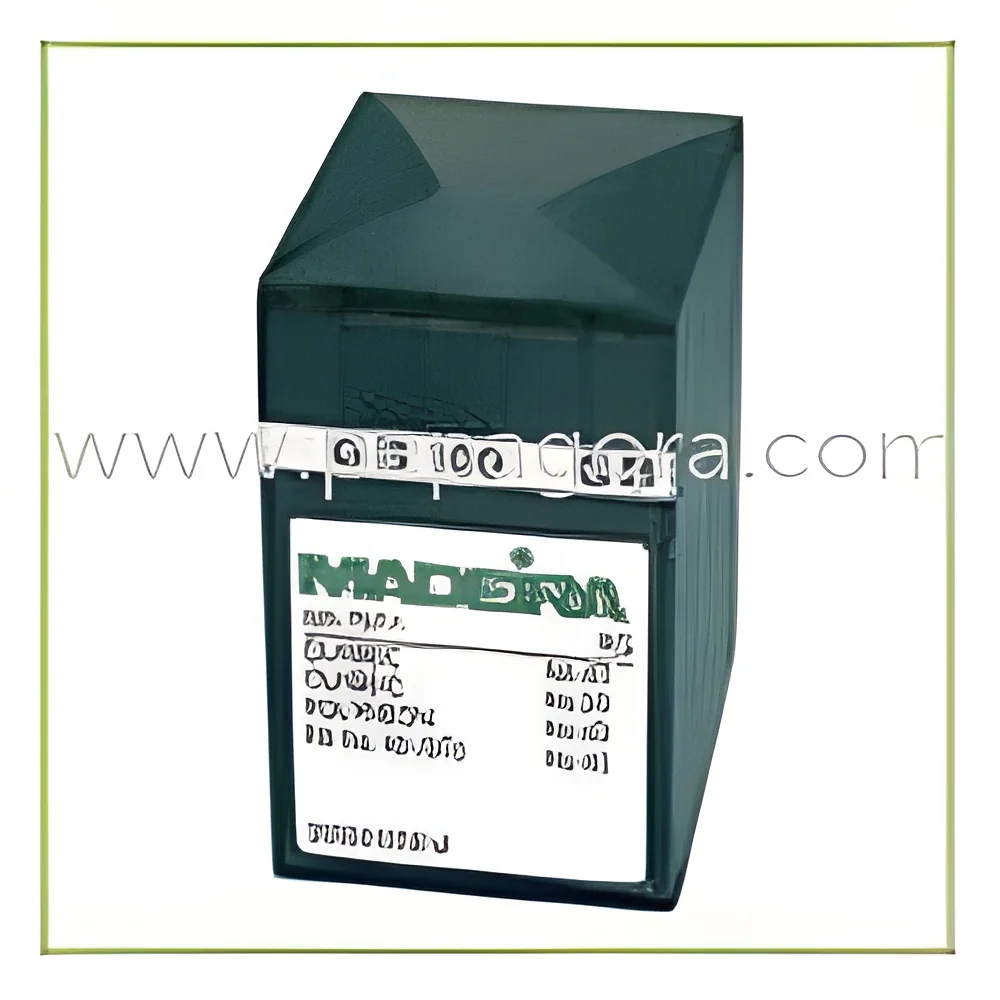
Standard specifications for Other Sewing Supplies vary by item but generally include measurements, material type, and compatibility with sewing machines. For example, thread specifications may include thickness (denier), fiber content, and colorfastness. Needles are often specified by size and type (e.g., universal, ballpoint).
What is the price range for Other Sewing Supplies?
The price range for Other Sewing Supplies can vary widely based on the type and quality of the item. For example, basic threads may start at a few rupees per spool, while specialty items like high-quality zippers or tools can cost significantly more. Generally, you can expect to find items ranging from ₹20 to ₹2000, depending on the specific supply.
What quality standards apply to Other Sewing Supplies?
Quality standards for Other Sewing Supplies often include durability, colorfastness, and material integrity. Many manufacturers adhere to industry standards set by organizations that ensure products are safe and reliable for use in sewing. Checking for certifications or quality labels can also help identify reputable products.
Where can I find Other Sewing Supplies suppliers in India?
You can find Other Sewing Supplies suppliers in India through online B2B marketplaces like Pepagora, where numerous manufacturers and wholesalers list their products. Additionally, local fabric stores and sewing supply shops often carry a variety of these items. Trade shows and industry exhibitions can also be good places to connect with suppliers.
Can Other Sewing Supplies be customized?
Yes, many Other Sewing Supplies can be customized based on specific requirements. For instance, threads can be dyed to a particular color, and zippers can be made in unique lengths or styles. Customization options may vary by supplier, so it is advisable to discuss your needs with them directly.
What is the typical minimum order quantity for Other Sewing Supplies?
The typical minimum order quantity (MOQ) for Other Sewing Supplies can vary significantly depending on the supplier and the specific item. Some suppliers may offer MOQs as low as 10 pieces, while others might require larger orders of 100 or more for certain products. It is best to check with individual suppliers for their specific MOQs.
What is the typical lead time for Other Sewing Supplies?
The typical lead time for Other Sewing Supplies can range from a few days to several weeks, depending on the supplier's inventory and the nature of the order. Standard items in stock may ship quickly, while custom orders or bulk quantities might take longer to fulfill. Always confirm lead times with your supplier before placing an order.
Why Businesses Trust Pepagora
Thousands of companies trust Pepagora to source smarter and sell faster
Expand Your Sales Globally

Source Smarter,Grow Faster
