What are Plastic Button Manufacturers?
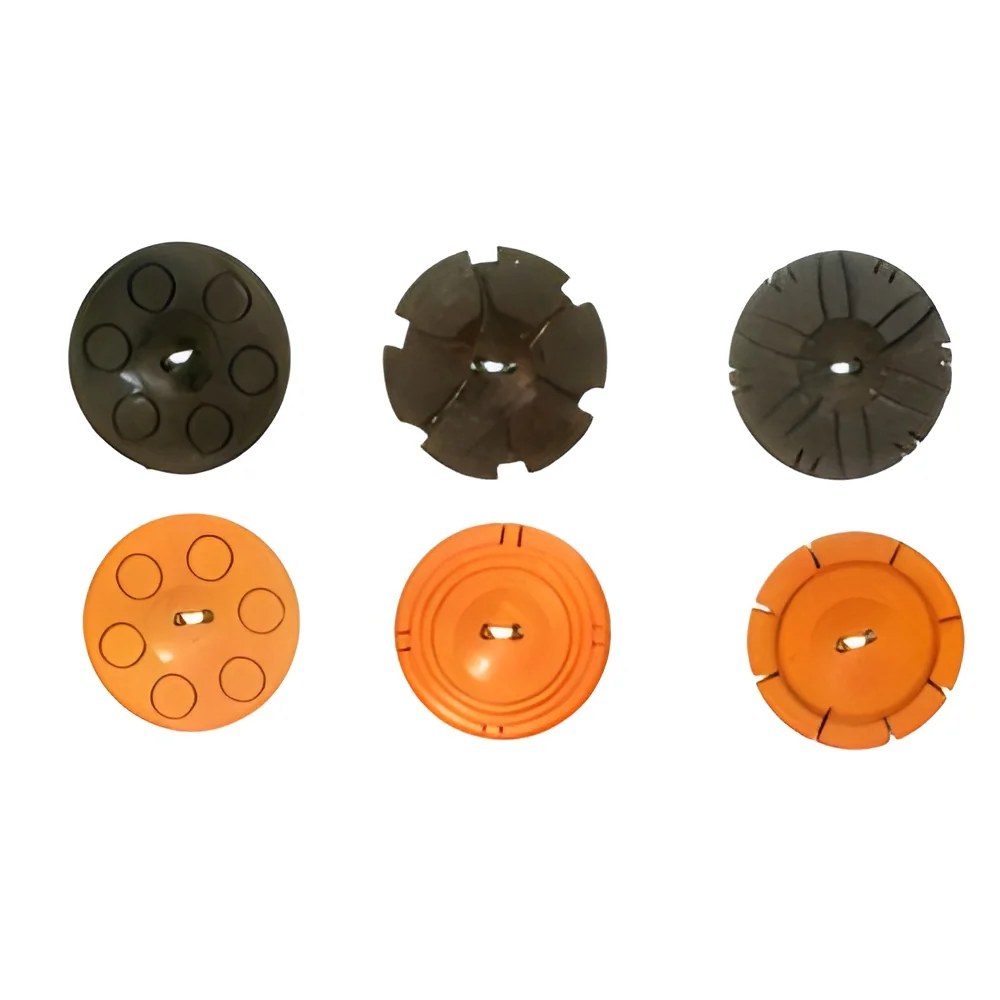
Plastic button manufacturers are companies that specialize in the production of buttons made from various types of plastic materials. These manufacturers utilize advanced technologies and processes to create buttons that are durable, lightweight, and versatile. The production methods may include injection molding, extrusion, and laser cutting, which allow for a wide range of designs, colors, and sizes to meet diverse customer needs.
Plastic buttons are primarily used in the apparel industry, serving as fasteners for garments such as shirts, jackets, and trousers. Beyond clothing, they also find applications in accessories, home textiles, and industrial products. Their resilience against wear and tear makes them suitable for both casual and formal wear, catering to various market segments. Understanding the capabilities and offerings of plastic button manufacturers is essential for businesses looking to source reliable fasteners for their products.
In the current market, plastic buttons are increasingly favored due to their cost-effectiveness and ease of production. As sustainable practices gain momentum, manufacturers are also exploring eco-friendly materials and processes. This shift reflects the industry's responsiveness to consumer demands and environmental considerations, ensuring that plastic buttons remain relevant across various sectors.
Key Features and Specifications
Plastic buttons come with a variety of features and specifications that enhance their functionality and suitability for different applications. Understanding these specifications is crucial for buyers to ensure they select the right products for their needs.
Key specifications include:
1. Material Composition
- Typically made from various plastics such as polyester, nylon, or polycarbonate
- Options for biodegradable materials are also available
2. Size Range
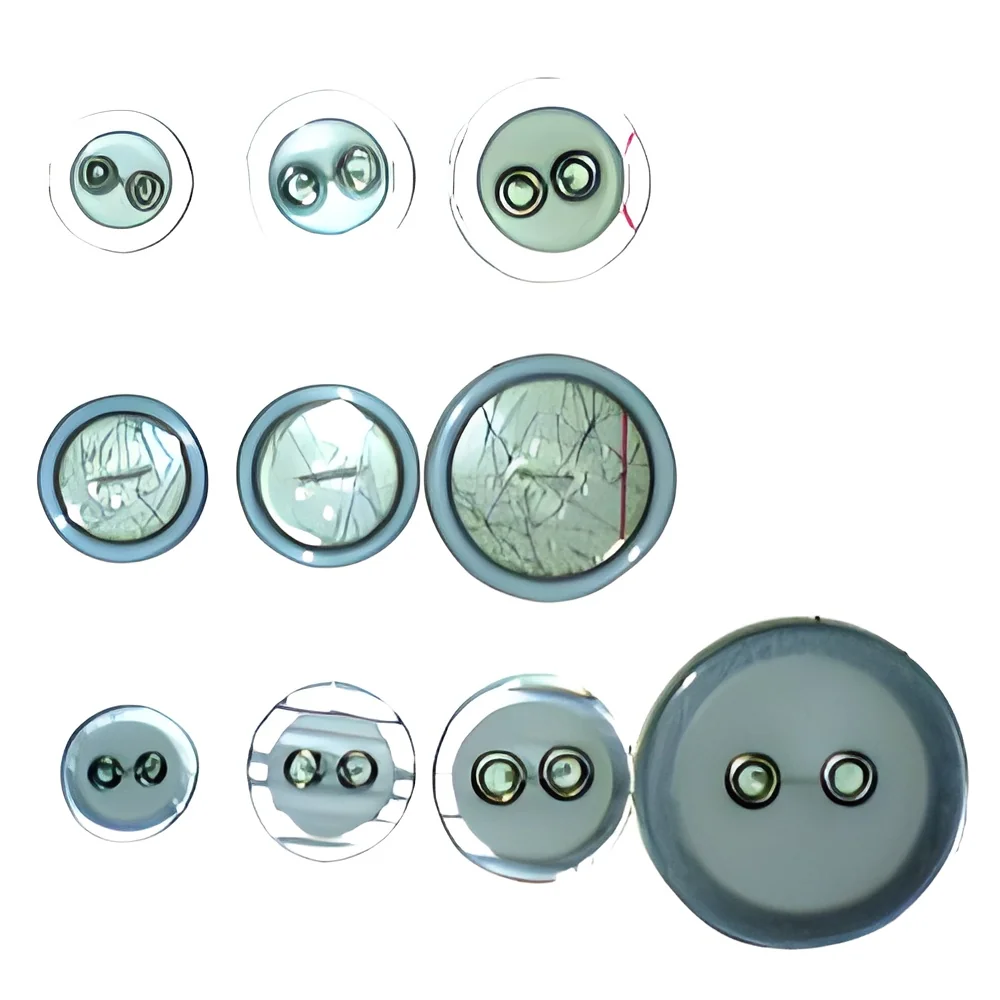
- Available in diameters ranging from 6mm to 50mm
- Custom sizes may be offered depending on the manufacturer
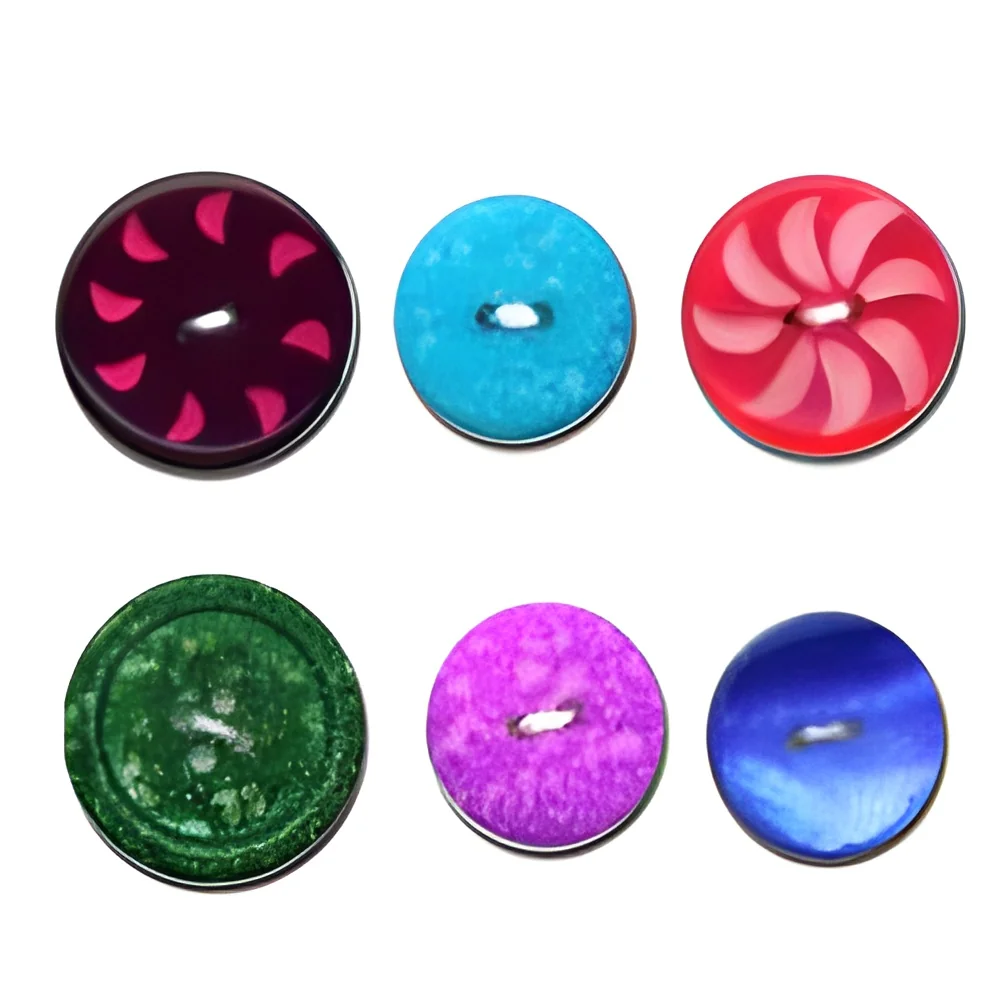
3. Color Options
- Available in a wide spectrum of colors, including custom color matching
- UV resistant options to prevent fading
4. Finish Types
- Matte, glossy, or textured finishes available
- Options for printed designs or logos
5. Strength and Durability
- High tensile strength and resistance to cracking
- Suitable for high-stress applications
6. Compatibility with Different Fabrics
- Designed to work with various materials including cotton, denim, and synthetics
- Special designs for heavy-duty fabrics or lightweight textiles
7. Environmental Compliance
- Many manufacturers adhere to eco-friendly practices
- Options available for recycled or sustainable materials
8. Customization Capabilities
- Ability to create bespoke designs based on client specifications
- Flexibility in shape, size, and color
In summary, the specifications of plastic buttons can vary widely, allowing manufacturers to cater to diverse market demands and preferences. Buyers should assess these features to ensure optimal performance in their applications.
Common Applications and Use Cases
Plastic buttons serve a multitude of industries, each with unique requirements and applications.
1. Apparel Industry: Plastic buttons are widely used in clothing such as shirts, blouses, and jackets. They provide essential functionality while enhancing the aesthetic appeal of garments.
2. Accessories: These buttons are often found in fashion accessories like handbags, belts, and hats. Their versatility allows them to complement various styles.
3. Home Textiles: In items like curtains, bed linens, and upholstery, plastic buttons provide both utility and decorative elements, offering practical solutions for home furnishings.
4. Industrial Products: Plastic buttons are utilized in industrial applications, such as safety gear and protective clothing, where durability and functionality are paramount.
5. Footwear: In shoes, plastic buttons are used for both decorative and functional purposes, ensuring secure fastening and enhancing design.
6. Outdoor Gear: Products like tents, backpacks, and outdoor clothing incorporate plastic buttons for their weather resistance and strength.
7. Medical Devices: Plastic buttons may be found in medical wearables and devices, where hygiene and durability are critical factors.
Product Variants and Subcategories
Plastic buttons come in various variants, allowing businesses to choose the best fit for their specific applications.
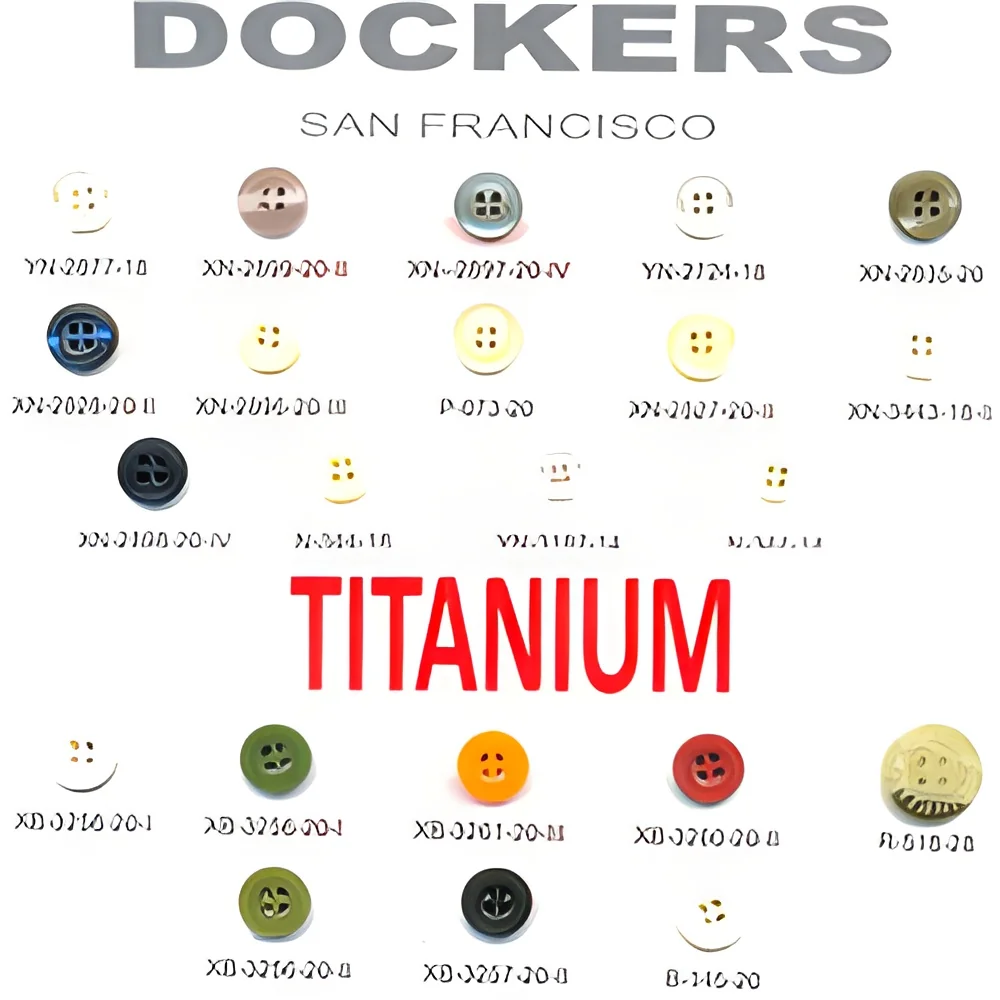
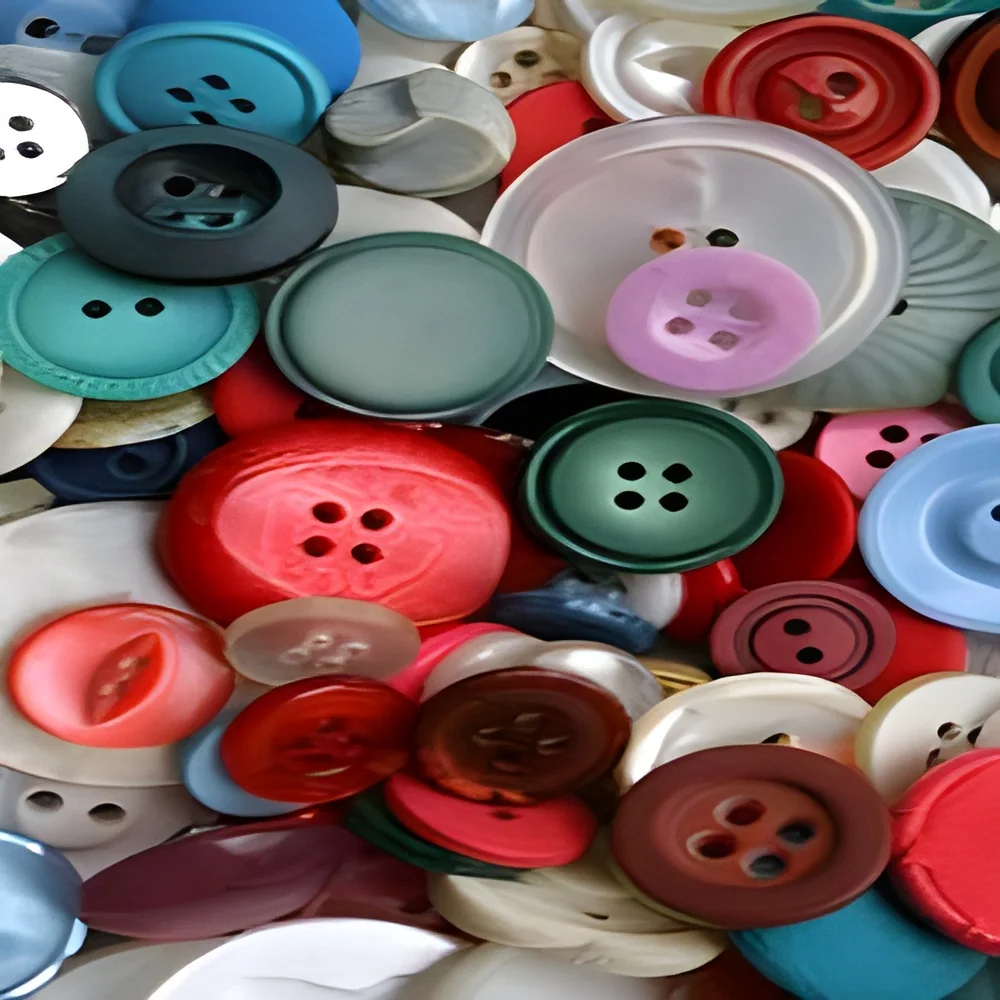
Standard Plastic Buttons
These are the most common type, available in various sizes and colors. They are suitable for everyday clothing and accessories, offering a reliable fastening solution.
Decorative Plastic Buttons
These buttons are designed with unique shapes, colors, and finishes to enhance the visual appeal of garments. They are commonly used in fashion items where aesthetics are essential.
Snap Buttons
Snap buttons provide a secure closure mechanism, ideal for casual wear and children’s clothing. They are easy to use and come in various styles.
Shank Buttons
Shank buttons feature a raised loop on the back, allowing for easy attachment to thicker fabrics. They are often used in coats and jackets.
Benefits and Advantages
Sourcing plastic buttons offers several advantages for manufacturers and businesses.
1. Cost-Effectiveness: Plastic buttons are generally more affordable compared to their metal or wooden counterparts, making them a budget-friendly option for mass production.
2. Lightweight: The lightweight nature of plastic buttons makes them ideal for garments, as they do not add unnecessary weight to the final product.
3. Durability: Plastic buttons are resistant to moisture, UV light, and wear, ensuring they maintain their appearance and function over time.
4. Versatility: Available in a wide range of styles, colors, and sizes, plastic buttons can adapt to various design needs and applications.
5. Customization: Many manufacturers offer customization options, allowing businesses to create unique buttons that match their brand identity.
6. Easy Maintenance: Plastic buttons are easy to clean and maintain, making them ideal for everyday wear and items that require regular washing.
Buying Guide for B2B Buyers
When sourcing plastic button manufacturers, it is essential for B2B buyers to consider several key factors to ensure they make informed decisions.
1. Quality Assessment: Buyers should evaluate the quality of buttons by requesting samples and certifications. Look for manufacturers who adhere to recognized industry standards.
2. Supplier Verification: It is vital to vet suppliers by checking their reputation, customer reviews, and previous work. Reliable manufacturers should provide references and documentation of their production methods.
3. Pricing and MOQ: Understand the pricing structure and minimum order quantities (MOQ) of potential suppliers. This will help in budgeting and ensuring that orders align with production needs.
4. Delivery and Lead Times: Assess the logistics capabilities of the manufacturer. Confirm lead times and delivery schedules to ensure timely fulfillment of orders.
5. Compliance Requirements: Ensure that the manufacturer complies with relevant regulations and quality standards in your region. This may include safety certifications and environmental compliance.
Compliance and Certifications
Plastic button manufacturers must adhere to various compliance and certification requirements to ensure product quality and safety.
Relevant quality standards, such as ISO 9001, help establish a framework for consistent quality management systems. Manufacturers that comply with these standards demonstrate their commitment to producing high-quality buttons.
Industry certifications like CE mark indicate conformity with health, safety, and environmental protection standards within the European Economic Area. This is crucial for buyers looking to market their products in these regions.
Additionally, manufacturers may need to meet specific safety and testing requirements to ensure that plastic buttons are safe for consumer use. This includes testing for durability, non-toxicity, and resistance to environmental factors.
Regional compliance considerations are also important, as different countries may have unique regulations governing product safety and quality. Understanding these local requirements is essential for successful sourcing.
Why Source Plastic Button Manufacturers from Pepagora?
Pepagora provides a trusted platform for sourcing plastic button manufacturers, offering several key advantages that facilitate the buying process.
Verified Supplier Network: Pepagora features a robust network of verified suppliers, ensuring that buyers can connect with reputable manufacturers who meet industry standards.
Streamlined RFQ Process: The quotation system at Pepagora simplifies the request for quotation (RFQ) process, allowing buyers to easily compare offers and select the best options for their needs.
Trade Assurance and Support: Pepagora offers trade assurance and buyer protection, ensuring that transactions are secure and that buyers receive the quality they expect.
Regional Coverage: With a focus on markets in India, the Gulf Cooperation Council (GCC), and Southeast Asia, Pepagora provides extensive geographic reach, connecting buyers with manufacturers across multiple regions.
By choosing Pepagora, businesses can confidently source plastic buttons while benefiting from a comprehensive support system that enhances their procurement experience.

 IN
IN