What are Elastic Lace Suppliers?
Elastic lace suppliers provide specialized laces that are designed to stretch and conform to various shapes and sizes. These laces are typically made from elastic materials, allowing them to be used in applications where a snug fit is essential. They are commonly utilized in products such as footwear, apparel, and various types of equipment that require adjustable fastening solutions.
The primary business applications of elastic laces include the manufacturing of sportswear, children's shoes, and medical devices, among others. In the footwear industry, for example, elastic laces are favored for their ease of use and comfort, allowing users to slip shoes on and off without the need for traditional tying methods. As a result, they are increasingly popular in both consumer and industrial markets.
In the current market context, the demand for elastic laces is growing due to trends in customization and functional design. As more companies seek to enhance user experience and product adaptability, the role of elastic lace suppliers becomes increasingly critical. This industry is evolving, with suppliers focusing on innovation and quality to meet the diverse needs of manufacturers across various sectors.
Key Features and Specifications
Elastic lace products are characterized by several important features that make them suitable for a wide range of applications. The specifications of these laces can vary based on intended use, material composition, and design requirements.
Key specifications include:
1. Material Composition
- Typically made from elastic fibers such as spandex or rubber.
- May include additional materials for durability and aesthetic appeal.
2. Width
- Available in various widths, typically ranging from 0.5 to 2 inches.
- Wider laces provide more support, while narrower laces offer a more discreet appearance.
3. Stretchability
- Designed to stretch significantly, often exceeding 100% of their original length.
- Allows for a snug fit in various applications.
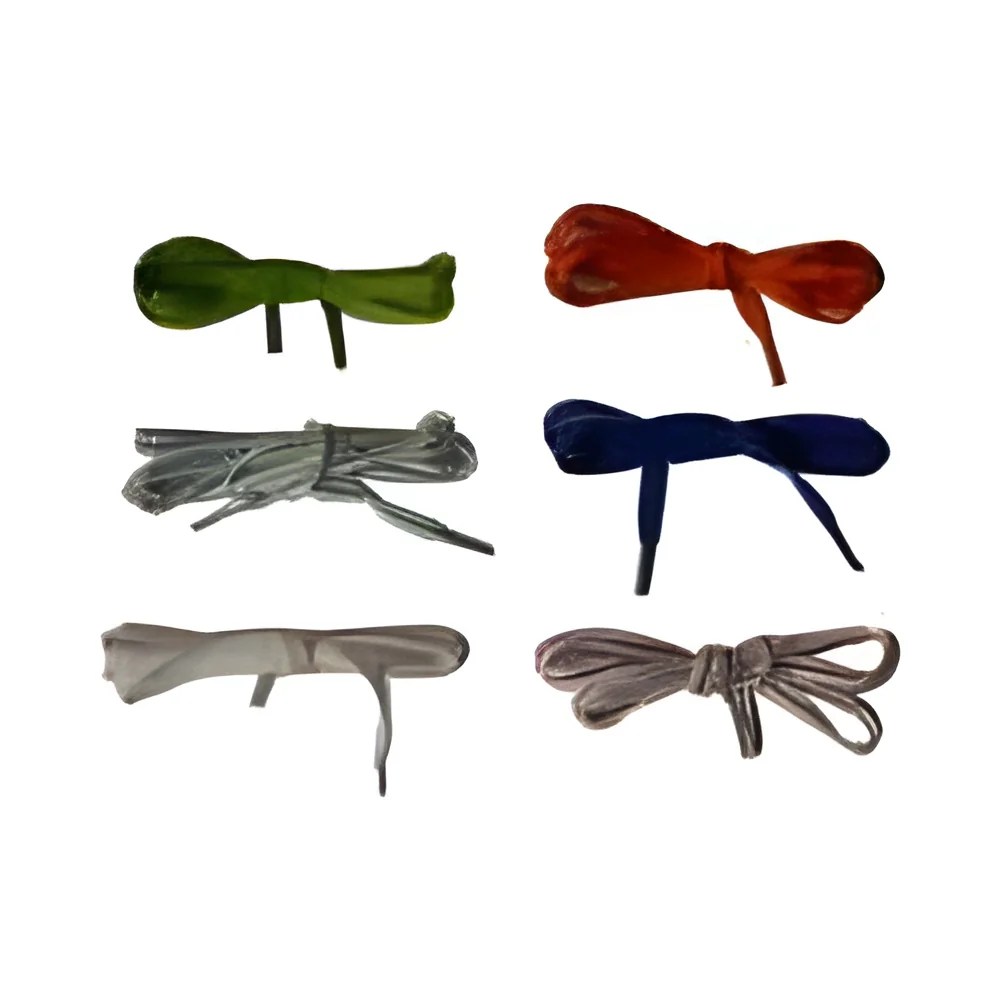
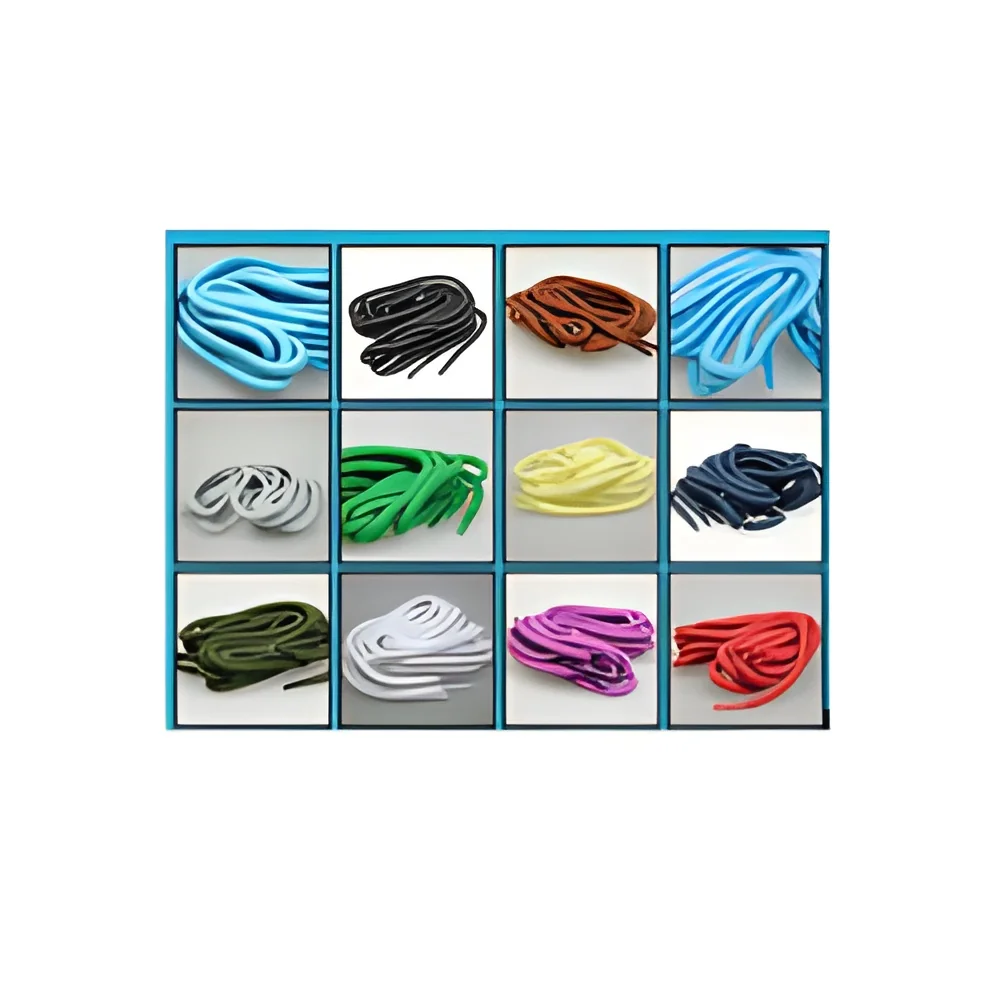
4. Color Options
- Available in a wide range of colors to match different product designs.
- Custom color options may be available for bulk orders.
5. Length
- Offered in standard lengths, typically ranging from 30 to 60 inches.
- Custom lengths can be provided based on specific customer requirements.
6. Elasticity Recovery
- High recovery rate to maintain shape after stretching.
- Ensures longevity and functionality of the lace.
7. Durability
- Resistant to wear and tear, making them suitable for high-use applications.
- Often tested for abrasion resistance.
8. Compliance
- May adhere to industry standards such as CE certifications for safety.
In summary, the specifications of elastic laces are designed to meet the diverse needs of various industries while ensuring functionality and aesthetic appeal.
Common Applications and Use Cases
Elastic laces have a wide range of applications across multiple industries. Their versatility makes them suitable for various products that require adjustable fastening solutions.
1. Footwear Industry: Elastic laces are commonly used in athletic shoes, casual sneakers, and children's footwear. They allow for easy on-and-off access and provide a comfortable fit for users.
2. Apparel Manufacturing: In the clothing sector, elastic laces are utilized in activewear, swimwear, and intimate apparel. They offer flexibility and support in garments that require stretch.
3. Medical Devices: Elastic laces are employed in medical applications, such as orthopedic braces and support bands. Their ability to conform to body shapes enhances comfort and effectiveness.
4. Sporting Goods: Sports equipment often incorporates elastic laces for securing pads and gear. This ensures that equipment stays in place during physical activity.
5. Fashion Accessories: Elastic laces are also found in fashion items such as belts and hair accessories. They provide a trendy look while maintaining functionality.
6. Home Textiles: In home applications, these laces can be used in curtains and cushions for adjustable fittings. This adds convenience and versatility to home decor.
7. Bags and Luggage: Elastic laces are used in backpacks and travel bags for securing items. Their stretchability helps in accommodating varying loads.
Product Variants and Subcategories
Elastic lace suppliers offer a variety of product variants to cater to different market needs. This diversity allows businesses to find the right type of lace for their specific applications.
Classic Elastic Lace: This traditional variant is widely used in footwear and apparel. It offers a simple design with good stretchability and is available in multiple colors.
Reflective Elastic Lace: This type of lace includes reflective materials, making it ideal for sports and outdoor activities. It enhances visibility in low-light conditions, increasing safety for users.
Custom Printed Elastic Lace: Suppliers can offer elastic laces with custom prints and designs. This variant is popular for branding purposes in sportswear and promotional items.
Flat vs. Round Elastic Lace: Suppliers offer both flat and round designs. Flat laces are often used in footwear, while round laces are preferred for a variety of applications due to their aesthetic appeal.
Benefits and Advantages
Sourcing elastic laces offers numerous benefits for businesses looking for quality and functional solutions. These advantages contribute to enhanced product performance and customer satisfaction.
1. Improved Comfort: Elastic laces provide a snug fit that enhances comfort, making them ideal for footwear and apparel.
2. Ease of Use: The stretchable nature of elastic laces allows for quick adjustments, making them user-friendly for all age groups.
3. Versatility: These laces can be used in various industries, from fashion to medical applications, making them a flexible choice for suppliers.
4. Customization Options: Many suppliers offer custom colors and designs, allowing businesses to align laces with their brand identity.
5. Enhanced Performance: The durability and elasticity of these laces contribute to the overall performance of products, leading to increased customer satisfaction.
6. Cost-Effectiveness: With competitive pricing and the potential for bulk purchases, elastic laces can offer a cost-effective solution for manufacturers.
Buying Guide for B2B Buyers
When sourcing elastic lace suppliers, it is crucial for B2B buyers to consider several factors to ensure they make informed decisions.
1. Quality Assessment: Buyers should evaluate the quality of the elastic laces by reviewing material composition, stretchability, and durability. Requesting samples can be beneficial to gauge performance.
2. Supplier Verification: It is essential to vet suppliers for reliability and reputation in the industry. Checking for certifications and customer reviews can provide insight into their credibility.
3. Pricing and MOQ: Buyers should compare pricing structures among different suppliers and be aware of minimum order quantities. Understanding these factors helps in budgeting and inventory management.
4. Delivery and Lead Times: Assessing the supplier's ability to meet delivery deadlines is important for maintaining production schedules. Clear communication about lead times can prevent delays.
5. Compliance Requirements: Buyers should ensure that the elastic laces meet relevant industry standards and regulations. This may include safety certifications and adherence to regional compliance requirements.
Compliance and Certifications
Compliance with industry standards is vital for maintaining quality and safety in elastic lace products. Suppliers often adhere to relevant quality assurance programs to ensure their products meet specific requirements.
One of the key standards is ISO 9001, which focuses on quality management systems. Suppliers certified under ISO 9001 demonstrate their commitment to consistent quality and customer satisfaction.
Additionally, many elastic laces are certified with CE markings, indicating compliance with European safety regulations. This certification is important for products sold in the European market, ensuring they meet essential health and safety requirements.
Safety and testing requirements are also crucial, particularly in medical and sporting applications. Suppliers may conduct tests to ensure their laces can withstand stress and wear, enhancing product reliability.
Lastly, regional compliance considerations may vary depending on the market. Suppliers must stay informed about local regulations to ensure their products are compliant across different regions.
Why Source Elastic Lace Suppliers from Pepagora?
Pepagora offers a trusted platform for sourcing elastic lace suppliers, providing several key advantages for businesses.
Verified Supplier Network: Pepagora maintains a network of verified suppliers, ensuring that buyers have access to reputable manufacturers. This verification process helps mitigate risks associated with sourcing.
Streamlined RFQ Process: The platform offers a streamlined request for quotation (RFQ) process, allowing buyers to easily compare offers from multiple suppliers. This efficiency enhances the procurement process.
Trade Assurance and Support: Pepagora provides trade assurance, giving buyers peace of mind through buyer protection policies. This support ensures that transactions are secure and reliable.
Regional Coverage: With a strong presence in India, the GCC, and Southeast Asia, Pepagora connects buyers with suppliers across these regions. This geographic reach allows businesses to find suitable partners for their needs.
In conclusion, sourcing elastic lace suppliers from Pepagora enables businesses to benefit from a reliable network, efficient processes, and strong support, ultimately enhancing their procurement experience.

 IN
IN