
 IN
Whitening Toothpastes
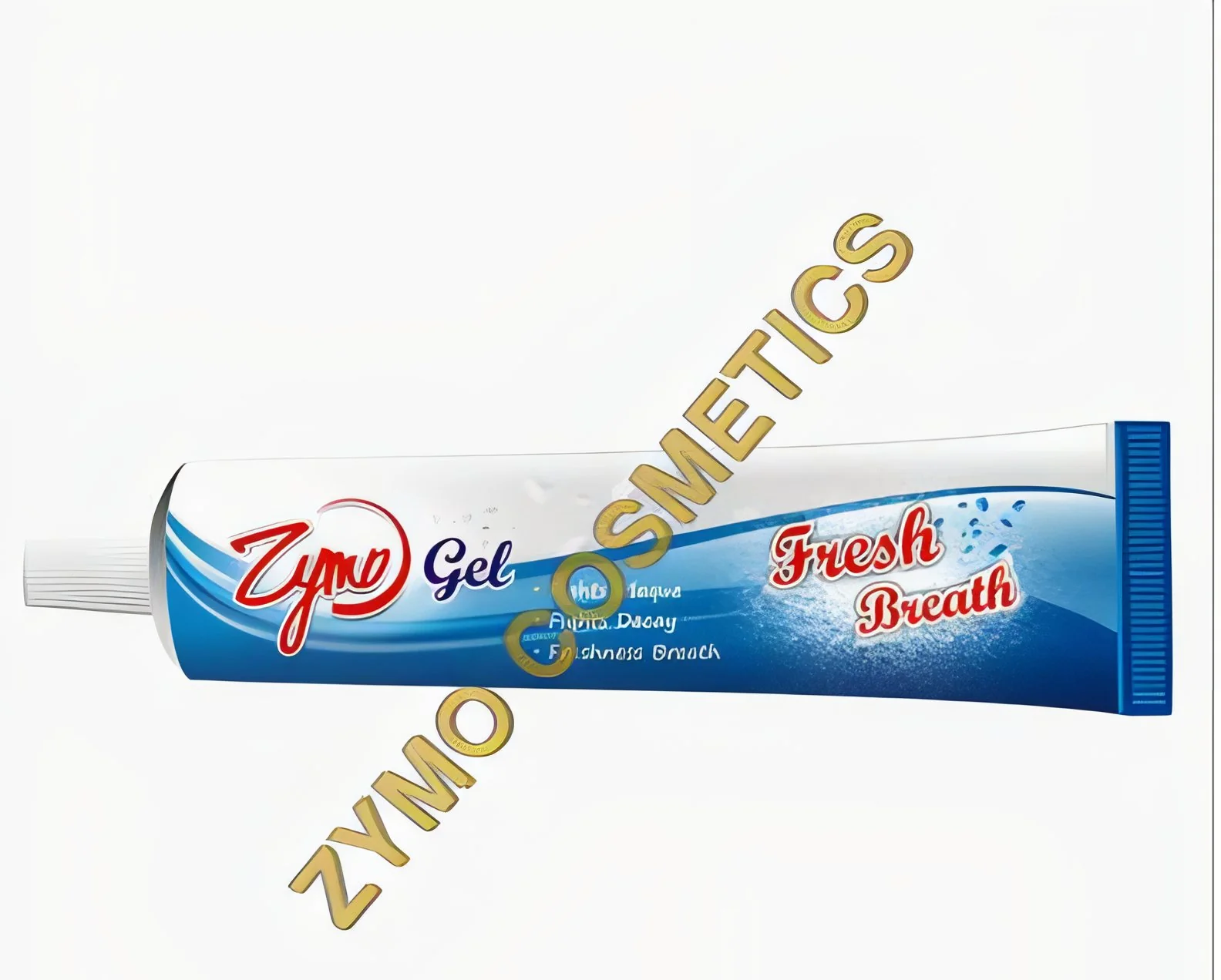
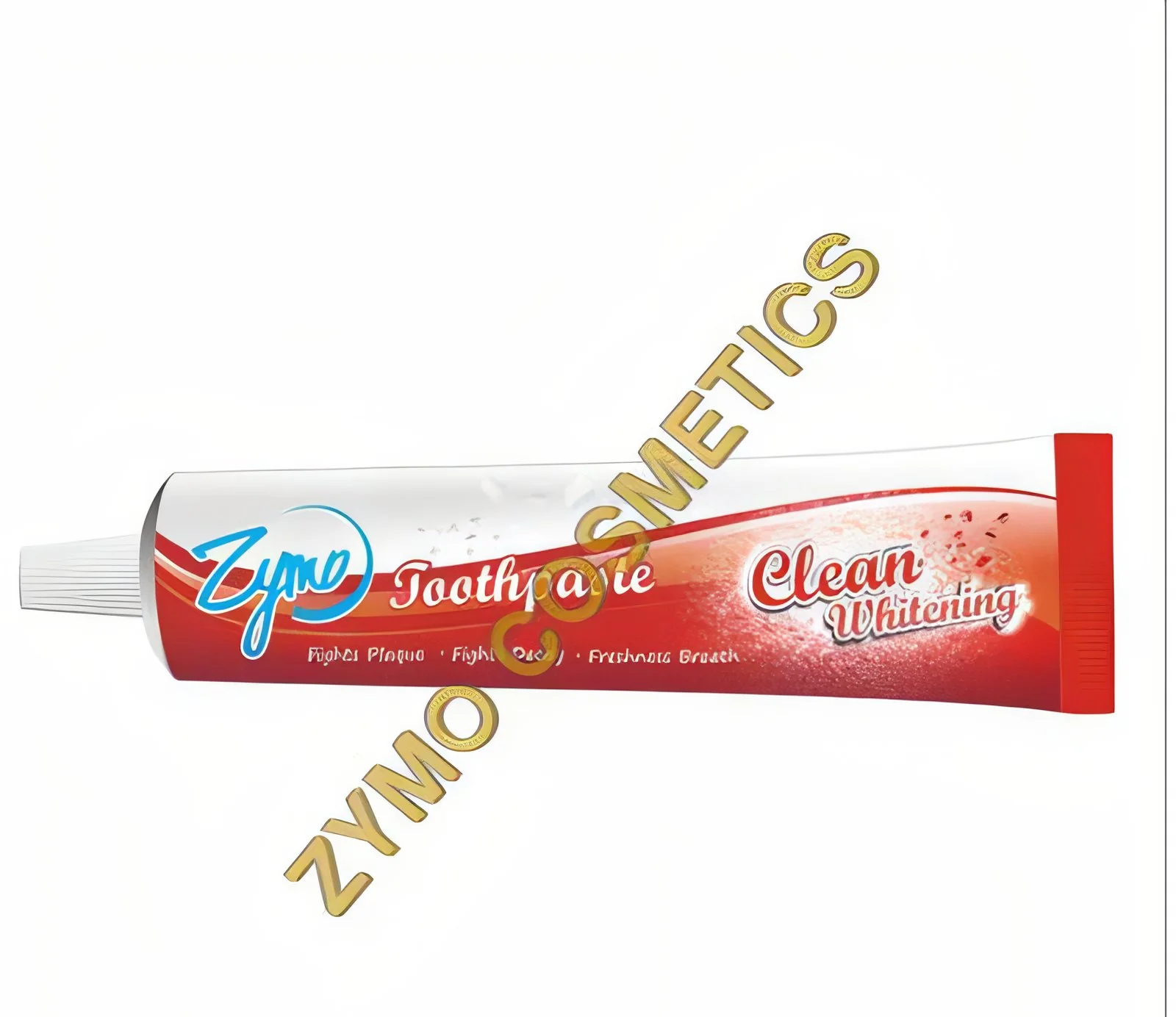
2 products available
What are Whitening Toothpastes?
Whitening toothpastes are specialized dental care products designed to remove stains and discoloration from teeth, making them appear whiter and brighter. They typically contain mild abrasives, chemical whiteners, and polishing agents that work together to lift stains caused by food, drinks, and tobacco use. These toothpastes are marketed as an easy and effective way to achieve a brighter smile without the need for professional whitening treatments.
The primary use of whitening toothpastes is to enhance the aesthetic appearance of teeth. Businesses within the dental, beauty, and personal care industries utilize these products to cater to consumers seeking improved oral aesthetics. Whitening toothpastes serve as a cost-effective alternative for consumers who want to avoid more invasive procedures, thus creating a significant market segment dedicated to dental hygiene and cosmetic enhancement.
In the current market landscape, the demand for whitening toothpastes has been fueled by rising consumer awareness about oral health and aesthetics. The growing focus on personal grooming and self-care has led to increased sales in this category. Manufacturers are innovating with new formulations and marketing strategies to capture market share, highlighting the importance of effective branding and product differentiation in this competitive sector.
Key Features and Specifications
Whitening toothpastes come with several important features that enhance their effectiveness and appeal. These specifications ensure that the product meets consumer expectations and industry standards.
Key specifications include:
1. Abrasiveness Level
- Measured using RDA (Relative Dentin Abrasivity) values.
- Typically ranges from low (60-80) to high (100+), balancing efficacy and safety.
2. Whitening Agents
- May include hydrogen peroxide or carbamide peroxide.
- Concentrations can vary, impacting the degree of whitening.
3. Flavor Options
- Available in various flavors such as mint, cinnamon, and fruit.
- Enhances user experience and consumer preference.
4. Packaging Type
- Commonly found in tubes, pumps, or sachets.
- Considerations for convenience and consumer appeal.
5. pH Level
- Formulated to maintain a neutral to slightly alkaline pH.
- Important for enamel safety and efficacy.
6. Foaming Agents
- Ingredients like sodium lauryl sulfate (SLS) that promote foaming.
- Aids in cleaning and spreading the product during use.
7. Non-Abrasive Polishing Agents
- Ingredients such as silica or calcium carbonate.
- Provide effective cleaning without damaging enamel.
8. Compliance with Oral Health Standards
- Must adhere to guidelines set by dental associations.
- Ensures safety and effectiveness for consumer use.
In summary, understanding these key features and specifications can help businesses select the right whitening toothpaste that meets both consumer needs and industry standards.
Common Applications and Use Cases
Whitening toothpastes find applications across multiple industries, catering to diverse consumer needs.
1. Dental Care: Dental professionals recommend whitening toothpastes to patients seeking to improve the appearance of their teeth. These products serve as part of an overall oral hygiene regimen.
2. Retail: Beauty and personal care retailers stock whitening toothpastes as part of their oral care offerings, targeting consumers focused on enhancing their smiles.
3. Hospitality: Hotels and resorts provide whitening toothpastes in guest rooms as part of premium bathroom amenities, catering to guests' desire for quality personal care products.
4. Health and Wellness: Gyms and wellness centers often offer whitening toothpastes to clients, reinforcing the importance of self-care and personal grooming.
5. E-commerce: Online platforms specialize in selling dental care products, including whitening toothpastes, targeting a wide audience seeking convenience and variety.
6. Subscription Services: Some companies offer subscription boxes featuring whitening toothpastes along with other hygiene products, appealing to consumers who prioritize regular dental care.
7. Promotional Items: Businesses across various sectors may use whitening toothpastes as promotional giveaways, providing a practical item that enhances brand visibility.
Product Variants and Subcategories
Whitening toothpastes are available in a variety of formulations to meet diverse consumer preferences and needs.
Mint Whitening Toothpaste
This variant offers a refreshing mint flavor while effectively whitening teeth. It contains fluoride for cavity protection and is designed for everyday use.
Charcoal Whitening Toothpaste
Infused with activated charcoal, this toothpaste claims to absorb impurities and enhance tooth whitening. It attracts consumers interested in natural and trendy oral care solutions.
Sensitive Teeth Whitening Toothpaste
Formulated specifically for individuals with sensitive teeth, this variant balances whitening with gentle ingredients to minimize discomfort while effectively removing stains.
Herbal Whitening Toothpaste
Utilizing natural ingredients such as neem and clove, this toothpaste caters to consumers seeking holistic alternatives for oral care while promoting whitening benefits.
Benefits and Advantages
Whitening toothpastes offer several key advantages for consumers looking to enhance their oral care routine.
1. Aesthetic Improvement: These toothpastes effectively remove surface stains, resulting in a visibly whiter smile that boosts confidence.
2. Convenience: Whitening toothpastes are readily available at retail locations and online, allowing consumers to incorporate them easily into their daily routines.
3. Cost-Effective: Compared to professional whitening treatments, these toothpastes provide a more affordable option for consumers seeking whitening solutions.
4. Easy Integration: They can be used alongside regular toothpaste, making it simple for consumers to enhance their oral care without changing their habits.
5. Varied Formulations: With numerous options available, consumers can select a product that suits their taste preferences and specific dental needs.
6. Preventive Benefits: Many whitening toothpastes contain fluoride, which helps protect against cavities while providing whitening benefits.
Buying Guide for B2B Buyers
When sourcing whitening toothpastes, businesses should consider several critical factors to ensure they choose the best products for their needs.
1. Quality Assessment: Evaluate the quality of whitening toothpastes through ingredient analysis, safety certifications, and consumer reviews to ensure they meet industry standards.
2. Supplier Verification: Conduct thorough checks on potential suppliers, looking for those with a proven track record of reliability and compliance with regulatory standards.
3. Pricing and MOQ: Understand the pricing structure and minimum order quantities (MOQ) from suppliers to manage budgets and stock levels effectively.
4. Delivery and Lead Times: Assess logistics capabilities and delivery schedules to ensure timely product availability, which is crucial for maintaining inventory.
5. Compliance Requirements: Familiarize yourself with relevant regulations and certifications, such as CE, to ensure products meet local and international standards.
Compliance and Certifications
Whitening toothpastes must adhere to various quality standards and certifications to ensure safety and efficacy in the market.
ISO 9001 is a widely recognized standard for quality management systems. Compliance with this standard indicates that manufacturers have established processes to ensure product quality and continuous improvement.
HACCP (Hazard Analysis Critical Control Point) is crucial for products involving food and health safety. While not directly applicable to all whitening toothpastes, adherence can enhance consumer trust in product safety.
CE certification indicates that the product meets European safety, health, and environmental protection standards. This certification is particularly important for products sold in European markets.
Safety and testing requirements are paramount to ensure that ingredients used in whitening toothpastes do not harm consumers. Regular testing for efficacy and safety must be conducted.
Regional compliance considerations vary by market, necessitating that manufacturers stay updated on local regulations and consumer expectations to ensure successful product distribution.
Why Source Whitening Toothpastes from Pepagora?
Pepagora provides a trusted platform for sourcing whitening toothpastes, offering numerous advantages to B2B buyers.
Verified Supplier Network: Pepagora has established a robust network of verified suppliers, ensuring that buyers receive high-quality products from reputable sources. This network minimizes risks associated with sourcing and helps businesses maintain consistent quality.
Streamlined RFQ Process: The Request for Quotation (RFQ) system simplifies the procurement process. Buyers can easily request quotes from multiple suppliers, enabling them to compare offers and make informed purchasing decisions.
Trade Assurance and Support: Pepagora offers trade assurance, providing buyers with protection throughout the purchasing process. This includes support for dispute resolution and ensuring that products meet agreed-upon specifications.
Regional Coverage: With a strong presence in regions such as India, the GCC, and Southeast Asia, Pepagora ensures that businesses can access a wide range of whitening toothpastes tailored to local market needs. This geographic reach allows for efficient supply chain management and responsiveness to market demands.



Frequently Asked Questions
What are Whitening Toothpastes?
Whitening toothpastes are specially formulated dental care products designed to remove stains and discoloration from teeth. They typically contain mild abrasives, chemical agents, and polishing agents that help enhance the brightness of your smile.
What are the different types of Whitening Toothpastes?
There are several types of whitening toothpastes, including those with activated charcoal, those containing hydrogen peroxide, and those with baking soda. Each type utilizes different ingredients to achieve whitening effects, catering to various consumer preferences and needs.
How do I choose the right Whitening Toothpastes?
When selecting whitening toothpastes, consider factors such as the type of stains you want to remove, sensitivity of your teeth, and any specific oral health conditions. It's also beneficial to read reviews and check for the American Dental Association (ADA) Seal of Acceptance for quality assurance.
What are the standard specifications for Whitening Toothpastes?
Standard specifications for whitening toothpastes include pH balance, fluoride content, abrasive levels, and the presence of active whitening ingredients. These factors contribute to the effectiveness and safety of the product for daily use.
What is the price range for Whitening Toothpastes?
The price range for whitening toothpastes can vary significantly based on brand, ingredients, and packaging. Generally, you can expect prices to range from INR 100 to INR 800 per tube in the Indian market.
What quality standards apply to Whitening Toothpastes?
Whitening toothpastes must adhere to quality standards set by regulatory bodies like the Bureau of Indian Standards (BIS) and the Central Drugs Standard Control Organization (CDSCO). These standards ensure that the products are safe for consumer use and effective in delivering promised benefits.
Where can I find Whitening Toothpastes suppliers in India?
You can find suppliers of whitening toothpastes in India through online B2B marketplaces like Pepagora, trade shows, and industry directories. Networking within dental and cosmetic trade associations can also provide valuable supplier contacts.
Can Whitening Toothpastes be customized?
Yes, many manufacturers offer customization options for whitening toothpastes. This can include variations in flavor, packaging, and specific whitening ingredients to meet the unique needs of different brands or markets.
What is the typical minimum order quantity for Whitening Toothpastes?
The typical minimum order quantity (MOQ) for whitening toothpastes can vary by supplier but generally ranges from 500 to 1,000 units. It's advisable to check with individual manufacturers for their specific MOQ requirements.
What is the typical lead time for Whitening Toothpastes?
The typical lead time for whitening toothpastes can range from 2 to 4 weeks, depending on the supplier and the complexity of the order. Factors such as customization requests and current production schedules can also affect delivery times.
Why Businesses Trust Pepagora
Thousands of companies trust Pepagora to source smarter and sell faster
Expand Your Sales Globally

Source Smarter,Grow Faster
