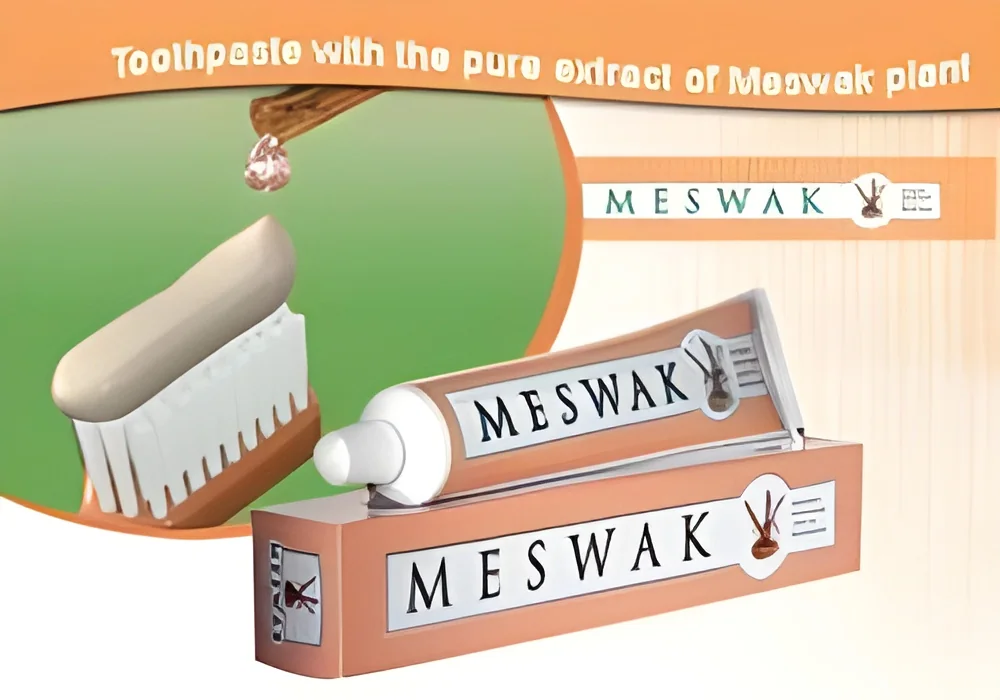
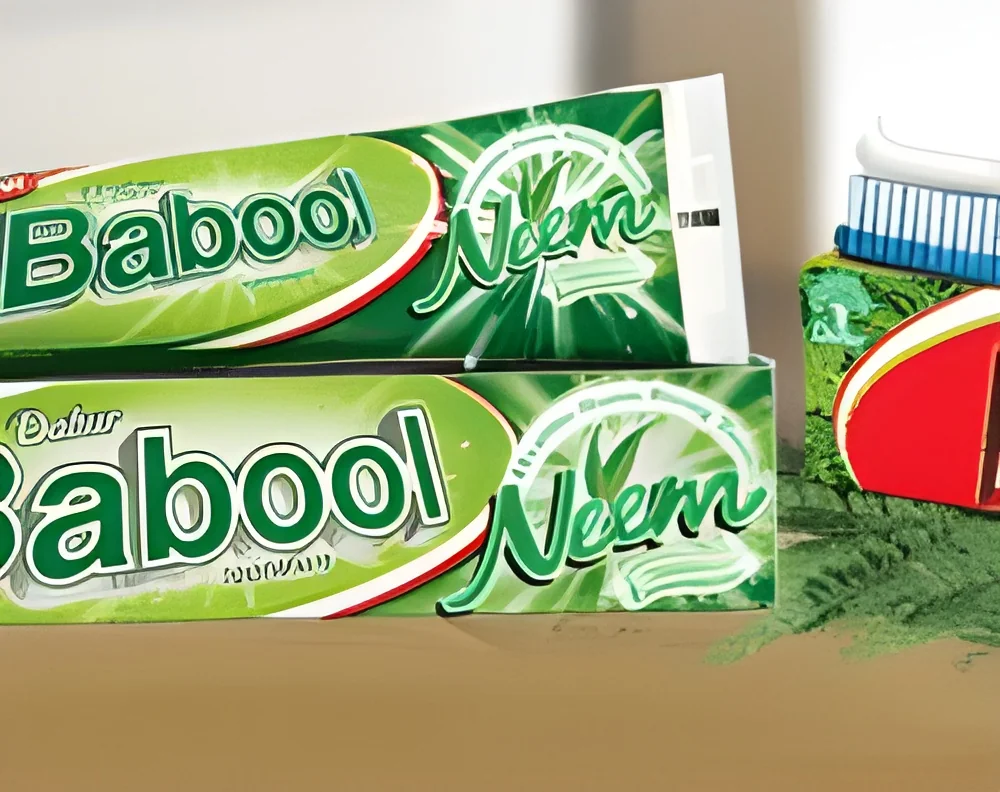
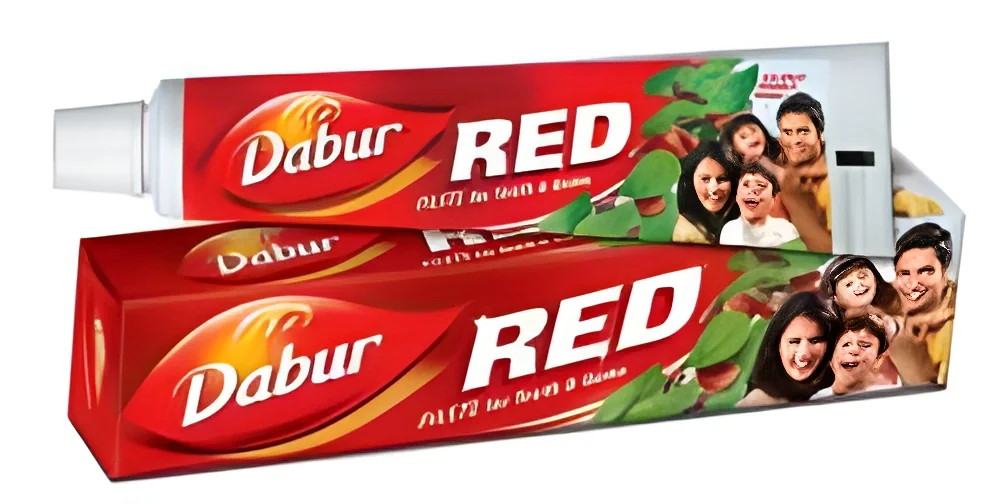
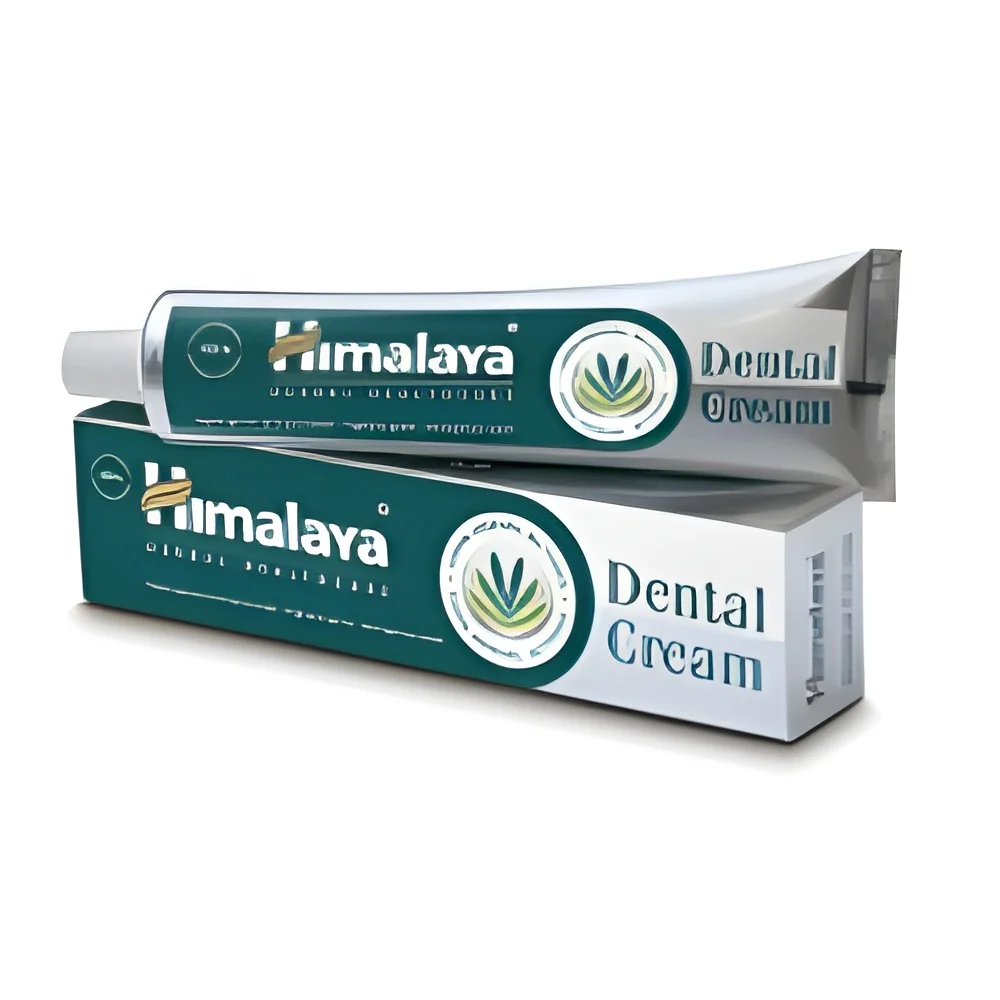
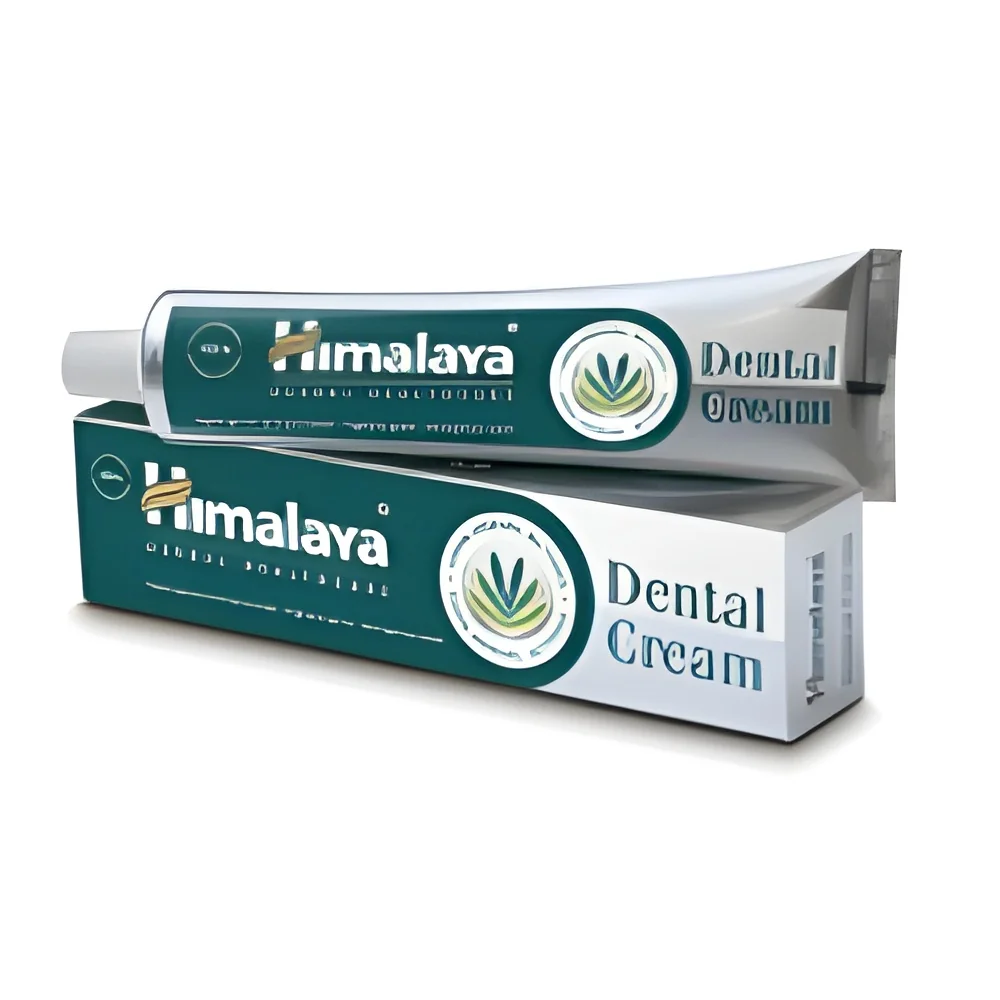
What are Herbal & Ayurvedic Toothpastes?
Herbal and Ayurvedic toothpastes are dental care products formulated using natural ingredients derived from herbs and plants, in accordance with the principles of Ayurveda. These toothpastes aim to promote oral health through holistic means by utilizing traditional knowledge and practices. Unlike conventional toothpastes that often contain synthetic chemicals, herbal toothpastes emphasize the use of natural herbal extracts, essential oils, and other botanical ingredients to provide effective cleaning and protection for teeth and gums.
The primary uses of herbal and Ayurvedic toothpastes include promoting dental hygiene, preventing tooth decay, and addressing common oral issues such as gum inflammation and bad breath. Businesses in the dental care and personal care sectors can leverage these products to cater to a growing consumer demand for natural and organic alternatives. The market for herbal oral care products is expanding, as more consumers seek products that align with their health-conscious and environmentally friendly lifestyles.
In terms of industry relevance, the herbal and Ayurvedic toothpaste market is witnessing remarkable growth. Factors driving this trend include increased awareness of the benefits of natural ingredients and a shift towards sustainable consumer practices. Companies in the dental care industry are thus presented with opportunities to innovate and diversify their offerings by incorporating herbal and Ayurvedic options into their product lines.
Key Features and Specifications
Herbal and Ayurvedic toothpastes offer various features that distinguish them from conventional products. They are designed to provide effective cleaning while being gentle on the teeth and gums. These products often highlight the use of high-quality, natural ingredients that support overall oral health.
Key specifications include:
1. Active Ingredients
- Composed of natural herbal extracts such as neem, clove, and peppermint
- These ingredients are known for their antibacterial and anti-inflammatory properties
2. Fluoride-Free Formulation
- Many herbal toothpastes do not contain fluoride
- Appeals to consumers who prefer fluoride-free dental care options
3. pH Balanced
- Maintains a neutral pH level to prevent enamel erosion
- Supports the natural balance of oral flora
4. Natural Flavors and Sweeteners
- Uses plant-based flavors and sweeteners instead of artificial additives
- Ensures a refreshing taste without chemical aftertastes
5. Eco-Friendly Packaging
- Often packaged in recyclable materials
- Supports sustainable practices and reduces environmental impact
6. Cruelty-Free Certification
- Many brands ensure that their products are not tested on animals
- Appeals to ethically conscious consumers
7. Preservative-Free
- Formulations are often free from artificial preservatives
- Reduces the risk of allergic reactions and sensitivities
In summary, herbal and Ayurvedic toothpastes are characterized by their natural formulations, strong focus on oral health, and commitment to sustainability.
Common Applications and Use Cases
Herbal and Ayurvedic toothpastes have found applications across several industries, catering to diverse consumer needs.
1. Dental Care Industry: These products are marketed by dental clinics and oral care brands seeking natural alternatives for patients concerned about chemical exposure.
2. Personal Care Retail: Health and wellness stores are increasingly stocking herbal toothpastes to meet the demand for organic and natural personal care products.
3. Ayurvedic Practitioners: Many Ayurvedic health professionals recommend these toothpastes to clients as part of a holistic approach to oral health.
4. Eco-Friendly Product Lines: Brands focusing on sustainability often include herbal toothpastes in their product offerings, aligning with their environmentally conscious image.
5. E-commerce Platforms: Online retailers are capitalizing on the growing interest in herbal products by offering a wide range of Ayurvedic toothpastes, catering to a global audience.
6. Export Markets: Companies looking to expand internationally can find opportunities in markets that favor natural and organic personal care products.
Product Variants and Subcategories
Herbal and Ayurvedic toothpastes come in various formulations to address specific needs and preferences.
Neem and Clove Toothpaste: This variant harnesses the antibacterial properties of neem and the soothing effects of clove oil. It is particularly effective for gum health and breath freshening.
Mint and Aloe Vera Toothpaste: Combining the refreshing flavor of mint with the soothing properties of aloe vera, this toothpaste provides a cooling sensation while promoting oral hydration.
Charcoal Toothpaste: Formulated with activated charcoal, this variant is designed for natural whitening and detoxifying properties, catering to consumers seeking to enhance their smile.
Sensitive Teeth Toothpaste: This formulation targets individuals with sensitive teeth, using gentle ingredients to minimize discomfort while providing effective cleaning.
Benefits and Advantages
Herbal and Ayurvedic toothpastes offer numerous benefits that appeal to health-conscious consumers.
1. Natural Ingredients: The use of plant-based components reduces exposure to harmful chemicals, promoting safer oral care practices.
2. Antibacterial Properties: Many herbal ingredients possess natural antibacterial qualities that help combat plaque and prevent cavities.
3. Soothing Effects: Ingredients like aloe vera and clove oil can provide relief from gum irritation and inflammation.
4. Eco-Friendly: With a focus on sustainable sourcing and packaging, these products align with environmentally responsible consumer values.
5. Customizable Options: Some manufacturers offer the ability to customize formulations to meet specific consumer needs, enhancing market appeal.
6. Growing Market Demand: As consumers increasingly seek natural alternatives, businesses can benefit from the expanding market for herbal oral care products.
Buying Guide for B2B Buyers
When sourcing herbal and Ayurvedic toothpastes, B2B buyers should consider several crucial factors to ensure they make informed purchasing decisions.
1. Quality Assessment: Buyers should evaluate the quality of ingredients used in the toothpaste formulation. This includes checking for certifications and ingredient sourcing to ensure they align with health and safety standards.
2. Supplier Verification: It is essential to thoroughly vet suppliers for reliability and reputation. Look for suppliers with a proven track record in the herbal and natural products market.
3. Pricing and MOQ: Understand the pricing structure and minimum order quantities (MOQ) set by suppliers. This will help in budgeting and inventory management.
4. Delivery and Lead Times: Assess the logistics of order fulfillment, including expected delivery times. Reliable delivery is crucial for maintaining stock levels.
5. Compliance Requirements: Make sure the products meet relevant regulatory standards and certifications, such as CE marking, to ensure they can be legally sold in the target markets.
Compliance and Certifications
Herbal and Ayurvedic toothpastes must adhere to various quality standards and regulations to ensure safety and efficacy.
ISO 9001 certification is often sought by manufacturers as it demonstrates a commitment to quality management systems. This certification assures buyers that the product meets international quality standards.
HACCP (Hazard Analysis and Critical Control Points) is important in the manufacturing process, ensuring that products are produced under safe and hygienic conditions, which is essential for consumer safety.
Compliance with Good Distribution Practices (GDP) is also crucial in ensuring that products are stored and transported under conditions that maintain their quality.
In addition to these standards, obtaining the CE mark may be necessary for products marketed in certain regions, as it indicates conformity with health, safety, and environmental protection standards.
Buyers should also be aware of regional compliance requirements, as different markets may have specific regulations governing the sale of herbal and Ayurvedic products.
Why Source Herbal & Ayurvedic Toothpastes from Pepagora?
Pepagora offers a trusted platform for sourcing herbal and Ayurvedic toothpastes, providing several key advantages for B2B buyers.
Verified Supplier Network: Pepagora connects buyers with a robust network of verified suppliers. This ensures that businesses can source high-quality products from reputable manufacturers.
Streamlined RFQ Process: The request for quotation (RFQ) system allows buyers to easily request and receive competitive pricing from multiple suppliers, simplifying the procurement process.
Trade Assurance and Support: Pepagora offers trade assurance, providing buyers with protection and support throughout the sourcing process. This ensures peace of mind when making purchases.
Regional Coverage: With a strong presence in India and access to markets in the GCC and Southeast Asia, Pepagora enables businesses to expand their reach and tap into growing demand for herbal and Ayurvedic products.
This strategic advantage positions buyers to leverage emerging trends in the natural oral care market effectively.

 IN
IN