
 IN
Manual Toothbrushes
1 products available
What are Manual Toothbrushes?
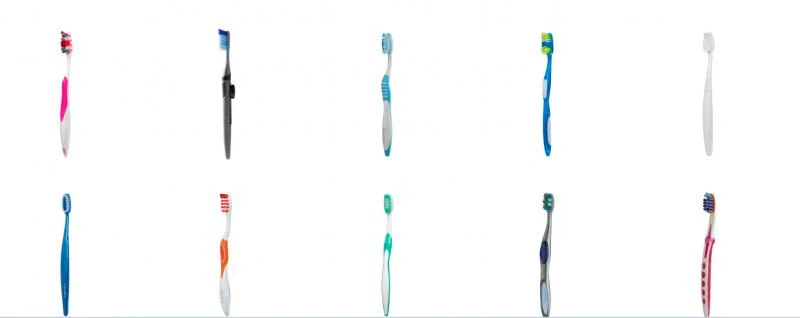
Manual toothbrushes are handheld dental hygiene tools designed for the removal of plaque and food particles from teeth and gums. They typically consist of a handle and a head that holds bristles, which vary in hardness and design. Manual toothbrushes are the most traditional form of oral care tools, widely used due to their simplicity and effectiveness.
These toothbrushes serve a variety of primary uses in both personal and commercial settings. In the consumer market, they are essential for daily oral hygiene routines. In commercial applications, manual toothbrushes are often provided in healthcare facilities, hotels, and dental practices, making them crucial for maintaining oral health standards. Their straightforward design allows for ease of use by individuals of all ages, contributing to their sustained relevance in the dental care industry.
The market for manual toothbrushes remains significant despite the rise of electric alternatives. They are favored for their affordability, ease of use, and accessibility. In regions with limited electricity access, manual toothbrushes are particularly beneficial. The ongoing demand for cost-effective dental care solutions ensures that manual toothbrushes remain a vital product in the oral hygiene market.
Key Features and Specifications
Manual toothbrushes offer a range of features that cater to different user needs. Understanding these specifications can help buyers make informed decisions.
Key specifications include:
1. Bristle Type
- Available in soft, medium, and hard options.
- Soft bristles are often recommended for sensitive gums, while hard bristles can provide a more intense clean for tougher plaque.
2. Handle Design
- Ergonomically designed handles for comfortable grip.
- Some models feature non-slip grips for better control during use.
3. Head Size
- Standard head sizes suitable for adult and child users.
- Smaller heads are often designed for easier access to back teeth.
4. Bristle Pattern
- Various bristle arrangements such as straight, angled, or tufted.
- Different patterns can enhance cleaning efficiency and gum health.
5. Color and Aesthetics
- Available in multiple colors and designs.
- Custom branding options may be available for business applications.
6. Eco-Friendly Options
- Biodegradable materials used in some manual toothbrushes.
- Recyclable packaging to reduce environmental impact.
7. Safety Features
- Rounded bristle ends to prevent gum injury.
- Durable materials that withstand regular use.
In summary, manual toothbrushes come with diverse features that cater to various user preferences and requirements, making them a versatile choice for both personal and commercial applications.
Common Applications and Use Cases
Manual toothbrushes are widely applicable across numerous industries, ensuring effective oral hygiene in various settings.
1. Healthcare: In hospitals and clinics, manual toothbrushes are often provided to patients for post-operative care and daily hygiene routines.
2. Hospitality: Hotels frequently stock manual toothbrushes in guest bathrooms as part of their amenity offerings, enhancing guest comfort and satisfaction.
3. Dental Practices: Dentists often recommend specific manual toothbrushes to patients for at-home use, ensuring they maintain proper oral hygiene between visits.
4. Educational Institutions: Schools and universities may provide manual toothbrushes in health education programs, promoting good dental care habits among students.
5. Retail: Grocery stores and pharmacies stock a variety of manual toothbrushes, catering to consumer preferences and needs.
6. Senior Care: Assisted living facilities utilize manual toothbrushes to support the oral hygiene of elderly residents, ensuring they can maintain their dental health.
7. Travel: Compact and disposable manual toothbrushes are convenient for travel, making them a staple in travel kits and airline amenities.
Product Variants and Subcategories
Manual toothbrushes come in a variety of forms to meet different user preferences and needs.
Children's Manual Toothbrushes: Designed with smaller heads and softer bristles, these toothbrushes are tailored for young users. They often feature fun colors and characters to encourage kids to engage in their oral hygiene routines.
Travel Manual Toothbrushes: These toothbrushes are compact and often come with protective caps or cases for convenient use on the go. They are designed to be lightweight and portable.
Eco-Friendly Manual Toothbrushes: Made from sustainable materials, these toothbrushes appeal to environmentally conscious consumers. They offer a biodegradable alternative to traditional plastic toothbrushes.
Interdental Manual Toothbrushes: These toothbrushes are designed with special bristle arrangements to clean between teeth effectively. They are often recommended for those with braces or dental work.
Benefits and Advantages
Manual toothbrushes provide several key benefits that make them a preferred choice for many users.
1. Cost-Effectiveness: They are generally more affordable than electric toothbrushes, making them accessible for a wider audience.
2. Portability: Manual toothbrushes are easy to carry and do not require batteries or charging, making them ideal for travel.
3. Simplicity: Their straightforward design makes them easy to use for people of all ages, including children and the elderly.
4. Control: Users can adjust their brushing technique and pressure, allowing for personalized cleaning experiences.
5. Wide Availability: Manual toothbrushes are readily available in various retail outlets, ensuring easy access for consumers.
6. No Need for Electrical Components: They can be used anywhere without reliance on electricity, making them suitable for all environments.
Buying Guide for B2B Buyers
When sourcing manual toothbrushes for business needs, several important factors should be considered.
1. Quality Assessment: Evaluate the quality of materials and bristles used in the toothbrushes. Look for products that meet industry standards for safety and effectiveness.
2. Supplier Verification: Ensure that suppliers have a reputation for reliability and maintain good manufacturing practices. Check for certifications that indicate adherence to quality standards.
3. Pricing and MOQ: Understand the pricing structure and minimum order quantities (MOQ) required by suppliers. Compare prices across different vendors to find the best value.
4. Delivery and Lead Times: Discuss logistics and expected lead times for delivery. Ensure that suppliers can meet your timeline requirements for inventory replenishment.
5. Compliance Requirements: Be aware of any regulatory requirements relevant to dental products in your region. Ensure that the toothbrushes meet necessary safety and health standards.
Compliance and Certifications
Compliance and certifications play a crucial role in the quality assurance of manual toothbrushes.
Relevant quality standards include ISO 9001, which emphasizes quality management systems, ensuring products meet customer and regulatory requirements.
Industry certifications, such as CE marking, indicate that the product complies with European health, safety, and environmental protection standards.
Safety and testing requirements are essential for ensuring that manual toothbrushes are safe for consumer use. This includes testing for bristle durability and handle strength to prevent breakage during use.
Regional compliance considerations may vary, so it is important to understand local regulations that govern dental hygiene products to ensure that your products are compliant in the markets you serve.
Why Source Manual Toothbrushes from Pepagora?
Pepagora offers a trusted platform for sourcing manual toothbrushes, providing several key advantages for B2B buyers.
Verified Supplier Network: Pepagora ensures that all suppliers are thoroughly vetted for quality and reliability. This network provides buyers with peace of mind when sourcing products.
Streamlined RFQ Process: The request for quotation (RFQ) system simplifies the procurement process. Buyers can easily receive and compare quotes from multiple suppliers, saving time and effort.
Trade Assurance and Support: Pepagora offers trade assurance to protect buyers in their transactions. This includes support throughout the purchasing process to ensure satisfaction with the products received.
Regional Coverage: With a broad reach across India, the GCC, and Southeast Asia, Pepagora connects buyers with suppliers in various regions, facilitating access to diverse product offerings and competitive pricing.
By choosing Pepagora, businesses can confidently source manual toothbrushes while benefiting from a comprehensive support system tailored to their needs.

Frequently Asked Questions
What are Manual Toothbrushes?
Manual toothbrushes are dental hygiene tools used for cleaning teeth and gums. They consist of a handle and bristles, allowing individuals to effectively remove plaque and food debris from their oral cavity without the use of electrical power.
What are the different types of Manual Toothbrushes?
There are several types of manual toothbrushes, including soft, medium, and hard bristle brushes, as well as specialty brushes like orthodontic, tongue cleaners, and travel-sized options. Each type serves different needs based on individual oral care requirements.
How do I choose the right Manual Toothbrushes?
Selecting the right manual toothbrush depends on factors such as bristle softness, head size, and handle design. It is recommended to choose a brush that fits comfortably in your hand and mouth, and to consult with a dentist for personalized recommendations.
What are the standard specifications for Manual Toothbrushes?
Standard specifications for manual toothbrushes typically include bristle material, handle material, bristle firmness, and head dimensions. Most toothbrushes feature nylon bristles and ergonomic handles to ensure effective cleaning and user comfort.
What is the price range for Manual Toothbrushes?
The price range for manual toothbrushes can vary significantly based on brand and features, generally falling between INR 20 to INR 500 per unit. Bulk purchases often result in lower prices per unit.
What quality standards apply to Manual Toothbrushes?
Quality standards for manual toothbrushes are often guided by international regulations such as ISO 16409, which covers safety and performance. Manufacturers should ensure their products are made from safe materials and meet established health guidelines.
Where can I find Manual Toothbrushes suppliers in India?
You can find manual toothbrush suppliers in India through online B2B marketplaces like Pepagora, trade fairs, and industry directories. It is advisable to research and compare different suppliers to find the best options for your needs.
Can Manual Toothbrushes be customized?
Yes, many manufacturers offer customization options for manual toothbrushes, including variations in colors, branding, and packaging. Customization can be beneficial for businesses looking to promote their brand or meet specific customer preferences.
What is the typical minimum order quantity for Manual Toothbrushes?
The typical minimum order quantity (MOQ) for manual toothbrushes varies by supplier but generally ranges from 500 to 1000 units. It is important to check with individual manufacturers for their specific MOQs.
What is the typical lead time for Manual Toothbrushes?
The typical lead time for manual toothbrushes can range from 2 to 6 weeks, depending on the supplier and order size. Factors such as customization and shipping logistics may also affect delivery times.
Why Businesses Trust Pepagora
Thousands of companies trust Pepagora to source smarter and sell faster
Expand Your Sales Globally

Source Smarter,Grow Faster
