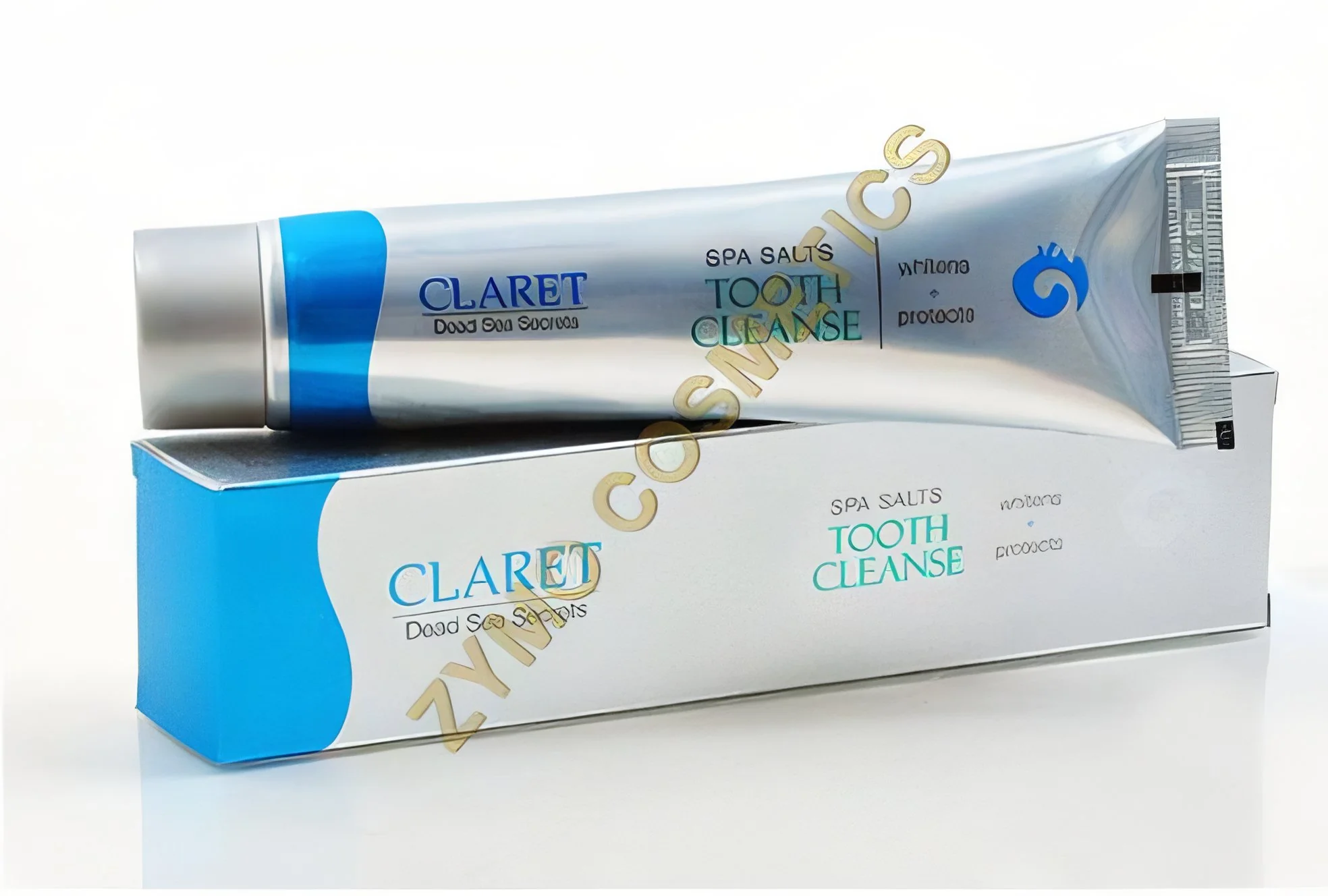
𝗪𝗵𝗮𝘁 𝗮𝗿𝗲 𝗡𝗮𝘁𝘂𝗿𝗮𝗹 & 𝗢𝗿𝗴𝗮𝗻𝗶𝗰 𝗧𝗼𝗼𝘁𝗵𝗽𝗮𝘀𝘁𝗲𝘀?
Natural and organic toothpastes are dental hygiene products formulated using ingredients derived from natural sources. These products typically avoid synthetic chemicals, artificial flavors, and preservatives, making them an appealing choice for health-conscious consumers. Natural toothpastes often include ingredients such as herbal extracts, essential oils, and natural abrasives, emphasizing their eco-friendly composition.
These toothpastes are primarily used for maintaining oral hygiene, providing an alternative to conventional products. Businesses in the personal care sector, such as dental clinics and health stores, frequently stock these products to cater to a growing customer base that prefers natural and organic options. The increasing consumer awareness about the effects of synthetic ingredients has led to a rise in demand for such products in the marketplace.
The relevance of natural and organic toothpastes in the industry is underscored by the trend towards sustainability and health-conscious living. As consumers become more discerning about their personal care products, businesses that offer natural alternatives are likely to see increased customer loyalty. The market for natural and organic products is projected to expand, driven by the shift in consumer preferences towards safer and more environmentally friendly options.
𝗞𝗲𝘆 𝗙𝗲𝗮𝘁𝘂𝗿𝗲𝘀 𝗮𝗻𝗱 𝗦𝗽𝗲𝗰𝗶𝗳𝗶𝗰𝗮𝘁𝗶𝗼𝗻𝘀
Natural and organic toothpastes come with various features that distinguish them from traditional options. These features often focus on their ingredient composition, efficacy, and environmental impact.
Key specifications include:
1. Ingredient Composition
- Typically contains natural extracts and essential oils
- Free from synthetic additives and harsh chemicals
2. Flavor Profile
- Available in a range of flavors derived from natural sources like mint, cinnamon, or citrus
- No artificial sweeteners or flavoring agents
3. Packaging
- Environmentally friendly packaging options available
- Recyclable or biodegradable materials used
4. Whitening Properties
- Formulated with natural abrasives for gentle whitening
- Avoids harsh bleaching agents
5. Sensitivity Formulation
- Some variants designed for sensitive teeth
- Contains soothing ingredients to minimize discomfort
6. Certifications
- May carry organic certifications or cruelty-free labels
- Compliance with international safety standards like CE
7. Shelf Life
- Typically shorter than conventional toothpastes due to natural ingredients
- Best used within a specified time frame after opening
8. Non-Foaming Options
- Some formulations are designed to be non-foaming
- Focus on natural cleaning without excessive suds
In summary, natural and organic toothpastes offer a variety of features that appeal to consumers seeking healthier and more sustainable oral care options.
𝗖𝗼𝗺𝗺𝗼𝗻 𝗔𝗽𝗽𝗹𝗶𝗰𝗮𝘁𝗶𝗼𝗻𝘀 𝗮𝗻𝗱 𝗨𝘀𝗲 𝗖𝗮𝘀𝗲𝘀
Natural and organic toothpastes find applications across several industries, reflecting their versatility and consumer appeal.
1. Dental Clinics: Many dental professionals recommend natural toothpastes to patients looking for gentle oral care solutions. These products can enhance overall dental hygiene and support patients with specific sensitivities.
2. Health Food Stores: Retailers focusing on organic and health-oriented products often stock natural toothpastes to meet the demands of eco-conscious consumers looking for alternatives to conventional brands.
3. E-commerce Platforms: Online marketplaces are increasingly featuring natural toothpaste options, allowing consumers to conveniently access a variety of products and brands.
4. Beauty Salons: Salons that emphasize holistic beauty treatments may offer natural toothpastes as part of their service, promoting a natural approach to beauty and health.
5. Eco-Friendly Brands: Companies focusing on sustainability often incorporate natural toothpastes into their product lines, aligning with their mission to provide environmentally responsible products.
6. Specialty Pharmacies: Pharmacies that cater to health-conscious customers may carry natural and organic toothpastes, providing options for those with specific health needs or preferences.
7. Subscription Services: Some personal care subscription boxes include natural toothpastes, allowing consumers to try various brands and formulations regularly.
𝗣𝗿𝗼𝗱𝘂𝗰𝘁 𝗩𝗮𝗿𝗶𝗮𝗻𝘁𝘀 𝗮𝗻𝗱 𝗦𝘂𝗯𝗰𝗮𝘁𝗲𝗴𝗼𝗿𝗶𝗲𝘀
Natural and organic toothpastes come in a variety of formulations to suit different consumer preferences and needs.
Fluoride-Free Toothpaste: This variant is designed for consumers who prefer to avoid fluoride. It often includes natural minerals and herbal ingredients that promote oral health without the use of fluoride.
Herbal Toothpaste: Formulated with a blend of herbs and plant extracts, this variant focuses on providing natural antibacterial properties. It is popular among consumers looking for holistic oral care solutions.
Whitening Natural Toothpaste: This toothpaste variant uses natural abrasives and non-toxic ingredients to help whiten teeth without chemical bleaching agents. It appeals to consumers concerned about the safety of traditional whitening products.
Children’s Natural Toothpaste: Specifically formulated for children, this variant is free from harmful chemicals and often features fun flavors to encourage kids to maintain oral hygiene.
Sensitivity Toothpaste: Designed for individuals with sensitive teeth, this variant incorporates soothing natural ingredients that provide relief while effectively cleaning and protecting enamel.
𝗕𝗲𝗻𝗲𝗳𝗶𝘁𝘀 𝗮𝗻𝗱 𝗔𝗱𝘃𝗮𝗻𝘁𝗮𝗴𝗲𝘀
Natural and organic toothpastes offer numerous benefits that enhance their appeal among consumers and businesses alike.
Key benefits include:
1. Healthier Ingredients: These toothpastes are formulated with natural components, reducing exposure to harmful chemicals and synthetic additives.
2. Eco-Friendly Options: Many natural toothpastes come in sustainable packaging, supporting environmentally conscious consumer choices.
3. Gentle on Sensitive Teeth: Formulations designed for sensitive teeth provide effective cleaning without causing discomfort, appealing to a broad audience.
4. Versatile Flavor Options: The use of natural flavors makes these toothpastes enjoyable for users, encouraging regular oral hygiene practices.
5. Biodegradable Materials: Many brands prioritize biodegradable or recyclable packaging, contributing to reduced environmental impact.
6. Consumer Trust: Brands focusing on natural ingredients often build stronger customer loyalty, as consumers feel more confident in their product choices.
𝗕𝘂𝘆𝗶𝗻𝗴 𝗚𝘂𝗶𝗱𝗲 𝗳𝗼𝗿 𝗕𝟮𝗕 𝗕𝘂𝘆𝗲𝗿𝘀
When sourcing natural and organic toothpastes, several factors should be considered to ensure informed purchasing decisions.
1. Quality Assessment: Evaluate the quality of ingredients and formulations. Look for certifications or tests that verify the product’s efficacy and safety.
2. Supplier Verification: It is crucial to vet suppliers thoroughly. Check their reputation, customer reviews, and compliance with industry regulations to ensure reliability.
3. Pricing and MOQ: Understand the pricing structure and minimum order quantities (MOQ). This helps manage budgets and inventory effectively.
4. Delivery and Lead Times: Inquire about logistics, including delivery schedules and lead times. Timely delivery is essential for maintaining stock levels.
5. Compliance Requirements: Ensure that the products meet local and international regulatory standards. Familiarize yourself with certifications that may apply to your market.
𝗖𝗼𝗺𝗽𝗹𝗶𝗮𝗻𝗰𝗲 𝗮𝗻𝗱 𝗖𝗲𝗿𝘁𝗶𝗳𝗶𝗰𝗮𝘁𝗶𝗼𝗻𝘀
Natural and organic toothpastes are subject to various compliance and certification requirements that ensure product safety and quality.
Quality standards such as ISO 9001 focus on effective quality management systems, which are crucial for manufacturers of personal care products. Adhering to these standards helps maintain product consistency and safety.
Industry certifications like CE signify that products meet European health, safety, and environmental protection standards. These certifications enhance product credibility and facilitate market entry in various regions.
Safety and testing requirements are vital in the production of natural toothpastes. Manufacturers must conduct thorough testing to ensure that their products are free from harmful substances and meet safety standards.
In addition, regional compliance considerations may vary significantly. It is essential for manufacturers and suppliers to stay updated on local regulations regarding ingredient restrictions and labeling requirements to ensure compliance in their target markets.
𝗪𝗵𝘆 𝗦𝗼𝘂𝗿𝗰𝗲 𝗡𝗮𝘁𝘂𝗿𝗮𝗹 & 𝗢𝗿𝗴𝗮𝗻𝗶𝗰 𝗧𝗼𝗼𝘁𝗵𝗽𝗮𝘀𝘁𝗲𝘀 𝗳𝗿𝗼𝗺 𝗣𝗲𝗽𝗮𝗴𝗼𝗿𝗮?
Pepagora provides a trusted platform for sourcing natural and organic toothpastes, offering several key advantages to B2B buyers.
Verified Supplier Network: Pepagora connects buyers with a network of verified suppliers, ensuring that all listed products meet stringent quality standards. This network reduces the risk of sourcing from unreliable manufacturers.
Streamlined RFQ Process: The platform features a simplified request for quotation (RFQ) process, allowing buyers to easily compare quotes from multiple suppliers. This efficiency helps in making informed purchasing decisions.
Trade Assurance and Support: Buyers benefit from trade assurance policies that protect their transactions. Pepagora’s dedicated support team is available to assist with any inquiries or issues that may arise during the purchasing process.
Regional Coverage: With a strong presence in regions such as India, GCC, and Southeast Asia, Pepagora offers geographic reach that facilitates access to a diverse range of natural and organic toothpastes, catering to various market needs.

 IN
IN