
 IN
INKids’ Toothbrushes (Manual & Electric)
3 products available
Key Features and Specifications
Common Applications and Use Cases
Product Variants and Subcategories
Benefits and Advantages
Buying Guide for B2B Buyers
Compliance and Certifications

Frequently Asked Questions
What are Kids’ Toothbrushes (Manual & Electric)?
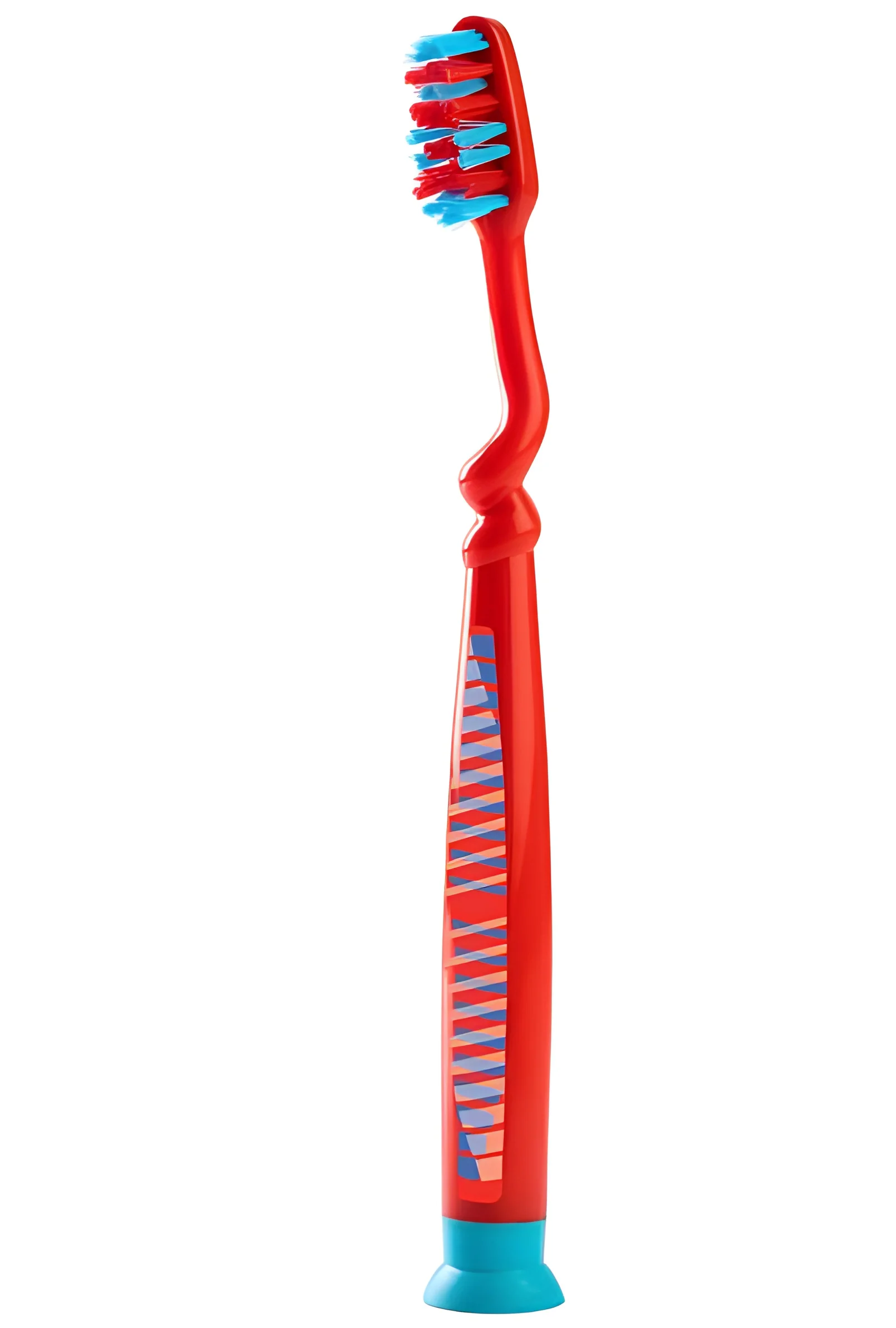
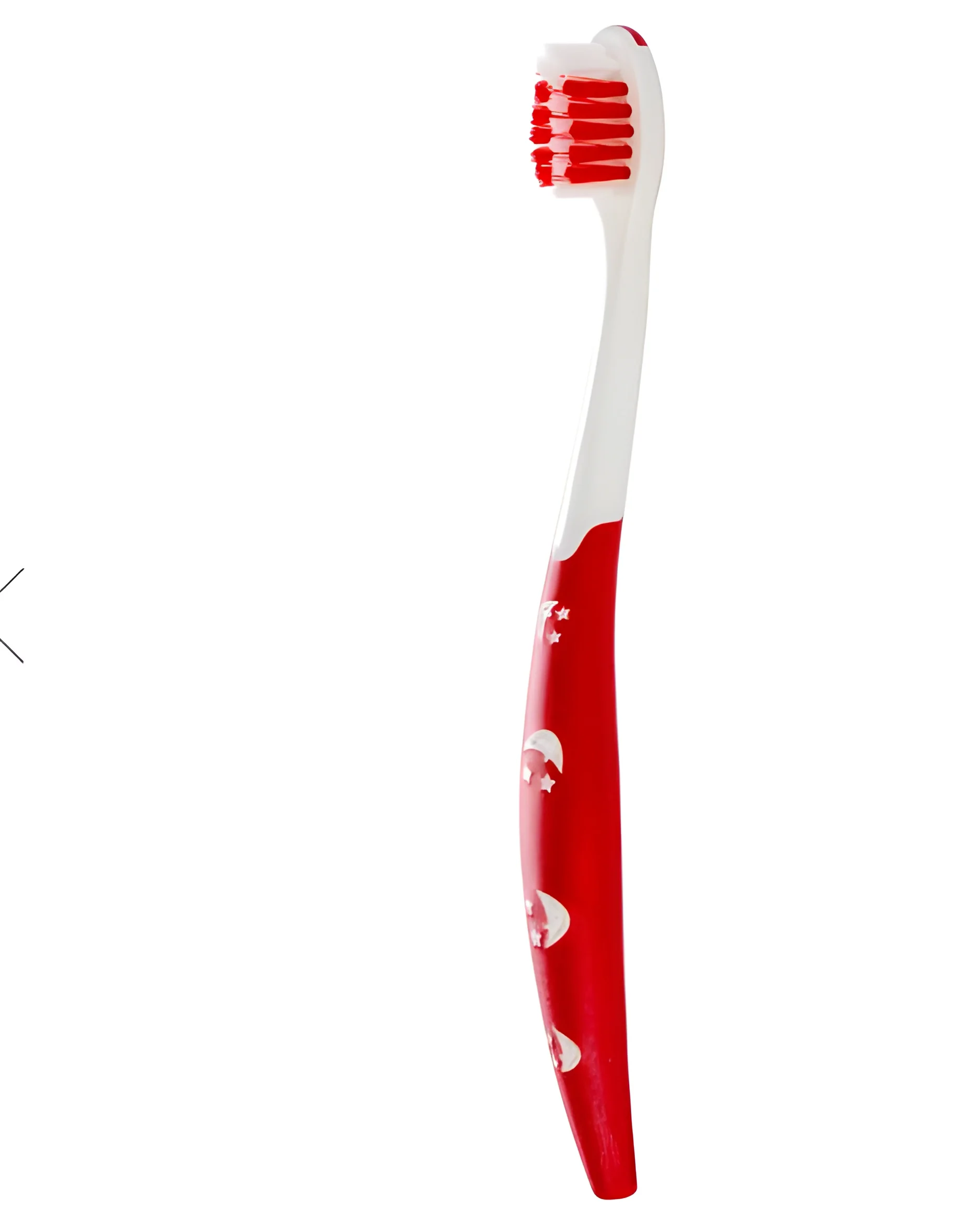
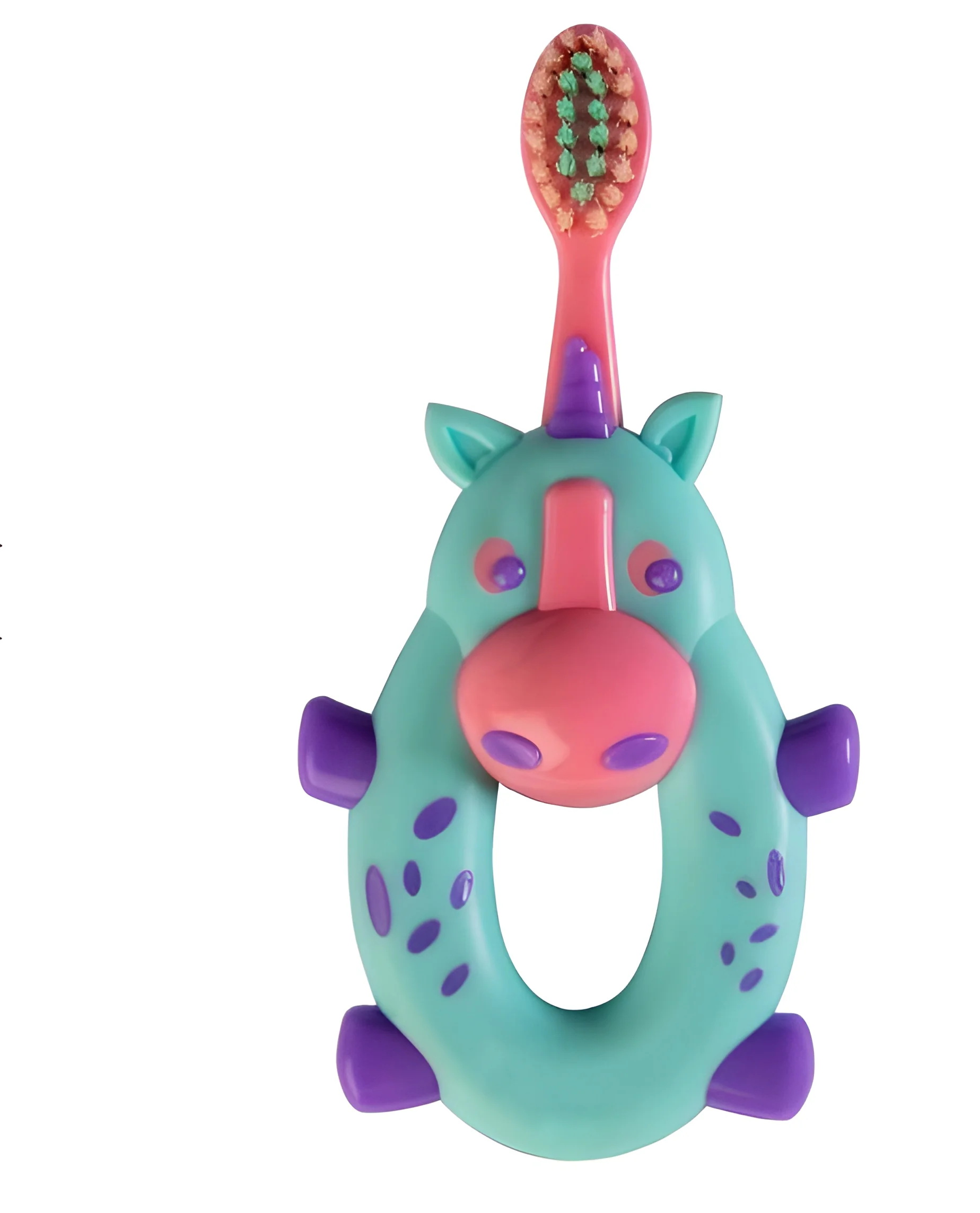
Kids’ Toothbrushes (Manual & Electric) are specially designed toothbrushes aimed at children to promote effective oral hygiene. Manual toothbrushes require physical hand movement, while electric toothbrushes provide automated brushing action, often featuring fun designs to engage children.
What are the different types of Kids’ Toothbrushes (Manual & Electric)?
The different types of Kids’ Toothbrushes include manual toothbrushes, which are available in various sizes and bristle firmness, and electric toothbrushes that come with features such as timers, pressure sensors, and colorful designs. Some electric models are rechargeable, while others use replaceable batteries.
How do I choose the right Kids’ Toothbrushes (Manual & Electric)?
To choose the right Kids’ Toothbrushes, consider the child's age, the size of the toothbrush head, and the softness of the bristles. It's also important to select a toothbrush that is easy for the child to hold and maneuver, and one that features designs or characters they enjoy to encourage regular use.
What are the standard specifications for Kids’ Toothbrushes (Manual & Electric)?
Standard specifications for Kids’ Toothbrushes include a head size that is appropriate for a child’s mouth, soft bristles to prevent gum damage, and handles designed for small hands. Electric toothbrushes may also specify battery life, charging time, and additional features such as vibration or sound.
What is the price range for Kids’ Toothbrushes (Manual & Electric)?
The price range for Kids’ Toothbrushes varies based on type and features, typically ranging from INR 100 to INR 2,500. Manual toothbrushes are generally more affordable, while electric toothbrushes can be on the higher end due to their technology and features.
What quality standards apply to Kids’ Toothbrushes (Manual & Electric)?
Quality standards for Kids’ Toothbrushes generally include compliance with regulations set by health authorities and organizations such as the American Dental Association (ADA). Materials used must be safe for children, non-toxic, and durable to withstand regular use.
Where can I find Kids’ Toothbrushes (Manual & Electric) suppliers in India?
You can find Kids’ Toothbrushes suppliers in India through B2B marketplaces like Pepagora.com, which connect buyers with manufacturers and wholesalers. Additionally, local dental supply shops and trade shows can provide contacts for suppliers in this category.
Can Kids’ Toothbrushes (Manual & Electric) be customized?
Yes, Kids’ Toothbrushes can often be customized to include specific colors, designs, or branding elements. Many manufacturers offer customization options to create unique products that appeal to children or fit specific marketing needs.
What is the typical minimum order quantity for Kids’ Toothbrushes (Manual & Electric)?
The typical minimum order quantity (MOQ) for Kids’ Toothbrushes varies by supplier but generally ranges from 500 to 1,000 units. It's advisable to check with specific manufacturers or suppliers for their MOQ requirements.
What is the typical lead time for Kids’ Toothbrushes (Manual & Electric)?
The typical lead time for Kids’ Toothbrushes can vary based on order size and customization but usually ranges from 2 to 6 weeks. Factors such as manufacturing location and shipping methods can also influence delivery times.
Why Businesses Trust Pepagora
Thousands of companies trust Pepagora to source smarter and sell faster
Expand Your Sales Globally

Source Smarter,Grow Faster
