
 IN
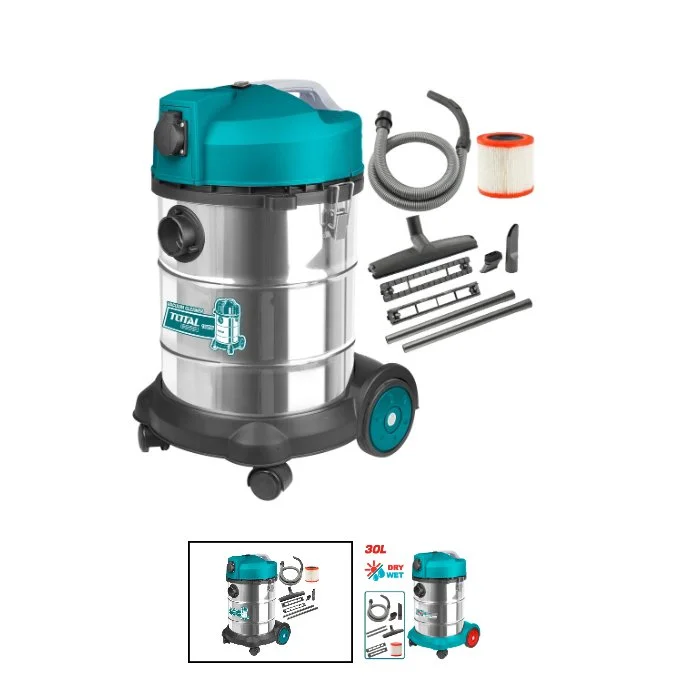
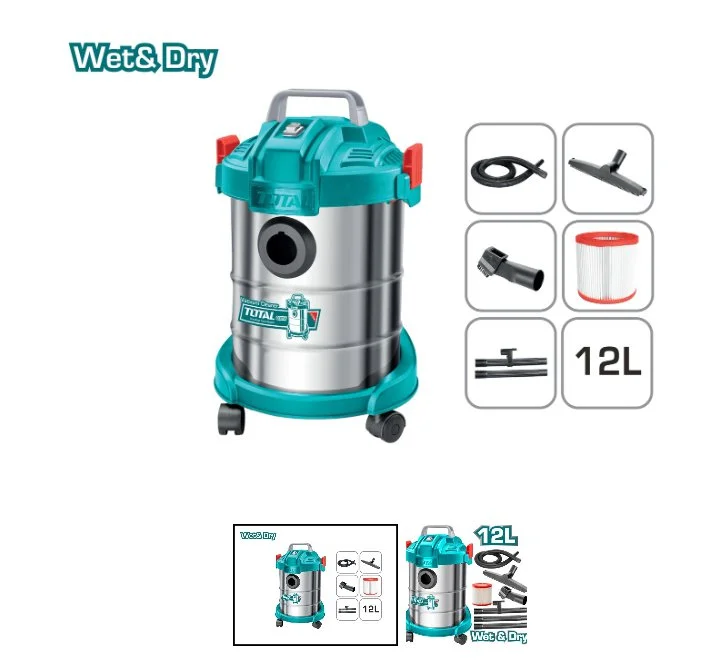
Wet & Dry Vacuum Cleaners
3 products available
What are Wet & Dry Vacuum Cleaners?
Wet and dry vacuum cleaners are versatile cleaning machines designed to handle both liquid and solid waste. They feature powerful suction capabilities and are equipped with specialized filters and containers to safely collect a variety of debris. These machines are essential tools in many commercial and industrial settings, enabling efficient cleaning and maintenance operations.
These vacuum cleaners are commonly used in various sectors, including construction, manufacturing, hospitality, and automotive industries. They are ideal for cleaning up spills, removing dust and debris, and maintaining cleanliness in large areas. With their dual functionality, wet and dry vacuum cleaners enhance productivity and ensure safety in workplaces by quickly addressing potential hazards associated with spills and clutter.
As the demand for efficient cleaning solutions grows, wet and dry vacuum cleaners have become increasingly relevant in the market. Businesses are recognizing the importance of maintaining a clean environment, not only for compliance but also for enhancing employee satisfaction and productivity. Companies investing in these machines can expect long-lasting performance and reliability.
Key Features and Specifications
Wet and dry vacuum cleaners are equipped with a range of features that enhance their functionality and ease of use. Understanding these specifications is crucial for selecting the right model for specific needs.
Key specifications include:
1. Suction Power
- Measured in watts or air watts
- High suction power ensures efficient cleaning of various debris types
2. Tank Capacity
- Ranges from 10 to 100 liters
- Larger tanks reduce the frequency of emptying during operations
3. Filtration System
- Includes HEPA filters for fine dust and allergens
- Multiple filter options allow for versatility in cleaning applications
4. Mobility Features
- Equipped with wheels or casters for easy maneuverability
- Some models include ergonomic handles for better control
5. Noise Level
- Typically ranges from 60 to 80 dB
- Lower noise levels are preferable for environments requiring minimal disruption
6. Power Source
- Can be corded or battery-operated
- Battery-operated models offer greater flexibility in remote areas
7. Accessory Attachments
- Includes a variety of nozzles and brushes for different surfaces
- Specialized attachments enhance cleaning efficiency
8. Safety Features
- Includes automatic shut-off systems to prevent overflow
- Durable construction ensures long-lasting performance
In summary, wet and dry vacuum cleaners are designed with specific features that cater to diverse cleaning needs, ensuring businesses can maintain a clean and safe working environment.
Common Applications and Use Cases
Wet and dry vacuum cleaners serve a wide array of industries, providing effective cleaning solutions tailored to their specific needs.
1. Construction: These vacuum cleaners are indispensable on construction sites for quickly removing debris, dust, and liquid spills, ensuring a safer working environment.
2. Manufacturing: In manufacturing facilities, they are used to clean up metal shavings, solvents, and other materials, promoting cleanliness and safety in production areas.
3. Hospitality: Hotels and restaurants utilize wet and dry vacuum cleaners to keep dining areas and kitchens clean, addressing spills and maintaining hygiene standards.
4. Automotive: In automotive shops, these vacuums are essential for cleaning up oil spills, dust, and other residues, enhancing the workspace's cleanliness and safety.
5. Janitorial Services: Cleaning companies rely on wet and dry vacuum cleaners to provide comprehensive cleaning solutions in commercial spaces, ensuring efficient and effective service delivery.
6. Retail: Retail environments benefit from these vacuums to manage spills and maintain clean aisles, contributing to a positive shopping experience.
7. Agriculture: Farms utilize wet and dry vacuum cleaners to clean up liquid waste and debris, ensuring sanitary conditions for livestock and crops.
Product Variants and Subcategories
Wet and dry vacuum cleaners come in various configurations to meet different cleaning requirements. Each variant is designed to cater to specific applications and environments.
Compact Wet & Dry Vacuum Cleaner
This variant is ideal for small spaces and light-duty tasks. It is portable and easy to store, making it suitable for residential use or smaller commercial applications.
Heavy-Duty Wet & Dry Vacuum Cleaner
Engineered for industrial settings, this variant offers high suction power and larger tank capacities. It is designed to handle tough cleaning jobs, including hazardous materials.
Commercial Wet & Dry Vacuum Cleaner
Designed for regular use in commercial spaces, this variant balances power and portability. It often features advanced filtration systems for improved air quality during cleaning.
Benefits and Advantages
Investing in wet and dry vacuum cleaners brings numerous advantages to businesses across various sectors.
1. Versatility: These machines can handle both liquid and solid waste, making them suitable for diverse cleaning tasks.
2. Efficiency: High suction power and large tank capacities allow for quicker cleaning processes, reducing downtime in operations.
3. Enhanced Safety: By promptly addressing spills and debris, these vacuums help maintain a safe working environment and reduce the risk of accidents.
4. Improved Air Quality: Advanced filtration systems capture fine dust and allergens, contributing to a healthier indoor air environment.
5. Cost-Effectiveness: Long-lasting performance and reduced cleaning times result in lower operational costs over time.
6. Ease of Use: Many models are designed with user-friendly features, including mobility options and a variety of attachments, simplifying the cleaning process.
Buying Guide for B2B Buyers
When sourcing wet and dry vacuum cleaners, businesses should consider several important factors to ensure they select the right equipment for their needs.
1. Quality Assessment: Evaluate the build quality and material specifications to ensure durability. Look for reputable brands that are known for their reliability and performance.
2. Supplier Verification: It is important to vet suppliers based on their track record, customer reviews, and certifications. A reliable supplier should be able to provide adequate support and service.
3. Pricing and MOQ: Understand the pricing structure and minimum order quantities (MOQ) to align with your budget and purchasing capabilities.
4. Delivery and Lead Times: Consider the logistics involved in the purchase, including expected lead times for delivery, to ensure that the equipment arrives when needed.
5. Compliance Requirements: Be aware of any regulatory compliance relevant to your industry, including safety standards and environmental regulations, to ensure the equipment meets necessary guidelines.
Compliance and Certifications
Wet and dry vacuum cleaners must adhere to various quality standards and certifications to ensure their reliability and safety in industrial applications.
ISO 9001 is a widely recognized standard for quality management systems, indicating that the manufacturing processes meet international quality requirements. Additionally, compliance with HACCP (Hazard Analysis Critical Control Point) is essential for equipment used in food production and handling, ensuring safety and minimizing risks.
Many wet and dry vacuum cleaners carry the CE mark, indicating compliance with European safety and environmental standards. This certification assures users that the product meets essential health and safety requirements.
Safety testing is crucial for these machines, ensuring they perform effectively without posing risks to users or environments. Regional compliance considerations may vary, so it is important to check local regulations and standards that apply to specific industries and applications.
Why Source Wet & Dry Vacuum Cleaners from Pepagora?
Pepagora offers a trusted platform for sourcing wet and dry vacuum cleaners, presenting several key advantages for B2B buyers.
Verified Supplier Network: Pepagora's network consists of vetted suppliers who have demonstrated reliability and quality in their products. This verification process provides buyers with peace of mind when selecting equipment.
Streamlined RFQ Process: The request for quotation (RFQ) system simplifies sourcing by allowing buyers to easily compare prices and features from multiple suppliers. This efficiency helps businesses make informed purchasing decisions.
Trade Assurance and Support: Pepagora prioritizes buyer protection, offering support throughout the purchasing process. This assurance helps mitigate risks associated with online procurement.
Regional Coverage: With a strong presence in India, the GCC, and Southeast Asia, Pepagora provides extensive geographic reach, ensuring that businesses can find suitable suppliers and products tailored to their local markets.


Frequently Asked Questions
What are Wet & Dry Vacuum Cleaners?
Wet & Dry Vacuum Cleaners are versatile cleaning machines designed to handle both liquid and solid waste. They are equipped with powerful suction capabilities that allow them to efficiently clean various surfaces, making them ideal for commercial and industrial use.
What are the different types of Wet & Dry Vacuum Cleaners?
There are several types of Wet & Dry Vacuum Cleaners, including portable models, industrial-grade units, and those designed for specific tasks such as car detailing. Each type is tailored to meet different cleaning needs and environments, varying in size, power, and functionality.
How do I choose the right Wet & Dry Vacuum Cleaners?
To choose the right Wet & Dry Vacuum Cleaner, consider factors such as the size of the area to be cleaned, the types of debris you will encounter, and the required suction power. Additionally, evaluate features like tank capacity, mobility, and attachments that may enhance cleaning efficiency.
What are the standard specifications for Wet & Dry Vacuum Cleaners?
Standard specifications for Wet & Dry Vacuum Cleaners include motor power (measured in watts or horsepower), tank capacity (in liters or gallons), and suction capability (measured in air watts). Other specifications may include filter types, hose length, and the presence of additional attachments.
What is the price range for Wet & Dry Vacuum Cleaners?
The price range for Wet & Dry Vacuum Cleaners can vary significantly based on brand, specifications, and intended use. Generally, prices can start from around INR 5,000 for basic models and can go up to INR 50,000 or more for advanced industrial units.
What quality standards apply to Wet & Dry Vacuum Cleaners?
Wet & Dry Vacuum Cleaners are often subject to quality standards such as ISI certification, which ensures compliance with safety and performance guidelines. Additionally, manufacturers may adhere to international standards like ISO to guarantee product reliability and efficiency.
Where can I find Wet & Dry Vacuum Cleaners suppliers in India?
You can find Wet & Dry Vacuum Cleaners suppliers in India through online B2B marketplaces, trade shows, and industry directories. Platforms like Pepagora.com provide a comprehensive list of manufacturers and suppliers to facilitate your sourcing needs.
Can Wet & Dry Vacuum Cleaners be customized?
Yes, many manufacturers offer customization options for Wet & Dry Vacuum Cleaners to meet specific client requirements. Customizations may include modifications in size, additional features, or branding options to suit various applications.
What is the typical minimum order quantity for Wet & Dry Vacuum Cleaners?
The typical minimum order quantity (MOQ) for Wet & Dry Vacuum Cleaners can vary based on the supplier and model. Generally, MOQs can range from a single unit for smaller suppliers to several units for larger manufacturers.
What is the typical lead time for Wet & Dry Vacuum Cleaners?
The typical lead time for Wet & Dry Vacuum Cleaners depends on the supplier and their production capacity. Generally, lead times can range from 1 to 4 weeks, depending on whether the units are in stock or require manufacturing.
Why Businesses Trust Pepagora
Thousands of companies trust Pepagora to source smarter and sell faster
Expand Your Sales Globally

Source Smarter,Grow Faster
