What are Compost Bins & Kitchen Waste Containers?
Compost bins and kitchen waste containers are essential tools for managing organic waste effectively. These products are designed to collect kitchen scraps, yard waste, and other biodegradable materials, transforming them into nutrient-rich compost. This process not only reduces landfill waste but also provides an environmentally friendly alternative to traditional waste disposal methods. Compost bins are typically larger, intended for outdoor use, while kitchen waste containers are smaller and designed for indoor use.
The primary applications of these containers extend beyond home gardening. Businesses such as restaurants, hotels, and food processing facilities utilize compost bins and kitchen waste containers to manage their organic waste sustainably. By composting their food waste, these businesses can cut disposal costs, enhance their sustainability initiatives, and even produce organic fertilizers for landscaping or gardening purposes. The growing emphasis on sustainability in various industries has increased the relevance of compost bins and kitchen waste containers in the market.
As environmental regulations become more stringent, industries are seeking effective ways to minimize waste and reduce their carbon footprint. The demand for composting solutions has surged, with many organizations recognizing the economic and ecological benefits associated with composting. Consequently, the market for compost bins and kitchen waste containers is expected to continue growing as more businesses adopt sustainable waste management practices.
Key Features and Specifications
Compost bins and kitchen waste containers come with various features designed to enhance their usability and efficiency. Understanding these specifications can help businesses select the right products for their needs.
Key specifications include:
1. Material Composition
- Made from durable, weather-resistant materials such as plastic or metal
- Options for biodegradable or recycled materials
2. Capacity
- Available in various sizes, typically ranging from 5 to 100 gallons
- Suitable for different waste volumes based on business size
3. Ventilation System
- Designed with airflow features to promote aerobic composting
- Helps control odor and accelerate the decomposition process
4. Collection Mechanism
- Some models feature removable inner buckets for easy waste collection
- Others may have a built-in composter for direct composting
5. Pest Control
- Many compost bins come with lids or screens to deter pests
- Designed to prevent animals from accessing the organic waste
6. Ease of Use
- Features like handles for portability and ergonomic designs for convenience
- Some models include measurement indicators for monitoring compost levels
7. Maintenance Requirements
- Easy to clean and maintain, with removable parts for thorough cleaning
- Resistance to rust, corrosion, and fading
In summary, selecting the right compost bin or kitchen waste container involves considering material, capacity, ventilation, and other features. These specifications play a vital role in ensuring effective waste management.
Common Applications and Use Cases
Compost bins and kitchen waste containers find applications across various industries, making them versatile tools for waste management.
1. Restaurants: Many restaurants use compost bins to recycle food scraps and organic waste generated during meal preparation. This practice helps reduce disposal costs and contributes to sustainability efforts.
2. Hotels: Hotels often implement composting in their kitchens to manage food waste from dining services. This initiative not only reduces waste but also provides organic matter for landscaping.
3. Food Processing Facilities: These facilities can benefit from compost bins to handle large volumes of organic waste efficiently. Composting helps minimize disposal fees and meets regulatory requirements for waste management.
4. Schools: Educational institutions are increasingly adopting composting programs. Compost bins in cafeterias allow students to learn about sustainability while managing food waste effectively.
5. Community Gardens: Community gardens use compost bins to recycle organic materials collected from participants. This fosters community involvement and promotes eco-friendly gardening practices.
6. Landscaping Companies: Landscaping businesses often generate organic waste from yard maintenance. Compost bins provide a cost-effective way to recycle this waste into compost for soil improvement.
Product Variants and Subcategories
The diversity of compost bins and kitchen waste containers caters to different needs and preferences.
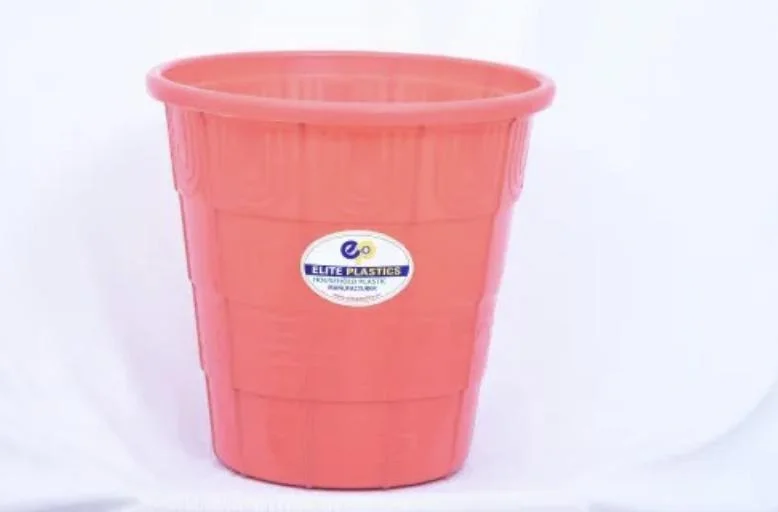
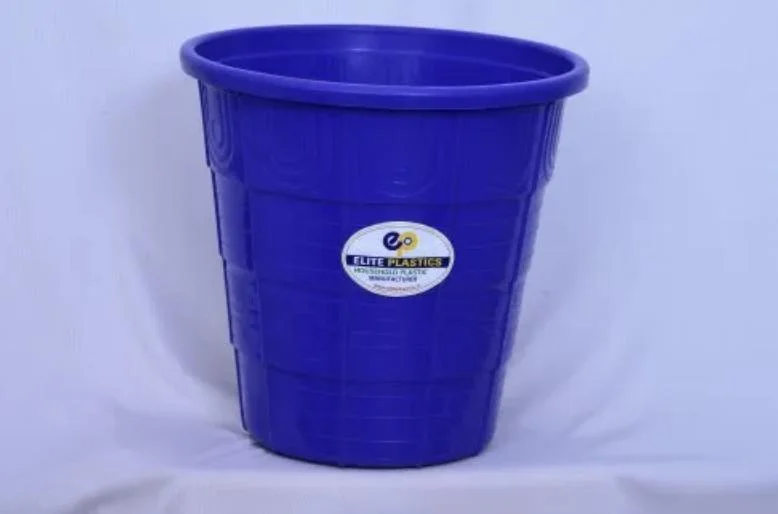
Compact Kitchen Waste Containers
These containers are designed for small kitchen spaces, making them ideal for apartments and homes with limited room. They typically feature a sleek design and can hold several days' worth of food scraps.
Outdoor Compost Bins
These larger bins are suitable for outdoor use and designed to handle greater volumes of organic waste. They often include features like ventilation and pest control to support efficient composting.
Worm Composting Bins
Also known as vermicomposting bins, these are specialized containers that use worms to break down organic waste. They are particularly popular among gardeners who wish to produce high-quality compost.
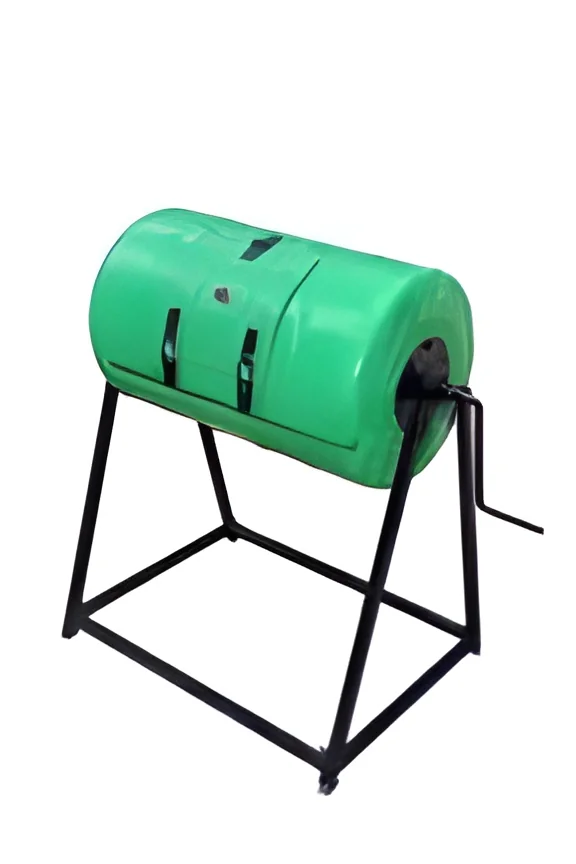
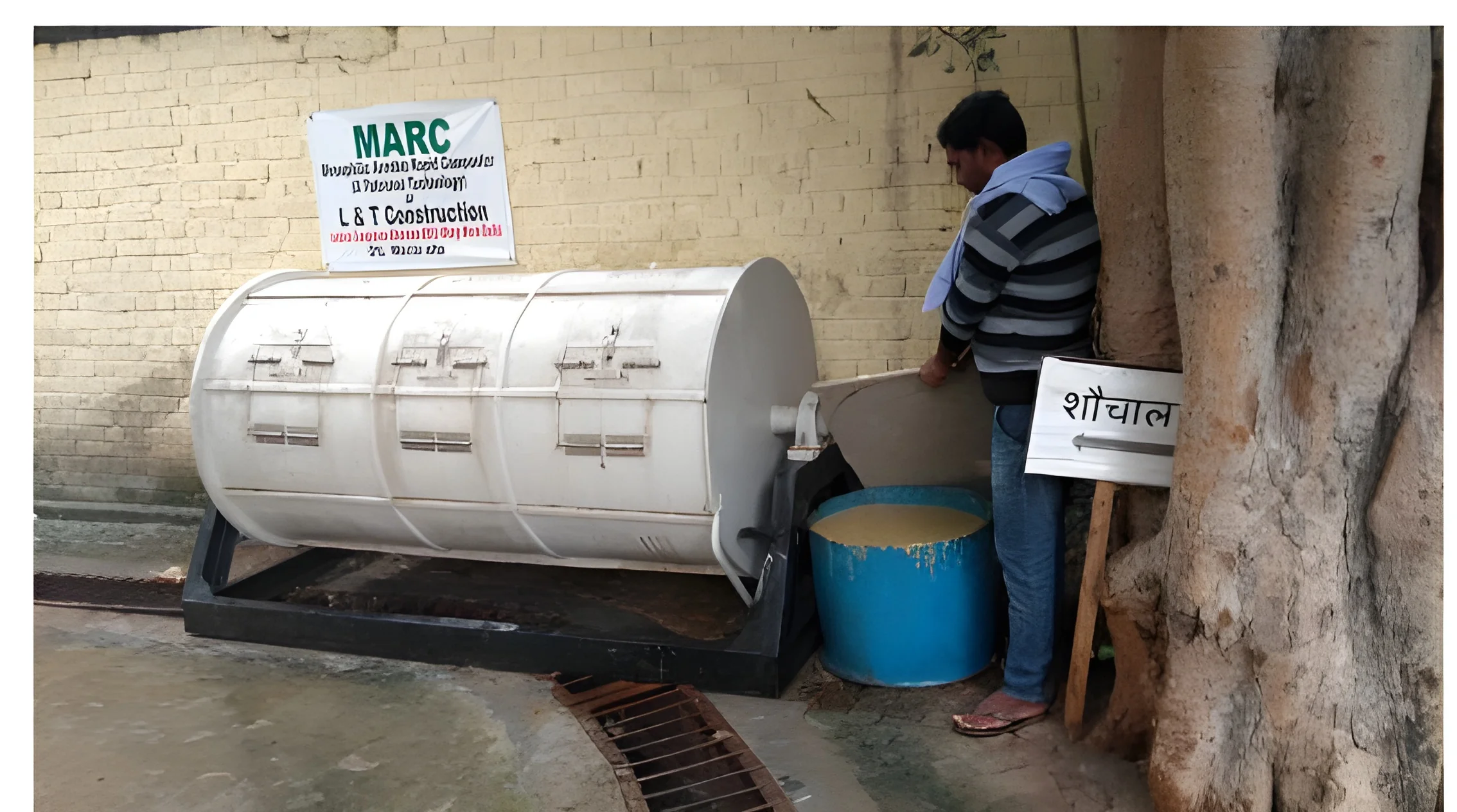
Compost Tumblers
These rotating bins allow for easy mixing of compost materials, accelerating the decomposition process. They are suitable for both home and commercial use, providing a convenient option for active composting.
Benefits and Advantages
Investing in compost bins and kitchen waste containers offers several advantages for businesses and organizations.
Key benefits include:
1. Waste Reduction: Composting significantly reduces the volume of organic waste sent to landfills, promoting environmentally friendly waste management.
2. Cost Savings: By managing waste on-site, businesses can lower disposal costs and potentially generate savings through composting practices.
3. Nutrient-Rich Compost: The compost produced can be used to enrich soil, benefiting landscaping and gardening efforts while minimizing the need for chemical fertilizers.
4. Sustainability Initiatives: Utilizing compost bins supports corporate sustainability goals, enhancing a company's reputation among eco-conscious consumers.
5. Regulatory Compliance: Composting helps businesses meet local regulations regarding organic waste disposal, avoiding potential fines and penalties.
6. Educational Opportunities: Implementing composting programs can serve as a teaching tool for employees and customers about sustainability practices and environmental responsibility.
Buying Guide for B2B Buyers
When sourcing compost bins and kitchen waste containers, several factors should be considered to ensure the right investment.
1. Quality Assessment: Evaluate the materials used and overall construction of the compost bins to ensure durability and longevity. Look for products with proven performance in composting.
2. Supplier Verification: Vet potential suppliers by checking their reputation and reviews. Ensure they provide reliable products and have a history of good customer service.
3. Pricing and MOQ: Understand the pricing structure, including any discounts for bulk purchases. Additionally, inquire about the minimum order quantity to ensure it aligns with your needs.
4. Delivery and Lead Times: Discuss delivery options and lead times with suppliers to ensure timely receipt of products. This is particularly important for businesses with a pressing need for waste management solutions.
5. Compliance Requirements: Confirm that the compost bins meet any relevant regulatory standards for your industry. This may include certifications or approvals necessary for use in specific environments.
Compliance and Certifications
Compost bins and kitchen waste containers must adhere to various quality standards and certifications to ensure safety and functionality.
Relevant quality standards include ISO 9001, which outlines requirements for a quality management system. This certification helps in ensuring consistent quality and continuous improvement in manufacturing processes.
In addition, HACCP (Hazard Analysis Critical Control Point) standards may apply, especially for products used in food service environments. This ensures that composting practices do not compromise food safety.
The CE marking indicates compliance with European Union safety, health, and environmental protection standards. This certification assures buyers that the products meet essential requirements for safe usage.
Regional compliance is also a consideration, as different areas may have specific regulations governing organic waste management. It is essential for businesses to ensure that their chosen compost bins and containers meet local regulations to avoid potential legal issues.
Why Source Compost Bins & Kitchen Waste Containers from Pepagora?
Pepagora serves as a trusted platform for sourcing compost bins and kitchen waste containers, providing several key advantages to buyers.
Verified Supplier Network: Pepagora connects businesses with a network of verified suppliers who meet rigorous quality standards. This ensures that buyers receive reliable products backed by reputable manufacturers.
Streamlined RFQ Process: The request for quotation system simplifies the sourcing process. Buyers can easily compare offers from multiple suppliers, helping them make informed purchasing decisions.
Trade Assurance and Support: Pepagora offers buyer protection through trade assurance programs. This provides peace of mind, ensuring that businesses can confidently invest in their waste management solutions.
Regional Coverage: With a broad geographic reach across India, the GCC, and Southeast Asia, Pepagora facilitates access to a diverse range of compost bins and kitchen waste containers. This allows businesses to find the right products tailored to their specific needs.

 IN
IN