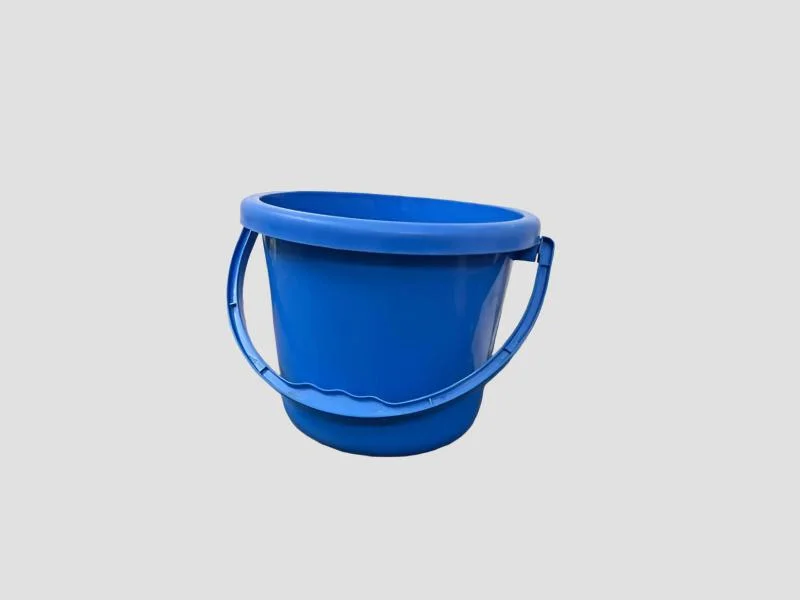
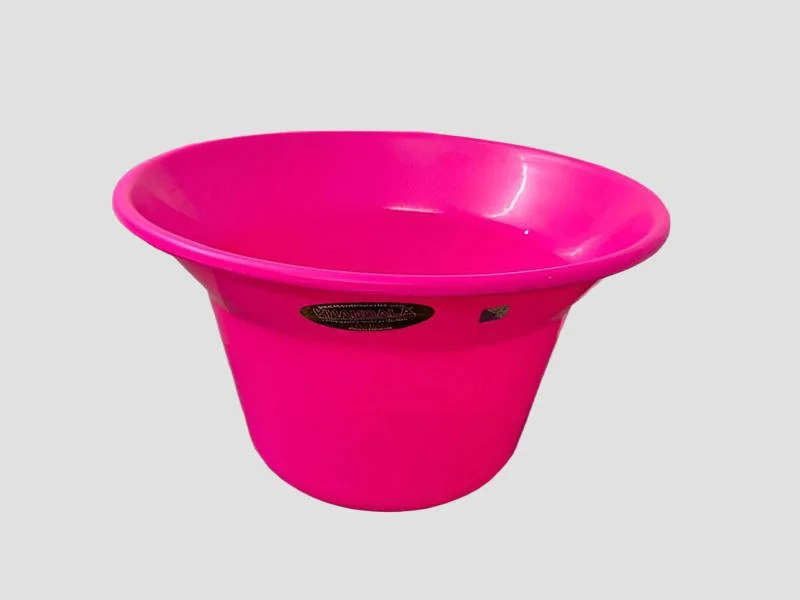
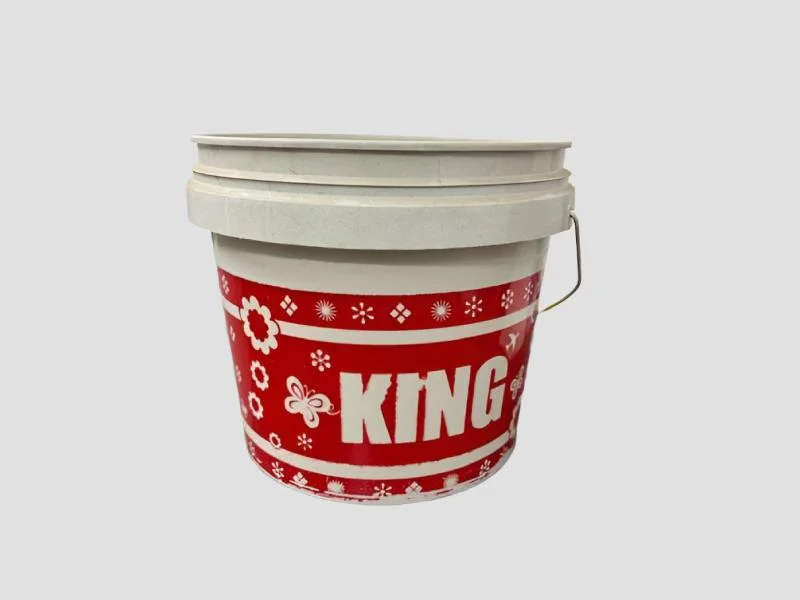
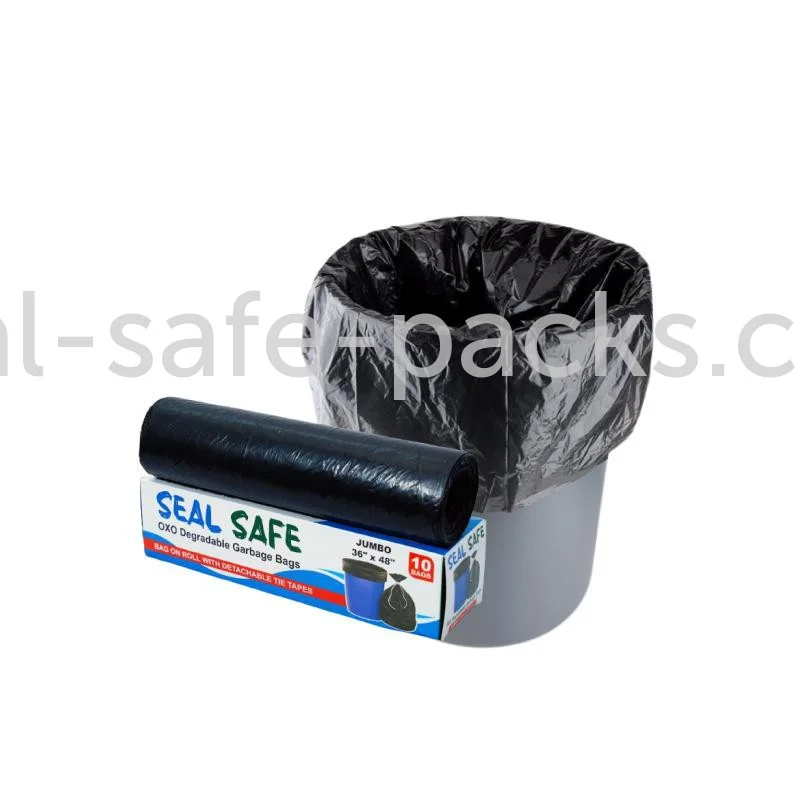
𝗪𝗵𝗮𝘁 𝗮𝗿𝗲 𝗖𝗹𝗲𝗮𝗻𝗶𝗻𝗴 𝗧𝗼𝗼𝗹𝘀 & 𝗘𝗾𝘂𝗶𝗽𝗺𝗲𝗻𝘁?
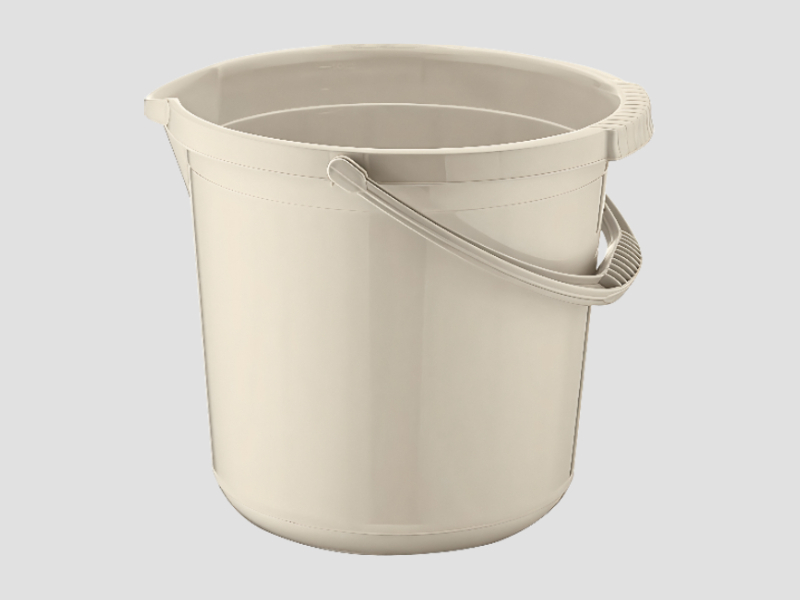
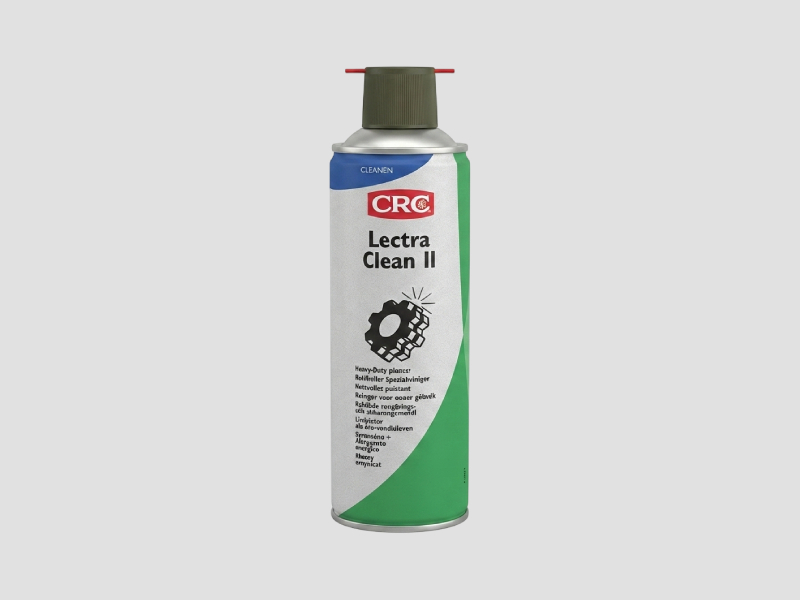
Cleaning tools and equipment encompass a wide range of products designed for the purpose of cleaning and maintaining various environments. These tools include manual devices such as brooms, mops, and brushes, as well as powered equipment like vacuum cleaners, pressure washers, and industrial floor scrubbers. The primary aim of these tools is to enhance cleanliness, hygiene, and overall maintenance in both residential and commercial settings.
The primary uses of cleaning tools and equipment span across multiple sectors, including hospitality, healthcare, manufacturing, and more. Businesses utilize these tools to ensure compliance with health standards, maintain aesthetic appeal, and promote a safe environment. In industries such as food service, regular cleaning is vital to avoid contamination. Likewise, in manufacturing, maintaining cleanliness aids in operational efficiency and safety.
The relevance of cleaning tools and equipment in today’s market cannot be overstated. As cleanliness and hygiene gain increased attention, particularly in response to health crises, the demand for effective cleaning solutions continues to rise. This trend is further supported by regulatory frameworks that emphasize sanitation, creating a robust market for cleaning products and services.
𝗞𝗲𝘆 𝗙𝗲𝗮𝘁𝘂𝗿𝗲𝘀 𝗮𝗻𝗱 𝗦𝗽𝗲𝗰𝗶𝗳𝗶𝗰𝗮𝘁𝗶𝗼𝗻𝘀
Cleaning tools and equipment come with various features and specifications that define their performance and suitability for specific tasks. Understanding these specifications is crucial for businesses looking to invest in effective cleaning solutions.
Key specifications include:
1. Type of Tool
- Manual or powered options
- Specific applications based on industry needs
2. Material Composition
- Durable materials such as plastic, metal, or composite
- Resistance to chemicals and wear
3. Size and Weight
- Compact designs for easy storage and maneuverability
- Weight specifications for ease of use
4. Power Source
- Electric, battery-operated, or manual options
- Voltage and power ratings for electric tools
5. Performance Ratings
- Suction power for vacuum cleaners
- Pressure ratings for pressure washers
6. Ergonomics
- Design features that promote comfort and reduce strain
- Adjustable handles and grips
7. Maintenance Requirements
- Ease of cleaning and maintenance of the tools
- Replacement parts availability
8. Safety Features
- Non-slip handles, safety locks, and other protective elements
- Compliance with safety standards
These specifications help businesses select the right cleaning tools and equipment tailored to their operational needs.
𝗖𝗼𝗺𝗺𝗼𝗻 𝗔𝗽𝗽𝗹𝗶𝗰𝗮𝘁𝗶𝗼𝗻𝘀 𝗮𝗻𝗱 𝗨𝘀𝗲 𝗖𝗮𝘀𝗲𝘀
Cleaning tools and equipment are versatile and serve various industries effectively.
1. Hospitality: In hotels and restaurants, cleaning tools are essential for maintaining cleanliness in guest rooms, dining areas, and kitchens, ensuring a pleasant experience for clients.
2. Healthcare: Hospitals and clinics rely on specialized cleaning equipment to maintain sterile environments, preventing the spread of infections and ensuring patient safety.
3. Manufacturing: In factories, cleaning tools are used to keep production areas free from dust, debris, and hazardous materials, contributing to a safe working environment.
4. Retail: Stores utilize cleaning equipment to enhance the shopping experience, ensuring floors, shelves, and displays are clean and presentable.
5. Education: Schools and universities employ cleaning tools to maintain hygiene in classrooms, cafeterias, and common areas, promoting a healthy learning environment.
6. Janitorial Services: Professional cleaning companies use a wide range of cleaning tools and equipment to service various facilities, from offices to industrial sites.
7. Automotive: Car washes and service centers utilize specialized equipment for cleaning vehicles, ensuring they meet customer satisfaction.
𝗣𝗿𝗼𝗱𝘂𝗰𝘁 𝗩𝗮𝗿𝗶𝗮𝗻𝘁𝘀 𝗮𝗻𝗱 𝗦𝘂𝗯𝗰𝗮𝘁𝗲𝗴𝗼𝗿𝗶𝗲𝘀
The diversity of cleaning tools and equipment allows businesses to choose from various variants based on their specific needs.
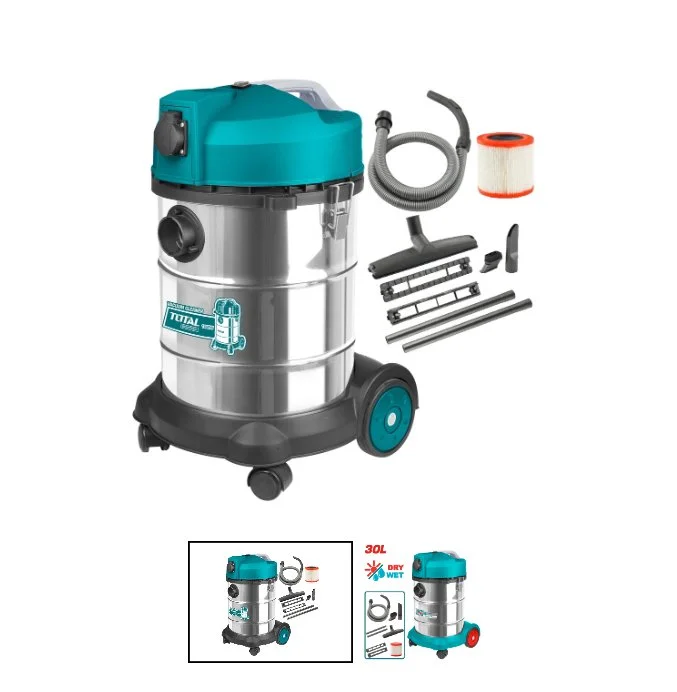
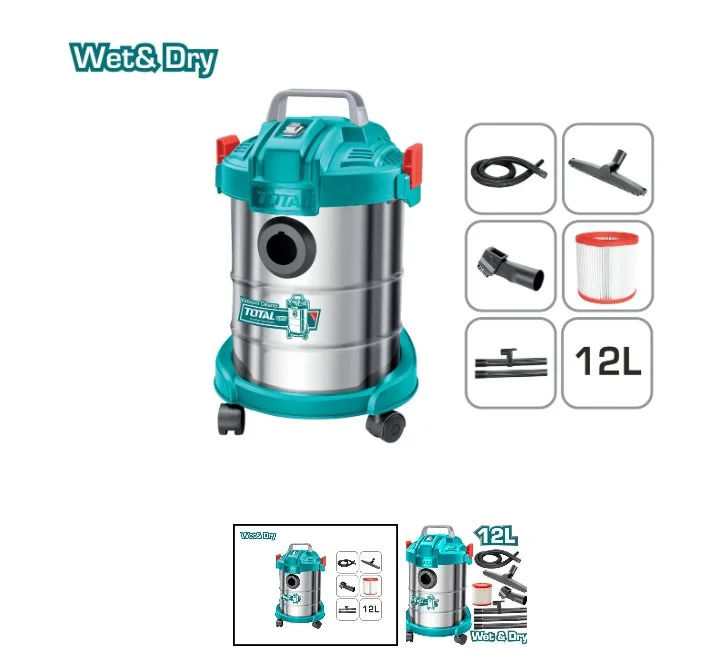
Vacuum Cleaners: These are essential for removing dust and debris from floors, carpets, and upholstery. They come in various models, including upright, canister, and robotic options, each designed for specific cleaning tasks.
Pressure Washers: Ideal for outdoor cleaning tasks, pressure washers use high-pressure water jets to remove dirt, grime, and stains from surfaces like driveways, sidewalks, and vehicles.
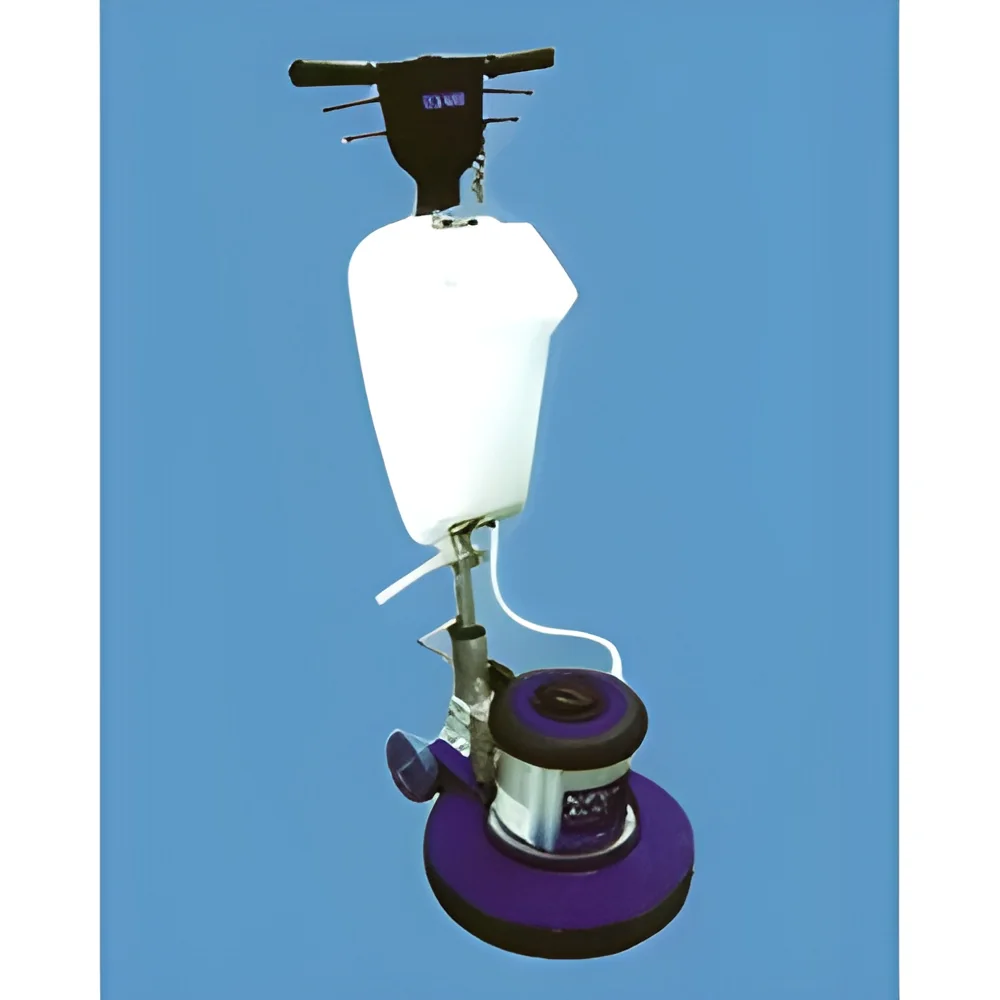
Floor Scrubbers: These machines are designed for deep cleaning hard floors. They efficiently scrub and dry surfaces, making them ideal for large commercial spaces.
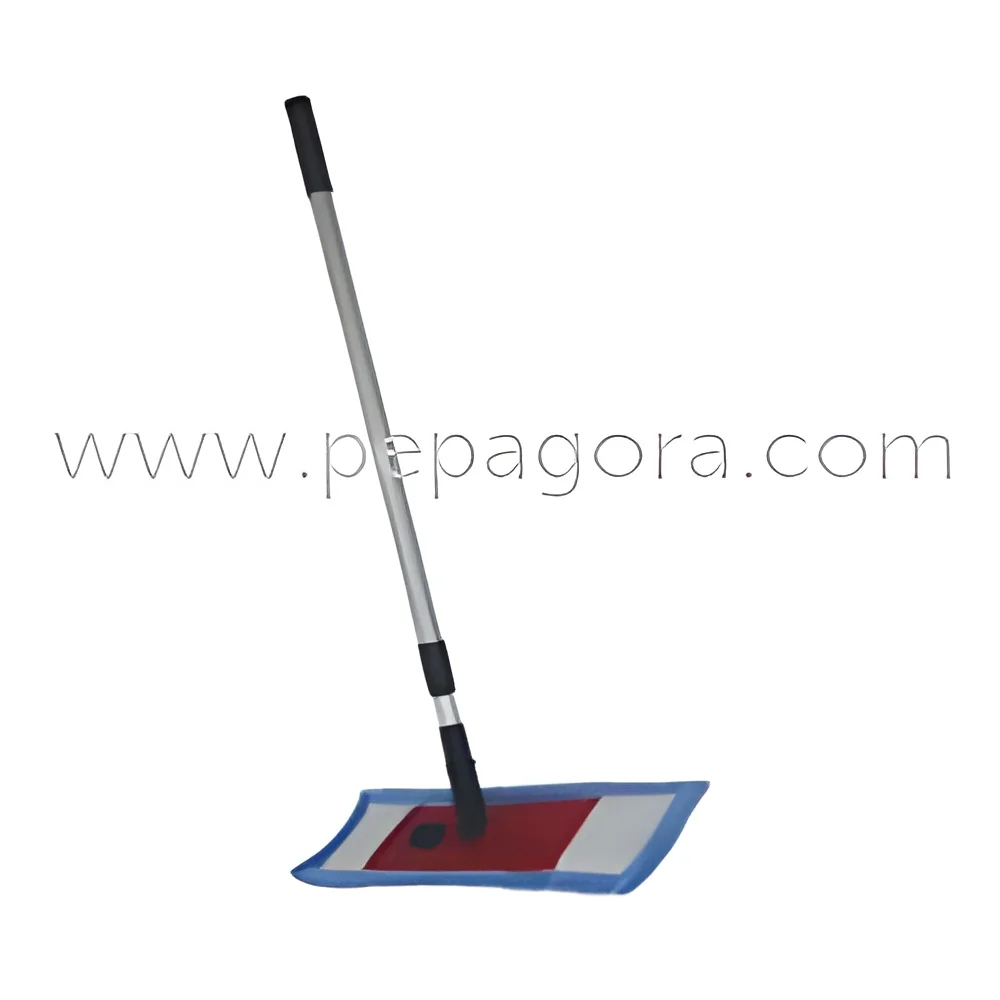
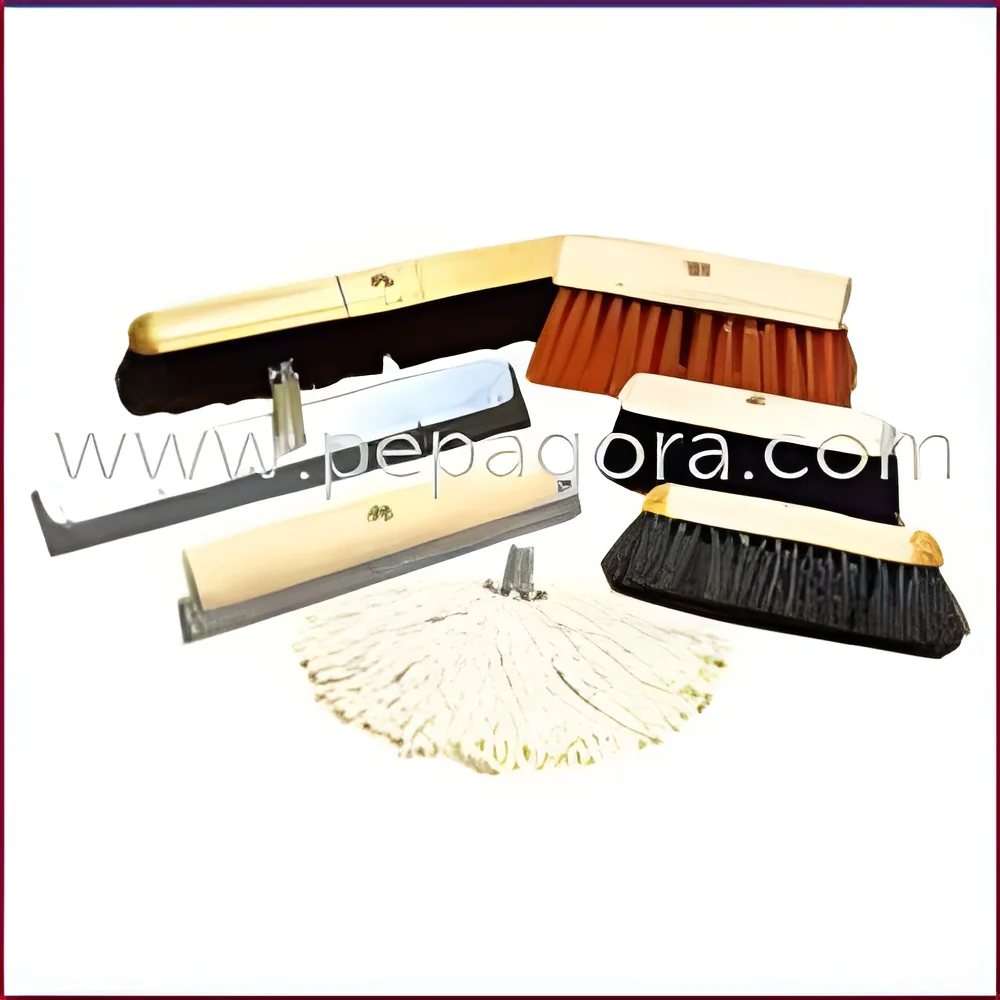
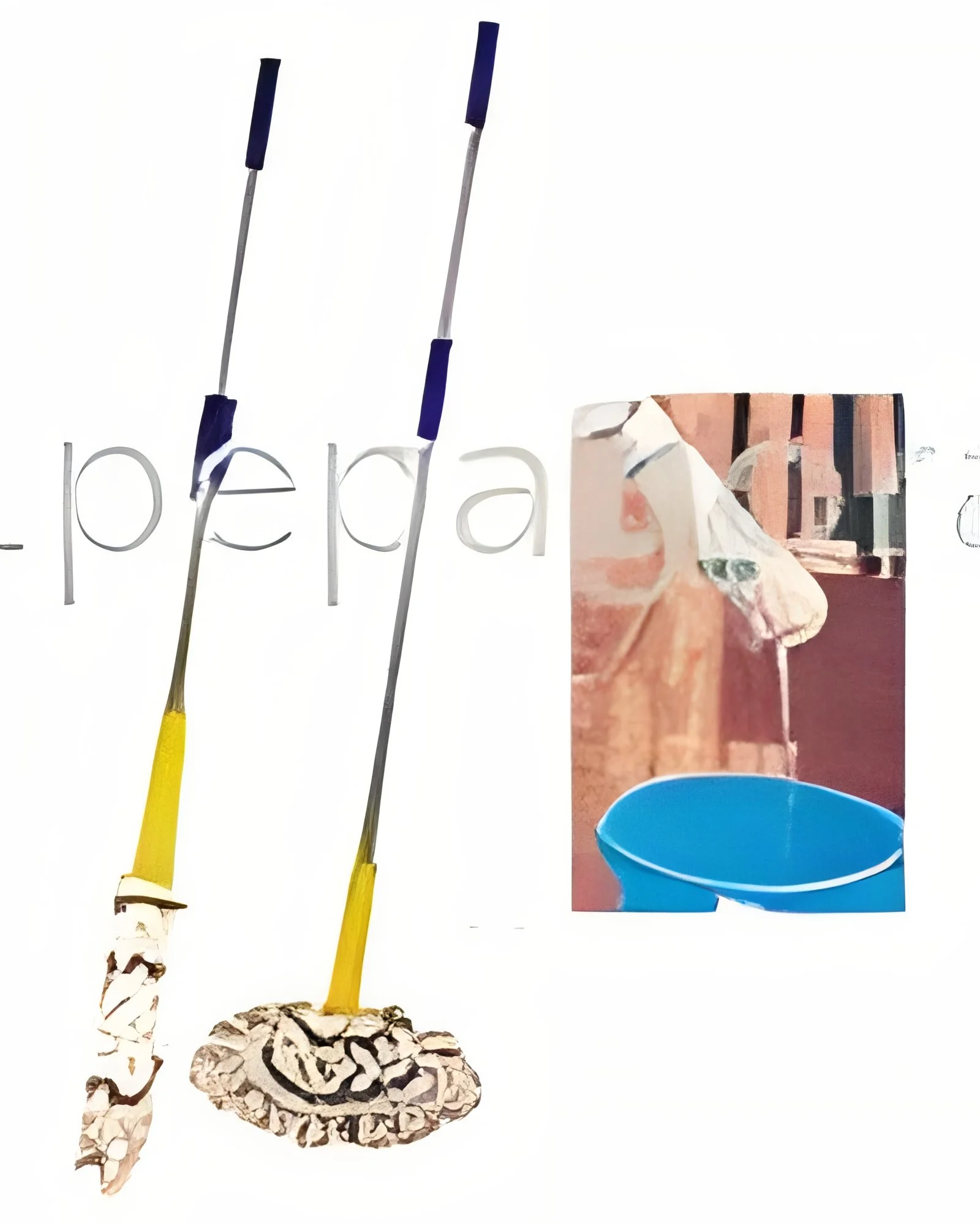
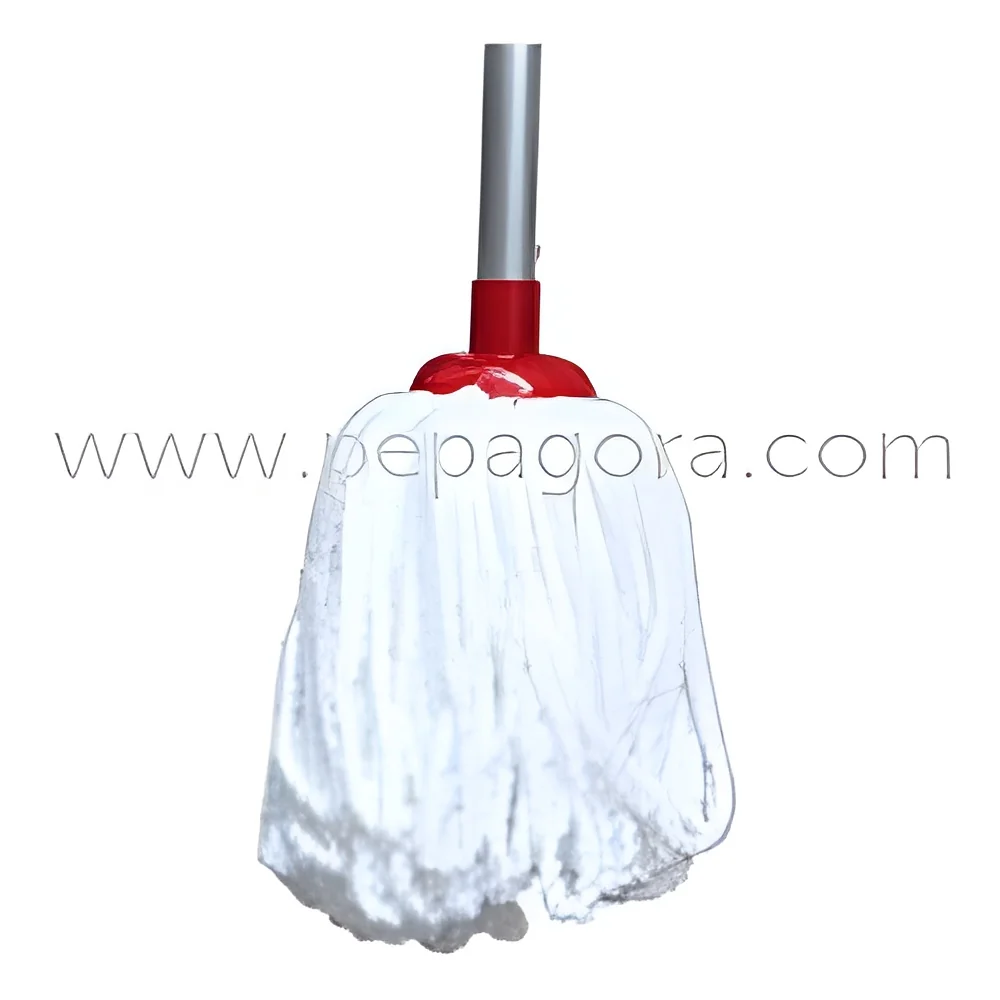
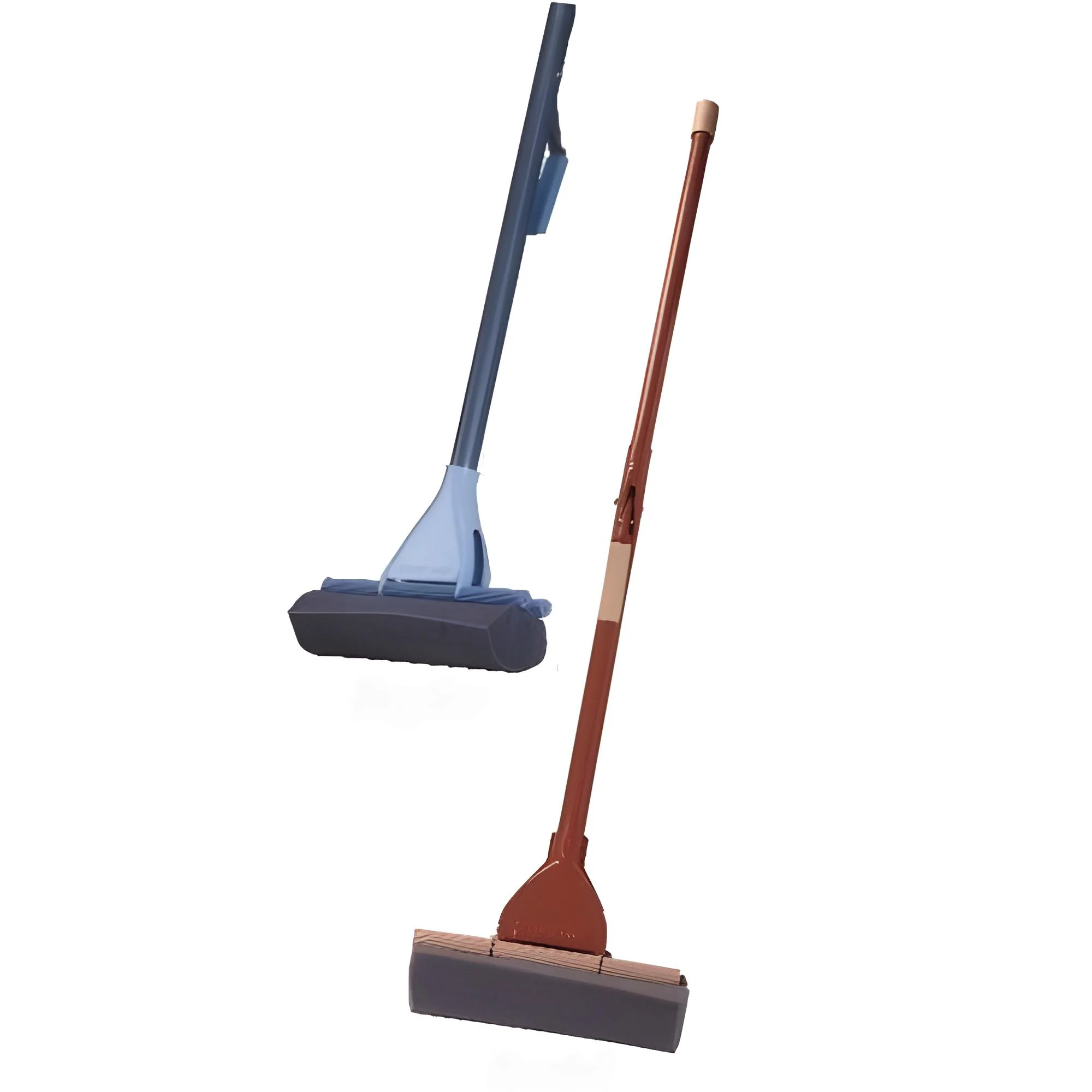
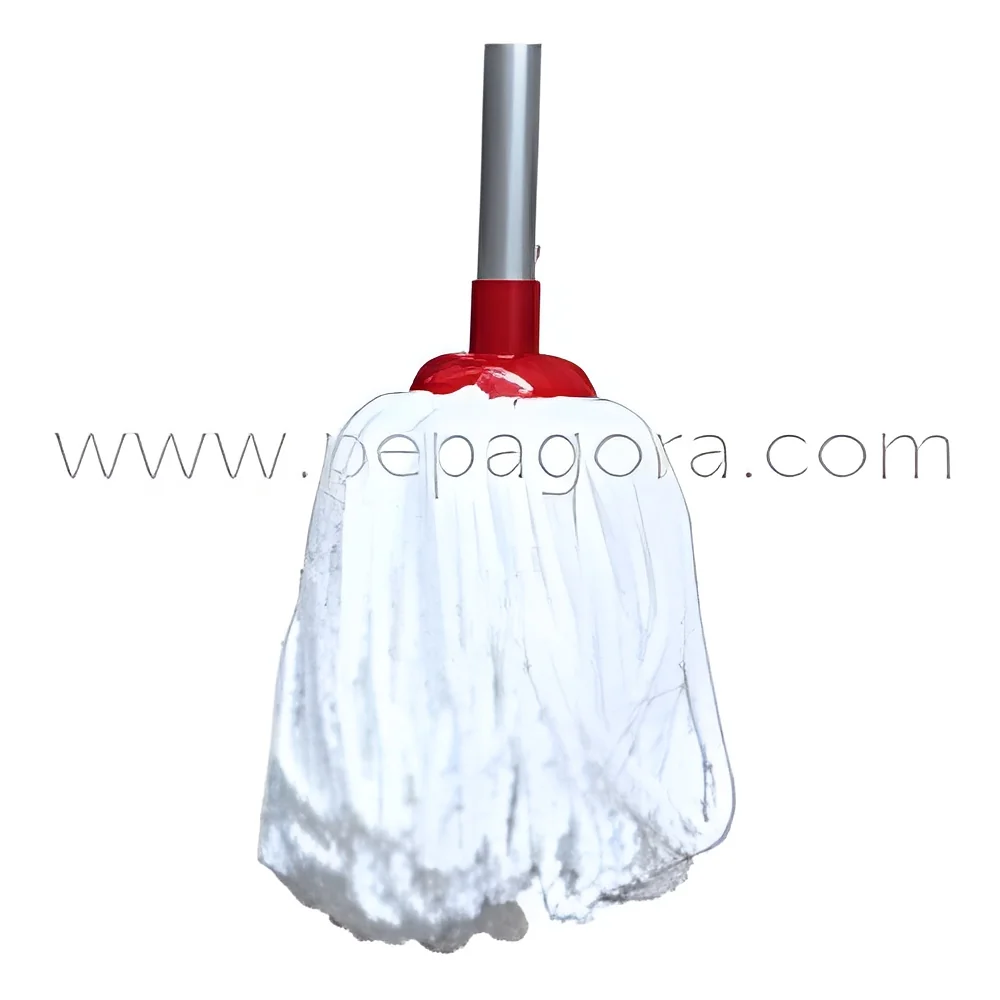
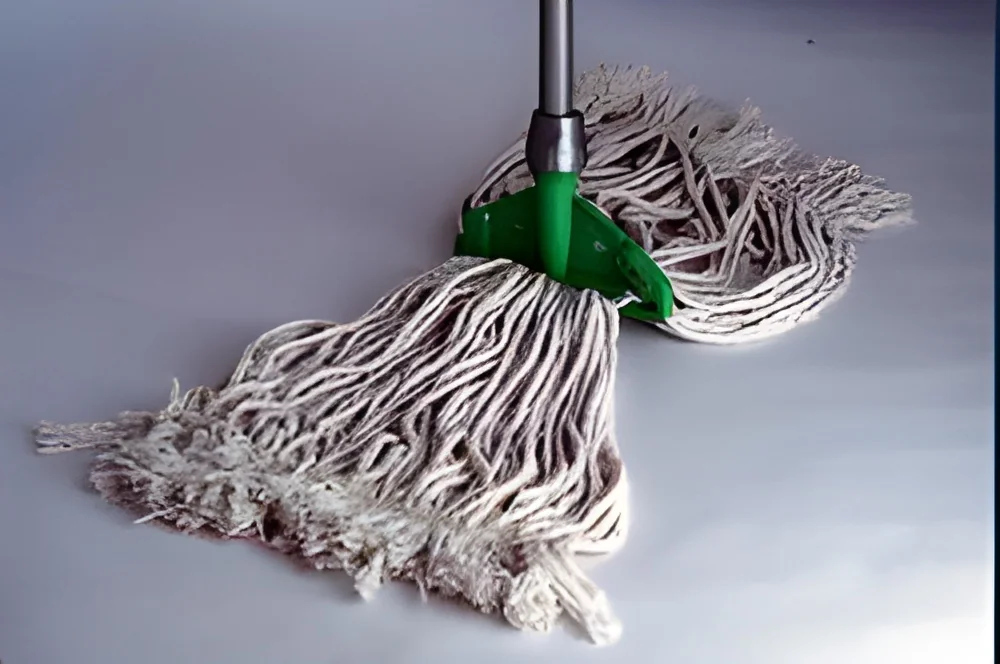
Mops and Brooms: Manual cleaning tools like mops and brooms are essential for routine maintenance and quick clean-ups, available in various materials and designs to suit different cleaning tasks.
𝗕𝗲𝗻𝗲𝗳𝗶𝘁𝘀 𝗮𝗻𝗱 𝗔𝗱𝘃𝗮𝗻𝘁𝗮𝗴𝗲𝘀
Investing in quality cleaning tools and equipment brings several advantages to businesses.
1. Increased Efficiency: Well-designed cleaning tools enhance productivity by reducing the time and effort required for cleaning tasks.
2. Improved Hygiene: Regular use of effective cleaning equipment helps maintain high hygiene standards, reducing the risk of illness and contamination.
3. Cost-Effectiveness: Durable cleaning tools can save money over time by minimizing the need for frequent replacements and repairs.
4. Enhanced Safety: Many modern cleaning tools include safety features that protect users from injuries, contributing to a safer work environment.
5. Versatility: A diverse range of cleaning equipment allows businesses to tackle various cleaning challenges across different environments.
6. Environmental Benefits: Many cleaning tools are designed with eco-friendly features, promoting sustainable cleaning practices.
𝗕𝘂𝘆𝗶𝗻𝗴 𝗚𝘂𝗶𝗱𝗲 𝗳𝗼𝗿 𝗕𝟮𝗕 𝗕𝘂𝘆𝗲𝗿𝘀
When sourcing cleaning tools and equipment, businesses should consider several key factors to ensure they make informed purchasing decisions.
1. Quality Assessment: Evaluate the quality of materials and construction of cleaning tools. Look for products that are durable and designed to withstand rigorous use.
2. Supplier Verification: Vet potential suppliers to ensure they have a solid reputation in the industry. Check for references and reviews to confirm reliability and service quality.
3. Pricing and MOQ: Understand the pricing structure and minimum order quantities that suppliers impose. Assess the total cost of ownership, including maintenance and replacement expenses.
4. Delivery and Lead Times: Inquire about the logistics involved in delivery. Ensure that suppliers can meet your timelines to avoid disruptions in your cleaning operations.
5. Compliance Requirements: Be aware of any industry-specific regulations that apply to cleaning tools and equipment. Ensure that chosen products comply with relevant safety and quality standards.
𝗖𝗼𝗺𝗽𝗹𝗶𝗮𝗻𝗰𝗲 𝗮𝗻𝗱 𝗖𝗲𝗿𝘁𝗶𝗳𝗶𝗰𝗮𝘁𝗶𝗼𝗻𝘀
Compliance and certifications are crucial in the cleaning tools and equipment industry. Products often need to meet specific quality standards to ensure safety and effectiveness.
ISO 9001 is a widely recognized standard that focuses on quality management systems. Compliance with ISO 9001 indicates that a manufacturer consistently meets customer and regulatory requirements, ensuring high-quality products.
HACCP (Hazard Analysis Critical Control Point) certification is essential for cleaning tools used in food-related environments. This certification demonstrates that products are safe and effective for maintaining hygiene in food processing and preparation areas.
CE marking signifies that a product adheres to European safety standards. This certification ensures that cleaning tools are safe to use and meet necessary health and environmental protection requirements.
Understanding these compliance requirements is vital for businesses looking to source cleaning tools and equipment that align with industry standards and regulations.
𝗪𝗵𝘆 𝗦𝗼𝘂𝗿𝗰𝗲 𝗖𝗹𝗲𝗮𝗻𝗶𝗻𝗴 𝗧𝗼𝗼𝗹𝘀 & 𝗘𝗾𝘂𝗶𝗽𝗺𝗲𝗻𝘁 𝗳𝗿𝗼𝗺 𝗣𝗲𝗽𝗮𝗴𝗼𝗿𝗮?
Pepagora provides a trusted platform for sourcing cleaning tools and equipment, offering several key advantages for B2B buyers.
Verified Supplier Network: Pepagora boasts a network of verified suppliers, ensuring that businesses can find reliable partners for their cleaning needs. Each supplier is vetted for quality and service, providing peace of mind.
Streamlined RFQ Process: The Request for Quotation (RFQ) system simplifies the purchasing process. Buyers can easily request quotes from multiple suppliers, making it convenient to compare prices and options.
Trade Assurance and Support: Pepagora offers trade assurance, providing buyers with protection and support throughout the purchasing process. This assurance fosters trust between buyers and suppliers.
Regional Coverage: With a focus on regions like India, the Gulf Cooperation Council (GCC), and Southeast Asia, Pepagora ensures that businesses can access local suppliers and cater to regional needs effectively. This coverage helps streamline logistics and reduces lead times for customers.

 IN
IN