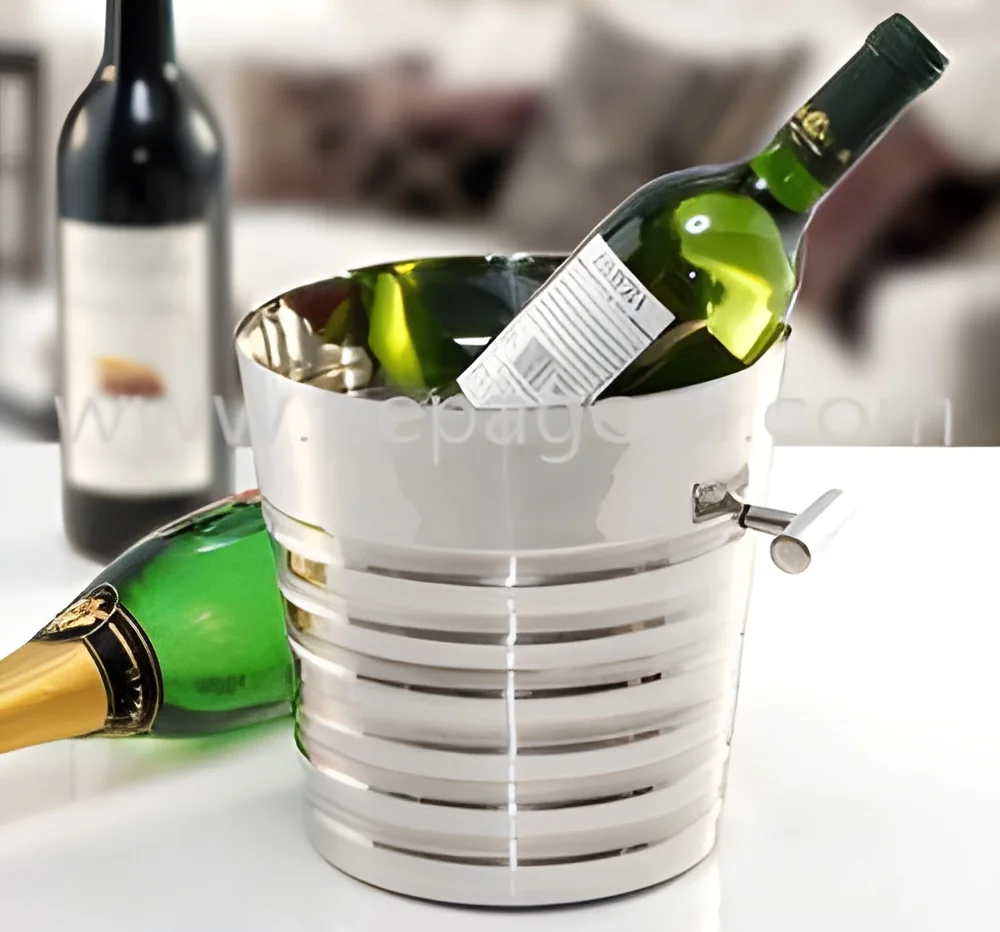
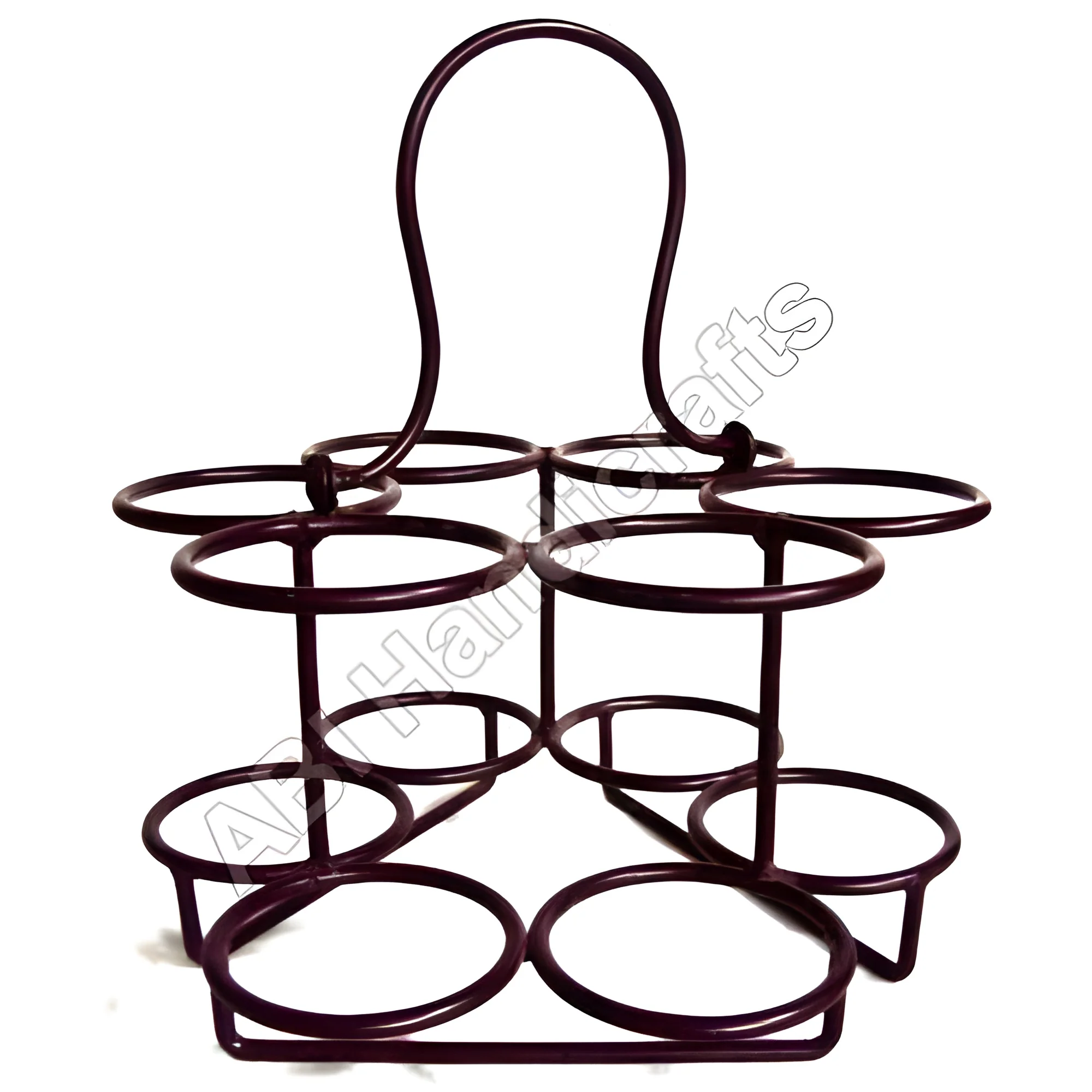
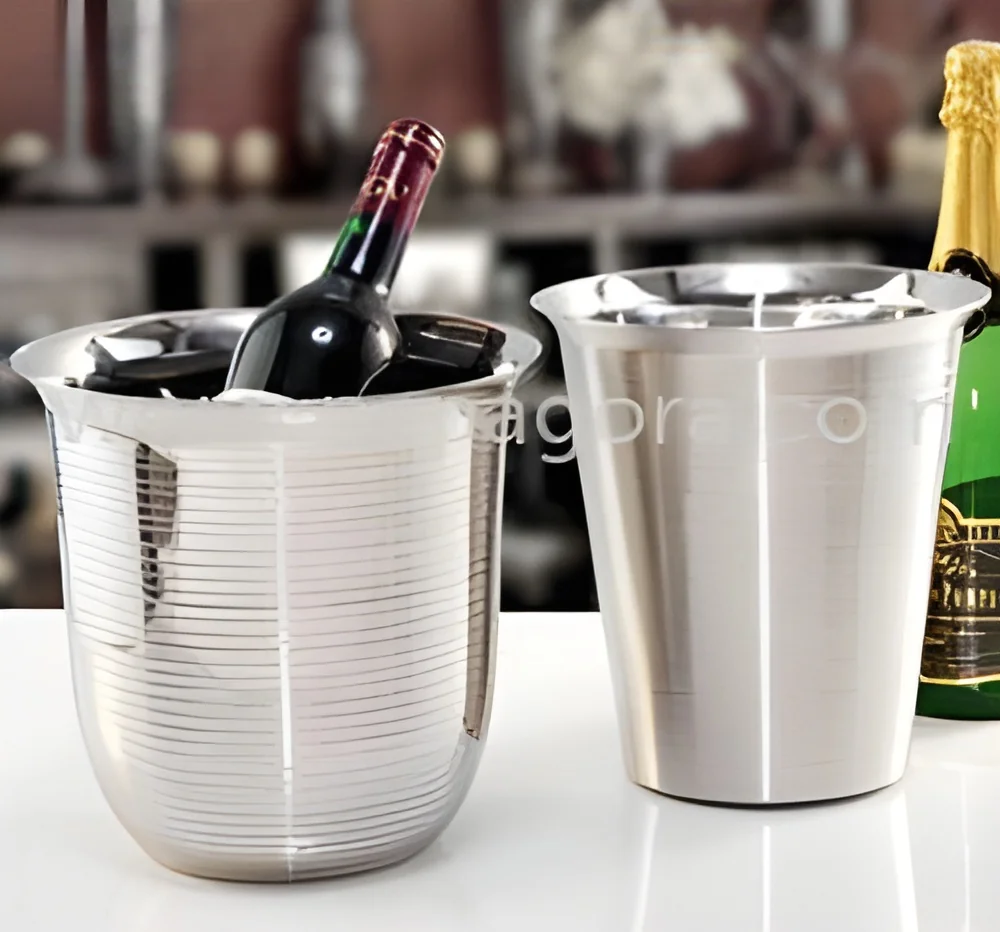
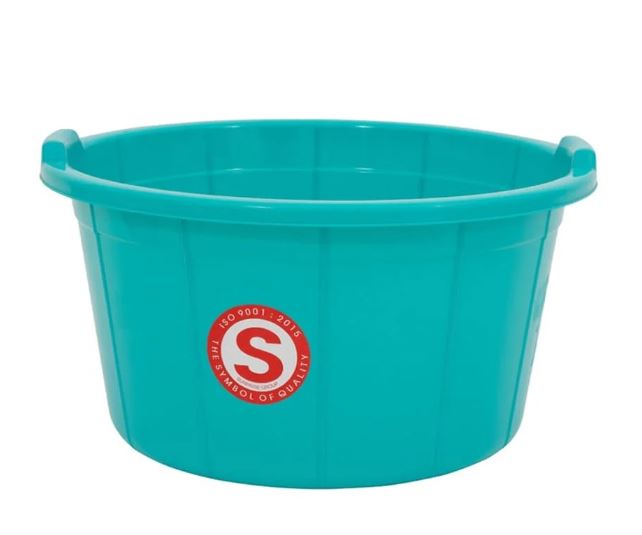
What are Buckets & Utility Tubs?
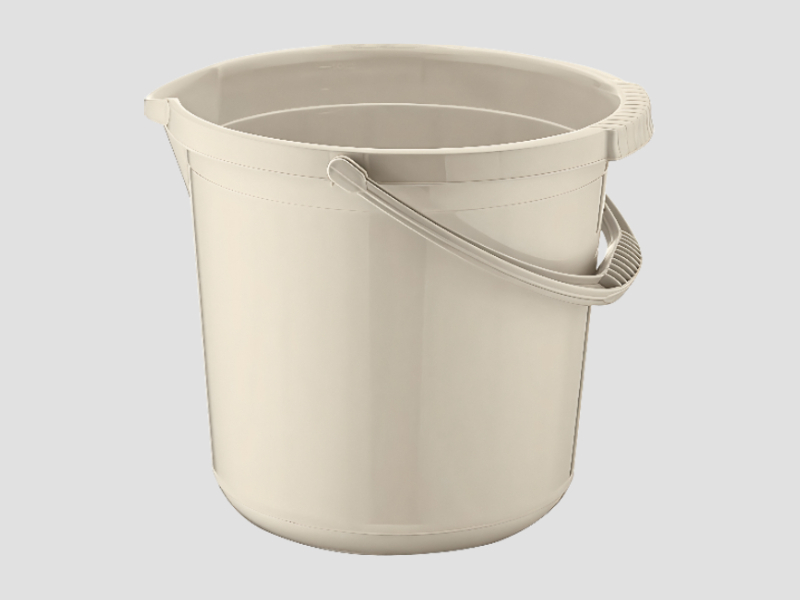
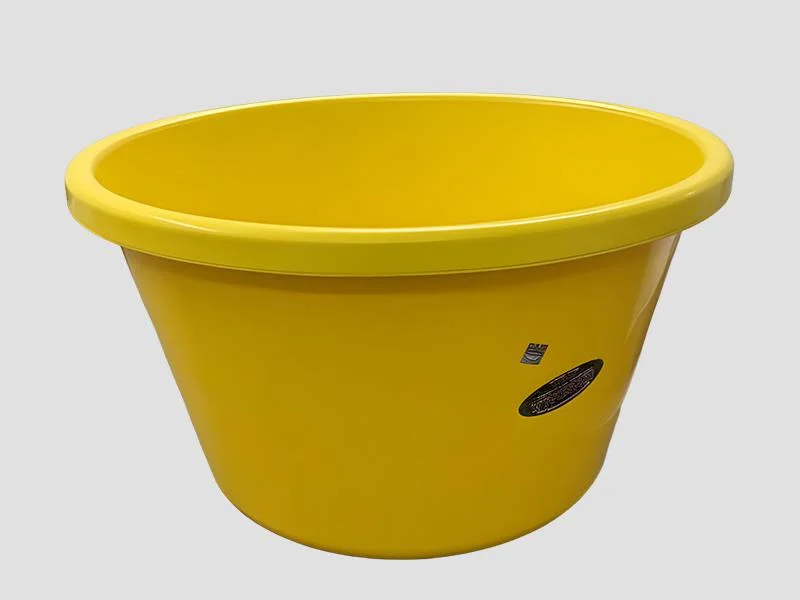
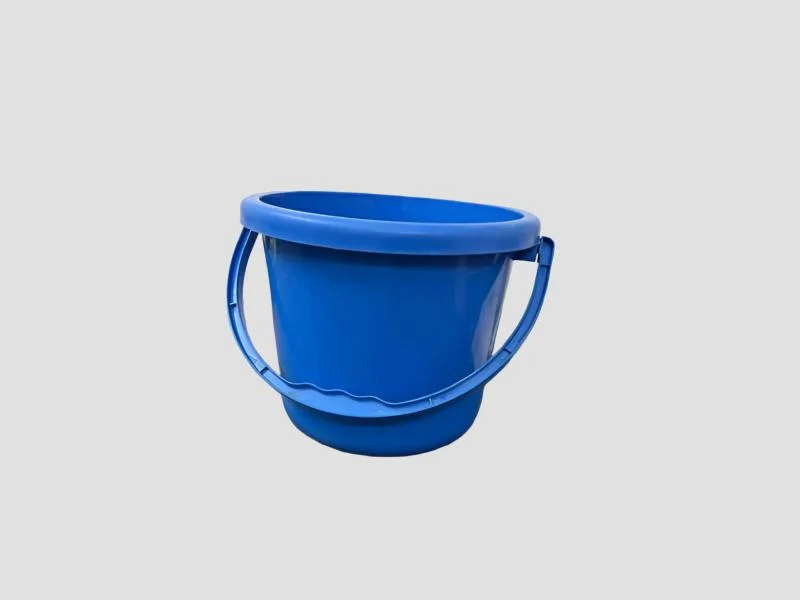
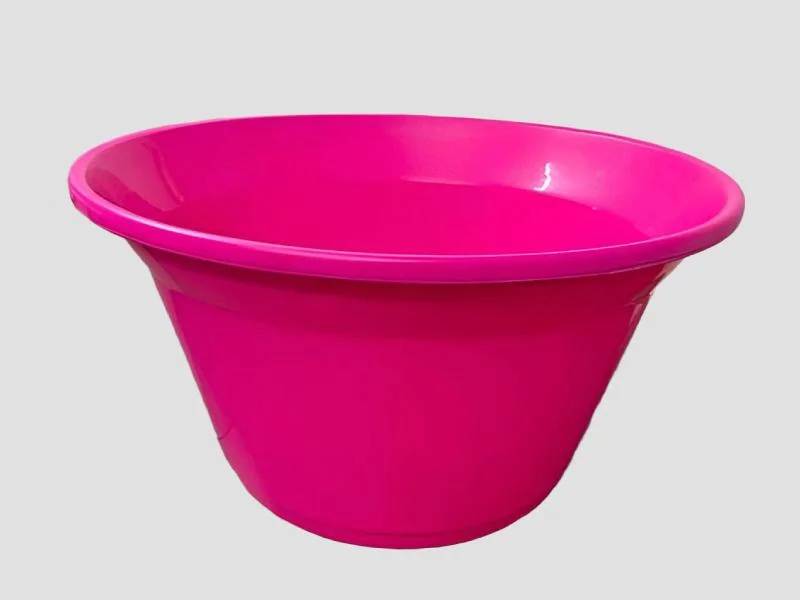
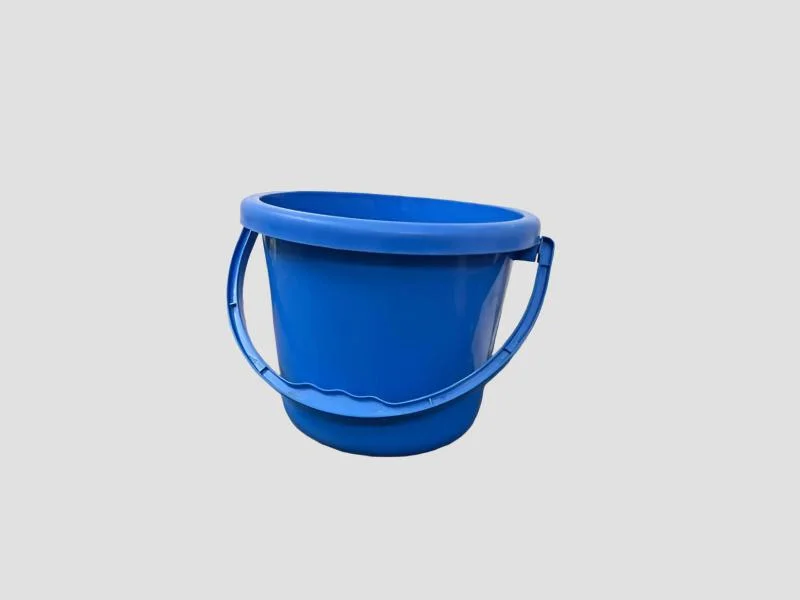
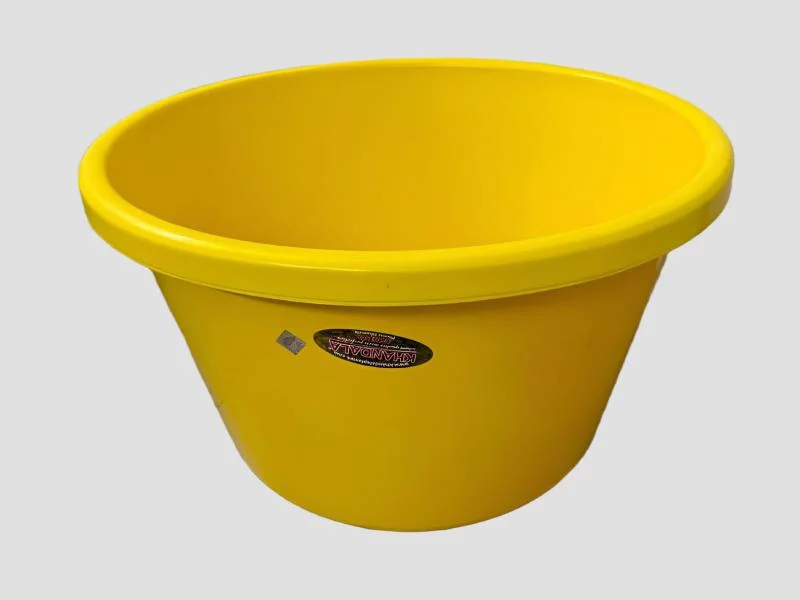
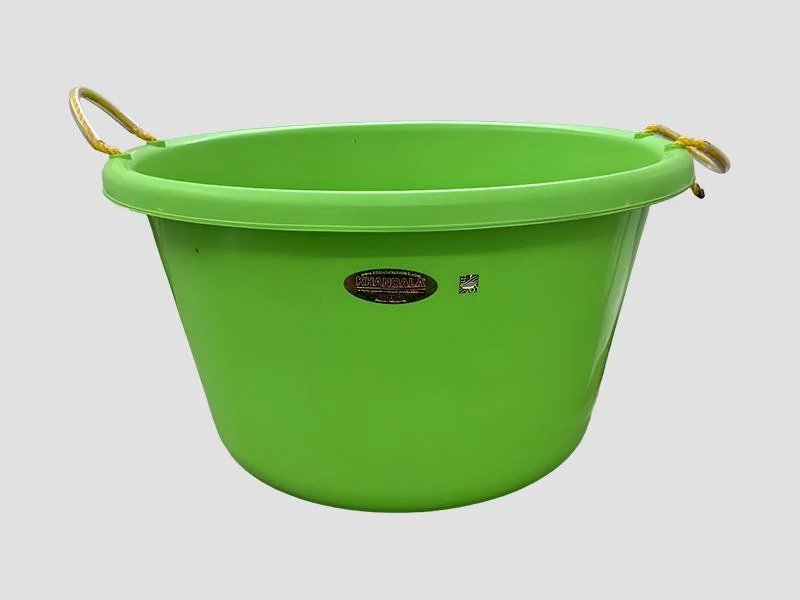
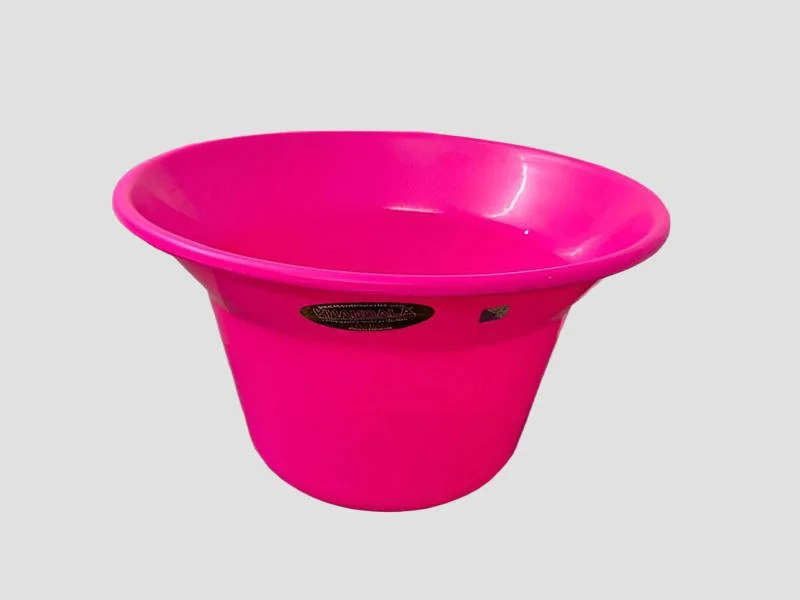
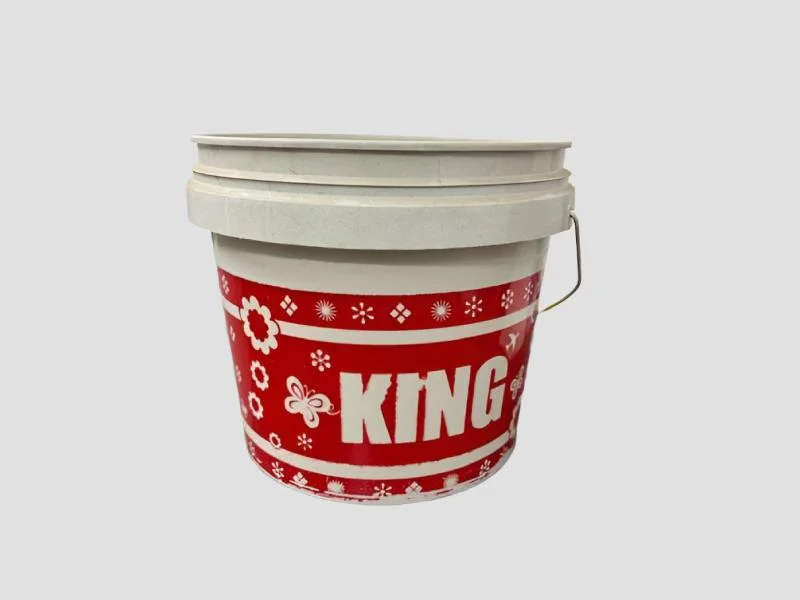
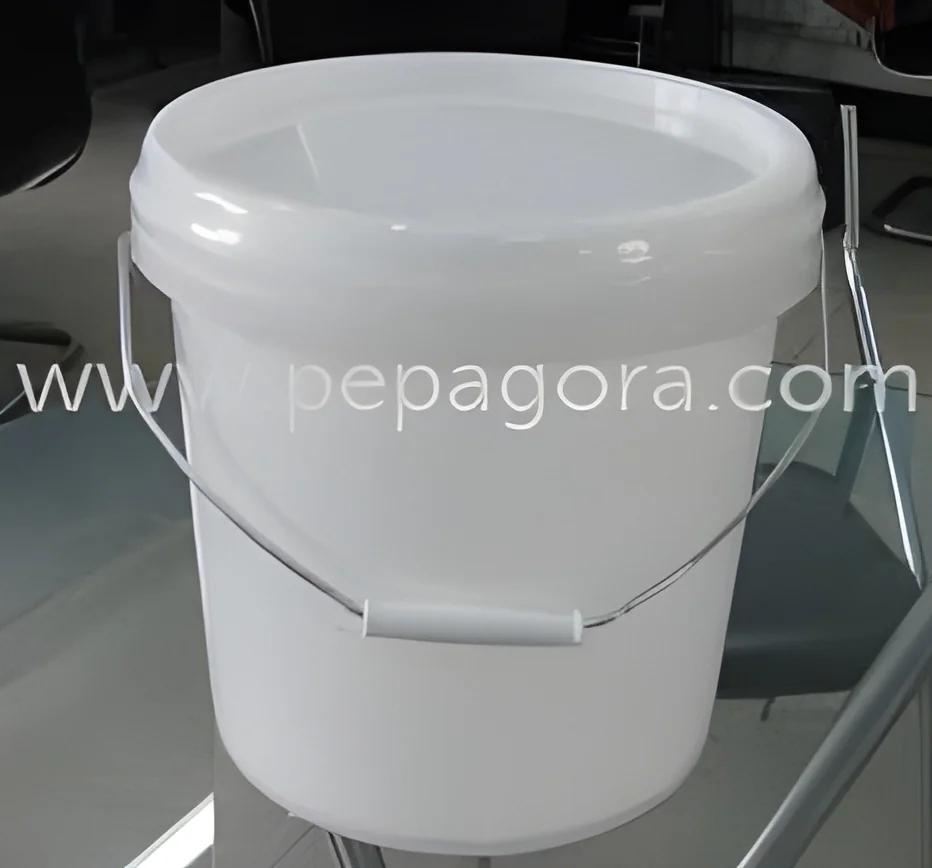
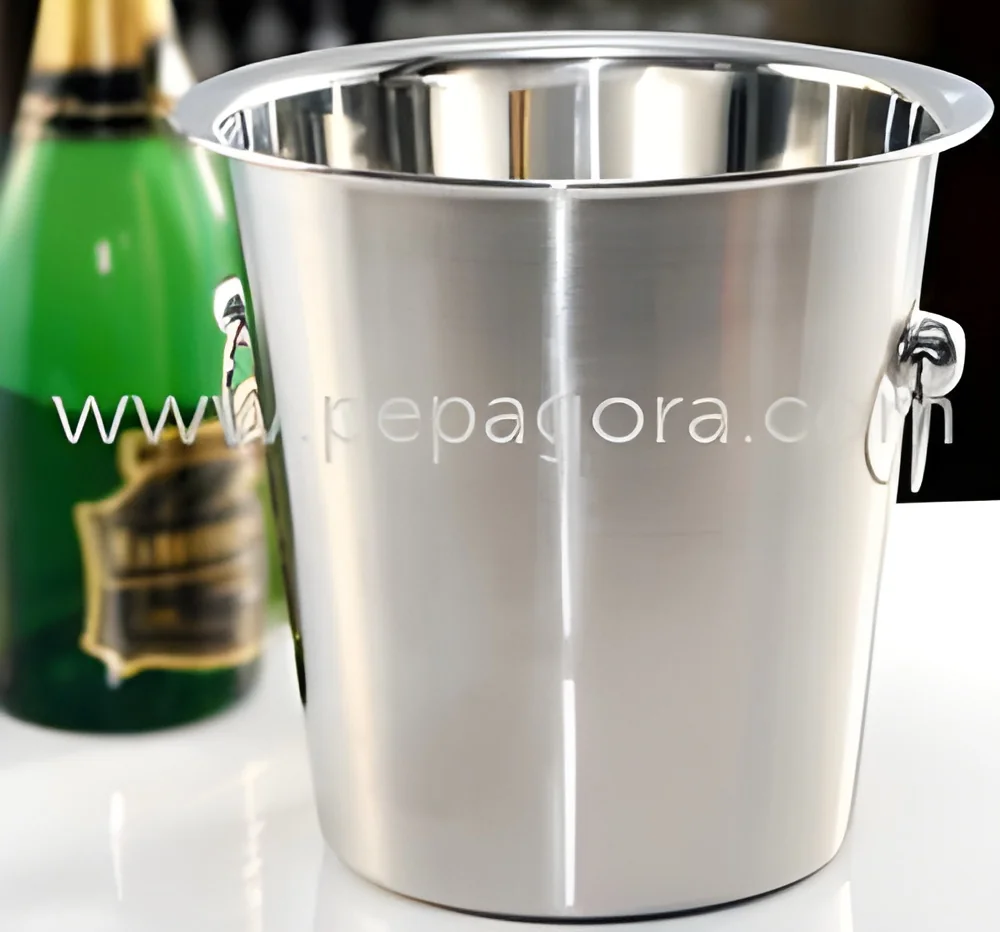
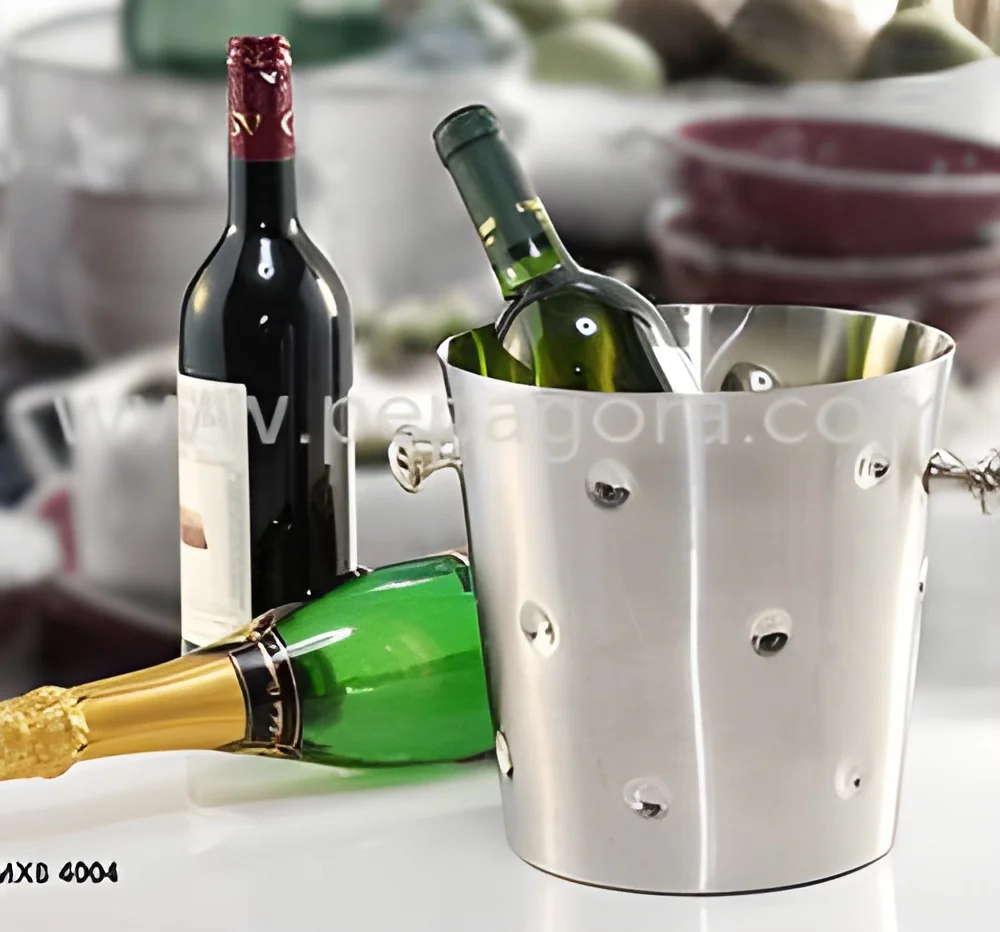
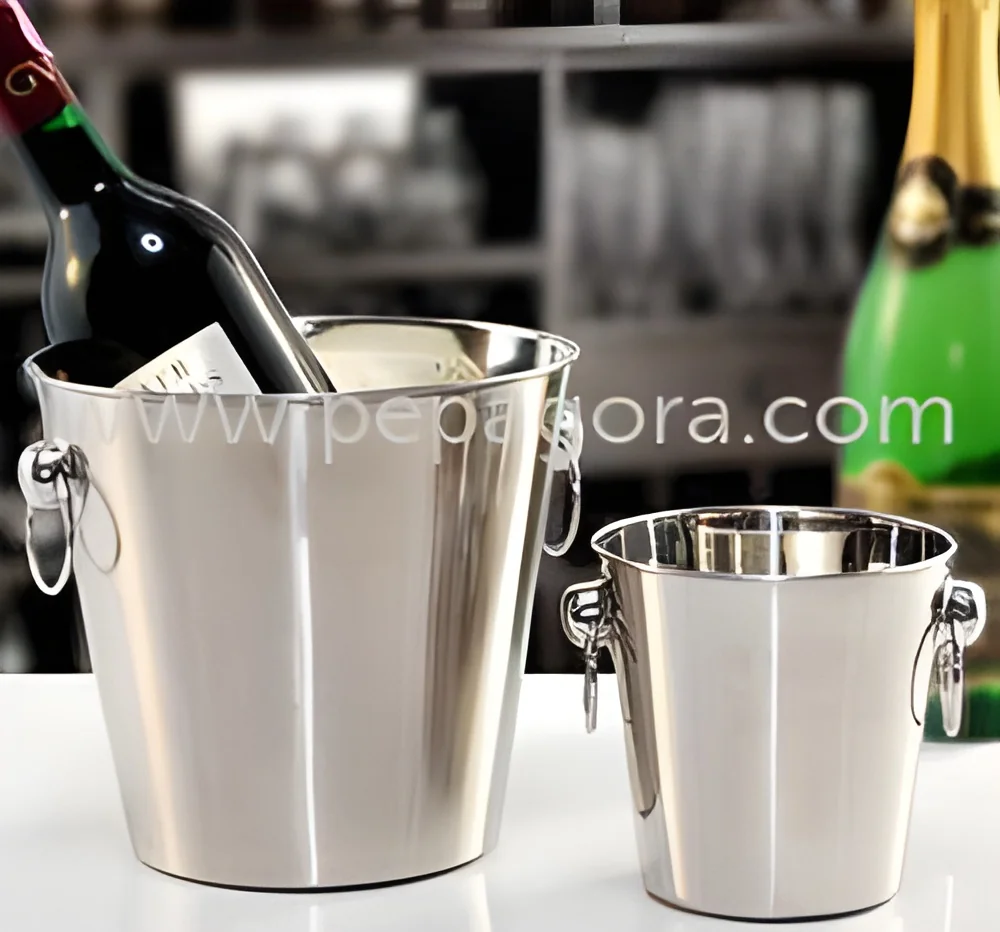
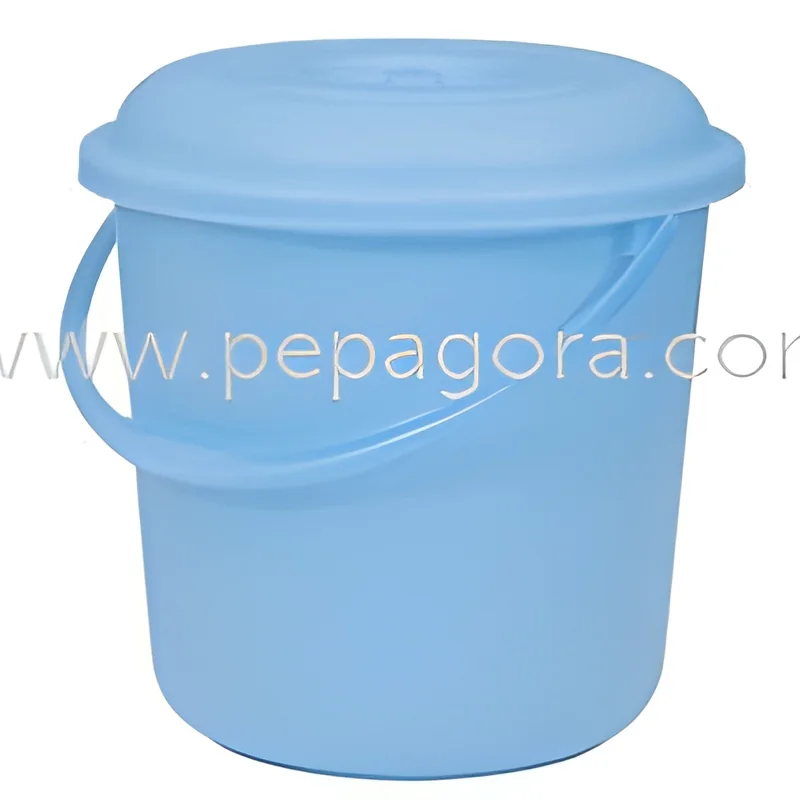
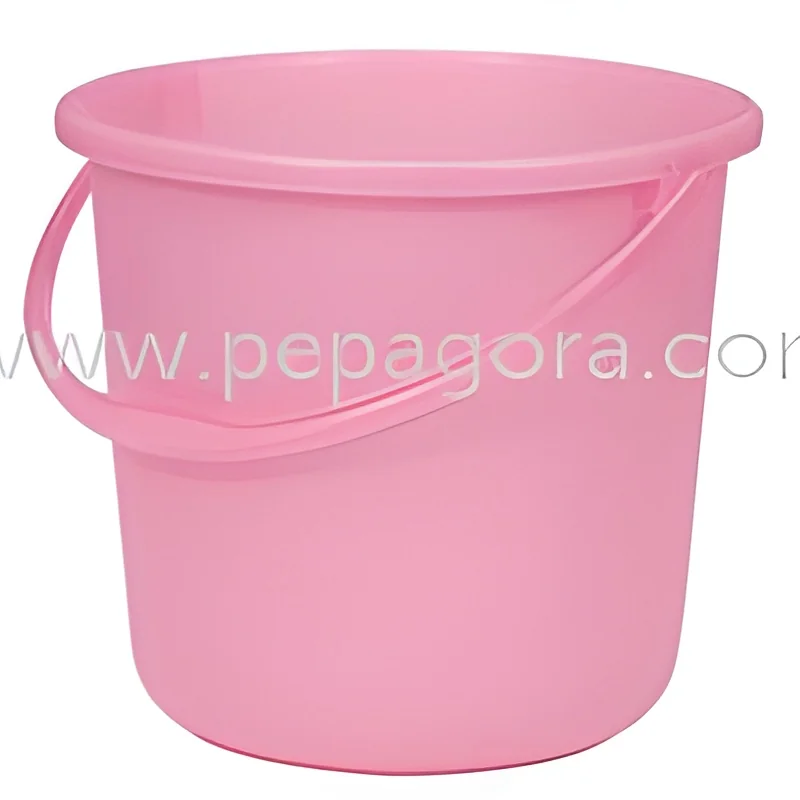
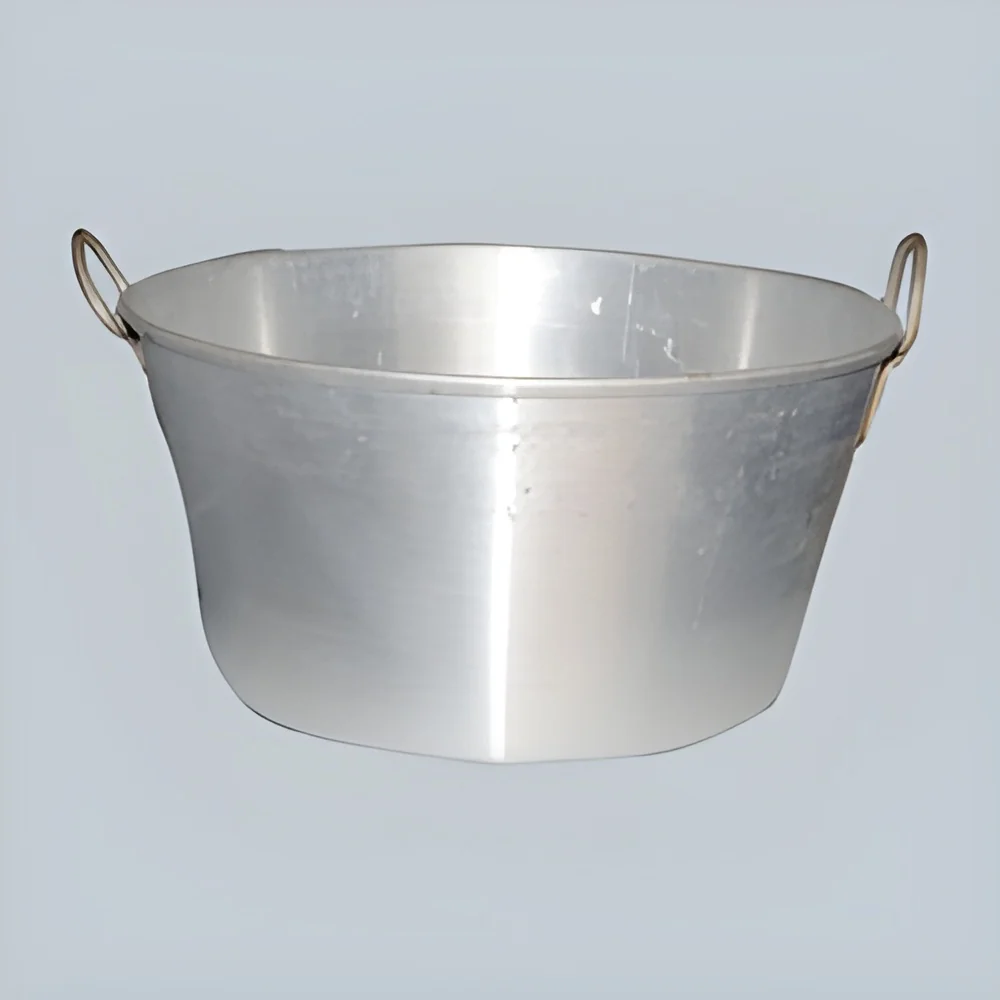
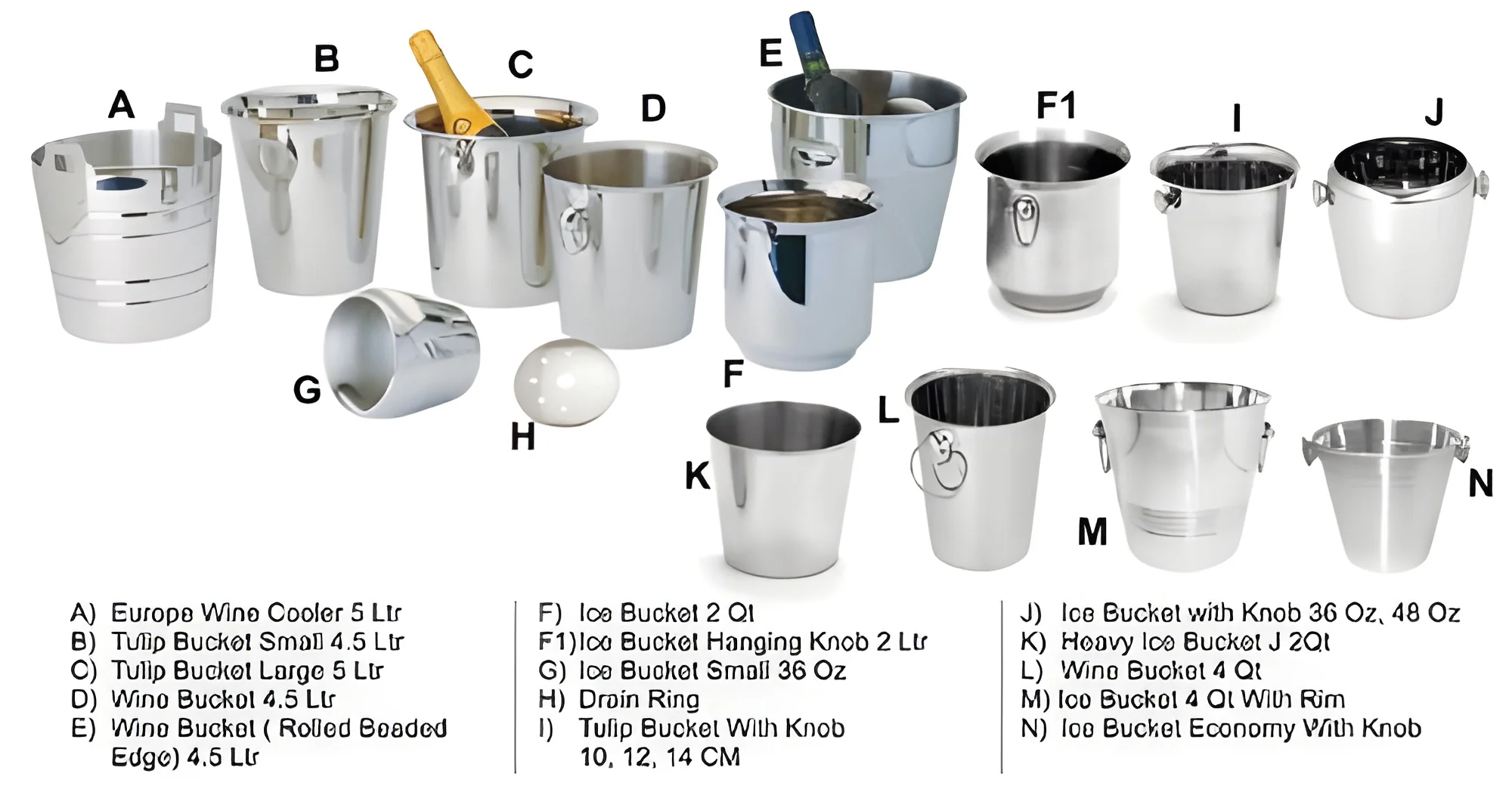
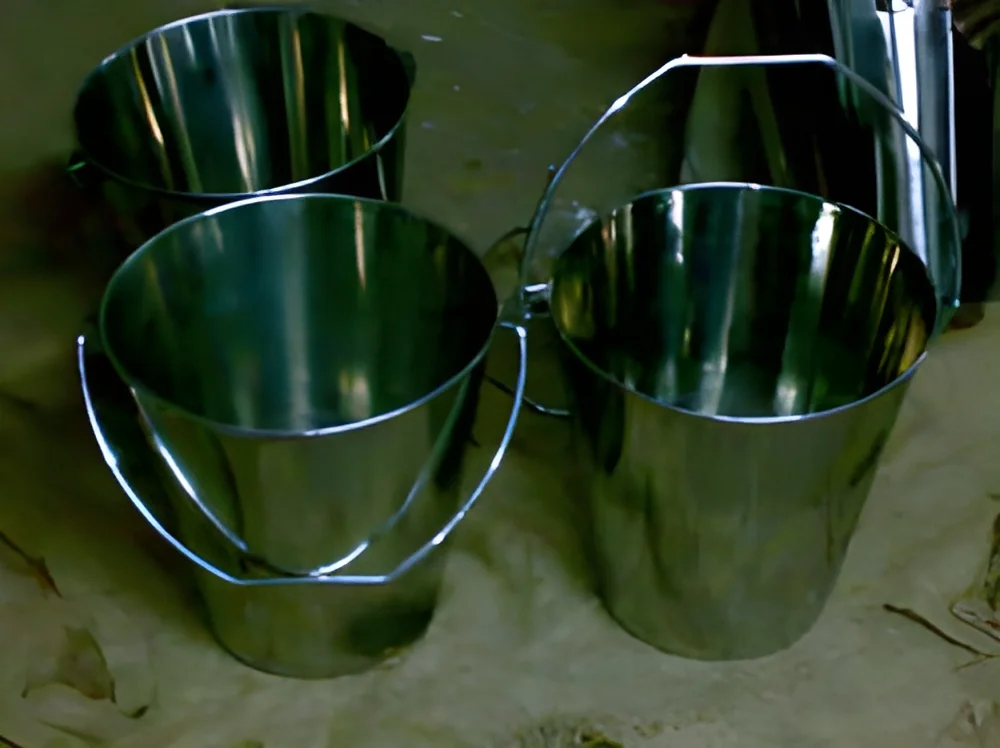
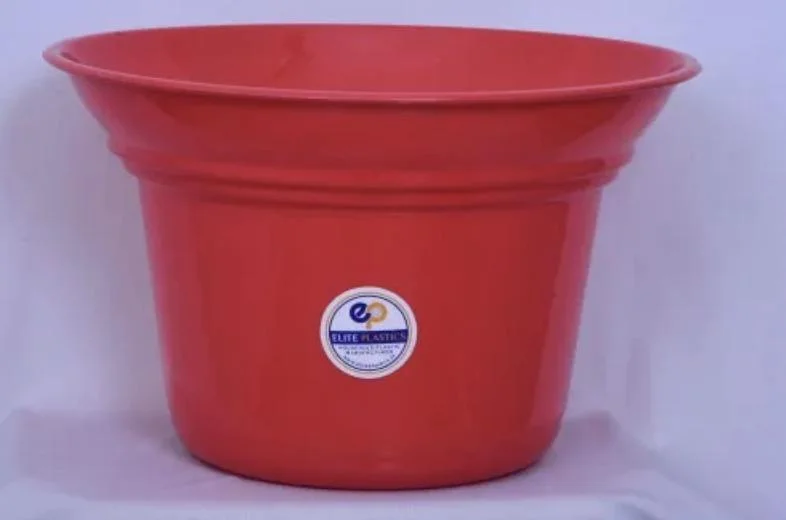
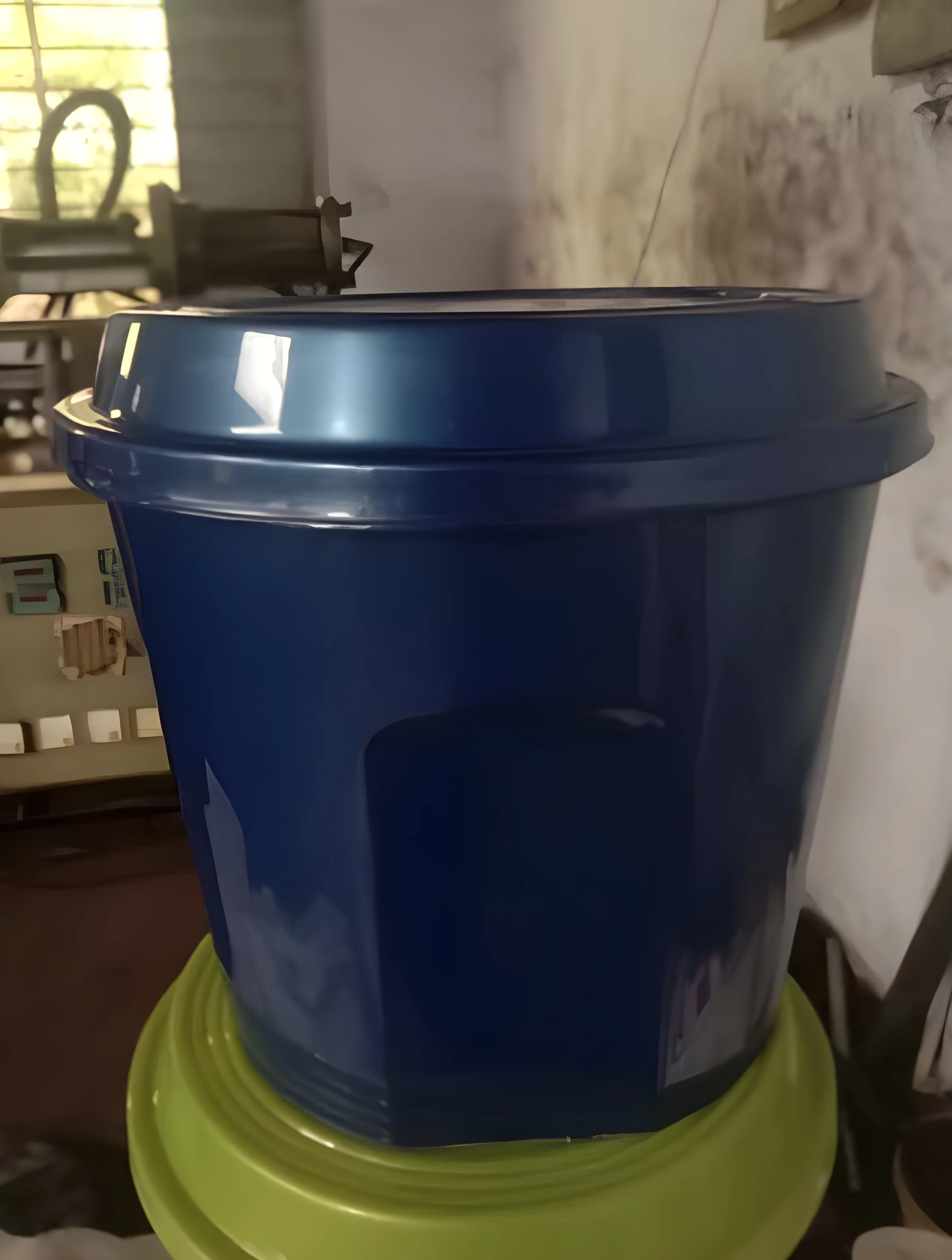
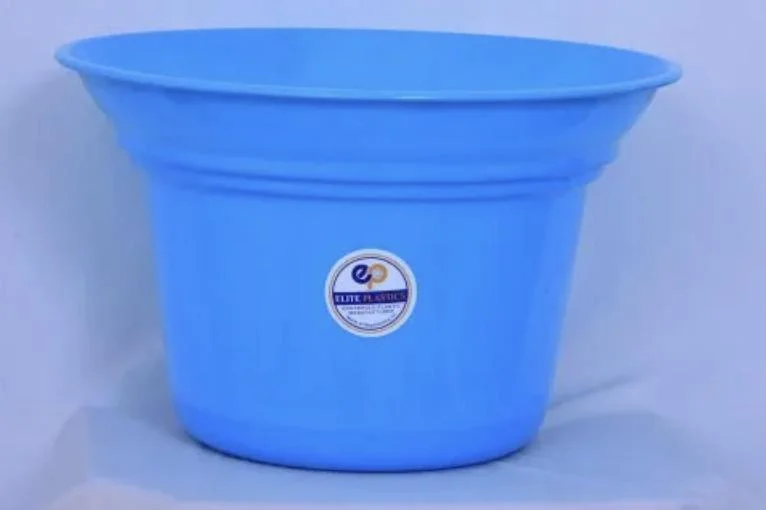
Buckets and utility tubs are versatile containers widely used across various industries for storage, transport, and handling of materials. Typically made from durable plastics or metals, these products come in different sizes and designs, catering to a range of applications. Buckets generally feature a handle for easy carrying, while utility tubs are often larger and designed for bulkier items.
These products find applications in industries such as manufacturing, construction, agriculture, food processing, and cleaning services. They are utilized for tasks including material handling, waste management, and liquid storage. The adaptability of buckets and utility tubs makes them essential tools in day-to-day operations, ensuring efficiency and organization.
In today's market, there is a growing demand for high-quality buckets and utility tubs that meet industry standards. Companies are increasingly focusing on reliability, durability, and compliance with safety regulations. As industries evolve, the need for innovative designs and sustainable materials is also gaining prominence.
Key Features and Specifications
Buckets and utility tubs come with a range of features that enhance their usability and effectiveness. Understanding these specifications helps businesses select the right products for their specific needs.
Key specifications include:
1. Material Composition
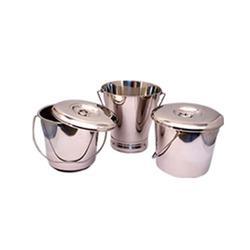
- Made from high-density polyethylene (HDPE), polypropylene, or metal
- Ensures durability and resistance to chemicals and impact
2. Capacity
- Available in various sizes, typically ranging from 1 gallon to 20 gallons
- Allows selection based on specific volume requirements
3. Handle Design
- Options for fixed, removable, or collapsible handles
- Provides ease of transport and storage
4. Weight Capacity
- Designed to hold weights ranging from lightweight materials to heavy-duty loads
- Ensures safety and prevents breakage under stress
5. Color Options
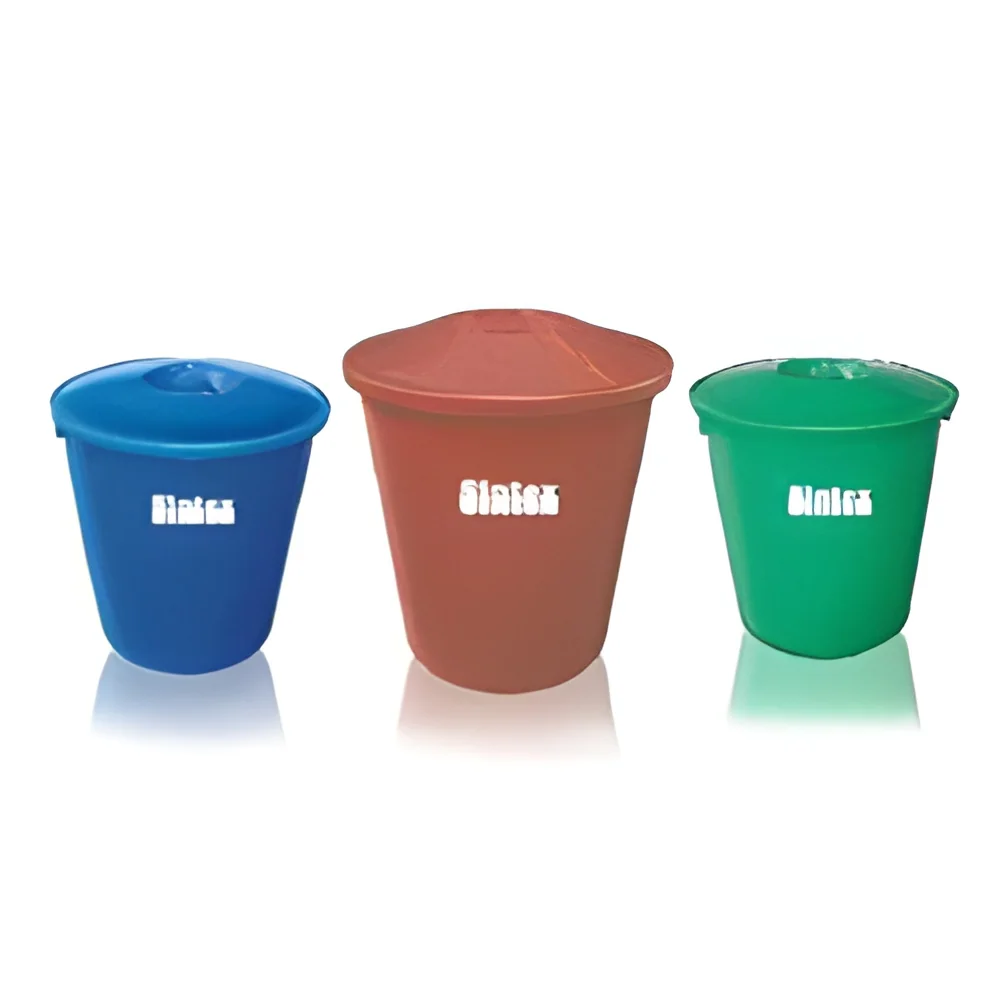
- Available in multiple colors for easy identification and organization
- Helps in color-coding for different applications
6. Stackability
- Many models are designed to stack securely when not in use
- Saves space and improves storage efficiency
7. Temperature Resistance
- Suitable for a range of temperatures, although specific ranges are not available
- Important for industries dealing with hot or cold materials
8. Certification
- Many products comply with CE certification standards
- Ensures quality and safety in various applications
In summary, understanding the features and specifications of buckets and utility tubs allows businesses to make informed purchasing decisions that align with operational needs.
Common Applications and Use Cases
Buckets and utility tubs are utilized in diverse industries, reflecting their versatility and functionality.
1. Manufacturing: In manufacturing environments, buckets are used for transporting raw materials and finished products. Utility tubs are often employed for storing components and tools.
2. Construction: Construction sites rely on buckets for mixing and transporting concrete, as well as for cleaning up debris. Utility tubs are ideal for holding tools and supplies.
3. Agriculture: Farmers use buckets for feeding animals and collecting produce. Utility tubs are frequently utilized for irrigation purposes and storing fertilizers.
4. Food Processing: In food processing facilities, buckets are essential for ingredient mixing and storage. Utility tubs are used for bulk ingredient transport and waste disposal.
5. Cleaning Services: Cleaning professionals depend on buckets for carrying cleaning solutions and tools. Utility tubs are effective for holding waste materials during cleaning operations.
6. Retail: Retail environments use buckets for organizing merchandise and staging products. Utility tubs serve as display units for seasonal items.
7. Laboratories: In laboratory settings, buckets are essential for mixing chemicals and transporting samples. Utility tubs are often used for storage and organization of lab supplies.
Product Variants and Subcategories
Buckets and utility tubs come in various designs to cater to specific needs and preferences.
Heavy-Duty Buckets: These buckets are constructed from thick materials to withstand heavy impacts and harsh environments. Ideal for construction and industrial applications, they can hold substantial weights without compromising integrity.
Collapsible Utility Tubs: Designed for easy storage, these tubs can be folded when not in use. They are perfect for businesses that require portable solutions and limited storage space.
Color-Coded Buckets: Available in different colors, these buckets help in the organization and identification of materials. They are particularly useful in food processing and chemical handling industries.
Insulated Buckets: These buckets maintain temperature for contents, making them suitable for transporting perishable items. Commonly used in catering and food delivery services.
Benefits and Advantages
Choosing buckets and utility tubs offers several advantages that enhance operational efficiency.
1. Versatility: These products can be used across multiple industries for various applications, making them a practical choice for businesses.
2. Durability: Constructed from robust materials, buckets and utility tubs are built to last, reducing replacement costs.
3. Cost-Effectiveness: The longevity and adaptability of these products contribute to long-term savings for businesses.
4. Easy Handling: Many models feature ergonomic designs that facilitate easy transport, improving workflow.
5. Space Efficiency: Stackable designs allow for efficient storage, saving valuable space in warehouses or job sites.
6. Compliance: Many buckets and utility tubs meet industry regulations and standards, ensuring safety and reliability.
Buying Guide for B2B Buyers
When sourcing buckets and utility tubs, it is crucial to consider specific factors that influence quality and performance.
1. Quality Assessment: Evaluate the materials and construction of the buckets and tubs. Look for products that are resistant to wear and tear, as well as chemical exposure.
2. Supplier Verification: Vet potential suppliers to ensure they have a track record of reliability and compliance with industry standards. Request references and review their certifications.
3. Pricing and MOQ: Understand the pricing structures and minimum order quantities required by suppliers. Compare costs while considering the quality to ensure you receive value for money.
4. Delivery and Lead Times: Discuss logistics with suppliers to determine delivery schedules and lead times. Timely delivery is essential for maintaining workflow.
5. Compliance Requirements: Ensure that the products meet necessary regulatory standards for your industry. This may include safety certifications and quality assurance measures.
Compliance and Certifications
Buckets and utility tubs must adhere to specific quality standards to ensure safety and effectiveness in various applications. Relevant quality standards include ISO 9001, which focuses on quality management systems, ensuring organizations consistently produce quality products.
Industry certifications such as CE indicate compliance with European safety standards, providing assurance to buyers regarding product safety and reliability. Additionally, products may need to meet specific safety and testing requirements depending on their intended use.
Regional compliance is also a critical consideration. Different markets may have varying regulations regarding material safety and environmental impact. Buyers should familiarize themselves with local laws to ensure compliance.
Why Source Buckets & Utility Tubs from Pepagora?
Pepagora is a trusted platform for sourcing buckets and utility tubs, offering significant advantages for B2B buyers.
Verified Supplier Network: Pepagora features a network of verified suppliers, ensuring that all listed products meet high-quality standards. This provides peace of mind when selecting vendors.
Streamlined RFQ Process: The platform simplifies the request for quotation process, allowing buyers to easily compare prices and features from multiple suppliers. This efficiency saves time and aids decision-making.
Trade Assurance and Support: Pepagora offers trade assurance to protect buyers, ensuring that transactions are secure. Their support team is available to assist with any inquiries or issues.
Regional Coverage: With a strong presence in India, the GCC, and Southeast Asia, Pepagora provides extensive regional coverage. This makes it easier for businesses to find local suppliers and meet logistical needs efficiently.

 IN
IN