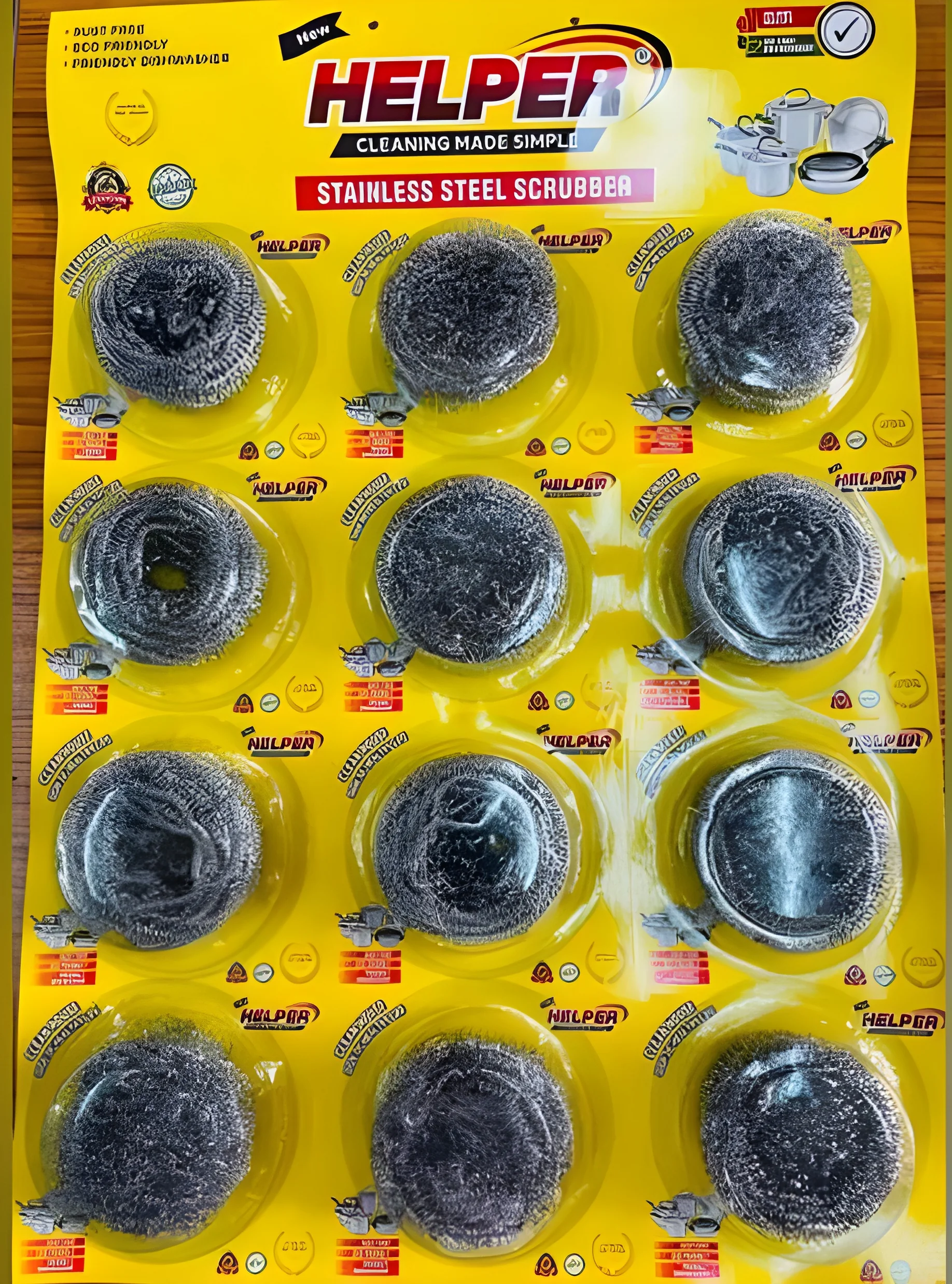
What are Scrub Pads & Sponges?
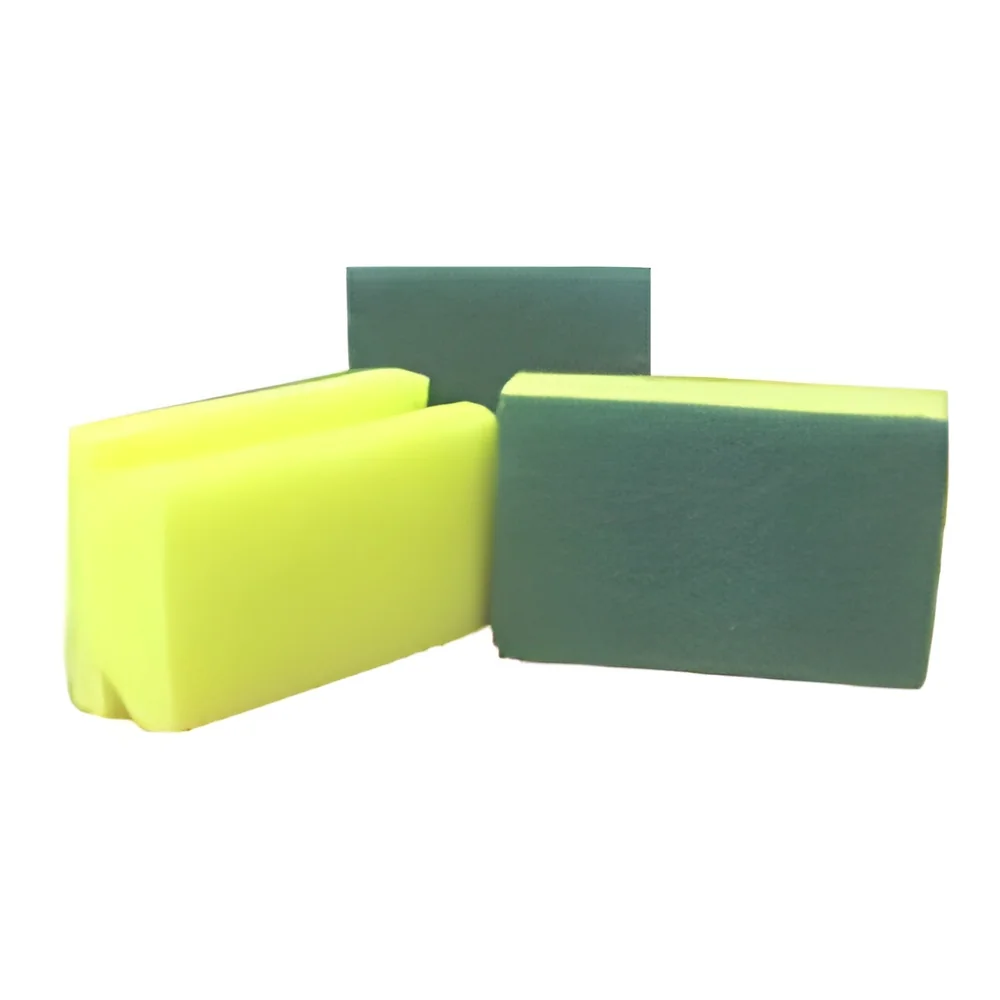
Scrub pads and sponges are essential cleaning tools used across various industries for their versatility and efficiency. These products are designed to remove dirt, grime, and stains from surfaces, ensuring cleanliness and hygiene. Scrub pads typically have a rough texture that aids in scrubbing, while sponges are softer and more absorbent, making them suitable for wiping and soaking up liquids. Together, they serve as a fundamental resource in both commercial and industrial cleaning contexts.
The primary uses of scrub pads and sponges range from kitchen cleaning in restaurants to maintenance in manufacturing facilities. In food service, they help maintain health standards by ensuring surfaces are sanitized. In industrial settings, they assist in cleaning machinery and equipment, preventing build-up that could lead to operational inefficiencies. These products are crucial for maintaining cleanliness and safety in environments such as healthcare, hospitality, and manufacturing.
The market for scrub pads and sponges is driven by an increasing emphasis on cleanliness and hygiene standards across various sectors. As regulations become more stringent, businesses are looking for effective cleaning solutions. The demand for high-quality scrub pads and sponges continues to grow as organizations aim to improve operational efficiency while adhering to health and safety guidelines.
Key Features and Specifications
Scrub pads and sponges come with several features that make them effective for different cleaning applications. Understanding these specifications is crucial for businesses seeking the right cleaning tools.
Key specifications include:
1. Material Composition
- Often made from synthetic fibers or natural materials, affecting durability and absorbency.
- Common materials include polyester, nylon, and cellulose.
2. Abrasiveness Level
- Varies from soft to coarse, determined by intended use.
- Soft sponges are ideal for delicate surfaces, while coarse pads are suited for tougher cleaning tasks.
3. Size Options
- Available in various sizes to accommodate different cleaning needs.
- Common sizes range from 3x4 inches to larger industrial pads measuring 12x12 inches.
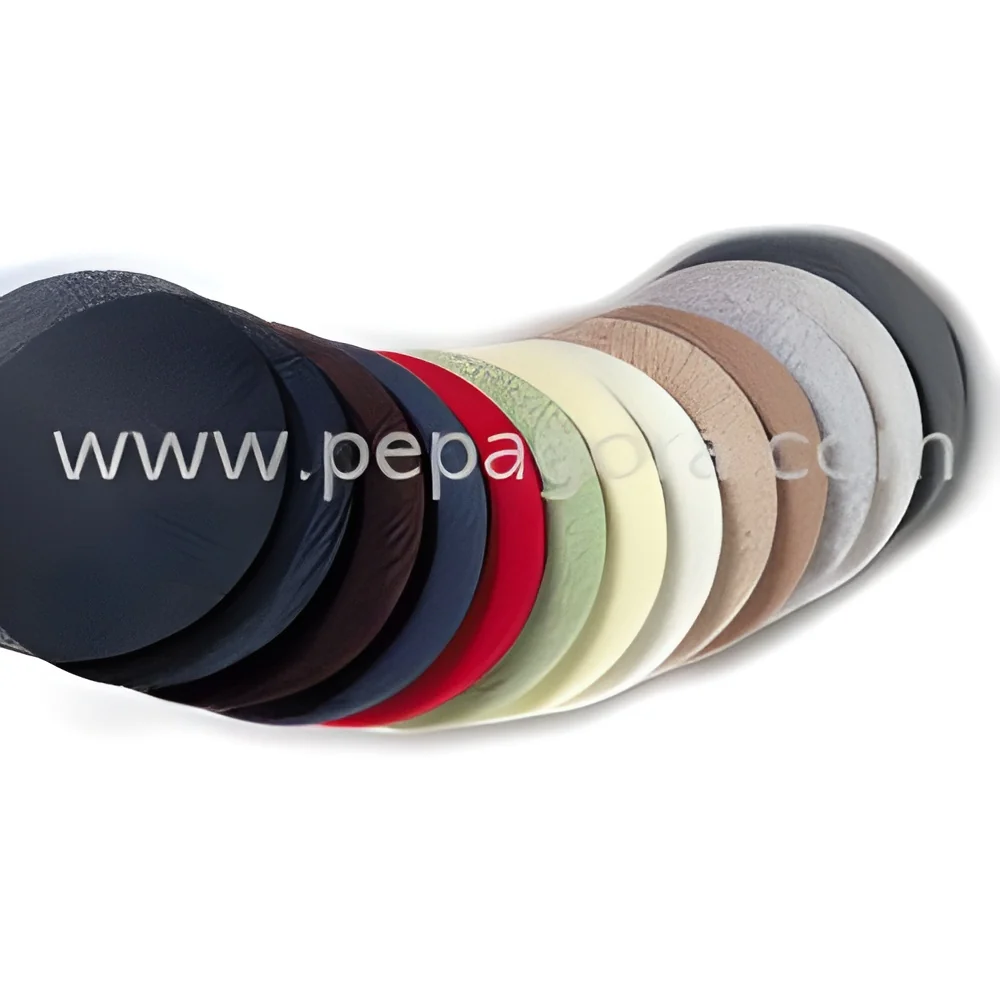
4. Color Coding
- Some products are available in different colors to prevent cross-contamination in food service.
- Color coding helps in identifying the intended cleaning area.
5. Absorbency Rate
- Indicates how much liquid a sponge can hold, impacting its effectiveness in various applications.
- Higher absorbency rates are essential for tasks like mopping up spills.
6. Chemical Resistance
- Certain scrub pads are designed to withstand exposure to harsh chemicals used in industrial cleaning.
- This feature is critical in sectors where strong cleaning agents are necessary.
7. Reusability
- Many scrub pads and sponges are designed for multiple uses, contributing to cost-efficiency and sustainability.
- Reusable options can be washed and sanitized for prolonged use.
8. Certifications
- Some products may meet specific industry standards, ensuring quality and safety.
- CE certification is an example of a recognized compliance mark.
In summary, when selecting scrub pads and sponges, businesses should consider material, abrasiveness, size, color coding, absorbency, chemical resistance, reusability, and certifications to ensure they meet their cleaning requirements.
Common Applications and Use Cases
Scrub pads and sponges are utilized in a variety of industries, each with unique cleaning requirements.
1. Food Service: In restaurants and kitchens, scrub pads are essential for cleaning pots, pans, and surfaces to maintain health standards.
2. Healthcare: Hospitals and clinics use sponges for sanitizing equipment and surfaces, ensuring a sterile environment for patients.
3. Manufacturing: In industrial settings, scrub pads are employed to clean machinery, preventing build-up that could hinder performance.
4. Hospitality: Hotels utilize these products for cleaning guest rooms and public areas, ensuring a clean and inviting atmosphere.
5. Automotive: In garages, scrub pads are used to clean vehicles and tools, maintaining equipment and ensuring customer satisfaction.
6. Retail: Stores use sponges for cleaning display cases and floors, contributing to a positive shopping experience.
7. Residential: Cleaning services and households rely on scrub pads and sponges for everyday cleaning tasks, from kitchens to bathrooms.
Product Variants and Subcategories
Scrub pads and sponges come in various forms, catering to specific cleaning needs.
Heavy-Duty Scrub Pads
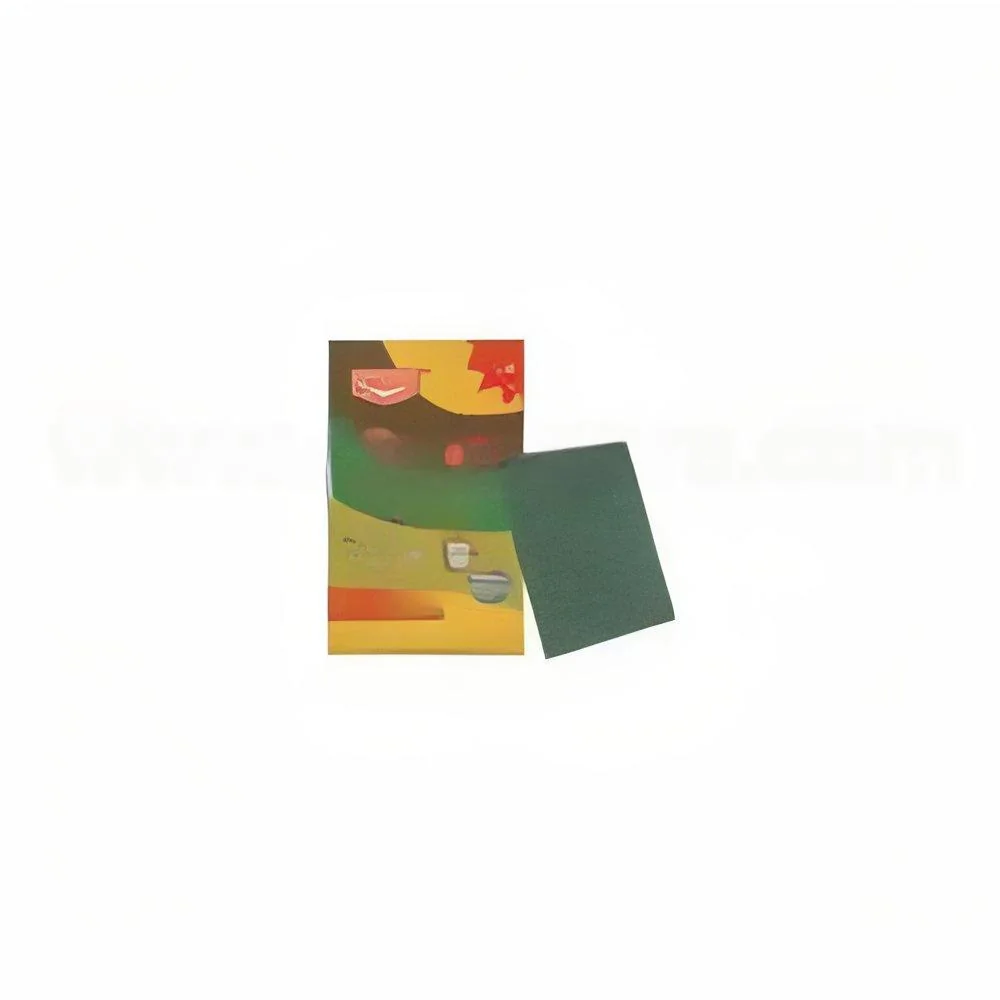
These pads are designed for tough cleaning tasks, featuring a coarse texture that effectively removes grime and stains from industrial equipment and surfaces.
Non-Scratch Sponges
Ideal for delicate surfaces, these sponges provide effective cleaning without scratching, making them suitable for use on non-stick cookware and sensitive finishes.
Cellulose Sponges
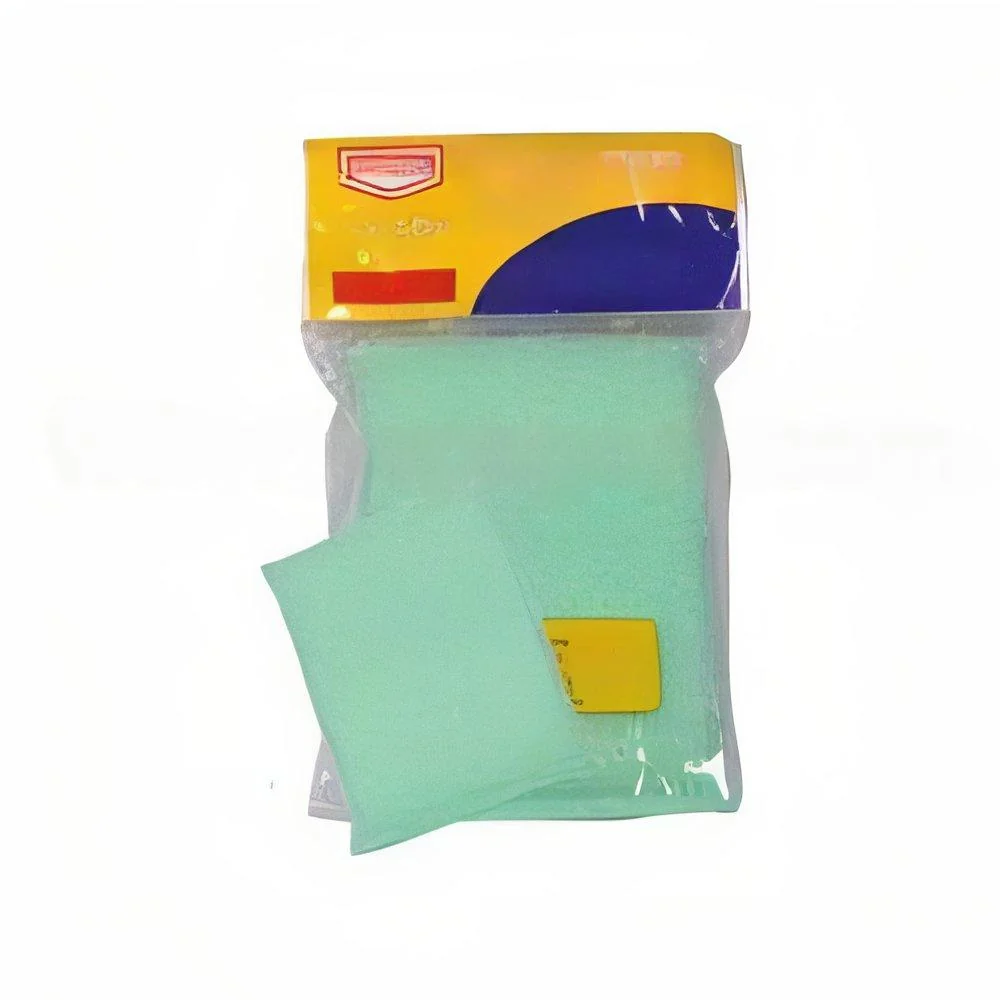
Made from natural materials, cellulose sponges are highly absorbent and biodegradable, making them a popular choice for eco-conscious consumers and businesses.
Scouring Pads
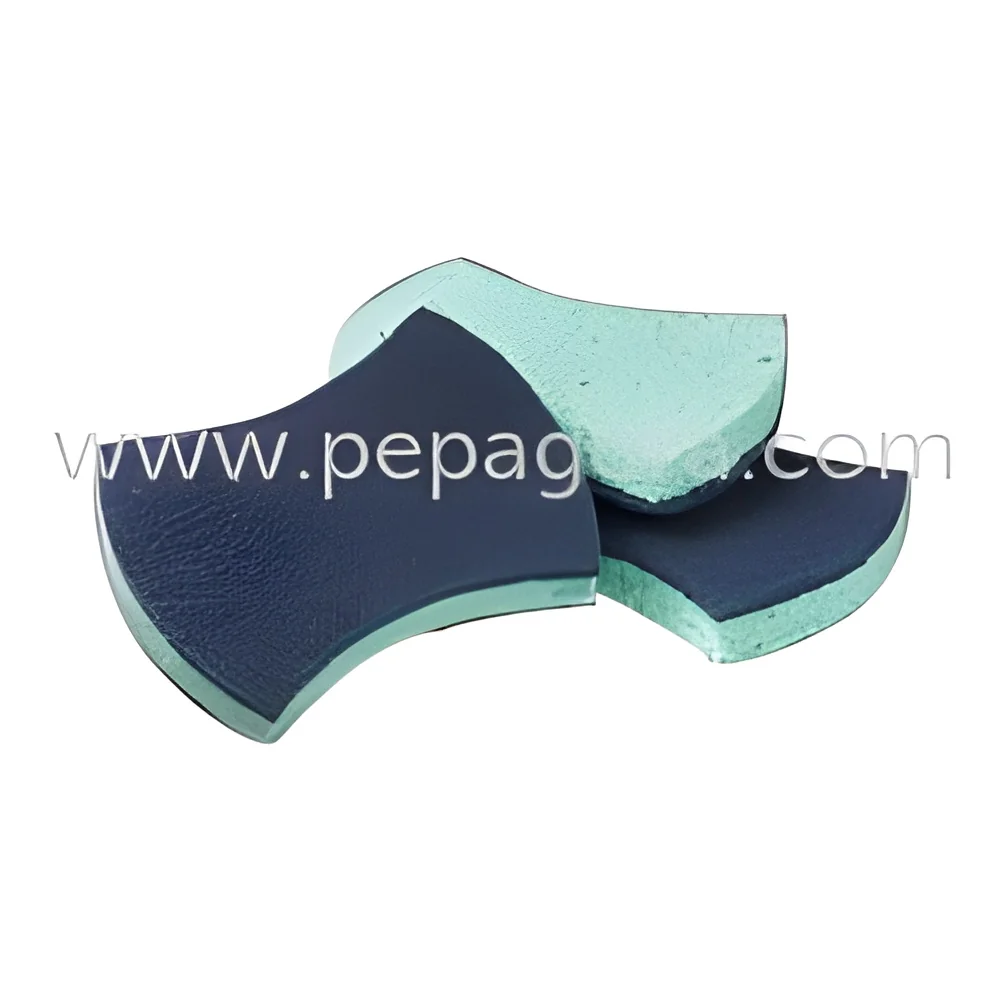
These pads combine a rough scrubbing surface with a softer backing, allowing for versatile cleaning options in both residential and commercial settings.
Benefits and Advantages
Using scrub pads and sponges offers numerous benefits that enhance cleaning efficiency and effectiveness.
1. Versatility: Scrub pads and sponges can be used on a variety of surfaces, making them suitable for multiple applications in different industries.
2. Time Efficiency: These products are designed to clean effectively, reducing the time needed for cleaning tasks and allowing for improved productivity.
3. Cost-Effectiveness: Many scrub pads and sponges are reusable, providing businesses with a cost-efficient cleaning solution over time.
4. Safety: With options designed to prevent scratches and damage, users can clean surfaces with confidence, protecting their investments.
5. Hygiene: Regular use of high-quality scrub pads and sponges helps maintain cleanliness and hygiene, which is critical in industries like food service and healthcare.
6. Environmental Considerations: Many products are available in biodegradable materials, allowing businesses to meet sustainability goals while maintaining cleanliness.
Buying Guide for B2B Buyers
When sourcing scrub pads and sponges, it is important for B2B buyers to consider several key factors to ensure they make informed purchasing decisions.
1. Quality Assessment: Examine the material and durability of scrub pads and sponges to ensure they meet the required cleaning standards for your business.
2. Supplier Verification: Vet suppliers by checking their reputation, certifications, and customer reviews to ensure reliability and quality.
3. Pricing and MOQ: Evaluate pricing structures and minimum order quantities to find a balance that meets budget constraints while ensuring adequate supply.
4. Delivery and Lead Times: Understand logistics capabilities and lead times from suppliers to ensure timely delivery of products to maintain operational efficiency.
5. Compliance Requirements: Ensure that the products meet relevant industry standards and regulations, such as safety and environmental compliance.
Compliance and Certifications
Scrub pads and sponges must adhere to various compliance standards to ensure safety and efficacy in their applications.
Relevant quality standards like ISO 9001 ensure that manufacturing processes meet consistent quality benchmarks. This certification is crucial for industries where hygiene and cleanliness are paramount.
The CE certification indicates that products meet European safety, health, and environmental protection standards, making it a key consideration for businesses looking to source globally.
Safety and testing requirements should also be taken into account, especially in sectors such as food service and healthcare, where product integrity is vital.
Regional compliance considerations may vary, and businesses should be aware of specific regulations in their operating regions to prevent legal issues and ensure product acceptance.
Why Source Scrub Pads & Sponges from Pepagora?
Pepagora provides a trusted platform for sourcing scrub pads and sponges, offering several key advantages to B2B buyers.
Verified Supplier Network: Pepagora connects buyers with verified suppliers, ensuring that products meet quality standards and buyers receive reliable service.
Streamlined RFQ Process: The request for quotation (RFQ) system simplifies the purchasing process, allowing buyers to easily compare options and make informed decisions.
Trade Assurance and Support: Pepagora offers buyer protection, ensuring that transactions are secure and that buyers receive the support they need throughout the procurement process.
Regional Coverage: With a reach that spans India, the GCC, and Southeast Asia, Pepagora provides access to a wide range of suppliers, helping businesses find the right products to meet their needs.

 IN
IN