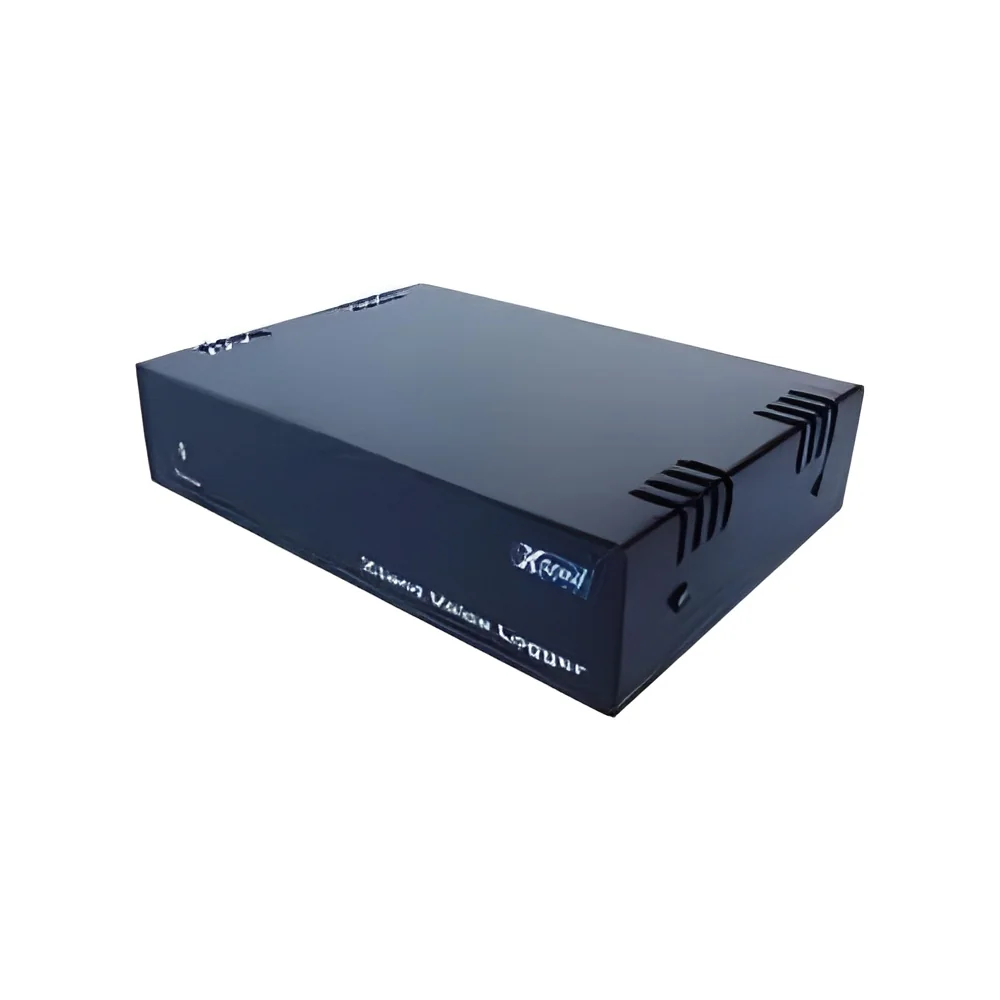
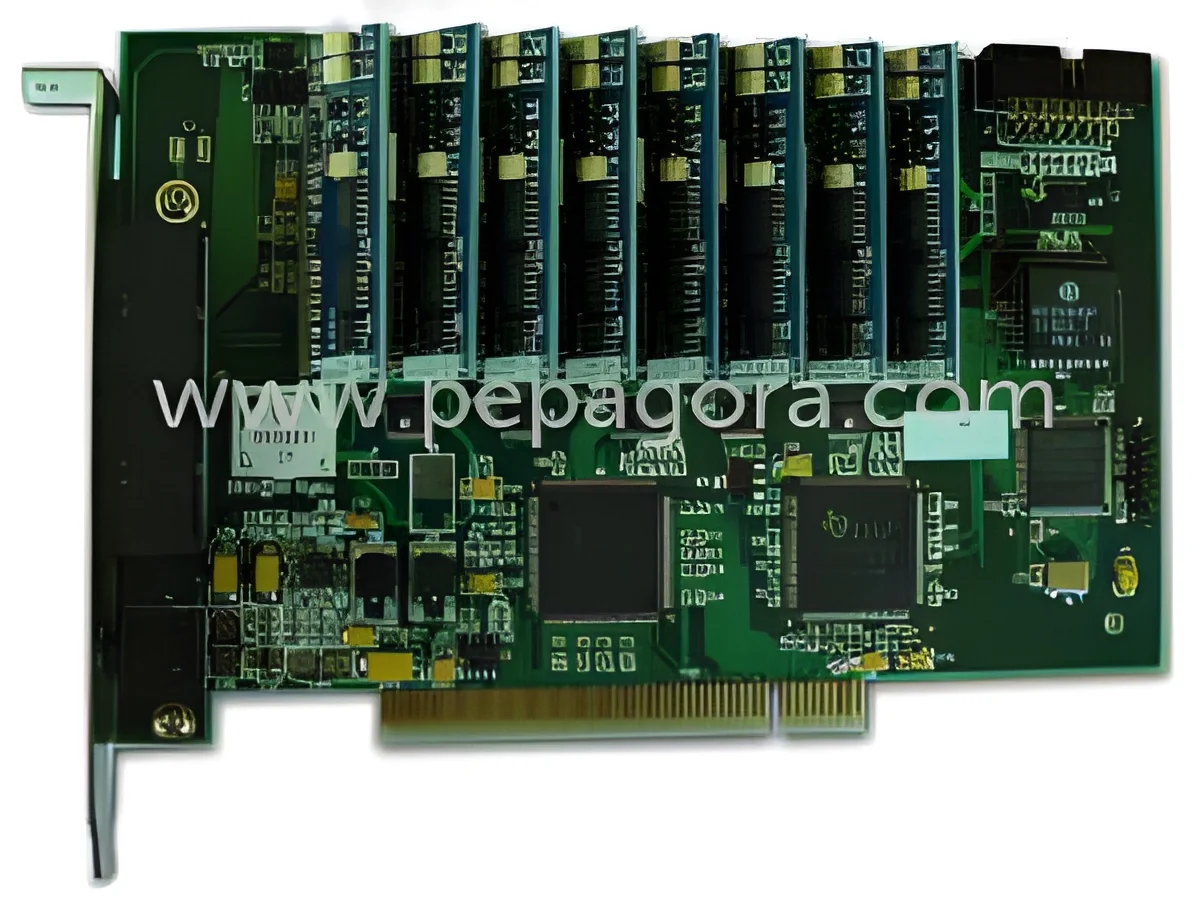
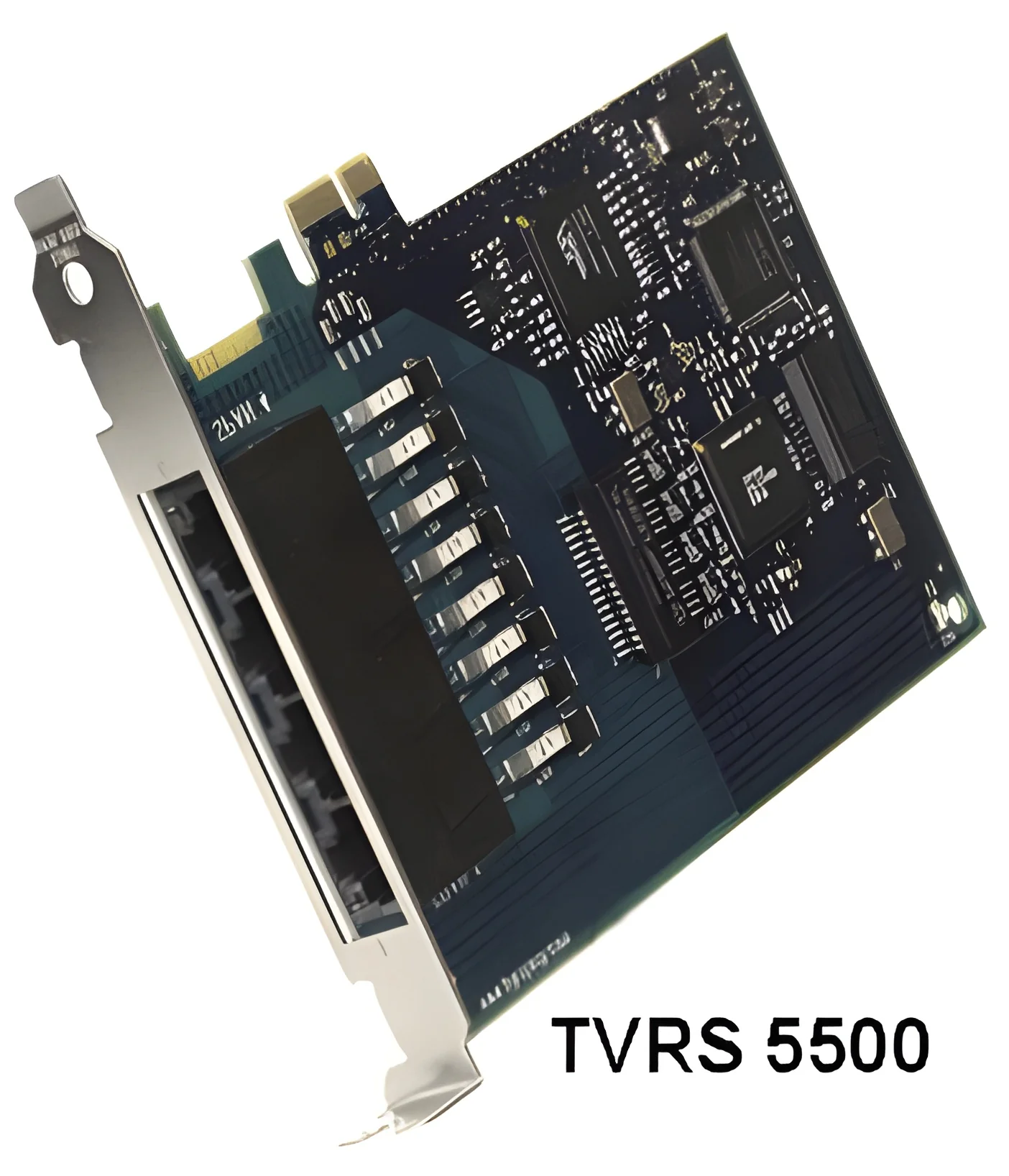
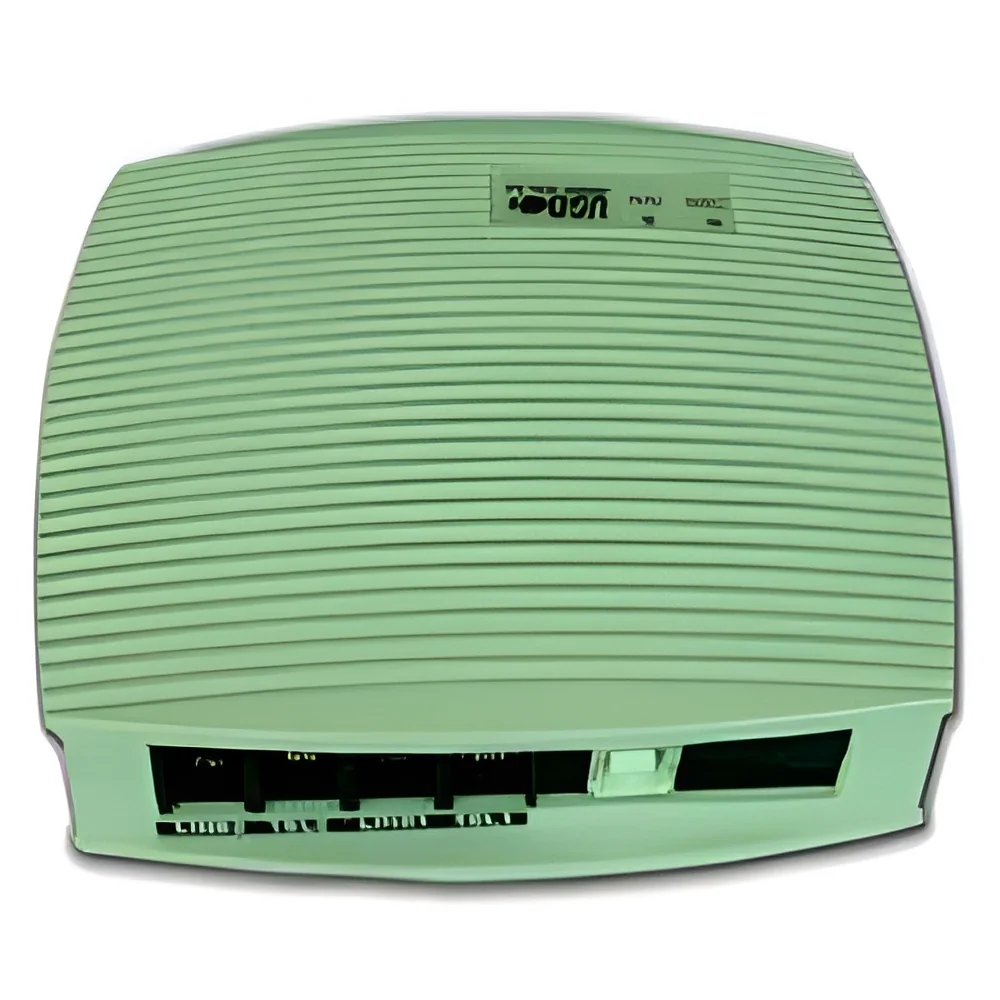
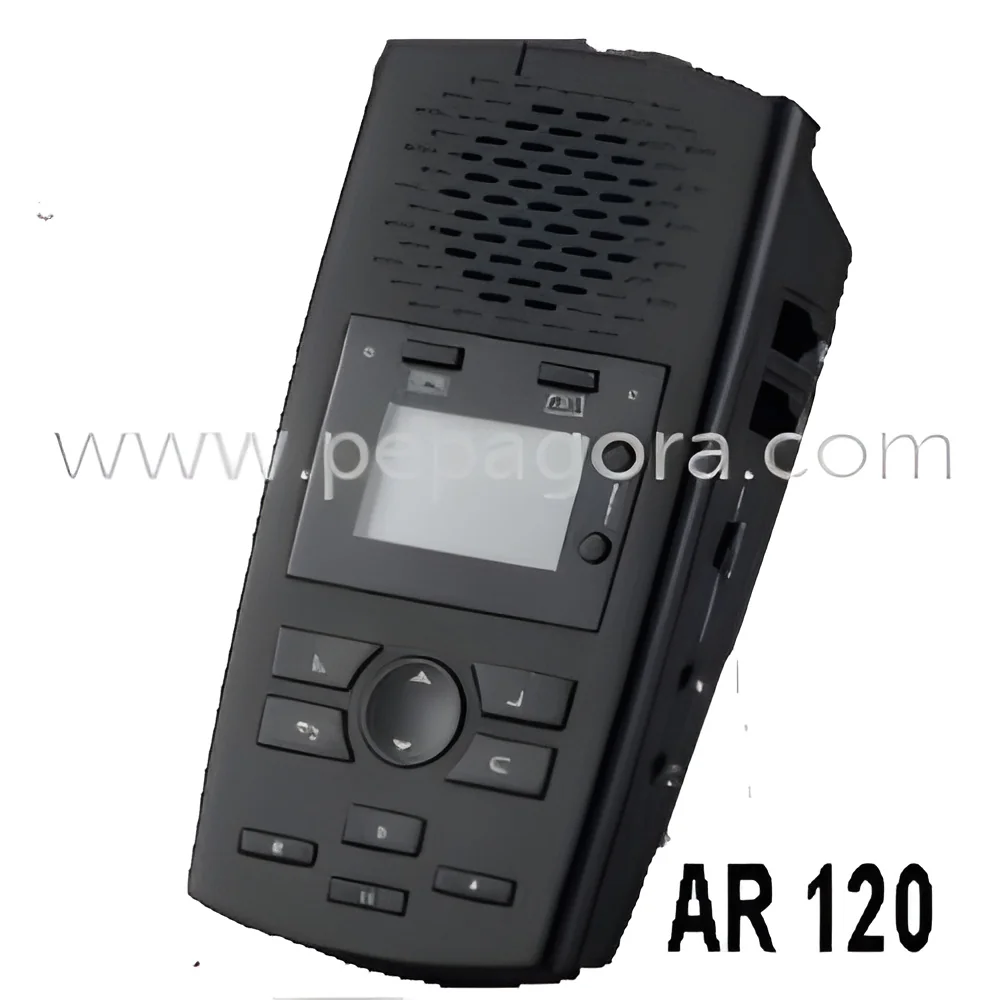
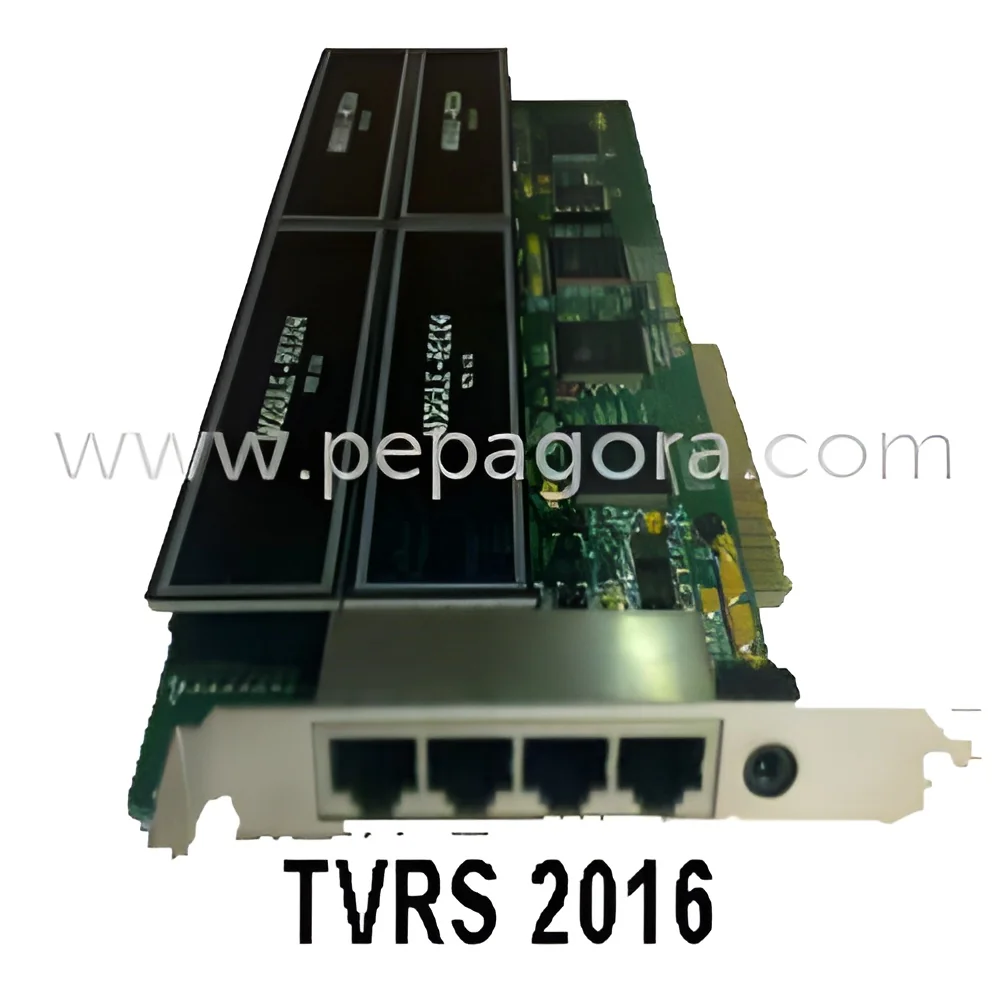
What are Voice Recorders & Dictation Devices?
Voice recorders and dictation devices are electronic tools designed to capture and store audio recordings. These devices range from simple handheld models to advanced systems featuring numerous functionalities such as voice activation, noise cancellation, and digital storage. They serve as essential tools for professionals who need to document information quickly and accurately, allowing for hands-free operation in various environments.
The primary uses of voice recorders and dictation devices include capturing meeting notes, dictating letters, conducting interviews, and recording lectures. In business settings, these devices enhance productivity by allowing users to focus on their tasks while easily storing verbal communications. The technology is especially relevant in industries such as healthcare, legal, education, and media, where the precise documentation of spoken words is critical.
In the current market, voice recorders and dictation devices have gained significant traction due to the increasing demand for efficient communication tools. Companies are investing in these devices to streamline workflows and improve information retrieval processes. As remote work and digital collaboration continue to rise, the relevance of these products remains strong, catering to a diverse range of professional needs.
Key Features and Specifications
Voice recorders and dictation devices are equipped with various features that enhance their usability and performance. Understanding these specifications is vital for selecting the appropriate device for specific business applications.
Key specifications include:
1. Audio Quality
- High-definition audio recording for clear playback
- Frequency response range typically between 20 Hz to 20 kHz
2. Storage Capacity
- Built-in memory or expandable storage options
- Common capacities range from 4 GB to 64 GB
3. Battery Life
- Long-lasting battery performance for extended recording sessions
- Standard battery life ranges from 10 to 50 hours of continuous use
4. Connectivity Options
- USB, Bluetooth, and Wi-Fi capabilities for easy file transfer
- Compatibility with various operating systems and devices
5. Voice Activation
- Automatic recording triggered by sound to save memory
- Ideal for hands-free operation
6. Noise Reduction Features
- Built-in technology to minimize background noise
- Enhances clarity in recordings
7. User Interface
- LCD displays for easy navigation and settings adjustment
- Simple controls for quick operation
8. Format Options
- Ability to save recordings in various audio formats such as MP3, WAV, or WMA
- Flexibility in sharing and editing recorded files
Voice recorders and dictation devices are designed with these features to meet the needs of diverse industries, providing practical solutions for effective communication.
Common Applications and Use Cases
Voice recorders and dictation devices are utilized across multiple industries, each with unique requirements for audio documentation.
1. Healthcare: Medical professionals use these devices to dictate patient notes, record consultations, and streamline administrative tasks, ensuring accurate patient records.
2. Legal: Lawyers and paralegals rely on voice recorders to document proceedings, interviews, and case notes, facilitating efficient case management.
3. Education: Educators use dictation devices to record lectures, discussions, and student presentations, providing accessible resources for students.
4. Media: Journalists and reporters capture interviews, press conferences, and ambient sounds for news coverage, enhancing storytelling through precise audio documentation.
5. Business: Executives and managers utilize these devices for meetings, brainstorming sessions, and project updates, allowing for better information retention and dissemination.
6. Research: Researchers record interviews, focus groups, and field notes, aiding in data collection and analysis for various projects.
7. Personal Use: Individuals may use voice recorders for personal reminders, note-taking, or journaling, providing convenience for everyday tasks.
Product Variants and Subcategories
Voice recorders and dictation devices come in various forms, each tailored for specific uses and preferences.
Basic Handheld Recorders: These are compact devices ideal for quick voice notes and interviews. They typically feature simple controls and basic audio quality, making them accessible for everyday users.
Digital Dictation Devices: Designed for professional use, these devices offer advanced features such as voice recognition, transcription capabilities, and higher storage capacity, catering to business environments.
Smartphone Apps: Many users opt for voice recording applications available on smartphones, providing convenience and flexibility for recording on-the-go. These apps often include editing features and easy sharing options.
Benefits and Advantages
Voice recorders and dictation devices offer several key benefits that enhance productivity and communication in professional settings.
1. Increased Efficiency: These devices allow users to capture thoughts and information quickly without manual note-taking, saving time and effort.
2. Enhanced Accuracy: Voice recordings minimize the risk of miscommunication and errors common in written notes, ensuring precise documentation.
3. Flexibility: Users can record audio in various environments, whether in meetings, conferences, or fieldwork, adapting to diverse work scenarios.
4. Easy Retrieval: Recorded audio files can be easily stored, organized, and retrieved, facilitating effective information management.
5. Cost-Effectiveness: Investing in voice recorders can reduce administrative costs related to manual transcription and documentation.
6. Improved Collaboration: Recorded audio can be shared among team members, enhancing communication and project coordination.
Buying Guide for B2B Buyers
When sourcing voice recorders and dictation devices, B2B buyers should consider several important factors to ensure they make informed decisions.
1. Quality Assessment: Evaluate the audio quality and build of the devices to ensure they meet professional standards. Reviews and product demonstrations can provide insights into performance.
2. Supplier Verification: Vet suppliers thoroughly by checking their reputation, customer feedback, and past performance to ensure reliability and quality of products.
3. Pricing and MOQ: Understand the pricing structure and minimum order quantities to align with budget constraints and purchasing needs.
4. Delivery and Lead Times: Consider logistics and expected delivery times to ensure that devices are available when needed for projects or operational requirements.
5. Compliance Requirements: Familiarize yourself with any applicable regulatory standards or certifications that the devices must meet, ensuring adherence to industry guidelines.
Compliance and Certifications
Voice recorders and dictation devices are subject to various quality and safety standards that ensure their reliability and effectiveness in professional use.
ISO 9001 is a standard that outlines the requirements for a quality management system, ensuring consistency in the manufacturing of voice recorders. This standard helps guarantee that products meet customer and regulatory requirements, enhancing overall quality.
CE certification indicates that the devices conform to European health, safety, and environmental protection standards. This certification is crucial for products sold in European markets, ensuring consumer safety and product reliability.
Additionally, manufacturers must adhere to safety and testing requirements to ensure that their devices perform effectively and safely in various environments. Regulatory compliance may vary by region, necessitating awareness of local regulations for each market.
Why Source Voice Recorders & Dictation Devices from Pepagora?
Pepagora provides a trusted platform for sourcing voice recorders and dictation devices, offering several key advantages to B2B buyers.
Verified Supplier Network: Pepagora connects buyers with a network of verified suppliers who meet stringent quality standards. This ensures that businesses can source reliable products with confidence.
Streamlined RFQ Process: The Request for Quotation process is designed to simplify sourcing, allowing buyers to easily compare options and make informed purchasing decisions without extensive back-and-forth communication.
Trade Assurance and Support: Buyers benefit from trade assurance programs that protect their purchases, ensuring product quality and timely delivery while providing dedicated support throughout the buying process.
Regional Coverage: Pepagora serves a broad geographic area, including India, the GCC, and Southeast Asia, making it easier for businesses to find competitive sourcing options tailored to their specific regional needs.
By leveraging these advantages, businesses can efficiently source voice recorders and dictation devices that meet their operational requirements.

 IN
IN