
 IN
Basic Calculators
4 products available
What are Basic Calculators?
Basic calculators are fundamental computing devices designed to perform simple arithmetic operations such as addition, subtraction, multiplication, and division. These calculators typically feature a numeric keypad and a display screen, allowing users to input numbers and see the results of their calculations in real-time. While they may lack advanced functions found in scientific or graphing calculators, basic calculators provide reliable solutions for everyday mathematical tasks.
In a business context, basic calculators are widely used for a range of applications including financial calculations, budgeting, and inventory management. They are essential tools in offices, retail environments, and educational institutions, where quick calculations are often necessary. Their straightforward functionality makes them accessible to users of all skill levels, ensuring that anyone can perform calculations with ease.
The relevance of basic calculators in various industries remains significant, particularly in sectors that prioritize efficiency and accuracy in numerical tasks. Despite the rise of advanced technology, basic calculators continue to be a staple in many workplaces due to their affordability and reliability. As such, they occupy a meaningful niche in the market for office supplies and educational tools.
Key Features and Specifications
Basic calculators come equipped with several essential features that enhance their usability. These features ensure that users can perform calculations quickly and accurately.
Key specifications include:
1. Display Type
- Typically a 7-segment LED or LCD display
- Visual clarity ranging from 8 to 12 digits
2. Power Source
- Battery-operated or solar-powered options available
- Dependable battery life ranging from 1 to 3 years
3. Keypad Design
- Standard keypad layout with tactile feedback
- Durable keys designed for frequent usage
4. Calculation Functions
- Basic operations including addition, subtraction, multiplication, and division
- Memory functions for storing intermediate results
5. Size and Portability
- Compact and lightweight design for easy transport
- Dimensions typically around 5 to 7 inches in length
6. Build Quality
- Made with durable plastic materials
- Shock-resistant designs for added durability
7. User Interface
- Simple layout for intuitive operation
- Clear labeling of function keys for ease of use
In summary, basic calculators are designed with essential features that meet the needs of everyday users. Their simple specifications make them ideal for both personal and business applications.
Common Applications and Use Cases
Basic calculators serve various industries effectively, making them indispensable tools in many settings.
1. Retail: In retail environments, basic calculators help staff quickly compute prices, discounts, and change for customers, ensuring smooth transactions.
2. Education: Students and teachers utilize basic calculators in classrooms for arithmetic exercises, making math learning accessible and straightforward.
3. Office: In office settings, employees rely on basic calculators for budgeting, expense tracking, and other financial tasks that require quick calculations.
4. Construction: Construction professionals use basic calculators to perform measurements and material estimations, essential for project planning and execution.
5. Hospitality: The hospitality industry employs basic calculators to manage billing, tips, and budget planning, enhancing customer service efficiency.
6. Accounting: Accountants use basic calculators for straightforward financial calculations, ensuring accuracy in bookkeeping tasks.
7. Home Use: Individuals often keep basic calculators at home for managing personal finances, shopping lists, and household budgeting.
Product Variants and Subcategories
The diversity of basic calculators allows users to choose devices that best meet their specific needs.
Variant 1: Desk Calculator
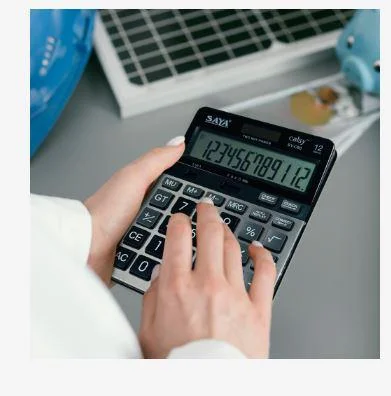
Desk calculators are larger devices designed for office use, featuring a wider display and more comfortable keypad. They often include additional functions like tax calculations and currency conversion, making them suitable for accounting tasks.
Variant 2: Pocket Calculator
Pocket calculators are compact and portable, ideal for on-the-go calculations. Their lightweight design and simple functionality make them popular among students and professionals alike, providing convenience for quick math tasks.
Variant 3: Solar Calculator
Solar calculators are powered by sunlight, making them an environmentally friendly option. They are perfect for outdoor use or in areas with limited access to electrical power, ensuring that users can perform calculations anywhere.
Benefits and Advantages
Basic calculators offer numerous benefits that make them essential tools for both individuals and businesses.
1. Cost-Effective: Basic calculators are generally affordable, making them a practical choice for budget-conscious buyers.
2. User-Friendly: Their straightforward design allows users to perform calculations without a steep learning curve, promoting accessibility.
3. Portability: Lightweight and compact designs make basic calculators easy to carry, allowing for calculations on the go.
4. Durability: Built with sturdy materials, basic calculators can withstand daily wear and tear, ensuring long-term usability.
5. Versatility: Suitable for various applications across multiple industries, basic calculators can meet diverse calculation needs.
6. Reliability: Known for their consistent performance, basic calculators provide accurate results without the complexities of advanced devices.
Buying Guide for B2B Buyers
When sourcing basic calculators, it is essential for B2B buyers to consider several key factors to ensure they make informed purchasing decisions.
1. Quality Assessment: Evaluate the build quality and materials used in the calculators. Durable products will withstand frequent use and provide reliable performance.
2. Supplier Verification: Vet potential suppliers to confirm their track record and reputation in the industry. Reliable suppliers ensure product availability and support.
3. Pricing and MOQ: Understand the pricing structure and minimum order quantities (MOQ) to align purchases with budget constraints and demand forecasts.
4. Delivery and Lead Times: Assess the supplier's logistics capabilities to ensure timely delivery of products, which is crucial for maintaining operational efficiency.
5. Compliance Requirements: Be aware of any regulatory needs or industry standards that apply to basic calculators, including certifications such as CE and UL, to ensure compliance.
Compliance and Certifications
Basic calculators must adhere to various quality standards and certifications to ensure their reliability and safety in use. Relevant quality standards include ISO 9001, which focuses on maintaining quality management systems to enhance customer satisfaction.
Industry certifications such as CE and UL indicate that the calculators meet specific safety and performance benchmarks, providing peace of mind to buyers.
Safety and testing requirements often involve rigorous evaluations to ensure that calculators are safe for consumer use. Additionally, buyers should consider regional compliance requirements, as these may vary based on local regulations and market expectations.
Why Source Basic Calculators from Pepagora?
Pepagora provides a trusted platform for sourcing basic calculators, offering numerous key advantages for buyers looking for reliable products.
Verified Supplier Network: Pepagora features a network of verified suppliers, ensuring that all listed products meet quality and safety standards. This verification process enhances buyer confidence in the sourcing process.
Streamlined RFQ Process: The platform offers a seamless request for quotation (RFQ) process, allowing buyers to easily compare prices and terms from multiple suppliers. This efficiency helps businesses make cost-effective purchasing decisions.
Trade Assurance and Support: Pepagora provides trade assurance measures to protect buyers in their transactions, ensuring that they receive the products as described and on time. Additionally, dedicated support teams are available to assist with any inquiries or issues.
Regional Coverage: With a strong presence in regions such as India, the GCC, and Southeast Asia, Pepagora enables buyers to access a broad range of options, catering to diverse market needs and preferences. This geographic reach enhances the ability to source competitively priced calculators tailored to local demands.


Frequently Asked Questions
What are Basic Calculators?
Basic calculators are simple computing devices designed to perform fundamental arithmetic operations such as addition, subtraction, multiplication, and division. They typically feature a numeric keypad and a display screen, making them user-friendly and accessible for everyday calculations.
What are the different types of Basic Calculators?
Basic calculators come in various forms, including handheld models, desktop versions, and solar-powered options. Some may also include additional features like memory functions or percentage calculations, but they primarily focus on essential arithmetic capabilities.
How do I choose the right Basic Calculators?
Choosing the right basic calculator involves considering factors such as the intended use, portability, and display size. It's also important to evaluate the calculator's ease of use and any additional features that may enhance your calculations.
What are the standard specifications for Basic Calculators?
Standard specifications for basic calculators typically include a minimum of 8-digit display, a numeric keypad, and basic arithmetic functions. Some models may also offer features like a memory function and a percentage button to facilitate various calculations.
What is the price range for Basic Calculators?
The price range for basic calculators varies widely based on brand, features, and build quality. Generally, you can expect to pay anywhere from ₹100 to ₹1,000, with most standard models falling in the lower end of that spectrum.
What quality standards apply to Basic Calculators?
Quality standards for basic calculators typically include compliance with international safety regulations and performance benchmarks. Manufacturers often ensure their products are durable, reliable, and function correctly to meet consumer expectations.
Where can I find Basic Calculators suppliers in India?
You can find basic calculator suppliers in India through various online B2B marketplaces, trade directories, and local electronics suppliers. Websites like Pepagora.com can facilitate connections with reputable manufacturers and suppliers in the industry.
Can Basic Calculators be customized?
Yes, basic calculators can be customized to some extent. Common customization options include branding with logos, color variations, and specific functionalities tailored to business needs.
What is the typical minimum order quantity for Basic Calculators?
The typical minimum order quantity (MOQ) for basic calculators can vary by supplier, but it usually ranges from 50 to 100 units. It's advisable to check with specific manufacturers for their MOQ policies.
What is the typical lead time for Basic Calculators?
The typical lead time for basic calculators can range from one week to several weeks, depending on the supplier's stock availability and customization requirements. It's important to confirm lead times during the ordering process to ensure timely delivery.
Why Businesses Trust Pepagora
Thousands of companies trust Pepagora to source smarter and sell faster
Expand Your Sales Globally

Source Smarter,Grow Faster
