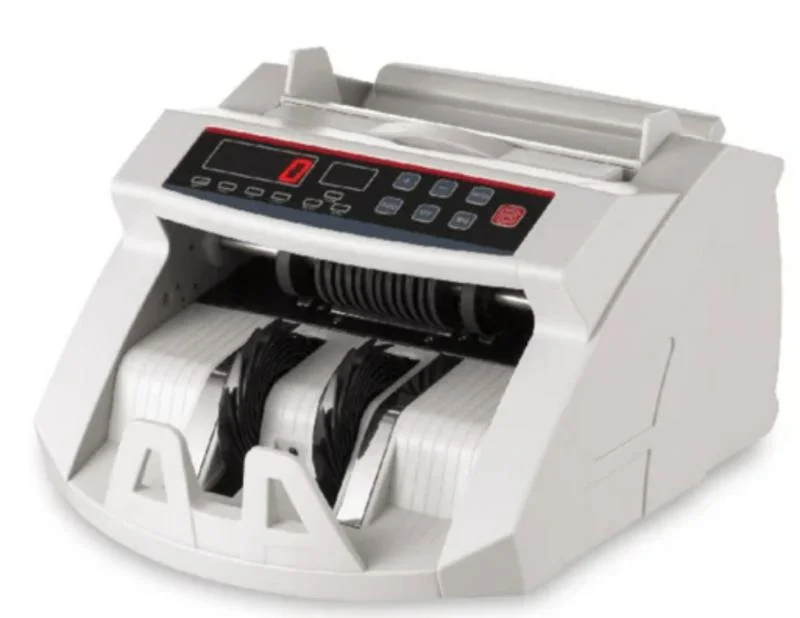
What are Printing Calculators?
Printing calculators are specialized devices designed to perform mathematical calculations while simultaneously producing printed results. They combine the functionalities of a standard calculator with a printing mechanism, enabling users to generate hard copies of their calculations. This makes them particularly valuable in environments where documentation of numerical data is essential, such as accounting, finance, and retail.
The primary uses of printing calculators extend to various business applications, including inventory management, financial reporting, and payroll processing. They are commonly employed by professionals who require quick calculations alongside a physical record of transactions. The ability to print results on demand enhances accuracy and efficiency in financial operations, ensuring that businesses can maintain clear and concise records of their calculations.
In the current market context, printing calculators remain relevant despite the rise of digital solutions. Many industries still rely on these devices for their ease of use and the tactile output they provide. They are particularly popular in sectors where immediate documentation is necessary, such as banking and retail, reinforcing their enduring value in the business landscape.
Key Features and Specifications
Printing calculators are equipped with a variety of features that cater to the needs of businesses. When considering a printing calculator, it is important to examine its specifications to ensure it meets operational requirements.
Key specifications include:
1. Print Speed
- Measure of how quickly the calculator can print results
- Typically ranges from 2 to 5 lines per second
2. Display Type
- Indicates the kind of screen used for calculations
- Common types include LCD and LED displays
3. Number of Digits
- Refers to the maximum number of digits that can be displayed
- Usually ranges from 10 to 16 digits
4. Memory Functions
- Includes features for storing and recalling values
- Often consists of several memory slots for different calculations
5. Power Source
- Indicates how the device is powered
- Can be battery-operated, plug-in, or both
6. Dimensions
- Provides the physical size of the calculator
- Typically varies between compact models and larger, more robust units
7. Weight
- Reflects the portability of the calculator
- Generally ranges from lightweight models to heavier, more durable options
8. Key Layout
- Describes the arrangement and accessibility of keys
- Ergonomic designs can enhance user experience during prolonged use
These specifications help businesses choose a printing calculator that aligns with their specific needs, ensuring optimal performance and functionality.
Common Applications and Use Cases
Printing calculators are versatile tools utilized across a range of industries. Their capacity to print calculations makes them essential in many business environments.
1. Accounting: In the accounting field, professionals use printing calculators to quickly compute figures and maintain records of transactions. The printed output provides a reliable reference for audits and reconciliations.
2. Retail: Retail businesses often utilize printing calculators at the point of sale to calculate totals and print receipts. This ensures customers receive immediate documentation of their purchases.
3. Banking: Banks employ printing calculators for various financial operations, including loan calculations and interest assessments. The printed results serve as a record for both the bank and the customer.
4. Education: Educational institutions use printing calculators for teaching purposes, allowing students to see their calculations in real-time and understand the processes involved.
5. Manufacturing: In manufacturing, these calculators aid in inventory management and cost calculations, providing printed reports for analysis and decision-making.
6. Event Planning: Event planners use printing calculators to manage budgets and expenses, ensuring they have printed records of all financial transactions.
7. Real Estate: Real estate professionals utilize these calculators to assess property values and calculate commissions, printing results for client consultations.
Product Variants and Subcategories
Printing calculators come in various models tailored to different user needs. While specific subcategories are not available, the diversity in features and capabilities allows for a broad selection.
Standard Printing Calculator
This model is designed for general use, featuring a straightforward layout and essential functions. It is suitable for everyday calculations in offices and retail environments.
Advanced Printing Calculator
Equipped with additional features such as tax calculations and currency conversion, this variant is aimed at finance professionals who require more complex functionalities.
Compact Printing Calculator
This portable option is ideal for professionals on the go. Its lightweight design and battery operation make it perfect for mobile use in various settings.
Benefits and Advantages
Investing in a printing calculator offers several advantages for businesses. These devices streamline workflows and enhance productivity.
1. Immediate Documentation: Printing calculators provide instant hard copies of calculations, ensuring that records are readily available for reference or audit purposes.
2. Enhanced Accuracy: By minimizing manual entry and calculation errors, these devices help maintain high accuracy in financial operations.
3. User-Friendly Interface: Most printing calculators are designed with intuitive key layouts, making them accessible for users with varying levels of technical expertise.
4. Portability: Many models are compact and lightweight, allowing for easy transport between different locations within a business.
5. Time Efficiency: The ability to perform calculations and print results simultaneously saves time, allowing professionals to focus on other tasks.
6. Cost-Effective: Printing calculators are typically affordable, making them a budget-friendly choice for small to medium-sized businesses.
Buying Guide for B2B Buyers
When sourcing printing calculators, it is essential for B2B buyers to consider several factors to ensure they make informed purchasing decisions.
1. Quality Assessment: Buyers should evaluate the build quality and durability of the printing calculator. Look for reputable brands known for reliability and performance.
2. Supplier Verification: It is crucial to vet suppliers to ensure they have a track record of providing quality products. Check for customer reviews, testimonials, and their standing in the industry.
3. Pricing and MOQ: Understand the pricing structure and minimum order quantities. This information helps in budgeting and negotiating with suppliers.
4. Delivery and Lead Times: Inquire about the delivery process and lead times to ensure that products arrive when needed. Timely delivery is critical for maintaining business operations.
5. Compliance Requirements: Ensure that the printing calculators meet any necessary regulatory standards or certifications relevant to your industry. This ensures compliance and safety in use.
Compliance and Certifications
Printing calculators must adhere to various compliance and certification standards to ensure quality and safety. Key standards include ISO 9001, which focuses on quality management systems, ensuring that products meet customer and regulatory requirements.
Industry certifications such as CE and UL indicate that the calculators have been tested for safety and performance. These certifications provide assurance to buyers that the devices meet established guidelines.
In addition, businesses should consider regional compliance requirements that may affect product use. Understanding these regulations is crucial for ensuring that the calculators can be utilized without legal or operational hindrances.
Why Source Printing Calculators from Pepagora?
Pepagora provides a trusted platform for sourcing printing calculators with several key advantages.
Verified Supplier Network: Pepagora connects buyers with verified suppliers, ensuring that companies can find reliable products that meet their specific needs. Each supplier undergoes a thorough vetting process to guarantee quality.
Streamlined RFQ Process: The Request for Quotation (RFQ) system simplifies the procurement process. Buyers can easily submit requests and receive quotes from multiple suppliers, making it easier to compare options and make informed decisions.
Trade Assurance and Support: Pepagora offers trade assurance, providing buyers with protection against potential issues during the transaction process. Their support team is available to assist with any inquiries or concerns.
Regional Coverage: With a broad geographic reach, Pepagora serves clients in India, the GCC, and Southeast Asia. This regional presence allows businesses to access a diverse range of printing calculators tailored to their specific market needs.

 IN
IN