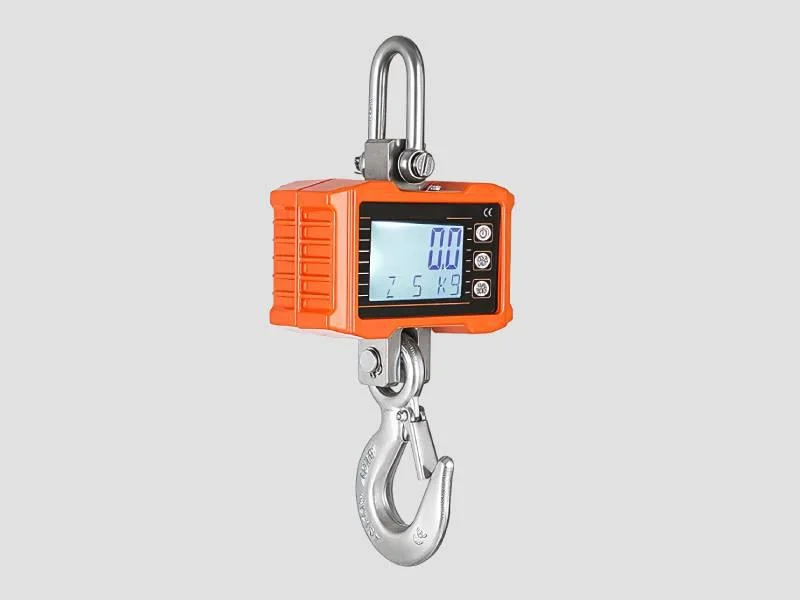
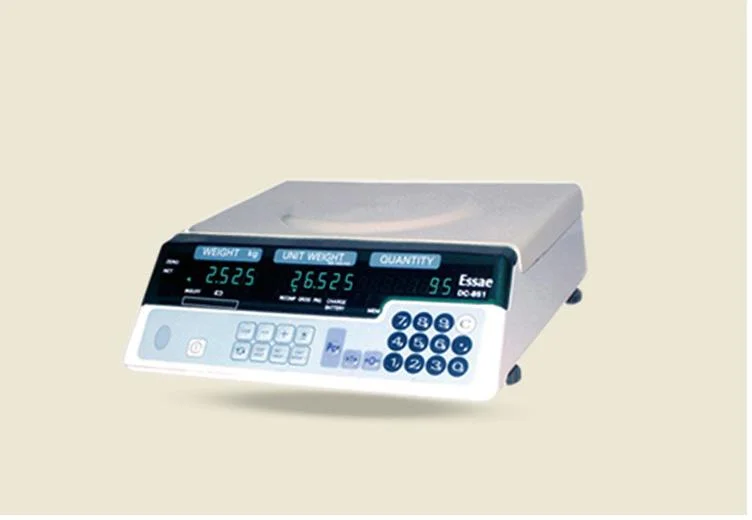
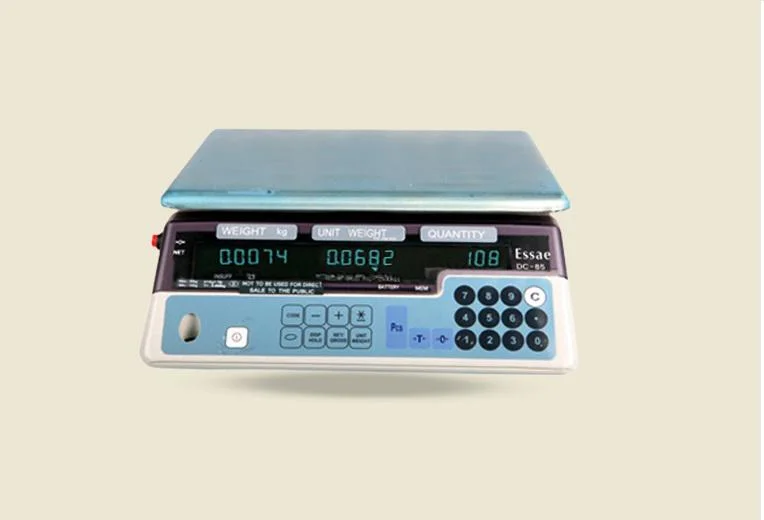
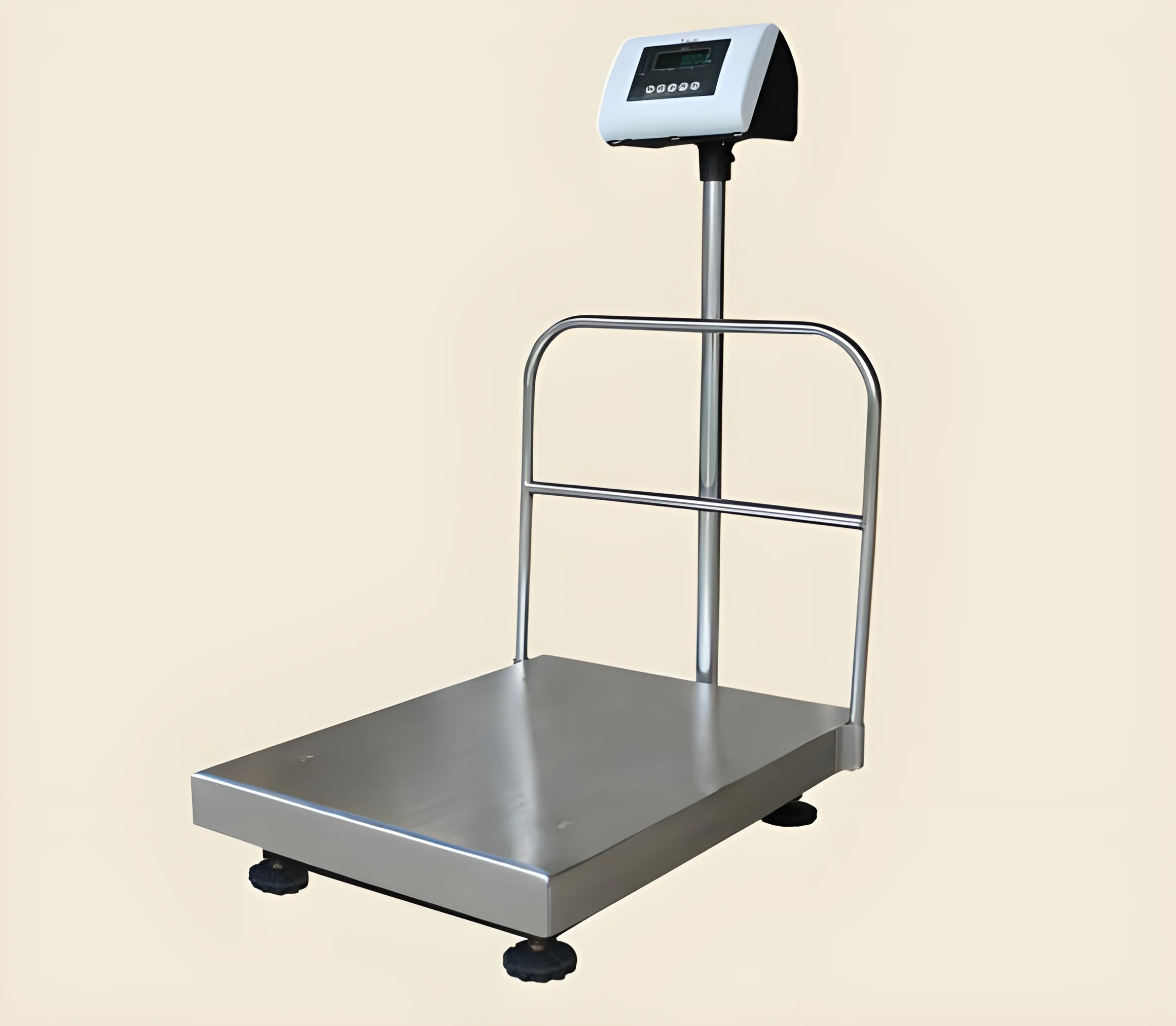
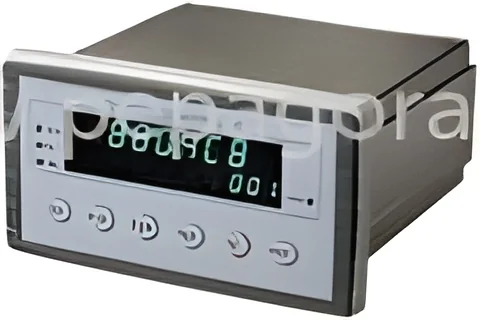
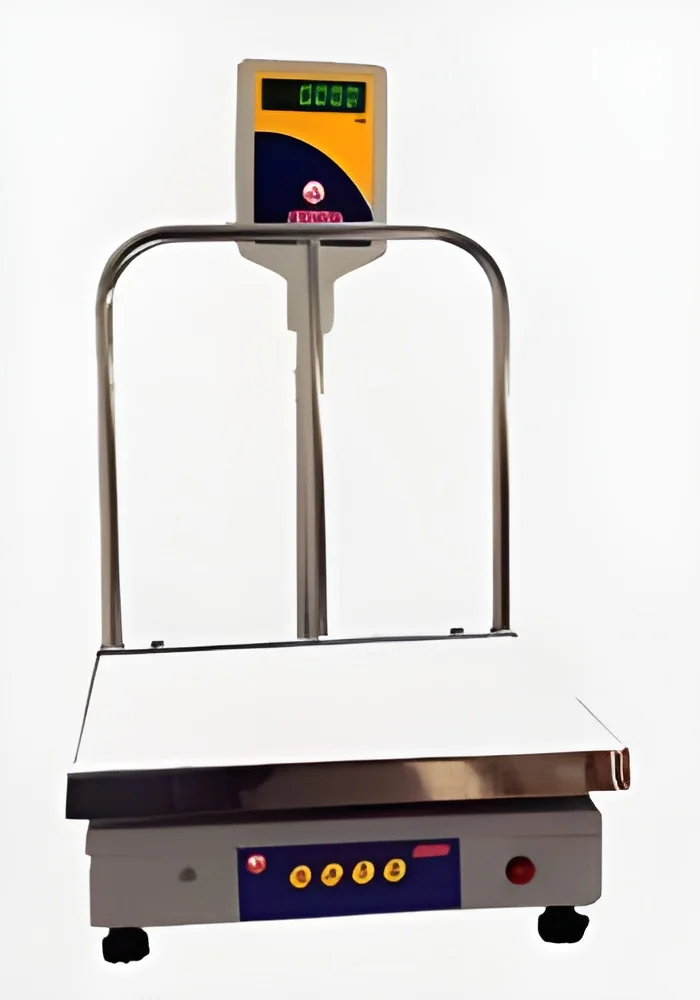
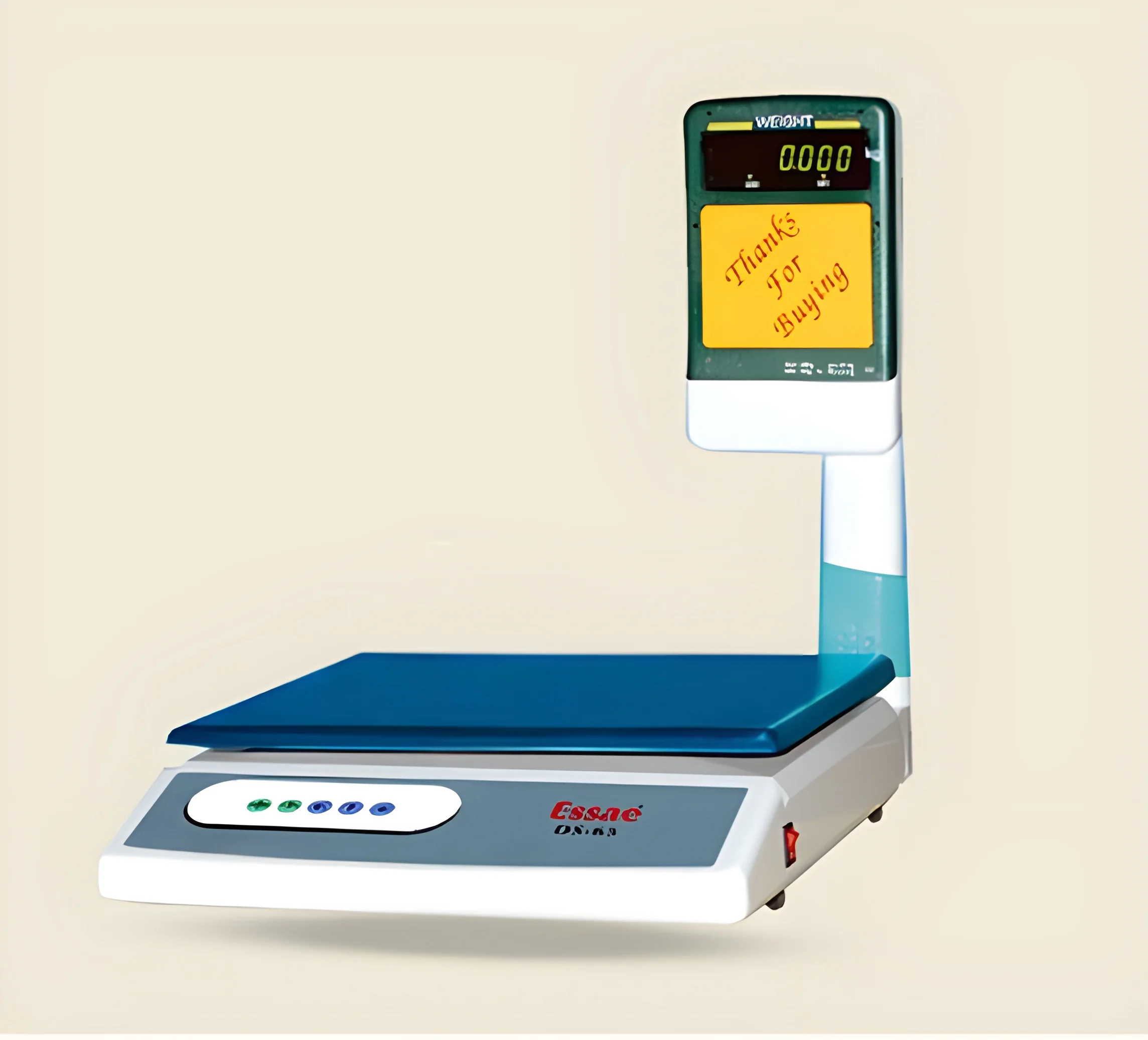
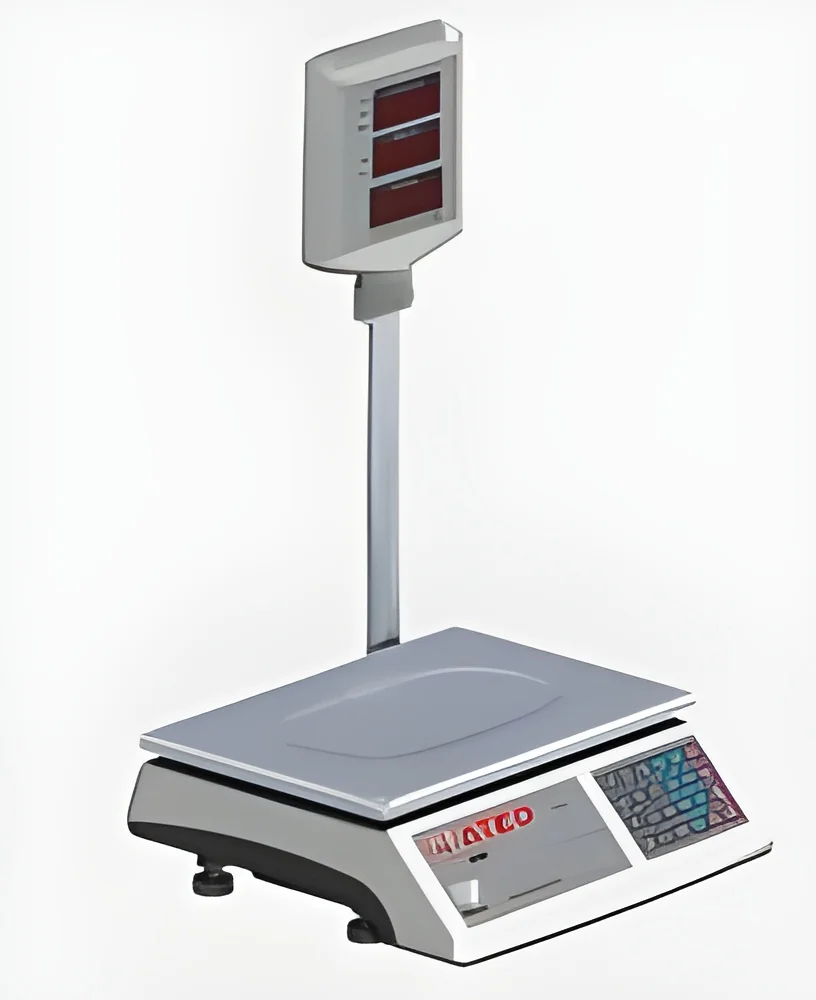
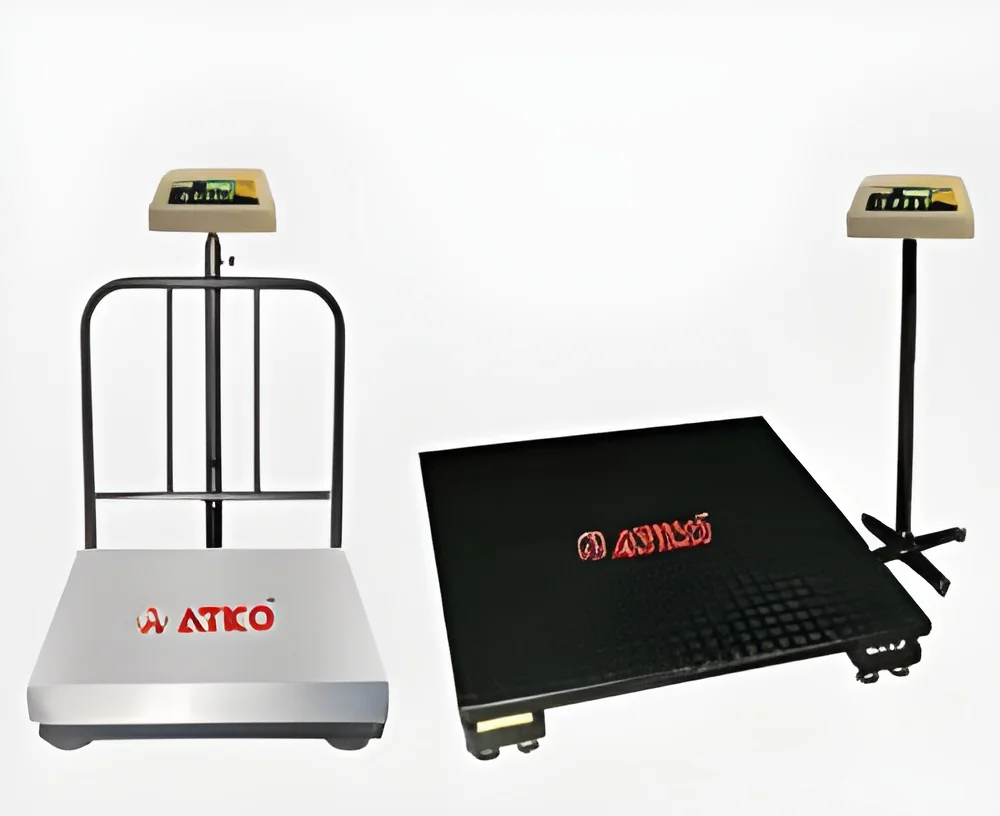
What are Electronic Scales?
Electronic scales are precision instruments used to measure weight and mass electronically. These devices operate using sensors that convert the weight of an object into an electrical signal, which is then displayed digitally. Unlike traditional mechanical scales that rely on springs, electronic scales provide accurate and quick readings, making them suitable for various applications across different industries.
The primary uses of electronic scales include weighing goods in manufacturing, packaging, retail, and logistics. Businesses utilize these scales to ensure accurate measurements for compliance, inventory management, and quality control. In food production, for example, electronic scales help in portioning ingredients, while in shipping, they assist in determining freight weights. The growing demand for precision weighing solutions has led to a robust market for electronic scales, with advancements in technology enhancing their functionality and reliability.
In the context of industry relevance, electronic scales are essential in sectors such as pharmaceuticals, food and beverage, and logistics. Their ability to provide real-time data aids in operational efficiency and regulatory compliance. The market for electronic scales is expanding, driven by the need for automation and data integration in modern manufacturing and business processes.
Key Features and Specifications
When considering electronic scales, it is important to understand their key features and specifications, which ensure they meet industry needs effectively. These specifications encompass various technical aspects that affect performance, accuracy, and usability.
Key specifications include:
1. Capacity
- This specification denotes the maximum weight the scale can measure.
- Common ranges are from a few grams to several tons.
2. Accuracy
- Accuracy refers to how close the measured weight is to the actual weight.
- Typical accuracy can range from ±0.01 grams to ±1 kilogram, depending on the scale.
3. Display Type
- The display type can be LCD or LED, providing clear readability.
- Some scales feature backlit displays for use in low-light environments.
4. Power Source
- Electronic scales may be battery-powered or plug-in.
- Battery life can vary from a few hours to several months based on usage.
5. Calibration
- Calibration is essential for maintaining accuracy and can be manual or automatic.
- Many scales offer easy calibration features to ensure consistent performance.
6. Connectivity Options
- Scales may have USB, Bluetooth, or Wi-Fi connectivity for data transfer.
- This feature allows integration with software for inventory management.
7. Material and Durability
- Scales are typically constructed from stainless steel or durable plastic.
- They are designed to withstand harsh working conditions in industrial settings.
8. Environmental Conditions
- Some electronic scales are designed to operate in specific temperature and humidity ranges.
- This ensures optimal performance in various operational environments.
In summary, understanding these key specifications is vital for selecting the right electronic scale for specific business needs.
Common Applications and Use Cases
Electronic scales find applications across a wide range of industries, serving critical roles in measurement and inventory management.
1. Manufacturing: In manufacturing settings, electronic scales are used to weigh raw materials for production processes, ensuring precise ingredient ratios and compliance with quality standards.
2. Food and Beverage: These scales are essential in food production for measuring ingredients accurately, portion control, and ensuring adherence to health regulations.
3. Retail: Retail businesses utilize electronic scales for weighing products, particularly in grocery stores and markets, to ensure accurate pricing and customer satisfaction.
4. Logistics: In logistics, electronic scales help measure shipped goods, optimizing freight costs and ensuring compliance with weight regulations.
5. Pharmaceuticals: Electronic scales are critical in pharmaceuticals for measuring active ingredients in drug formulations, ensuring dosing accuracy and regulatory compliance.
6. Agriculture: In agriculture, these scales assist in weighing produce for sale, ensuring fair market pricing and inventory management.
7. Laboratory: Laboratories use electronic scales for precise measurements in research and experiments, where accuracy is paramount.
Product Variants and Subcategories
Electronic scales come in various types and models, each designed to cater to specific needs and environments.
Digital Bench Scales: These scales are ideal for use in warehouses and manufacturing plants. They are designed for heavy-duty weighing and can handle large weights with high accuracy.
Portable Scales: Portable electronic scales provide flexibility and convenience for on-the-go weighing. These are commonly used in field applications such as agriculture and logistics.
Industrial Floor Scales: Designed for high-capacity weighing, these scales are used in industrial environments where large items need to be weighed. They often feature robust construction for durability.
Precision Analytical Scales: These scales are used in laboratories for measuring small weights with high accuracy. They are essential in pharmaceutical and research applications.
Benefits and Advantages
Investing in electronic scales offers numerous advantages for businesses seeking accurate and efficient weighing solutions.
1. Enhanced Accuracy: Electronic scales provide precise measurements, reducing errors associated with mechanical scales.
2. Increased Efficiency: These scales offer quick readings, improving workflow and productivity in various applications.
3. User-Friendly Features: Many electronic scales come with intuitive interfaces and digital displays, making them easy to operate for all users.
4. Data Integration: Scales with connectivity options can easily integrate with inventory management systems, enhancing data accuracy and tracking.
5. Compliance Support: Electronic scales help businesses comply with regulatory standards by providing reliable measurements, which are crucial in industries like food and pharmaceuticals.
6. Durability: Built to withstand industrial environments, electronic scales are often made from high-quality materials, ensuring longevity and reliability.
Buying Guide for B2B Buyers
When sourcing electronic scales, businesses should consider several important factors to ensure they select the right product for their needs.
1. Quality Assessment: Evaluate the quality of the scales by reviewing manufacturer certifications and customer feedback. Look for scales that meet industry standards for accuracy and reliability.
2. Supplier Verification: Vet potential suppliers by checking their reputation, customer reviews, and industry experience. A reliable supplier should have a proven track record in providing high-quality products.
3. Pricing and MOQ: Understand the pricing structure and minimum order quantities (MOQ) of the scales to ensure they fit within your budget and purchasing needs.
4. Delivery and Lead Times: Consider the logistics involved in acquiring the scales, including delivery times. Ensure that the supplier can meet your deadlines for equipment availability.
5. Compliance Requirements: Identify any industry-specific compliance requirements for electronic scales and ensure that the products meet these standards to avoid regulatory issues.
Compliance and Certifications
Compliance and certification are critical aspects of electronic scales that impact their usability across various industries.
Relevant quality standards such as ISO 9001 ensure that manufacturing processes and quality management systems meet global benchmarks. This certification indicates that a company adheres to high-quality production standards.
Industry certifications like CE mark compliance demonstrate that the scales meet European safety and environmental requirements. This certification is crucial for businesses operating in or exporting to European markets.
Safety and testing requirements are also essential, as electronic scales must undergo rigorous testing to ensure they operate safely and accurately under specified conditions.
Regional compliance considerations may vary based on local regulations. It is important for businesses to confirm that their electronic scales comply with the regulatory requirements of the regions in which they operate.
Why Source Electronic Scales from Pepagora?
Pepagora offers a trusted platform for sourcing electronic scales, providing businesses with several key advantages.
Verified Supplier Network: Pepagora maintains a robust network of verified suppliers, ensuring that buyers can access high-quality electronic scales from reputable manufacturers. This verification process provides an added layer of trust and reliability.
Streamlined RFQ Process: The platform features a streamlined request for quotation (RFQ) process, allowing buyers to easily obtain quotes from multiple suppliers. This efficiency helps businesses make informed purchasing decisions quickly.
Trade Assurance and Support: Pepagora offers trade assurance and support to protect buyers during transactions. This feature provides peace of mind when sourcing products, knowing that support is available if any issues arise.
Regional Coverage: With a focus on markets in India, GCC, and Southeast Asia, Pepagora provides extensive regional coverage. This geographical reach makes it easier for businesses to find electronic scales that meet their specific needs and comply with local regulations.

 IN
IN