
 IN
Digital Clocks & Timers
3 products available
What are Digital Clocks & Timers?
Digital clocks and timers are electronic devices that display time in a clear, digital format. Unlike traditional analog clocks, digital models provide precise time readings and often include additional features such as alarms and countdown timers. These devices operate with high accuracy and can be powered by batteries or electrical outlets, making them versatile for various environments.
In business applications, digital clocks and timers are used widely across industries for time management, scheduling, and countdowns. They are essential in settings such as manufacturing plants, offices, and schools, where precise timing is critical for operations. Additionally, they help keep employees aware of time constraints during tasks or meetings. With the increasing reliance on technology, the market for digital clocks and timers has expanded, catering to a diverse array of commercial needs.
The relevance of digital clocks and timers in today's industries cannot be overstated. As businesses strive for efficiency and productivity, these devices contribute to streamlined operations by ensuring that time is effectively managed. The growth of smart technologies has further enhanced the functionality of digital timekeeping devices, integrating them with other systems for improved operational management.
Key Features and Specifications
Digital clocks and timers come equipped with various features and specifications that enhance their functionality. Businesses should consider these specifications when selecting the right device for their needs.
Key specifications include:
1. Display Type
- Usually LED or LCD
- Offers easy readability from various distances
2. Time Format
- Options for 12-hour or 24-hour formats
- Provides flexibility depending on user preference
3. Alarm Functionality
- Multiple alarms can be set
- Useful for reminders or time-sensitive tasks
4. Countdown Timer
- Allows users to set specific countdown durations
- Essential for timed activities or breaks
5. Power Source
- Battery-operated or plug-in options
- Ensures continuous operation during power outages
6. Size and Dimensions
- Available in various sizes to fit different spaces
- Compact designs for limited workspace
7. Portability
- Some models are designed to be easily moved
- Ideal for use in multiple locations
8. Additional Features
- Some clocks may include temperature displays or humidity sensors
- Enhances the utility of the device in different environments
In summary, understanding the specifications of digital clocks and timers helps businesses choose a device that aligns with their operational needs.
Common Applications and Use Cases
Digital clocks and timers find utility in a wide range of industries.
1. Manufacturing: In manufacturing settings, digital timers are crucial for managing production cycles and ensuring operational efficiency. They assist in tracking work shifts and breaks, keeping processes on schedule.
2. Education: Schools and universities utilize digital clocks in classrooms to help manage lesson durations. Timers can also be employed during exams to keep students aware of remaining time.
3. Healthcare: In healthcare facilities, digital clocks and timers are used to monitor medication schedules and patient care routines. Their accuracy ensures timely interventions, which is critical in medical settings.
4. Hospitality: Hotels and restaurants use digital timers to manage cooking times, reservation schedules, and employee shifts. These devices support smooth operational flow in fast-paced environments.
5. Sports: Digital timers are essential in sports for tracking event durations and managing game schedules. They provide immediate visual feedback to participants and spectators alike.
6. Transportation: In transportation hubs, digital clocks help passengers keep track of arrival and departure times. Timers can assist in managing boarding processes efficiently.
7. Offices: Many offices use digital clocks to help employees adhere to meeting times and deadlines. They can be programmed to alert teams about important schedule changes.
Product Variants and Subcategories
Digital clocks and timers come in various forms to meet diverse business needs.
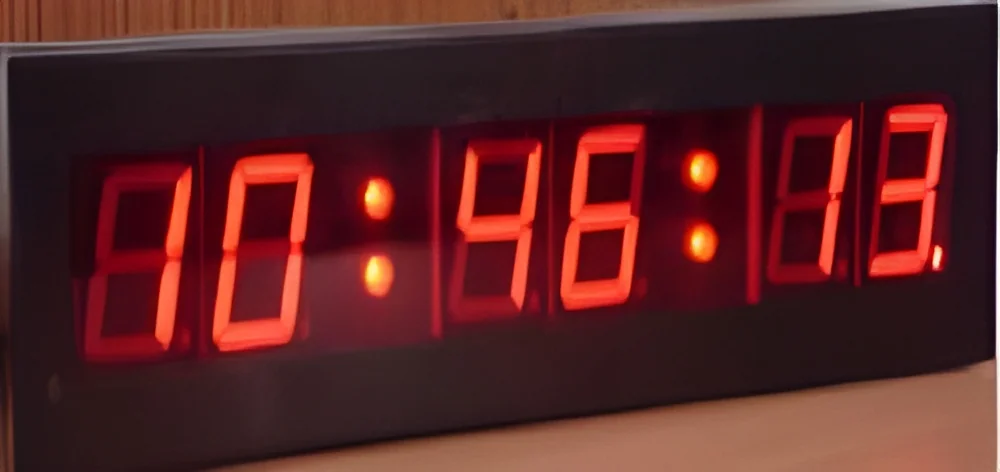
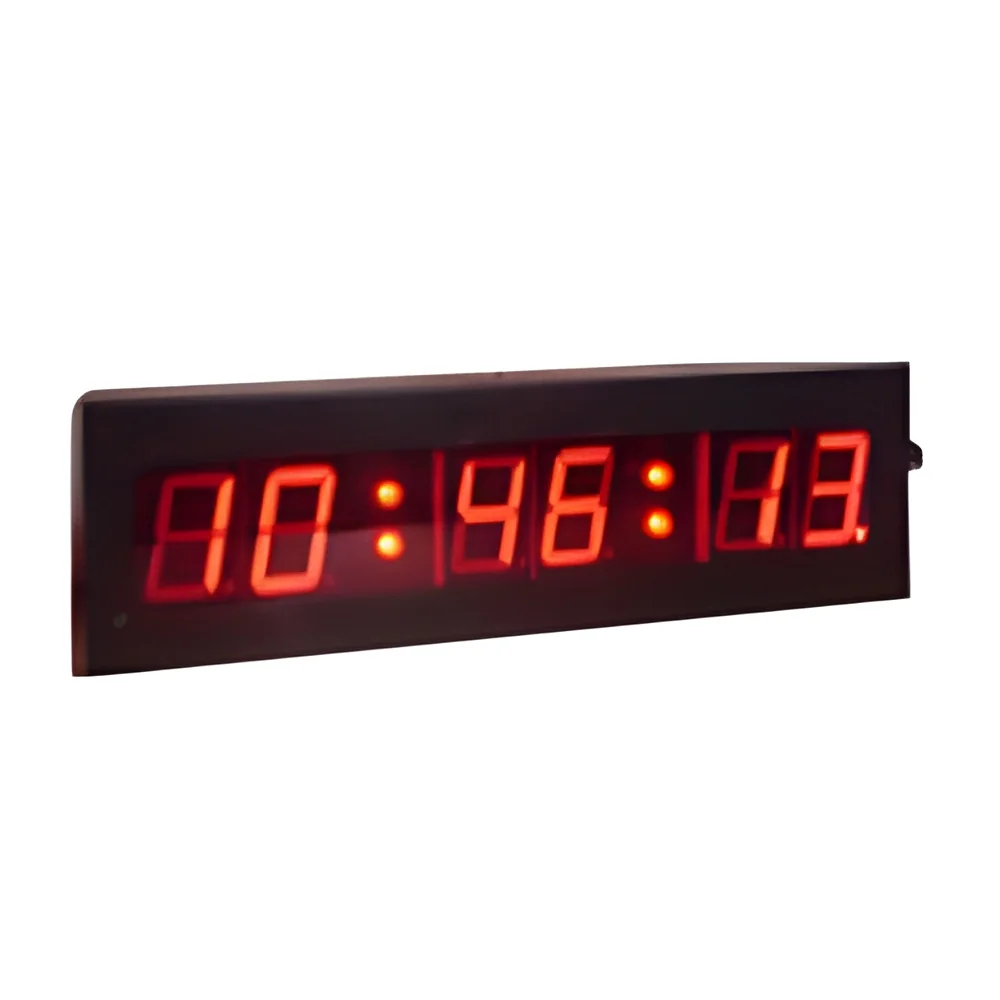
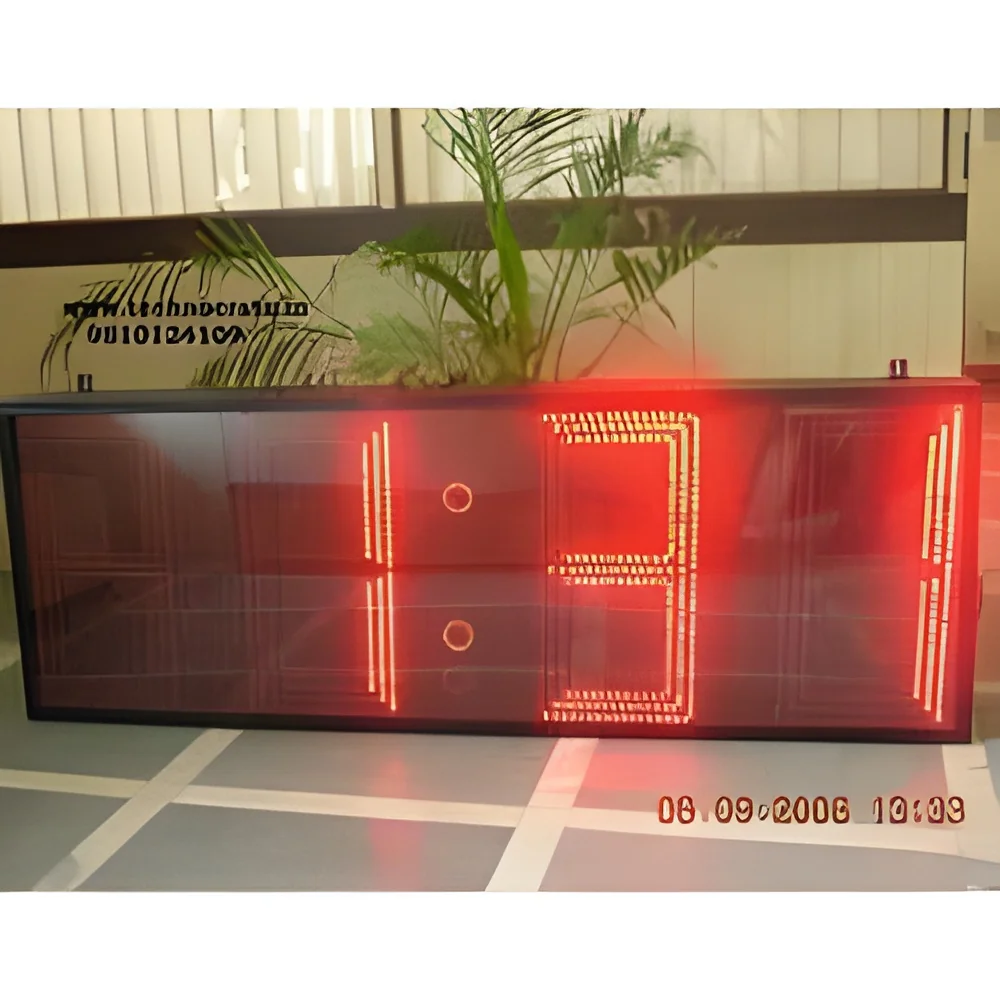
Wall Clocks: These are designed for easy visibility in large spaces. They typically feature large displays and can include multiple functionalities such as temperature readings.
Desk Clocks: Ideal for office use, desk clocks are compact and often include alarm features. They help keep individual employees aware of time during work hours.
Countdown Timers: These specialized devices focus on providing countdown functionality. They are commonly used in classrooms and kitchens.
Multi-Function Clocks: These clocks combine traditional timekeeping with additional features like alarms, timers, and even calendar functions. They are suitable for environments where multiple time-related tasks are required.
Benefits and Advantages
Digital clocks and timers offer several advantages for businesses.
1. Enhanced Accuracy: Digital timekeeping devices provide precise time readings, minimizing errors that can occur with analog clocks.
2. Improved Productivity: With built-in timers and alarms, these devices help employees stay on task and manage their time effectively.
3. Versatility: Digital clocks can be used in a variety of settings, from offices to manufacturing plants, making them a flexible solution for time management.
4. User-Friendly: The digital display is easy to read, reducing the likelihood of misinterpretation of the time.
5. Customizable Features: Many digital clocks come with programmable features, allowing businesses to tailor functionalities to their specific needs.
6. Cost-Effective: With a range of options available, businesses can find digital clocks and timers that fit their budget without compromising on quality.
Buying Guide for B2B Buyers
When sourcing digital clocks and timers, businesses should consider several key factors to ensure they make informed purchasing decisions.
1. Quality Assessment: Buyers should look for products that meet industry standards for durability and accuracy. Checking customer reviews and product specifications can provide insights into quality.
2. Supplier Verification: It is essential to vet suppliers to ensure they are reputable and provide reliable products. Requesting samples or certifications can help in this process.
3. Pricing and MOQ: Understanding the pricing structure and minimum order quantities is vital for budgeting purposes. Buyers should compare prices across different suppliers to find competitive rates.
4. Delivery and Lead Times: Businesses should inquire about delivery timelines and potential delays. Ensuring timely delivery is crucial for operations that rely on these devices.
5. Compliance Requirements: Buyers need to be aware of any regulatory needs that apply to digital clocks and timers in their industry. Ensuring compliance with safety and quality standards is essential for operational integrity.
Compliance and Certifications
Digital clocks and timers must meet various compliance standards to ensure product quality and safety. Relevant quality standards include ISO 9001, which focuses on quality management systems, ensuring that manufacturers meet customer and regulatory requirements.
Additionally, industry certifications such as CE indicate that the products comply with European health, safety, and environmental protection standards. This certification assures buyers that the devices have undergone rigorous testing and meet necessary safety requirements.
Moreover, compliance with safety and testing requirements is critical in preventing hazards associated with faulty devices. Regional compliance considerations may vary, so it is essential for buyers to understand local regulations to ensure adherence.
Why Source Digital Clocks & Timers from Pepagora?
Pepagora offers a trusted platform for sourcing digital clocks and timers, providing several key advantages for B2B buyers.
Verified Supplier Network: Pepagora has a robust network of verified suppliers, ensuring that businesses can find reliable products from reputable manufacturers. This verification process helps mitigate risks associated with sourcing.
Streamlined RFQ Process: The Request for Quotation process is designed to be efficient, allowing buyers to receive competitive quotes from multiple suppliers. This feature simplifies the procurement process and saves valuable time.
Trade Assurance and Support: Pepagora provides trade assurance, offering protection for buyers in their transactions. This support includes assistance in case of disputes or issues with product quality, ensuring a smoother purchasing experience.
Regional Coverage: With a focus on regions including India, the GCC, and Southeast Asia, Pepagora caters to a wide geographic market. This broad coverage helps businesses find suitable products and suppliers in their respective areas, facilitating local sourcing.

Frequently Asked Questions
What are Digital Clocks & Timers?
Digital Clocks & Timers are electronic devices that display time in a digital format, often using LED or LCD screens. Unlike traditional analog clocks, they provide precise time readings and often include additional features such as alarms, stopwatches, and countdown timers.
What are the different types of Digital Clocks & Timers?
There are various types of Digital Clocks & Timers, including wall clocks, desk clocks, countdown timers, and stopwatch timers. Some models may also feature additional functionalities like temperature display or calendar options.
How do I choose the right Digital Clocks & Timers?
Choosing the right Digital Clocks & Timers involves considering factors such as display size, power source, functionality, and intended use. Assess whether you need features like alarms or additional displays to ensure you select a model that meets your specific requirements.
What are the standard specifications for Digital Clocks & Timers?
Standard specifications for Digital Clocks & Timers typically include display type (LED or LCD), power source (battery or AC), and dimensions. Additionally, many models also specify features such as alarm settings, memory functions, and countdown capabilities.
What is the price range for Digital Clocks & Timers?
The price range for Digital Clocks & Timers can vary widely based on features and brand, typically starting from around INR 300 and going up to INR 5000 or more for advanced models. Bulk purchases may also offer more competitive pricing.
What quality standards apply to Digital Clocks & Timers?
Quality standards for Digital Clocks & Timers often include compliance with safety and electronic regulations such as IEC or ISO certifications. Manufacturers may also adhere to specific industry standards to ensure reliability and accuracy.
Where can I find Digital Clocks & Timers suppliers in India?
You can find Digital Clocks & Timers suppliers in India through B2B marketplaces like Pepagora.com, trade shows, and industry directories. It is advisable to check supplier reviews and ratings for reliability and product quality.
Can Digital Clocks & Timers be customized?
Yes, many manufacturers offer customization options for Digital Clocks & Timers, including personalized branding, color choices, and specific features tailored to customer needs. It is best to inquire with suppliers about available customization options.
What is the typical minimum order quantity for Digital Clocks & Timers?
The typical minimum order quantity (MOQ) for Digital Clocks & Timers can vary by supplier, often ranging from 10 to 100 units. Larger orders may allow for more favorable pricing and negotiation on custom features.
What is the typical lead time for Digital Clocks & Timers?
The typical lead time for Digital Clocks & Timers can range from 7 to 30 days, depending on the supplier, order size, and customization requirements. It is advisable to confirm delivery timelines with your chosen supplier before placing an order.
Why Businesses Trust Pepagora
Thousands of companies trust Pepagora to source smarter and sell faster
Expand Your Sales Globally

Source Smarter,Grow Faster
