
 IN
Vegetable & Fruit Crates
17 products available
What are Vegetable & Fruit Crates?
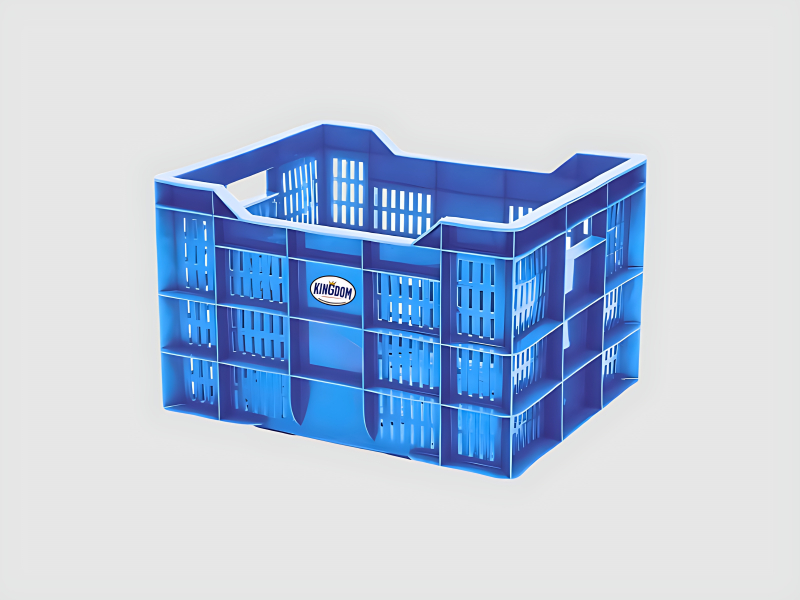
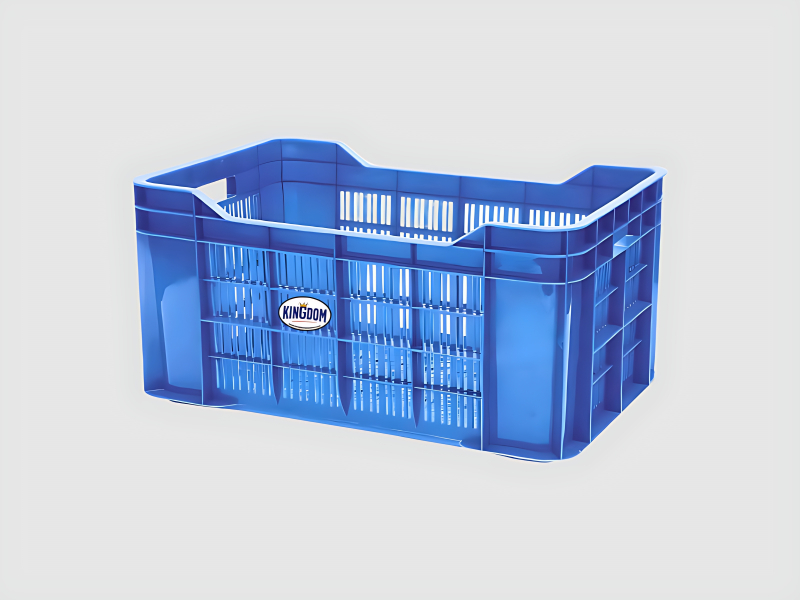
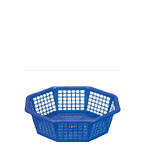
Vegetable and fruit crates are specialized containers designed for the storage, transportation, and display of fresh produce. These crates are typically made from durable materials such as plastic or wood and are engineered to protect fruits and vegetables from damage during handling and transit. The designs of these crates often include ventilation features to ensure proper air circulation, which helps in maintaining the freshness and quality of the produce.
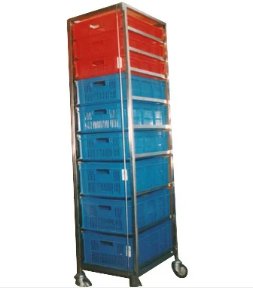
These crates are widely used across various sectors including agriculture, retail, and food distribution. They facilitate efficient logistics by allowing for easy stacking and transportation of goods. In commercial settings, they are essential for organizing fruits and vegetables, making them more accessible for customers. The significance of vegetable and fruit crates extends to maintaining hygiene standards, as they can be easily cleaned and reused, thus aligning with industry practices aimed at reducing waste.
In the current market, the demand for vegetable and fruit crates is driven by the growing emphasis on food safety, sustainability, and efficiency in supply chains. As consumers become increasingly conscious about the quality of fresh produce, businesses are investing in reliable packaging solutions to enhance their operational effectiveness and meet regulatory requirements.
Key Features and Specifications
Vegetable and fruit crates come with various features that enhance their functionality and usability. Understanding these specifications is essential for businesses looking to invest in the right type of crates for their operational needs.
Key specifications include:
1. Material Type
- Common materials include high-density polyethylene (HDPE) and wood.
- Each material offers different levels of durability and weight capacity.
2. Size Options
- Crates are available in various dimensions to accommodate different types of produce.
- Standard sizes include small, medium, and large variations.
3. Stackability
- Designed to be stackable, allowing for efficient storage and transport.
- Stackable crates save space in warehouses and during shipping.
4. Ventilation Features
- Many crates include perforations or slats for air circulation.
- Proper ventilation helps in prolonging the shelf life of produce.
5. Weight Capacity
- Crates are rated for different weight loads, typically ranging from 20 kg to 50 kg.
- Choosing the right weight capacity is crucial for safe transportation.
6. Reusability
- Designed for multiple uses, reducing the need for single-use packaging.
- Reusable crates are environmentally friendly and cost-effective over time.
7. Cleanability
- Smooth surfaces enable easy cleaning and sanitization.
- Hygiene is essential for food safety compliance.
8. Customization Options
- Some manufacturers offer customization for branding or specific design needs.
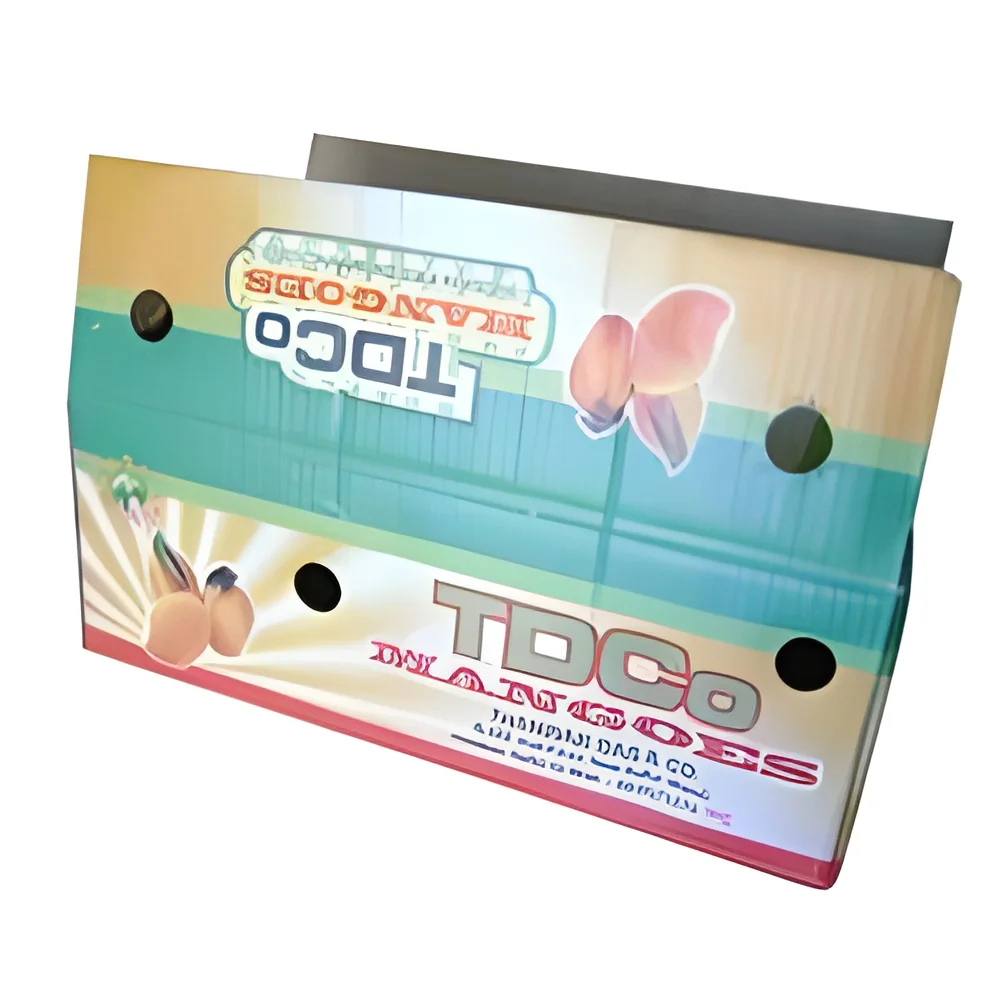
- Custom crates can enhance brand visibility and appeal.
In summary, understanding the features and specifications of vegetable and fruit crates is vital for ensuring the right selection for various applications in the supply chain.
Common Applications and Use Cases
Vegetable and fruit crates find applications in multiple industries, reflecting their versatility and importance in the supply chain.
1. Agriculture: Farmers utilize these crates for harvesting and transporting produce from fields to markets, ensuring minimal damage during transit.
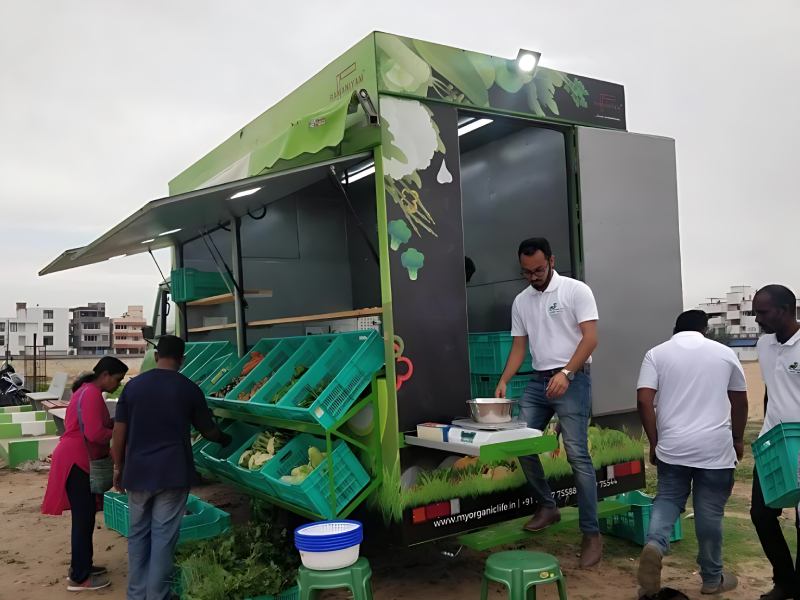
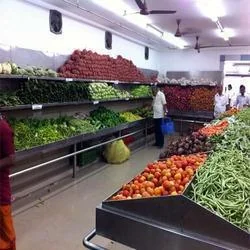
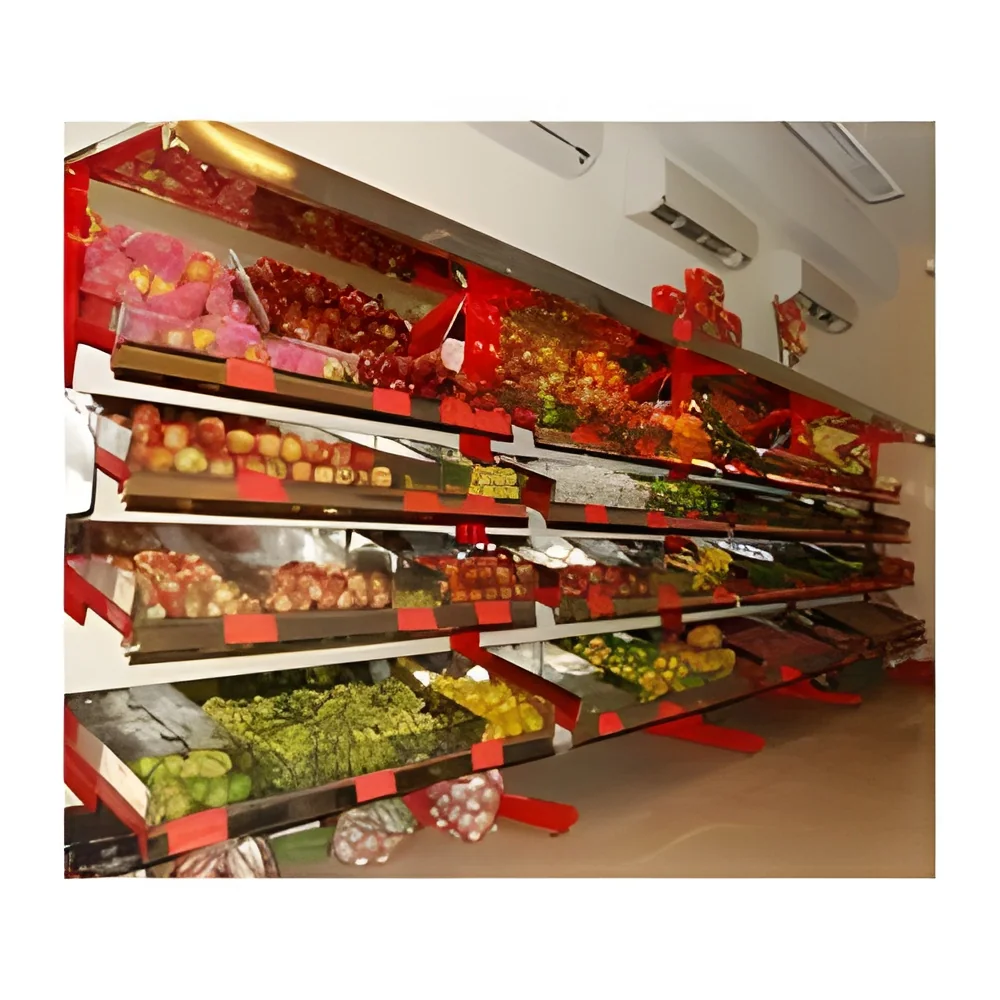
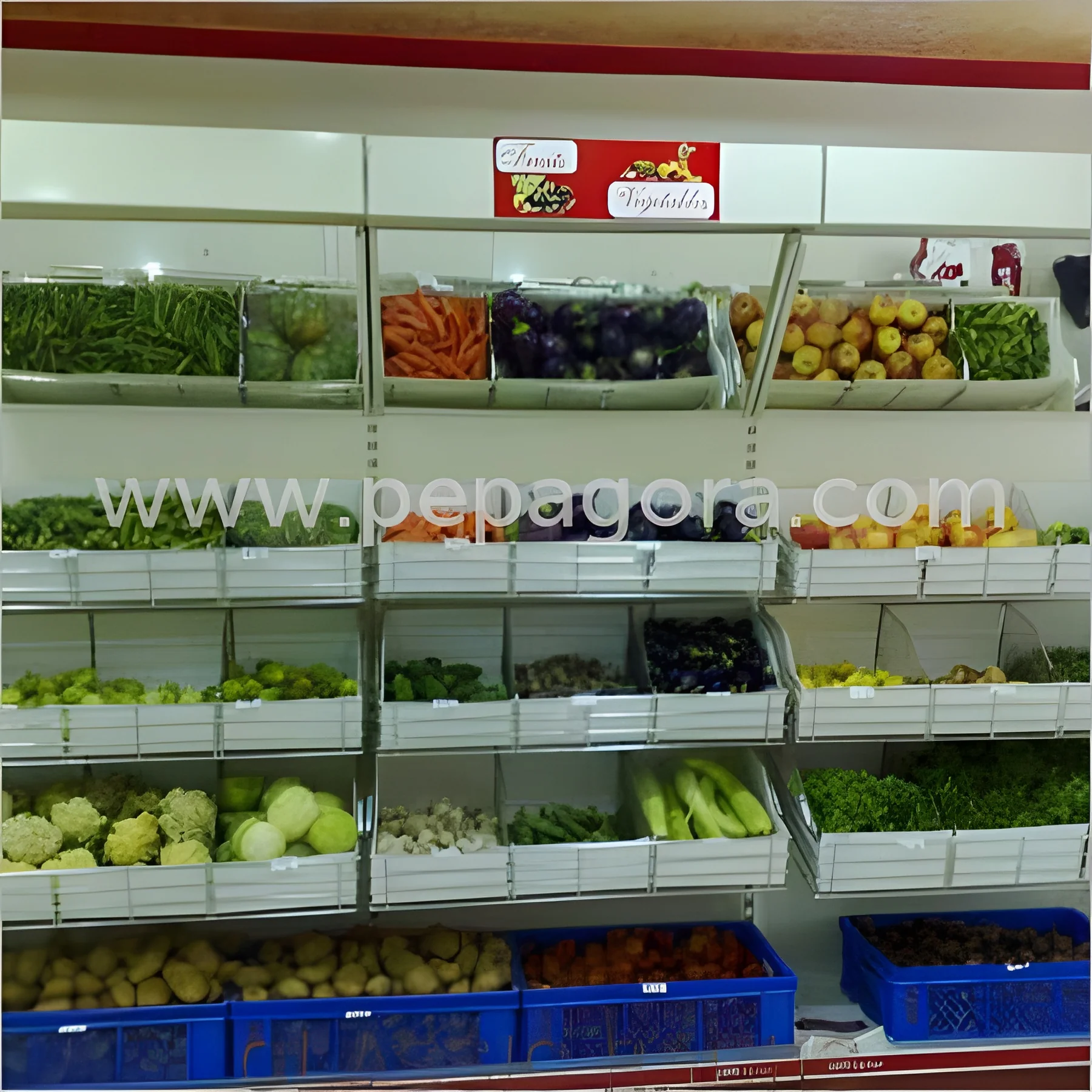
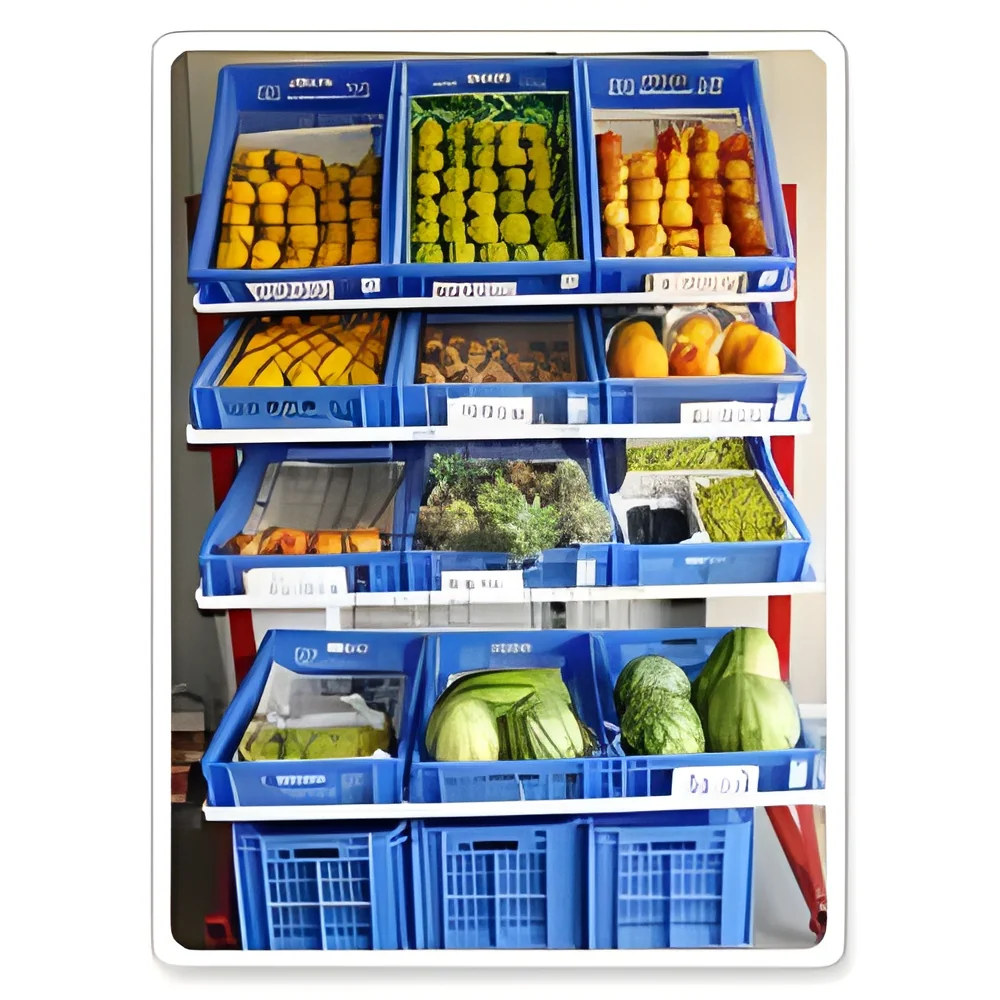
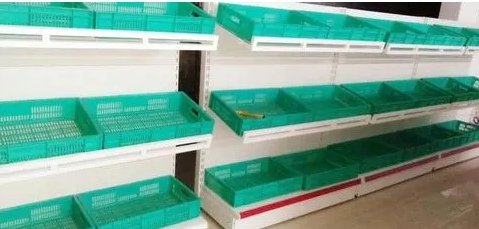
2. Retail: Grocery stores and markets use crates for displaying fruits and vegetables, allowing for organized merchandising and easy access for customers.
3. Food Distribution: Distributors rely on crates for transporting goods to various retailers and restaurants, facilitating efficient logistics.
4. Cold Storage: In cold storage facilities, crates are used to store produce under controlled temperatures, preserving freshness until distribution.
5. Export: Exporters use specialized crates to ensure that fruits and vegetables maintain quality during international shipping.
6. Catering Services: Catering companies employ crates to transport fresh ingredients to events, ensuring that produce remains unblemished and ready for preparation.
7. Organic Produce: Organic farms often use crates that comply with strict organic standards, ensuring that produce is handled safely and hygienically.
Product Variants and Subcategories
Vegetable and fruit crates come in various forms, catering to different operational needs and preferences.
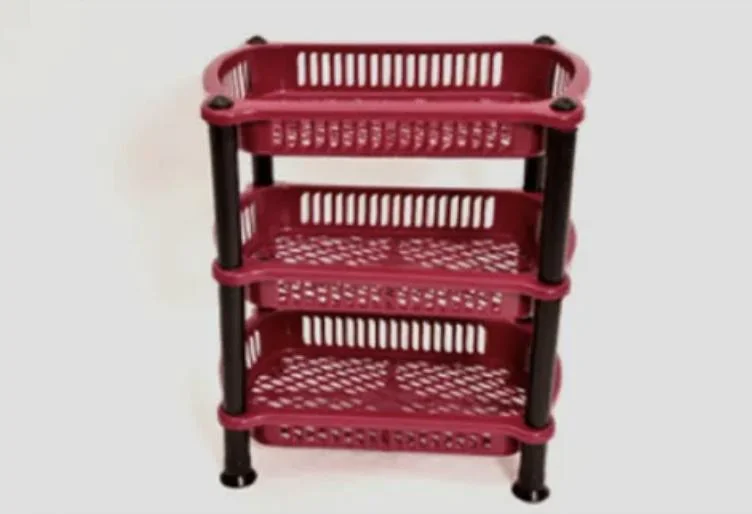
Plastic Crates: These crates are lightweight, durable, and resistant to moisture. They are ideal for both storage and transportation and often feature ventilation holes to promote airflow.
Wooden Crates: Known for their sturdiness, wooden crates are often used for high-end produce displays. They provide an aesthetically pleasing option for retailers while ensuring product safety.
Collapsible Crates: These crates are designed to fold down when not in use, making them space-efficient for storage. They are particularly useful for businesses with varying load requirements.
Stackable Crates: Designed for optimal space-saving during transportation, these crates can easily nest within each other when empty, helping to reduce shipping costs.
Benefits and Advantages
Investing in vegetable and fruit crates offers multiple advantages for businesses involved in the supply chain.
1. Enhanced Protection: Crates provide superior protection during handling and transportation, minimizing damage to fruits and vegetables.
2. Improved Efficiency: Stackable and collapsible designs allow for efficient use of space during storage and shipping, optimizing logistics.
3. Cost-Effectiveness: Reusable crates significantly reduce the costs associated with single-use packaging, making them a sustainable choice.
4. Hygiene and Safety: Easily cleanable surfaces ensure compliance with food safety standards, helping businesses maintain high hygiene levels.
5. Versatility: Crates can be used across various industries, making them a flexible solution for different types of produce.
6. Custom Branding: Businesses can personalize crates with branding options, enhancing market visibility and customer engagement.
Buying Guide for B2B Buyers
When sourcing vegetable and fruit crates, it is essential to consider various factors to ensure the right choice for your business needs.
1. Quality Assessment: Evaluate the materials used for durability and reliability. Look for crates that can withstand the rigors of transportation and handling.
2. Supplier Verification: Vet potential suppliers to ensure they have a good reputation and adhere to industry standards. Check for customer testimonials and product reviews.
3. Pricing and MOQ: Understand the pricing structures and minimum order quantities. Compare prices across suppliers to find competitive rates that meet your budget.
4. Delivery and Lead Times: Consider logistics and how quickly you need the crates. Verify the lead times for delivery to ensure they align with your operational timelines.
5. Compliance Requirements: Ensure that the crates meet necessary regulatory standards for food safety and packaging. Familiarize yourself with local compliance requirements to avoid issues.
Compliance and Certifications
Vegetable and fruit crates are subject to various industry standards and certifications that ensure their safety and quality.
ISO 9001: This standard focuses on quality management systems, ensuring that manufacturers meet customer and regulatory requirements consistently.
HACCP: Hazard Analysis and Critical Control Points is a systematic preventive approach to food safety that applies to the production and handling of food products.
CE Certification: This certification indicates that the products conform to health, safety, and environmental protection standards required in the European market.
Safety and Testing Requirements: Crates must undergo rigorous testing to ensure they can withstand the physical demands of storage and transport, including weight capacity and durability assessments.
Regional Compliance Considerations: Depending on the geographical area, certain regulations may apply. It is vital for businesses to be aware of these regional standards to ensure compliance.
Why Source Vegetable & Fruit Crates from Pepagora?
Pepagora provides a trusted platform for sourcing vegetable and fruit crates, offering several key advantages for B2B buyers.
Verified Supplier Network: Pepagora boasts a robust network of verified suppliers, ensuring that buyers can source high-quality crates with confidence. Each supplier is vetted for reliability and product quality.
Streamlined RFQ Process: The request for quotation system at Pepagora simplifies the sourcing process. Buyers can easily submit their requirements and receive multiple quotations, allowing for informed decision-making.
Trade Assurance and Support: Pepagora offers buyer protection through trade assurance, ensuring that transactions are secure. The platform provides support throughout the purchasing process, from inquiry to delivery.
Regional Coverage: With a strong presence in India, the GCC, and Southeast Asia, Pepagora connects buyers with suppliers across these regions, making it easier to find the right crates for diverse operational needs.


 India



 India
 India


 India
 India
 India

 India

Frequently Asked Questions
What are Vegetable & Fruit Crates?
Vegetable & Fruit Crates are containers specifically designed for the storage, transportation, and display of fruits and vegetables. They are typically made from materials such as plastic, wood, or cardboard and are designed to protect produce from damage while allowing for ventilation.
What are the different types of Vegetable & Fruit Crates?
There are several types of Vegetable & Fruit Crates, including stackable crates, collapsible crates, and ventilated crates. Stackable crates are designed for efficient storage, while collapsible crates can be easily stored when not in use. Ventilated crates allow for air circulation, which is crucial for keeping produce fresh.
How do I choose the right Vegetable & Fruit Crates?
Choosing the right Vegetable & Fruit Crates involves considering factors such as the type of produce, the volume of goods, and the mode of transportation. It is important to select crates that provide adequate support and ventilation for the specific fruits or vegetables you are handling.
What are the standard specifications for Vegetable & Fruit Crates?
Standard specifications for Vegetable & Fruit Crates may include dimensions, load capacity, and material type. Most crates are designed to meet industry requirements for strength and durability, ensuring they can handle the weight of produce while being stackable for efficient storage.
What is the price range for Vegetable & Fruit Crates?
The price range for Vegetable & Fruit Crates can vary based on material, size, and design. Generally, prices can range from a few hundred to several thousand Indian Rupees for bulk orders, depending on the supplier and specific requirements.
What quality standards apply to Vegetable & Fruit Crates?
Quality standards for Vegetable & Fruit Crates typically involve compliance with food safety regulations and material durability. Crates should be made from non-toxic materials that do not contaminate produce and should be robust enough to withstand the rigors of transport.
Where can I find Vegetable & Fruit Crates suppliers in India?
You can find Vegetable & Fruit Crates suppliers in India through online B2B marketplaces, trade shows, and industry directories. Websites like Pepagora provide listings of manufacturers and suppliers who specialize in these products, making it easier to compare options.
Can Vegetable & Fruit Crates be customized?
Yes, Vegetable & Fruit Crates can often be customized to meet specific needs, such as size, color, and branding. Many manufacturers offer customization options to help businesses create a more personalized product that aligns with their brand identity.
What is the typical minimum order quantity for Vegetable & Fruit Crates?
The typical minimum order quantity (MOQ) for Vegetable & Fruit Crates varies by supplier but usually ranges from 50 to 500 units. It is advisable to check with individual suppliers for their specific MOQ requirements.
What is the typical lead time for Vegetable & Fruit Crates?
The typical lead time for Vegetable & Fruit Crates can range from a few days to several weeks, depending on the supplier and the complexity of the order. Custom orders may take longer, so it's important to discuss timelines upfront with the supplier.
Why Businesses Trust Pepagora
Thousands of companies trust Pepagora to source smarter and sell faster
Expand Your Sales Globally

Source Smarter,Grow Faster
