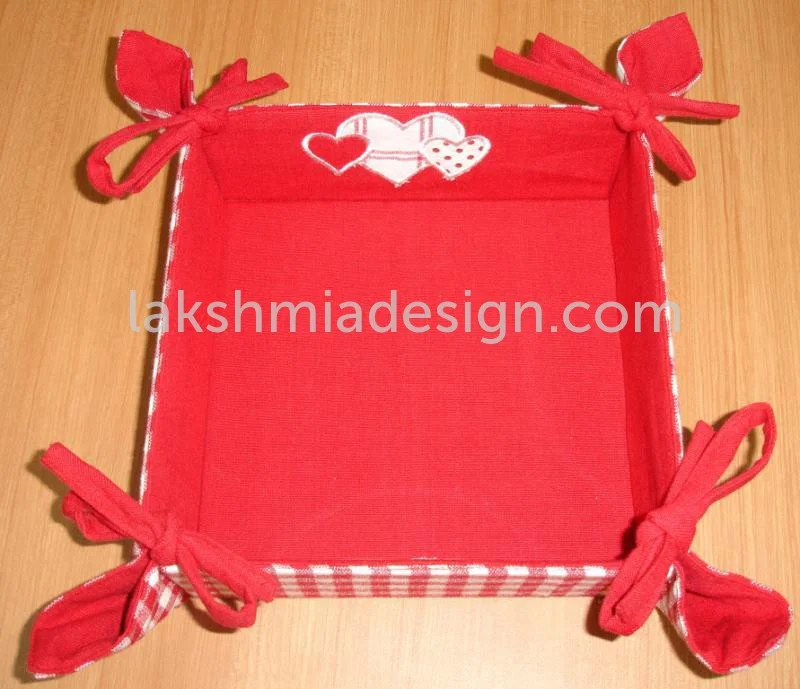
What are Bread Boxes & Loaf Storage?
Bread boxes and loaf storage solutions are essential items designed to keep bread fresh for extended periods. These storage units provide a controlled environment that helps maintain the ideal humidity levels, preventing bread from becoming stale or moldy. Typically made from a variety of materials, including metal, wood, and plastic, they come in various sizes and designs to suit different business needs.
The primary use of bread boxes is in the food industry, particularly among bakeries, restaurants, and catering services. They are crucial for storing freshly baked bread, rolls, and loaves, ensuring that the quality remains intact until the product is sold or served. Businesses rely on these storage solutions to optimize food safety and maintain freshness, contributing to customer satisfaction.
In the current market, the demand for effective bread storage solutions continues to grow. With the increasing focus on food quality and safety, bread boxes are becoming a standard requirement in many commercial kitchens. As the food service industry evolves, investing in reliable loaf storage options is vital for businesses aiming to enhance their operational efficiency and meet customer expectations.
Key Features and Specifications
Bread boxes and loaf storage units come equipped with several features that enhance their functionality. When selecting a bread box, buyers should consider the following specifications to ensure they meet their specific needs.
Key specifications include:
1. Material Composition
- Commonly made from metal, plastic, or wood.
- Each material offers distinct advantages in durability and aesthetic appeal.
2. Size and Capacity
- Available in various dimensions to accommodate different types and quantities of bread.
- Capacity often ranges from small units for home use to larger models for commercial kitchens.
3. Humidity Control
- Designed to maintain ideal humidity levels to prolong freshness.
- Some models include ventilation features to regulate airflow.
4. Design and Aesthetics
- Available in various styles to complement kitchen decor.
- Options include modern, rustic, and traditional designs.
5. Accessibility
- Features like sliding lids or flip-top openings for easy access to contents.
- Some models may include compartments for different types of bread.
6. Cleaning and Maintenance
- Easy to clean surfaces for hygiene and convenience.
- Some materials are dishwasher safe for added ease.
7. Safety Features
- Non-toxic materials used in construction.
- Compliance with food safety standards.
8. Customization Options
- Possibility for branding or personalized designs for businesses.
Investing in high-quality bread boxes ensures that businesses can effectively manage their bread storage needs while enhancing overall food safety.
Common Applications and Use Cases
Bread boxes and loaf storage solutions find utility across various industries. Here are some common applications:
1. Bakeries: Bakeries use bread boxes to store a variety of bread products, ensuring they remain fresh for customers. Proper storage allows for optimal shelf life and quality.
2. Restaurants: In restaurants, bread boxes serve to keep freshly baked bread rolls and loaves available for diners, enhancing the dining experience by ensuring quality and flavor.
3. Catering Services: Catering companies utilize bread storage solutions to transport and store bread products, maintaining freshness from the kitchen to the event location.
4. Grocery Stores: Supermarkets often feature bread boxes to store artisanal and pre-packaged bread, effectively managing inventory and enhancing product presentation.
5. Coffee Shops: Coffee shops use bread storage to keep pastries and bread products fresh, complementing their beverage offerings and attracting more customers.
6. Hotels: Hotels may incorporate bread boxes in their kitchens and dining areas to ensure that bread served during meals remains fresh and appealing.
7. Food Trucks: Mobile food vendors utilize compact bread boxes to store bread products, ensuring quick access and maintaining quality while on the move.
Product Variants and Subcategories
Bread boxes and loaf storage solutions come in various forms to cater to different preferences and needs.
Metal Bread Boxes: These units are durable and often feature a classic design. They are favored for their ability to provide effective humidity control and are easy to clean.
Wooden Bread Boxes: Known for their aesthetic appeal, wooden bread boxes add a rustic touch to kitchen decor. They are typically designed to allow airflow, preserving the freshness of bread.
Plastic Bread Boxes: Lightweight and versatile, plastic bread boxes are often used in commercial settings. They are easy to handle and maintain while providing effective storage solutions.
Glass Bread Boxes: These stylish options allow visibility of the contents, making them ideal for display in cafes or bakeries. They combine elegance with functionality.
Benefits and Advantages
Investing in quality bread boxes and loaf storage solutions offers numerous advantages for businesses.
1. Freshness Preservation: Proper storage helps retain the freshness and flavor of bread, which is critical for customer satisfaction.
2. Space Efficiency: Many bread boxes are designed to maximize storage space, allowing businesses to organize their inventory effectively.
3. Enhanced Hygiene: Bread boxes provide a hygienic environment for storing food, minimizing exposure to contaminants.
4. Improved Aesthetics: Attractive designs can enhance the visual appeal of kitchen spaces, contributing to a positive ambiance.
5. Versatility: Bread boxes can serve multiple purposes and store various types of baked goods, making them a versatile addition to any kitchen.
6. Increased Shelf Life: By maintaining the right storage conditions, these solutions help extend the shelf life of bread products, reducing waste.
Buying Guide for B2B Buyers
When sourcing bread boxes and loaf storage solutions, it is essential to keep several factors in mind to ensure an informed purchase.
1. Quality Assessment: Evaluate materials and construction methods to ensure durability and longevity. Look for options that meet food safety standards.
2. Supplier Verification: Vet suppliers by checking reviews, certifications, and their track record in the industry. Reliable suppliers can provide quality assurance.
3. Pricing and MOQ: Consider the pricing structure and minimum order quantities to align with budget and demand needs. Bulk purchasing may offer cost benefits.
4. Delivery and Lead Times: Discuss logistics and lead times to ensure timely delivery that aligns with business operations. Efficient supply chains are crucial for maintaining inventory.
5. Compliance Requirements: Ensure that products meet relevant food safety regulations and quality standards. Understanding compliance is vital for avoiding potential issues.
Compliance and Certifications
Bread boxes and loaf storage solutions must adhere to various quality standards and certifications to ensure safety and reliability.
Relevant quality standards, such as ISO 9001, establish comprehensive quality management systems that manufacturers must follow to ensure product consistency and quality. Compliance with HACCP (Hazard Analysis and Critical Control Points) is vital in food-related industries, focusing on minimizing risks throughout the food supply chain.
Additionally, CE certification indicates that products meet European health, safety, and environmental protection standards. This certification is essential for products sold within the European market.
Safety and testing requirements are critical for ensuring that materials used in bread boxes do not pose health risks. Manufacturers should also consider regional compliance requirements, which may vary based on local regulations and industry standards.
Why Source Bread Boxes & Loaf Storage from Pepagora?
Pepagora provides a trusted platform for sourcing bread boxes and loaf storage solutions, offering several key advantages for B2B buyers.
Verified Supplier Network: Pepagora maintains a rigorous supplier verification process that ensures all suppliers meet industry standards. This enables buyers to source products with confidence, knowing they are working with reputable manufacturers.
Streamlined RFQ Process: The Request for Quotation (RFQ) system simplifies the procurement process. Buyers can easily submit requests and receive competitive quotes from multiple suppliers, facilitating informed decision-making.
Trade Assurance and Support: Buyers benefit from trade assurance programs that provide protection against potential issues during transactions. This support enhances buyer confidence and security.
Regional Coverage: Pepagora's extensive network spans across India, the Gulf Cooperation Council (GCC), and Southeast Asia, allowing businesses to access a wide range of products and suppliers tailored to their needs. This regional coverage ensures that buyers can find suitable solutions regardless of their geographic location.

 IN
IN