
 IN
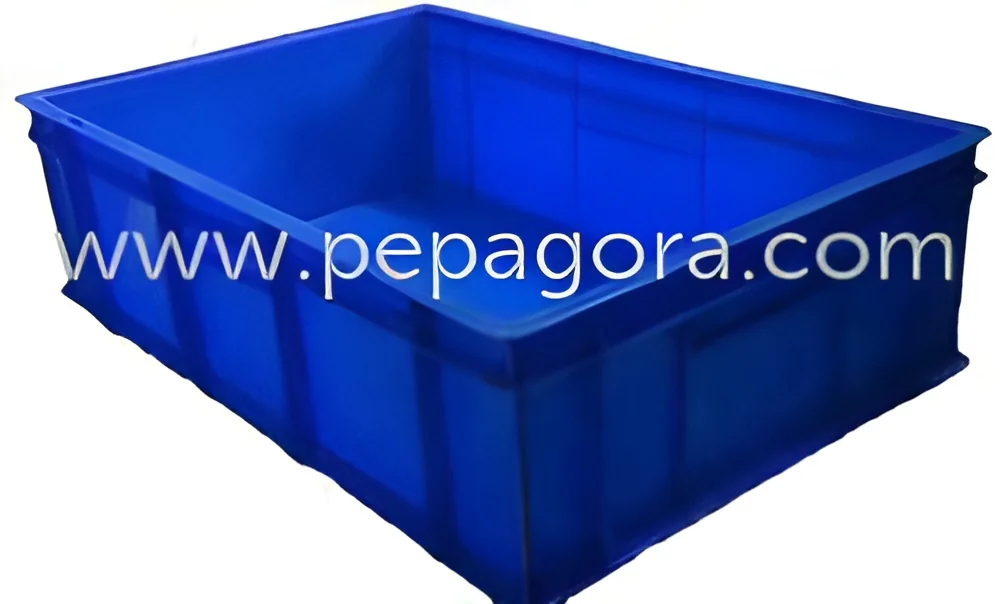
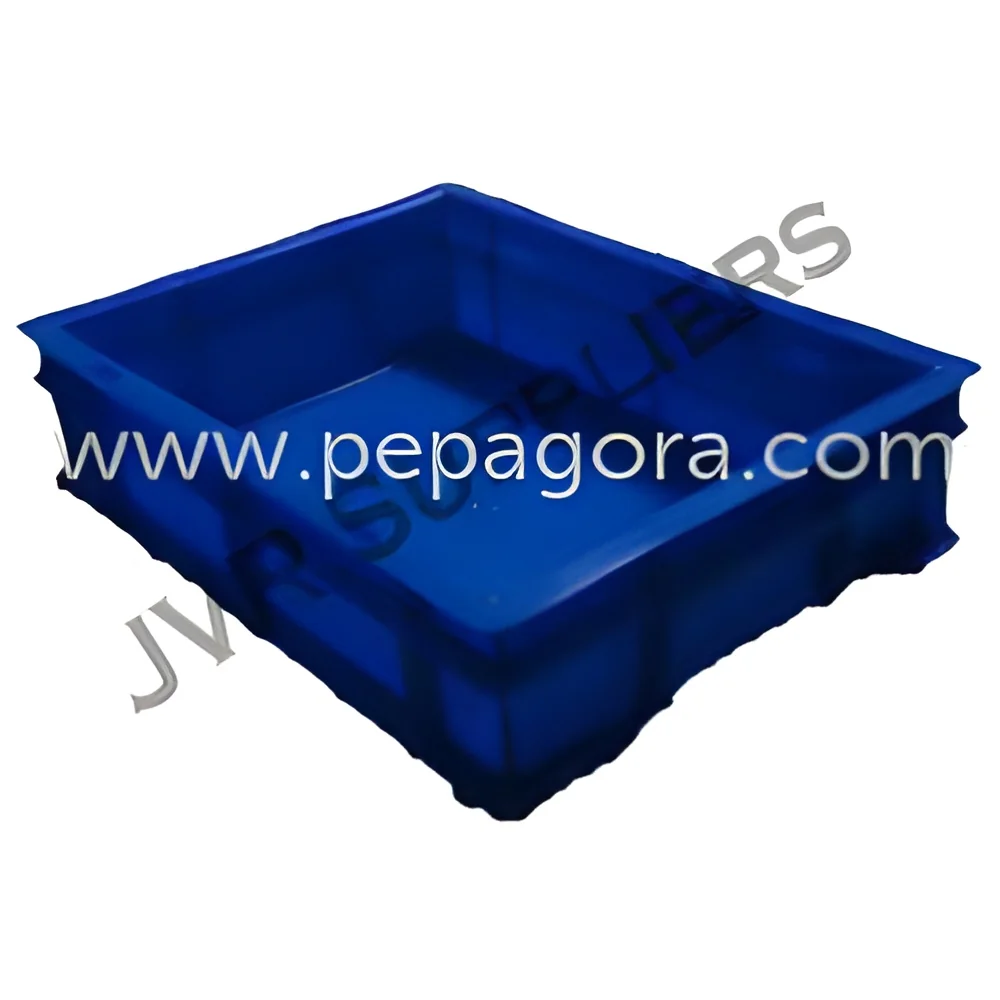
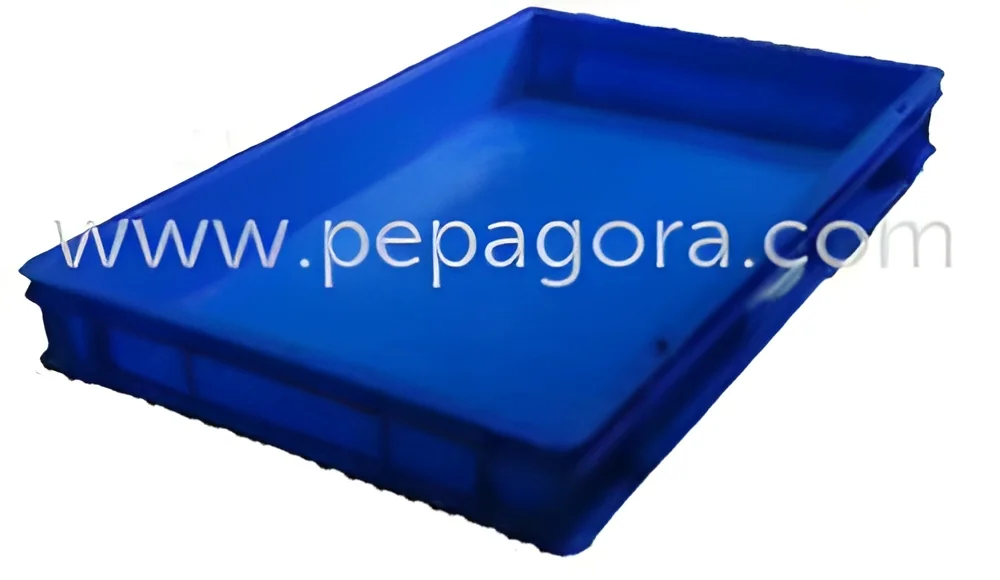
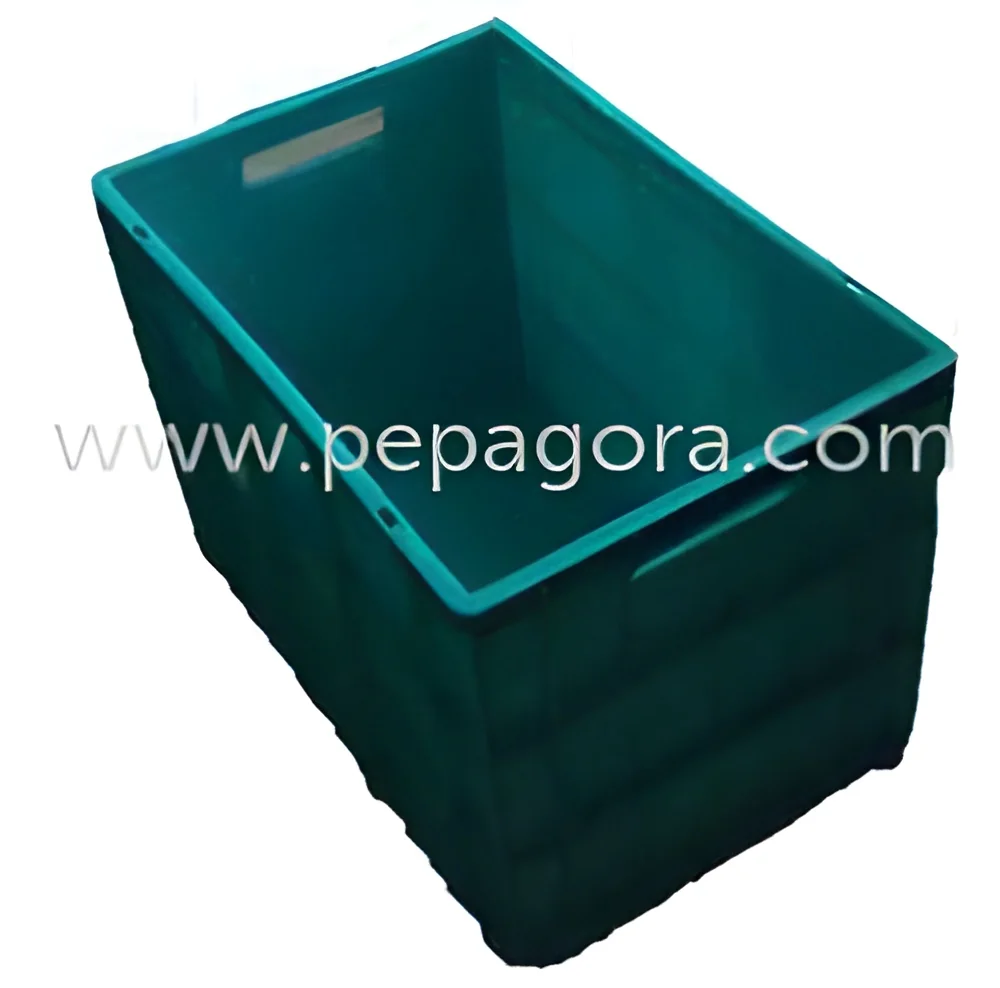
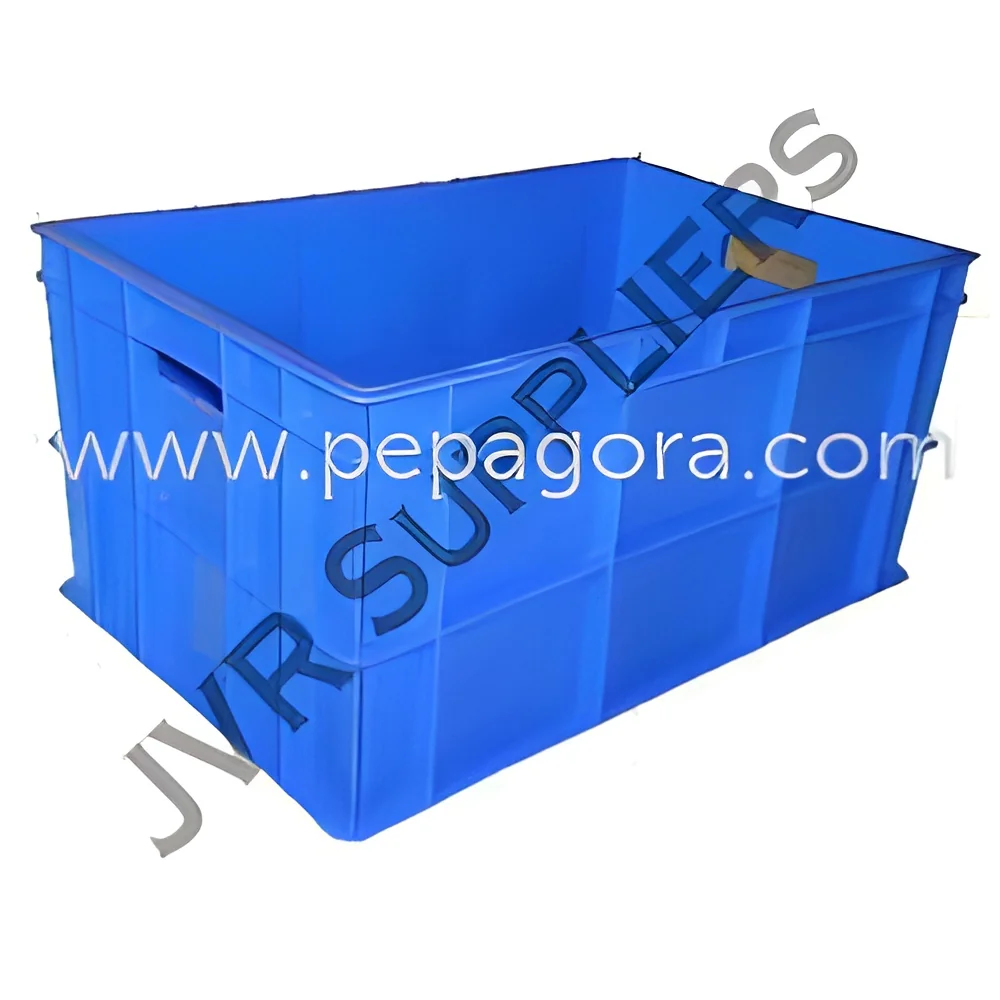
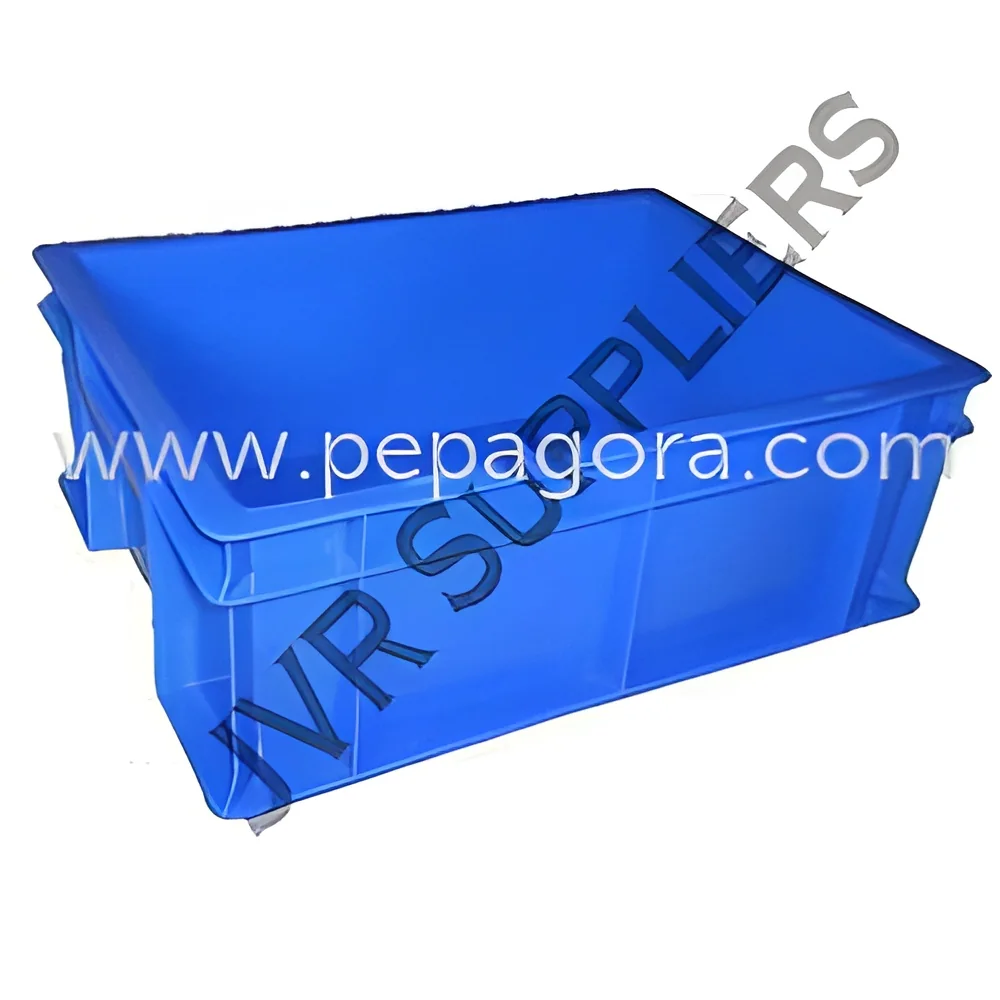
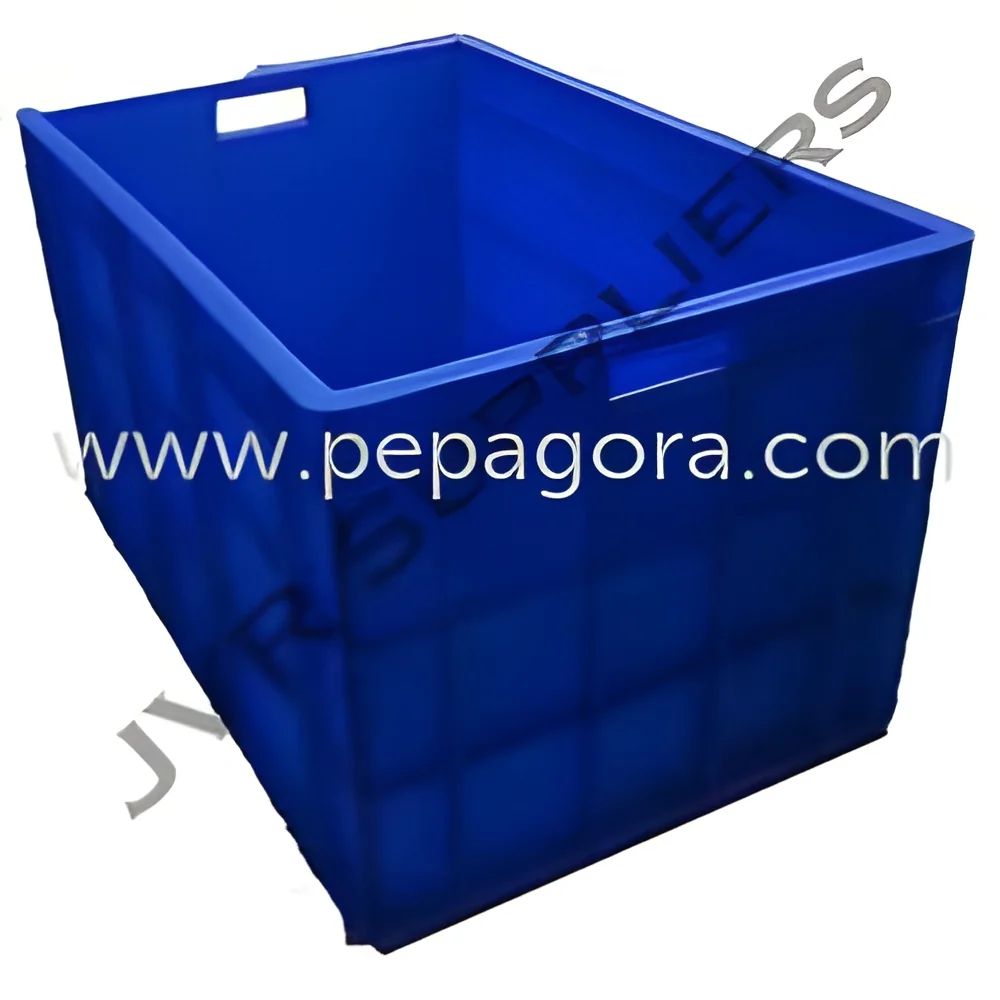
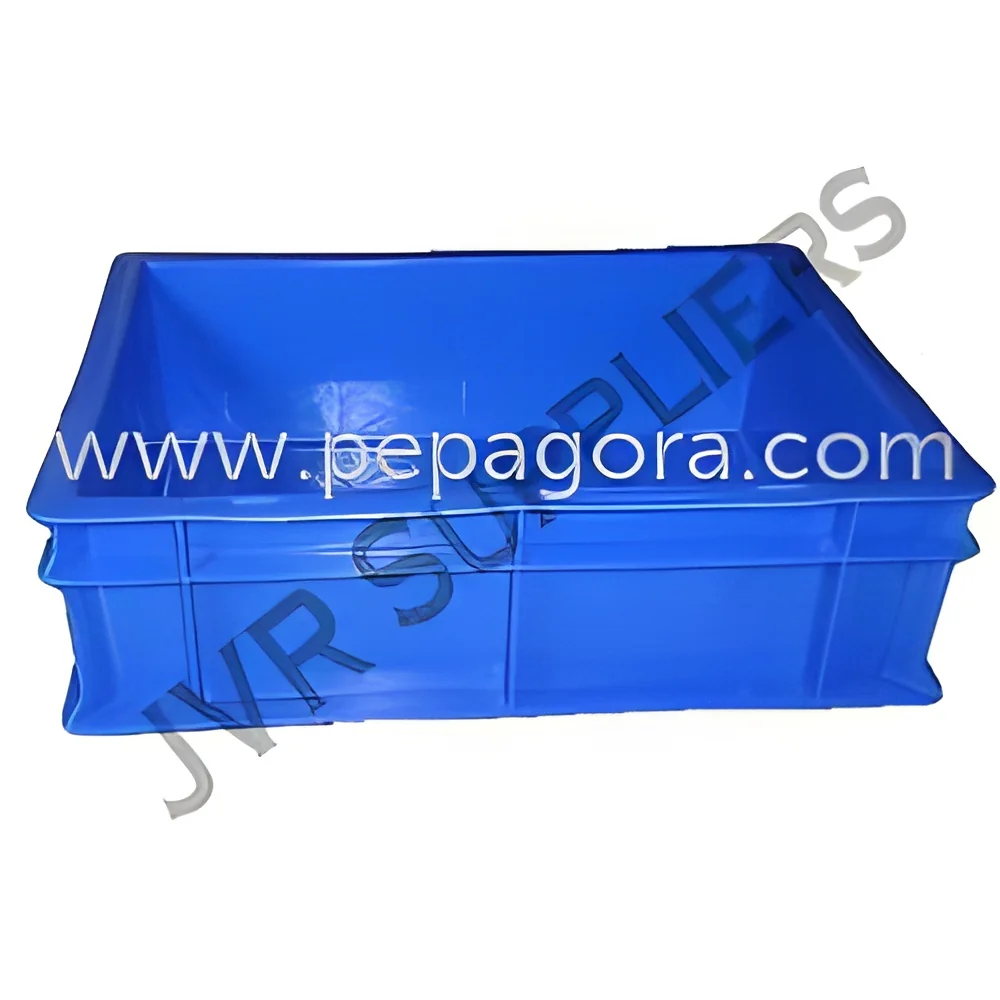
Stackable Grain Storage Bins
17 products available
What are Stackable Grain Storage Bins?
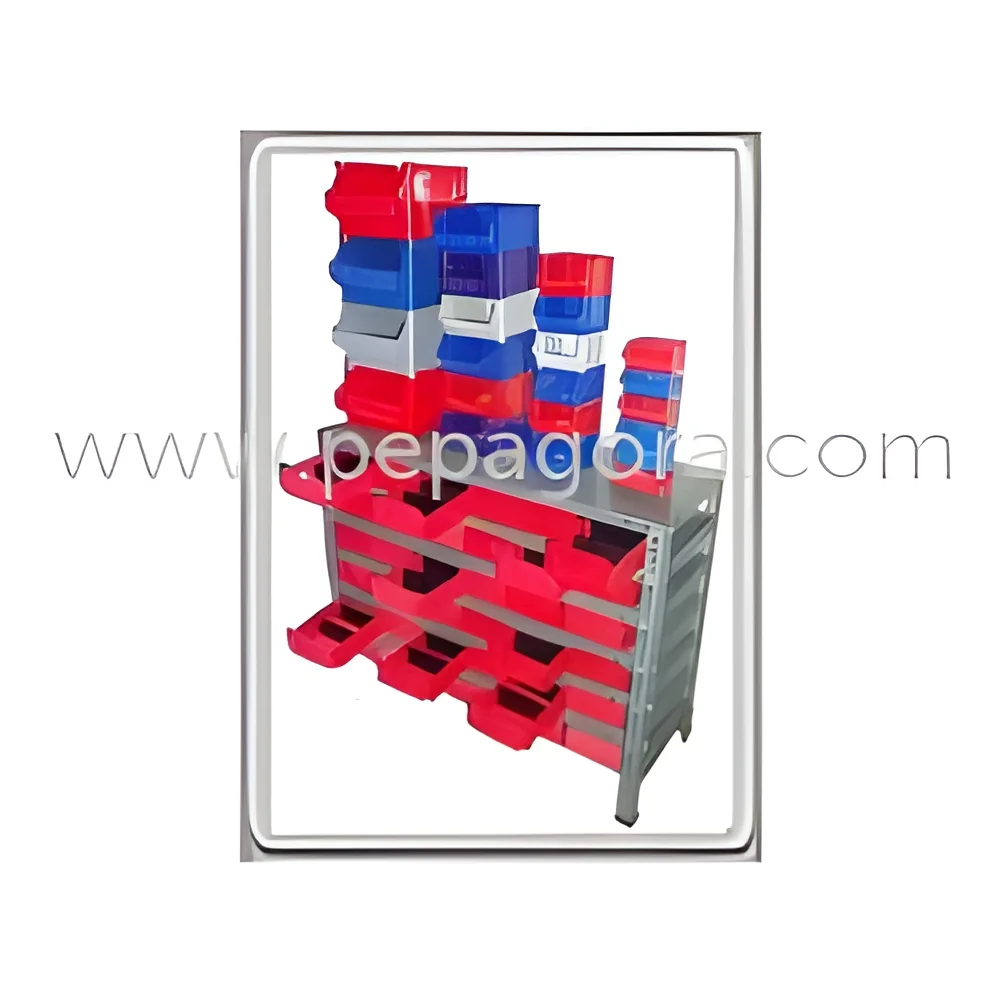
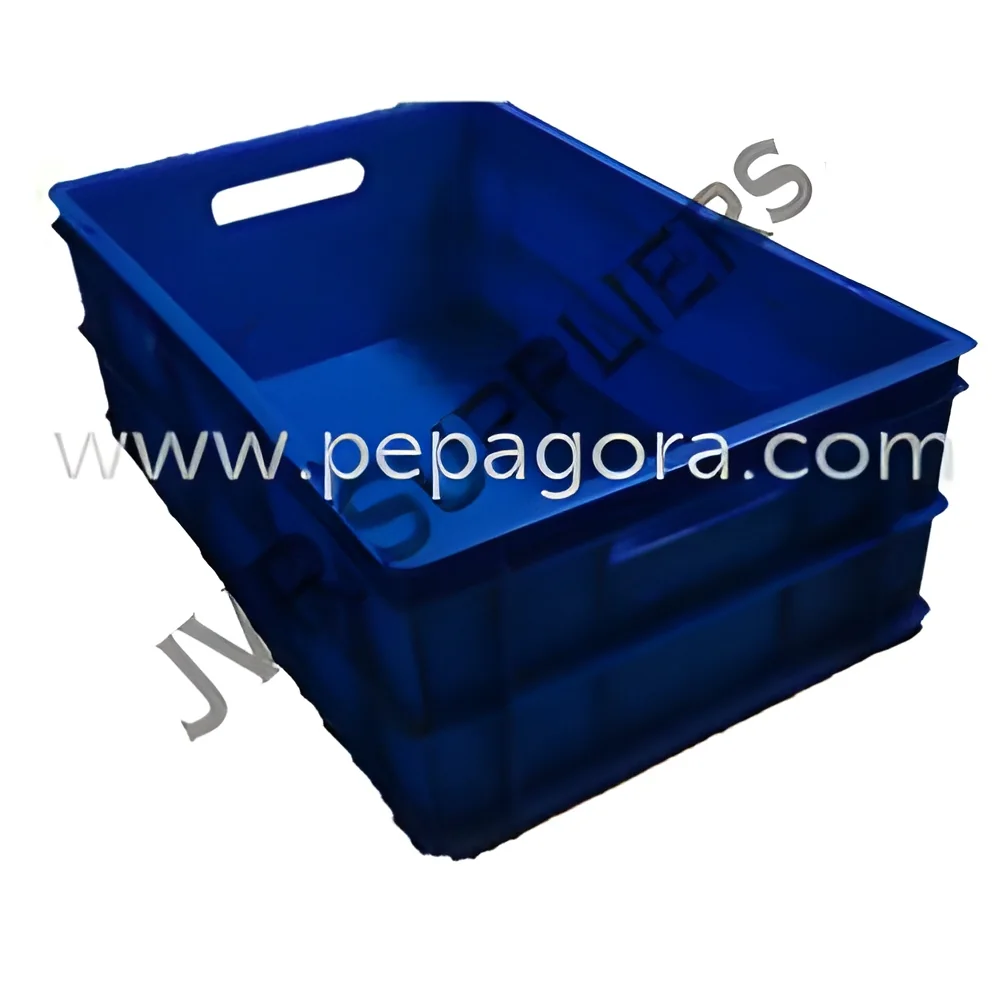
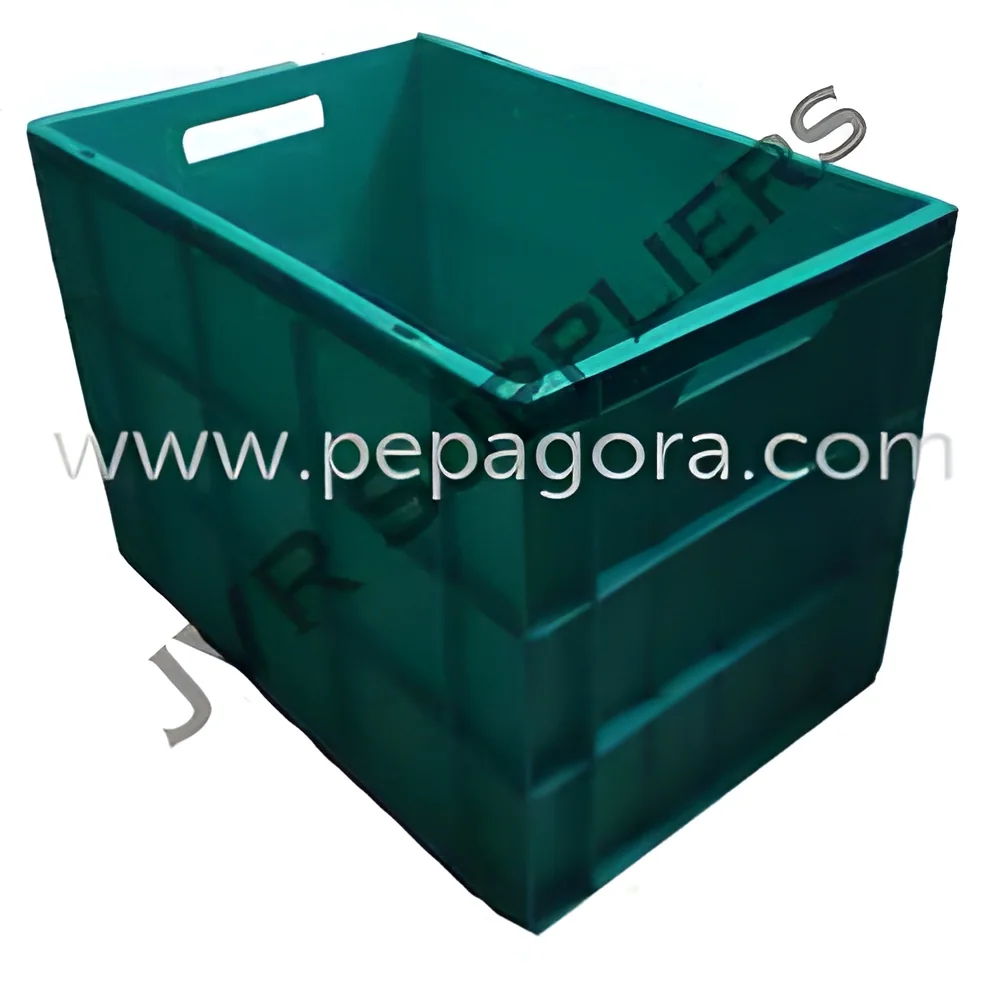
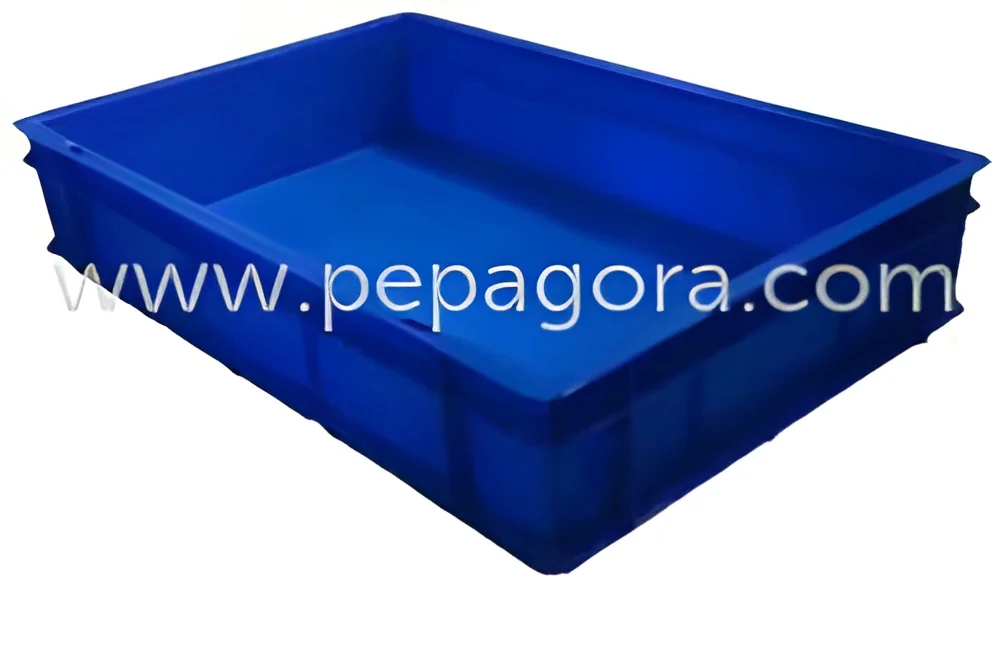
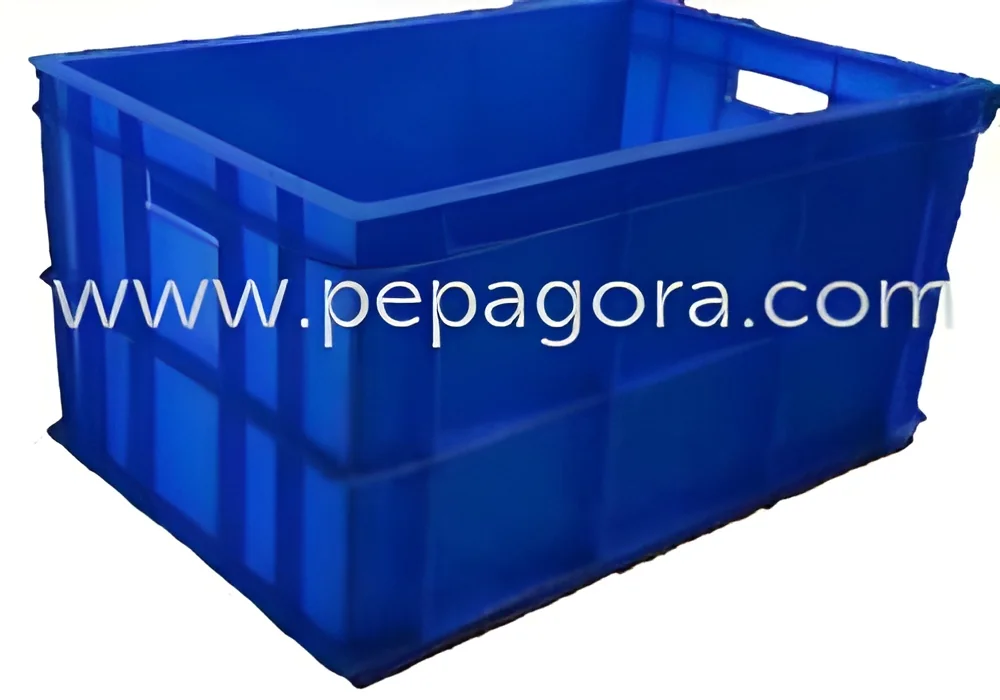
Stackable grain storage bins are specialized containers designed to store grain and other bulk products efficiently. Their unique design allows them to be stacked on top of one another, maximizing storage space and facilitating easy access. These bins are typically constructed from durable materials such as plastic or metal, ensuring they can withstand the rigors of industrial environments while protecting the contents from moisture and pests.
These storage solutions are primarily used in agriculture, food processing, and manufacturing industries. They help businesses manage their inventory effectively and reduce waste by providing a secure environment for grain storage. The ability to stack bins also makes them ideal for facilities with limited floor space, allowing for a more organized storage system. In a market increasingly focused on efficiency and sustainability, stackable grain storage bins are a valuable asset for companies looking to optimize their operations.
Key Features and Specifications
Stackable grain storage bins come with a variety of features that cater to different business needs. Their design and functionality are tailored to enhance efficiency in storage and handling processes. Understanding their specifications is crucial for businesses looking to invest in these products.
Key specifications include:
1. Material Construction
- Typically made from high-density polyethylene (HDPE) or galvanized steel
- Offers durability and resistance to environmental factors
2. Capacity
- Varies by model, ranging from small bins of 100 liters to large bins of over 2000 liters
- Allows businesses to choose based on their storage requirements
3. Stackability
- Designed for secure stacking to optimize vertical space
- Features interlocking systems to prevent tipping
4. Ventilation
- Some models include ventilation systems to control moisture levels
- Helps maintain grain quality by reducing spoilage
5. Accessibility
- Many bins feature wide openings or hatches for easy loading and unloading
- Facilitates efficient handling of bulk materials
6. Customization Options
- Available in various colors and sizes to meet specific needs
- Can be tailored for branding or operational requirements
7. Compliance and Safety
- Often manufactured to meet industry standards such as CE
- Ensures safety during storage and handling
In summary, stackable grain storage bins are versatile and essential for businesses in various sectors, providing effective solutions for bulk storage challenges.
Common Applications and Use Cases
Stackable grain storage bins serve multiple industries, each benefiting from their unique features and advantages.
1. Agriculture: In the agricultural sector, these bins are used for storing harvested grains and seeds. Their stackable design allows farmers to maximize storage in silos or barns, facilitating efficient inventory management.
2. Food Processing: Food manufacturers utilize these bins to store raw ingredients and bulk products. Their protective features ensure that the stored items remain uncontaminated, while the ability to stack helps in optimizing floor space.
3. Manufacturing: In manufacturing, stackable grain storage bins are used for the storage of bulk materials, such as resins or powders. This allows for easier organization and retrieval, enhancing workflow efficiency.
4. Retail: Retail operations benefit from these bins for storing bulk food items or animal feed. The bins can be displayed in a way that allows consumers to easily access products.
5. Logistics: In logistics and distribution centers, these bins are used for temporary storage of goods during transit. Their sturdy construction and stackable nature make them ideal for transport.
Product Variants and Subcategories
While stackable grain storage bins may not have extensive subcategories, there are various variants that cater to different needs within the market.
Standard Stackable Bin: This basic variant offers essential features like durability and stackability, making it suitable for general storage purposes in various industries.
Ventilated Stackable Bin: Designed with built-in ventilation systems, this variant is ideal for storing grains that require airflow to prevent spoilage. It is particularly useful in agricultural settings.
Heavy-Duty Stackable Bin: Constructed from reinforced materials, this variant is suitable for storing heavier bulk materials, ensuring safety and stability during stacking.
Benefits and Advantages
Investing in stackable grain storage bins provides numerous benefits for businesses looking to enhance their storage capabilities.
1. Space Efficiency: Their stackable design allows for better utilization of vertical space, making them ideal for facilities with limited floor space.
2. Improved Inventory Management: The bins facilitate organized storage, making it easier to track inventory and reduce waste.
3. Enhanced Product Protection: Durable materials and features like ventilation help protect stored items from moisture and pests, ensuring quality.
4. Versatility: Suitable for various industries, these bins can accommodate different types of bulk materials, from grains to powders.
5. Cost-Effective Solution: The ability to stack multiple bins reduces the need for additional storage infrastructure, saving businesses money.
6. Easy Handling: Many bins are designed with features that allow for easy loading and unloading, streamlining operations.
Buying Guide for B2B Buyers
When sourcing stackable grain storage bins, several key factors should be considered to ensure the right choice for business needs.
1. Quality Assessment: Evaluate the materials used in the construction of the bins. Look for high-quality options that withstand wear and tear in industrial settings.
2. Supplier Verification: It is essential to vet suppliers for reliability and reputation. Check for certifications and customer reviews to ensure they meet industry standards.
3. Pricing and MOQ: Understand the cost of the bins and any minimum order quantities required by suppliers. This will help in budgeting and planning purchases.
4. Delivery and Lead Times: Consider logistics when ordering. Ensure that suppliers can meet your delivery timelines to avoid disruptions in operations.
5. Compliance Requirements: Be aware of any regulatory standards that the bins must meet, such as CE certification, to ensure safety and compliance.
Compliance and Certifications
Stackable grain storage bins must adhere to specific quality standards and certifications to ensure safety and reliability.
Relevant quality standards include ISO 9001, which focuses on quality management systems, ensuring that manufacturers maintain high-quality production processes. Additionally, compliance with HACCP (Hazard Analysis and Critical Control Points) is crucial for food safety in the food processing industry.
Many bins are certified with CE, indicating that they meet European safety, health, and environmental protection standards. This certification is essential for products marketed in Europe.
Safety and testing requirements are integral to the manufacturing process of these bins. They undergo rigorous testing to assess durability and performance under various conditions. Regional compliance considerations may vary, so it is important for businesses to be aware of local regulations regarding storage solutions.
Why Source Stackable Grain Storage Bins from Pepagora?
Pepagora offers a trusted platform for sourcing stackable grain storage bins, providing several advantages that set them apart in the market.
Verified Supplier Network: Pepagora ensures that all suppliers on its platform are thoroughly vetted. This verification process guarantees that businesses can find reliable partners for their storage needs.
Streamlined RFQ Process: The platform features an efficient request for quotation (RFQ) system, making it easy for buyers to obtain competitive pricing and detailed information from multiple suppliers.
Trade Assurance and Support: Pepagora provides trade assurance, protecting buyers during their purchase process. This support gives businesses peace of mind in their transactions.
Regional Coverage: With a strong presence in India, the GCC, and Southeast Asia, Pepagora serves a wide geographic area, making it easier for businesses across these regions to access high-quality stackable grain storage bins.

Frequently Asked Questions
What are Stackable Grain Storage Bins?
Stackable Grain Storage Bins are specialized containers designed for the bulk storage of grains and other agricultural products. These bins are engineered to maximize space efficiency by allowing multiple units to be stacked vertically without compromising stability or accessibility.
What are the different types of Stackable Grain Storage Bins?
There are several types of Stackable Grain Storage Bins, including plastic, metal, and composite materials. Each type offers distinct advantages in terms of durability, weight, and resistance to environmental factors, catering to various storage needs.
How do I choose the right Stackable Grain Storage Bins?
Choosing the right Stackable Grain Storage Bins involves considering factors such as the type of grain being stored, the storage environment, and the available space. It’s also important to assess the bin's capacity, material, and ease of handling to ensure it meets your specific requirements.
What are the standard specifications for Stackable Grain Storage Bins?
Standard specifications for Stackable Grain Storage Bins typically include dimensions, weight capacity, material type, and features like ventilation or drainage systems. These specifications may vary based on the manufacturer and the specific use case.
What is the price range for Stackable Grain Storage Bins?
The price range for Stackable Grain Storage Bins can vary significantly based on materials, sizes, and manufacturers. Generally, prices can start from a few hundred to several thousand Indian Rupees per unit, depending on the specifications and features.
What quality standards apply to Stackable Grain Storage Bins?
Stackable Grain Storage Bins should adhere to industry quality standards, which may include material safety certifications and compliance with agricultural storage regulations. Manufacturers often follow guidelines set by organizations such as the Bureau of Indian Standards (BIS) to ensure product reliability.
Where can I find Stackable Grain Storage Bins suppliers in India?
You can find Stackable Grain Storage Bins suppliers in India through various online B2B marketplaces, trade shows, and agricultural equipment expos. Websites like Pepagora.com facilitate connections between buyers and reputable suppliers in the industry.
Can Stackable Grain Storage Bins be customized?
Yes, many manufacturers offer customization options for Stackable Grain Storage Bins to meet specific storage needs. Customizations may include size, color, material, and additional features tailored to enhance functionality.
What is the typical minimum order quantity for Stackable Grain Storage Bins?
The typical minimum order quantity (MOQ) for Stackable Grain Storage Bins can vary by supplier, but it often ranges from 10 to 50 units. It's advisable to check with individual suppliers for their specific MOQ requirements.
What is the typical lead time for Stackable Grain Storage Bins?
The typical lead time for Stackable Grain Storage Bins can range from a few days to several weeks, depending on the supplier's inventory and production capabilities. Custom orders may have longer lead times, so it’s best to confirm with the supplier.
Why Businesses Trust Pepagora
Thousands of companies trust Pepagora to source smarter and sell faster
Expand Your Sales Globally

Source Smarter,Grow Faster
