
 IN
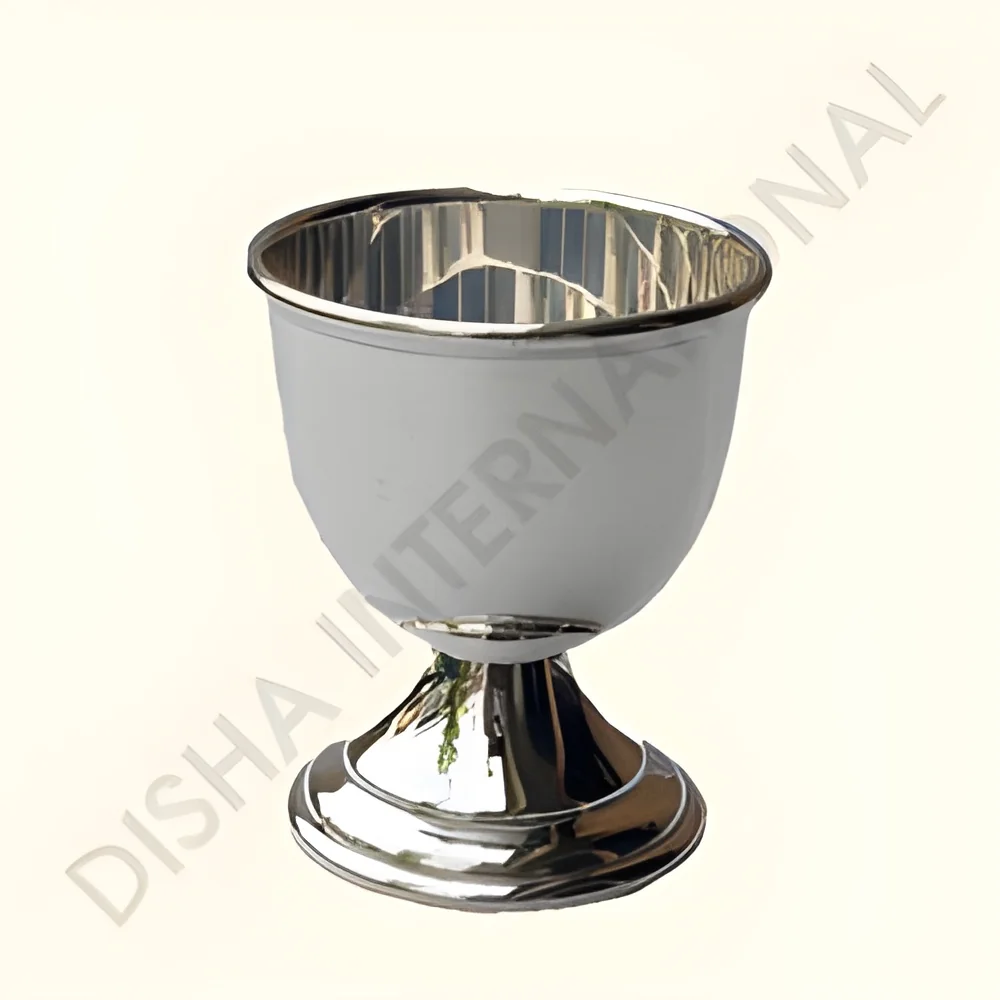
Egg Holders
1 products available
What are Egg Holders?
Egg holders are specialized containers designed to store, transport, and display eggs safely and efficiently. These products come in various shapes and sizes, accommodating different quantities of eggs while ensuring their protection from damage. Typically made from durable materials, egg holders are essential for maintaining the quality of eggs during handling and storage.
Egg holders serve various business applications across the food industry, particularly in egg production, distribution, and retail. They are widely used in agricultural settings, grocery stores, and food processing facilities. By providing a reliable way to handle eggs, these holders minimize breakage and spoilage, ultimately supporting the supply chain's efficiency.
In the context of the industrial market, egg holders are crucial for businesses that prioritize food safety and quality assurance. As consumer demand for fresh and unblemished eggs grows, the relevance of egg holders becomes increasingly significant. Companies must invest in high-quality holders to meet industry standards and ensure product integrity throughout the distribution process.
Key Features and Specifications
Egg holders come with several key features that enhance their functionality and performance. Understanding these specifications helps businesses make informed purchasing decisions.
Key specifications include:
1. Material Composition
- Typically made from plastic or cardboard
- Durable enough to withstand handling and transport
2. Capacity
- Varies from small holders (6-12 eggs) to larger ones (30-60 eggs)
- Allows flexibility based on customer needs
3. Design
- Includes options for stackable designs for efficient storage
- May feature individual compartments to reduce movement and breakage
4. Ventilation
- Some models incorporate ventilation holes for air circulation
- Helps maintain egg freshness by reducing humidity buildup
5. Customization
- Available options for branding or labeling
- Custom sizes can be arranged for specific business needs
6. Compliance Standards
- Must meet food safety regulations
- Certifications like CE ensure quality assurance
In summary, egg holders are designed with features that cater to the unique requirements of egg handling, ensuring safety, freshness, and efficiency in various industrial applications.
Common Applications and Use Cases
Egg holders find utility in numerous industries, each benefiting from their protective and organizational capabilities.
1. Agriculture: Egg holders are essential in poultry farms, facilitating safe transport from production to processing facilities. They help minimize the risk of breakage during handling.
2. Retail: Grocery stores utilize egg holders for displaying eggs. Their design ensures eggs remain intact while being easily accessible for customers.
3. Food Processing: Food manufacturers use egg holders in processing plants to maintain the quality of eggs before they are incorporated into various products.
4. Catering Services: Restaurants and catering companies rely on egg holders to transport eggs for dishes that require fresh ingredients, ensuring quality during delivery.
5. Export and Logistics: Companies involved in exporting eggs use specialized holders to meet international shipping standards, ensuring eggs arrive in perfect condition.
6. Culinary Schools: Educational institutions utilize egg holders to teach proper handling and storage techniques, emphasizing food safety principles.
Product Variants and Subcategories
Egg holders come in diverse designs to cater to different needs and preferences. This diversity allows businesses to choose the most suitable option for their specific applications.
Carton Egg Holders: These lightweight holders are commonly used for retail and display purposes. They provide a compact solution for packaging eggs in smaller quantities, making them ideal for grocery stores.
Plastic Egg Holders: Durable and reusable, these holders are perfect for industrial applications. They can withstand repeated handling and are often designed for bulk transport.
Eco-Friendly Holders: Made from biodegradable materials, these options appeal to environmentally conscious businesses. They provide a sustainable alternative without compromising on quality.
Benefits and Advantages
Investing in high-quality egg holders offers several significant benefits for businesses.
1. Protection: Egg holders safeguard eggs from damage during transport and storage, reducing losses due to breakage.
2. Efficiency: Streamlined designs facilitate easy stacking and storage, optimizing space in warehouses and retail environments.
3. Compliance: Quality egg holders meet industry standards, ensuring businesses adhere to food safety regulations.
4. Custom Branding: Businesses can customize egg holders with their branding, enhancing visibility and marketing efforts.
5. Cost Savings: By minimizing breakage and spoilage, egg holders help businesses save on replacement costs, ultimately improving profit margins.
6. Versatility: With various sizes and designs available, egg holders can be tailored to meet the specific needs of different industries.
Buying Guide for B2B Buyers
When sourcing egg holders, businesses should consider several critical factors to ensure they select the right products for their needs.
1. Quality Assessment: Buyers should evaluate the material quality and durability of egg holders. Look for products that withstand wear and tear to ensure longevity.
2. Supplier Verification: It is essential to vet suppliers for reliability and reputation. Check for certifications and customer reviews to ensure a trustworthy partnership.
3. Pricing and MOQ: Understand the pricing structure and minimum order quantities (MOQ) required by suppliers. This helps in budgeting and planning inventory needs effectively.
4. Delivery and Lead Times: Consider logistics and the expected lead times for delivery. Timely procurement is essential for maintaining operations.
5. Compliance Requirements: Ensure that the egg holders meet relevant food safety regulations and standards. This protects businesses from potential liabilities.
Compliance and Certifications
Egg holders must adhere to several relevant quality standards and certifications to ensure safety and reliability in food handling.
ISO 9001: This certification demonstrates a commitment to quality management systems, ensuring that products meet customer expectations consistently.
HACCP: The Hazard Analysis Critical Control Point system is vital for food safety. Egg holders should comply with HACCP principles to minimize risks associated with food handling.
CE Certification: This certification indicates that the product meets European health, safety, and environmental protection standards, making it essential for businesses operating in or exporting to European markets.
Safety and Testing Requirements: Egg holders must undergo rigorous testing to ensure they can withstand handling and transport while keeping the eggs safe.
Regional Compliance Considerations: Depending on the market, different regions may have specific compliance requirements. Businesses should stay informed about local regulations to ensure adherence.
Why Source Egg Holders from Pepagora?
Pepagora offers an exceptional platform for businesses seeking reliable egg holders with several key advantages.
Verified Supplier Network: Pepagora maintains a network of verified suppliers, ensuring that businesses can source high-quality egg holders with confidence. Each supplier is vetted for reliability and product quality.
Streamlined RFQ Process: The request for quotation (RFQ) system simplifies sourcing. Buyers can easily request quotes from multiple suppliers, facilitating comparison and decision-making.
Trade Assurance and Support: Pepagora provides trade assurance, protecting buyers from risks associated with transactions. This support fosters trust and encourages long-term partnerships.
Regional Coverage: With a strong presence in India, the GCC, and Southeast Asia, Pepagora connects buyers with local suppliers, enhancing accessibility and efficiency in procurement.
By choosing Pepagora, businesses can confidently source egg holders that meet their quality, compliance, and operational needs.

Frequently Asked Questions
What are Egg Holders?
Egg Holders are specialized containers designed to store and transport eggs safely. They come in various materials, including plastic, cardboard, and metal, and are used in both commercial and domestic settings to prevent eggs from breaking.
What are the different types of Egg Holders?
Different types of Egg Holders include egg cartons, egg trays, and egg baskets. Egg cartons are typically made of cardboard or plastic and are used for retail packaging, while egg trays are often used for storage and transportation in bulk. Baskets are used for carrying eggs and can be made from various materials.
How do I choose the right Egg Holders?
When choosing Egg Holders, consider factors such as the material, size, and intended use. For retail purposes, opt for attractive and durable cartons, while for storage, choose trays that provide adequate protection. Additionally, ensure the holder can accommodate the number of eggs you need.
What are the standard specifications for Egg Holders?
Standard specifications for Egg Holders include dimensions, weight capacity, and material type. Most egg cartons hold a standard dozen eggs, while trays may vary in size based on their design. It's essential to check that the specifications meet your storage and transport needs.
What is the price range for Egg Holders?
The price range for Egg Holders can vary based on material and design. Typically, a standard egg carton can range from ₹5 to ₹20 per unit, while bulk trays and specialized holders may cost more, depending on quantity and quality.
What quality standards apply to Egg Holders?
Quality standards for Egg Holders often include guidelines set by food safety authorities to ensure they are safe for food contact. Materials used should be non-toxic and able to withstand handling without compromising the integrity of the eggs.
Where can I find Egg Holders suppliers in India?
You can find Egg Holders suppliers in India through online B2B marketplaces like Pepagora.com. Additionally, trade shows and local manufacturers in your region can also provide a variety of options for sourcing Egg Holders.
Can Egg Holders be customized?
Yes, many manufacturers offer customization options for Egg Holders, including printing your brand logo or altering dimensions to fit specific requirements. It's advisable to discuss customization with suppliers to understand the available options.
What is the typical minimum order quantity for Egg Holders?
The typical minimum order quantity (MOQ) for Egg Holders can vary by supplier, but it often ranges from 100 to 1000 units. It is best to inquire directly with manufacturers for their specific MOQ policies.
What is the typical lead time for Egg Holders?
The typical lead time for Egg Holders can range from 1 to 4 weeks, depending on the supplier and order size. Custom orders may require additional time for production and delivery, so it's essential to confirm timelines with your supplier.
Why Businesses Trust Pepagora
Thousands of companies trust Pepagora to source smarter and sell faster
Expand Your Sales Globally

Source Smarter,Grow Faster
