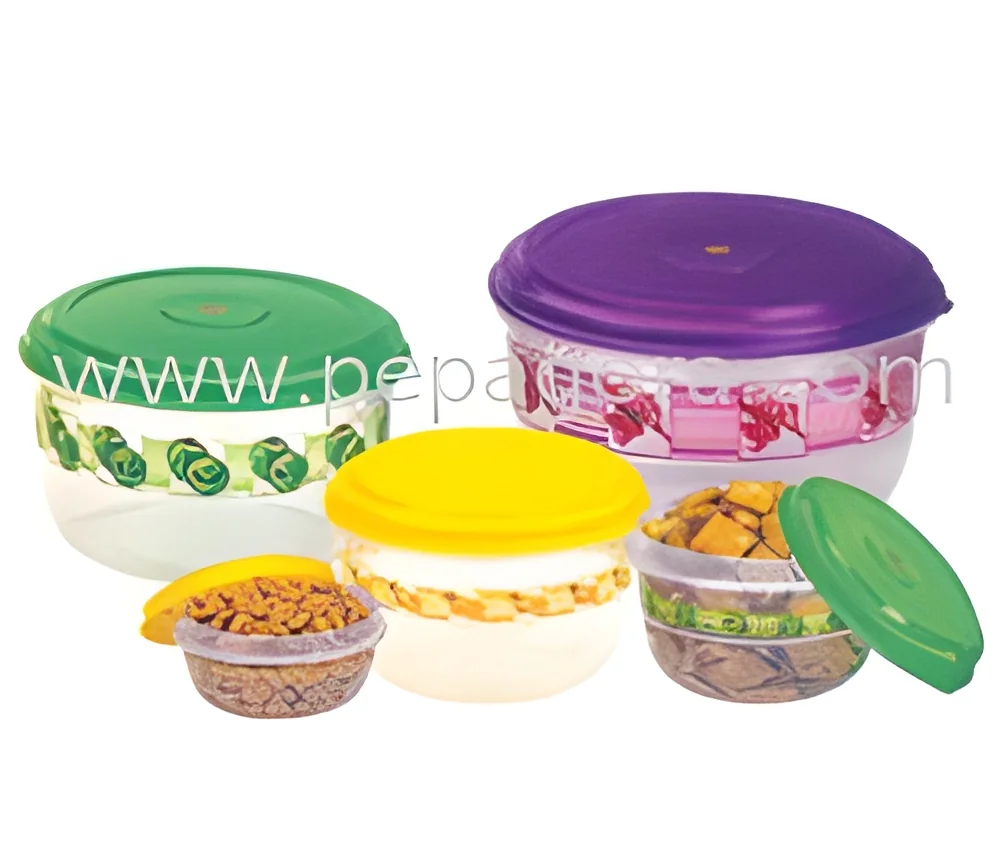
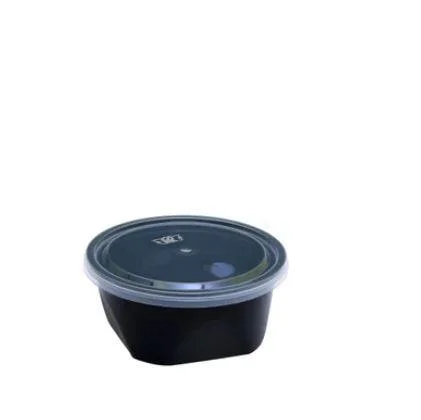
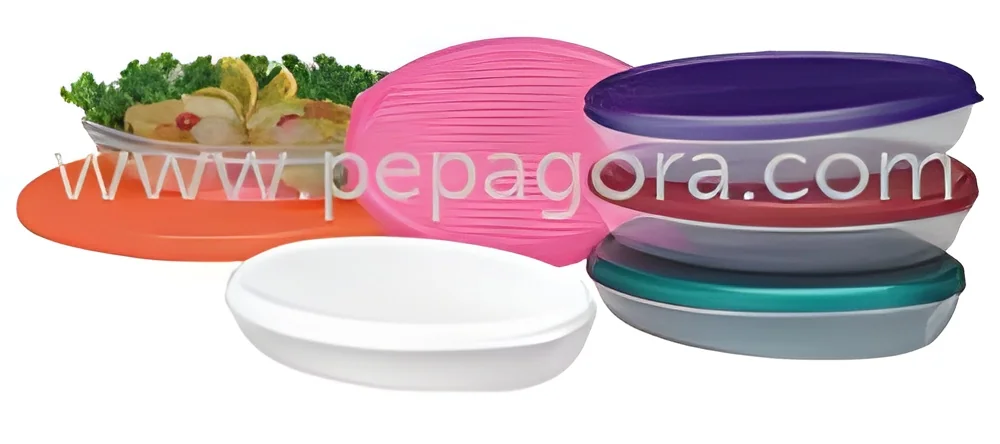
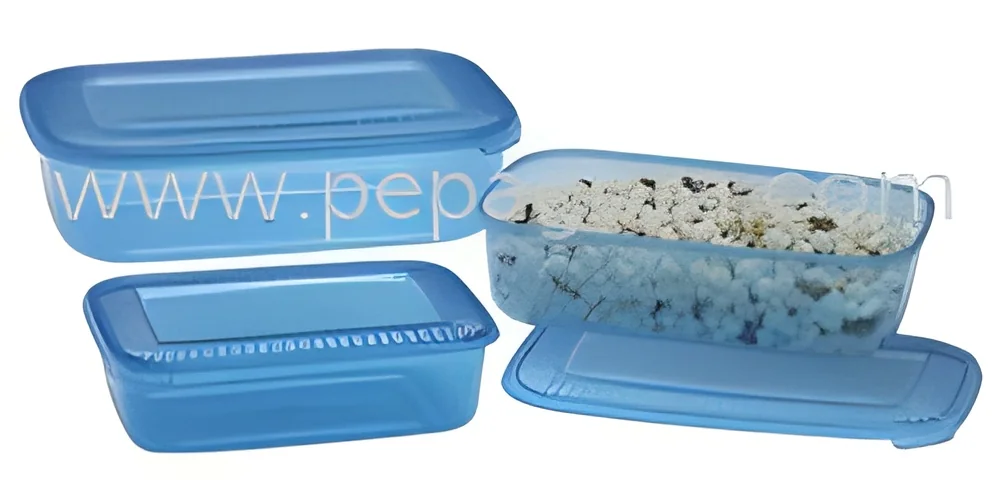
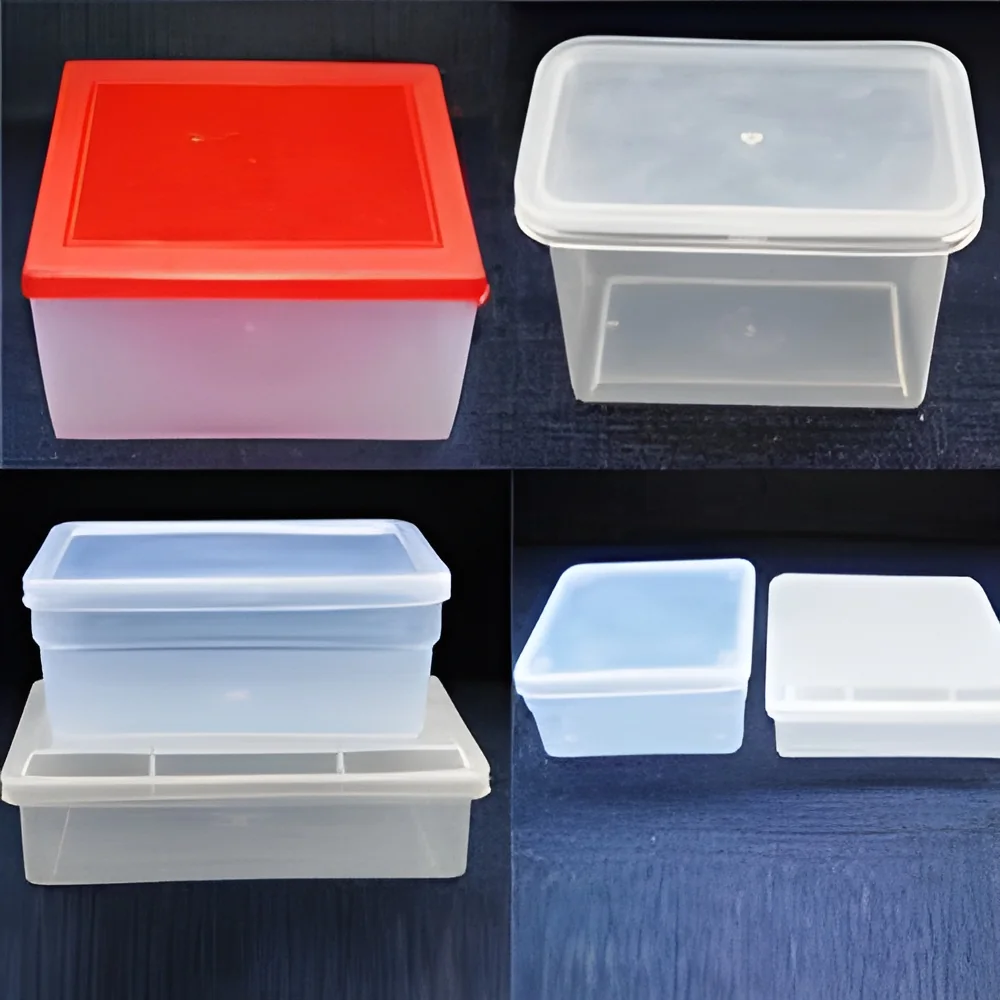
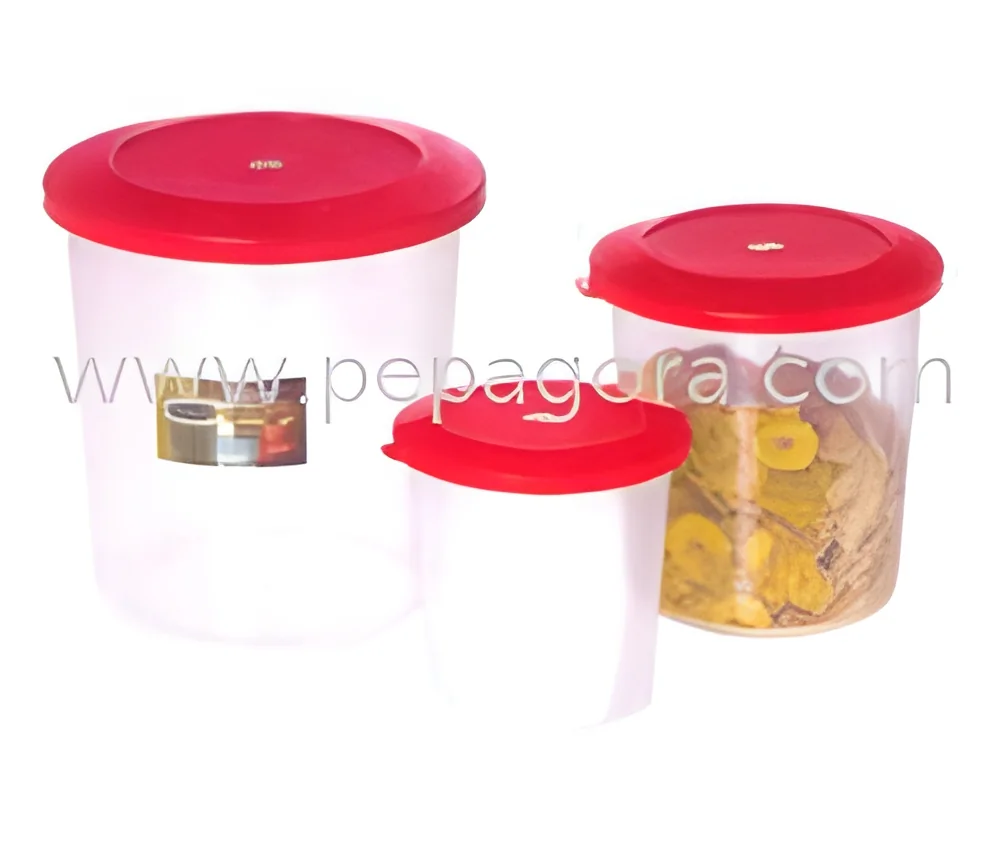
What are Plastic Storage Containers?
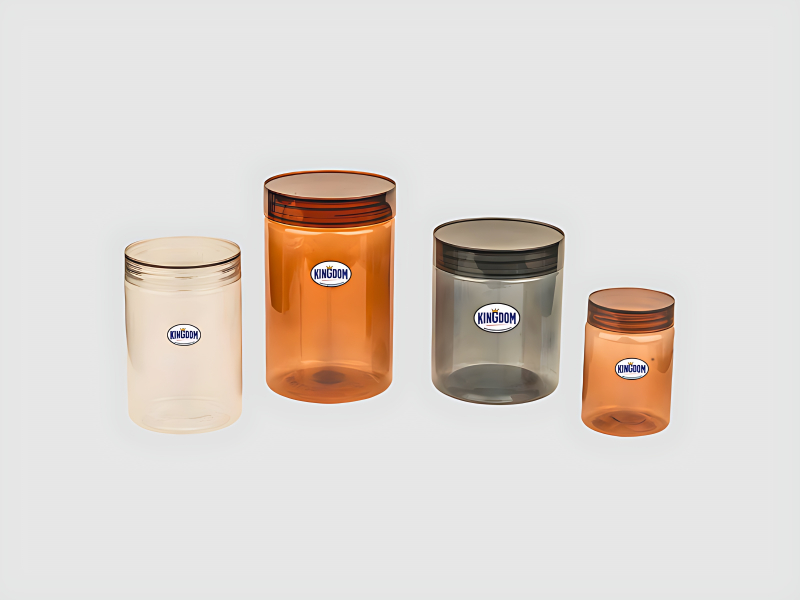
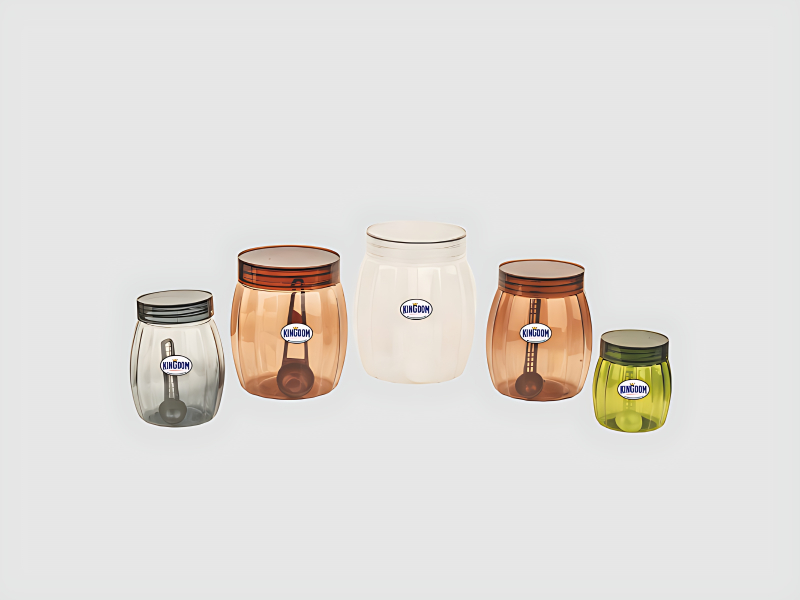
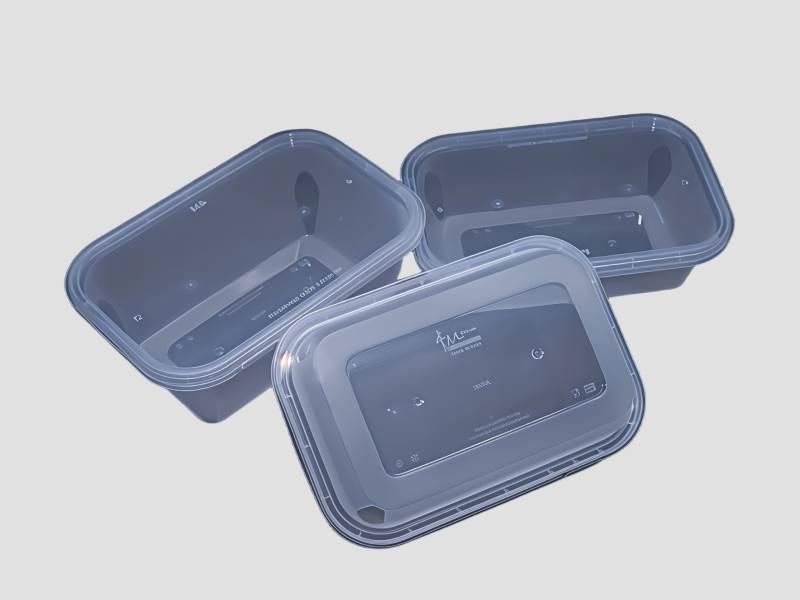
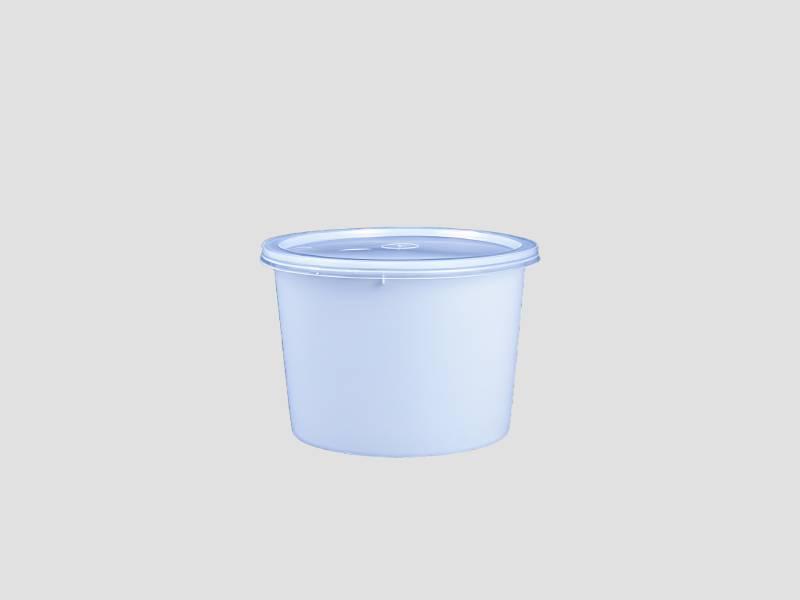
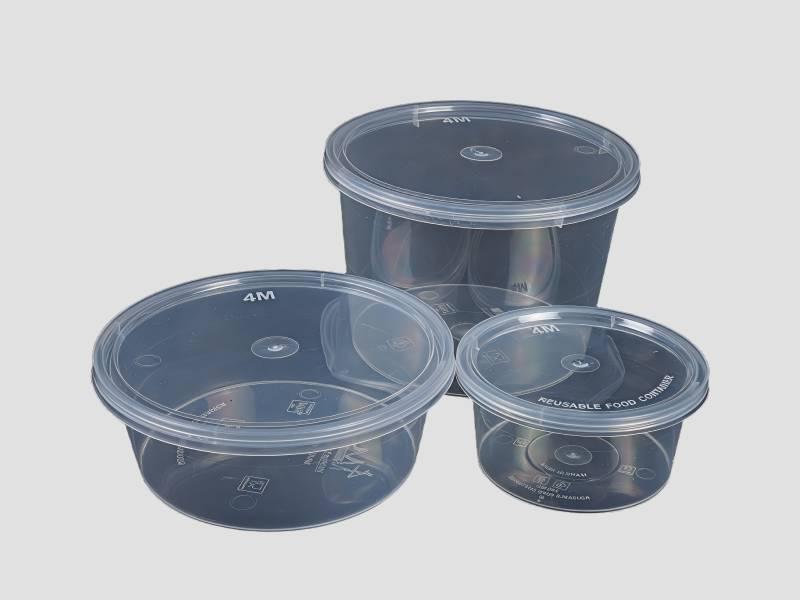
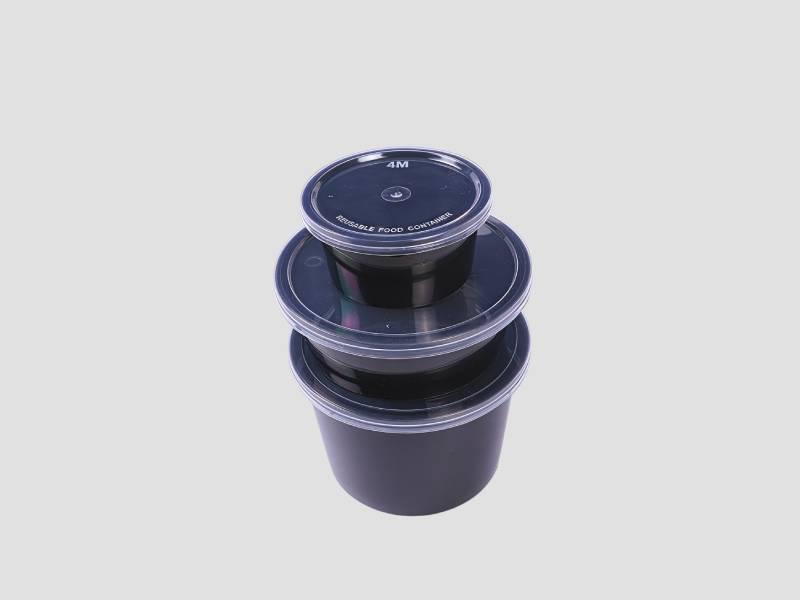
Plastic storage containers are versatile and durable solutions designed for the organization and storage of various materials. These containers are typically made from high-density polyethylene (HDPE) or polypropylene, offering strength and resistance to impact. Their lightweight nature, combined with the ability to stack, makes them an effective choice for both industrial and commercial applications.
In a business context, plastic storage containers are widely used for inventory management, product transportation, and storage in warehouses and retail environments. They can hold a range of items, from raw materials to finished products, ensuring that everything is easily accessible and well-protected. Their adaptability makes them suitable for numerous sectors, including manufacturing, logistics, and food service, where efficient storage solutions are crucial.
The market for plastic storage containers is continuously evolving, driven by increasing demand for efficient storage solutions and the emphasis on sustainability. As businesses seek to enhance their operational efficiency and reduce costs, plastic storage containers have gained popularity for their durability and versatility. This growing trend is reflected in various industries that prioritize organization and safety in their storage practices.
Key Features and Specifications
Plastic storage containers offer a range of features and specifications that make them suitable for various applications. These features enhance usability, ensuring that they meet the diverse needs of businesses.
Key specifications include:
1. Material Composition
- Typically made from high-density polyethylene (HDPE) or polypropylene.
- Provides durability and resistance to chemicals and impacts.
2. Capacity
- Available in various sizes, from small bins to large bulk containers.
- Capacity ranges can vary widely based on the specific product design.
3. Stackability
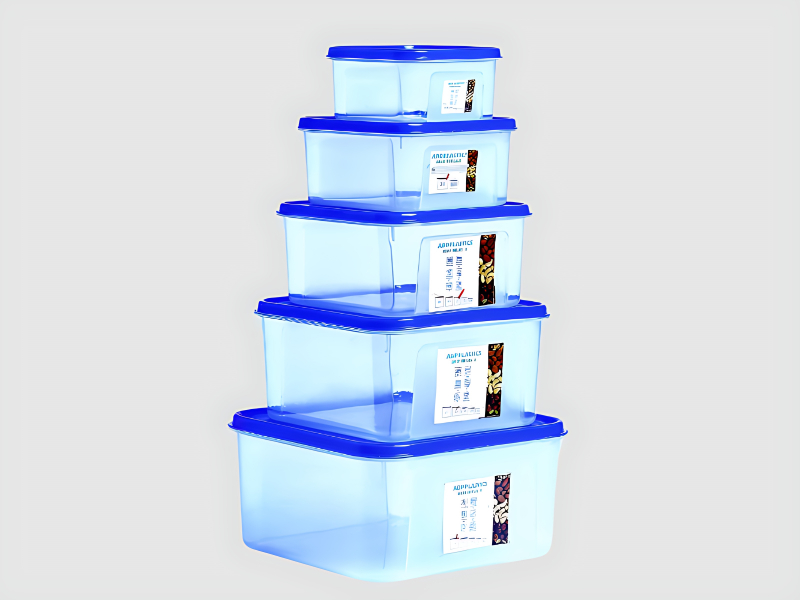
- Designed to be easily stackable, maximizing storage space.
- Ensures stability and safety when stacked.
4. Temperature Resistance
- Many containers can withstand a wide range of temperatures.
- Suitable for use in both cold and warm environments.
5. Customization Options
- Available with options for custom colors, sizes, and labeling.
- Allows businesses to tailor containers to specific needs.
6. Ventilation Features
- Some models include ventilation holes for airflow.
- Helps in preventing moisture build-up and spoilage of contents.
7. Safety Standards Compliance
- Many containers meet industry safety standards.
- Ensures reliability and safety for storage and transport.
8. Recyclability
- Made from recyclable materials, promoting sustainability.
- Contributes to waste reduction efforts in organizations.
In summary, the key features and specifications of plastic storage containers make them an essential tool for effective storage management in various industries.
Common Applications and Use Cases
Plastic storage containers are used across multiple industries due to their versatility and reliability.
1. Manufacturing: In manufacturing settings, these containers are utilized for storing raw materials and components, ensuring organized workflows and efficient inventory management.
2. Retail: Retail businesses employ plastic storage containers for display and storage of merchandise, providing a neat and accessible way to showcase products while keeping stock organized.
3. Food Service: In the food industry, plastic containers are essential for safe food storage and transportation, complying with health regulations and ensuring freshness.
4. Logistics: Logistics companies use plastic storage containers for shipping and handling goods, ensuring items are protected during transit and easily identifiable.
5. Pharmaceuticals: In the pharmaceutical sector, these containers help in organizing medical supplies and ensuring compliance with safety standards for drug storage.
6. Agriculture: Farmers and agricultural businesses utilize plastic storage containers for transporting and storing produce, maintaining quality and prolonging shelf life.
7. Automotive: In the automotive industry, these containers are used to store parts and tools, aiding in efficient inventory management and quick access.
Product Variants and Subcategories
Plastic storage containers come in various forms, catering to different storage needs and preferences.
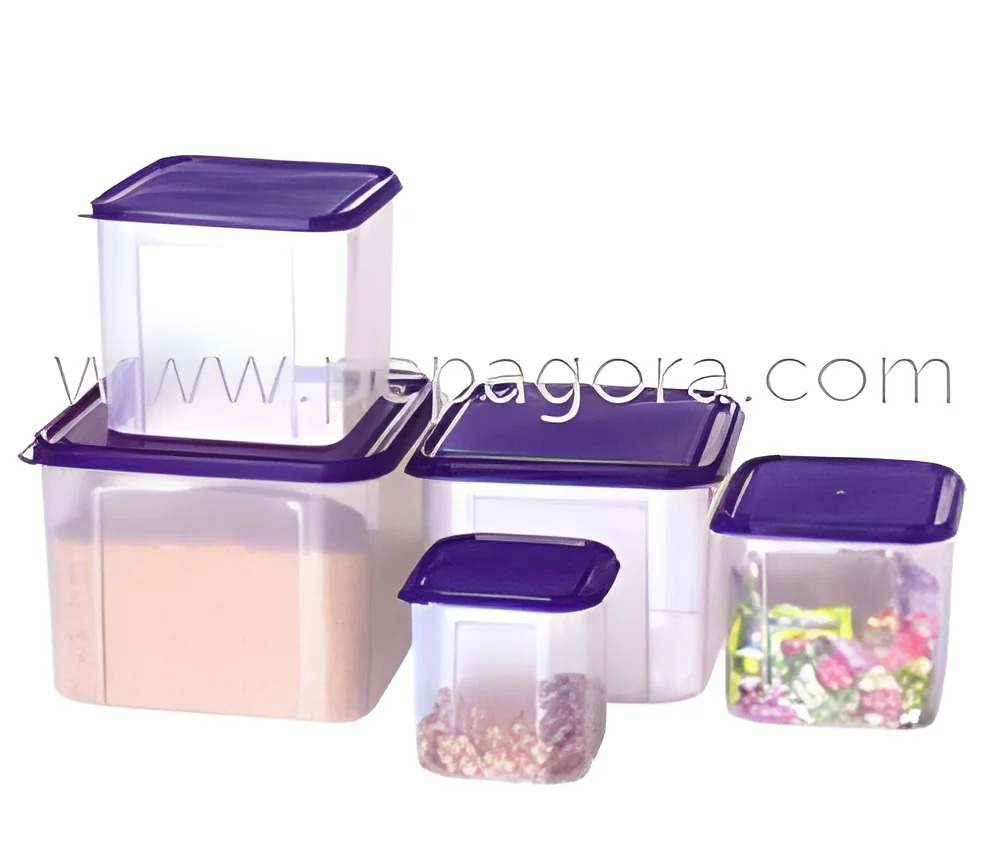
Standard Storage Bins
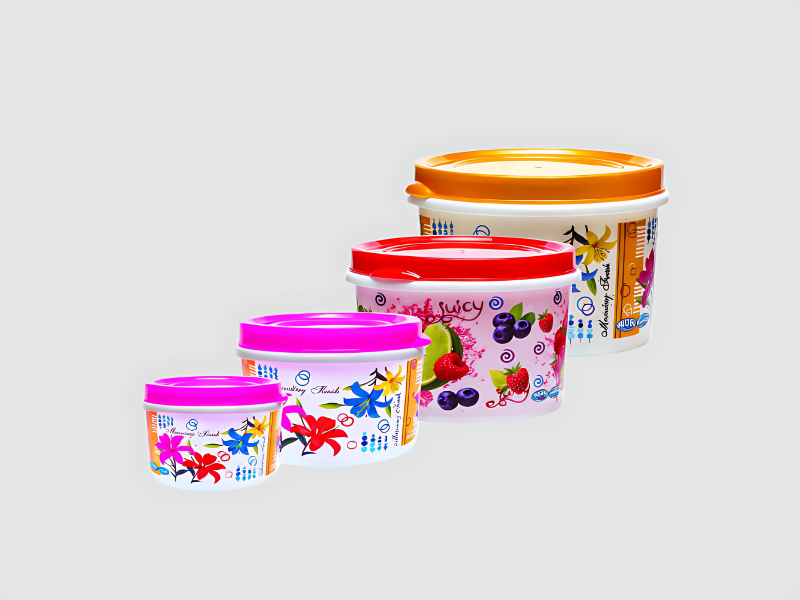
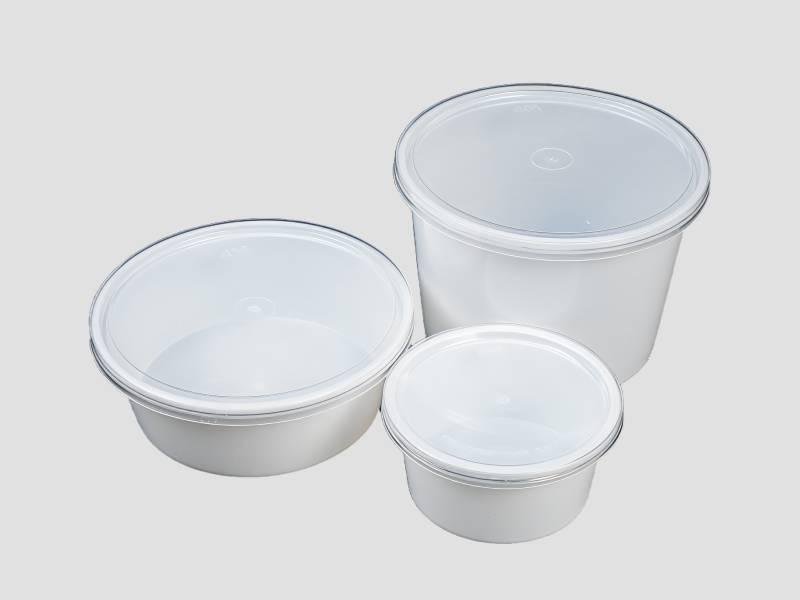
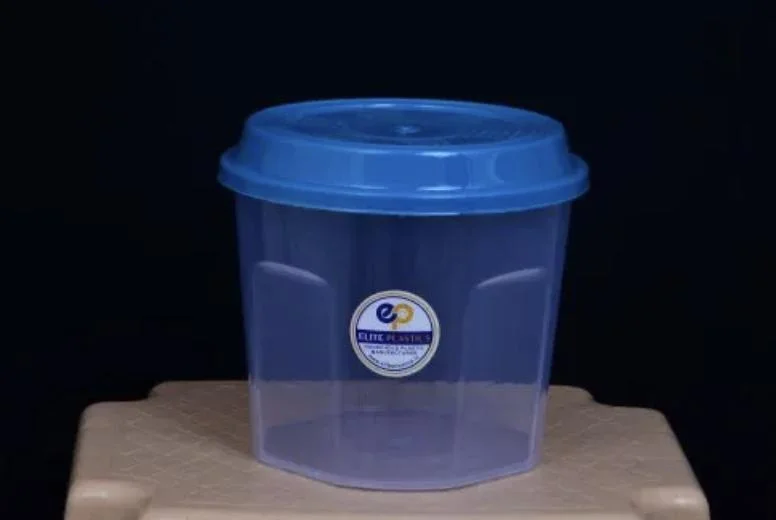
These are versatile containers used for general storage purposes. They often feature lids and stackability, making them ideal for both home and industrial applications.
Heavy-Duty Containers
Designed for demanding environments, these containers are built to withstand heavy loads and rough handling. They are commonly used in warehousing and manufacturing settings.
Food Storage Containers
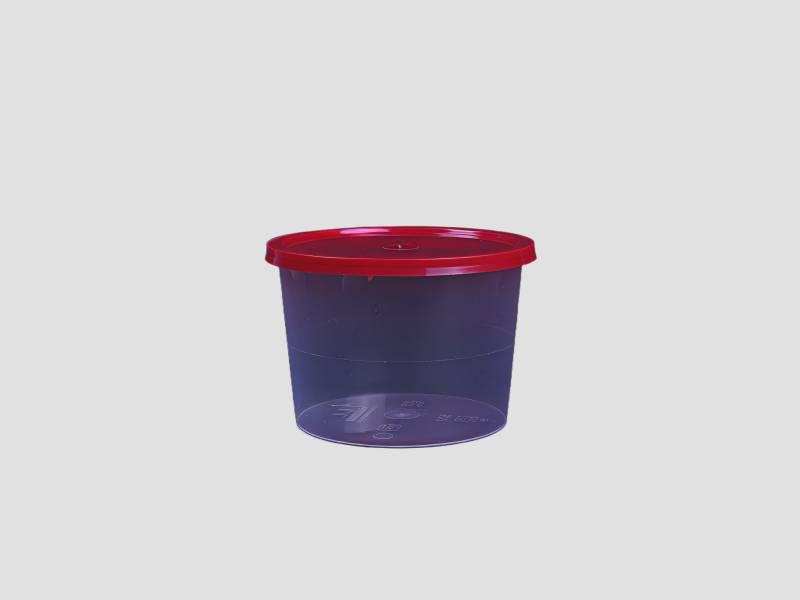
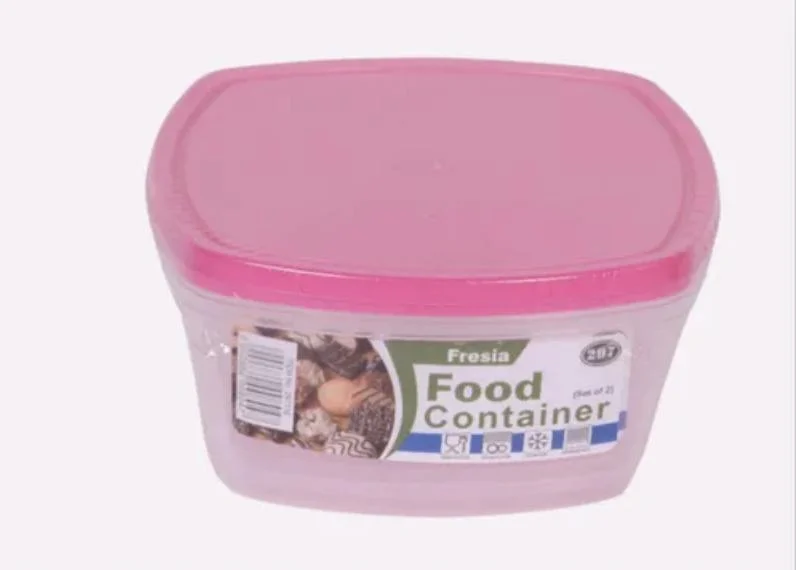
Specially designed for the food industry, these containers meet health regulations and are made from food-safe materials. They are perfect for storing ingredients and prepared foods.
Collapsible Containers
These containers can be collapsed to save space when not in use. They are ideal for businesses that require flexible storage solutions.
Benefits and Advantages
Plastic storage containers offer numerous benefits that enhance their value for businesses.
1. Durability: Made from strong materials, plastic storage containers resist wear and tear, ensuring a long lifespan and reducing replacement costs.
2. Lightweight: Their lightweight design makes them easy to handle and transport, improving operational efficiency.
3. Cost-Effective: Compared to other storage options, plastic containers are often more affordable, providing a budget-friendly solution for businesses.
4. Versatility: With a wide range of sizes and designs available, these containers can accommodate various storage needs across different industries.
5. Easy Maintenance: Plastic storage containers are easy to clean and maintain, ensuring they remain hygienic and suitable for repeated use.
6. Customization: The ability to customize containers allows businesses to tailor their storage solutions to specific applications, enhancing organization.
Buying Guide for B2B Buyers
When sourcing plastic storage containers, it is important for buyers to consider several factors to ensure they make informed decisions.
1. Quality Assessment: Evaluate the quality of materials and construction. Look for containers that meet industry standards for durability and safety.
2. Supplier Verification: Vet suppliers to ensure they have a good reputation and provide reliable products. Check for certifications and customer reviews.
3. Pricing and MOQ: Understand pricing structures and minimum order quantities. Compare suppliers to find the best value for your needs.
4. Delivery and Lead Times: Consider logistics and delivery times. Ensure suppliers can meet your timelines for receiving orders.
5. Compliance Requirements: Be aware of regulatory compliance specific to your industry. Ensure that containers meet necessary safety and health standards.
Compliance and Certifications
Plastic storage containers must adhere to various quality and safety standards to ensure they are suitable for commercial use.
Many manufacturers comply with ISO 9001 standards, which focus on quality management systems. This certification ensures that products are consistently produced to high-quality standards.
The CE marking indicates that a product meets European safety, health, and environmental protection requirements, making it a vital certification for containers used in various industries.
Safety and testing requirements are paramount, especially in sectors like food service and pharmaceuticals. Containers must undergo rigorous testing to ensure they do not leach harmful substances.
Regional compliance considerations may vary, so it is essential for businesses to understand local regulations regarding storage and transportation of goods.
Why Source Plastic Storage Containers from Pepagora?
Pepagora serves as a trusted platform for sourcing plastic storage containers, offering several key advantages for B2B buyers.
Verified Supplier Network: Pepagora connects buyers with a network of verified suppliers. This verification process ensures that suppliers meet quality and reliability standards, providing peace of mind when making purchases.
Streamlined RFQ Process: The request for quotation (RFQ) system simplifies the buying process. Buyers can easily submit requests and receive competitive quotes from multiple suppliers, saving time and effort.
Trade Assurance and Support: Buyers benefit from trade assurance, which protects their purchases and transactions. Pepagora provides support throughout the buying process, ensuring a smooth experience.
Regional Coverage: With a broad reach across India, the GCC, and Southeast Asia, Pepagora facilitates connections in diverse markets, making it easier for businesses to find suitable suppliers for their needs.

 IN
IN