What are Transistors & MOSFETs?
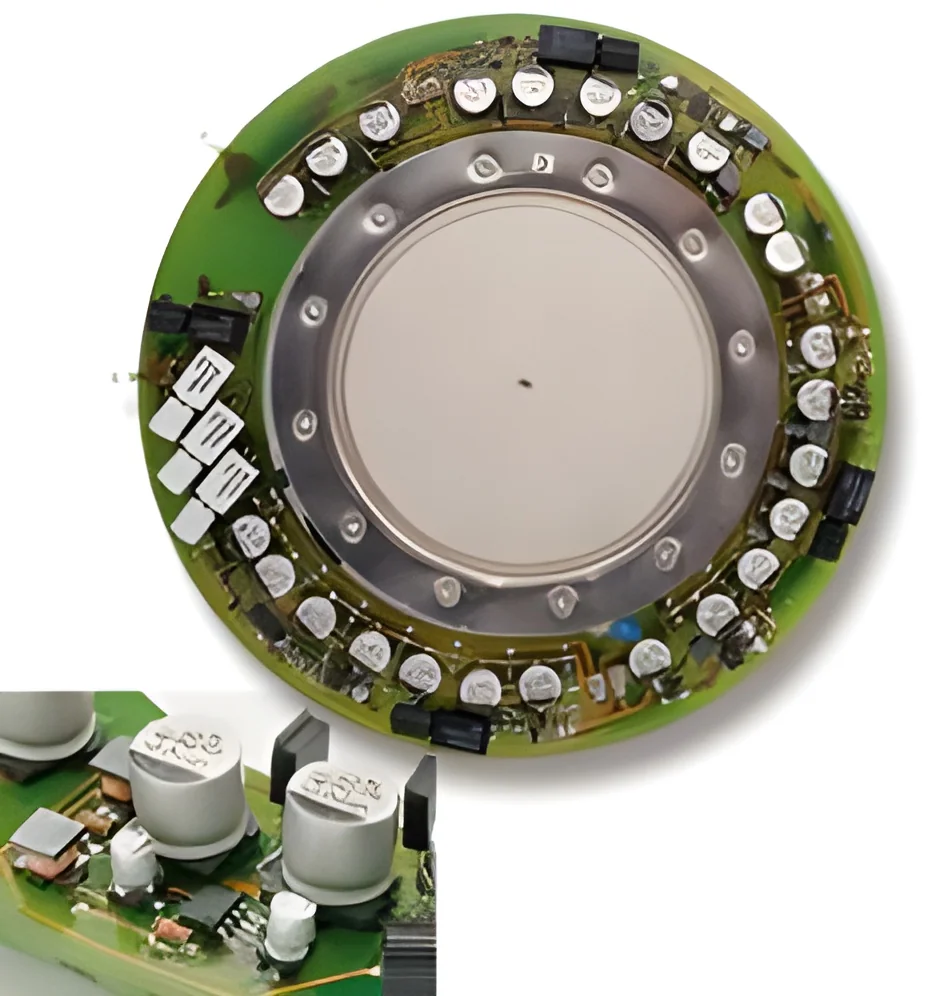
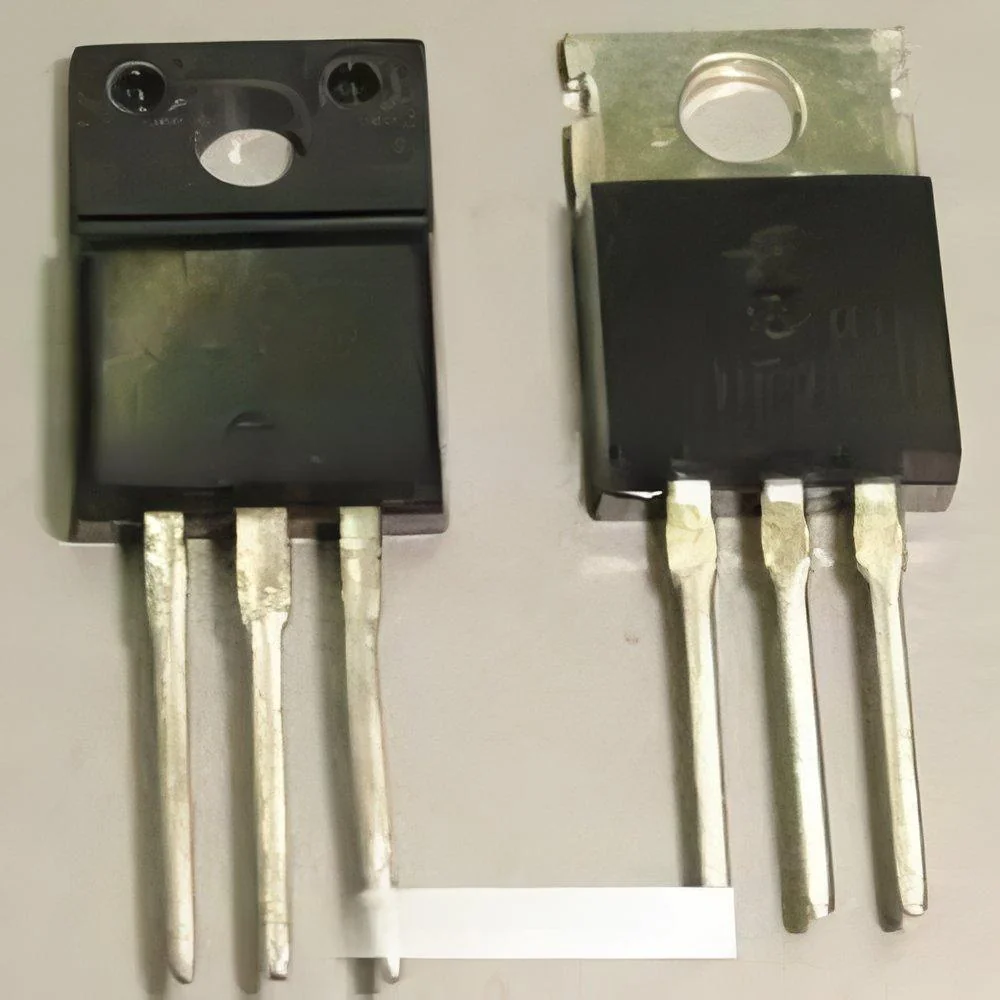
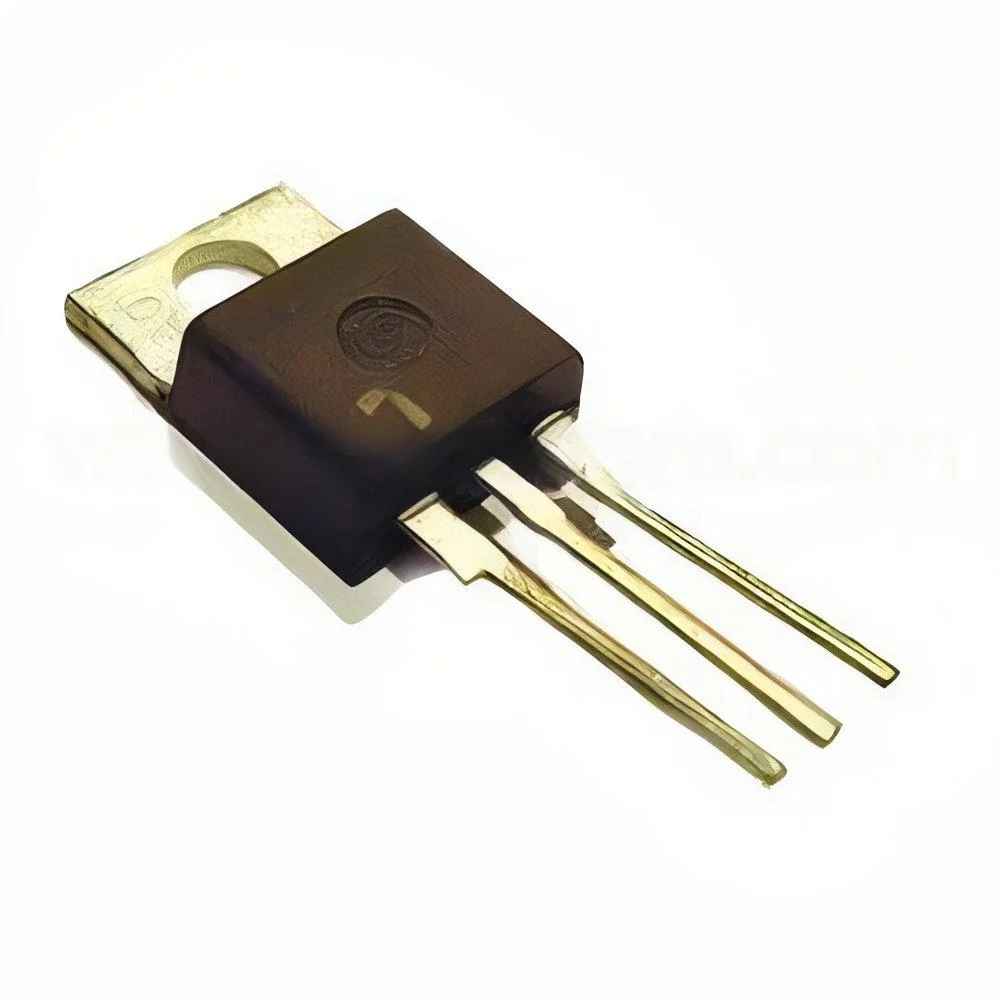
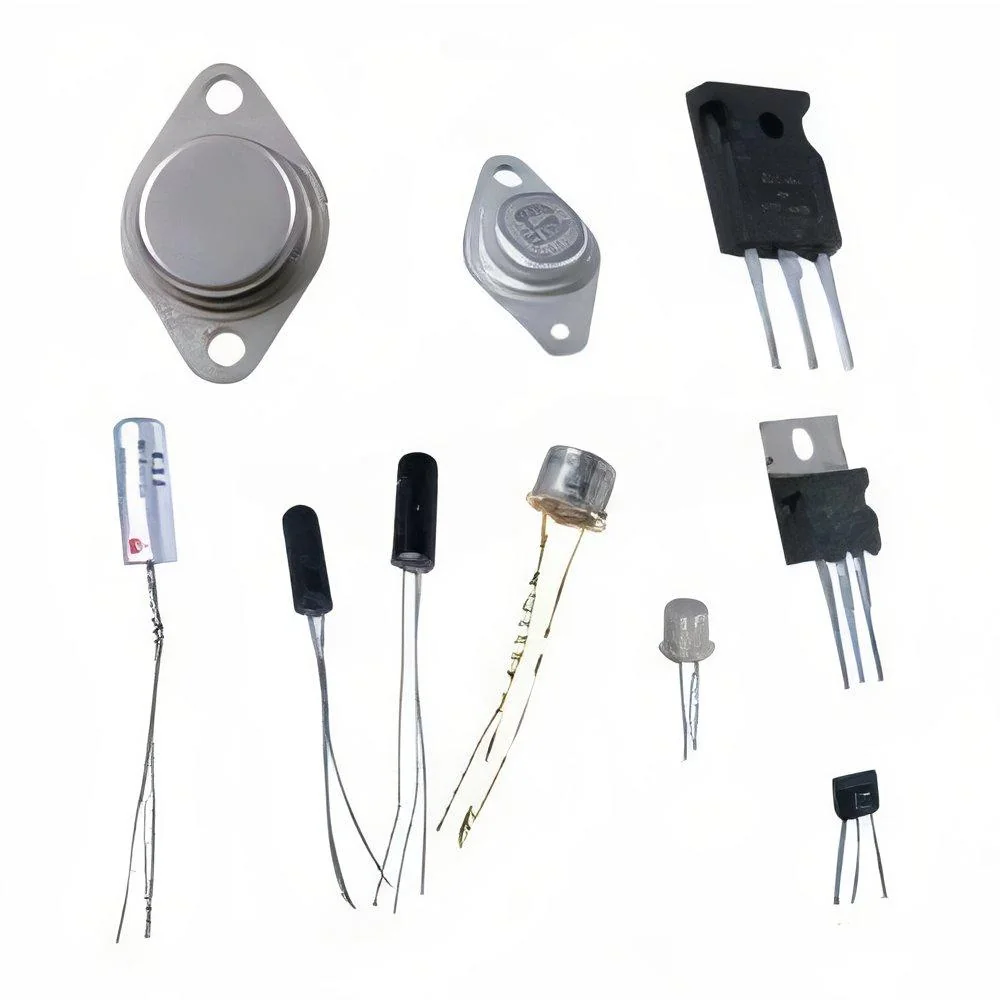
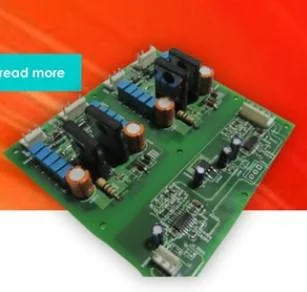
Transistors and MOSFETs (Metal-Oxide-Semiconductor Field-Effect Transistors) are key components in modern electronics. A transistor is a semiconductor device that can amplify or switch electronic signals and electrical power. MOSFETs are a specific type of transistor that utilizes an electric field to control the flow of current. These components are critical for creating integrated circuits, enabling the miniaturization of electronic devices, and enhancing performance.
Transistors and MOSFETs find widespread applications across various industries. They are commonly used in power supplies, audio amplifiers, and digital logic circuits. Businesses leverage these components for their ability to control electrical signals efficiently, making them essential in consumer electronics, telecommunications, and automotive systems. The growing demand for high-performance electronics and energy-efficient devices drives the market for transistors and MOSFETs, making them relevant in the ever-evolving landscape of technology.
Key Features and Specifications
Transistors and MOSFETs come with a variety of features that cater to different applications. Understanding these specifications is essential for businesses when selecting the right components.
Key specifications include:
1. Voltage Rating
- This specification indicates the maximum voltage that the transistor or MOSFET can handle.
- Typical ranges are from a few volts to several hundred volts, depending on the application.
2. Current Rating
- This denotes the maximum current the device can conduct without damage.
- Common current ratings range from milliamperes to several amperes.
3. Gate Threshold Voltage
- This is the minimum voltage required at the gate to turn the MOSFET on.
- Values vary but typically fall between 1V and 4V.
4. Drain-Source Breakdown Voltage
- This indicates the maximum voltage between the drain and source terminals when the device is off.
- Ratings can exceed 600V in high-power applications.
5. Power Dissipation
- This specification refers to the amount of power the device can dissipate as heat.
- Typical power dissipation values range from a few watts to hundreds of watts.
6. Switching Speed
- This refers to how quickly the device can switch on and off.
- Speeds can range from nanoseconds to microseconds.
7. Package Type
- This indicates the physical packaging of the device, which affects heat dissipation and mounting options.
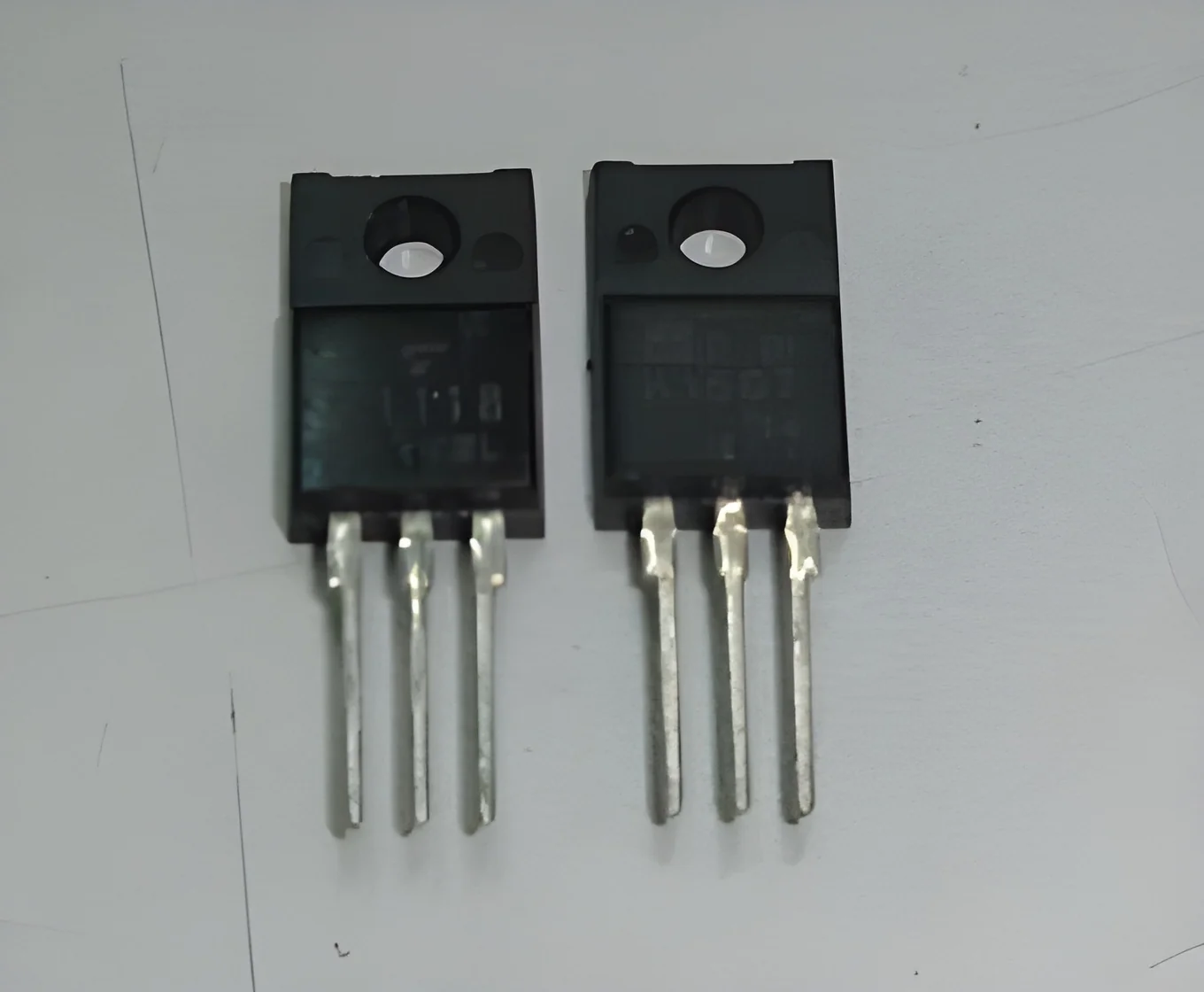
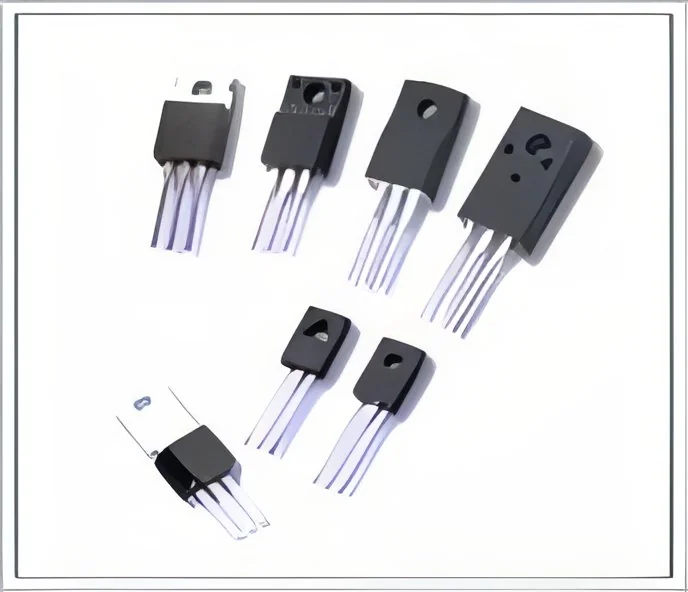
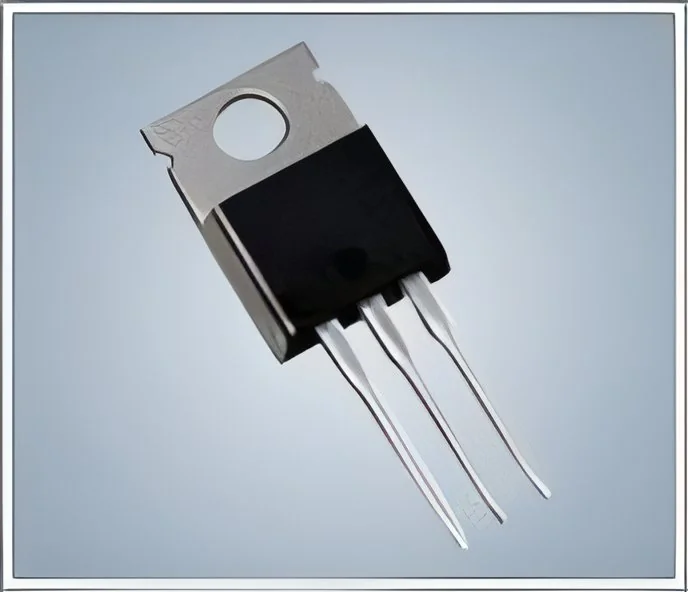
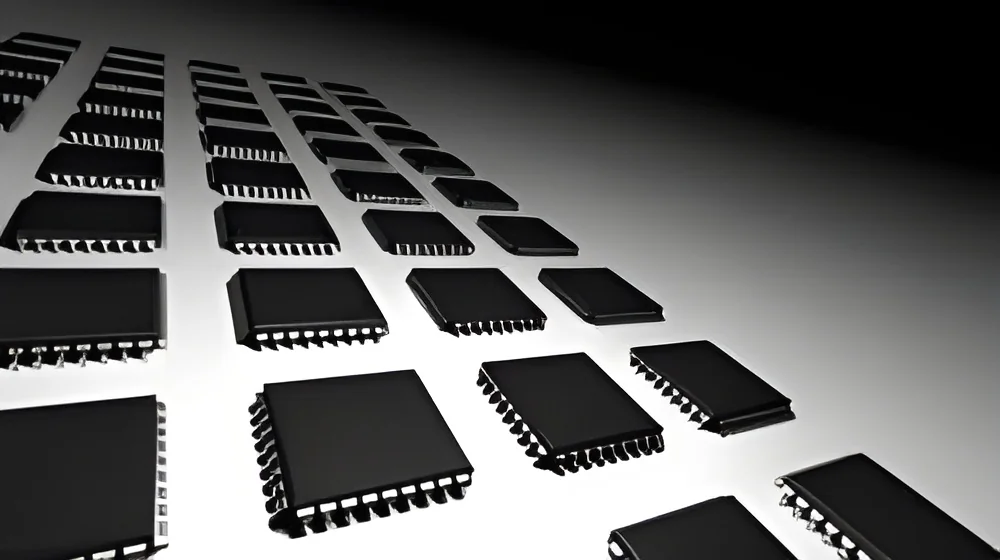
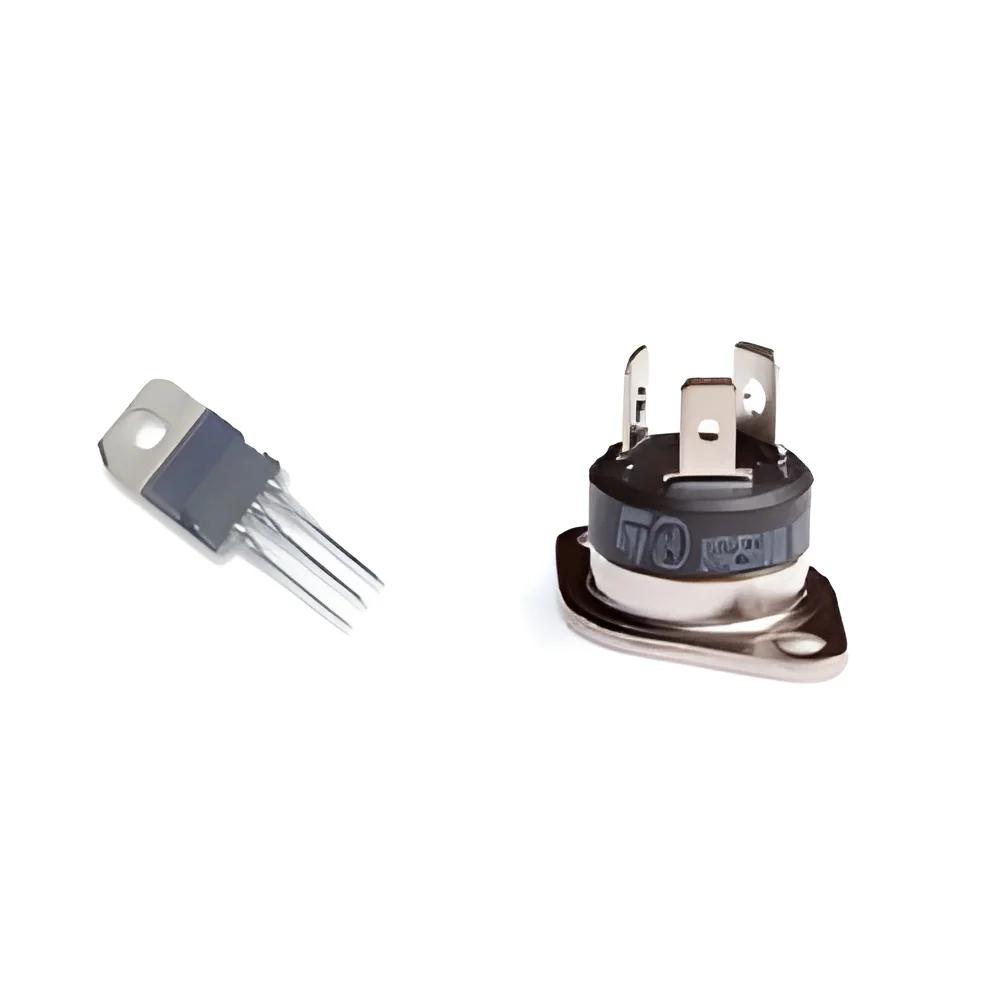
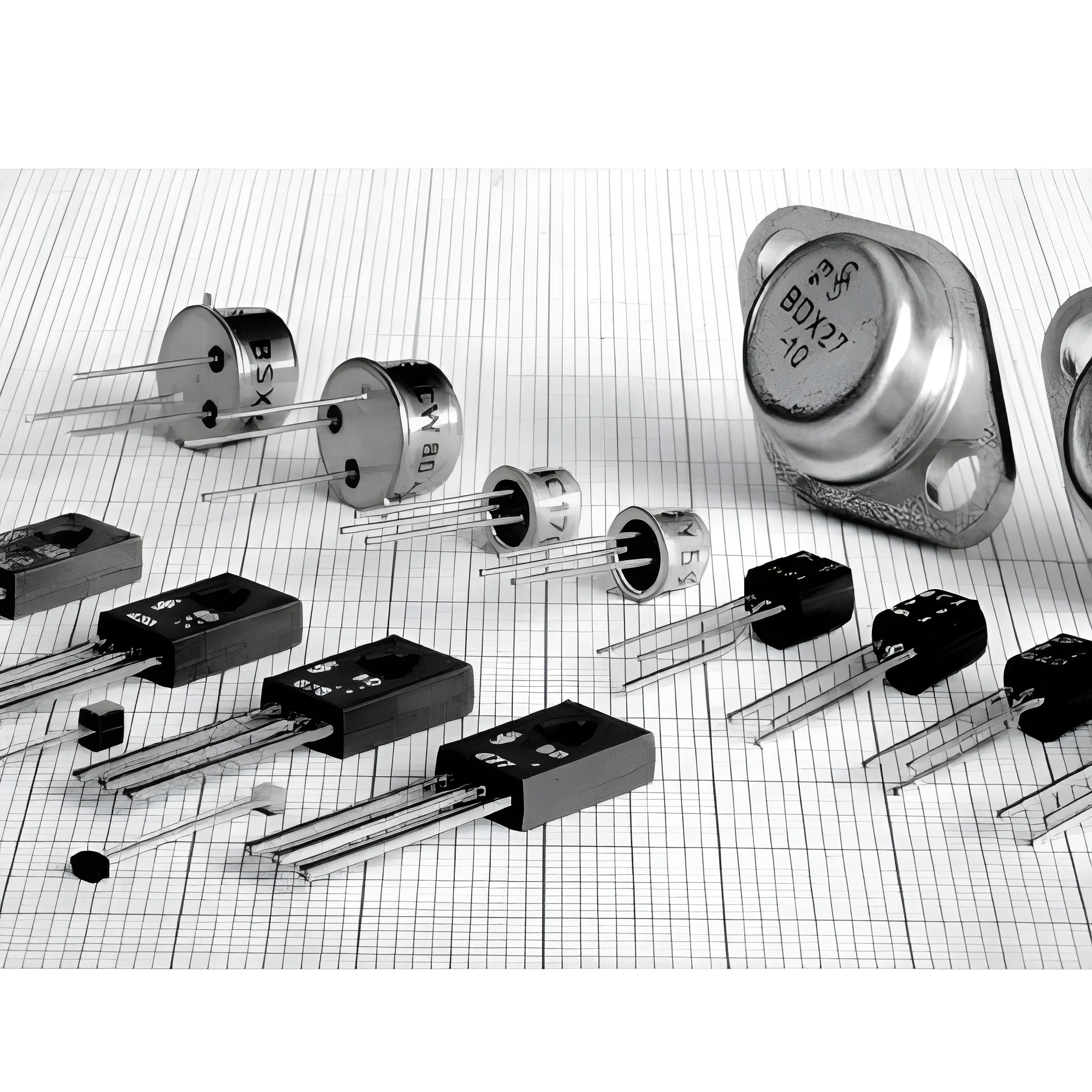
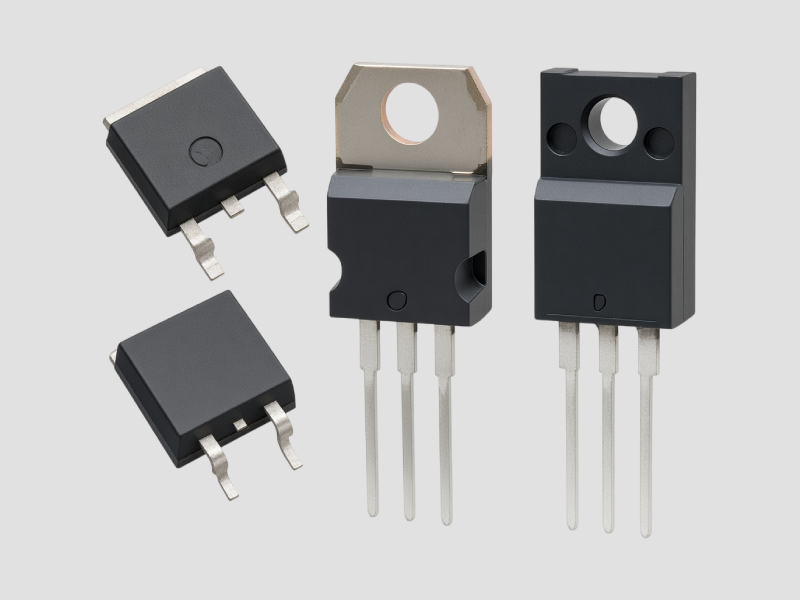
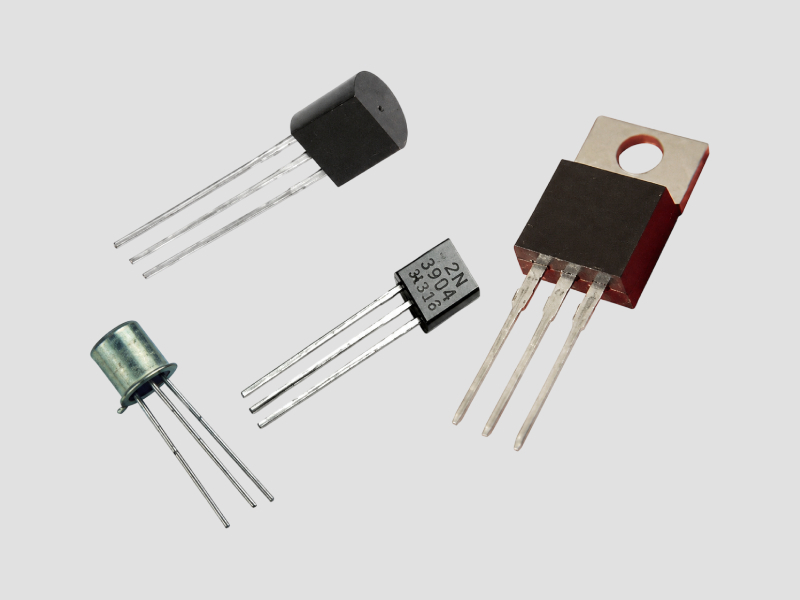
- Common types include TO-220, SMD, and DPAK.
8. Temperature Range
- This specifies the operational temperature limits of the component.
- Standard ranges are typically from -40°C to 125°C.
These specifications are crucial for ensuring that the selected transistors and MOSFETs meet the performance requirements of specific applications.
Common Applications and Use Cases
Transistors and MOSFETs serve a wide array of industries, each with unique applications.
1. Consumer Electronics: Transistors are integral in devices such as smartphones, televisions, and computers, where they help amplify audio and manage power distribution.
2. Automotive: In vehicles, MOSFETs are used in power management systems, electric drive controls, and battery management systems, enhancing efficiency and performance.
3. Telecommunications: These components play a critical role in signal processing and amplification in communication devices, ensuring high fidelity in data transmission.
4. Industrial Automation: Transistors and MOSFETs are utilized in control systems and robotics for their reliability and efficiency in managing electrical signals.
5. Renewable Energy: They are essential in solar inverters and wind turbine controllers, helping to convert and manage energy effectively.
6. Medical Devices: In healthcare technology, transistors are found in imaging equipment and diagnostic tools, ensuring accurate signal processing.
7. Power Supplies: They are fundamental in switching power supplies, helping to regulate voltage and improve energy efficiency.
Product Variants and Subcategories
Transistors and MOSFETs come in various types to cater to diverse applications.
N-Channel MOSFETs
N-Channel MOSFETs are widely used for high-side switching applications. They offer lower on-resistance and higher efficiency, making them suitable for power management in electronic devices.
P-Channel MOSFETs
These are typically used for low-side switching applications and are beneficial for simplifying the drive circuitry in certain logic levels.
Bipolar Junction Transistors (BJTs)
BJTs are another type of transistor used for amplification and switching applications. They are favored in analog circuits due to their excellent linearity.
High-Power Transistors
Designed for applications requiring high current and voltage handling, these transistors are used in industrial equipment, power converters, and motor control.
Benefits and Advantages
Transistors and MOSFETs offer numerous advantages to businesses seeking reliable electronic components.
Key benefits include:
1. Efficiency: Transistors and MOSFETs are designed to minimize energy loss, making them essential for creating energy-efficient devices.
2. Versatility: They can be used in countless applications, from consumer electronics to industrial automation, providing flexibility for design engineers.
3. Reliability: With robust construction, these components exhibit high durability and long operational lifetimes, reducing maintenance costs.
4. Performance: They enable faster switching speeds and improved signal processing, enhancing the overall performance of electronic systems.
5. Compact Size: The miniaturization capabilities of transistors and MOSFETs allow for smaller, more lightweight electronic devices.
6. Cost-Effectiveness: High production volumes and advanced manufacturing techniques help keep costs down, making them affordable for various applications.
Buying Guide for B2B Buyers
When sourcing Transistors and MOSFETs, it is essential to consider various factors to ensure the right selection for your needs.
1. Quality Assessment: Evaluate the quality of the components by reviewing manufacturer certifications and adhering to industry standards. High-quality products ensure reliability and performance.
2. Supplier Verification: Vet suppliers through their reputation and track record. Look for reviews, past projects, and customer testimonials to ensure they provide reliable products.
3. Pricing and MOQ: Compare pricing among suppliers and understand minimum order quantities to gauge budget considerations. This helps in planning procurement effectively.
4. Delivery and Lead Times: Assess the logistics involved in the supply chain. Understanding delivery schedules can help in planning production timelines.
5. Compliance Requirements: Ensure that the components meet relevant industry regulations and standards. Compliance is crucial for maintaining quality and safety in applications.
Compliance and Certifications
Transistors and MOSFETs are subject to various compliance and certification standards that ensure their reliability and safety.
Relevant quality standards, such as ISO 9001, ensure that manufacturers adhere to quality management systems. This standard reflects a commitment to continuous improvement and customer satisfaction.
Industry certifications like CE signify compliance with European safety standards, enhancing consumer confidence in the products. Such certifications are critical for market acceptance and regulatory compliance.
Safety and testing requirements are essential to ensure that the devices operate safely under specified conditions. This includes electrical testing and thermal analysis to prevent failures in applications.
Regional compliance considerations can vary, and manufacturers should remain informed about local regulations to ensure their products meet all necessary guidelines.
Why Source Transistors & MOSFETs from Pepagora?
Pepagora provides a trusted platform for sourcing Transistors and MOSFETs, offering several key advantages to B2B buyers.
Verified Supplier Network: Pepagora features a network of verified suppliers who meet rigorous quality standards. This ensures that buyers can trust the products they source, minimizing risks associated with procurement.
Streamlined RFQ Process: The Request for Quotation (RFQ) system simplifies the process of obtaining quotes from multiple suppliers. This allows buyers to compare prices and specifications efficiently, facilitating better purchasing decisions.
Trade Assurance and Support: Pepagora offers trade assurance, providing buyers with protection against risks associated with transactions. This support fosters confidence in the purchasing process.
Regional Coverage: With a broad geographic reach across India, the GCC, and Southeast Asia, Pepagora connects buyers with local suppliers, making it easier to access quality components while supporting regional economies.

 IN
IN


 India
India