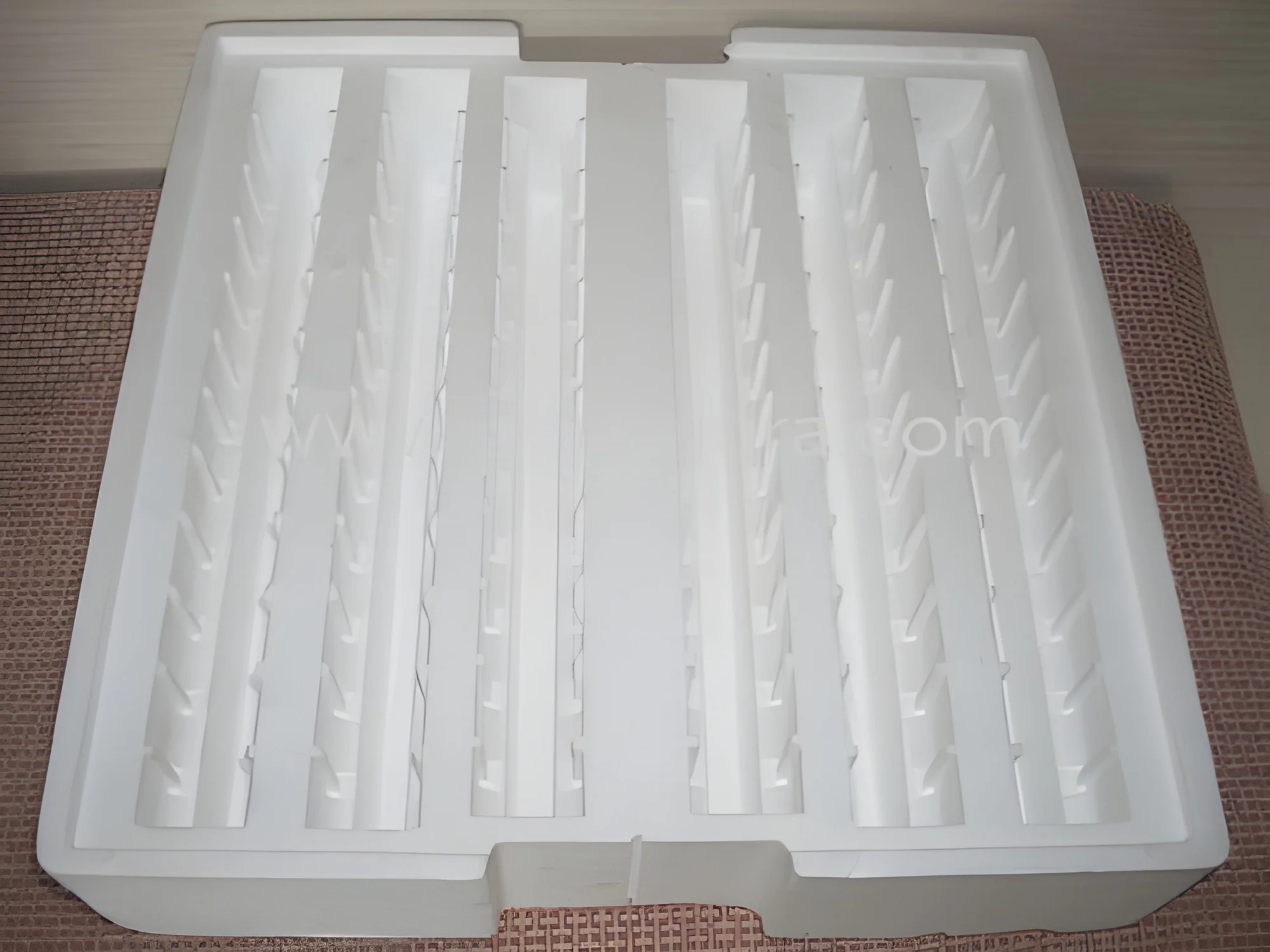
What are Thermoformed Trays?
Thermoformed trays are packaging solutions created through the thermoforming process, where plastic sheets are heated and molded into specific shapes. This method allows for the creation of lightweight, durable, and versatile trays that can accommodate a variety of products. The trays are often used in industries that require reliable containment and protection of goods during transport and storage.
These trays serve multiple business applications, including food packaging, medical supply containment, and electronic component protection. Their ability to be customized in size, shape, and design makes them suitable for a wide range of products, enhancing efficiency in packaging and distribution. As industries continue to focus on sustainability and cost-effectiveness, thermoformed trays have gained popularity due to their recyclability and overall functionality.
In the current market context, thermoformed trays are increasingly relevant as companies strive for greater efficiency in logistics and supply chain management. They are utilized across various sectors, including retail, manufacturing, and healthcare, where reliable packaging is essential for product integrity and customer satisfaction.
Key Features and Specifications
Thermoformed trays are designed with several key features that enhance their functionality and usability across different applications. These specifications ensure that they meet the diverse needs of businesses.
Key specifications include:
1. Material Type
- Commonly made from PET, PVC, or PS
- Each material offers different properties like clarity, strength, and recyclability
2. Tray Dimensions
- Available in various sizes to fit specific products
- Custom sizes can often be produced upon request
3. Thickness
- Typically ranges from 0.5 mm to 3 mm
- Thickness impacts durability and weight capacity
4. Surface Finish
- Options include smooth, textured, or printed surfaces
- Surface finish can enhance branding and product visibility
5. Temperature Resistance
- Designed to withstand varying temperature ranges depending on application
- Specific temperature data not available
6. Stackability
- Designed for efficient stacking to save space in storage and transportation
- Stackability features may include interlocking designs
7. Customization Options
- Can be tailored to specific product dimensions and branding needs
- Custom printing and color options available
8. Compliance with Industry Standards
- Often adheres to safety regulations and quality standards
- Certification information may vary by supplier
Thermoformed trays offer a combination of practical features that make them suitable for a wide range of applications, aiding in efficient product handling and distribution.
Common Applications and Use Cases
Thermoformed trays are versatile and find applications across various industries.
1. Food Industry: These trays are used for packaging fresh produce, ready-to-eat meals, and bakery items. Their design helps maintain product freshness and safety during transit.
2. Medical Supplies: Thermoformed trays are essential for packaging medical devices and instruments. They provide protection and organization, ensuring safe handling and storage.
3. Electronics: In the electronics sector, thermoformed trays are used to secure components during shipping. Their custom designs protect delicate parts from damage.
4. Automotive: These trays are utilized for parts organization in automotive manufacturing. They help streamline assembly processes and reduce the risk of component loss.
5. Cosmetics: Thermoformed trays are frequently used for packaging cosmetic products, providing an attractive presentation while ensuring product safety.
6. Retail: Many retail items, such as toys and tools, are packaged in thermoformed trays for shelf display. Their eye-catching designs enhance product visibility.
7. Industrial Parts: In manufacturing, thermoformed trays can be used to hold and transport small parts, improving workflow and organization.
Product Variants and Subcategories
Thermoformed trays come in various forms to cater to different needs and preferences.
Standard Trays: These are the most common type, designed for general-purpose use. They come in diverse sizes and shapes, making them suitable for a wide array of products.
Custom Trays: Tailored specifically for unique products, these trays can include specific dimensions, branding, and features to enhance usability in specific applications.
Clamshell Trays: These trays feature a hinged design that allows for easy opening and closing. They are ideal for showcasing products while providing protection.
Deep-Dish Trays: Designed for bulkier items, these trays have higher walls to accommodate larger products without risk of spillage.
Benefits and Advantages
Using thermoformed trays provides numerous advantages for businesses looking to enhance their packaging solutions.
Key benefits include:
1. Lightweight Design: Thermoformed trays are typically lighter than other packaging options, reducing shipping costs and improving handling efficiency.
2. Customization: They can be tailored to specific dimensions and branding requirements, allowing businesses to create unique packaging solutions.
3. Cost-Effectiveness: The manufacturing process of thermoformed trays is often more economical compared to other packaging methods, offering savings on production costs.
4. Sustainability: Made from recyclable materials, these trays can contribute to a company's sustainability goals and reduce environmental impact.
5. Durability: Thermoformed trays are designed to withstand handling and transportation stresses, protecting the contents during transit.
6. Versatility: Their wide range of applications across different industries makes them ideal for businesses with diverse packaging needs.
Buying Guide for B2B Buyers
When sourcing thermoformed trays, it is crucial to consider several important factors to ensure you make the right choice for your business needs.
1. Quality Assessment: Evaluate the quality of the materials used in the trays. Look for certifications and standards that indicate compliance with industry requirements.
2. Supplier Verification: Ensure that the supplier has a good reputation in the industry. Check for reviews and testimonials from other customers.
3. Pricing and MOQ: Understand the pricing structure and minimum order quantities (MOQ) required by suppliers. This information is essential for budgeting and planning.
4. Delivery and Lead Times: Inquire about the expected delivery times to ensure that your needs align with the supplier's capabilities.
5. Compliance Requirements: Verify that the trays meet any necessary regulatory standards for your industry, as this can affect your business operations.
Compliance and Certifications
Thermoformed trays are subject to various quality standards and certifications that ensure their safety and effectiveness in applications.
Many manufacturers comply with ISO 9001, which outlines a framework for quality management systems. This standard helps ensure consistency and quality in the production process.
HACCP (Hazard Analysis Critical Control Point) is another important standard, especially for food packaging. It focuses on food safety and ensuring that products are produced in a safe environment.
CE certification is often required for products sold in Europe, indicating that the trays meet safety and environmental protection standards.
Safety testing is essential to guarantee that thermoformed trays will perform adequately under various conditions. Compliance with regional regulations is also crucial, as requirements may vary from one market to another.
Why Source Thermoformed Trays from Pepagora?
Pepagora provides a trusted platform for sourcing thermoformed trays, offering several key advantages that make the procurement process efficient and reliable.
Verified Supplier Network: Pepagora features a network of verified suppliers who meet stringent quality and safety standards. This ensures that buyers can trust the products they are purchasing.
Streamlined RFQ Process: The request for quotation (RFQ) system is designed to simplify the quotation process, allowing buyers to receive competitive pricing from multiple suppliers quickly.
Trade Assurance and Support: Pepagora offers trade assurance and support services to protect buyers throughout the purchasing process, ensuring peace of mind.
Regional Coverage: With a strong presence in India, the GCC, and Southeast Asia, Pepagora connects buyers with suppliers across these regions, making it easier to find the right thermoformed trays for specific business needs.

 IN
IN