
 IN
PVC Thermoformed Packaging
8 products available
What are PVC Thermoformed Packaging?
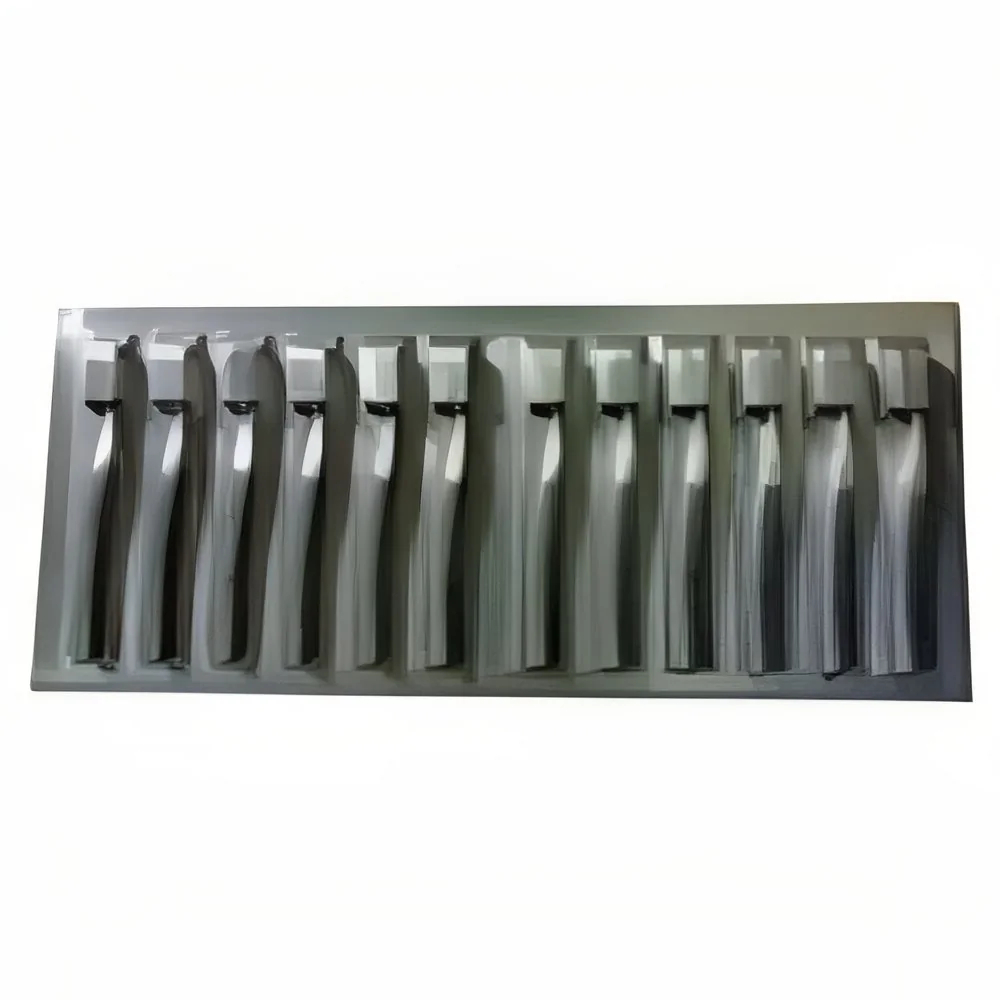
PVC thermoformed packaging is a type of plastic packaging created through a process that involves heating PVC sheets and forming them into specific shapes. This method allows for the production of a wide variety of packaging designs that are both durable and versatile. PVC, or polyvinyl chloride, is a popular plastic due to its strength, clarity, and resistance to moisture, making it an ideal choice for packaging applications.
The primary uses of PVC thermoformed packaging encompass various industries, including food, electronics, and pharmaceuticals. In the food sector, it is often used for trays, clamshells, and vacuum-formed containers that preserve freshness and ensure product visibility. In electronics, it serves as protective casings for components, while in pharmaceuticals, it is employed for blister packs and medical device packaging. The market for PVC thermoformed packaging continues to expand as businesses seek sustainable and efficient packaging solutions.
As industries increasingly prioritize robust and reliable packaging, PVC thermoformed solutions remain relevant. The packaging market is evolving with a focus on customization, eco-friendliness, and compliance with safety standards. This relevance indicates that businesses that utilize PVC thermoformed packaging can stay competitive by meeting consumer demands for quality and sustainability.
Key Features and Specifications
PVC thermoformed packaging offers several distinctive features that cater to various business needs. Its durability and versatility make it suitable for a wide range of applications. The specifications of PVC thermoformed packaging can vary, but some key aspects typically include material thickness, clarity, and temperature resistance.
Key specifications include:
1. Material Thickness
- Typical range from 0.2 mm to 1.5 mm
- Provides strength and rigidity
2. Clarity
- High transparency for product visibility
- Enhances marketing appeal
3. Temperature Range
- Suitable for temperatures up to 70 degrees Celsius
- Ideal for hot and cold food items
4. Customization Options
- Ability to create specific shapes and sizes
- Tailored designs for branding
5. Moisture Resistance
- Protects contents from moisture damage
- Extends product shelf life
6. Lightweight Nature
- Reduces shipping costs
- Easy handling and storage
7. Recyclability
- PVC can be recycled, supporting sustainability
- Meets increasing consumer demand for eco-friendly solutions
8. FDA Compliance
- Suitable for food contact applications
- Ensures safety and quality standards
The combination of these features makes PVC thermoformed packaging an appealing choice for many businesses looking for efficient and effective packaging solutions.
Common Applications and Use Cases
PVC thermoformed packaging serves a variety of industries, providing tailored solutions that meet specific needs.
1. Food Industry: In the food sector, PVC thermoformed packaging is widely used for trays, clamshells, and vacuum-packed containers. These solutions help preserve freshness while displaying products attractively.
2. Electronics Industry: For electronics, this packaging type is utilized for protective casings and component holders, ensuring that delicate items remain secure during shipping and handling.
3. Pharmaceutical Industry: In pharmaceuticals, PVC thermoformed packaging is critical for blister packs and protective packaging for medical devices, offering compliance with safety standards.
4. Retail: Retailers often use PVC thermoformed packaging for product displays and point-of-sale solutions, enhancing visibility and consumer engagement.
5. Automotive: The automotive industry employs this packaging for protective trays and storage solutions for parts, ensuring that components are organized and safeguarded.
6. Cosmetics: In the cosmetics sector, PVC thermoformed packaging is used for jars and containers, providing an attractive presentation while maintaining product integrity.
7. Industrial Parts: Many manufacturers use PVC thermoformed packaging for parts and tools, as it provides excellent protection against damage and contamination.
Product Variants and Subcategories
PVC thermoformed packaging is diverse, with various variants available to suit different applications and industries.
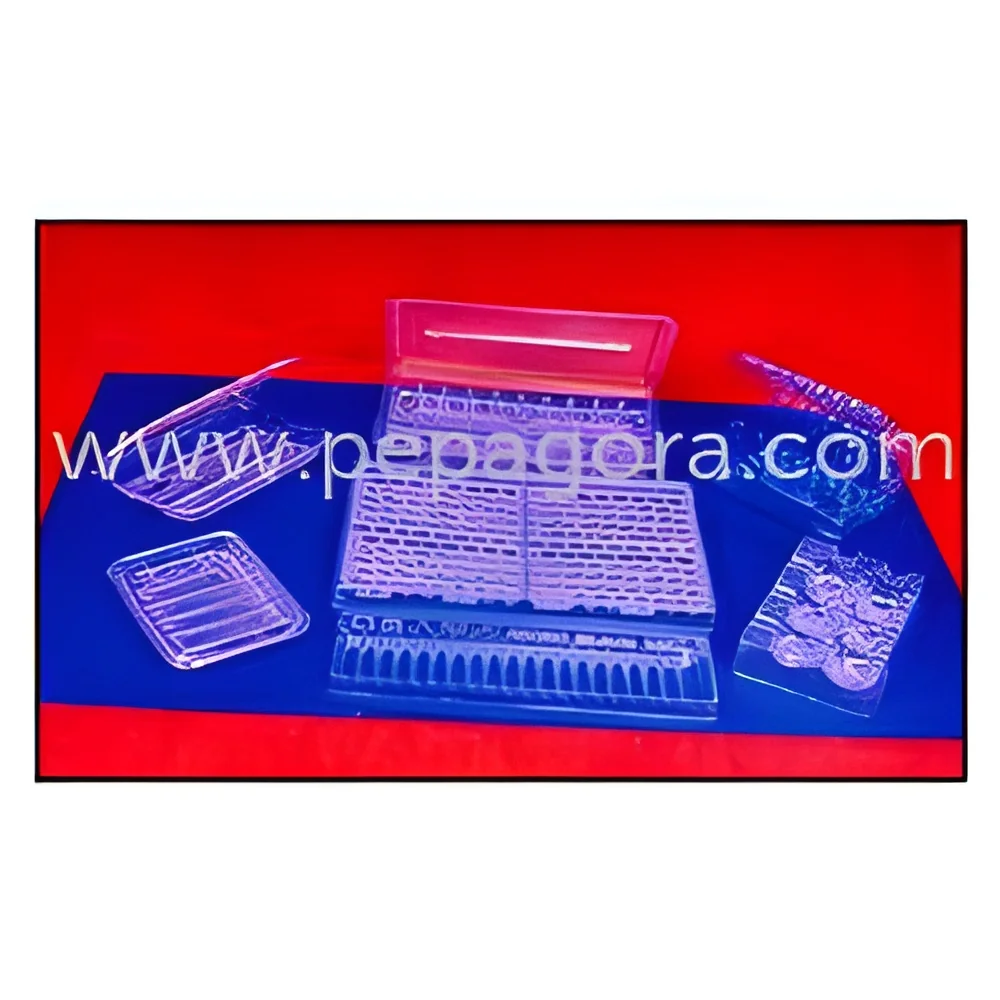
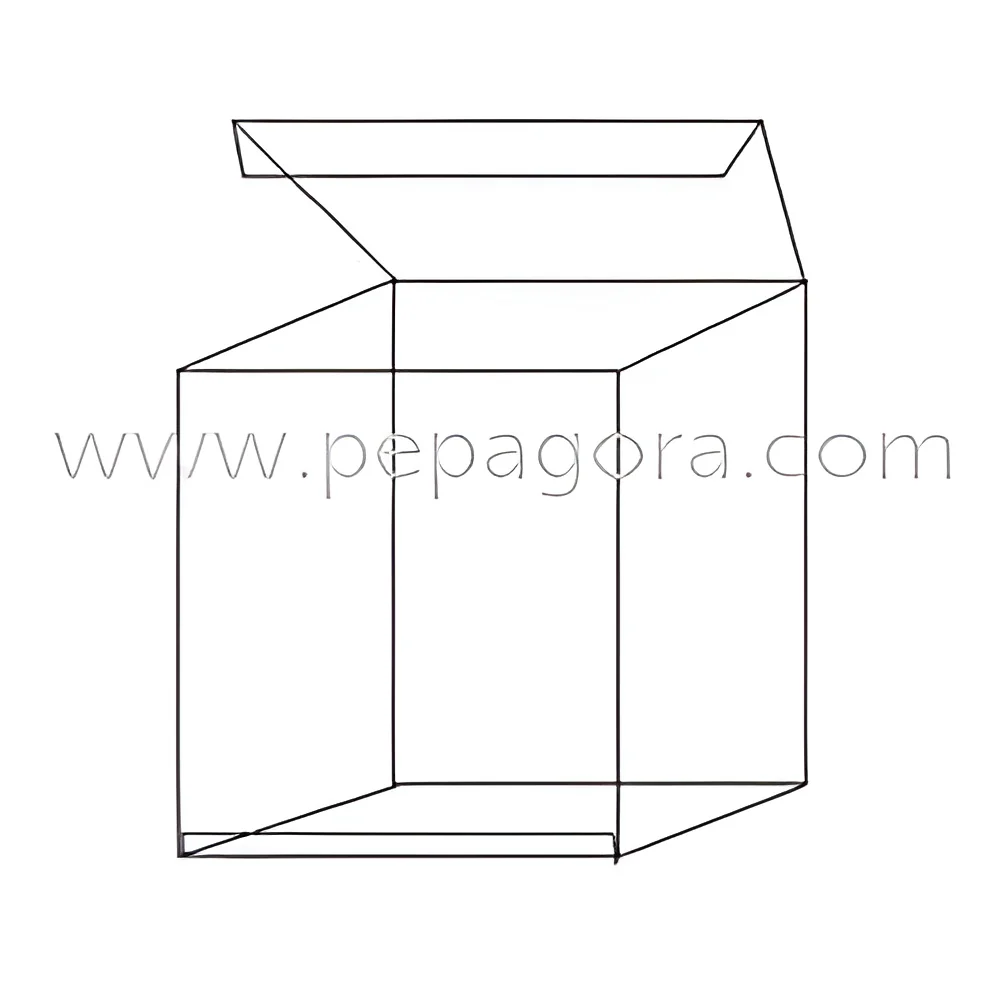
Standard Clamshell Packaging: This variant features a hinged design that allows for easy access to products. It is commonly used in retail for items such as food and small electronics, providing visibility and protection.
Blister Packs: These are specifically designed for pharmaceuticals and consumer goods. Blister packs are ideal for individual items, offering protection and tamper resistance while allowing easy access.
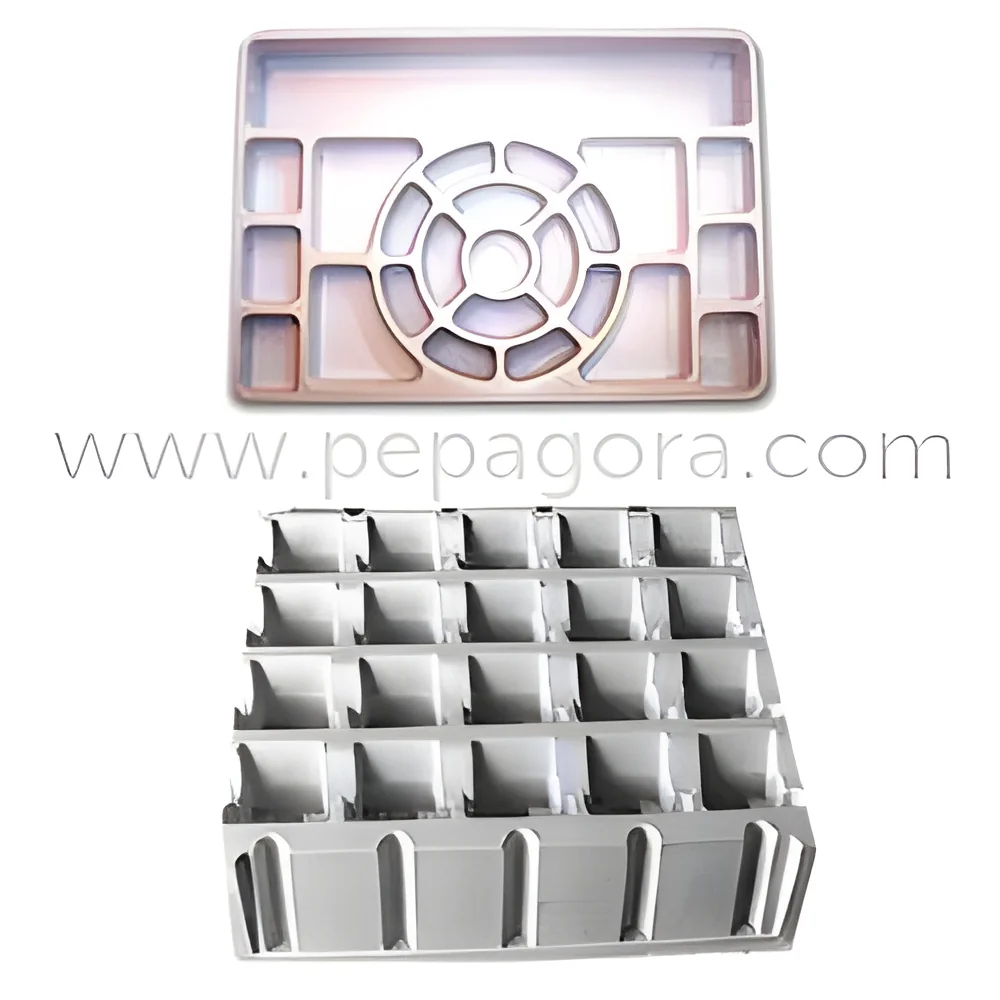
Custom Trays: Tailored to specific products, custom trays can be designed to fit various shapes and sizes. They are often used in food service and manufacturing, providing optimal protection and presentation.
Benefits and Advantages
Choosing PVC thermoformed packaging brings several advantages to businesses looking for efficient solutions.
Key benefits include:
1. Durability: PVC thermoformed packaging is strong and resistant to breakage, ensuring that products remain protected during transit and storage.
2. Customization: The ability to customize shapes and sizes enables businesses to create unique packaging that aligns with branding and marketing strategies.
3. Cost-Effectiveness: PVC is relatively inexpensive compared to other materials, allowing for reduced packaging costs without compromising quality.
4. Lightweight: The lightweight nature of PVC thermoformed packaging can lead to lower shipping costs and improved handling efficiency.
5. Moisture Resistance: This type of packaging provides excellent moisture protection, helping to extend the shelf life of food and other products.
6. Regulatory Compliance: PVC thermoformed packaging can meet industry regulations, making it suitable for food and pharmaceutical applications.
Buying Guide for B2B Buyers
When sourcing PVC thermoformed packaging, several considerations can streamline the process and ensure optimal choices.
1. Quality Assessment: Evaluate the quality of the packaging by examining samples and reviewing specifications. Look for durability and compliance with industry standards.
2. Supplier Verification: Research potential suppliers thoroughly. Check for industry certifications and customer reviews to ensure reliability and quality.
3. Pricing and MOQ: Understand pricing structures and minimum order quantities. Compare quotes from multiple suppliers to find the best value for your needs.
4. Delivery and Lead Times: Discuss logistics and lead times with suppliers to ensure that you receive your packaging when needed. Timely delivery is crucial for maintaining production schedules.
5. Compliance Requirements: Ensure that the packaging complies with relevant safety and quality regulations, especially for food and pharmaceutical applications.
Compliance and Certifications
PVC thermoformed packaging must adhere to various compliance and certification standards to ensure safety and quality. Relevant quality standards include ISO 9001, which focuses on quality management systems, and HACCP, which addresses food safety management.
Industry certifications, such as CE marking, indicate that the packaging meets European health, safety, and environmental protection standards. In addition, manufacturers must comply with safety and testing requirements to verify that the packaging can withstand its intended use.
Regional compliance considerations may also apply, depending on the market. For instance, different countries may have specific regulations regarding packaging materials, especially in food and pharmaceuticals. It is essential for businesses to stay informed about these requirements to avoid penalties and ensure product safety.
Why Source PVC Thermoformed Packaging from Pepagora?
Pepagora provides a trusted platform for sourcing PVC thermoformed packaging, offering several key advantages to buyers.
Verified Supplier Network: Pepagora features a network of verified suppliers, ensuring that buyers can access high-quality products from reputable manufacturers. This verification process helps mitigate risks associated with sourcing.
Streamlined RFQ Process: The Request for Quotation (RFQ) process is designed to be user-friendly, allowing buyers to easily compare quotes and select the best options for their needs. This streamlined system saves time and enhances decision-making.
Trade Assurance and Support: Pepagora provides trade assurance and support to buyers, ensuring that their transactions are protected. This buyer protection enhances confidence in the sourcing process.
Regional Coverage: With a strong presence in regions such as India, the Gulf Cooperation Council (GCC), and Southeast Asia, Pepagora offers extensive coverage for businesses looking to source PVC thermoformed packaging. This regional reach ensures that buyers can find local suppliers and take advantage of market opportunities.

Frequently Asked Questions
What are PVC Thermoformed Packaging?
PVC Thermoformed Packaging refers to products made from polyvinyl chloride (PVC) that are shaped through a thermoforming process. This method involves heating a plastic sheet until it becomes pliable, then forming it into specific shapes using molds, making it ideal for packaging various products.
What are the different types of PVC Thermoformed Packaging?
The different types of PVC Thermoformed Packaging include trays, clamshells, blisters, and custom-shaped containers. Each type serves specific packaging needs, from food and pharmaceuticals to electronics and consumer goods.
How do I choose the right PVC Thermoformed Packaging?
Choosing the right PVC Thermoformed Packaging involves considering factors such as the product being packaged, the required durability, and the intended use. Additionally, it's essential to evaluate the packaging's design, size, and any specific regulatory requirements.
What are the standard specifications for PVC Thermoformed Packaging?
Standard specifications for PVC Thermoformed Packaging often include thickness, clarity, and impact resistance. Moreover, compliance with food safety regulations and other industry standards is crucial, depending on the application.
What is the price range for PVC Thermoformed Packaging?
The price range for PVC Thermoformed Packaging varies based on factors such as design complexity, thickness, and order quantity. Generally, prices can range from a few rupees per unit for simpler designs to more for customized or specialized packaging solutions.
What quality standards apply to PVC Thermoformed Packaging?
Quality standards for PVC Thermoformed Packaging include certifications such as ISO 9001 for quality management systems and compliance with food safety regulations like FSSAI in India. Ensuring that manufacturers adhere to these standards is essential for maintaining product safety and reliability.
Where can I find PVC Thermoformed Packaging suppliers in India?
You can find PVC Thermoformed Packaging suppliers in India through online B2B marketplaces like Pepagora.com, trade shows, and industry directories. Researching and comparing multiple suppliers can help you find the best options for your requirements.
Can PVC Thermoformed Packaging be customized?
Yes, PVC Thermoformed Packaging can be customized in terms of shape, size, color, and printing. Many manufacturers offer tailored solutions to meet specific branding and functional needs of businesses.
What is the typical minimum order quantity for PVC Thermoformed Packaging?
The typical minimum order quantity (MOQ) for PVC Thermoformed Packaging can vary widely based on the manufacturer and product type. Generally, MOQs can range from a few hundred units to several thousand, depending on the customization and production processes involved.
What is the typical lead time for PVC Thermoformed Packaging?
The typical lead time for PVC Thermoformed Packaging can range from two to six weeks, depending on factors such as order size, customization requirements, and the manufacturer's production schedule. It's advisable to confirm lead times with suppliers during the ordering process.
Why Businesses Trust Pepagora
Thousands of companies trust Pepagora to source smarter and sell faster
Expand Your Sales Globally

Source Smarter,Grow Faster
