
 IN
Medical Thermoformed Packaging
6 products available
What are Medical Thermoformed Packaging?
Medical thermoformed packaging is a specialized form of packaging designed to provide protection and containment for medical devices and products. This packaging is created using a process that involves heating thermoplastic materials until they become pliable and then shaping them into the desired form. Once cooled, the material retains its shape, creating a robust, protective barrier for the items inside. This type of packaging is essential in ensuring the safety and integrity of medical products during storage and transportation.
The primary uses of medical thermoformed packaging include packaging for surgical instruments, diagnostic devices, and other medical supplies. These products require careful handling and protection from contamination, making thermoformed packaging an ideal solution. Businesses across the healthcare sector, including hospitals, laboratories, and manufacturers, utilize this form of packaging to maintain product sterility and prevent damage.
In a rapidly growing healthcare market, medical thermoformed packaging plays a vital role in enhancing the safety and efficiency of medical product delivery. As the demand for medical devices continues to rise globally, the packaging industry must adapt to meet stringent regulations and quality standards. This evolving market context highlights the importance of investing in reliable and effective packaging solutions.
Key Features and Specifications
Medical thermoformed packaging comes with a variety of features that enhance its suitability for medical applications. These features are designed to meet the specific needs of the healthcare industry while ensuring compliance with regulatory requirements.
Key specifications include:
1. Material Composition
- Made from high-quality thermoplastics
- Common materials include PVC, PET, and polystyrene
2. Sterility Assurance
- Designed to maintain sterility of contents
- Suitable for gamma radiation and ethylene oxide sterilization processes
3. Customization Options
- Available in various shapes and sizes
- Can be tailored to fit specific medical devices or products
4. Barrier Properties
- Provides excellent moisture and oxygen barriers
- Protects contents from environmental factors
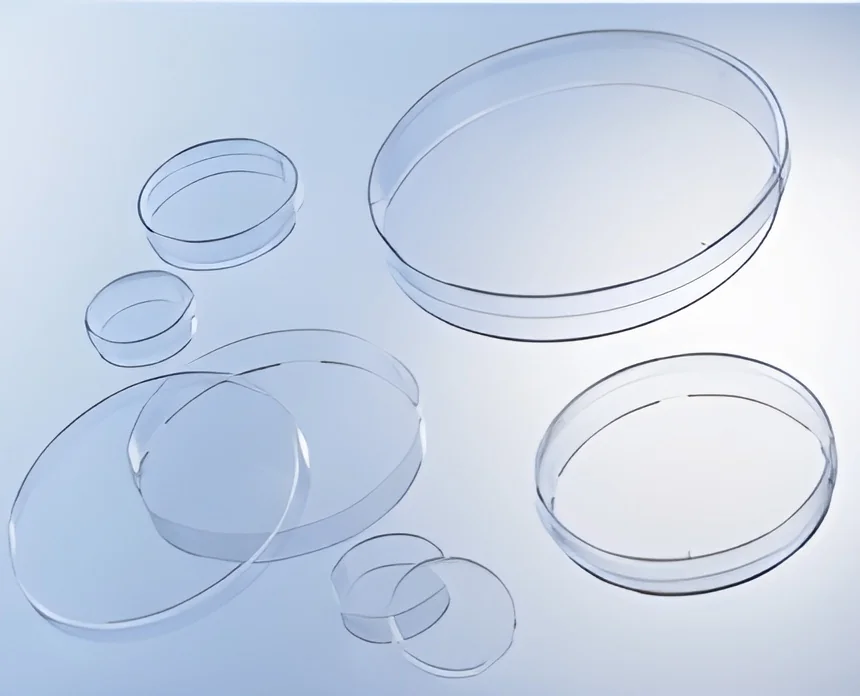
5. Transparency
- Often clear or semi-transparent options available
- Allows for easy visibility of packaged items
6. Compatibility with Automated Systems
- Designed for seamless integration into automated packaging lines
- Ensures efficiency in the packaging process
7. Regulatory Compliance
- Meets relevant standards and certifications
- Ensures safety and quality for medical applications
8. Cost-Effective Solutions
- Offers a balance between quality and affordability
- Reduces overall packaging costs for manufacturers
In summary, medical thermoformed packaging offers a combination of protective features and customization options that make it a preferred choice for various medical applications.
Common Applications and Use Cases
Medical thermoformed packaging is utilized across a wide array of industries within the healthcare sector.
1. Hospitals: Medical thermoformed packaging is commonly used to package surgical instruments and devices, ensuring they remain sterile until needed for procedures.
2. Diagnostic Laboratories: This packaging is essential for protecting diagnostic kits and test samples, maintaining their integrity during transportation and storage.
3. Pharmaceuticals: Thermoformed packaging is used for packaging pharmaceutical products, providing necessary barriers to maintain product stability and safety.
4. Dental Clinics: Dental instruments and supplies often utilize thermoformed packaging to ensure sterility and prevent damage during handling.
5. Medical Device Manufacturers: Manufacturers use thermoformed packaging to create custom solutions for their devices, ensuring protection and compliance with industry standards.
6. Veterinary Medicine: Thermoformed packaging is also applied in veterinary settings to package medical supplies and equipment safely.
7. Research Facilities: In research laboratories, thermoformed packaging is employed to secure sensitive materials and biological samples.
Product Variants and Subcategories
Medical thermoformed packaging boasts a wide range of variants to suit different needs and applications.
Standard Clamshell Packaging
This variant features a hinged design that allows for easy access to contents while providing a secure closure. It is commonly used for packaging surgical instruments and small medical devices.
Blister Packaging
Blister packaging consists of a pre-formed cavity that holds individual items securely. It is ideal for packaging pills, syringes, and other small medical products, ensuring they remain protected.
Trays and Inserts
Thermoformed trays and inserts are designed to hold multiple items in place, preventing movement during transit. These are often used in surgical kits to organize instruments and supplies.
Custom Shapes and Designs
Many manufacturers offer the option to create custom thermoformed packaging tailored to specific products. This ensures that each item is securely packaged according to its unique dimensions and requirements.
Benefits and Advantages
Medical thermoformed packaging provides numerous benefits that enhance its appeal to businesses in the healthcare industry.
Key benefits include:
1. Enhanced Protection: The sturdy construction of thermoformed packaging ensures that medical products are protected from physical damage and contamination.
2. Sterility Maintenance: Designed to maintain sterility, this packaging is essential for ensuring the safety of medical devices and supplies.
3. Customizable Solutions: The ability to create custom shapes and sizes allows businesses to package their products in a way that maximizes protection and efficiency.
4. Cost Efficiency: Thermoformed packaging can be produced at lower costs compared to other packaging methods, making it an economical choice for manufacturers.
5. Improved Visibility: Clear packaging options provide visibility of the contents, facilitating easy identification and inspection.
6. Compliance Support: By meeting industry standards and regulations, thermoformed packaging helps businesses demonstrate their commitment to quality and safety.
Buying Guide for B2B Buyers
When sourcing medical thermoformed packaging, several factors should be taken into account to ensure the best choice for your business.
1. Quality Assessment: Evaluate the quality of materials used in the packaging. Look for certifications and compliance with industry standards to ensure reliability.
2. Supplier Verification: Vet potential suppliers to confirm their track record in delivering high-quality packaging solutions. Consider their reputation and customer reviews.
3. Pricing and MOQ: Understand the pricing structure and minimum order quantities required by suppliers. This will help you manage your budget effectively.
4. Delivery and Lead Times: Discuss delivery schedules and lead times to ensure that the packaging meets your production timelines without delays.
5. Compliance Requirements: Ensure that the packaging meets all relevant regulatory compliance requirements for your industry, including safety and testing standards.
Compliance and Certifications
Medical thermoformed packaging must adhere to several quality standards to ensure safety and efficacy in medical applications. Key standards include ISO 9001, which outlines quality management systems, and HACCP, which focuses on food safety regulations.
Industry certifications such as CE mark indicate that the packaging meets European safety standards. Additionally, manufacturers may have to meet specific safety and testing requirements based on the intended use of the packaging.
Regional compliance considerations can also play a role in the selection of packaging materials. Different countries may have varying regulations regarding packaging materials used in medical products, making it crucial for businesses to be aware of these requirements.
Why Source Medical Thermoformed Packaging from Pepagora?
Pepagora offers a trusted platform for sourcing medical thermoformed packaging, providing several key advantages for businesses.
Verified Supplier Network: Pepagora connects buyers with a network of verified suppliers, ensuring that you can source high-quality packaging solutions with confidence.
Streamlined RFQ Process: The platform features a streamlined request for quotation process, making it easy for businesses to receive quotes from multiple suppliers efficiently.
Trade Assurance and Support: Pepagora provides trade assurance and support to protect buyers throughout the sourcing process, giving peace of mind when making purchasing decisions.
Regional Coverage: With a focus on regions such as India, GCC, and Southeast Asia, Pepagora ensures that businesses can access local suppliers and support for their medical packaging needs.

Frequently Asked Questions
What are Medical Thermoformed Packaging?
Medical thermoformed packaging refers to the process of shaping plastic materials into specific forms that are used to protect and contain medical products. This packaging method is essential for safeguarding the integrity of medical devices, pharmaceuticals, and sterile products during storage and transportation.
What are the different types of Medical Thermoformed Packaging?
The different types of medical thermoformed packaging include blisters, trays, clamshells, and custom shapes. Each type is designed for specific applications, such as holding surgical instruments, pills, or other medical products that require protection from contamination.
How do I choose the right Medical Thermoformed Packaging?
Choosing the right medical thermoformed packaging involves considering factors such as the product dimensions, material compatibility, and regulatory requirements. It's important to assess the level of protection needed and whether the packaging needs to be sterilizable or child-resistant.
What are the standard specifications for Medical Thermoformed Packaging?
Standard specifications for medical thermoformed packaging may include material thickness, transparency, barrier properties, and compliance with relevant regulatory standards. Packaging must also be designed to withstand shipping conditions and maintain product integrity.
What is the price range for Medical Thermoformed Packaging?
The price range for medical thermoformed packaging can vary significantly based on factors such as material type, complexity of design, and order volume. Typically, prices can range from a few cents to several dollars per unit, depending on these variables.
What quality standards apply to Medical Thermoformed Packaging?
Quality standards for medical thermoformed packaging include ISO 13485 for medical device quality management systems and ISO 11607 for packaging used for terminally sterilized medical devices. Compliance with these standards ensures that the packaging meets safety and efficacy requirements.
Where can I find Medical Thermoformed Packaging suppliers in India?
You can find medical thermoformed packaging suppliers in India through B2B marketplaces like Pepagora, industry trade shows, and online directories. Researching supplier reviews and certifications can also help in selecting reliable manufacturers.
Can Medical Thermoformed Packaging be customized?
Yes, medical thermoformed packaging can be customized to meet specific requirements, such as shape, size, and material. Customization options allow manufacturers to create packaging solutions that precisely fit their products and comply with regulatory standards.
What is the typical minimum order quantity for Medical Thermoformed Packaging?
The typical minimum order quantity (MOQ) for medical thermoformed packaging can vary depending on the manufacturer and the complexity of the design. Generally, MOQs can range from a few hundred to several thousand units.
What is the typical lead time for Medical Thermoformed Packaging?
The typical lead time for medical thermoformed packaging can range from a few weeks to several months, depending on the supplier, complexity of the order, and production schedule. It's advisable to discuss lead times upfront when placing an order.
Why Businesses Trust Pepagora
Thousands of companies trust Pepagora to source smarter and sell faster
Expand Your Sales Globally

Source Smarter,Grow Faster
