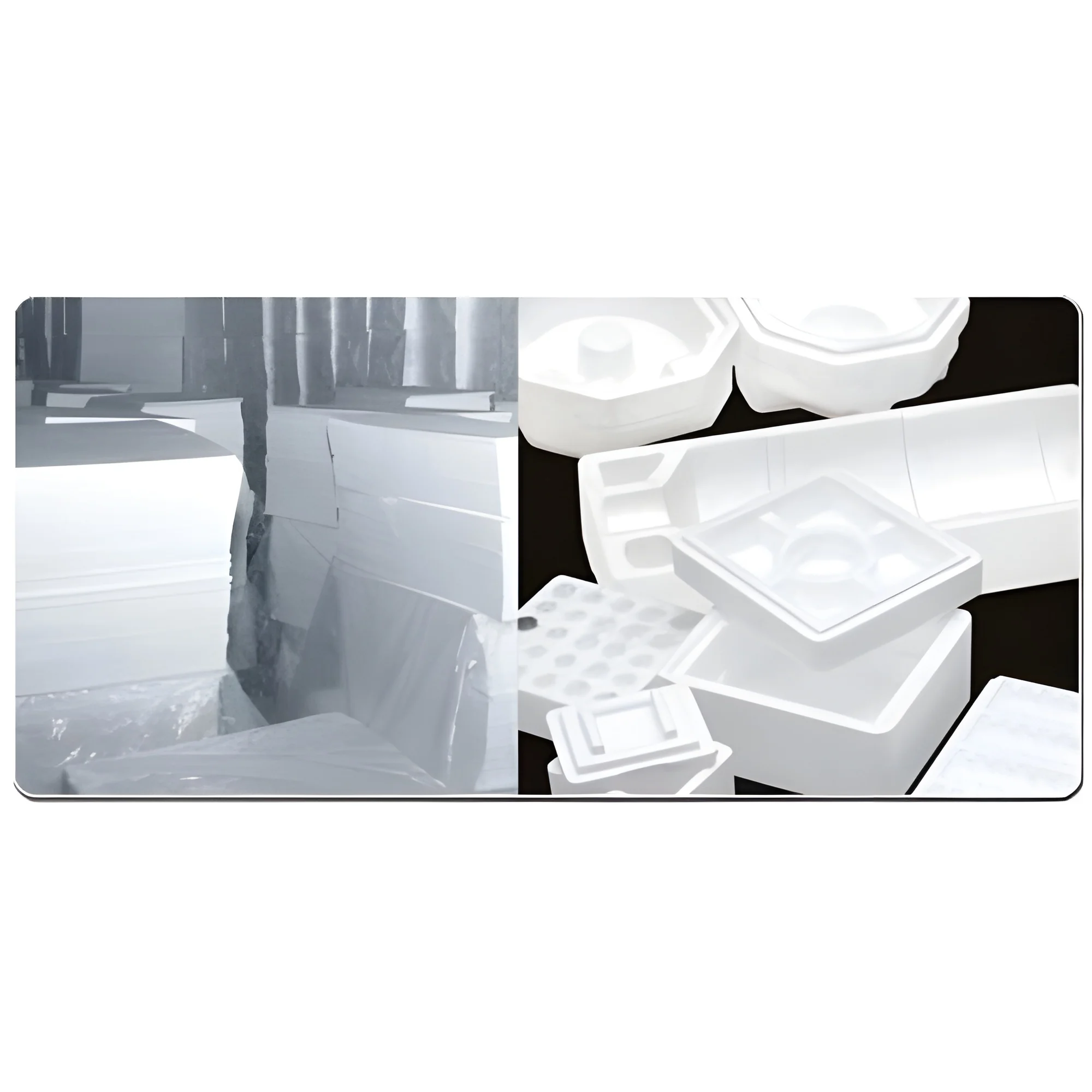
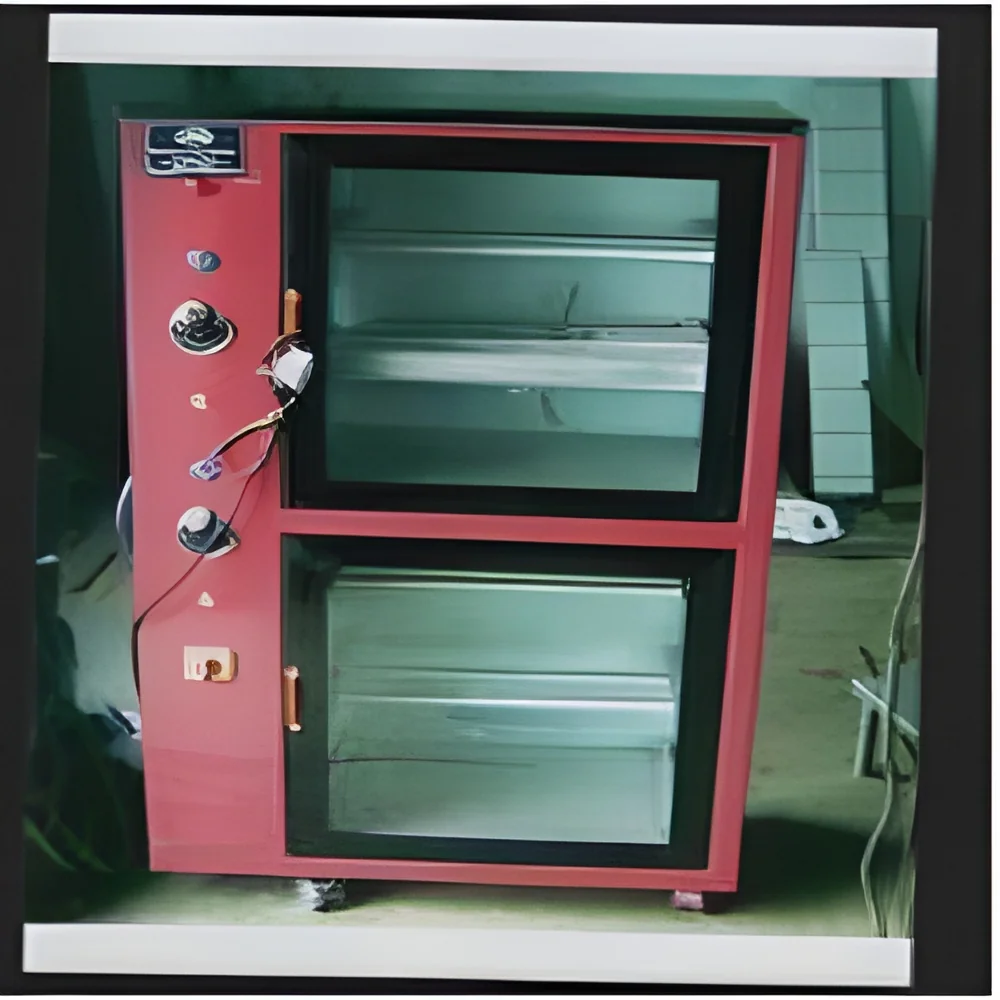
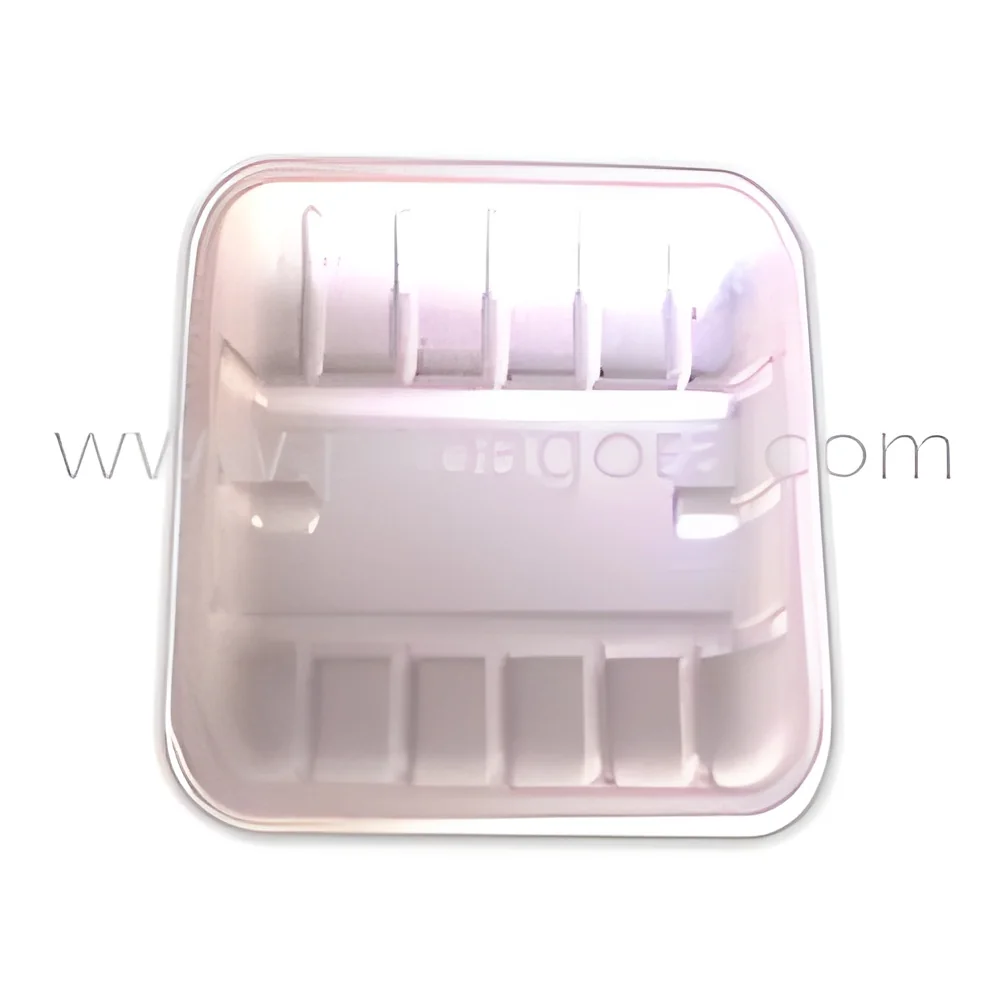
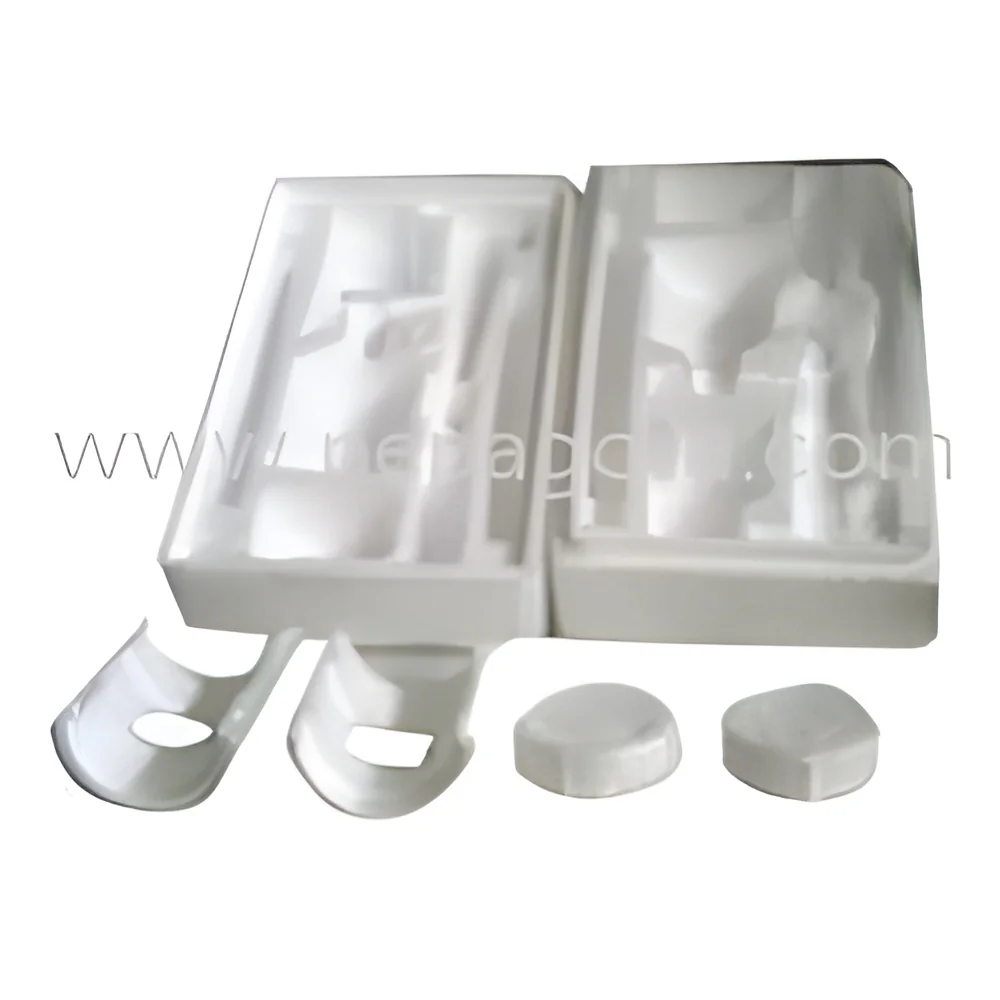
𝗪𝗵𝗮𝘁 𝗮𝗿𝗲 𝗧𝗵𝗲𝗿𝗺𝗼𝗳𝗼𝗿𝗺𝗲𝗱 𝗣𝗮𝗰𝗸𝗮𝗴𝗶𝗻𝗴?
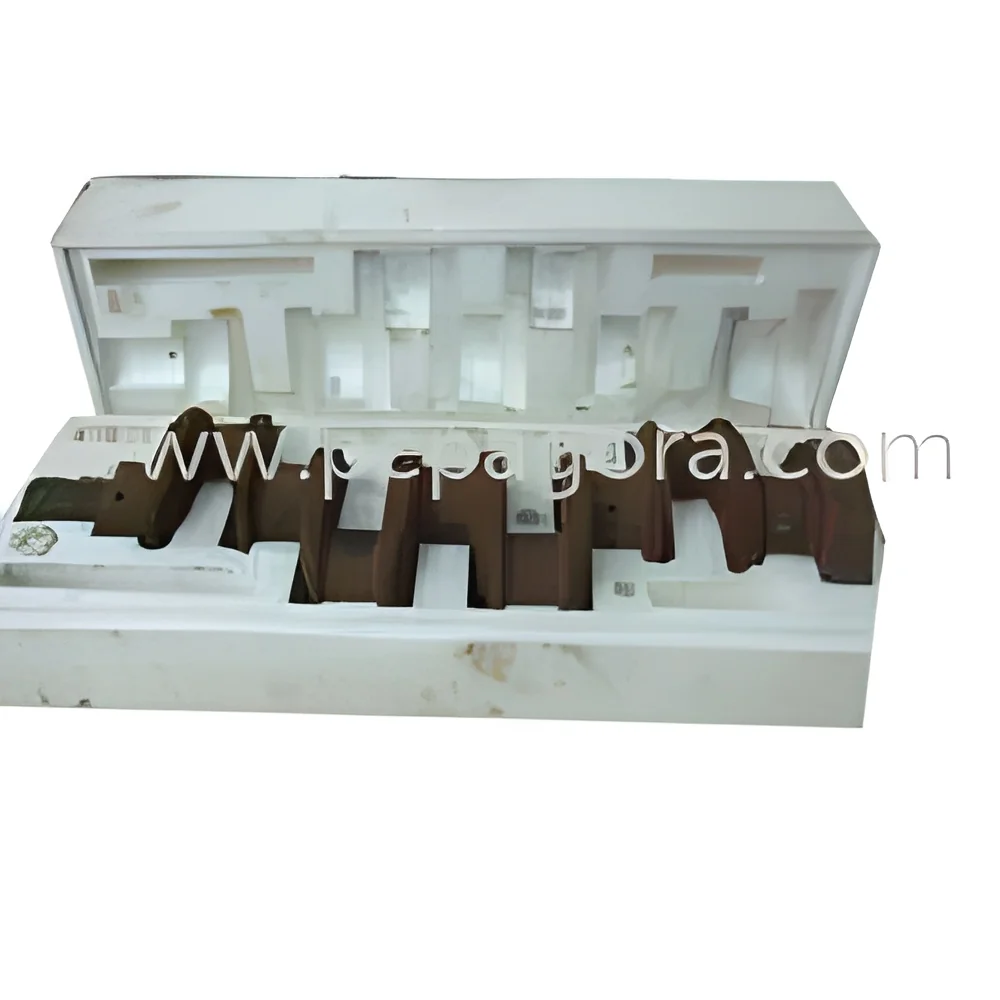
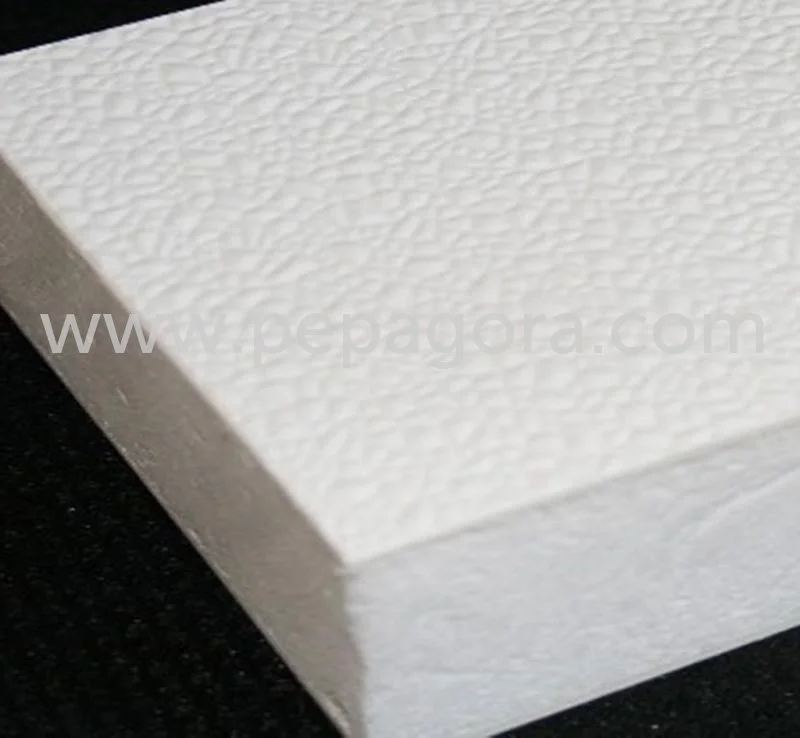
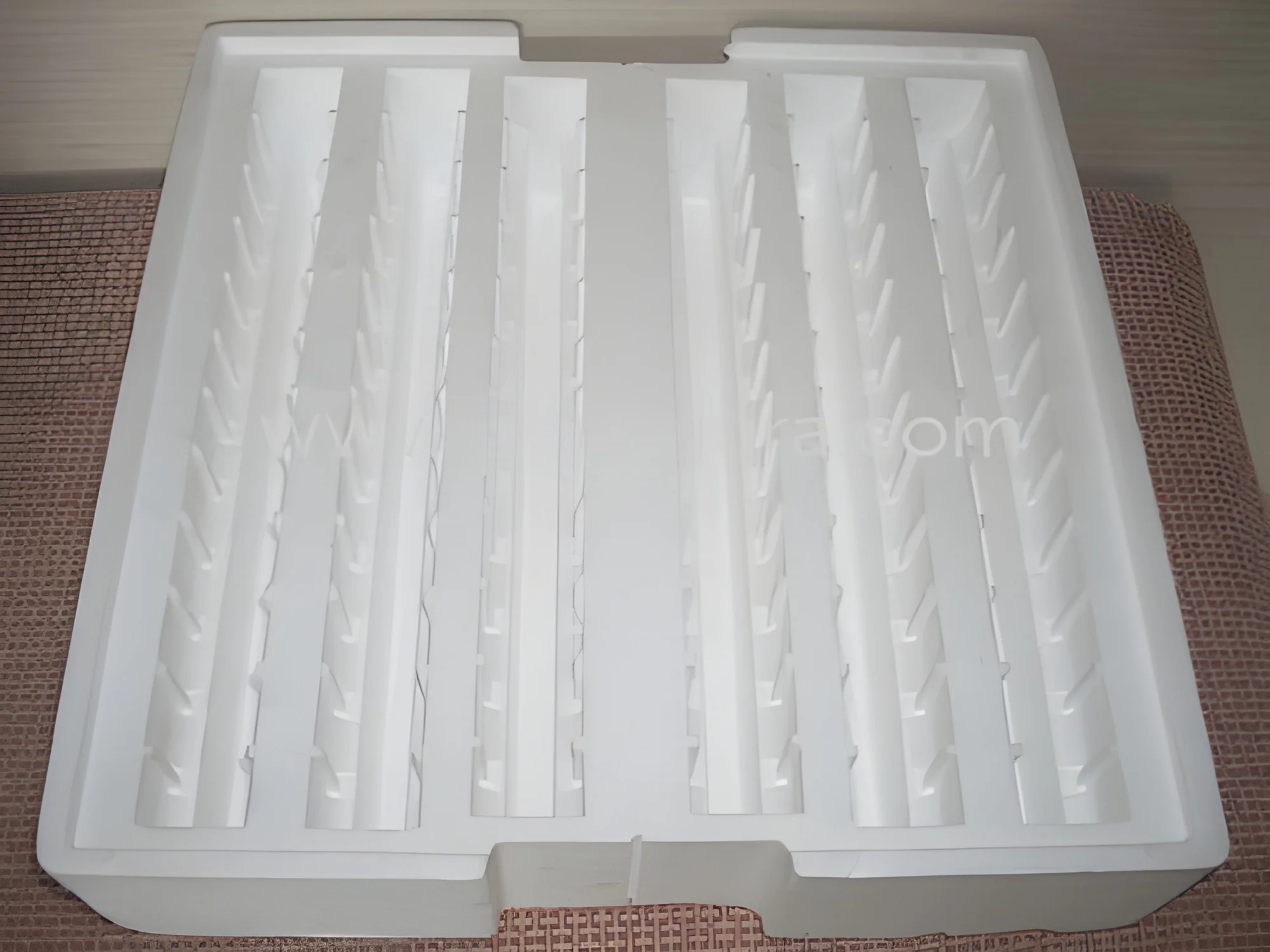
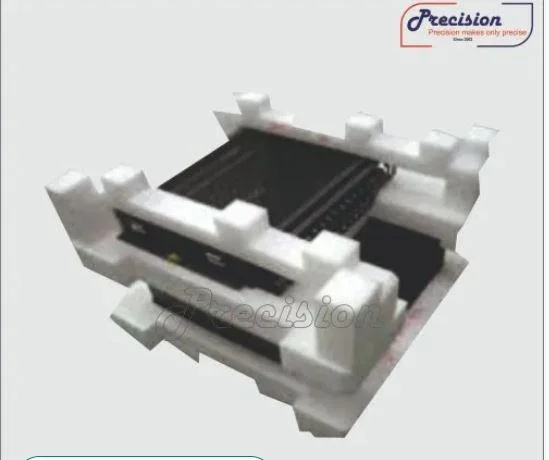
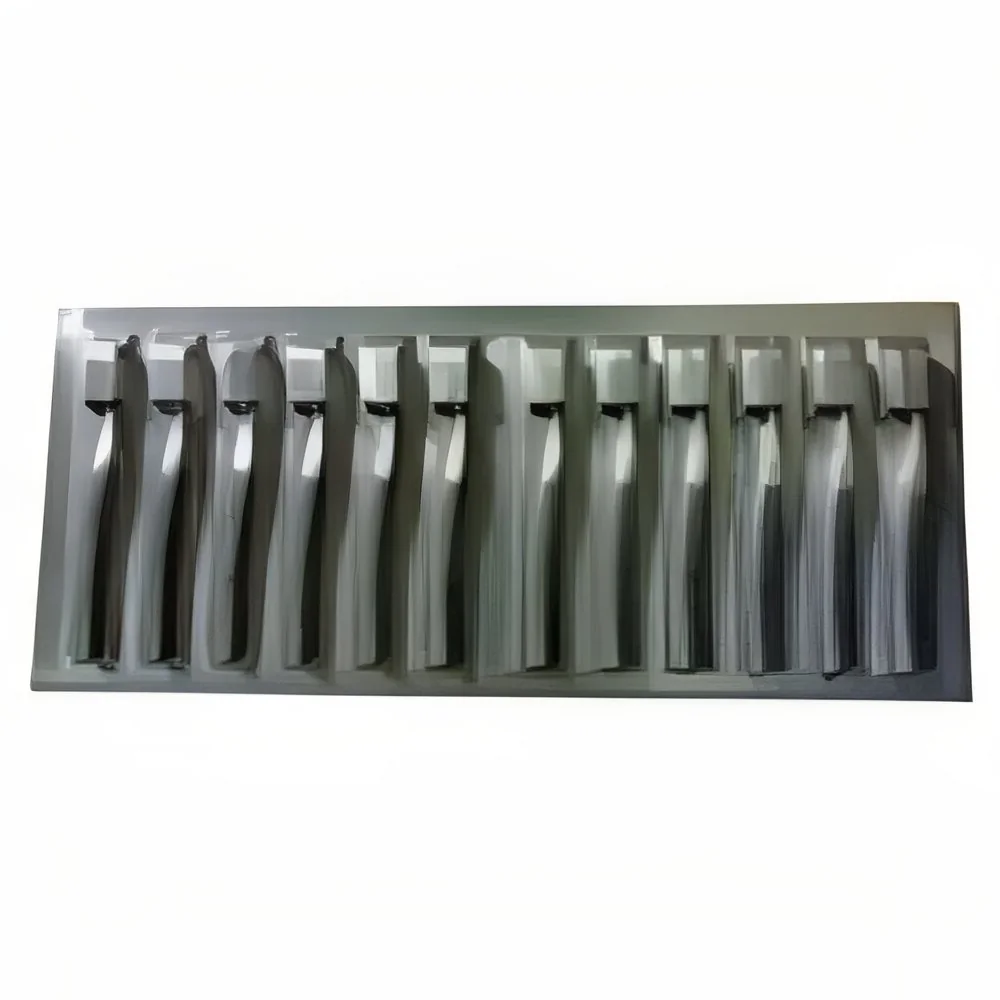
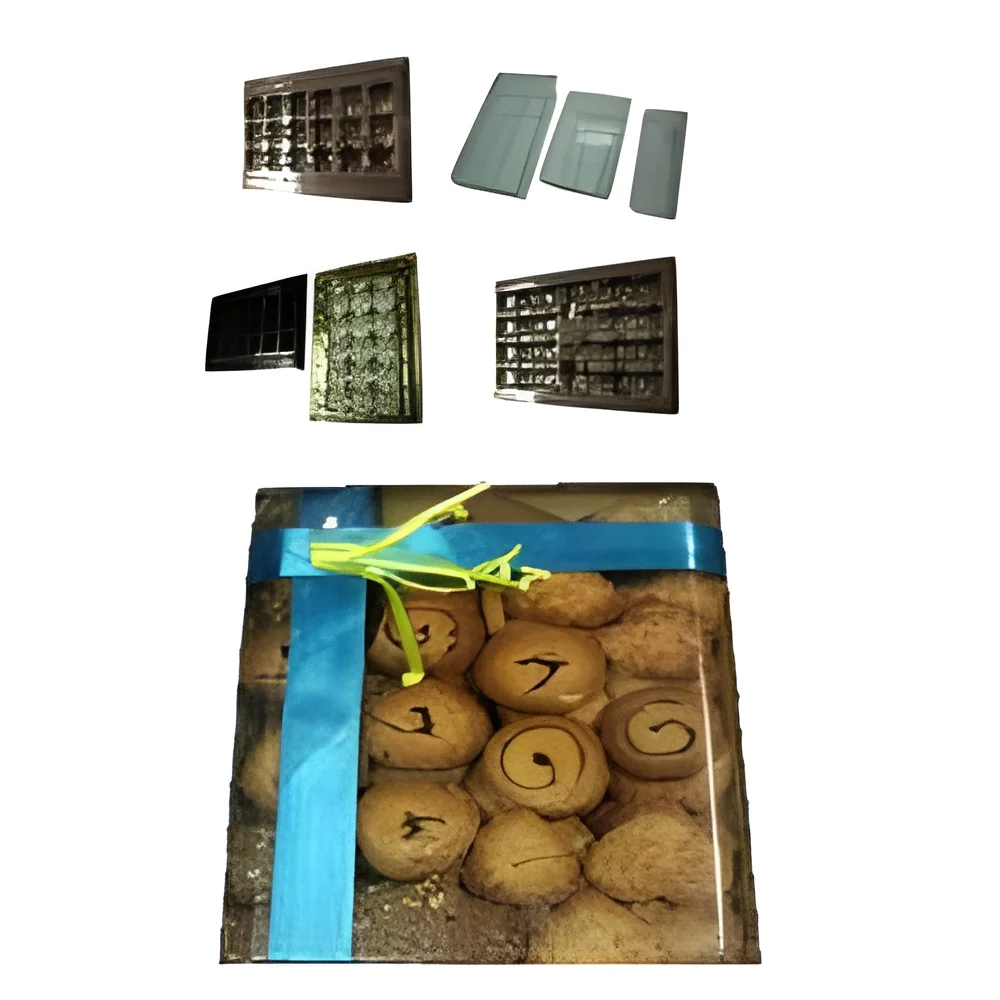
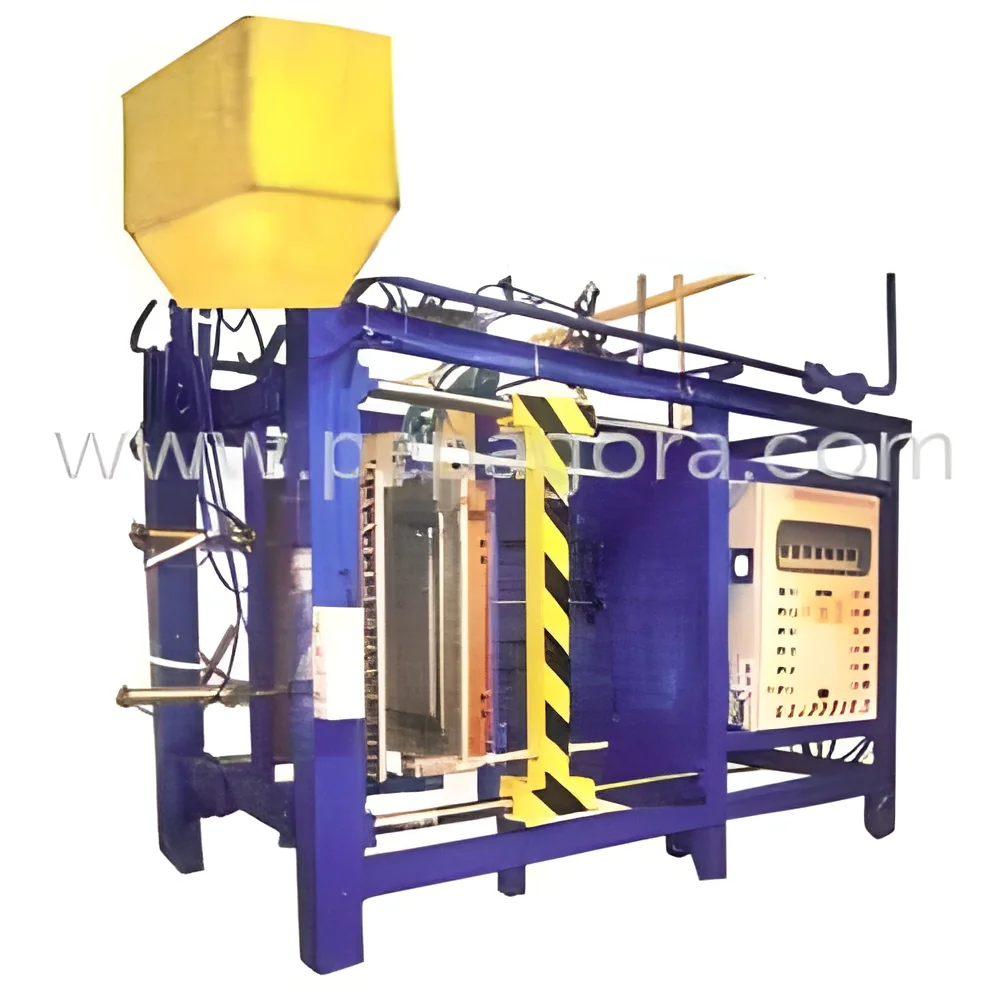
Thermoformed packaging is a process that involves heating plastic sheets until they become pliable and then forming them into specific shapes using molds. This method allows for the creation of custom packaging solutions that can fit a wide variety of products. Once the plastic cools, it retains its shape, providing durable and protective packaging.
This type of packaging is commonly used across various industries due to its versatility and efficiency. It is often employed for food packaging, medical supplies, electronic components, and consumer goods. The ability to create tailored packaging solutions makes thermoformed packaging an attractive option for businesses looking to enhance product presentation and ensure product safety during transportation and storage.
The relevance of thermoformed packaging in today’s market is significant, as businesses increasingly prioritize sustainability and efficiency. With the growing demand for eco-friendly packaging solutions, thermoformed packaging is adapting to meet these needs, making it a key player in the packaging industry.
𝗞𝗲𝘆 𝗙𝗲𝗮𝘁𝘂𝗿𝗲𝘀 𝗮𝗻𝗱 𝗦𝗽𝗲𝗰𝗶𝗳𝗶𝗰𝗮𝘁𝗶𝗼𝗻𝘀
Thermoformed packaging is characterized by several key features that enhance its functionality and appeal. Understanding these specifications is crucial for businesses when choosing the right packaging solutions.
Key specifications include:
1. Material Type
- Most commonly made from PET, PVC, or PS
- Offers a balance of durability and clarity
2. Thickness
- Typically ranges from 0.5 mm to 3 mm
- Thickness can be customized based on application needs
3. Customization Options
- Available in various shapes and sizes
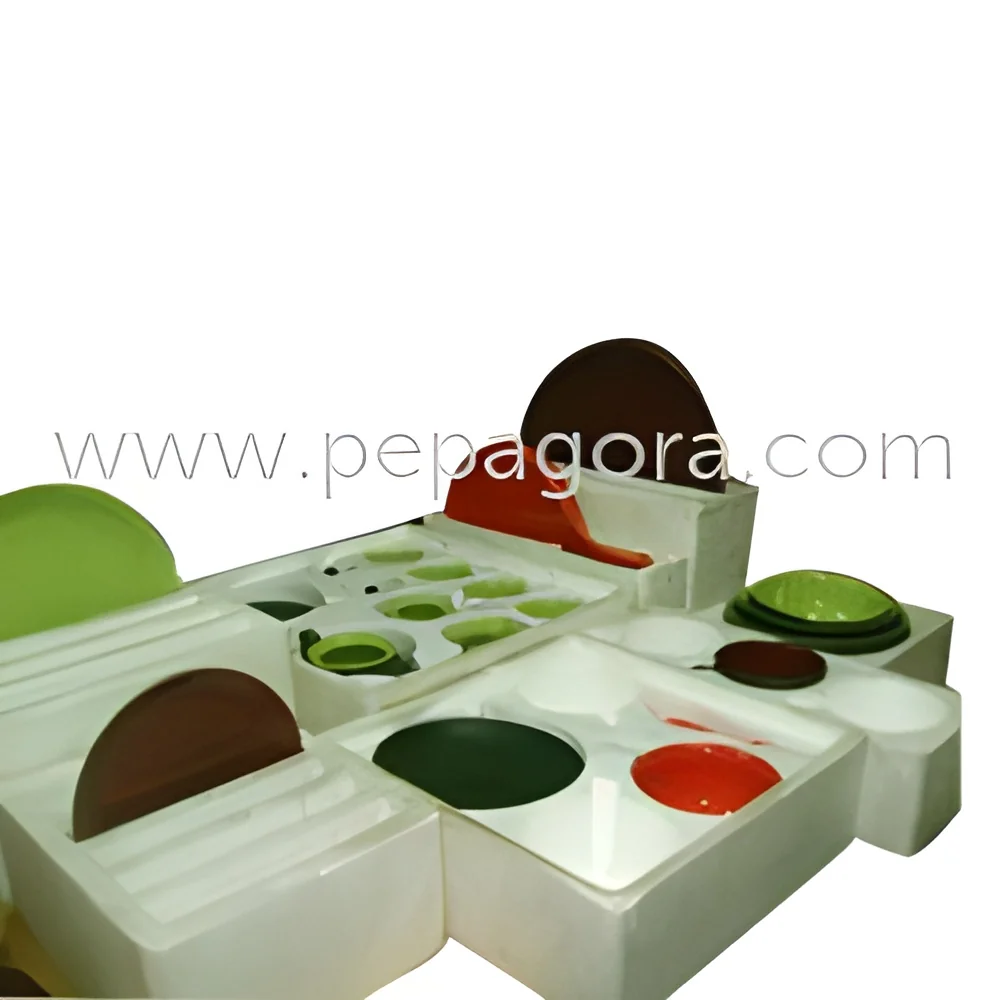
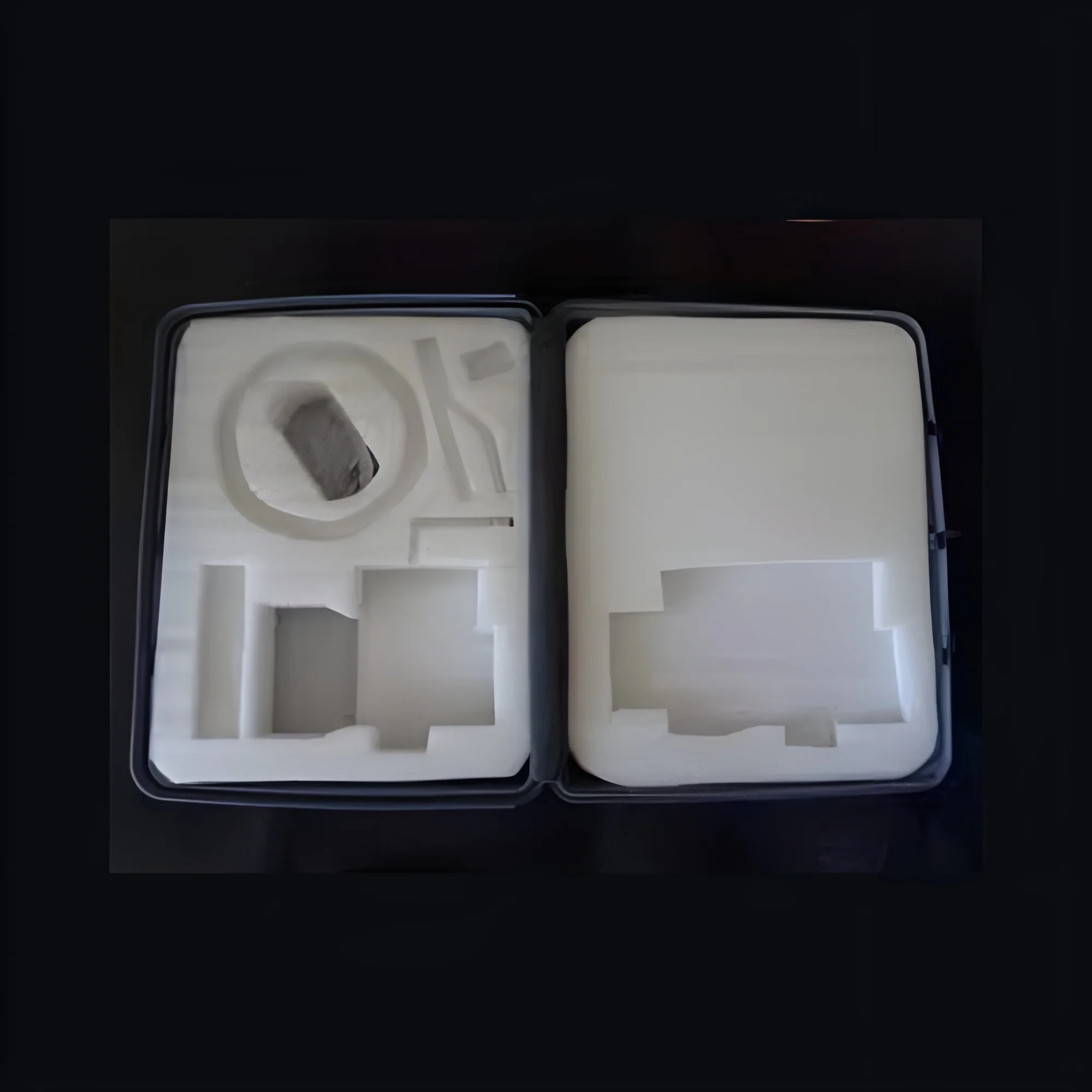
- Capable of incorporating features such as inserts or compartments
4. Barrier Properties
- Provides varying degrees of moisture, oxygen, and UV light barrier
- Essential for preserving product integrity
5. Printing Capabilities
- Allows for high-quality graphics and branding
- Enhances product visibility on shelves
6. Recyclability
- Many materials used are recyclable
- Supports sustainable practices in packaging
7. Temperature Resistance
- Suitable for products that require refrigeration or freezing
- Ensures that the packaging maintains its integrity under varying temperatures
8. Compliance Standards
- Meets industry regulations for safety and quality
- Ensures that products are packaged in accordance with health guidelines
In summary, the key features and specifications of thermoformed packaging contribute to its versatility and effectiveness in meeting a range of business needs.
𝗖𝗼𝗺𝗺𝗼𝗻 𝗔𝗽𝗽𝗹𝗶𝗰𝗮𝘁𝗶𝗼𝗻𝘀 𝗮𝗻𝗱 𝗨𝘀𝗲 𝗖𝗮𝘀𝗲𝘀
Thermoformed packaging serves various industries, each benefiting from its unique properties.
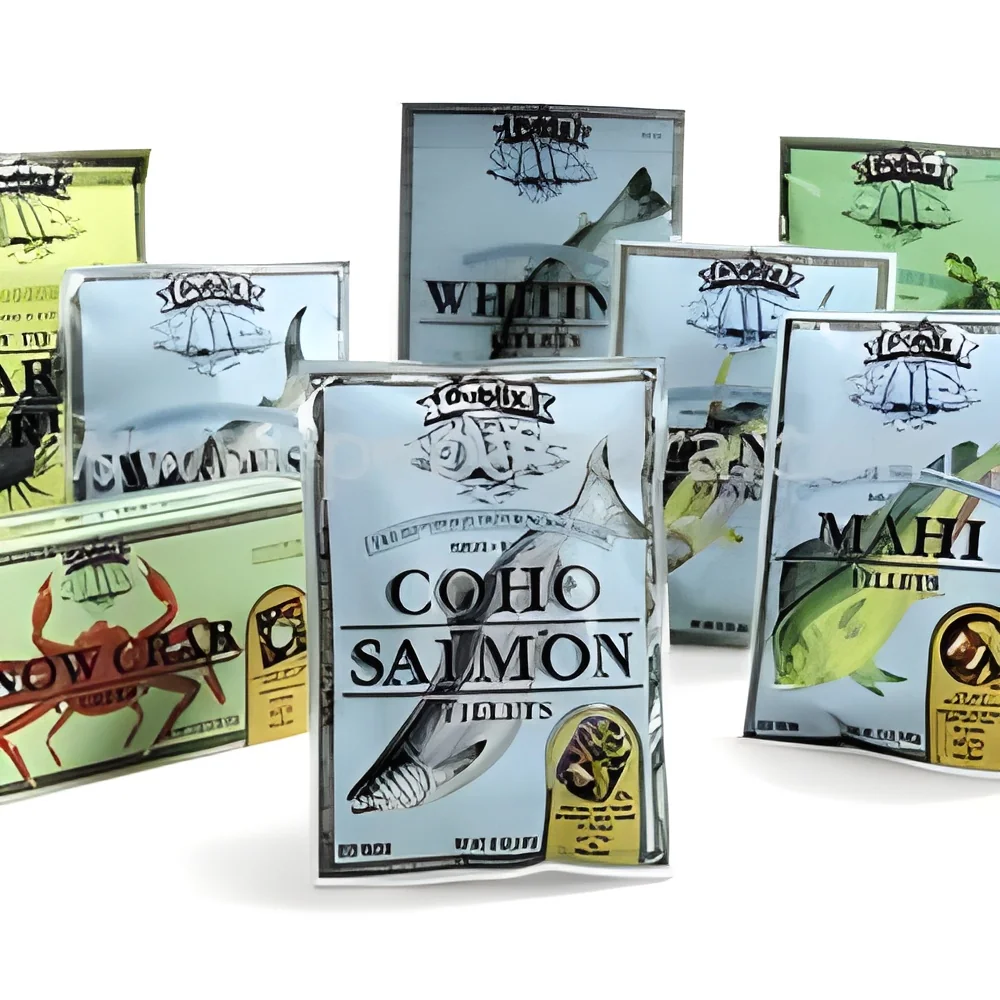
1. Food Industry: Thermoformed packaging is widely used for food trays, clamshells, and vacuum-sealed containers. It helps maintain freshness and extends shelf life while providing clear visibility of products.
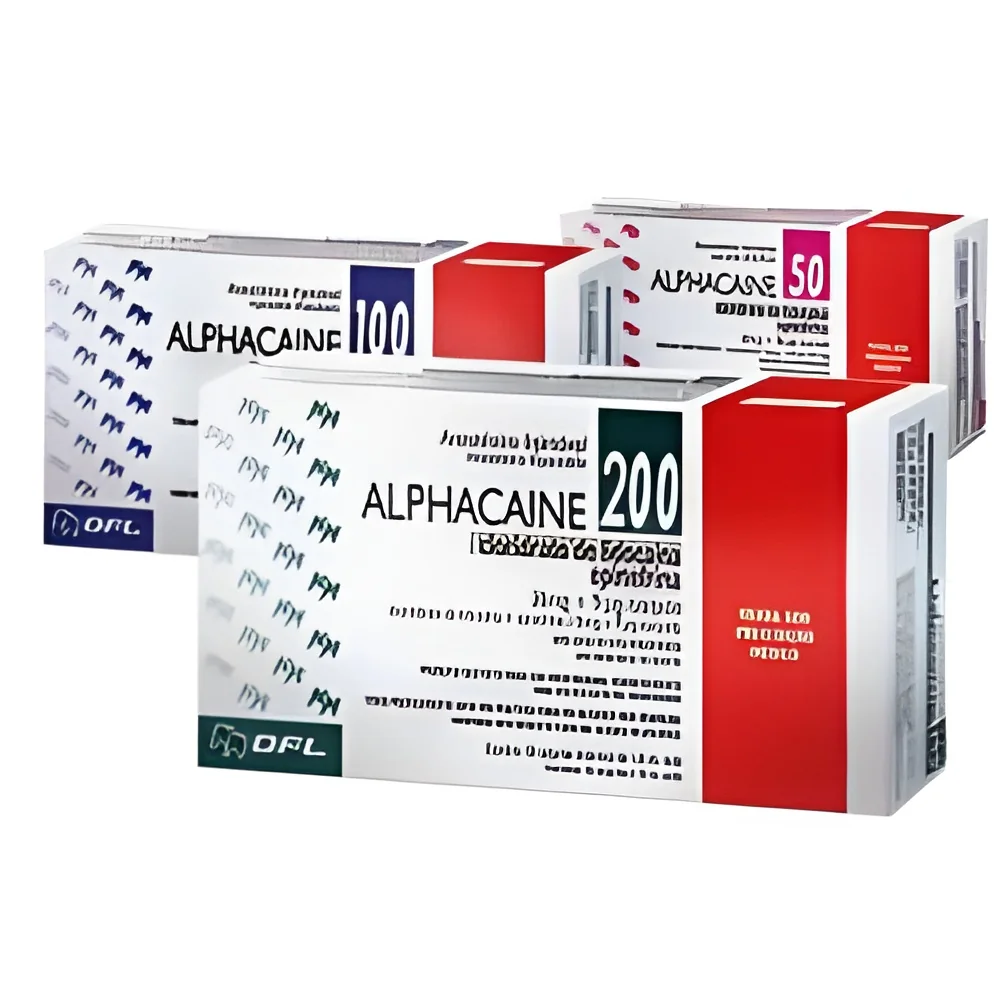
2. Medical Supplies: The medical industry utilizes thermoformed packaging for trays and blisters to package instruments, devices, and pharmaceutical products, ensuring hygiene and safety.
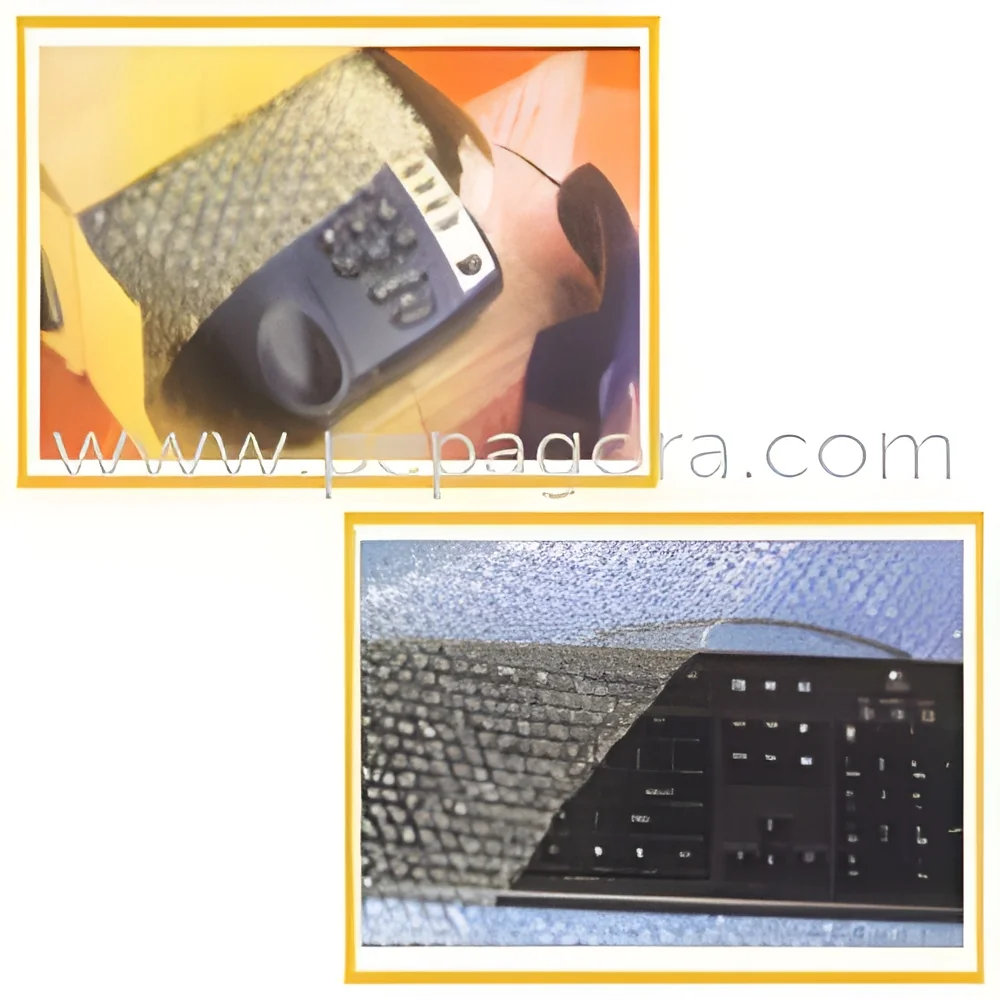
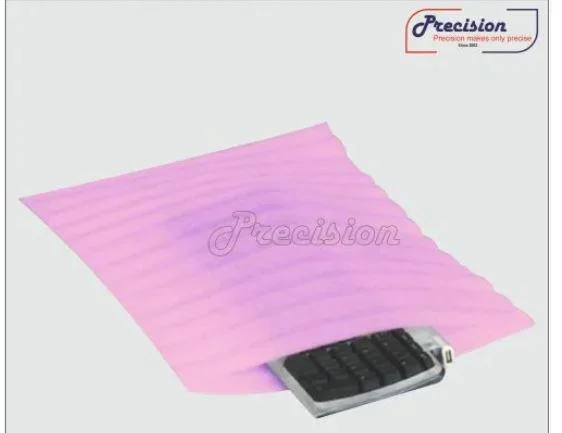
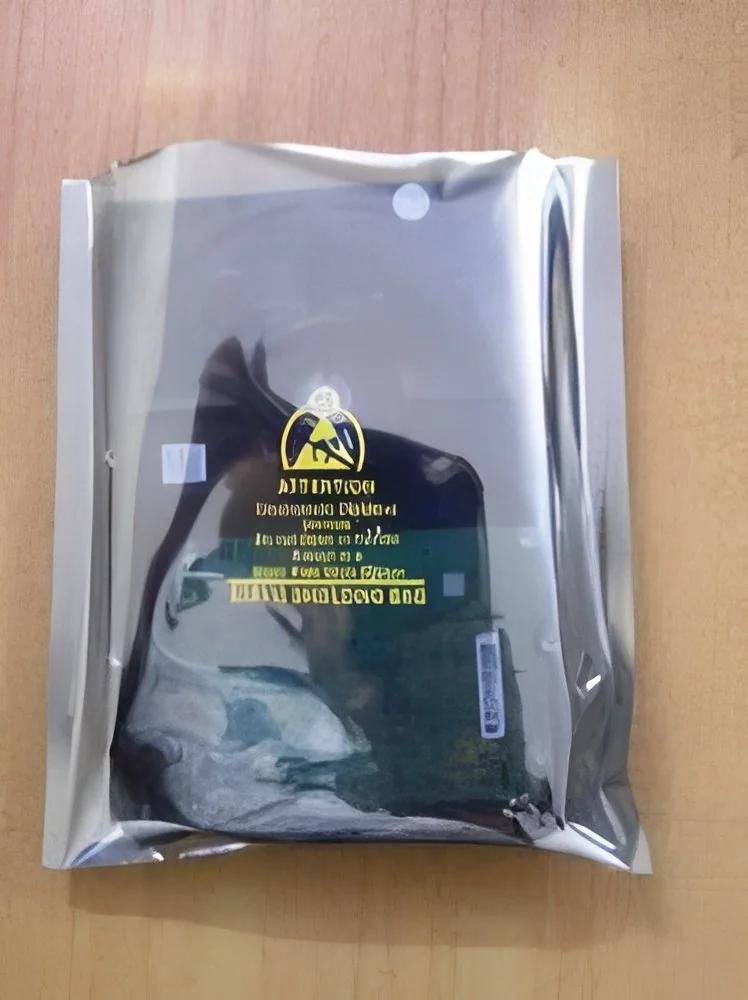
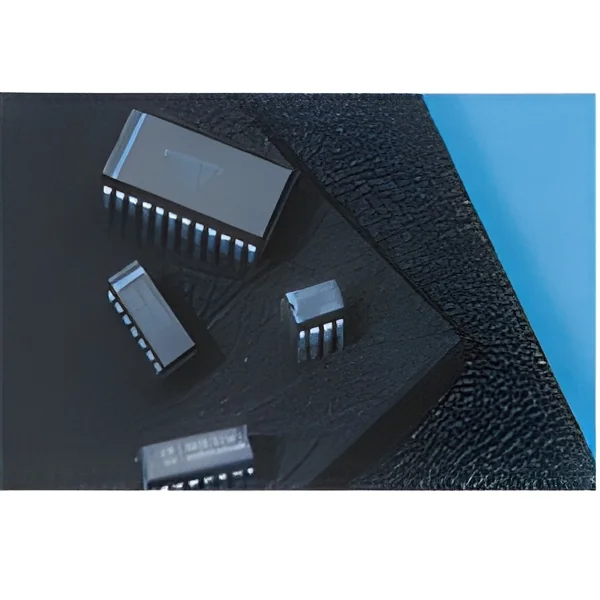
3. Electronics: Thermoformed packaging is ideal for electronic components, offering protection from static and physical damage during shipping and handling.
4. Consumer Goods: Many consumer products, such as toys and household items, are packaged using thermoforming technology for enhanced presentation and protection.
5. Automotive: In the automotive sector, thermoformed packaging is used for parts and components, providing sturdy and reliable protection during transport.
6. Retail: Thermoformed packaging solutions are popular in retail for their aesthetic appeal and functionality, often used for displays and product protection.
7. Industrial Applications: Companies utilize thermoformed packaging for heavy-duty applications, providing robust solutions for tools and machinery parts during shipping.
𝗣𝗿𝗼𝗱𝘂𝗰𝘁 𝗩𝗮𝗿𝗶𝗮𝗻𝘁𝘀 𝗮𝗻𝗱 𝗦𝘂𝗯𝗰𝗮𝘁𝗲𝗴𝗼𝗿𝗶𝗲𝘀
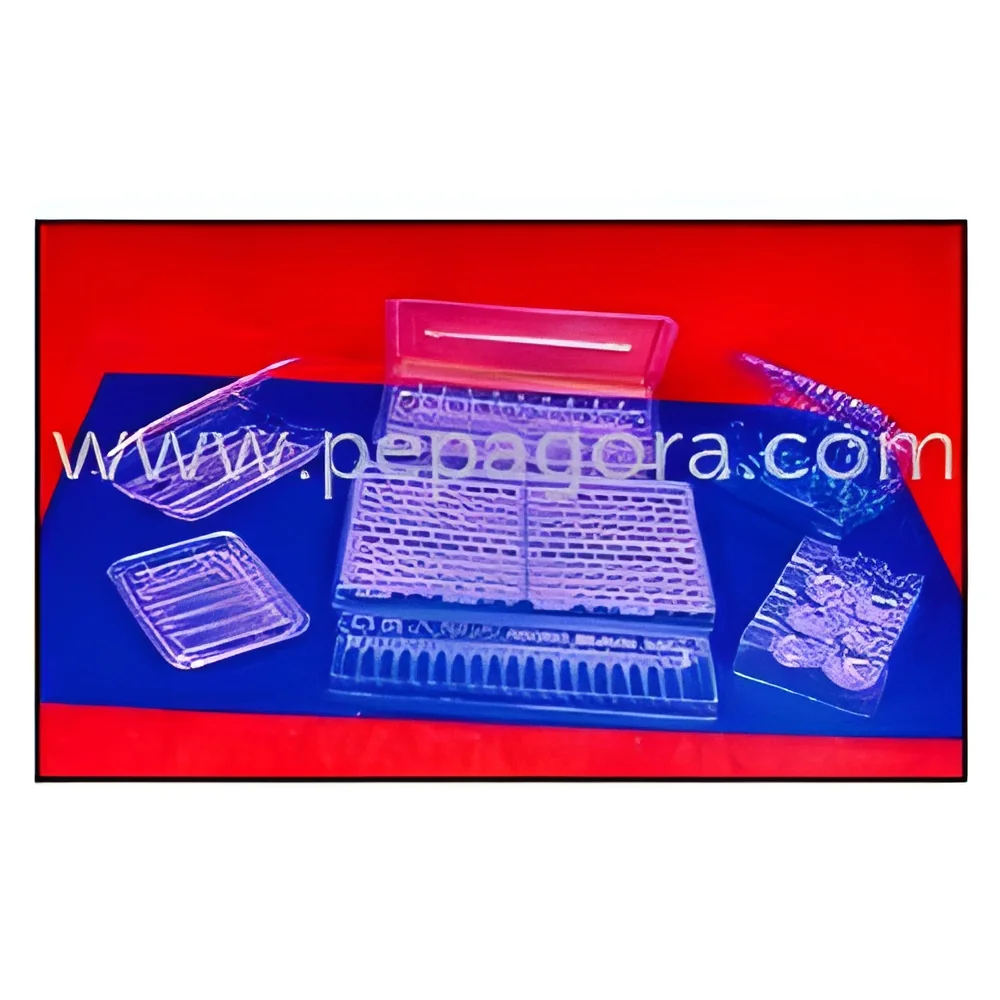
Thermoformed packaging offers a diverse range of variants to cater to different business needs and applications.
Clamshell Packaging
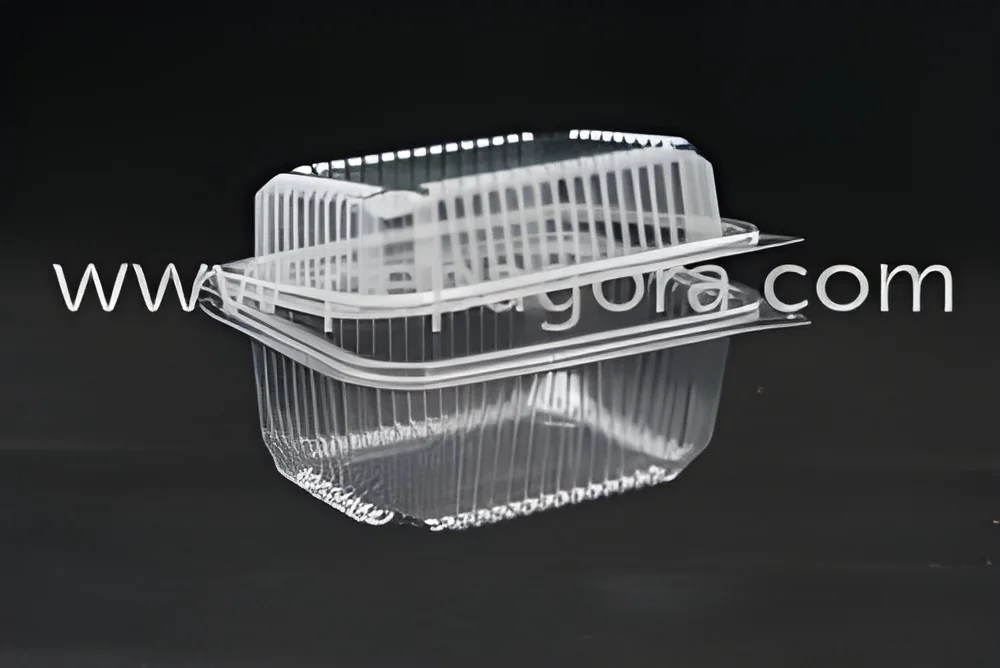
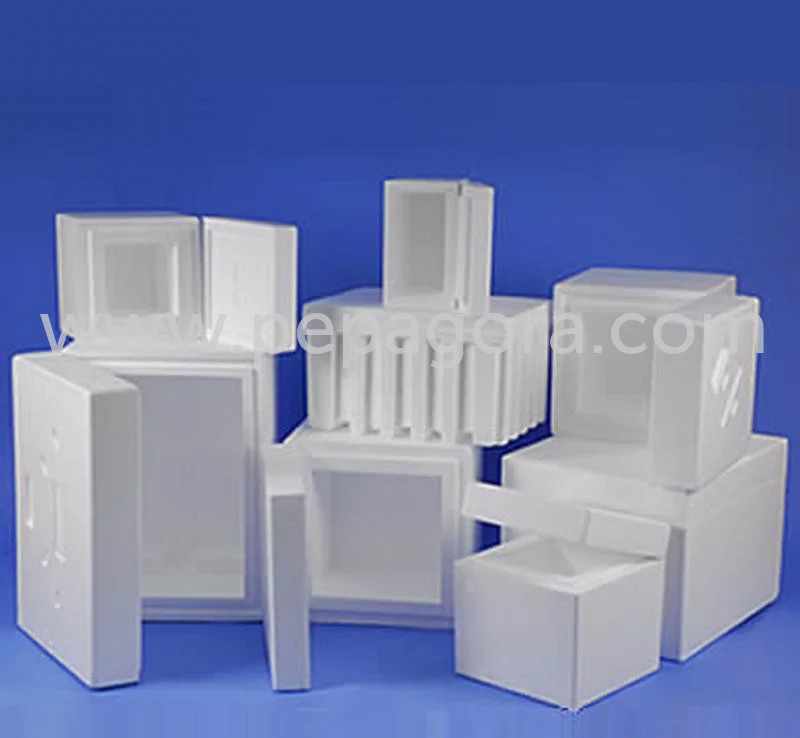
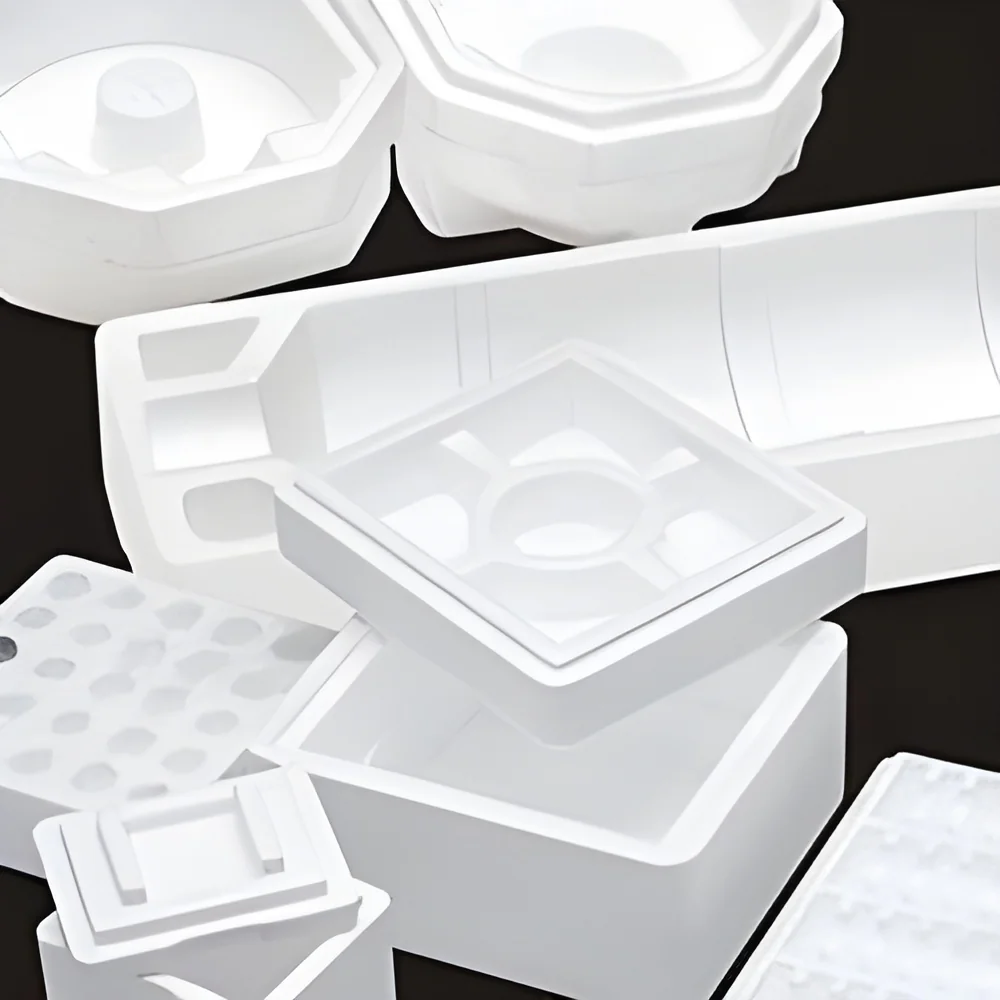
Clamshell packaging consists of two hinged halves that snap together. This design provides easy access to products while keeping them secure. It is commonly used in retail for displaying items such as electronics and toys.
Blister Packs
Blister packs feature a pre-formed plastic cavity that holds products securely. They are often used for pharmaceuticals and consumer goods, providing visibility and protection while deterring tampering.
Trays
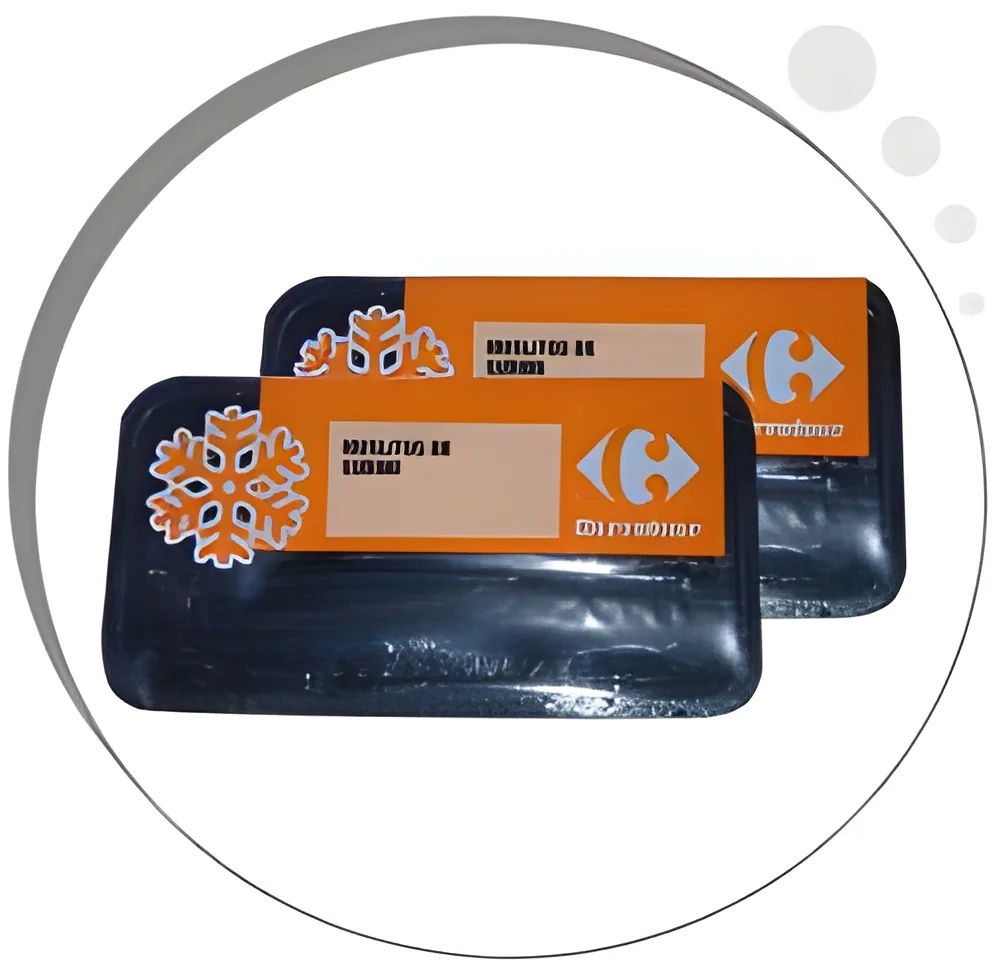
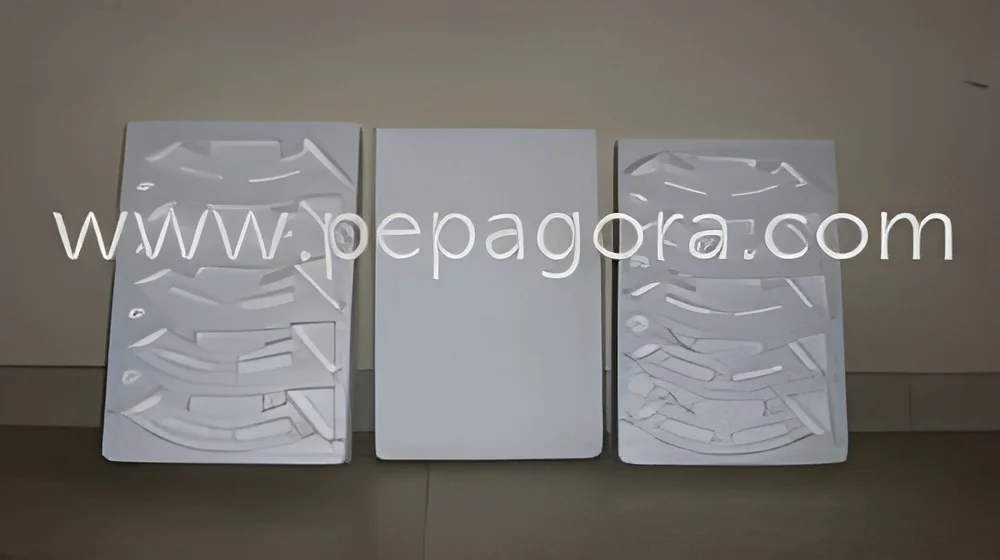
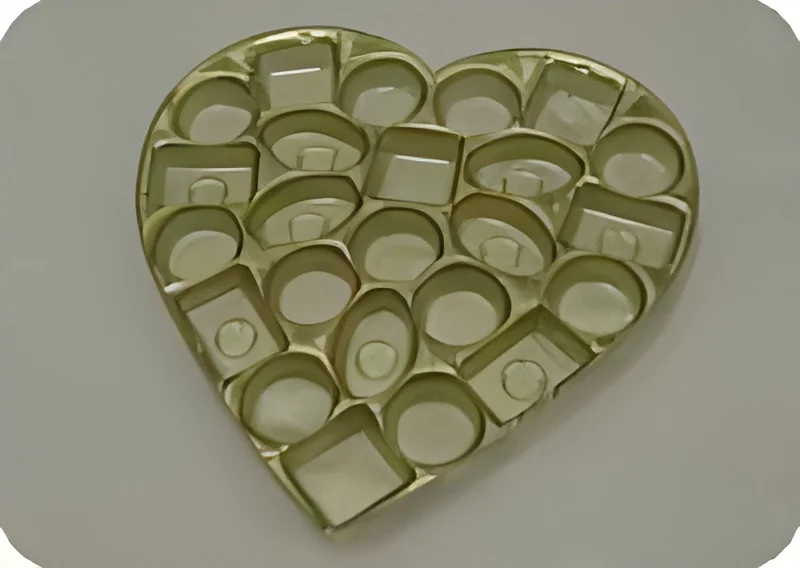
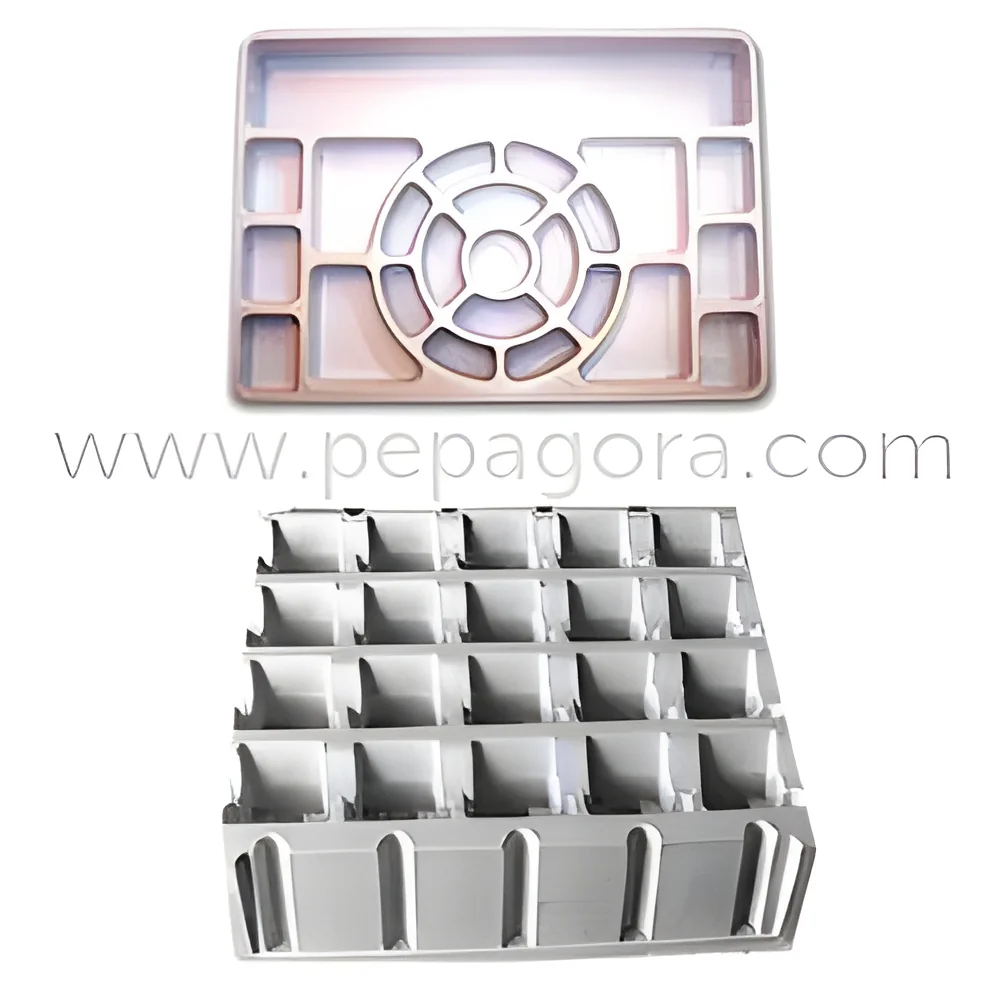
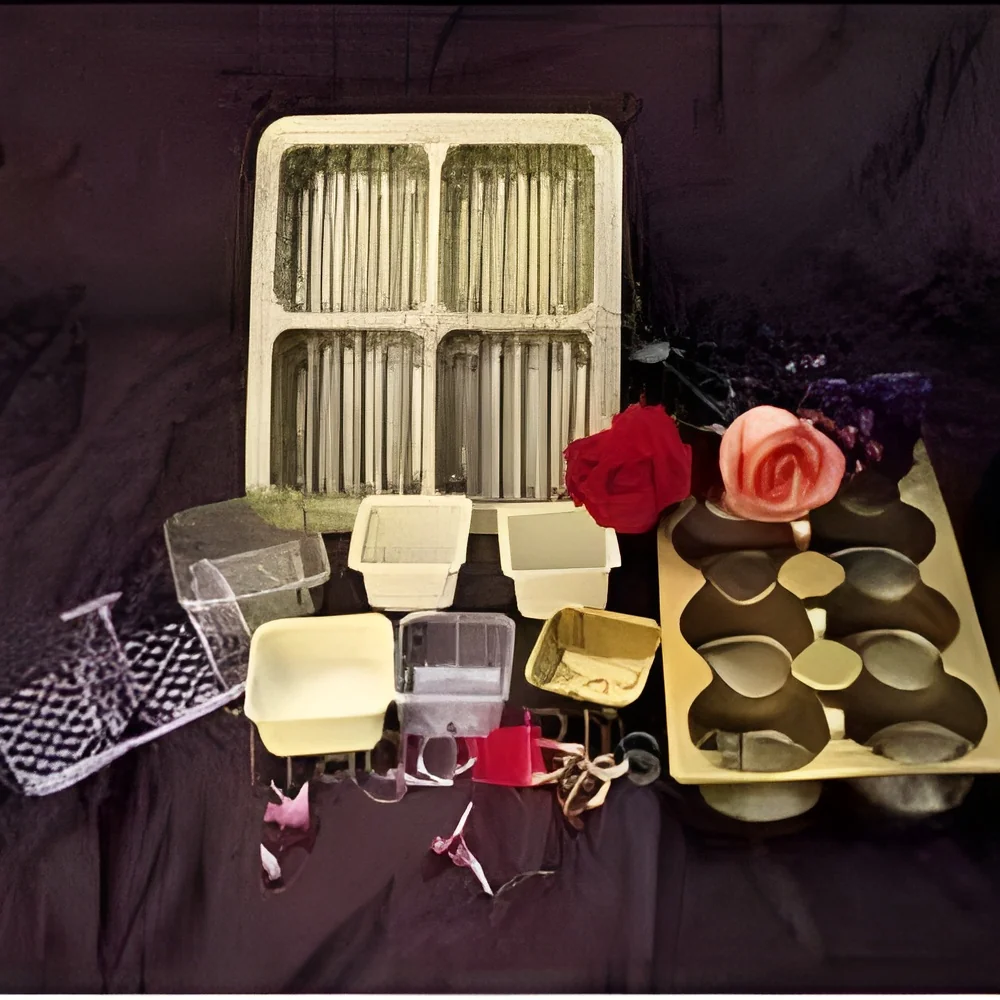
Thermoformed trays are versatile and can be designed for specific product shapes. They are commonly used in food service and medical applications, providing custom fit and protection.
Containers
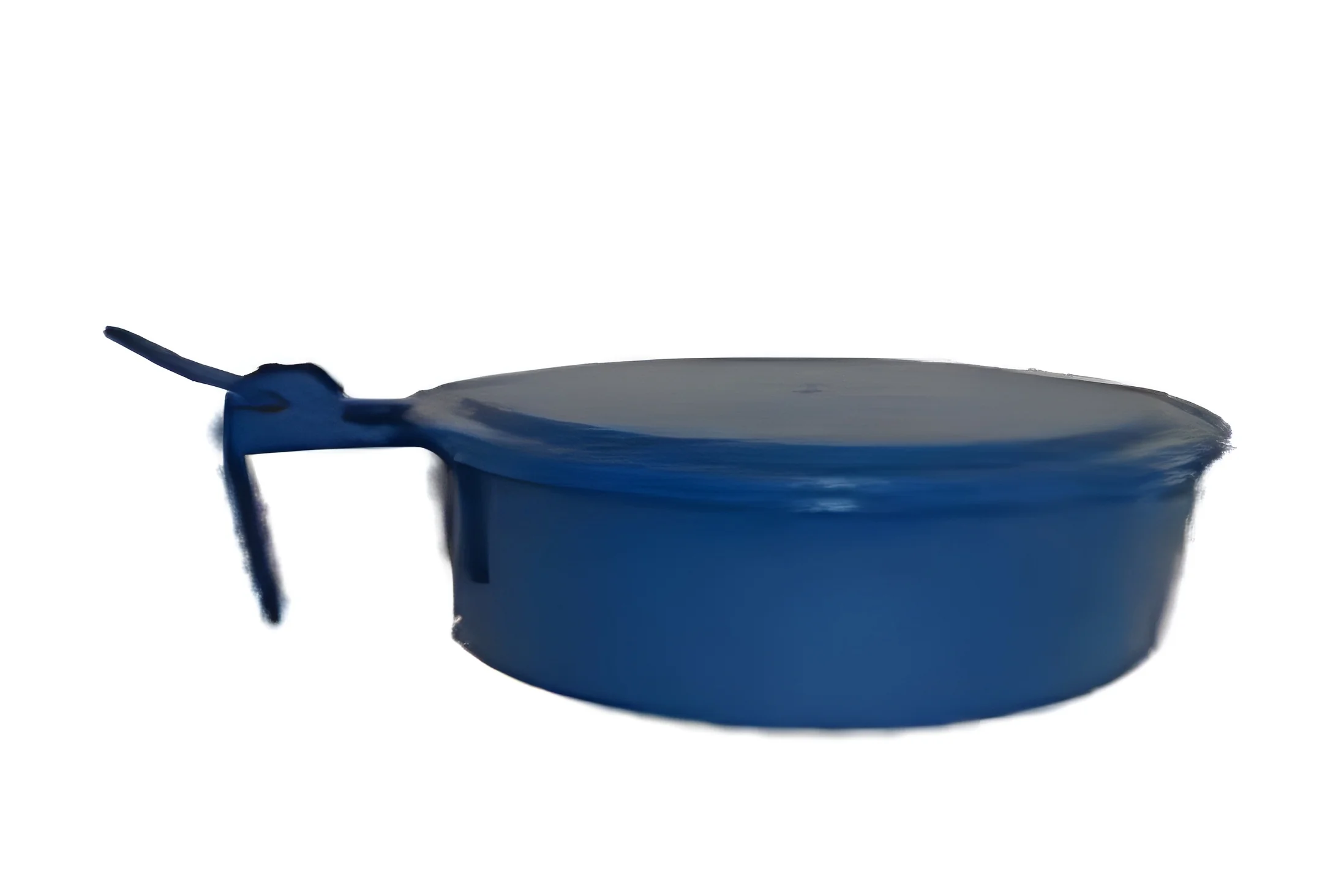
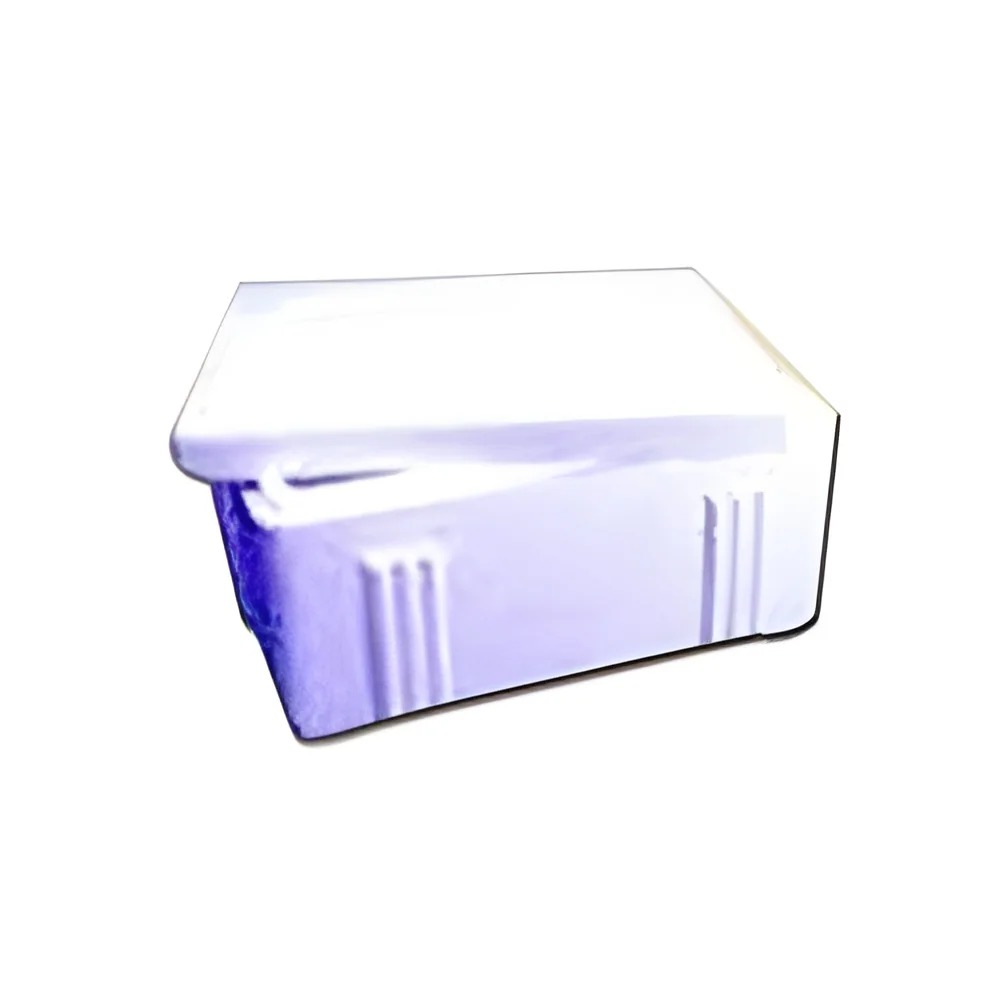
Thermoformed containers come in various shapes and sizes, suitable for food storage or product packaging. They offer convenience and can be designed for microwave or freezer use.
𝗕𝗲𝗻𝗲𝗳𝗶𝘁𝘀 𝗮𝗻𝗱 𝗔𝗱𝘃𝗮𝗻𝘁𝗮𝗴𝗲𝘀
Thermoformed packaging offers numerous benefits that can enhance business operations and product presentation.
Key benefits include:
1. Cost-Effectiveness: The thermoforming process allows for mass production, reducing unit costs and making it an economical choice for businesses.
2. Customization: Businesses can tailor the design and functionality of thermoformed packaging to meet specific product needs, enhancing brand identity.
3. Lightweight: Thermoformed packaging is lightweight, reducing shipping costs and improving handling efficiency.
4. Protection: Provides superior protection against physical damage, moisture, and contaminants, ensuring product integrity.
5. Sustainability: Many thermoformed materials are recyclable, aligning with growing demands for sustainable packaging solutions.
6. Quick Turnaround: The thermoforming process allows for rapid production, enabling businesses to meet tight deadlines and market demands.
𝗕𝘂𝘆𝗶𝗻𝗴 𝗚𝘂𝗶𝗱𝗲 𝗳𝗼𝗿 𝗕𝟮𝗕 𝗕𝘂𝘆𝗲𝗿𝘀
When sourcing thermoformed packaging, several factors should be taken into account to ensure the best fit for your needs.
1. Quality Assessment: Evaluate the quality of materials used in the thermoformed packaging. Look for compliance with industry standards and certifications that assure product safety and durability.
2. Supplier Verification: Research potential suppliers to verify their reputation and reliability. Consider their experience in the industry and customer feedback to ensure they meet your packaging requirements.
3. Pricing and MOQ: Understand the pricing structure and minimum order quantities (MOQs) associated with thermoformed packaging. This will help you manage costs and inventory efficiently.
4. Delivery and Lead Times: Discuss logistics with suppliers to establish expected delivery times. Timely delivery is crucial for maintaining production schedules.
5. Compliance Requirements: Ensure that the packaging meets all regulatory requirements for your specific industry. This includes safety standards and any necessary certifications.
𝗖𝗼𝗺𝗽𝗹𝗶𝗮𝗻𝗰𝗲 𝗮𝗻𝗱 𝗖𝗲𝗿𝘁𝗶𝗳𝗶𝗰𝗮𝘁𝗶𝗼𝗻𝘀
Thermoformed packaging must adhere to various compliance and certification standards to ensure safety and quality.
Relevant quality standards include ISO 9001, which focuses on maintaining effective quality management systems. This ensures manufacturers consistently meet customer and regulatory requirements.
Industry certifications such as CE signify that the packaging complies with European safety standards. This is particularly important for products that will be sold in European markets.
Safety and testing requirements may include assessments for chemical leaching and physical durability. These tests help ensure that the packaging is safe for use, especially in food and medical applications.
Regional compliance considerations should also be accounted for, as different regions may have unique regulations governing packaging materials. Understanding these requirements is crucial for businesses operating in multiple markets.
𝗪𝗵𝘆 𝗦𝗼𝘂𝗿𝗰𝗲 𝗧𝗵𝗲𝗿𝗺𝗼𝗳𝗼𝗿𝗺𝗲𝗱 𝗣𝗮𝗰𝗸𝗮𝗴𝗶𝗻𝗴 𝗳𝗿𝗼𝗺 𝗣𝗲𝗽𝗮𝗴𝗼𝗿𝗮?
Pepagora provides a trusted platform for sourcing thermoformed packaging, offering numerous advantages to businesses looking for reliable solutions.
Verified Supplier Network: Pepagora has established a network of verified suppliers, ensuring that businesses have access to high-quality thermoformed packaging from reputable manufacturers.
Streamlined RFQ Process: The platform features a user-friendly request for quotation (RFQ) system, simplifying the process of obtaining quotes and comparing options from different suppliers.
Trade Assurance and Support: Pepagora offers trade assurance and support, protecting buyers from potential risks associated with sourcing. This provides peace of mind when engaging with suppliers.
Regional Coverage: With a strong presence in India, GCC, and Southeast Asia, Pepagora facilitates access to regional suppliers, ensuring timely delivery and local support for businesses in these markets.

 IN
IN