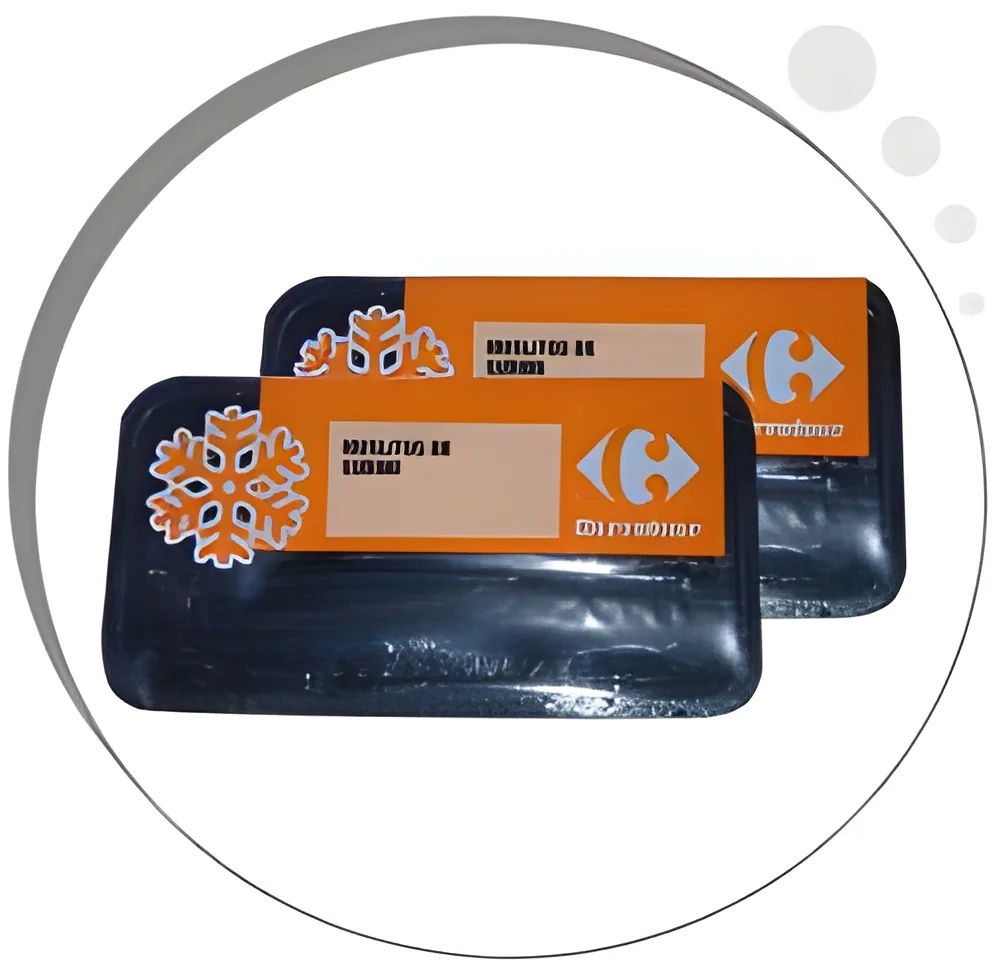
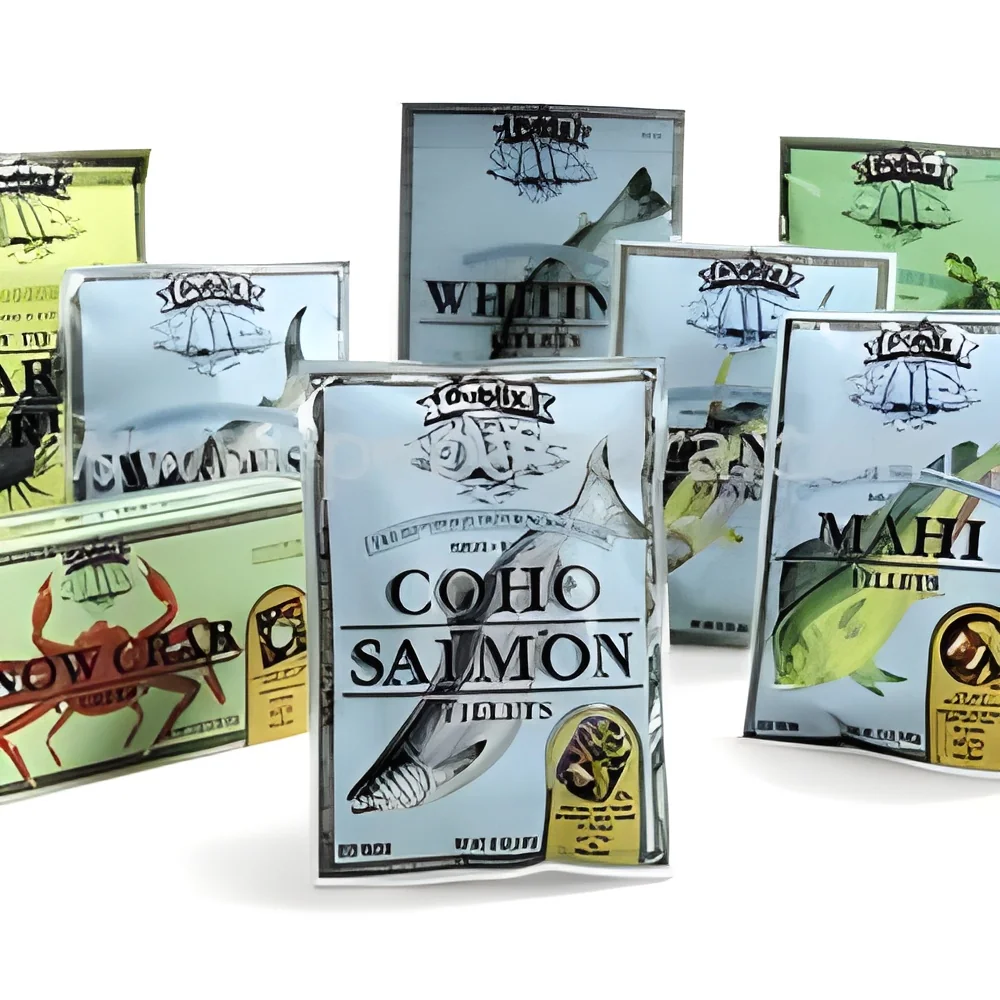
What are Thermoformed Packaging for Meat & Seafood?
Thermoformed packaging for meat and seafood refers to a packaging solution created by heating a plastic sheet until it becomes pliable and then forming it into specific shapes using molds. This process allows for precise fitting around products, ensuring protection and preservation during storage and transportation. The result is a lightweight, durable, and visually appealing packaging option that maintains the freshness of meat and seafood products.
The primary uses of thermoformed packaging in the meat and seafood industry include vacuum sealing, portion control, and display packaging. This type of packaging is essential for maintaining product quality and extending shelf life by reducing exposure to air and contaminants. Businesses in the food service, retail, and distribution sectors rely on this method for its efficiency and effectiveness in protecting perishable goods.
In terms of industry relevance, the thermoformed packaging market is growing rapidly due to increasing demand for ready-to-eat meals and convenience foods. With a focus on sustainability and reducing food waste, manufacturers are continually innovating to create more environmentally friendly packaging solutions. As regulations around food safety become more stringent, thermoformed packaging is becoming a preferred choice for meat and seafood producers looking to comply with industry standards.
Key Features and Specifications
Thermoformed packaging for meat and seafood offers numerous features that make it an ideal choice for food preservation and presentation. Its design can be customized to meet specific product requirements, ensuring a perfect fit. Additionally, it can be produced in various sizes and shapes to cater to different types of meat and seafood products.
Key specifications include:
1. Material Type
- Common materials include PET, PVC, and PLA.
- These materials provide strength and barrier properties.
2. Thickness
- Available thickness ranges from 0.5 mm to 1.5 mm.
- Thickness affects durability and protection levels.
3. Barrier Properties
- Designed to provide oxygen and moisture barriers.
- Helps extend shelf life and maintain freshness.
4. Temperature Resistance
- Suitable for refrigeration and freezing applications.
- Can withstand temperatures from -20°C to 60°C.
5. Customization Options
- Can be tailored to specific product shapes and sizes.
- Options for printing and labeling enhance branding.
6. Seal Quality
- High-quality seals ensure product integrity.
- Reduces risk of contamination and spoilage.
7. Transparency
- Offers visibility of the product inside.
- Enhances consumer appeal and trust.
8. Recyclability
- Some materials are recyclable, aligning with sustainability goals.
- Encourages responsible disposal practices.
In summary, the key features and specifications of thermoformed packaging make it a reliable choice for businesses in the meat and seafood industry, combining functionality with consumer appeal.
Common Applications and Use Cases
Thermoformed packaging is versatile and applicable across various industries. It provides solutions tailored to the unique needs of each sector.
1. Food Service Industry: Restaurants and catering services use thermoformed packaging for portion-controlled servings of meat and seafood, ensuring freshness and ease of use.
2. Retail Grocery: Supermarkets utilize this packaging for displaying pre-packaged meats and seafood, allowing customers to see the product while ensuring it remains protected.
3. Seafood Distribution: Seafood processors rely on thermoformed trays for shipping fresh and frozen products, maintaining quality during transportation.
4. Meal Kits: Companies offering meal kits use thermoformed packaging to separate individual ingredients, ensuring freshness and convenience for consumers.
5. Export Markets: Businesses exporting meat and seafood products often choose thermoformed packaging for its durability and ability to withstand varying environmental conditions.
6. E-commerce: Online grocery services use thermoformed packaging for safe delivery of perishable items, enhancing customer satisfaction.
7. Food Processing: Manufacturers in the food processing industry use thermoformed packaging for automated packaging lines, increasing efficiency and reducing labor costs.
Product Variants and Subcategories
Thermoformed packaging comes in various forms to meet diverse needs. Each variant serves specific functions while maintaining quality and efficiency.
Clamshell Packaging
This variant features a hinged design that allows for easy access to the product. It is commonly used for seafood products, ensuring visibility while providing protection from contamination.
Tray Packaging
Tray packaging is ideal for meat products, offering a secure fit that minimizes movement during transport. It often includes vacuum sealing options to extend shelf life.
Blister Packaging
Blister packaging is suited for smaller portions or single servings. It provides a compact solution for retail environments, helping to reduce waste and enhance convenience.
Benefits and Advantages
Thermoformed packaging for meat and seafood presents numerous benefits that contribute to its popularity in the industry.
1. Enhanced Freshness: The airtight seals prevent exposure to air, maintaining product quality and extending shelf life.
2. Cost-Effective: Thermoformed packaging is lightweight, which helps reduce transportation costs and minimizes waste.
3. Customization: The ability to tailor designs ensures that packaging meets specific product requirements and enhances brand visibility.
4. Consumer Appeal: Clear packaging allows customers to see the quality of the product, increasing trust and encouraging purchases.
5. Easy Handling: The lightweight and stackable nature of thermoformed packaging simplifies storage and transportation.
6. Compliance Ready: This type of packaging can be designed to meet food safety regulations, ensuring that products are protected throughout the supply chain.
Buying Guide for B2B Buyers
When sourcing thermoformed packaging for meat and seafood, several factors should be considered to ensure the best fit for your business needs.
1. Quality Assessment: Evaluate material quality and durability to ensure that the packaging can withstand handling and transportation without compromising product integrity.
2. Supplier Verification: Research and vet suppliers to confirm their reliability and reputation in the industry. Look for testimonials or case studies that demonstrate their capability.
3. Pricing and MOQ: Understand pricing structures and minimum order quantities. This will help you balance cost with your packaging needs.
4. Delivery and Lead Times: Consider logistics and the timeframes for receiving orders. Ensure that suppliers can meet your delivery expectations.
5. Compliance Requirements: Familiarize yourself with relevant food safety regulations and certifications to ensure that the packaging meets all necessary standards.
Compliance and Certifications
Thermoformed packaging for meat and seafood must adhere to stringent quality standards to ensure food safety and product integrity. Key standards include ISO 9001, which focuses on quality management systems, ensuring that manufacturers maintain high-quality processes.
HACCP, or Hazard Analysis and Critical Control Points, is another important framework that identifies potential hazards in food production and packaging, helping to mitigate risks.
In addition, compliance with Good Distribution Practices (GDP) is crucial for maintaining the quality of food products during transport and storage.
The CE certification signifies that the packaging complies with European safety, health, and environmental requirements, making it a reliable choice for businesses targeting European markets.
Regional compliance considerations may vary, so it is essential to understand local regulations to ensure that the packaging meets all necessary legal requirements.
Why Source Thermoformed Packaging for Meat & Seafood from Pepagora?
Pepagora provides a trusted platform for sourcing thermoformed packaging for meat and seafood, offering several key advantages to buyers.
The verified supplier network ensures that all listed suppliers meet rigorous quality and reliability standards. This gives buyers confidence in their sourcing decisions.
The streamlined RFQ process simplifies the quotation system, allowing buyers to easily request and compare prices from multiple suppliers. This efficiency helps businesses make informed purchasing choices.
Trade assurance and support are integral to the Pepagora experience, providing buyers with protection against order-related issues. This support fosters a secure purchasing environment.
Finally, Pepagora covers a wide geographic reach, extending across India, the GCC, and Southeast Asia. This broad coverage allows businesses to access quality packaging solutions tailored to their specific regional needs.

 IN
IN