
 IN
Thermoformed Packaging for Bakery
9 products available
What are Thermoformed Packaging for Bakery?
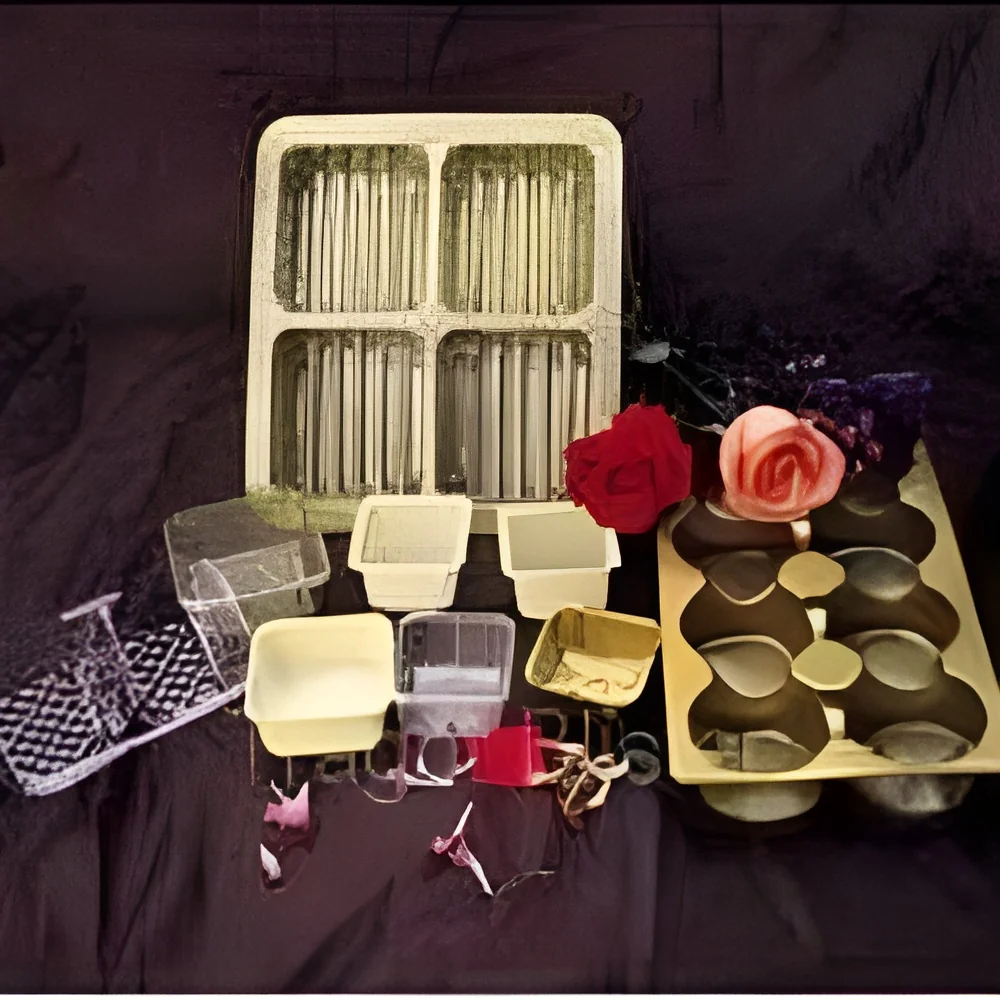
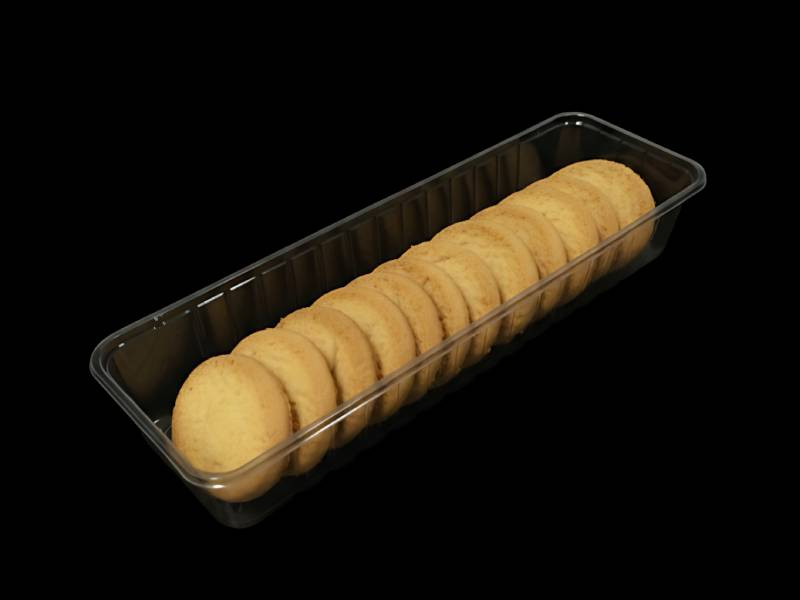
Thermoformed packaging for bakery products refers to the process of shaping thermoplastic materials into specific forms using heat and pressure. This type of packaging is designed to protect baked goods while ensuring they remain fresh and visually appealing. The thermoforming process involves heating a plastic sheet until it becomes pliable, then molding it into the desired shape using a mold. Once cooled, the packaging retains its shape and can be used for various bakery items such as bread, pastries, cakes, and cookies.
This packaging solution is widely utilized in the food industry, particularly in bakeries, supermarkets, and food service establishments. It serves as a practical and efficient means to package products for display and sale, ensuring durability and protection against contamination. Thermoformed packaging is designed to enhance shelf life and reduce spoilage, making it essential for businesses aiming to maintain product quality and customer satisfaction. The increasing demand for convenient and visually appealing packaging has positioned thermoformed packaging as a key player in the bakery sector.
Key Features and Specifications
Thermoformed packaging for bakery offers numerous features that cater to the specific needs of food products. These features ensure product safety, visual appeal, and operational efficiency. The following specifications highlight the key attributes of this packaging solution.
Key specifications include:
1. Material Type
- Typically made from high-quality thermoplastics like PET, PVC, or PLA
- Offers clarity, strength, and moisture resistance
2. Thickness
- Range typically from 0.3 mm to 1.5 mm
- Thickness affects durability and protection levels
3. Customization Options
- Availability of custom shapes and designs to suit various bakery items
- Options for printing logos and branding on the packaging
4. Sealability
- Designed for easy sealing using heat or adhesive methods
- Ensures product freshness and prevents contamination
5. Temperature Resistance
- Suitable for a range of temperatures depending on the material
- Ideal for both cold and warm products
6. Recyclability
- Many materials are recyclable, contributing to sustainability
- Encourages environmentally friendly practices in the bakery industry
7. Barrier Properties
- Excellent moisture and oxygen barrier to prolong shelf life
- Reduces the risk of spoilage and maintains product quality
8. Visual Appeal
- Clear visibility to showcase the product attractively
- Enhances marketing through eye-catching packaging designs
Overall, thermoformed packaging offers a versatile solution tailored for bakery needs while maintaining high standards of quality and functionality.
Common Applications and Use Cases
Thermoformed packaging for bakery products serves a diverse range of applications across various industries. This versatility makes it a popular choice among manufacturers and retailers.
1. Retail Bakeries: Thermoformed trays and clamshells are used for packaging bread, pastries, and desserts, ensuring freshness and ease of display.
2. Supermarkets: Pre-packaged baked goods in thermoformed containers allow for efficient stocking and promote product visibility in bakery sections.
3. Food Service: Restaurants and catering services utilize thermoformed packaging for takeaway orders, providing convenience to customers while maintaining food quality.
4. Wholesale Distribution: Large quantities of baked goods can be packaged in bulk using thermoformed solutions, optimizing storage and transportation.
5. E-commerce: Online bakery businesses use thermoformed packaging to ensure safe delivery of products while preserving freshness during transit.
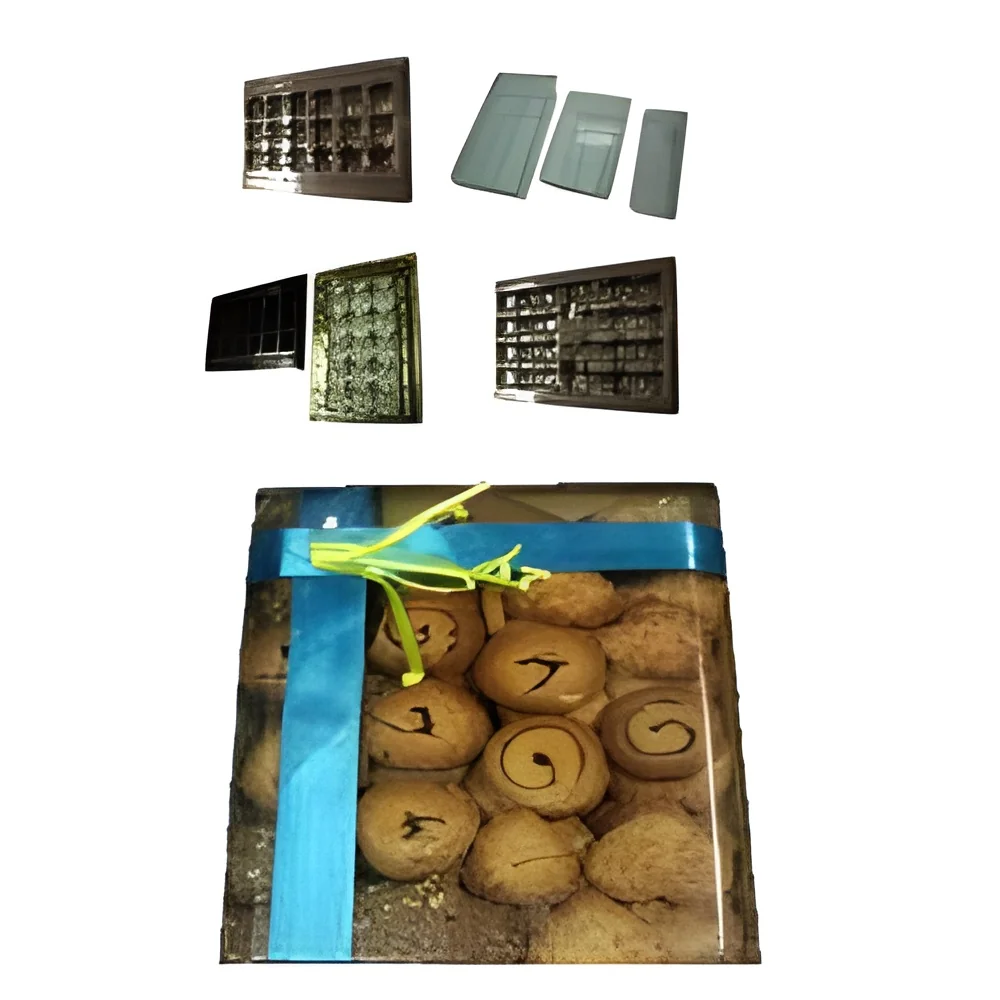
6. Confectionery: Bakeries producing specialty items like chocolates and cookies benefit from thermoformed packaging that protects delicate treats during handling.
7. Frozen Foods: Thermoformed packaging is also suitable for frozen bakery items, providing necessary insulation and preventing freezer burn.
Product Variants and Subcategories
Thermoformed packaging for bakery comes in various forms to cater to specific product needs. These variants enhance functionality and usability.
Clamshell Containers
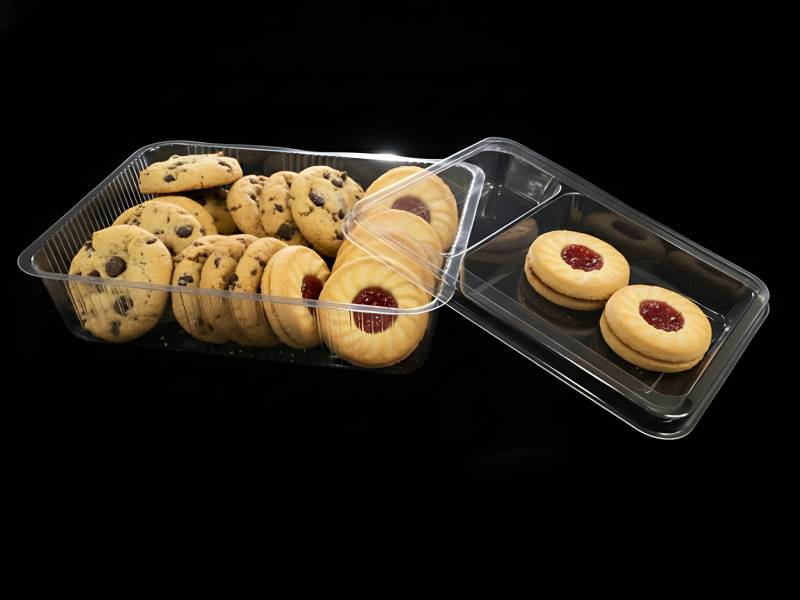
Clamshell containers are a popular choice for packaging pastries and desserts. They provide easy access to the product while ensuring adequate protection. The dual-sided design allows for visibility while keeping items secure.
Trays
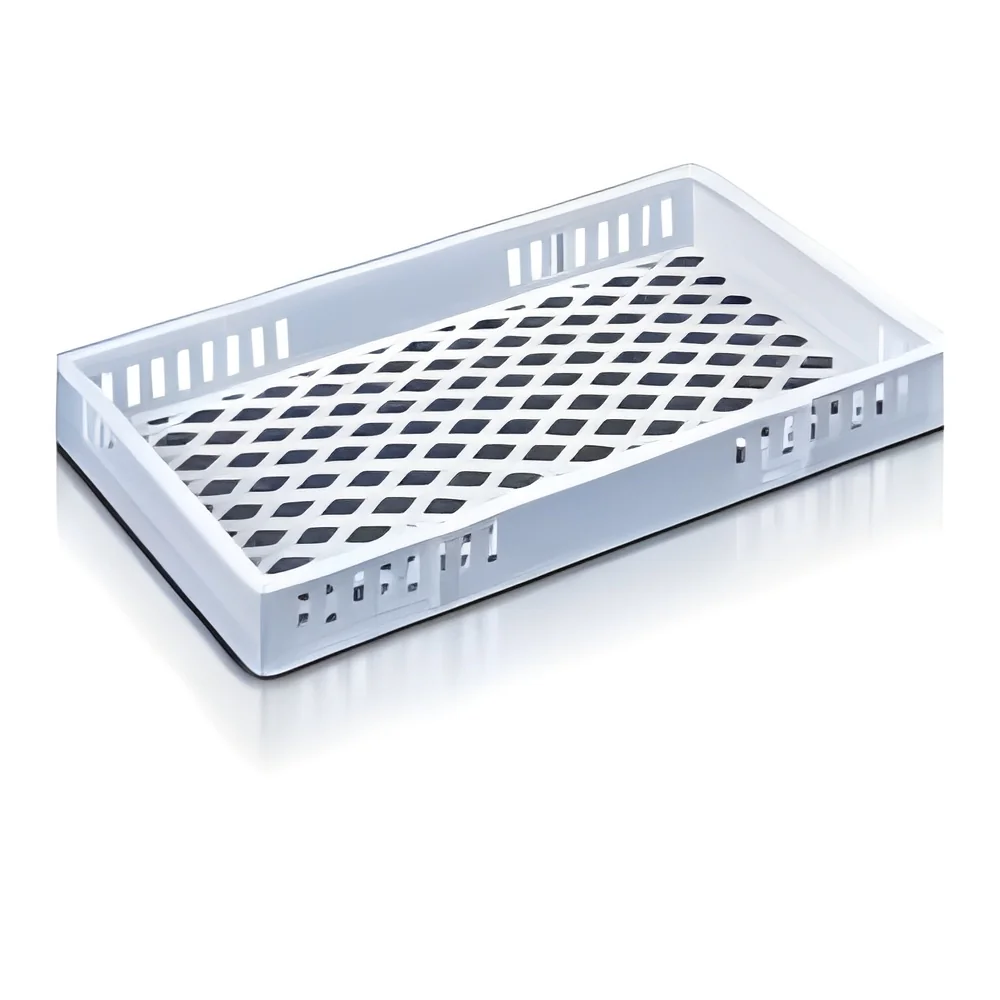
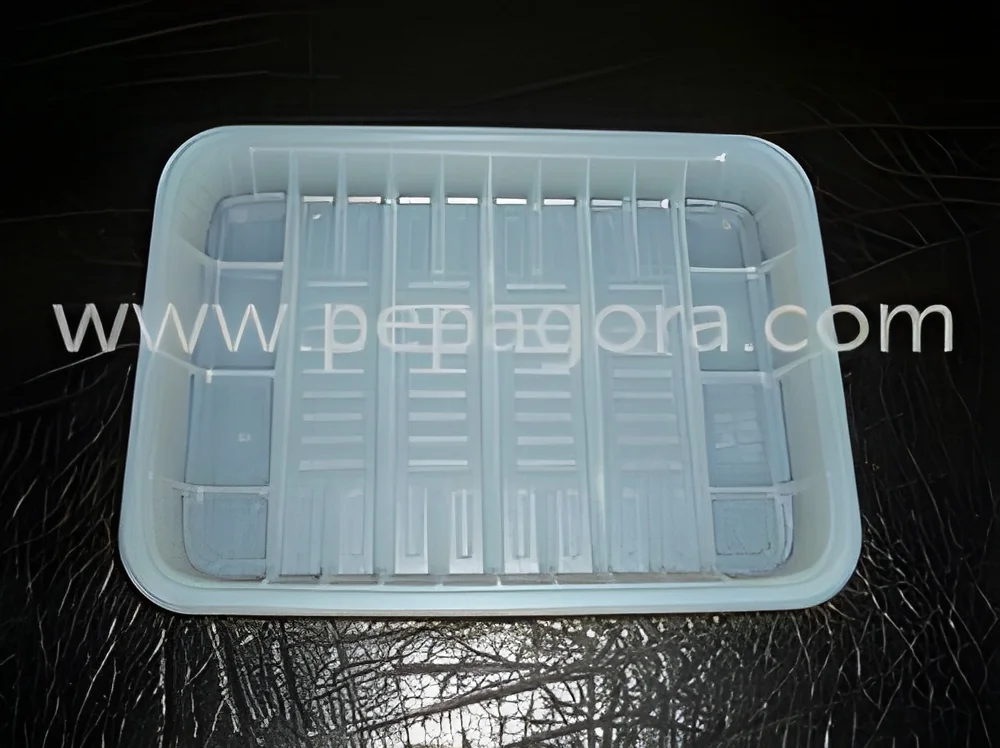
Trays are utilized for bread and baked goods, offering a stable base for display and transport. They can be custom-shaped to fit the specific dimensions of the products being packaged.
Blister Packs
Blister packs are ideal for smaller items like cookies and mini pastries. They provide individual compartments, reducing the risk of damage during handling and enhancing presentation.
Benefits and Advantages
Thermoformed packaging for bakery offers several key benefits that enhance operational efficiency and product quality.
1. Enhanced Freshness: The airtight seal created by thermoformed packaging helps preserve the freshness and taste of baked goods, extending shelf life.
2. Cost-Effectiveness: The ability to customize sizes and shapes reduces material waste, leading to cost savings in production and packaging.
3. Improved Visibility: Clear thermoformed packaging allows customers to view the product before purchase, increasing the likelihood of sales.
4. Custom Branding: Businesses can utilize custom designs and branding on packaging, enhancing brand recognition and customer loyalty.
5. Lightweight Design: Thermoformed packaging is typically lighter than alternative materials, reducing shipping costs and making handling easier.
6. Versatile Applications: This packaging solution is suitable for a wide range of bakery items, making it a flexible choice for various businesses.
Buying Guide for B2B Buyers
When sourcing thermoformed packaging for bakery products, several critical factors should be considered to ensure the best choice for your business needs.
1. Quality Assessment: Evaluate the quality of materials used in the packaging. Look for products that meet industry standards and ensure they are food-safe.
2. Supplier Verification: Vet potential suppliers by checking their reputation, client reviews, and certifications. A reliable supplier is crucial for consistent quality.
3. Pricing and MOQ: Consider the pricing structure and minimum order quantities. Ensure the costs align with your budget while meeting your volume needs.
4. Delivery and Lead Times: Assess the supplier's ability to meet delivery schedules. Timely delivery is essential for maintaining inventory levels and customer satisfaction.
5. Compliance Requirements: Verify that the packaging meets relevant regulations and standards in your region, ensuring safety and compliance with health codes.
Compliance and Certifications
Thermoformed packaging for bakery products must adhere to various quality standards and certifications to ensure safety and reliability. Compliance with ISO 9001 indicates that the manufacturing processes meet international quality management standards.
Additionally, the Hazard Analysis and Critical Control Points (HACCP) system is crucial in the food industry, focusing on food safety through hazard prevention. Compliance with General Distribution Practices (GDP) ensures that packaging is suitable for food transportation and storage.
Industry certifications such as CE mark are essential for demonstrating compliance with European health, safety, and environmental protection standards. It is vital for manufacturers to stay informed about regional compliance considerations and ensure their products meet all necessary testing and safety requirements.
Why Source Thermoformed Packaging for Bakery from Pepagora?
Pepagora provides a trusted platform for sourcing thermoformed packaging for bakery with several key advantages. The verified supplier network ensures that buyers can find reputable manufacturers who deliver high-quality products tailored to their needs.
The streamlined Request for Quotation (RFQ) process simplifies procurement, allowing businesses to compare options efficiently and select the best pricing. This system enhances the purchasing experience by saving time and effort.
Trade assurance and support from Pepagora further protect buyers during transactions, ensuring that they receive the products as specified. This commitment to buyer protection builds confidence in sourcing decisions.
Finally, Pepagora's regional coverage extends across India, the Gulf Cooperation Council (GCC), and Southeast Asia, making it a valuable resource for businesses in various markets seeking reliable packaging solutions for their bakery products.

 India
 India
 India
 India
Frequently Asked Questions
What are Thermoformed Packaging for Bakery?
Thermoformed packaging for bakery refers to containers and trays made from plastic materials that are shaped using a heating and molding process. This type of packaging is specifically designed to protect baked goods, ensuring freshness and extending shelf life.
What are the different types of Thermoformed Packaging for Bakery?
There are several types of thermoformed packaging for bakery products, including clamshell containers, trays, and blisters. Each type serves different purposes, such as displaying products, providing protection during transportation, or enhancing shelf appeal.
How do I choose the right Thermoformed Packaging for Bakery?
Choosing the right thermoformed packaging for bakery products involves considering factors such as the type of baked goods, required shelf life, and environmental conditions. Additionally, it's important to assess the size, shape, and design to ensure compatibility with your product.
What are the standard specifications for Thermoformed Packaging for Bakery?
Standard specifications for thermoformed packaging for bakery include material thickness, dimensions, and weight capacity. Common materials used are PET and PVC, which must meet food safety regulations to ensure the packaging is suitable for direct contact with food.
What is the price range for Thermoformed Packaging for Bakery?
The price range for thermoformed packaging for bakery can vary widely based on factors such as material type, design complexity, and order quantity. Generally, prices can start from a few rupees per unit and increase based on customization and bulk orders.
What quality standards apply to Thermoformed Packaging for Bakery?
Thermoformed packaging for bakery must comply with food safety standards such as FDA regulations in the U.S. or FSSAI guidelines in India. These standards ensure that the materials used do not leach harmful substances into food and are safe for consumer use.
Where can I find Thermoformed Packaging for Bakery suppliers in India?
You can find thermoformed packaging for bakery suppliers in India through online B2B marketplaces like Pepagora.com. Additionally, industry trade shows and local business directories can also provide valuable contacts.
Can Thermoformed Packaging for Bakery be customized?
Yes, thermoformed packaging for bakery can be customized to meet specific requirements, including size, shape, and branding elements. Customization options can enhance product presentation and align with marketing strategies.
What is the typical minimum order quantity for Thermoformed Packaging for Bakery?
The typical minimum order quantity (MOQ) for thermoformed packaging for bakery can vary depending on the manufacturer. Generally, MOQs can range from a few hundred to several thousand units, depending on the complexity of the order.
What is the typical lead time for Thermoformed Packaging for Bakery?
The typical lead time for thermoformed packaging for bakery products usually ranges from 2 to 6 weeks, depending on factors such as order size, customization needs, and supplier capabilities. It's advisable to confirm lead times with suppliers before placing an order.
Why Businesses Trust Pepagora
Thousands of companies trust Pepagora to source smarter and sell faster
Expand Your Sales Globally

Source Smarter,Grow Faster
