
 IN
Stackable Storage Bins
1 products available
What are Stackable Storage Bins?
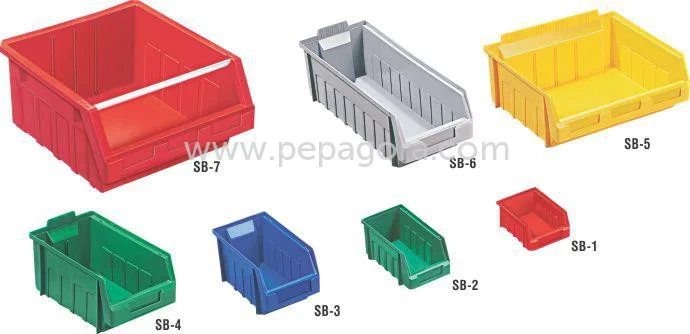
Stackable storage bins are versatile containers designed for efficient organization and storage in various settings. These bins are engineered to be easily stacked on top of one another, optimizing vertical space while maintaining accessibility. Made from durable materials, they are ideal for both industrial and commercial use. Their design can vary in size and shape, accommodating different types of items, from small parts to larger equipment.
These storage solutions are commonly utilized in warehouses, manufacturing facilities, retail environments, and even in office settings. Businesses often rely on stackable storage bins to enhance their inventory management, reduce clutter, and improve overall operational efficiency. The ability to stack these bins allows companies to maximize their storage area without sacrificing organization. As logistics and supply chain management become increasingly important in today’s market, the relevance of stackable storage bins continues to grow among various industries.
Key Features and Specifications
Stackable storage bins come with a variety of features that enhance their functionality and durability. Their specifications are crucial for B2B buyers to consider when selecting the right product for their needs.
Key specifications include:
1. Material
- Typically made from high-density polyethylene (HDPE) or polypropylene (PP)
- Offers strength and resistance to impact and chemicals
2. Dimensions
- Available in multiple sizes to accommodate different storage needs
- Common dimensions include width, depth, and height in inches or centimeters
3. Load Capacity
- Designed to hold varying weights depending on the model
- Load capacities can range from 10 kg to over 100 kg
4. Stackability
- Designed to securely stack without risk of tipping
- Features interlocking designs for stability
5. Color Options
- Available in a range of colors for easy identification and organization
- Custom colors may be available for branding purposes
6. Ventilation
- Some models include vented designs for air circulation
- Useful for items sensitive to moisture or temperature
7. Accessibility
- Open-top designs for quick access to contents
- Some bins may feature clear sides for visibility
8. Customization
- Options for labels or inserts to enhance organization
- Potential for custom sizes or configurations
In summary, stackable storage bins are characterized by their durable materials, diverse sizes, and features that promote efficient storage solutions.
Common Applications and Use Cases
Stackable storage bins find utility across a wide range of industries, showcasing their versatility and practicality.
1. Manufacturing: In manufacturing settings, stackable bins are used for storing parts, tools, and raw materials. They help streamline production processes by keeping items organized and easily accessible.
2. Warehousing: Warehouses utilize these bins to maximize storage space and facilitate inventory management. Bins can be stacked to create efficient shelving systems, improving access to products.
3. Retail: Retail businesses use stackable storage bins for backroom organization and floor display. They allow for effective merchandising while keeping stock easily accessible.
4. Food and Beverage: In food and beverage industries, stackable bins are used for storing ingredients and supplies. Some bins are designed to meet health and safety regulations, ensuring compliance.
5. Pharmaceuticals: Pharmaceutical companies use stackable storage bins for secure storage of medications and supplies. Their stackable design aids in efficient use of space in sterile environments.
6. Automotive: In the automotive industry, these bins are employed for organizing tools, parts, and accessories. Their durable construction withstands rigorous environments.
7. Office: Offices use stackable storage bins for document organization and general supplies. They help reduce clutter and improve workspace efficiency.
Product Variants and Subcategories
Stackable storage bins come in various forms, each designed to meet specific needs and applications.
Heavy-Duty Stackable Bins: These bins are constructed from thicker materials to handle heavier loads. They are ideal for industrial environments where durability is essential. Their reinforced design ensures they can support significant weight while being easy to stack and access.
Vented Stackable Bins: Designed with ventilation holes, these bins are suitable for items that require air circulation. They are commonly used in food service and agriculture to store perishable goods, preventing moisture buildup and extending shelf life.
Small Parts Storage Bins: These bins are smaller in size and designed for organizing small components or hardware. They are often used in manufacturing and assembly processes where quick access to small items is necessary.
Transparent Stackable Bins: These bins offer visibility of contents, making it easy to identify stored items without opening the bin. They are useful in retail and warehousing for efficient inventory management.
Benefits and Advantages
Stackable storage bins provide numerous benefits that enhance business operations.
1. Space Optimization: By stacking, businesses can utilize vertical space effectively, allowing for more organized storage solutions in smaller areas.
2. Improved Organization: These bins help maintain order by categorizing items, making it easier to locate products and reducing time spent searching.
3. Enhanced Durability: Made from robust materials, stackable bins are resistant to damage, ensuring they can withstand tough environments and prolonged use.
4. Cost-Effective: Investing in stackable bins can lead to cost savings by minimizing wasted space and improving inventory management, reducing losses.
5. Versatility: Their adaptability allows them to be used across various industries, making them a practical solution for diverse storage needs.
6. Easy Maintenance: Stackable bins are generally easy to clean, making them suitable for environments where hygiene is critical, such as food or medical industries.
Buying Guide for B2B Buyers
When sourcing stackable storage bins, businesses should consider several critical factors to ensure they select the right product for their needs.
1. Quality Assessment: Evaluate the materials and build quality of the bins. Look for features like resistance to chemicals and impact, which are essential for durability in industrial settings.
2. Supplier Verification: Research and vet potential suppliers to ensure they have a reliable track record. Check customer reviews and industry reputation to assess their credibility.
3. Pricing and MOQ: Understand pricing structures and minimum order quantities (MOQ) from suppliers. Compare costs to ensure you are getting competitive rates without compromising quality.
4. Delivery and Lead Times: Consider logistics and delivery times when placing orders. Ensure that the supplier can meet your timelines to avoid disruptions in your operations.
5. Compliance Requirements: Be aware of any regulatory standards that apply to the storage bins. Ensure that the products meet necessary certifications for safety and quality.
Compliance and Certifications
Stackable storage bins must adhere to various compliance and certification standards to ensure their safety and effectiveness across industries.
Relevant quality standards include ISO 9001, which ensures that manufacturers adhere to quality management systems, thereby providing consistent products. Additionally, HACCP (Hazard Analysis Critical Control Point) is crucial for storage bins used in food and beverage applications, focusing on food safety.
Industry certifications, such as CE marking, indicate compliance with European health, safety, and environmental protection standards. This certification assures users that the bins meet required safety and quality measures.
Safety testing requirements may involve assessments for load capacity and material durability, ensuring that the bins can withstand intended use without risk of failure. Furthermore, businesses should consider regional compliance standards that may vary depending on the location, especially when operating in multiple countries.
Why Source Stackable Storage Bins from Pepagora?
Pepagora offers an excellent platform for sourcing stackable storage bins, providing numerous advantages for B2B buyers.
Verified Supplier Network: Pepagora features a network of pre-verified suppliers, ensuring that buyers can trust the quality and reliability of the products offered. This verification process helps reduce risks associated with sourcing.
Streamlined RFQ Process: The platform simplifies the request for quotation (RFQ) process, allowing buyers to easily obtain competitive quotes from multiple suppliers. This efficiency aids in making informed purchasing decisions.
Trade Assurance and Support: Buyers are protected through trade assurance programs, which provide security for transactions. Pepagora offers support throughout the purchasing process to address any concerns or queries.
Regional Coverage: Pepagora’s extensive reach includes suppliers across India, the GCC, and Southeast Asia, making it convenient for businesses to find the right stackable storage bins tailored to their specific regional needs.

 India
Frequently Asked Questions
What are Stackable Storage Bins?
Stackable Storage Bins are storage containers designed to be stacked on top of each other to maximize vertical space. They are commonly used in warehouses, retail environments, and homes for organizing and storing various items efficiently.
What are the different types of Stackable Storage Bins?
Different types of Stackable Storage Bins include plastic bins, metal bins, and fabric bins, each catering to various storage needs. They can also vary in size, design, and load capacity, making them suitable for diverse applications.
How do I choose the right Stackable Storage Bins?
When selecting Stackable Storage Bins, consider factors such as size, material, load capacity, and intended use. Additionally, evaluate the space where they will be stored to ensure that they fit well and can be stacked securely.
What are the standard specifications for Stackable Storage Bins?
Standard specifications for Stackable Storage Bins typically include dimensions, load capacity, material type, and design features such as lids or handles. It is essential to check these specifications to ensure they meet your storage requirements.
What is the price range for Stackable Storage Bins?
The price range for Stackable Storage Bins can vary based on size, material, and brand, typically ranging from a few hundred to several thousand Indian Rupees. Bulk purchases may also offer discounts, affecting the overall pricing.
What quality standards apply to Stackable Storage Bins?
Quality standards for Stackable Storage Bins may include durability, resistance to wear and tear, and adherence to safety regulations. Depending on the manufacturer, they might also comply with specific industry standards to ensure reliability.
Where can I find Stackable Storage Bins suppliers in India?
You can find Stackable Storage Bins suppliers in India through online B2B marketplaces like Pepagora, trade shows, and industry directories. Researching and comparing suppliers will help you find reliable options that meet your needs.
Can Stackable Storage Bins be customized?
Yes, many manufacturers offer customization options for Stackable Storage Bins, including size, color, and branding. Customization allows businesses to tailor bins to their specific storage requirements and improve brand visibility.
What is the typical minimum order quantity for Stackable Storage Bins?
The typical minimum order quantity (MOQ) for Stackable Storage Bins can vary by supplier, often ranging from 50 to 100 units. It is advisable to check with individual suppliers for their specific MOQ requirements.
What is the typical lead time for Stackable Storage Bins?
The typical lead time for Stackable Storage Bins can range from a few days to several weeks, depending on the supplier and the complexity of the order. Factors such as customization and current inventory levels can also influence delivery times.
Why Businesses Trust Pepagora
Thousands of companies trust Pepagora to source smarter and sell faster
Expand Your Sales Globally

Source Smarter,Grow Faster
