
 IN
Tool Trays & Inserts
9 products available
What are Tool Trays & Inserts?
Tool trays and inserts are specialized organizational solutions designed to enhance efficiency in work environments that involve various tools and equipment. These products provide a systematic approach to storing and categorizing tools, allowing users to quickly access what they need. Tool trays typically serve as the base for holding tools, while inserts are custom-fit components that segment spaces within trays for better organization.
These products are primarily used in industries such as manufacturing, automotive, aerospace, and maintenance. They help streamline workflows by reducing time spent searching for tools and maintaining a clean workspace. Moreover, tool trays and inserts support safety protocols by ensuring that tools are stored securely and are less prone to damage or misuse.
The relevance of tool trays and inserts in today's market is significant. As industries continue to prioritize efficiency and safety, the demand for effective organizational solutions grows. Companies increasingly recognize that investing in high-quality tool management solutions can lead to improved productivity and reduced operational costs.
Key Features and Specifications
Tool trays and inserts come with several key features that enhance their usability and effectiveness. Understanding these specifications is crucial for making informed purchasing decisions.
Key specifications include:
1. Material Composition
- Tool trays and inserts are often made from durable materials such as plastic, metal, or foam.
- These materials ensure longevity and resistance to wear and tear.
2. Size and Dimensions
- Products come in various sizes to accommodate different tools and storage needs.
- Common dimensions can range from small compartments for hand tools to larger trays for power tools.
3. Customization Options
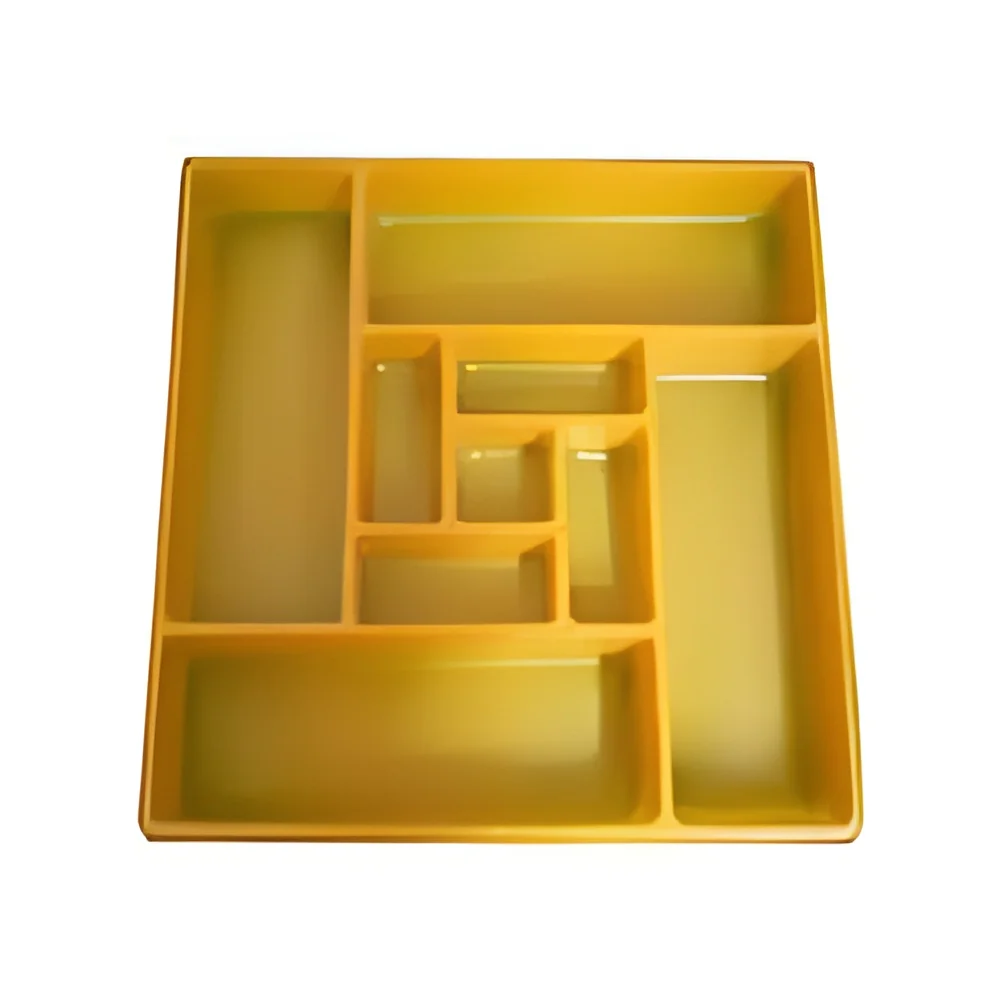
- Many manufacturers offer customizable inserts to fit specific tools or equipment.
- Customization can include specific compartment sizes and layouts.
4. Weight Capacity
- Tool trays and inserts are designed to hold varying weights depending on their construction.
- Typical weight capacities can range from lightweight options for hand tools to heavy-duty trays for industrial applications.
5. Compatibility
- Certain tool trays are designed to fit specific tool brands or types, ensuring optimal organization.
- Compatibility with existing storage systems is also a consideration.
6. Surface Finish
- The surface finish of trays can affect tool protection and ease of cleaning.
- Options may include textured surfaces for grip or smooth finishes for easy maintenance.
7. Color and Identification Features
- Color coding can assist in quick identification and organization.
- Inserts may come with labels or marking options for enhanced usability.
8. Safety Features
- Some products include features such as rounded edges or non-slip bases.
- Safety features help prevent accidents and enhance user comfort.
In summary, understanding the key features and specifications of tool trays and inserts is vital for selecting products that meet specific operational needs and preferences.
Common Applications and Use Cases
Tool trays and inserts find applications across a variety of industries, helping to improve organization and efficiency.
1. Manufacturing: In manufacturing settings, tool trays are used to keep hand tools and small parts organized, reducing downtime during assembly processes.
2. Automotive: Automotive repair shops utilize tool trays to store wrenches, sockets, and other tools, allowing technicians to easily access equipment during repairs.
3. Aerospace: Aerospace industries require precise tool management, making inserts crucial for organizing specialized tools used in aircraft maintenance.
4. Maintenance and Repair: Facilities management teams rely on tool trays to keep essential tools at hand for repairs, ensuring that maintenance tasks are performed promptly.
5. Construction: Construction sites benefit from tool trays that help organize tools and components, minimizing lost equipment and improving job site efficiency.
6. Medical Equipment: Tool trays are used in medical settings to organize surgical instruments, ensuring quick access during procedures.
7. Electronics: In electronics manufacturing, tool inserts are used to keep delicate tools and components organized, preventing damage and facilitating assembly.
Product Variants and Subcategories
There is a diverse range of tool trays and inserts available in the market, catering to various organizational needs and preferences.
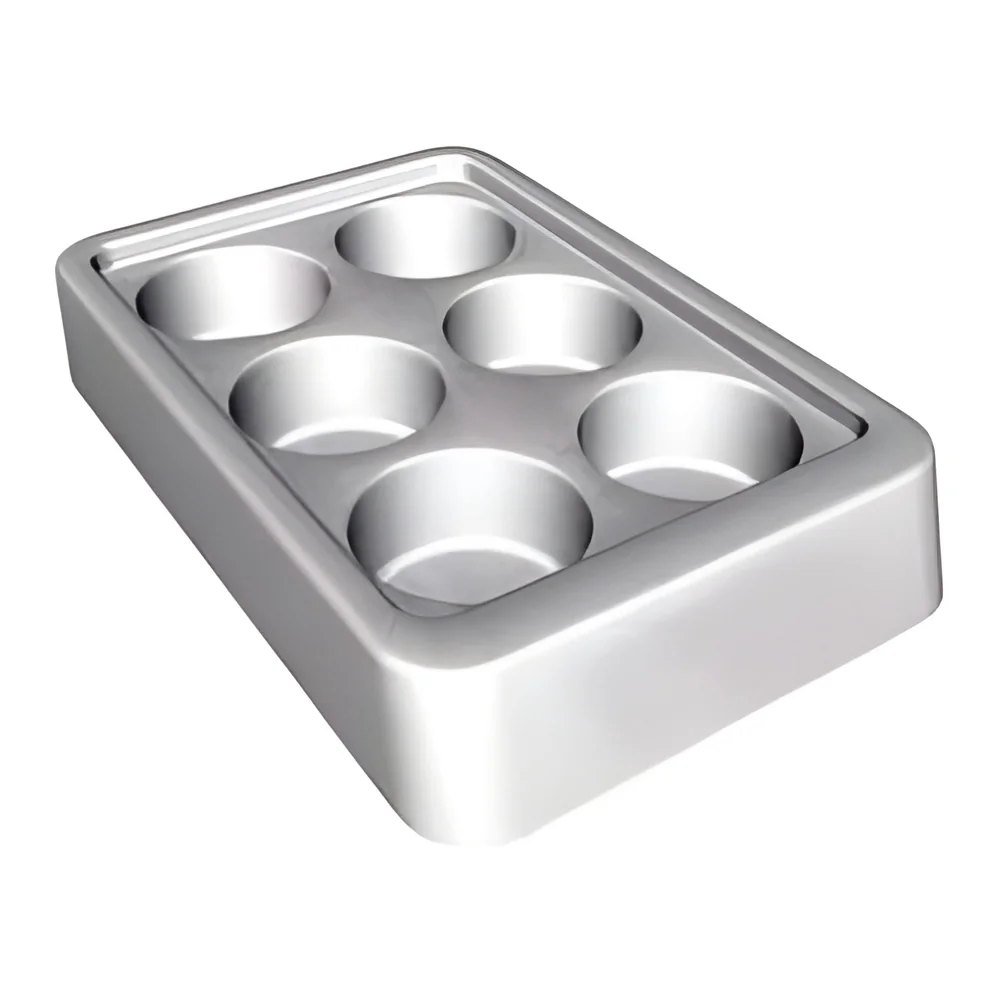
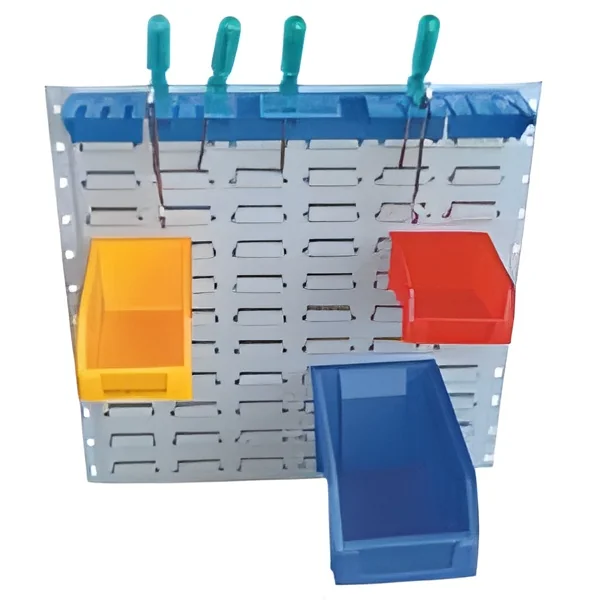
Plastic Tool Trays: These lightweight trays are often resistant to chemicals and corrosion, making them ideal for general-purpose use in workshops and laboratories.
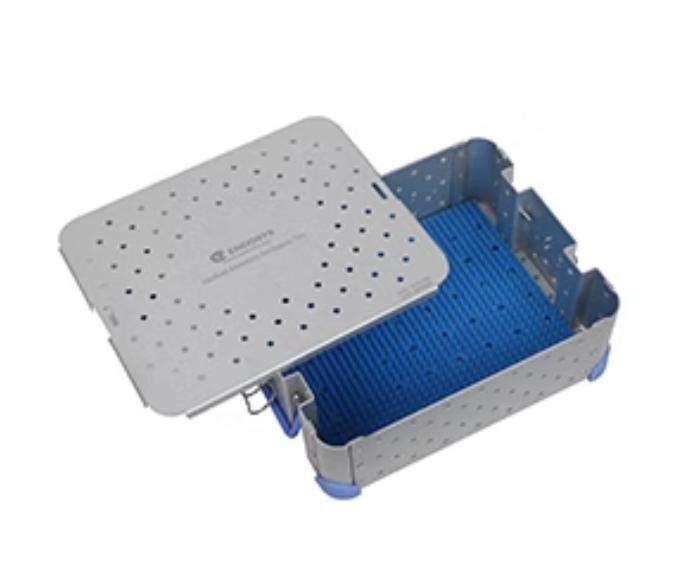
Metal Tool Trays: Metal options provide greater durability and are suited for heavy-duty industrial applications where strength is paramount.
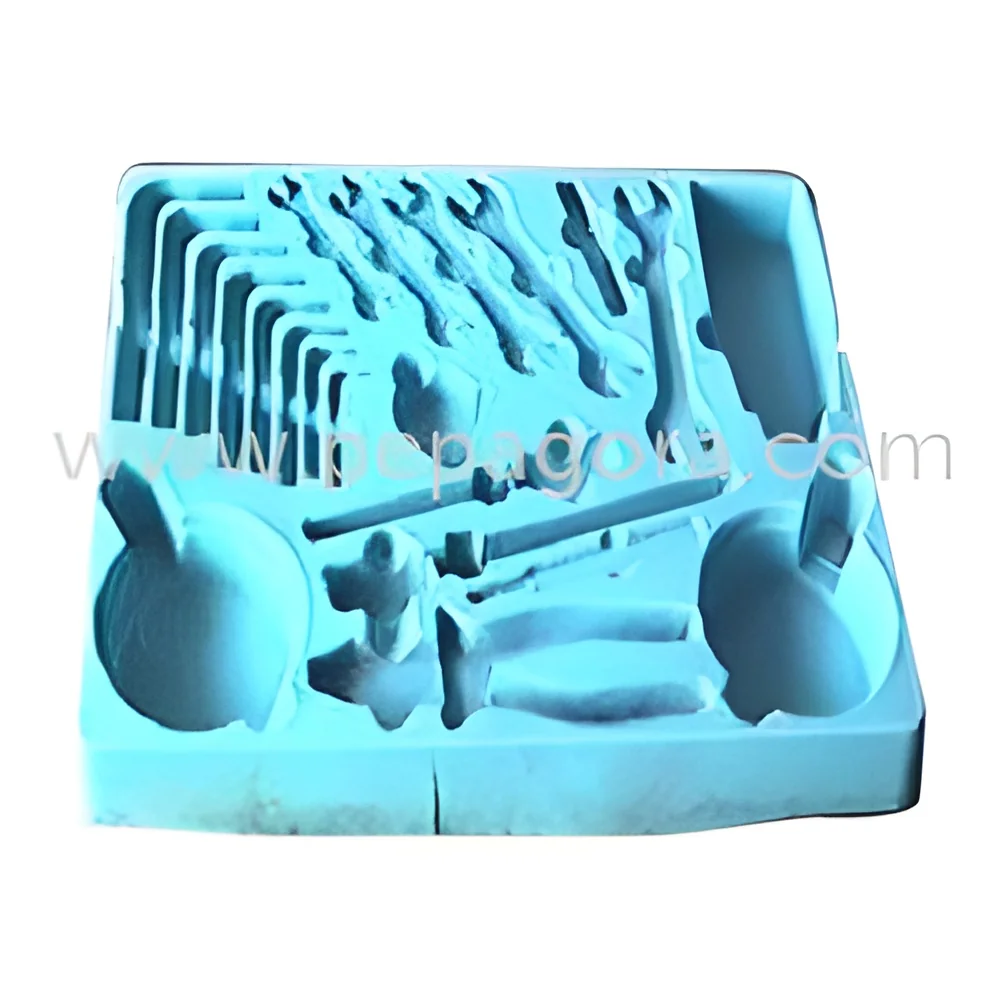
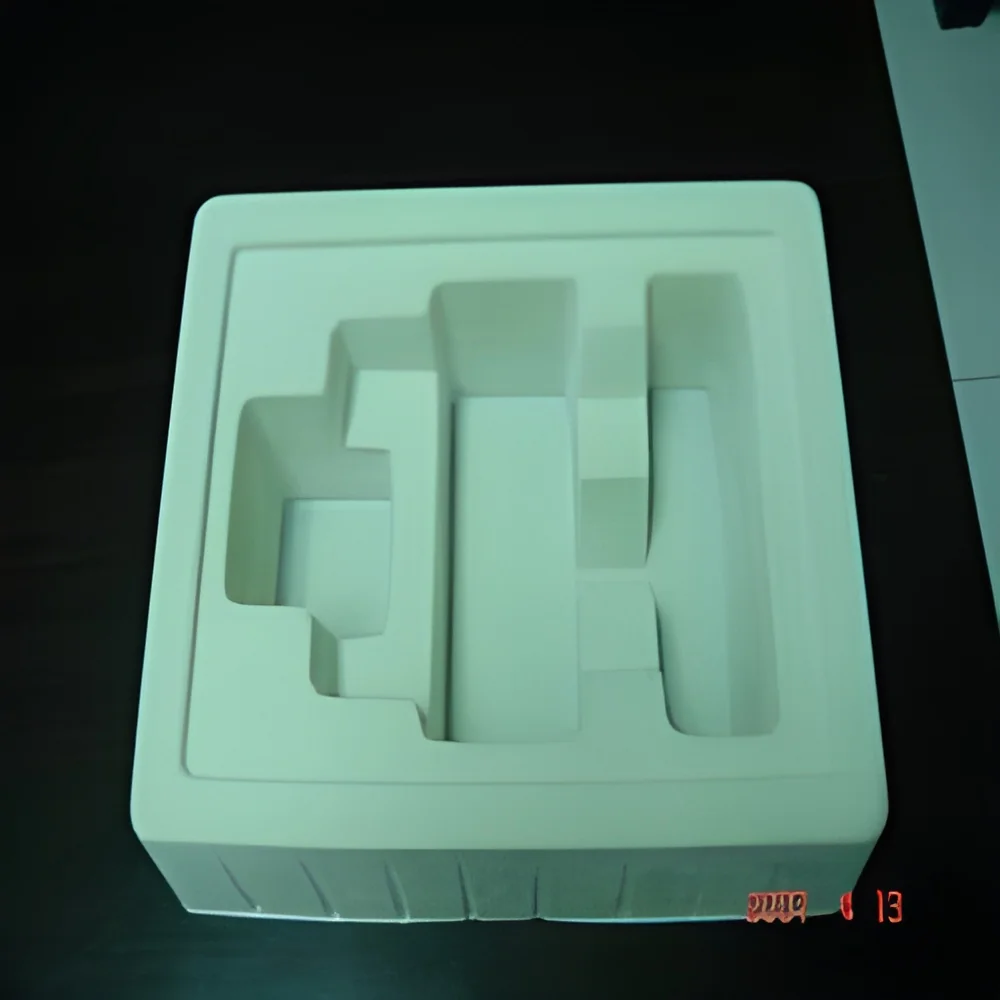
Foam Inserts: Foam inserts offer custom-fit compartments for specific tools, providing protection and preventing movement during transport.
Stackable Tool Trays: Stackable designs maximize vertical storage space, allowing for efficient organization in limited areas.
Magnetic Tool Trays: These trays use magnetic bases to securely hold tools in place, ideal for automotive and mechanical applications.
Benefits and Advantages
Investing in tool trays and inserts offers several key benefits that enhance operational efficiency.
1. Improved Organization: Tool trays and inserts streamline the organization of tools, reducing clutter and increasing accessibility.
2. Time Savings: By organizing tools effectively, users can save time searching for items, leading to quicker task completion.
3. Enhanced Safety: Proper tool storage minimizes the risk of accidents, as tools are less likely to be misplaced or improperly used.
4. Increased Productivity: A well-organized workspace fosters productivity by allowing workers to focus on their tasks rather than searching for tools.
5. Customization: The ability to customize trays and inserts ensures that specific tools are easily accessible, catering to unique operational needs.
6. Cost Efficiency: Efficient tool management can lead to reduced replacement costs, as tools are protected and less likely to be damaged.
Buying Guide for B2B Buyers
When sourcing tool trays and inserts, it is essential for B2B buyers to consider a few key factors to ensure they make well-informed decisions.
1. Quality Assessment: Buyers should evaluate the quality of materials and construction to ensure durability and longevity. Look for reputable brands with positive reviews.
2. Supplier Verification: Vetting suppliers is crucial. Ensure they have a track record of reliable service and product quality. Check for certifications and customer feedback.
3. Pricing and MOQ: Understand the pricing structure and minimum order quantities. Compare costs across suppliers to find the best value without compromising quality.
4. Delivery and Lead Times: Consider logistics by assessing delivery options and lead times. Timely delivery is essential to avoid disruptions in operations.
5. Compliance Requirements: Be aware of any industry-specific compliance needs, such as safety standards or regulatory certifications, to ensure products meet necessary guidelines.
Compliance and Certifications
Tool trays and inserts must adhere to various quality standards to ensure safety and reliability. Compliance with ISO 9001 is often a benchmark for quality management systems in manufacturing processes, reflecting the commitment to consistent quality.
Additionally, certifications such as CE indicate compliance with European health, safety, and environmental protection standards, ensuring that products meet necessary regulations for market access.
Safety testing requirements are also relevant, ensuring that tool trays and inserts function effectively without posing risks to users. Manufacturers may perform tests to validate the durability and safety of materials used.
Regional compliance considerations should also be taken into account, as different markets may have specific regulations governing tool storage solutions.
Why Source Tool Trays & Inserts from Pepagora?
Pepagora stands out as a trusted platform for sourcing tool trays and inserts, offering several key advantages to B2B buyers.
Verified Supplier Network: Pepagora connects buyers with a network of verified suppliers, ensuring that each supplier meets stringent quality and reliability standards. This verification process enhances buyer confidence.
Streamlined RFQ Process: The request for quotation (RFQ) system simplifies the procurement process. Buyers can easily submit requests and receive competitive quotes from multiple suppliers, saving time and effort.
Trade Assurance and Support: With trade assurance features, Pepagora protects buyers throughout the purchasing process. This includes support for resolving disputes and ensuring product satisfaction.
Regional Coverage: Pepagora's geographic reach includes key markets in India, the GCC, and Southeast Asia. This broad coverage allows buyers to access a diverse range of suppliers and products tailored to their specific needs.
In summary, sourcing tool trays and inserts from Pepagora provides buyers with a reliable, efficient, and cost-effective solution for their organizational needs.



Frequently Asked Questions
What are Tool Trays & Inserts?
Tool trays and inserts are organizational solutions used to store, arrange, and protect tools and small parts. They are designed to fit within toolboxes, cabinets, or workstations, ensuring easy access and efficient workspace management.
What are the different types of Tool Trays & Inserts?
There are various types of tool trays and inserts including plastic trays, metal trays, foam inserts, and customizable inserts. Each type serves specific needs, such as durability, weight, and the ability to organize tools of different shapes and sizes.
How do I choose the right Tool Trays & Inserts?
To choose the right tool trays and inserts, consider the type of tools you need to store, the available space, and the level of protection required. Additionally, assess the materials' durability and whether the trays can accommodate your specific tools effectively.
What are the standard specifications for Tool Trays & Inserts?
Standard specifications for tool trays and inserts typically include dimensions, weight capacity, material type, and compatibility with specific tool types. It's important to check these specifications to ensure they meet your organizational needs.
What is the price range for Tool Trays & Inserts?
The price range for tool trays and inserts varies widely based on material, size, and brand. Generally, you can expect prices to start from a few hundred rupees for basic plastic trays to several thousand rupees for high-quality, custom solutions.
What quality standards apply to Tool Trays & Inserts?
Quality standards for tool trays and inserts often include durability, resistance to impact, and compliance with safety regulations. Manufacturers may adhere to international quality certifications to ensure the products are reliable and safe for use.
Where can I find Tool Trays & Inserts suppliers in India?
You can find tool trays and inserts suppliers in India through B2B marketplaces like Pepagora, local industrial supply stores, and manufacturer directories. It's advisable to compare multiple suppliers to find the best options in terms of price and quality.
Can Tool Trays & Inserts be customized?
Yes, many manufacturers offer customization options for tool trays and inserts, allowing you to specify dimensions, materials, and design features. Customization can help better fit your specific tool storage needs.
What is the typical minimum order quantity for Tool Trays & Inserts?
The typical minimum order quantity (MOQ) for tool trays and inserts can vary by supplier, but it usually ranges from 50 to 100 units. Some suppliers may offer lower MOQs for standard products, while custom products may have higher MOQs.
What is the typical lead time for Tool Trays & Inserts?
The typical lead time for tool trays and inserts depends on the supplier and whether the products are standard or custom. Generally, lead times can range from 1 to 4 weeks for standard orders, while custom orders may take longer.
Why Businesses Trust Pepagora
Thousands of companies trust Pepagora to source smarter and sell faster
Expand Your Sales Globally

Source Smarter,Grow Faster
