What are Magnetic Tool Holders?
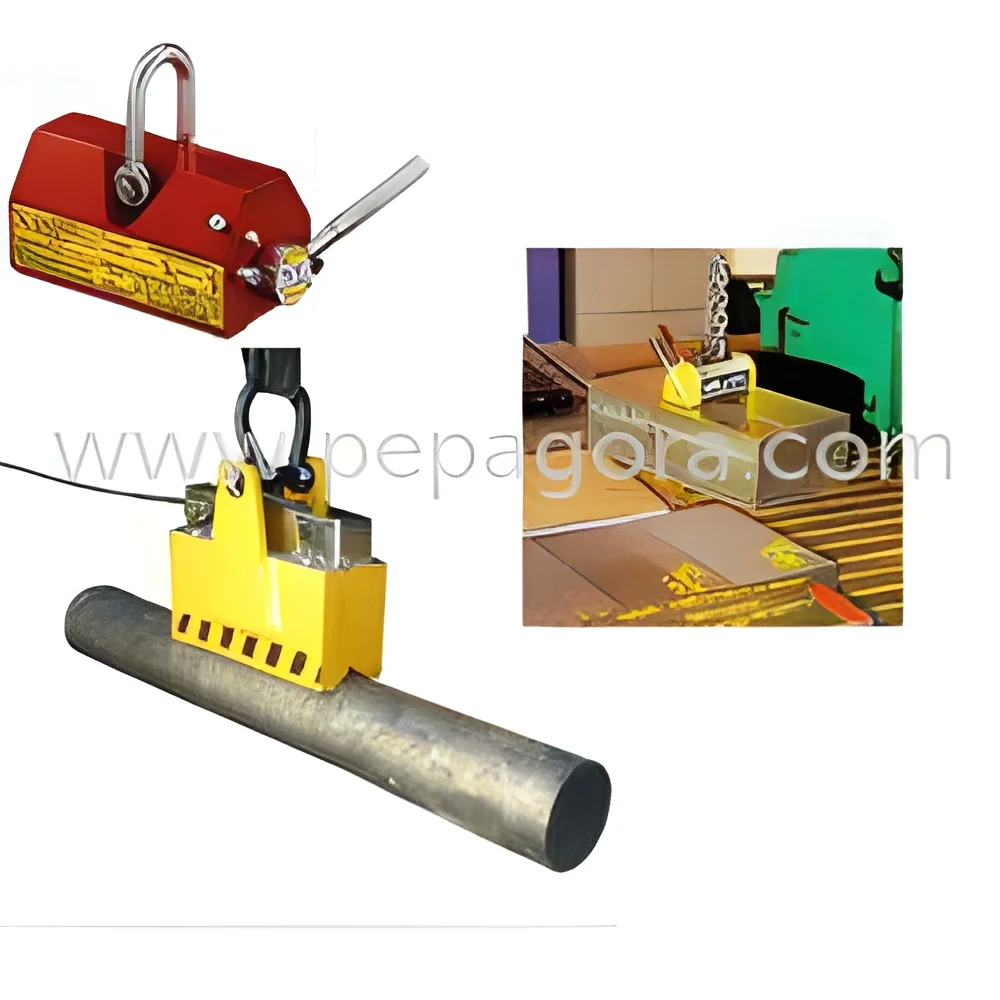
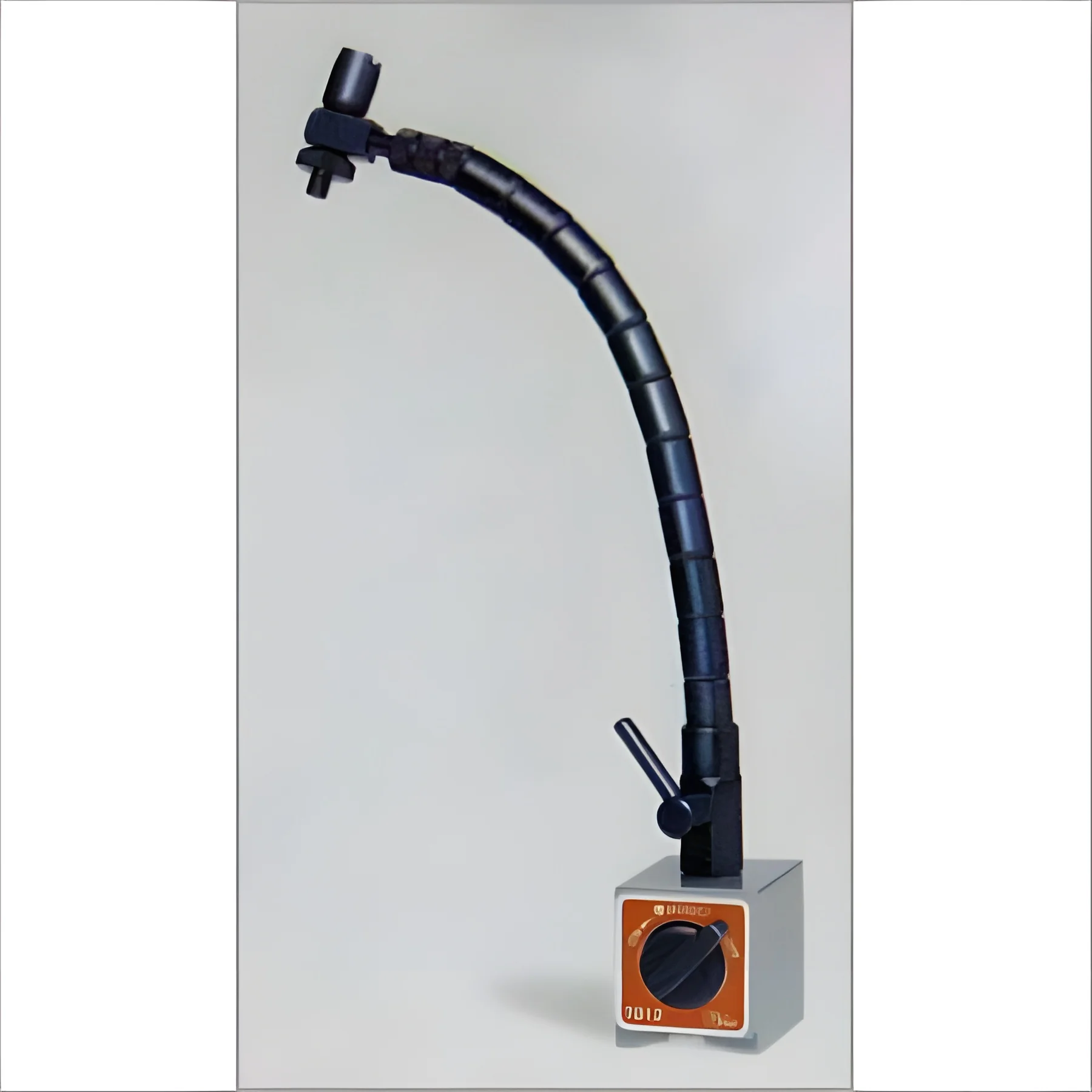
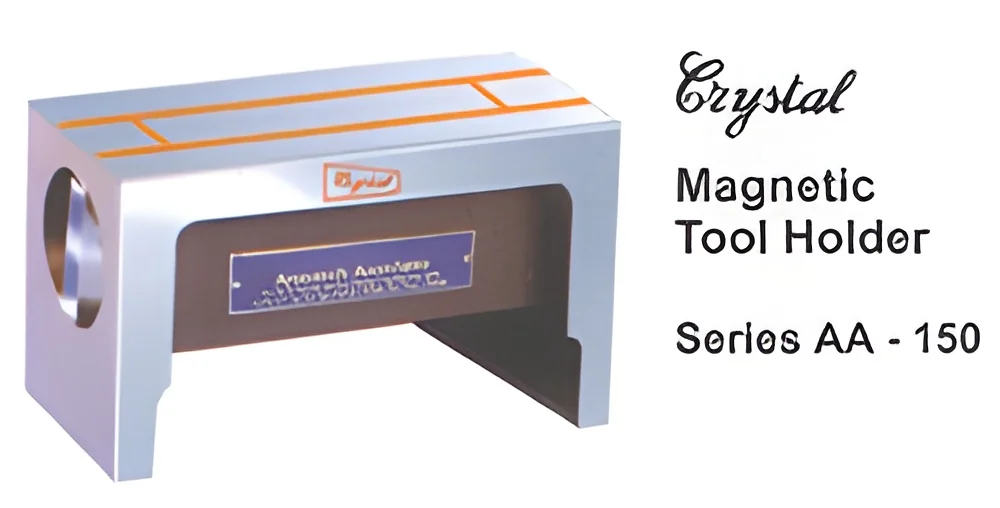
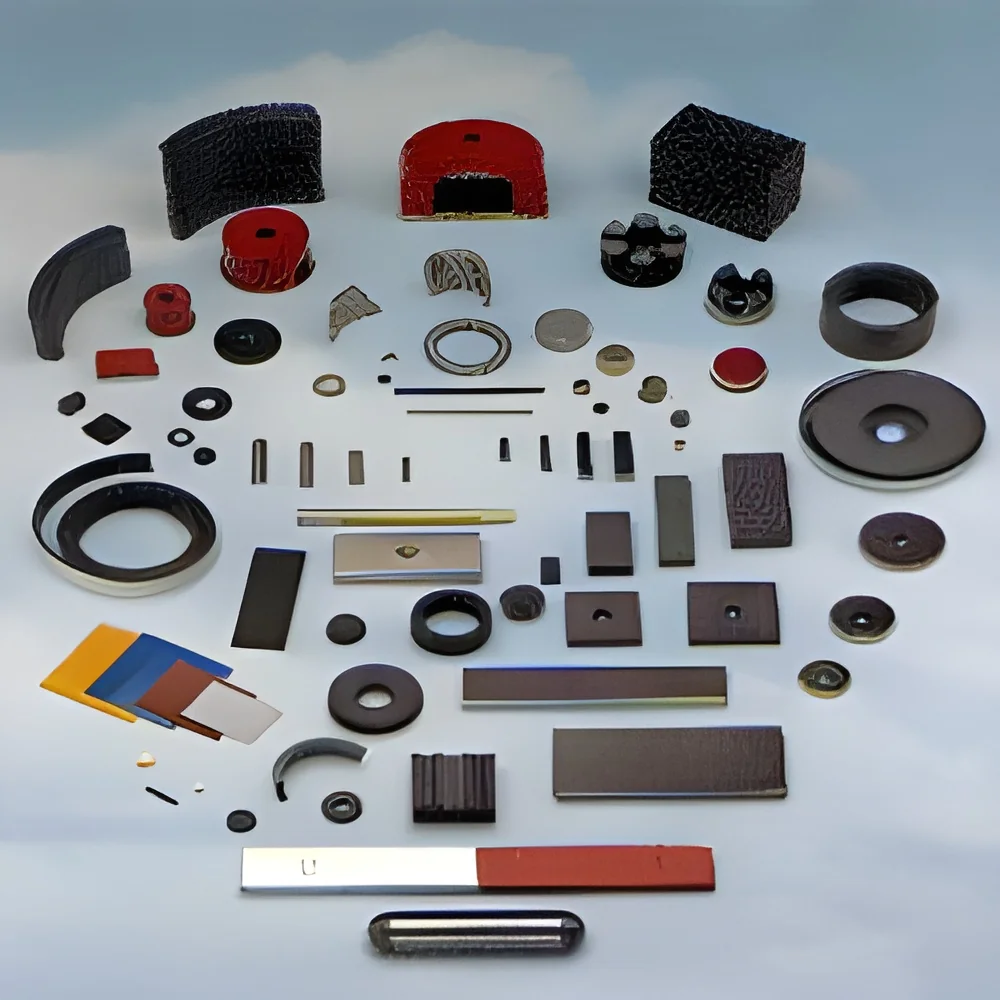
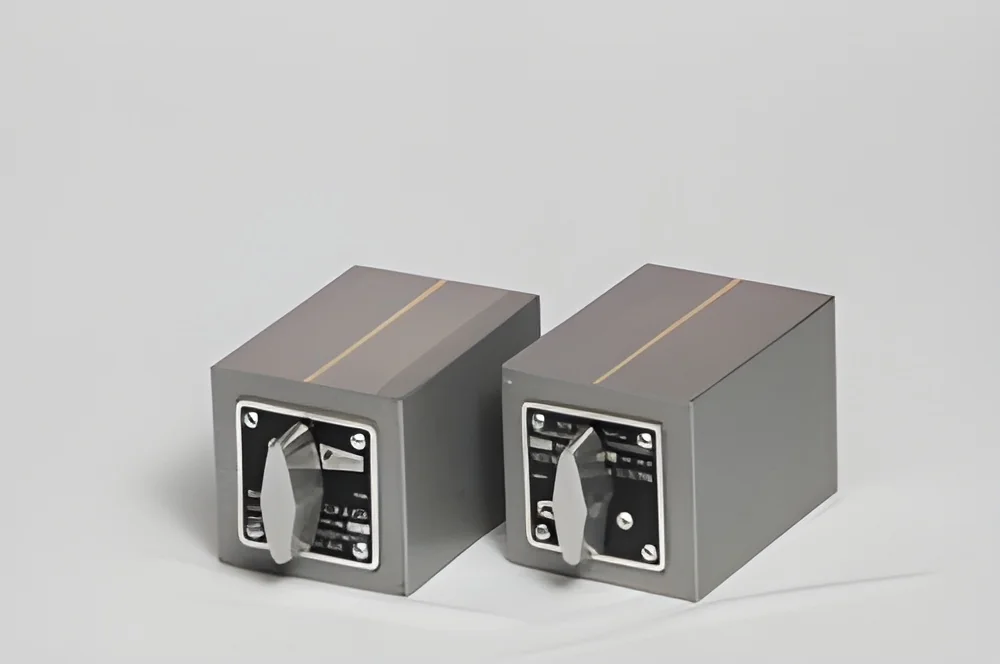
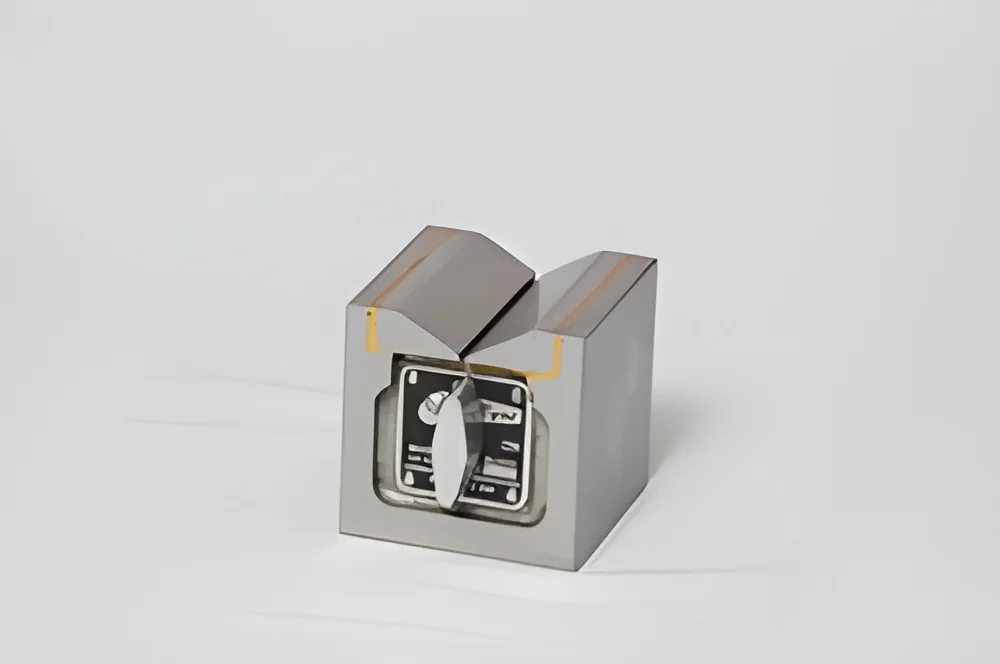
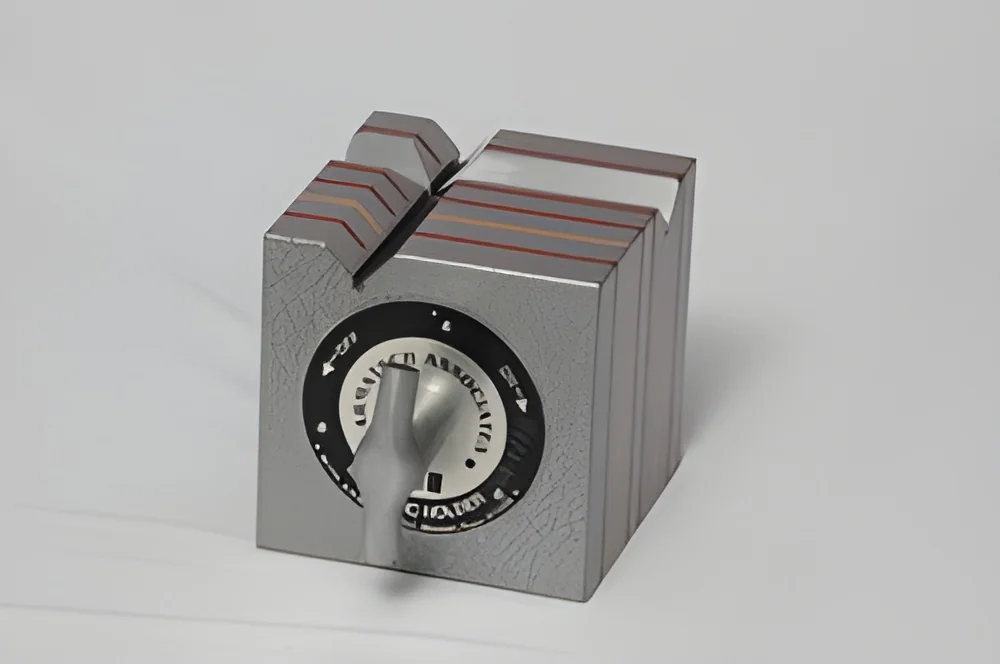
Magnetic tool holders are specialized devices designed to securely store and organize metal tools and equipment using magnetic force. They typically feature a strong magnetic strip or plate that can hold various tools, ensuring they are easily accessible while remaining safely stored. These holders can be mounted on walls, workbenches, or tool carts, promoting efficiency and safety in work environments.
The primary uses of magnetic tool holders are found in workshops, manufacturing facilities, and warehouses. They are ideal for keeping tools like wrenches, screwdrivers, and pliers within reach, reducing time spent searching for equipment. Businesses in sectors such as automotive repair, construction, and metalworking benefit significantly from implementing magnetic tool holders, as they enhance workflow and organization.
In today's competitive market, the demand for efficient workspace solutions is increasing. Magnetic tool holders are relevant across various industries as they contribute to lean manufacturing practices and improved safety standards. Companies that prioritize efficient tool organization often see enhanced productivity and reduced tool loss, making magnetic tool holders a valuable investment.
Key Features and Specifications
Magnetic tool holders are designed with specific features that enhance their usability and functionality. Understanding these key specifications is essential for selecting the right tool holder for your business needs.
Key specifications include:
1. Magnetic Strength
- The holding force of the magnets, typically measured in pounds.
- Ranges can vary based on the size and design of the holder.
2. Material Construction
- Made from durable materials such as steel or aluminum for longevity.
- Resistant to corrosion and wear.
3. Mounting Options
- Various mounting styles including wall-mounted, bench-mounted, or portable designs.
- Compatibility with different surfaces.
4. Length and Width
- Available in various dimensions to accommodate different tool sizes.
- Common lengths range from 12 inches to 48 inches.
5. Weight Capacity
- Maximum weight each holder can support, often specified in pounds.
- Critical for determining the number and type of tools to be stored.
6. Surface Finish
- Options for powder-coated or polished finishes for aesthetic and protective purposes.
- Enhances durability and resistance to environmental factors.
7. Number of Magnets
- The quantity of magnets used in the holder, influencing holding strength.
- More magnets typically provide better tool retention.
8. Customization Options
- Potential for custom sizes or configurations upon request.
- Allows for tailored solutions to meet specific business needs.
In summary, understanding these features and specifications is crucial for selecting the right magnetic tool holder. Ensuring the chosen holder meets the specific demands of your workspace will enhance tool organization and accessibility.
Common Applications and Use Cases
Magnetic tool holders serve a wide range of industries, providing effective solutions for tool organization and accessibility.
1. Automotive Industry: Magnetic tool holders are extensively used in auto repair shops to keep wrenches, sockets, and screwdrivers organized, allowing mechanics to work efficiently.
2. Manufacturing: In manufacturing settings, these holders can be mounted on machine tools to keep essential equipment within reach, reducing downtime and increasing productivity.
3. Woodworking: Woodworkers benefit from magnetic tool holders by keeping chisels, saws, and measuring tools organized, facilitating a streamlined workflow.
4. Metalworking: In metal fabrication shops, these holders help organize cutting tools and drills, ensuring they are readily available when needed.
5. Maintenance and Repair: Facilities maintenance teams utilize magnetic tool holders to secure tools and equipment in maintenance rooms, enhancing safety and organization.
6. Laboratories: In laboratory environments, magnetic tool holders can keep essential tools and instruments organized, minimizing clutter and improving efficiency.
7. Construction: On construction sites, workers can use magnetic tool holders to keep essential tools at hand, improving workflow and reducing the risk of tool loss.
Product Variants and Subcategories
Magnetic tool holders come in various designs to cater to different needs and environments. Each variant provides unique features and applications.
Heavy-Duty Magnetic Tool Holder
This variant is built for rugged use and can support a higher weight capacity, making it suitable for industrial applications. It often features extra-strong magnets and a robust construction, ideal for holding larger tools.
Compact Magnetic Tool Holder
Designed for smaller spaces, this variant offers a space-saving solution without sacrificing magnetic strength. It is perfect for home workshops or small tool stations, accommodating essential tools efficiently.
Adjustable Magnetic Tool Holder
This holder features adjustable elements that allow users to customize the spacing between magnets. This flexibility makes it suitable for various tool sizes and types, enhancing versatility in tool organization.
Rotating Magnetic Tool Holder
This innovative variant allows tools to be easily rotated for better accessibility. Ideal for workbenches, it ensures that tools can be quickly reached from different angles.
Benefits and Advantages
Magnetic tool holders offer numerous benefits that enhance tool organization and workplace efficiency.
1. Improved Organization: Magnetic tool holders keep tools neatly arranged, reducing clutter and making it easier to find the right tool when needed.
2. Easy Accessibility: Tools stored on magnetic holders are readily accessible, minimizing downtime and improving workflow in busy environments.
3. Enhanced Safety: By securely holding tools in place, these holders reduce the risk of accidents caused by misplaced or falling tools.
4. Space-Saving Design: Magnetic tool holders maximize vertical space, making them ideal for small workshops or crowded work areas.
5. Versatile Applications: These holders can be used across various industries, adapting to different tools and work environments.
6. Cost-Effective Solution: Investing in magnetic tool holders can lead to long-term savings by reducing tool loss and improving overall productivity.
Buying Guide for B2B Buyers
When sourcing magnetic tool holders, it is essential to consider several key factors to ensure you select the right product for your business needs.
1. Quality Assessment: Look for holders made from high-quality materials that offer durability and resistance to wear. Checking for materials like steel or aluminum can indicate a reliable product.
2. Supplier Verification: Vet potential suppliers by reviewing their reputation and experience in the industry. Reliable suppliers should have positive reviews and a history of providing quality products.
3. Pricing and MOQ: Understand the pricing structure and minimum order quantities (MOQ) to ensure they align with your budget and purchasing capabilities.
4. Delivery and Lead Times: Discuss logistics with suppliers to determine delivery schedules and lead times. Timely delivery is critical for maintaining operations.
5. Compliance Requirements: Ensure that the tool holders meet relevant industry standards and regulations. Checking for certifications like CE can provide assurance of quality and safety.
Compliance and Certifications
Magnetic tool holders must adhere to several quality standards and certifications to ensure their reliability and safety in various applications. One of the key standards is ISO 9001, which outlines requirements for a quality management system. This certification assures customers that the products are manufactured consistently and meet quality requirements.
In addition to ISO certifications, magnetic tool holders may also hold industry-specific certifications such as CE marking, which indicates compliance with European health, safety, and environmental protection standards. This certification is crucial for businesses operating in or exporting to the European market.
Safety and testing requirements are also essential for magnetic tool holders. Manufacturers should subject their products to rigorous testing to verify magnetic strength, durability, and resistance to wear. Compliance with safety standards helps minimize risks associated with tool storage and usage.
Regional compliance considerations may vary, so it is essential to check local regulations relevant to magnetic tool holders. Ensuring that products meet these compliance requirements is vital for businesses to avoid legal issues and ensure a safe working environment.
Why Source Magnetic Tool Holders from Pepagora?
Pepagora provides a trusted platform for sourcing magnetic tool holders, offering several key advantages for B2B buyers.
With a verified supplier network, Pepagora ensures that businesses can connect with reputable manufacturers and distributors. Each supplier undergoes a thorough vetting process, providing peace of mind regarding product quality and reliability.
The streamlined RFQ process simplifies obtaining quotations from multiple suppliers, enabling buyers to compare prices and features easily. This system saves time and helps businesses make informed purchasing decisions.
Additionally, Pepagora offers trade assurance and support, protecting buyers throughout the transaction process. This feature ensures that buyers receive the products as described and provides recourse in case of any discrepancies.
Pepagora also has a wide regional coverage, serving markets in India, the GCC, and Southeast Asia. This extensive reach allows businesses to access a diverse range of magnetic tool holders and find solutions tailored to their specific needs.

 IN
IN