
 IN
Tool Bags (Fabric, Leather)
12 products available
Key Features and Specifications
Tool bags made from fabric and leather offer a unique set of features that cater to the needs of professionals. When considering these products, understanding their specifications is crucial for making informed purchasing decisions.
Key specifications include:
1. Material Type
- Fabric options may include heavy-duty nylon or canvas, which are lightweight yet durable.
- Leather variants provide a classic look and superior strength, often with water-resistant properties.
2. Size and Capacity
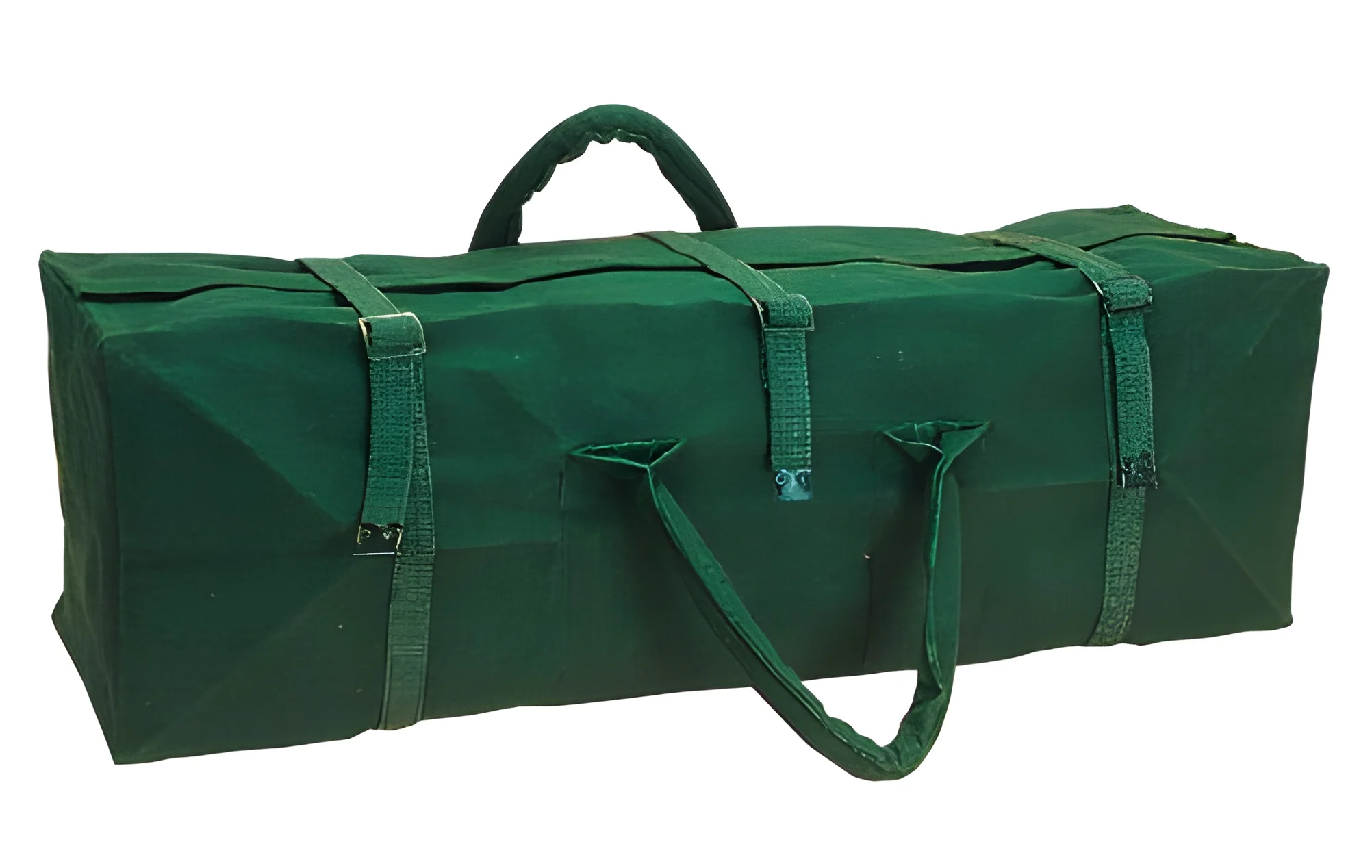
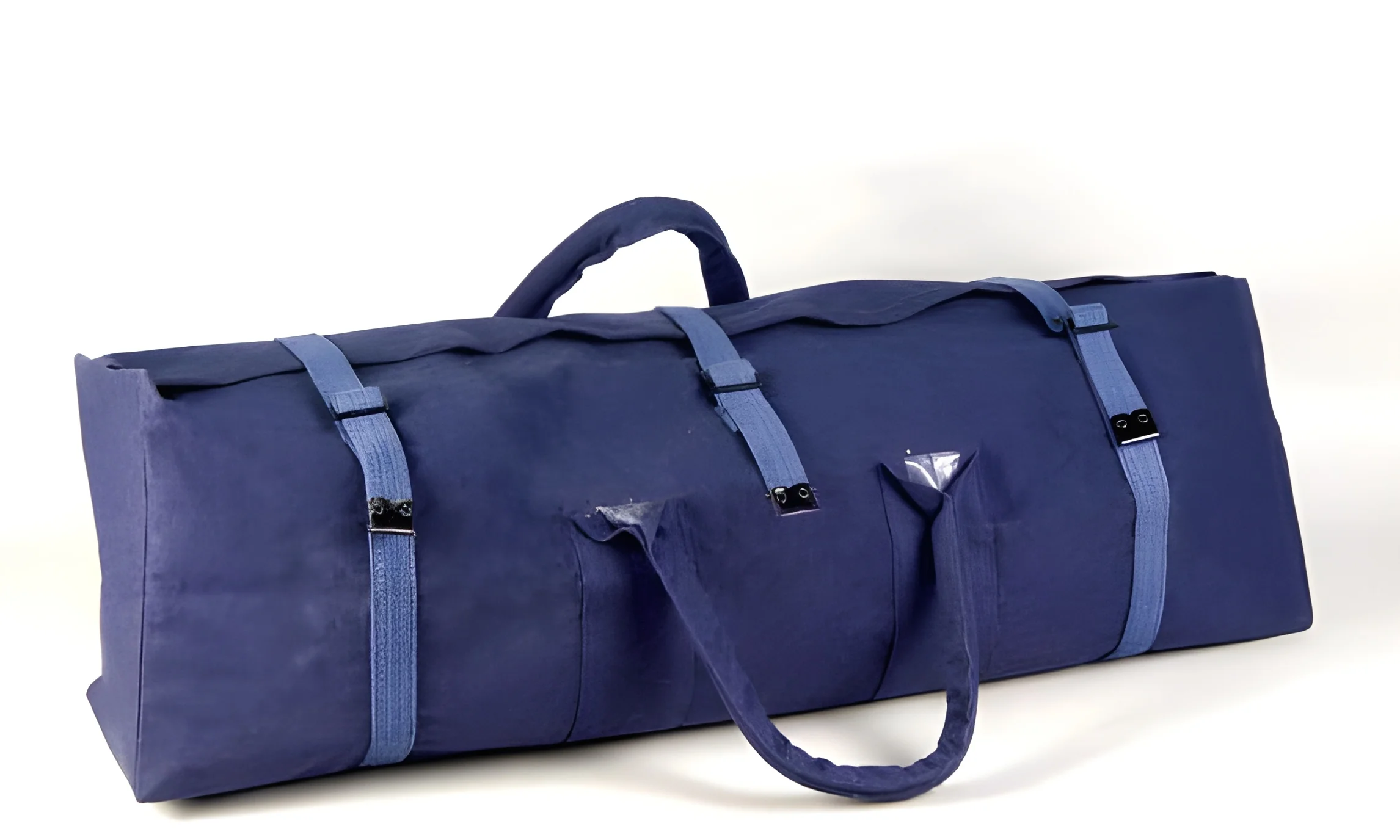
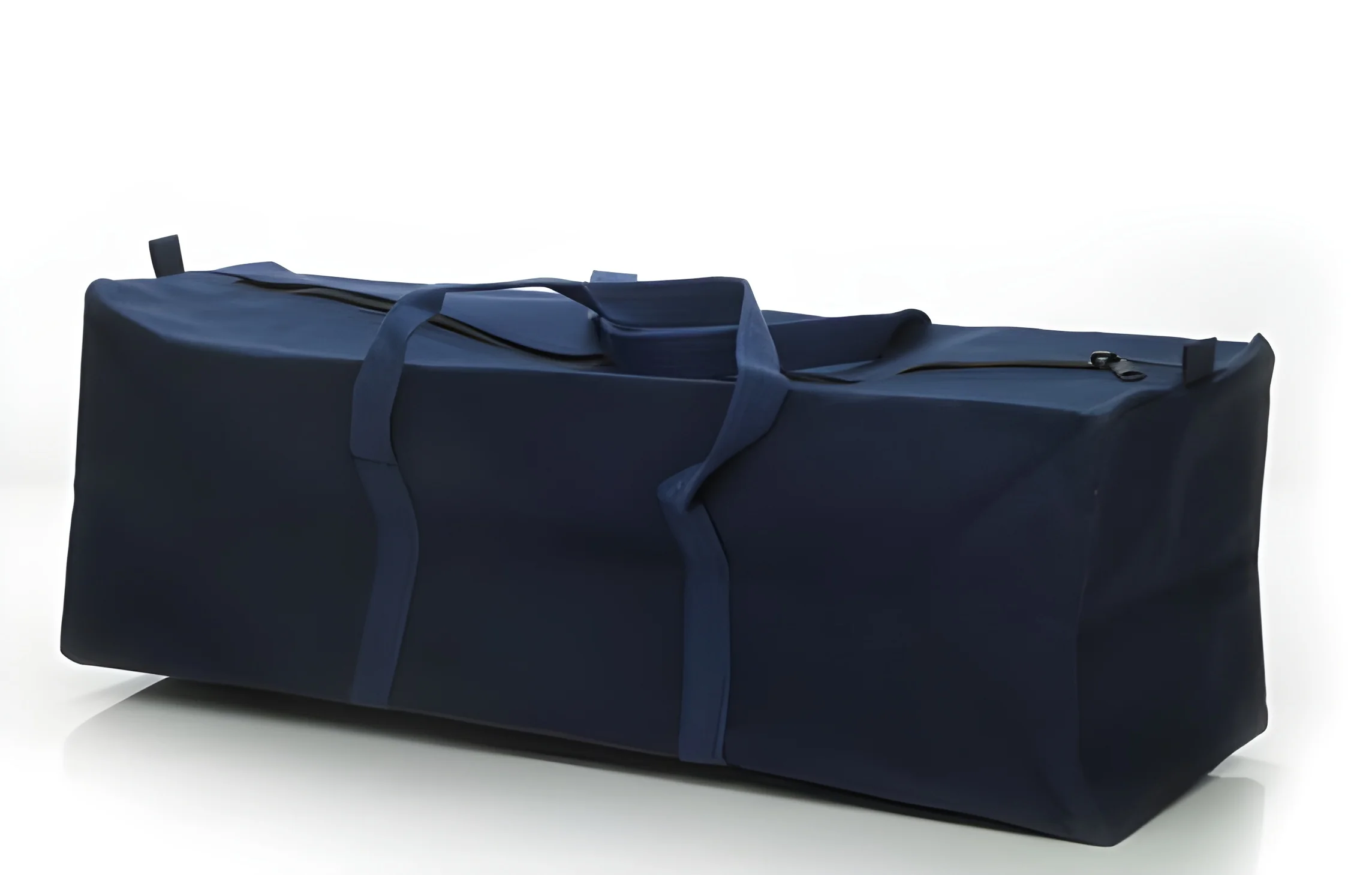
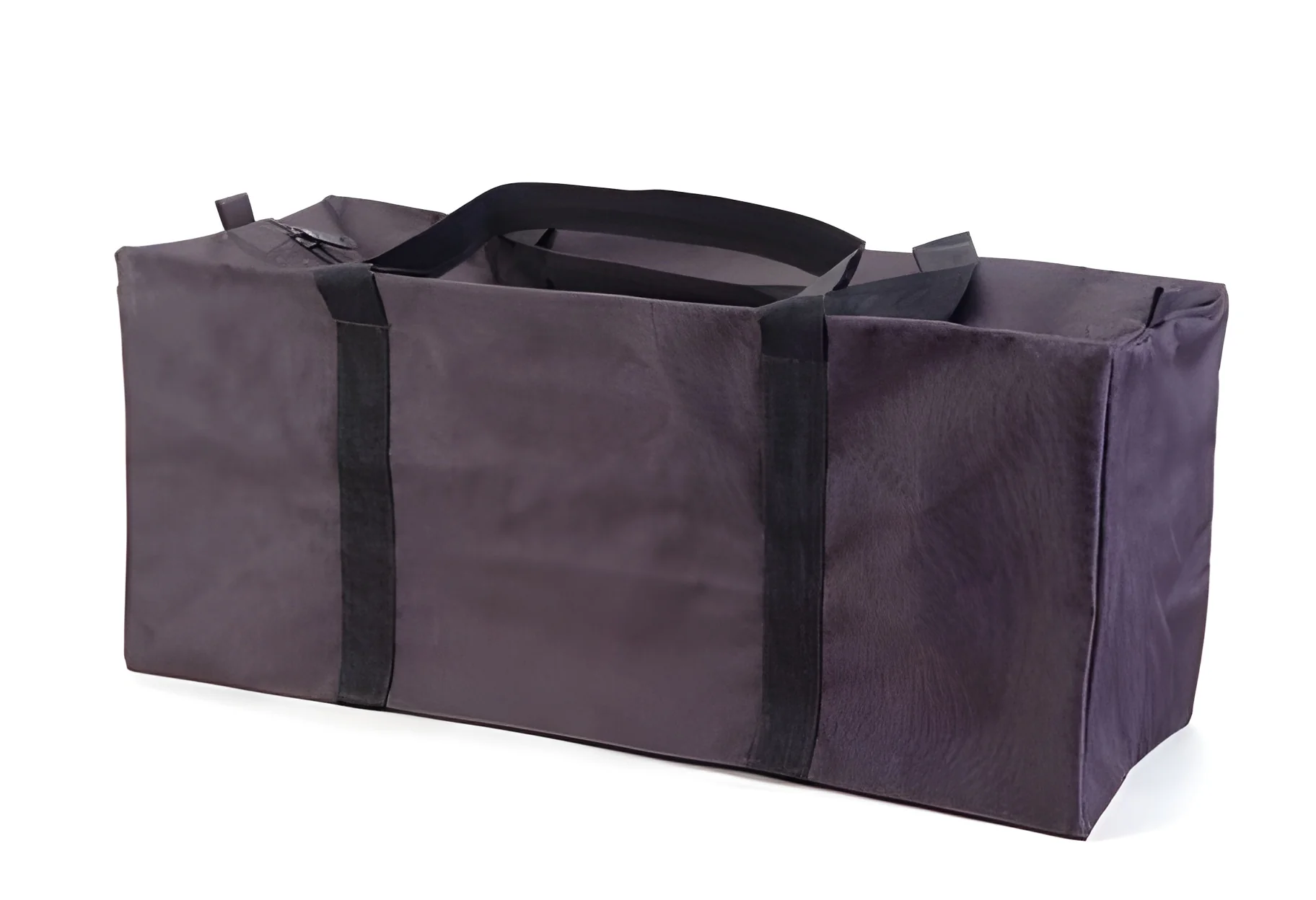
- Available in multiple sizes, from small handheld bags to large duffel-style bags.
- Capacity often ranges from 10 to 50 tools, depending on the design and intended use.
3. Pocket Configuration
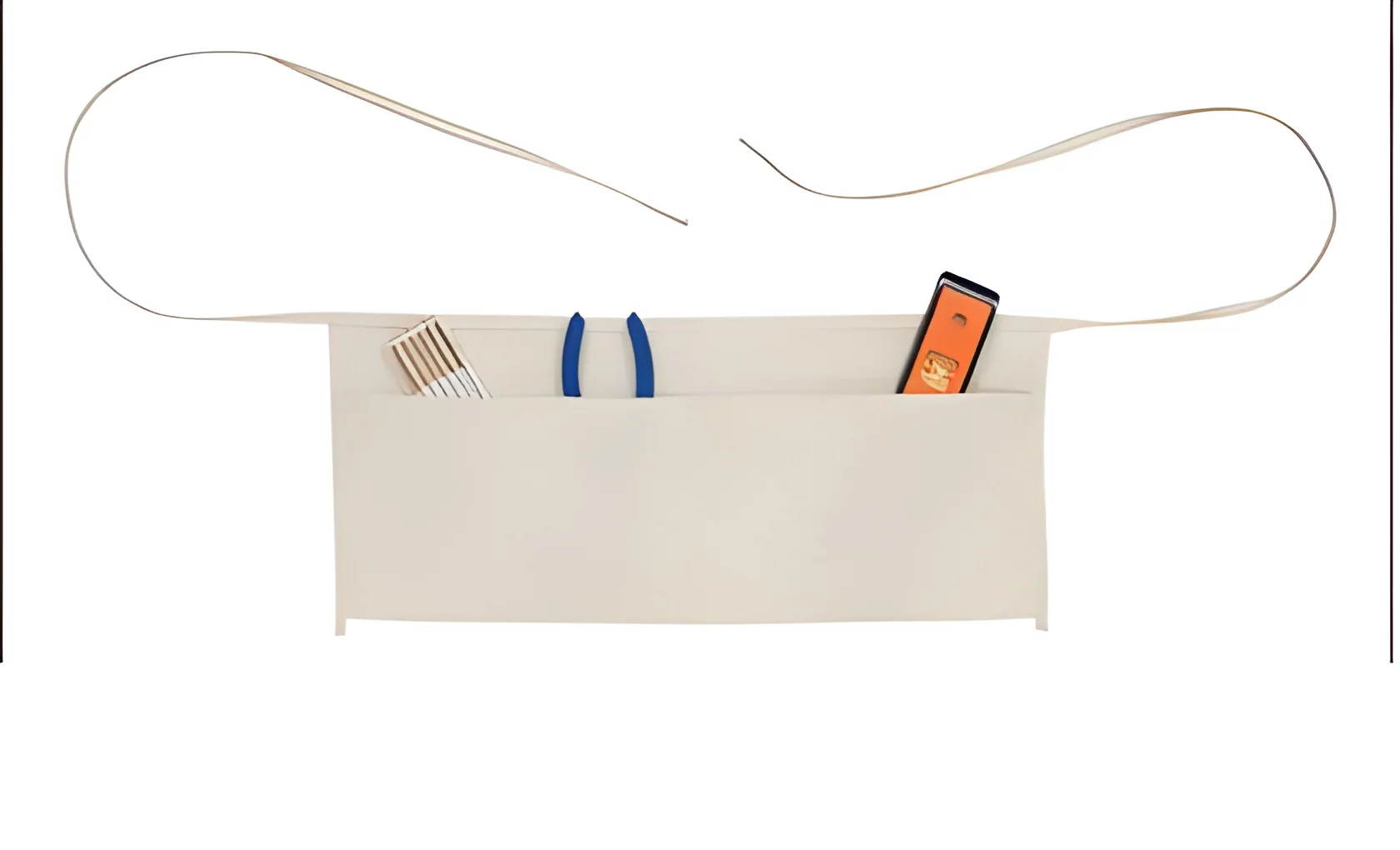
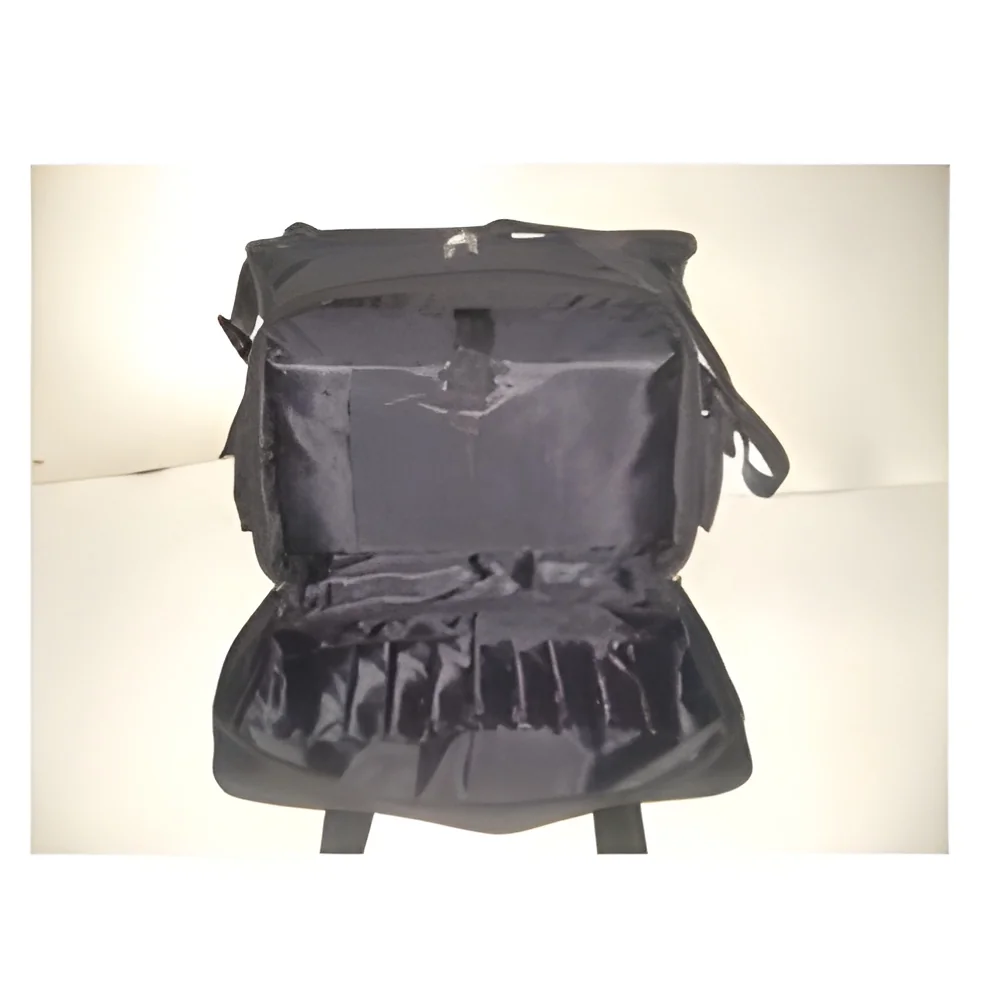
- Multiple external and internal pockets for organized storage.
- Some models feature specialized pockets for specific tools, such as wrenches or screwdrivers.
4. Closure Mechanism
- Various types of closures such as zippers, Velcro, or magnetic flaps for secure tool storage.
- Certain bags are designed for quick access with flap openings.
5. Comfort Features
- Padded handles and shoulder straps for comfortable transport.
- Some models include ergonomic designs to reduce strain during use.
6. Weight
- Fabric tool bags tend to be lighter, while leather bags may weigh more due to material density.
- Weight can influence ease of transportation, especially for larger bags.
7. Color and Design Options
- Available in a range of colors and styles to suit personal preference and branding.
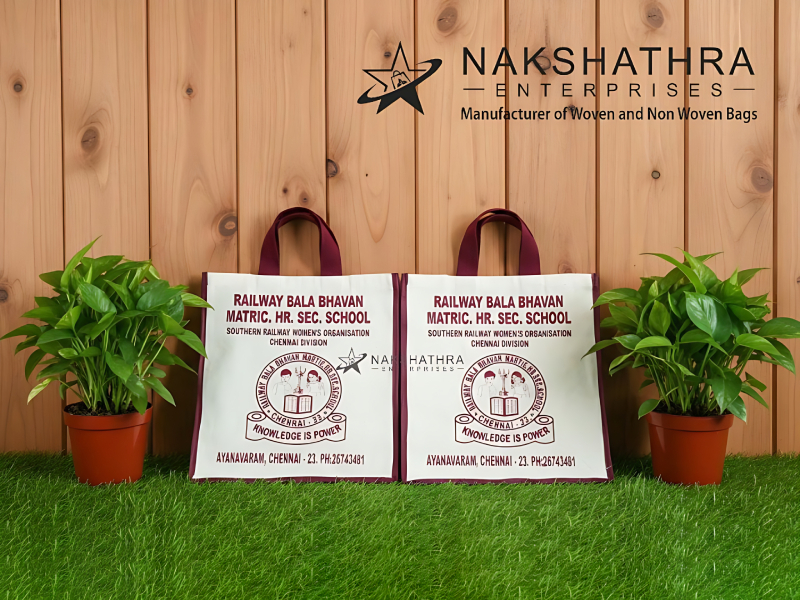
- Some bags can be customized with logos or designs for corporate identity.
8. Durability Ratings
- Fabric bags usually have water and abrasion resistance ratings.
- Leather bags are often treated for enhanced longevity and weather resistance.
In summary, selecting the right tool bag involves analyzing these features to find the perfect balance between functionality and durability.
Common Applications and Use Cases
Tool bags find utility across diverse industries, serving multiple applications.
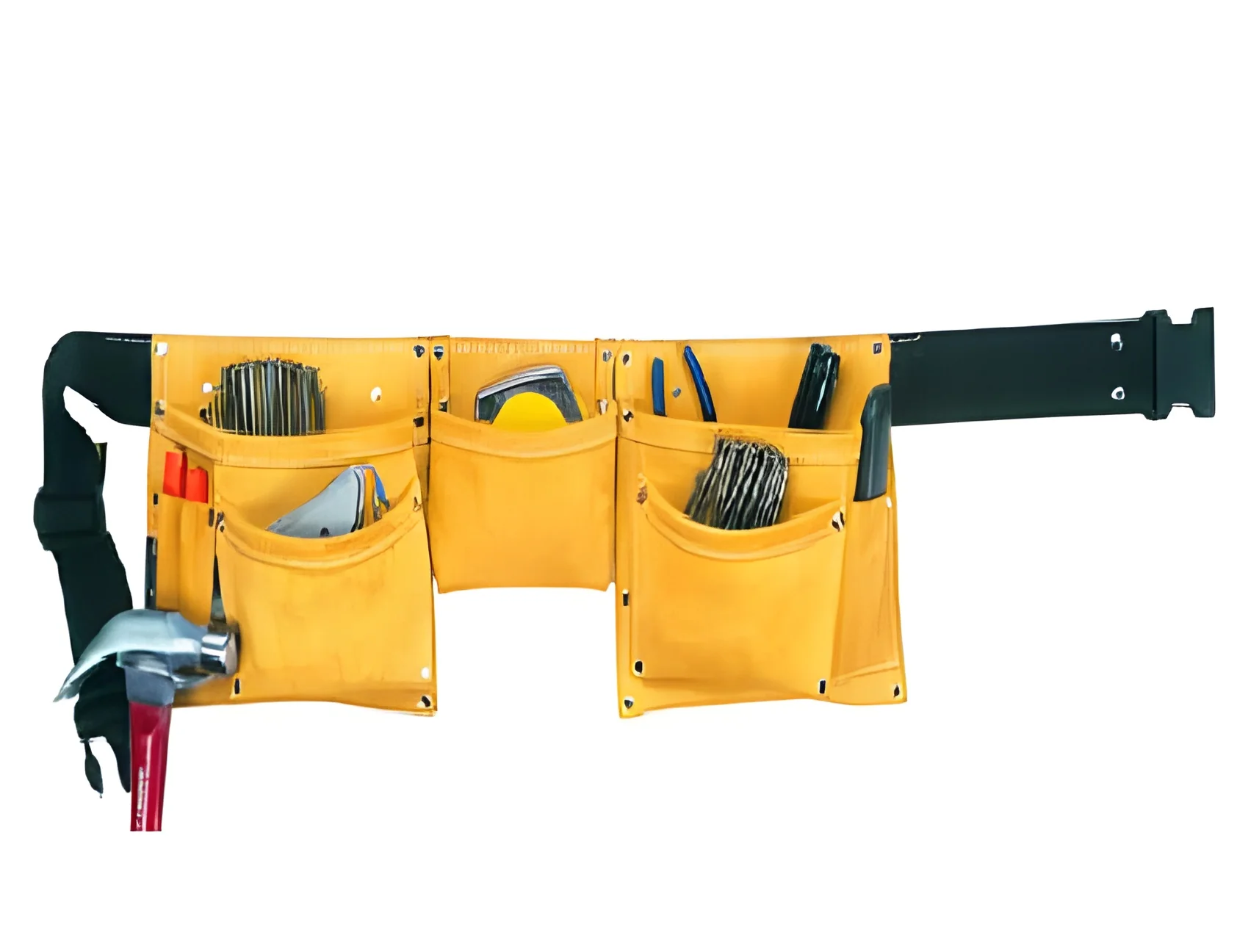
1. Construction: In construction, tool bags help workers transport essential tools such as hammers, drills, and measuring devices to job sites. Their organizational features improve efficiency and reduce time spent searching for tools.
2. Automotive: Mechanics utilize tool bags to store hand tools and diagnostic equipment. The compact design allows for easy transport between vehicles, ensuring that all necessary tools are on hand for repairs.
3. Electrical: Electricians rely on tool bags to keep their tools organized and protected. Bags with specialized pockets for wire cutters, pliers, and testers help streamline their work processes.
4. Plumbing: Plumbers benefit from tool bags designed to hold wrenches, pipe cutters, and fittings, ensuring they have the right tools available for any job.
5. Landscaping: Landscapers use tool bags for carrying gardening tools, gloves, and supplies. The lightweight design allows for easy transport around job sites.
6. HVAC: Technicians in heating, ventilation, and air conditioning rely on tool bags to store equipment such as gauges and power tools, making it easier to navigate tight spaces.
7. DIY Projects: Hobbyists and DIY enthusiasts appreciate tool bags for organizing their tools at home. The bags provide a convenient solution for managing various tools used for different projects.
Product Variants and Subcategories
Tool bags are available in a variety of styles, each offering unique features tailored to specific needs.
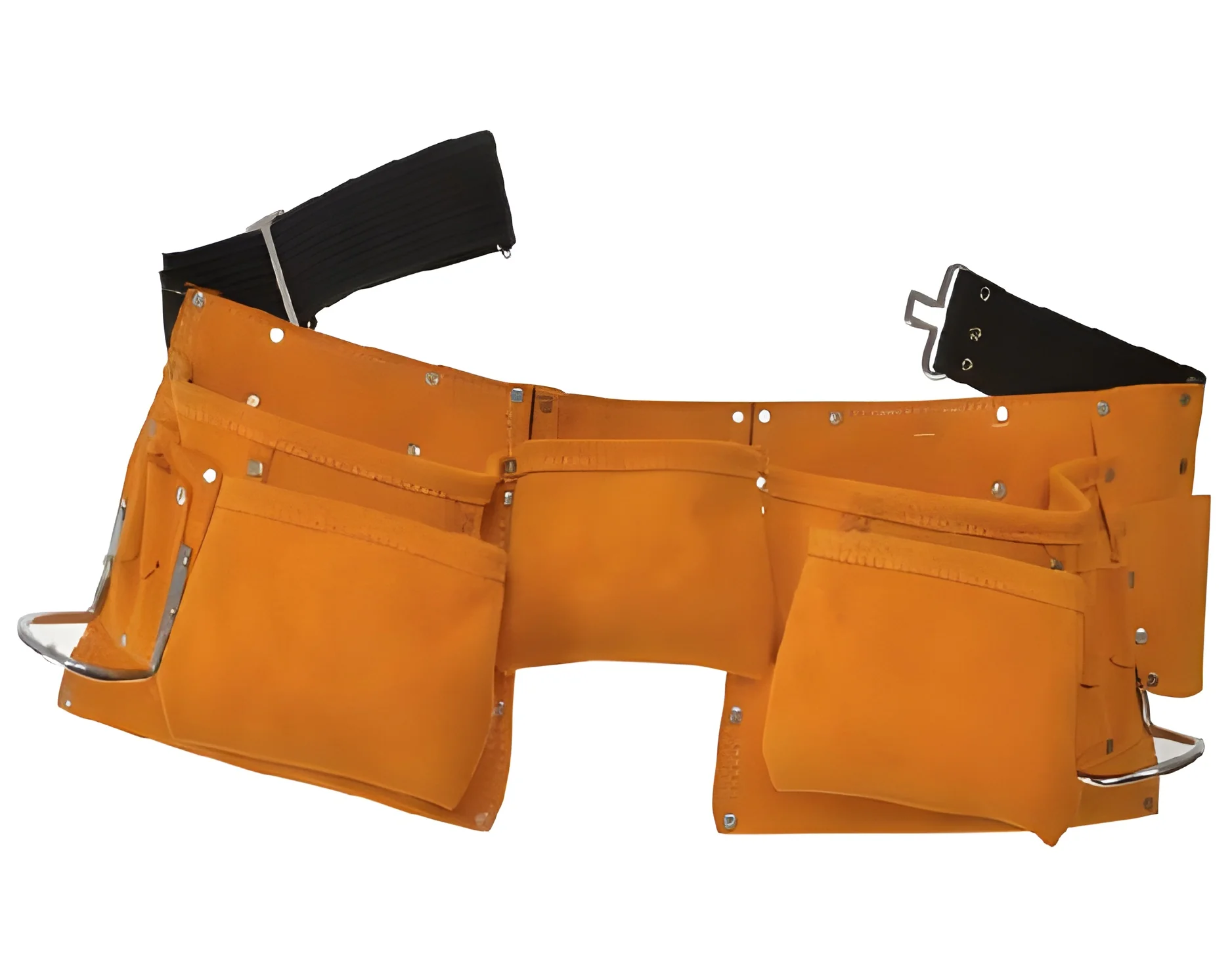
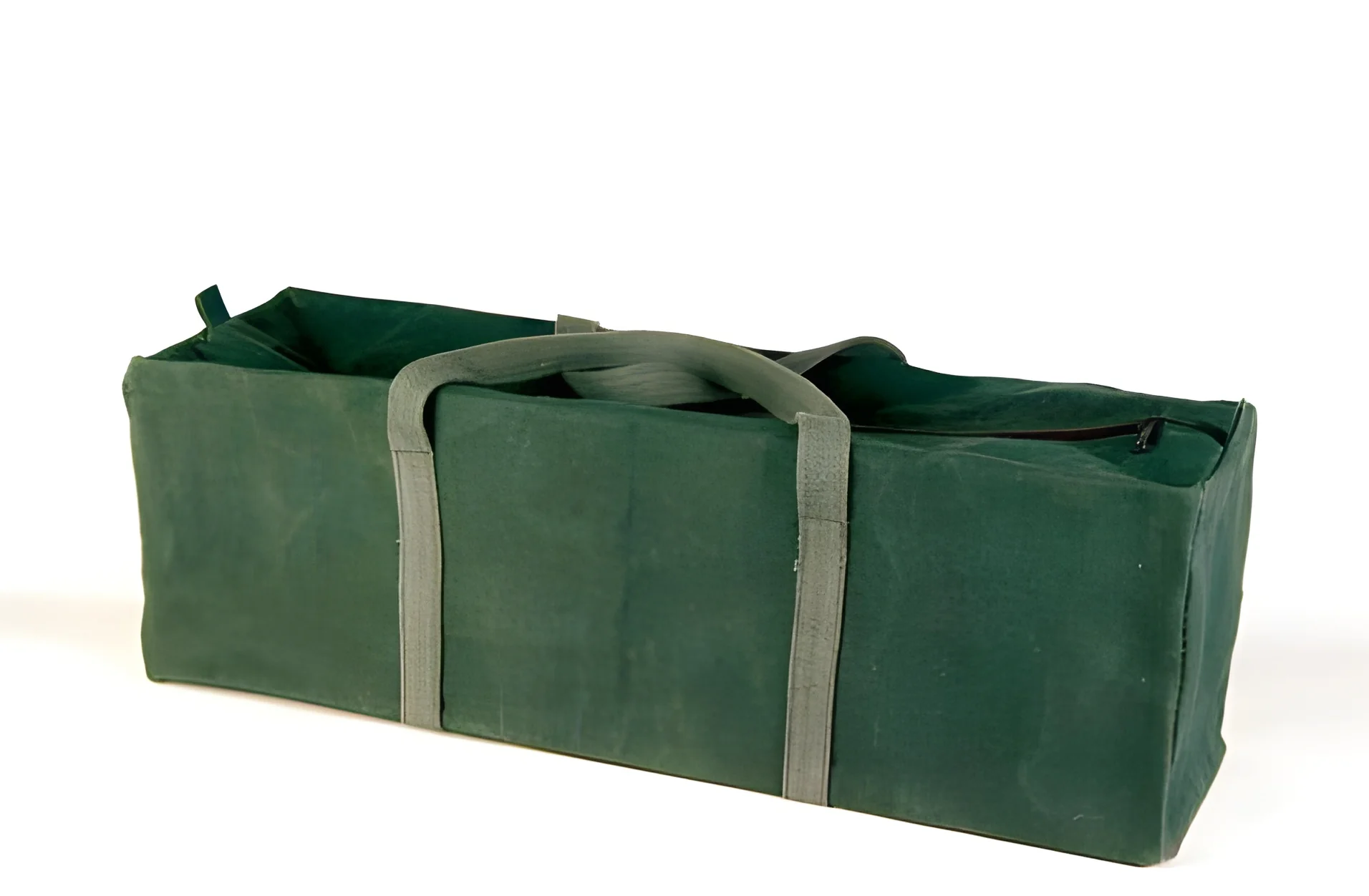
Fabric Tool Bags: These bags are lightweight and often feature a multitude of pockets to organize tools effectively. They are ideal for individuals who require flexibility and ease of transport.
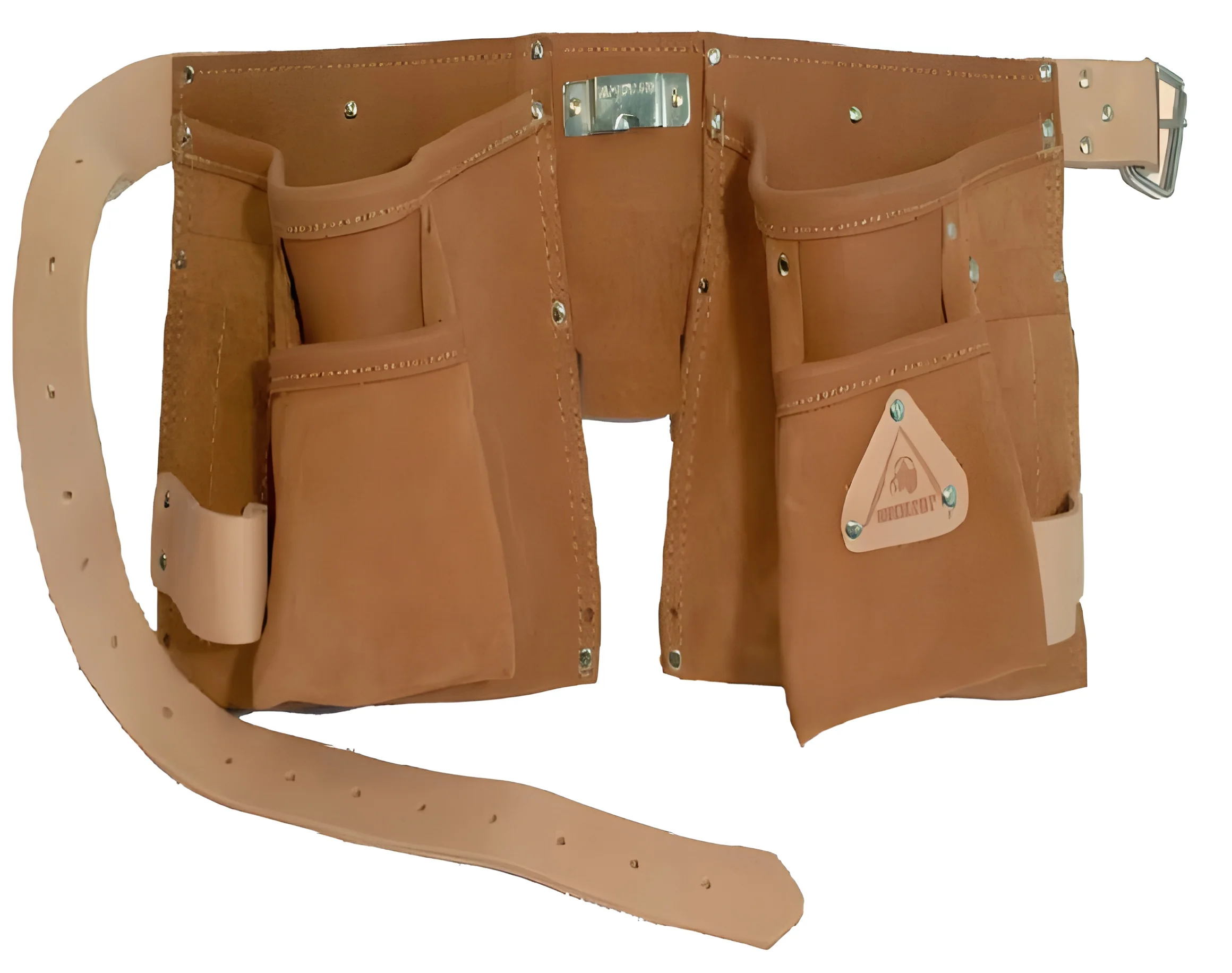
Leather Tool Bags: Known for their durability and classic design, leather tool bags are suited for professionals who want an elegant solution for storing and transporting tools. They are often more resistant to wear and tear compared to fabric options.
Rolling Tool Bags: Equipped with wheels and a telescoping handle, rolling bags provide convenience for transporting heavier loads. They are ideal for users who need to move tools frequently across larger work areas.
Multi-Pocket Tool Bags: These bags are designed with numerous compartments to keep tools organized and accessible. They are perfect for tradespeople who carry a variety of tools daily.
Benefits and Advantages
Investing in high-quality tool bags offers numerous advantages for businesses and professionals.
1. Enhanced Organization: Tool bags provide structured storage solutions that help users keep their tools organized and accessible, reducing downtime on the job.
2. Increased Mobility: With portable designs, tool bags allow for easy transport of tools, enabling professionals to work efficiently at various locations.
3. Improved Durability: Quality fabric and leather options ensure that tool bags withstand wear and tear over time, providing value through longevity.
4. Versatile Applications: Tool bags are suitable for multiple industries, making them a versatile investment for businesses with diverse operational needs.
5. Customization Options: Many manufacturers offer customizable bags, allowing businesses to incorporate branding and enhance their professional image.
6. Safety Features: By securely storing tools, these bags help prevent accidents and injuries associated with misplaced or improperly stored equipment.
Buying Guide for B2B Buyers
When sourcing tool bags made from fabric and leather, B2B buyers should consider several key factors to ensure they make informed decisions.
1. Quality Assessment: Evaluate the quality of materials used in the construction of tool bags. Look for durability, water resistance, and overall craftsmanship to ensure that the bags will withstand daily use.
2. Supplier Verification: Conduct thorough vetting of suppliers to ensure they have a reputation for reliability and quality. Check references and reviews to confirm their credibility.
3. Pricing and MOQ: Understand the price range of tool bags and inquire about minimum order quantities. This can help in negotiating costs and ensuring that budget constraints are met.
4. Delivery and Lead Times: Discuss lead times with suppliers to ensure that the bags can be delivered within the required timeframe. Consider logistics and potential delays in the supply chain.
5. Compliance Requirements: Verify that the tool bags meet any relevant industry standards and regulations. Compliance with safety and quality standards can prevent potential legal and operational issues.
Compliance and Certifications
Ensuring compliance with quality and safety standards is essential when sourcing tool bags.
Relevant quality standards such as ISO 9001 underscore the need for consistent quality management systems. Adhering to these standards ensures that products meet customer and regulatory requirements.
Industry certifications, such as CE marking, indicate that the product complies with European safety standards. This certification is crucial in building trust with consumers and businesses in various markets.
Safety and testing requirements must be adhered to, especially for bags used in demanding environments. Regular testing for durability and safety can prevent product failures and enhance user confidence.
Regional compliance considerations vary by market. Understanding local regulations can help businesses avoid legal issues and ensure that products meet specific regional requirements.
Why Source Tool Bags (Fabric, Leather) from Pepagora?
Pepagora presents a reliable platform for sourcing tool bags made from fabric and leather, offering several key advantages to B2B buyers.
Verified Supplier Network: Pepagora connects buyers with a network of verified suppliers, ensuring that all manufacturers meet rigorous quality standards. This reduces the risk of subpar products and enhances buyer confidence.
Streamlined RFQ Process: The quotation system simplifies the sourcing process, allowing buyers to submit requests for quotes easily. This efficiency helps in obtaining competitive pricing and reducing procurement time.
Trade Assurance and Support: Pepagora provides trade assurance to protect buyers during transactions. The platform offers support throughout the purchasing process, ensuring that businesses feel secure in their investments.
Regional Coverage: With a strong presence in India, the Gulf Cooperation Council, and Southeast Asia, Pepagora facilitates sourcing across diverse markets. This geographic reach ensures that buyers can find suitable products tailored to their regional needs.


Frequently Asked Questions
What are Tool Bags (Fabric, Leather)?
Tool Bags (Fabric, Leather) are specialized storage solutions designed to organize and transport tools efficiently. They are made from durable materials such as fabric or leather, providing protection and easy access to tools for professionals and DIY enthusiasts.
What are the different types of Tool Bags (Fabric, Leather)?
There are various types of Tool Bags (Fabric, Leather) including tote bags, backpacks, and rolling bags. Each type is designed for specific uses, with features like adjustable straps, multiple compartments, and reinforced handles to accommodate different tools and equipment.
How do I choose the right Tool Bags (Fabric, Leather)?
When choosing the right Tool Bags (Fabric, Leather), consider factors like the types of tools you need to carry, the size and weight of the bag, and the material’s durability. Additionally, look for features such as pockets, padding, and ease of transport that suit your specific needs.
What are the standard specifications for Tool Bags (Fabric, Leather)?
Standard specifications for Tool Bags (Fabric, Leather) include dimensions, weight capacity, and the number of compartments or pockets. Material specifications often denote whether the bag is water-resistant, puncture-resistant, or has reinforced stitching for added durability.
What is the price range for Tool Bags (Fabric, Leather)?
The price range for Tool Bags (Fabric, Leather) varies widely depending on the brand, material, and features. Typically, you can expect prices to range from a few hundred to several thousand Indian Rupees, with premium options available for specialized needs.
What quality standards apply to Tool Bags (Fabric, Leather)?
Quality standards for Tool Bags (Fabric, Leather) often include durability, stitching quality, and material specifications. Many manufacturers adhere to industry standards such as ISO certifications to ensure their products meet safety and performance benchmarks.
Where can I find Tool Bags (Fabric, Leather) suppliers in India?
You can find Tool Bags (Fabric, Leather) suppliers in India through various online B2B marketplaces like Pepagora.com. Additionally, attending trade shows and industry exhibitions can provide opportunities to connect with manufacturers and distributors.
Can Tool Bags (Fabric, Leather) be customized?
Yes, many manufacturers offer customization options for Tool Bags (Fabric, Leather) including size, color, and branding features. Customization can be beneficial for businesses looking to enhance their branding or meet specific functional requirements.
What is the typical minimum order quantity for Tool Bags (Fabric, Leather)?
The typical minimum order quantity (MOQ) for Tool Bags (Fabric, Leather) can vary by supplier and product type. Generally, MOQs can range from a few units to several dozen, depending on the manufacturer's policies and production capabilities.
What is the typical lead time for Tool Bags (Fabric, Leather)?
The typical lead time for Tool Bags (Fabric, Leather) can range from a few days to several weeks, depending on factors such as order size, customization, and the supplier's production schedule. It's advisable to discuss lead times with the supplier during the ordering process.
Why Businesses Trust Pepagora
Thousands of companies trust Pepagora to source smarter and sell faster
Expand Your Sales Globally

Source Smarter,Grow Faster
