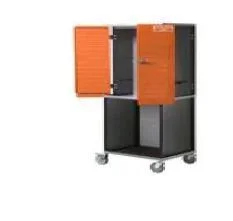
What are Tool Carts & Trolleys?
Tool carts and trolleys are mobile storage solutions designed to assist in the organization and transportation of tools and equipment across various work environments. These units typically feature multiple shelves or compartments, allowing for efficient storage and easy access to tools and other materials. Made from durable materials, tool carts often come with wheels for mobility, making them ideal for use in workshops, construction sites, and industrial settings.
These products are primarily used in industries that require the frequent use of tools, such as automotive, manufacturing, and construction. They help streamline operations by reducing the time spent searching for tools or moving materials. Additionally, tool carts can enhance workplace safety by keeping tools organized and securely stored when not in use. As businesses seek to improve efficiency, the demand for tool carts and trolleys continues to grow, making them a relevant product in the industrial market.
Key Features and Specifications
Tool carts and trolleys come with various features that enhance their functionality and usability. Understanding these specifications is crucial for selecting the right product for your business needs.
Key specifications include:
1. Material Construction
- Typically made from steel or heavy-duty plastic
- Provides durability and resistance to wear and tear
2. Load Capacity
- Varies by model, often ranging from 100 to 600 pounds
- Ensures the cart can handle the weight of tools and equipment
3. Number of Shelves
- Usually between two to five shelves
- Allows for organized storage of tools and materials
4. Wheel Type
- Common options include fixed, swivel, or locking wheels
- Affects mobility and stability during use
5. Drawer Configuration
- Options may include drawers of different sizes for tool organization
- Enhances accessibility and storage efficiency
6. Surface Finish
- Often powder-coated or painted for corrosion resistance
- Helps maintain appearance and durability over time
7. Dimensions
- Vary widely, with standard sizes accommodating various workspaces
- Important for fitting in designated areas
8. Additional Features
- May include tool holders, trays, or pegboards
- Increases versatility and efficiency of the cart
In summary, selecting a tool cart or trolley requires careful consideration of its specifications to match the specific needs of your workspace.
Common Applications and Use Cases
Tool carts and trolleys are utilized across numerous industries, providing essential support for various tasks.
1. Automotive Industry: Tool carts in automotive workshops facilitate quick access to tools and parts, improving repair and maintenance workflows.
2. Manufacturing: In manufacturing plants, these carts help transport tools and materials between different production areas, enhancing efficiency.
3. Construction: On construction sites, tool trolleys allow workers to easily transport tools and equipment, reducing downtime and improving productivity.
4. Electronics: Tool carts in electronics assembly areas organize delicate tools and components, ensuring they are easily accessible while maintaining safety.
5. Healthcare: In hospitals and clinics, mobile trolleys are used to transport medical equipment and supplies efficiently, ensuring quick response times.
6. Aerospace: Tool carts in aerospace manufacturing keep specialized tools organized and readily available, supporting precise assembly tasks.
7. Maintenance: Facilities maintenance teams use tool trolleys to carry tools and supplies needed for repairs, ensuring they can work more effectively.
Product Variants and Subcategories
Tool carts and trolleys come in a range of variants to meet diverse needs in various industries. Each variant offers unique features suited for specific applications.
Heavy-Duty Tool Cart
This variant is designed for maximum load capacity and durability. It typically features robust construction and larger wheels for stability on uneven surfaces. Ideal for heavy industrial use, it accommodates a wide range of tools and equipment.
Mobile Workbench Trolley
This type combines the functionality of a workbench and a tool cart. It often includes a flat surface for working and multiple storage options. Best suited for workshops and assembly lines, it provides a versatile solution for tool organization and workspace efficiency.
Compact Tool Trolley
A compact tool trolley is designed for smaller workspaces. It offers limited storage but maximizes mobility. This variant is perfect for service vehicles or small workshops where space is at a premium.
Benefits and Advantages
Tool carts and trolleys offer several advantages that can significantly enhance operational efficiency.
1. Improved Organization: Tool carts help maintain an organized workspace, reducing clutter and improving tool accessibility.
2. Increased Mobility: With wheels, these carts provide easy transportation of tools across large areas, saving time and effort.
3. Enhanced Safety: By keeping tools securely stored and organized, tool carts help minimize the risk of accidents caused by misplaced items.
4. Time Efficiency: Quick access to tools reduces downtime during projects, increasing overall productivity.
5. Customization Options: Many tool carts can be customized to meet specific requirements, allowing for tailored solutions.
6. Cost-Effective: Investing in tool carts can lead to long-term savings by reducing tool loss and damage, as well as improving workflow efficiency.
Buying Guide for B2B Buyers
When sourcing tool carts and trolleys, it is essential to consider several factors to ensure you make an informed purchase decision.
1. Quality Assessment: Look for carts made from durable materials that meet industry standards. Quality construction is critical for ensuring longevity and reliability in demanding environments.
2. Supplier Verification: Vet potential suppliers by checking references and reviewing their reputation in the industry. Reliable suppliers are crucial for ensuring quality products and service.
3. Pricing and MOQ: Understand the pricing structure and minimum order quantities (MOQ) from suppliers. This helps in budgeting and ensuring you meet your operational needs without overcommitting.
4. Delivery and Lead Times: Inquire about delivery schedules and lead times to ensure timely availability of products. Efficient logistics are necessary for maintaining workflow.
5. Compliance Requirements: Ensure that the tool carts meet any relevant regulatory compliance standards, such as safety and quality certifications. This is critical for maintaining operational integrity.
Compliance and Certifications
Tool carts and trolleys must adhere to specific compliance and certification standards to ensure safety and quality in industrial applications. Relevant quality standards include ISO 9001, which pertains to quality management systems, ensuring that products are consistently produced to meet customer and regulatory requirements.
Industry certifications, such as CE marking, indicate that products meet European health, safety, and environmental protection standards. Compliance with these certifications is essential for manufacturers and suppliers in international markets.
Additionally, safety and testing requirements are crucial for ensuring that tool carts can withstand the rigors of industrial use. This may involve load testing and assessments of mobility features. Regional compliance considerations may vary, so it is important to understand the specific requirements of the regions where the products will be used.
Why Source Tool Carts & Trolleys from Pepagora?
Pepagora provides a trusted platform for sourcing tool carts and trolleys, offering several key advantages for B2B buyers.
Verified Supplier Network: Pepagora has established a network of verified suppliers, ensuring that buyers can access high-quality products from reputable manufacturers. This reduces the risk of sourcing inferior products.
Streamlined RFQ Process: The platform features a user-friendly Request for Quotation (RFQ) system, enabling buyers to easily request quotes from multiple suppliers. This simplifies the procurement process and encourages competitive pricing.
Trade Assurance and Support: Pepagora offers trade assurance and support services, providing buyers with protection in their transactions. This builds confidence in the purchasing process.
Regional Coverage: With a focus on regions including India, the GCC, and Southeast Asia, Pepagora provides extensive geographic reach. This ensures that buyers can find local suppliers that meet their specific needs while benefiting from regional market knowledge.

 IN
IN