
 IN
Sound Processors & Equalizers
2 products available
What are Sound Processors & Equalizers?
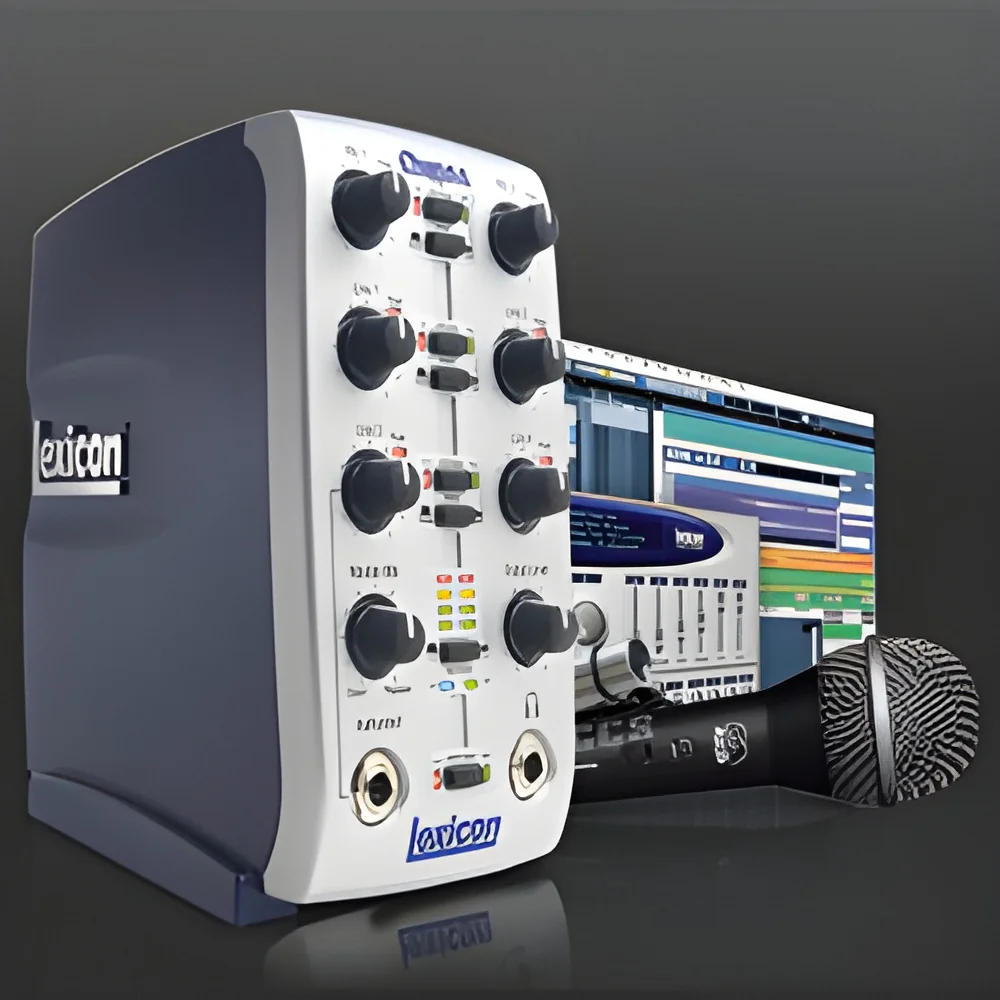
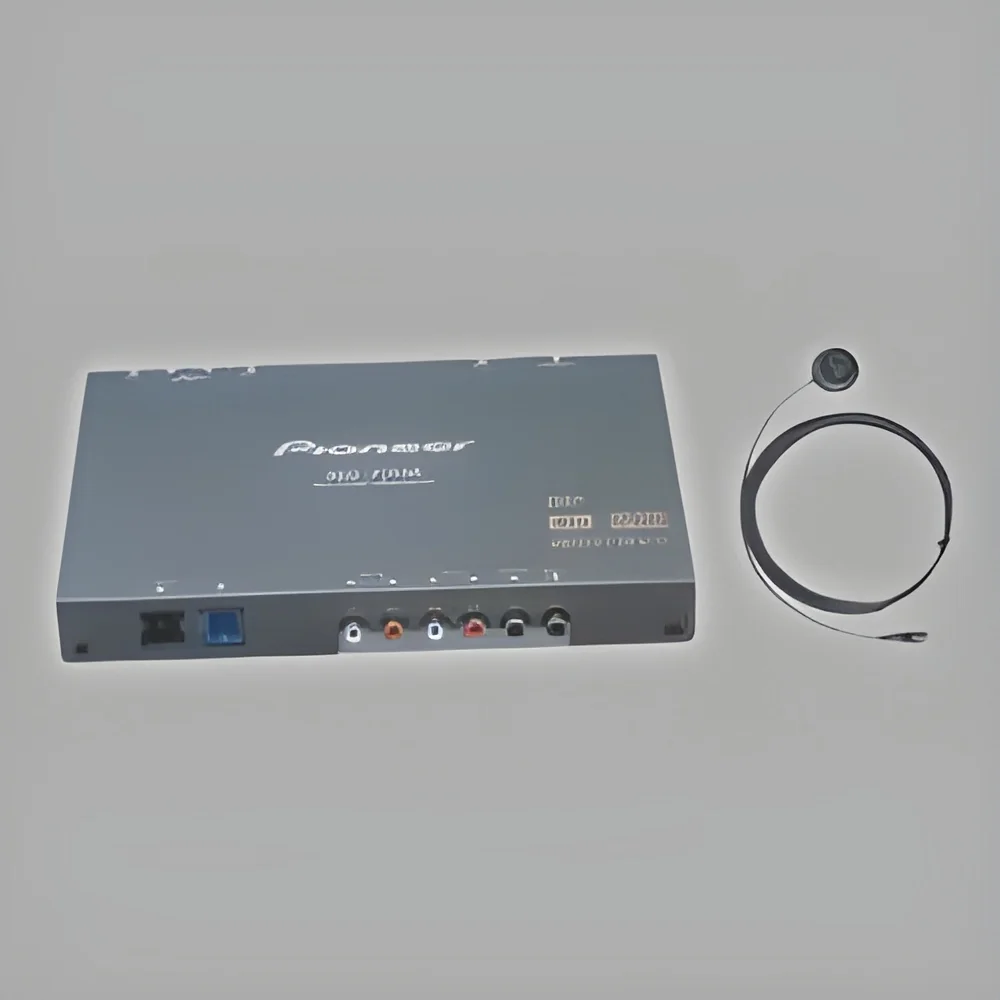
Sound processors and equalizers are electronic devices used to manipulate audio signals. They enhance sound quality by adjusting the frequency response of audio equipment. Sound processors can include various functionalities such as dynamic range control, filtering, and effects processing, while equalizers specifically focus on adjusting the balance between frequency components.
These devices are vital in numerous business applications, particularly in industries that rely heavily on audio performance. Common uses include live sound reinforcement in events, studio recording, broadcasting, and even in public address systems. By tailoring audio to meet specific needs, businesses can improve communication and enhance the overall auditory experience.
In today's market, sound processors and equalizers are increasingly relevant due to the rise in digital audio technologies. As industries evolve and demand higher quality sound, these devices play a crucial role in ensuring audio clarity and fidelity. Companies need to adopt advanced audio solutions to remain competitive, making sound processors and equalizers essential tools across various sectors.
Key Features and Specifications
Sound processors and equalizers come with a range of features that cater to diverse audio needs. Understanding these specifications can help buyers make informed decisions.
Key specifications include:
1. Frequency Range
- The range of frequencies that the processor can handle.
- Typically spans from 20 Hz to 20 kHz.
2. Number of Channels
- Indicates how many separate audio signals the device can process simultaneously.
- Common configurations include stereo (2 channels) and multi-channel options.
3. Signal-to-Noise Ratio (SNR)
- Measures the level of the desired signal relative to background noise.
- Higher SNR values indicate better sound quality, often above 90 dB.
4. Total Harmonic Distortion (THD)
- Represents the distortion introduced by the device.
- A lower percentage indicates higher fidelity, typically below 0.1% is desirable.
5. User Interface
- Refers to how users interact with the device, including physical controls and digital displays.
- Intuitive interfaces enhance usability in professional settings.
6. Connectivity Options
- Includes inputs and outputs available on the device, such as XLR, TRS, or USB.
- More options allow for versatile integration into existing audio systems.
7. Power Supply
- Indicates whether the device operates on AC or DC power.
- AC-powered devices are more common for stationary setups, while DC may be used for portable solutions.
8. Size and Form Factor
- Describes the physical dimensions and weight of the processor.
- Rack-mounted units are popular for professional audio setups.
Understanding these specifications can help buyers choose the right sound processor or equalizer that meets their specific needs.
Common Applications and Use Cases
Sound processors and equalizers find applications across a variety of industries, enhancing audio quality and performance.
1. Live Events: In concerts and theater productions, these devices are used to balance sound levels, ensuring clarity for both performers and audiences.
2. Recording Studios: Engineers utilize sound processors and equalizers to refine audio tracks, enabling better mixing and mastering for music and podcasts.
3. Broadcasting: Television and radio stations rely on these tools to maintain high audio standards, providing clear and pleasant sound for listeners.
4. Corporate AV: In business meetings and presentations, sound processors help ensure that speakers are heard clearly, improving communication effectiveness.
5. Education: Schools and universities use these devices in classrooms and auditoriums, enhancing audio for lectures and presentations.
6. Hospitality: Restaurants and hotels implement sound systems with processors and equalizers to create an inviting atmosphere for guests.
7. Gaming: In the gaming industry, these devices enhance sound effects and dialogue, creating immersive experiences for players.
Product Variants and Subcategories
Sound processors and equalizers come in various configurations to suit different needs and environments.
Digital Equalizers
These offer advanced features such as preset settings, graphic displays, and remote control capabilities. They are ideal for professional studios and live sound applications.
Analog Equalizers
These provide a classic warm sound and are favored by audio purists. They are often used in recording studios for their character and simplicity.
Multi-Channel Processors
Designed for complex audio setups, these devices can process multiple audio signals at once. They are typically used in large venues and broadcasting stations.
Portable Processors
These are compact and lightweight, making them suitable for mobile applications such as DJ performances or small events. Their ease of use and setup is a significant advantage.
Benefits and Advantages
Investing in sound processors and equalizers offers several advantages for businesses.
1. Enhanced Audio Quality: These devices improve sound clarity and fidelity, allowing for a better listening experience.
2. Flexibility: With adjustable settings, users can customize audio outputs to meet specific needs and environments.
3. Improved Communication: In professional settings, clear audio can enhance presentations and discussions, leading to more effective communication.
4. Cost-Effective Solutions: Investing in these devices can reduce the need for frequent audio equipment upgrades, as they enhance existing systems.
5. User-Friendly Interfaces: Many modern sound processors come with intuitive controls, making them accessible for users of all skill levels.
6. Versatility: These devices can be used in various applications, from live events to studio recordings, making them a valuable asset across industries.
Buying Guide for B2B Buyers
When sourcing sound processors and equalizers, it is essential to consider several factors to ensure a suitable purchase.
1. Quality Assessment: Evaluate the build and audio quality of the devices, focusing on specifications such as SNR and THD to ensure high performance.
2. Supplier Verification: Research and vet suppliers to confirm their reliability and reputation in the industry. Check for customer reviews and references.
3. Pricing and MOQ: Understand the market price range for your desired products and inquire about minimum order quantities that suppliers may require.
4. Delivery and Lead Times: Discuss logistics with suppliers to determine lead times for delivery, ensuring that they align with your project timelines.
5. Compliance Requirements: Be aware of any relevant industry standards and certifications needed for the devices, such as CE certifications, to ensure regulatory compliance.
Compliance and Certifications
Sound processors and equalizers must adhere to various quality standards and certifications to ensure reliability and safety in their applications.
ISO 9001 is a widely recognized standard that emphasizes quality management systems. Products that meet this standard demonstrate a commitment to quality and continuous improvement.
CE certification indicates that a product meets European Union safety, health, and environmental protection requirements. This certification is crucial for products sold in European markets.
Safety and testing requirements are vital to ensure that the devices operate without risk to users or equipment. Manufacturers must perform rigorous testing to comply with these standards.
Regional compliance considerations may also be necessary depending on the market. Different countries may have specific regulations that manufacturers must follow to ensure their products are suitable for local use.
Why Source Sound Processors & Equalizers from Pepagora?
Pepagora provides a trusted platform for sourcing sound processors and equalizers with several key advantages.
Verified Supplier Network: Pepagora's extensive network of verified suppliers ensures that buyers can access high-quality products from reputable manufacturers. This verification process helps reduce the risk associated with sourcing.
Streamlined RFQ Process: The platform offers an efficient request for quotation (RFQ) system, enabling buyers to receive competitive quotes quickly. This streamlined process saves time and facilitates better purchasing decisions.
Trade Assurance and Support: Pepagora offers buyer protection through trade assurance, ensuring that transactions are secure and disputes can be resolved effectively. This support gives buyers peace of mind.
Regional Coverage: With a strong presence in India, the GCC, and Southeast Asia, Pepagora provides comprehensive geographic coverage, making it easier for businesses in these regions to source sound processors and equalizers tailored to their needs.



Frequently Asked Questions
What are Sound Processors & Equalizers?
Sound Processors & Equalizers are audio devices that manipulate and adjust sound signals to enhance audio quality. They allow users to control various audio parameters such as frequency response, volume levels, and sound clarity, making them essential in music production, broadcasting, and live sound reinforcement.
What are the different types of Sound Processors & Equalizers?
There are several types of Sound Processors & Equalizers, including graphic equalizers, parametric equalizers, dynamic processors, and multiband compressors. Each type serves different purposes, such as fine-tuning specific frequencies or controlling dynamic range in audio signals.
How do I choose the right Sound Processors & Equalizers?
To select the right Sound Processors & Equalizers, consider factors such as your specific audio needs, the type of audio equipment you are using, and the features offered by different models. It is also beneficial to read reviews and possibly test devices to ensure they meet your performance expectations.
What are the standard specifications for Sound Processors & Equalizers?
Standard specifications for Sound Processors & Equalizers typically include frequency range, signal-to-noise ratio, total harmonic distortion, and input/output levels. Additional features like the number of bands in an equalizer or the type of connectivity options can also be important depending on your use case.
What is the price range for Sound Processors & Equalizers?
The price range for Sound Processors & Equalizers can vary significantly based on brand, features, and quality. Generally, basic models may start from a few thousand rupees, while professional-grade equipment can cost several tens of thousands of rupees.
What quality standards apply to Sound Processors & Equalizers?
Quality standards for Sound Processors & Equalizers typically include compliance with international audio standards and certifications. Manufacturers often ensure their products meet rigorous testing for durability, performance, and safety to provide reliable audio solutions.
Where can I find Sound Processors & Equalizers suppliers in India?
You can find Sound Processors & Equalizers suppliers in India through B2B marketplaces like Pepagora, industry trade shows, and online directories. It's advisable to research suppliers' reputations and customer reviews to ensure reliable sourcing.
Can Sound Processors & Equalizers be customized?
Yes, many manufacturers offer customization options for Sound Processors & Equalizers to meet specific client requirements. Customizations can include changes to specifications, features, and branding to suit particular applications or preferences.
What is the typical minimum order quantity for Sound Processors & Equalizers?
The typical minimum order quantity (MOQ) for Sound Processors & Equalizers can vary by supplier, but it often ranges from 5 to 50 units. It is recommended to check with individual suppliers for their specific MOQ policies.
What is the typical lead time for Sound Processors & Equalizers?
The typical lead time for Sound Processors & Equalizers can range from a few days to several weeks, depending on the supplier and order volume. Custom orders may have longer lead times, so it's essential to confirm delivery timelines before placing an order.
Why Businesses Trust Pepagora
Thousands of companies trust Pepagora to source smarter and sell faster
Expand Your Sales Globally

Source Smarter,Grow Faster
