What are Car Amplifiers?
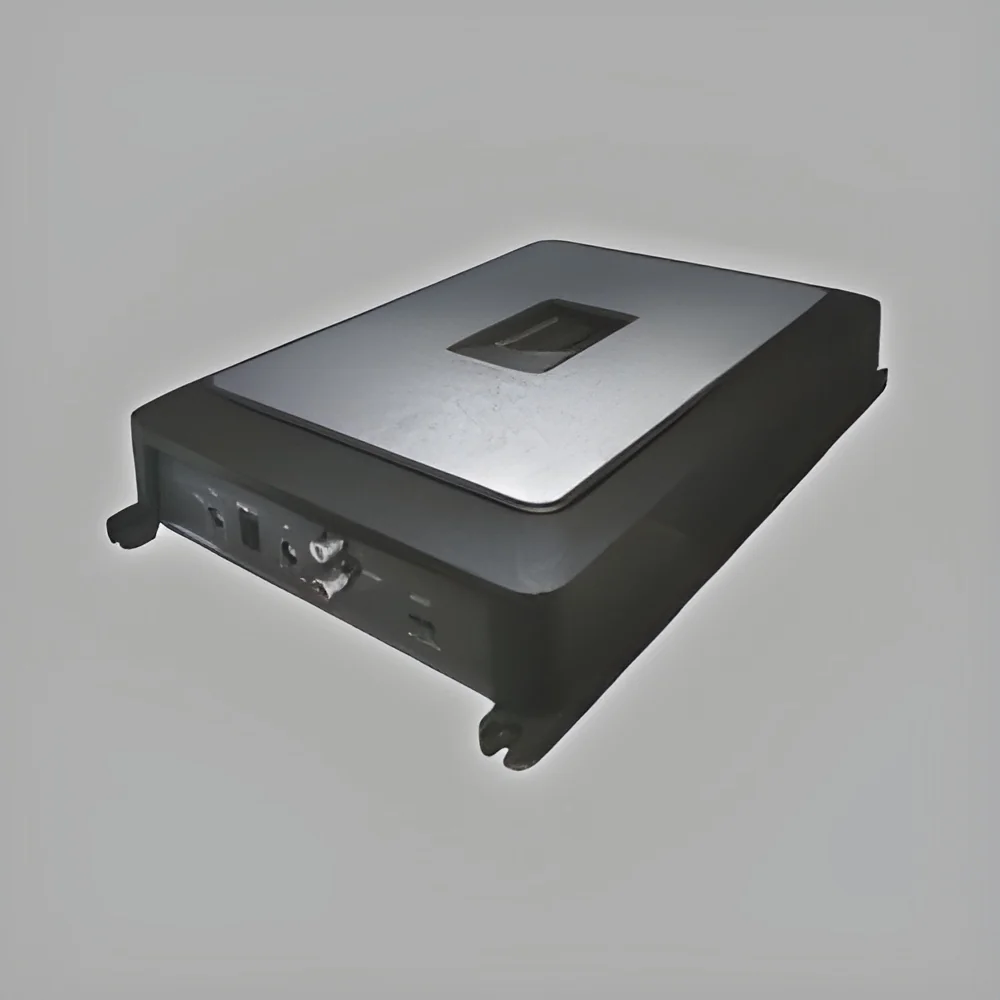
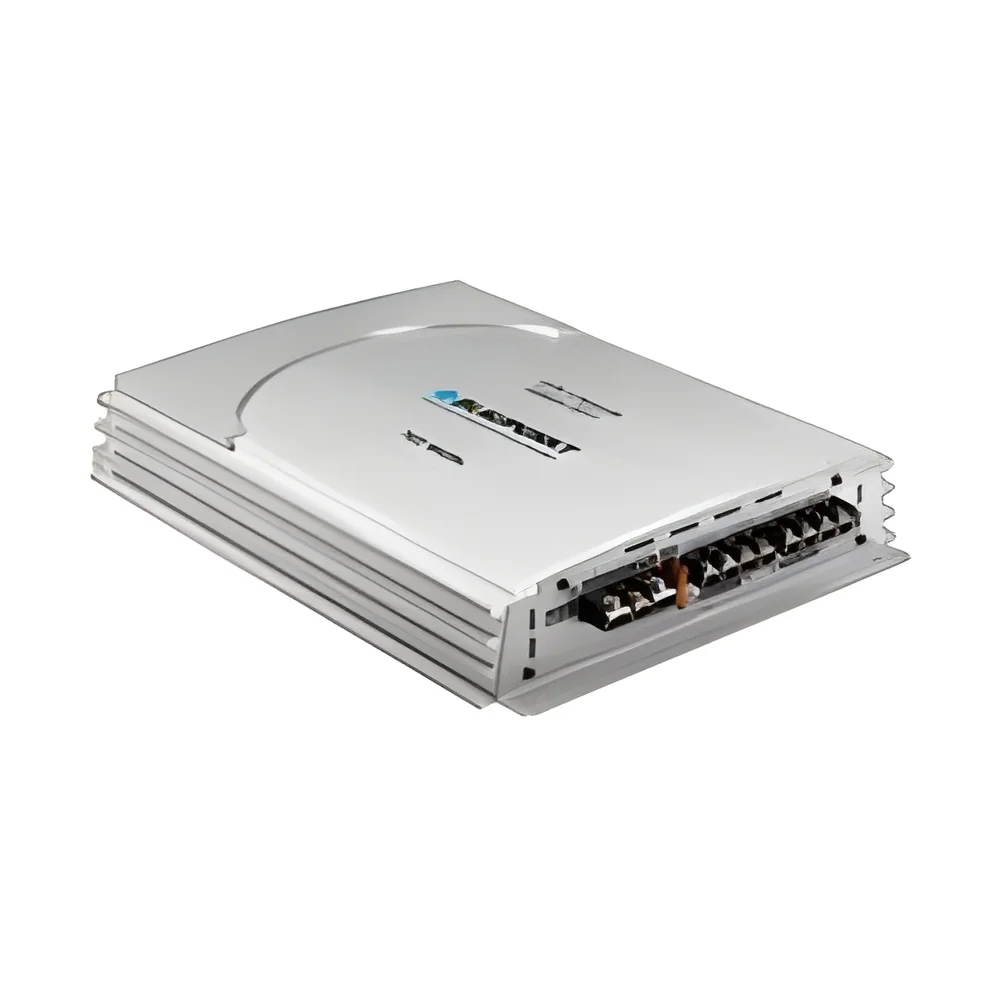
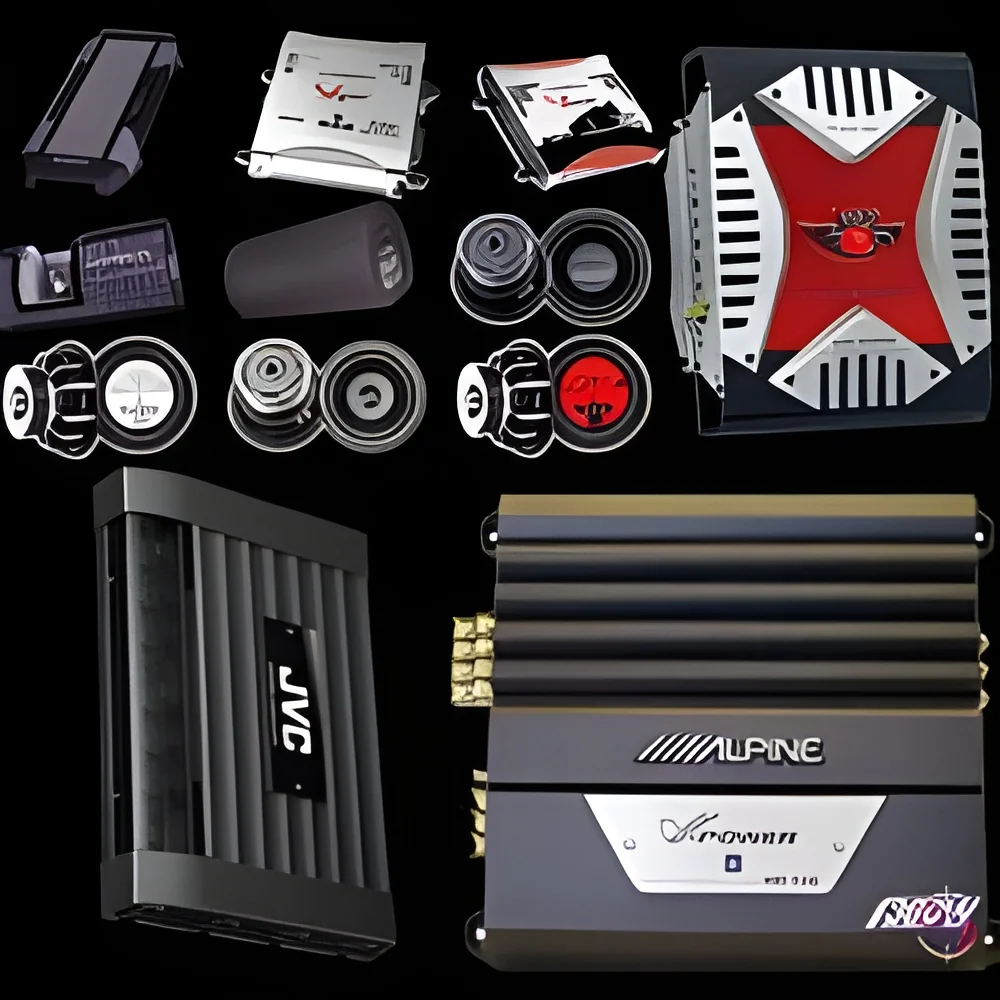
Car amplifiers are electronic devices designed to enhance the audio quality and power output of a vehicle's sound system. They take low-level audio signals from the car's head unit and amplify them to drive speakers with greater clarity and volume. This amplification allows for a richer listening experience, especially for music genres that require higher sound fidelity and dynamic range.
These amplifiers are primarily used in automotive audio systems and are integral to both aftermarket upgrades and factory installations. Businesses in automotive retail, sound system installations, and manufacturing often leverage car amplifiers to provide enhanced audio solutions to their customers. With the growing demand for high-performance audio in vehicles, the market for car amplifiers is expanding, driven by consumer preferences for superior sound quality and advanced audio features.
The relevance of car amplifiers in the automotive industry cannot be overstated. As vehicles become more technologically advanced, the integration of high-quality audio systems has become essential. This trend reflects a broader market context where consumers increasingly prioritize in-car entertainment options, leading to a surge in demand for robust audio solutions like car amplifiers.
Key Features and Specifications
Car amplifiers feature several key specifications that define their performance and suitability for various audio applications. Understanding these specifications is crucial for businesses looking to source the right products for their needs.
Key specifications include:
1. Power Output
- Measured in watts, this specification indicates the amplifier's ability to drive speakers.
- Typical ranges vary from 50W to 1000W or higher, depending on the model.
2. Number of Channels
- This indicates how many speakers the amplifier can support.
- Common configurations include 2-channel, 4-channel, and monoblock options.
3. Frequency Response
- This specification determines the range of frequencies the amplifier can effectively reproduce.
- Typically ranges from 20Hz to 20kHz, covering the full spectrum of human hearing.
4. Total Harmonic Distortion (THD)
- This measures the distortion level in the output signal.
- Lower percentages (below 1%) indicate cleaner sound reproduction.
5. Signal-to-Noise Ratio (SNR)
- This ratio compares the level of the desired signal to the background noise.
- Higher SNR values (above 90 dB) signify better sound clarity.
6. Input Sensitivity
- This specification indicates the minimum signal level required for the amplifier to operate effectively.
- Typically ranges from 0.2V to 4V.
7. Protection Features
- Many amplifiers include built-in protections against overheating, short circuits, and overloading.
- These features enhance reliability and longevity.
8. Size and Form Factor
- The dimensions and design of the amplifier can affect installation options.
- Compact models are often preferred for space-constrained vehicles.
Understanding these specifications helps businesses choose the right car amplifiers to meet their audio requirements effectively.
Common Applications and Use Cases
Car amplifiers are utilized in various industries and applications, enhancing audio systems in diverse settings.
1. Automotive Retail: Car amplifiers are essential for retailers specializing in aftermarket audio solutions. They offer customers enhanced sound quality and customization options for their vehicles.
2. Sound System Installations: Professional installers often integrate amplifiers into custom audio setups, ensuring optimal performance and sound clarity for clients.
3. Fleet Vehicles: Companies operating fleet vehicles may invest in quality audio systems, including amplifiers, to enhance driver and passenger experiences during long journeys.
4. Recreational Vehicles: RV and marine audio systems frequently incorporate amplifiers to provide high-quality sound for entertainment during travel.
5. Specialty Vehicles: Amplifiers are used in vehicles designed for specific purposes, such as emergency response or mobile command units, where clear audio communication is crucial.
6. Event and Entertainment Services: Mobile DJ services and entertainment trucks often rely on powerful amplifiers to deliver high-quality sound in outdoor settings.
7. Custom Audio Projects: Audiophiles and hobbyists frequently use car amplifiers in DIY audio projects, seeking to create unique sound systems tailored to their preferences.
Product Variants and Subcategories
Car amplifiers come in a variety of forms to cater to different audio needs and preferences. This diversity allows businesses to select products that best match their customer requirements.
Monoblock Amplifiers
These amplifiers are designed to power a single subwoofer, offering high power output and efficiency. They are ideal for users seeking deep bass and enhanced audio performance in their vehicles.
4-Channel Amplifiers
These versatile amplifiers can drive four speakers simultaneously, making them suitable for multi-speaker setups. They balance power and sound quality, appealing to customers looking for comprehensive audio solutions.
2-Channel Amplifiers
Ideal for powering two speakers or a subwoofer, these amplifiers provide excellent sound quality in compact formats. They are often favored for smaller vehicles or budget-friendly setups.
Class D Amplifiers
Known for their efficiency and compact size, Class D amplifiers are popular in modern audio systems. They produce less heat and can deliver high power output, making them suitable for various applications.
Benefits and Advantages
Car amplifiers offer numerous advantages that enhance the overall audio experience in vehicles.
1. Improved Sound Quality: Amplifiers increase audio clarity, allowing for a more immersive listening experience, especially at higher volumes.
2. Enhanced Power Output: With the ability to drive speakers more effectively, amplifiers ensure that audio systems can produce deep bass and dynamic sound.
3. Customization Options: Businesses can offer amplifiers in various configurations, allowing customers to tailor their audio systems to their specific needs.
4. Increased Longevity: Many amplifiers come with protective features, enhancing their durability and reducing the risk of damage from overheating or overload.
5. Compatibility with Various Audio Systems: Car amplifiers can be integrated with a wide range of head units and speakers, making them versatile solutions for different audio setups.
6. Streamlined Installation: Many amplifiers are designed for ease of installation, making it simpler for installers to integrate them into existing systems.
Buying Guide for B2B Buyers
When sourcing car amplifiers, B2B buyers should consider several key factors to ensure they make informed purchasing decisions.
1. Quality Assessment: Buyers should evaluate the quality of amplifiers by reviewing specifications, reading customer reviews, and seeking products from reputable manufacturers.
2. Supplier Verification: It's essential to vet suppliers for their reliability and track record in delivering high-performance products. This can include checking references and certifications.
3. Pricing and MOQ: Understanding the pricing structure and minimum order quantities is crucial for budgeting. Buyers should compare prices across different suppliers to find the best deals.
4. Delivery and Lead Times: Buyers must consider logistics, including shipping costs and lead times, to ensure timely delivery for their projects.
5. Compliance Requirements: Buyers should be aware of any regulatory compliance standards applicable to car amplifiers, such as safety and environmental regulations, to avoid potential issues.
Compliance and Certifications
Compliance and certifications play a vital role in ensuring the quality and safety of car amplifiers.
Car amplifiers should adhere to relevant quality standards, such as ISO 9001, which ensures quality management systems are in place. This standard helps manufacturers maintain consistent quality across their products.
Industry certifications like CE are essential, as they indicate that the products conform to safety and health requirements within the European market. Compliance with these standards assures customers of the amplifier's reliability and safety.
Safety and testing requirements are crucial for car amplifiers, as improper use or faulty products can lead to hazards. Manufacturers must conduct thorough testing to meet industry standards and ensure the safety of their products.
Furthermore, regional compliance considerations may vary, with different countries imposing specific regulations on electronic devices. It is important for businesses to understand these regulations to ensure that their products can be marketed and sold in their target regions.
Why Source Car Amplifiers from Pepagora?
Pepagora provides a trusted platform for sourcing car amplifiers, offering several key advantages to B2B buyers.
Verified Supplier Network: Pepagora operates with a network of verified suppliers, ensuring that buyers have access to high-quality products from reliable manufacturers. This verification process reduces the risks associated with sourcing.
Streamlined RFQ Process: The platform facilitates a streamlined request for quotation (RFQ) process, allowing buyers to easily compare offers and select the best options for their needs. This efficiency saves time and enhances decision-making.
Trade Assurance and Support: Buyers receive trade assurance and dedicated support throughout the purchasing process, providing peace of mind and assistance with any concerns that may arise.
Regional Coverage: Pepagora has a broad geographic reach, covering regions such as India, the GCC, and Southeast Asia. This extensive network allows buyers to access local suppliers and products that meet their specific needs.
By choosing Pepagora as their sourcing partner, businesses can leverage these advantages to secure the best car amplifiers for their audio systems.

 IN
IN