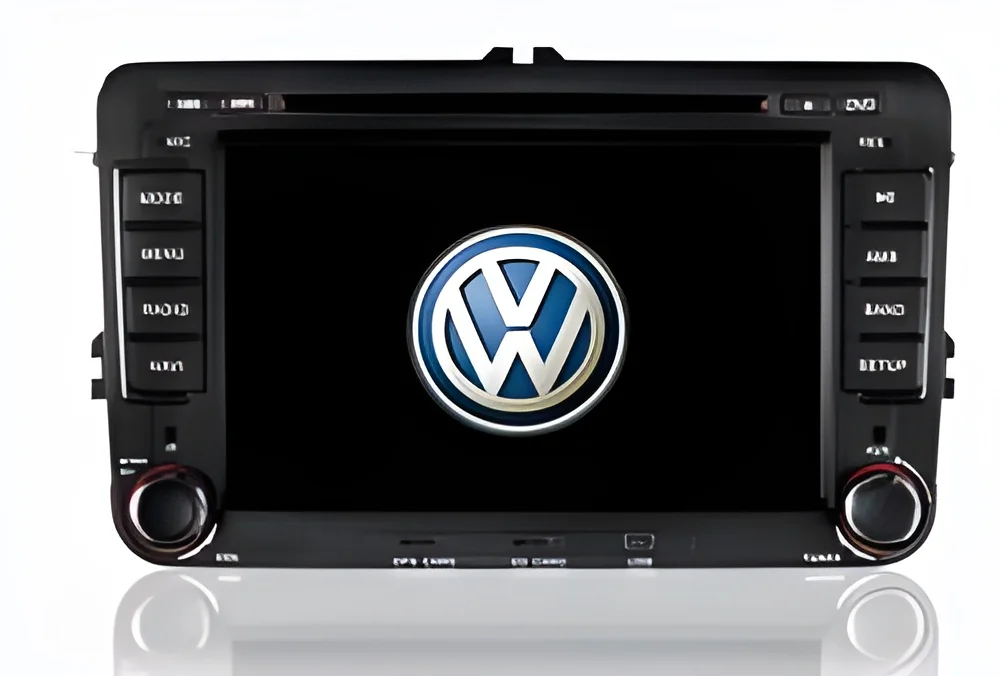
What are OEM Infotainment Units?
OEM Infotainment Units are integrated systems designed to provide entertainment, information, and connectivity solutions within vehicles. These units combine multiple functionalities such as navigation, audio and video playback, smartphone integration, and communication features into a single interface. They are typically customized for specific vehicle models and produced by Original Equipment Manufacturers (OEMs) to meet the exact specifications required by automotive manufacturers.
These infotainment systems are essential in modern vehicles, enhancing the driving experience by offering drivers and passengers access to various digital services. Their applications extend beyond basic audio and video functions, including real-time navigation, vehicle diagnostics, and smartphone connectivity through features like Bluetooth and USB interfaces. As the automotive industry increasingly embraces digital technology, the demand for sophisticated infotainment systems continues to grow, making them a vital component in vehicle design and functionality.
In an evolving market where consumer preferences shift toward technology-driven solutions, OEM Infotainment Units hold significant relevance. They not only contribute to the comfort and convenience of passengers but also play a crucial role in enhancing vehicle safety through hands-free communication and advanced driver-assistance systems. With the rise of electric vehicles and smart mobility solutions, OEM Infotainment Units are set to become even more integral in the automotive landscape.
Key Features and Specifications
OEM Infotainment Units come equipped with a range of features designed to enhance user experience and vehicle functionality. These units typically incorporate advanced technology, user-friendly interfaces, and robust connectivity options.
Key specifications include:
1. Display Technology
- High-resolution touch screens that provide clear visuals.
- Screen sizes typically range from 7 to 12 inches.
2. Connectivity Options
- Support for Bluetooth, Wi-Fi, and USB connections.
- Compatibility with Apple CarPlay and Android Auto for seamless smartphone integration.
3. Audio System Compatibility
- Integration with premium audio systems for superior sound quality.
- Support for multiple audio formats including MP3, WAV, and AAC.
4. Navigation Features
- Built-in GPS for real-time navigation and route planning.
- Support for offline maps and traffic updates.
5. Software Compatibility
- Regular updates for software and applications to enhance performance.
- Customizable user interface options for personalized user experience.
6. Voice Recognition
- Advanced voice command features for hands-free operation.
- Integration with virtual assistants for enhanced functionality.
7. Security Features
- Encryption and security protocols to protect user data.
- Anti-theft measures integrated into the system.
8. Customization Options
- Ability to tailor features and interfaces to match specific vehicle models.
- Options for branding and design to align with manufacturer identity.
These specifications highlight the versatility and advanced capabilities of OEM Infotainment Units, making them essential for modern vehicles.
Common Applications and Use Cases
OEM Infotainment Units find applications across various industries, enhancing functionality and user experience.
1. Automotive Industry: These units are primarily used in new vehicle models, providing drivers and passengers with entertainment, navigation, and connectivity features.
2. Commercial Vehicles: Infotainment systems are integrated into trucks and vans to enable fleet management, route optimization, and driver communication.
3. Electric Vehicles: As electric vehicles gain popularity, infotainment systems play a critical role in providing charging station information, energy consumption data, and navigation.
4. Public Transportation: Buses and trains utilize infotainment units to offer passengers real-time information, entertainment options, and route updates.
5. Fleet Services: Companies with vehicle fleets use infotainment units for tracking, monitoring driver behavior, and managing logistics.
6. Recreational Vehicles: Motorhomes and caravans benefit from infotainment systems that provide entertainment and navigation tailored for long-distance travel.
7. Ride-Sharing Services: Infotainment units in ride-sharing vehicles enhance the passenger experience by providing entertainment and connectivity during rides.
Product Variants and Subcategories
OEM Infotainment Units are available in diverse configurations to meet varying needs.
Standard Units
These units provide essential features such as audio playback, basic navigation, and smartphone connectivity. They are suitable for budget-friendly vehicle models.
Premium Units
Offering advanced features, premium units include high-resolution displays, enhanced audio systems, and extensive connectivity options. They cater to luxury vehicle segments.
Modular Units
These flexible systems allow manufacturers to customize functionalities based on specific vehicle models. They support various add-ons and upgrades.
Benefits and Advantages
OEM Infotainment Units provide numerous advantages to manufacturers and end-users alike.
1. Enhanced User Experience: These units improve the overall driving experience with user-friendly interfaces and advanced features.
2. Increased Vehicle Value: Infotainment systems add value to vehicles, making them more attractive to potential buyers.
3. Safety Improvements: Hands-free communication and navigation reduce distractions, enhancing driver safety.
4. Customization Opportunities: Manufacturers can tailor infotainment units to meet specific consumer preferences and branding.
5. Integration with Advanced Technologies: These units can easily integrate with new technologies, including autonomous driving features.
6. Cost-Effective Solutions: By sourcing OEM units, manufacturers benefit from economies of scale and reduced production costs.
Buying Guide for B2B Buyers
When sourcing OEM Infotainment Units, B2B buyers must consider several key factors to ensure they make informed purchasing decisions.
1. Quality Assessment: Evaluate the quality of materials and components used in the infotainment units. Look for established brands known for reliability and performance.
2. Supplier Verification: Vet potential suppliers by checking their certifications, customer reviews, and industry reputation to ensure they meet your standards.
3. Pricing and MOQ: Analyze pricing structures and minimum order quantities to find a balance between cost and quantity that fits your budget.
4. Delivery and Lead Times: Confirm delivery timelines and logistics operations to ensure timely fulfillment of orders, especially for production schedules.
5. Compliance Requirements: Ensure that the infotainment units comply with relevant industry regulations and safety standards to avoid potential legal issues.
Compliance and Certifications
OEM Infotainment Units must adhere to various compliance and certification standards to ensure safety and quality.
Quality standards such as ISO 9001 are essential for manufacturers, ensuring that products meet rigorous quality management principles.
Industry certifications like CE signify that the products comply with European health, safety, and environmental protection standards.
Safety and testing requirements vary by region, and manufacturers must ensure their units pass necessary tests to guarantee reliability in diverse environments.
Regional compliance considerations are critical for manufacturers, as different markets may have specific regulations affecting product design, safety features, and operational capabilities.
Why Source OEM Infotainment Units from Pepagora?
Pepagora offers a trusted platform for sourcing OEM Infotainment Units with several key advantages that cater to the needs of B2B buyers.
Verified Supplier Network: Our platform connects you with a network of verified suppliers, ensuring that you access high-quality products from reputable manufacturers.
Streamlined RFQ Process: We provide a simplified Request for Quotation (RFQ) process, allowing you to efficiently obtain quotes from multiple suppliers to compare options.
Trade Assurance and Support: Pepagora offers buyer protection through our trade assurance program, ensuring that your transactions are secure and reliable.
Regional Coverage: With a presence in India, GCC, and Southeast Asia, Pepagora provides extensive regional coverage, facilitating easy access to OEM Infotainment Units in diverse markets.

 IN
IN