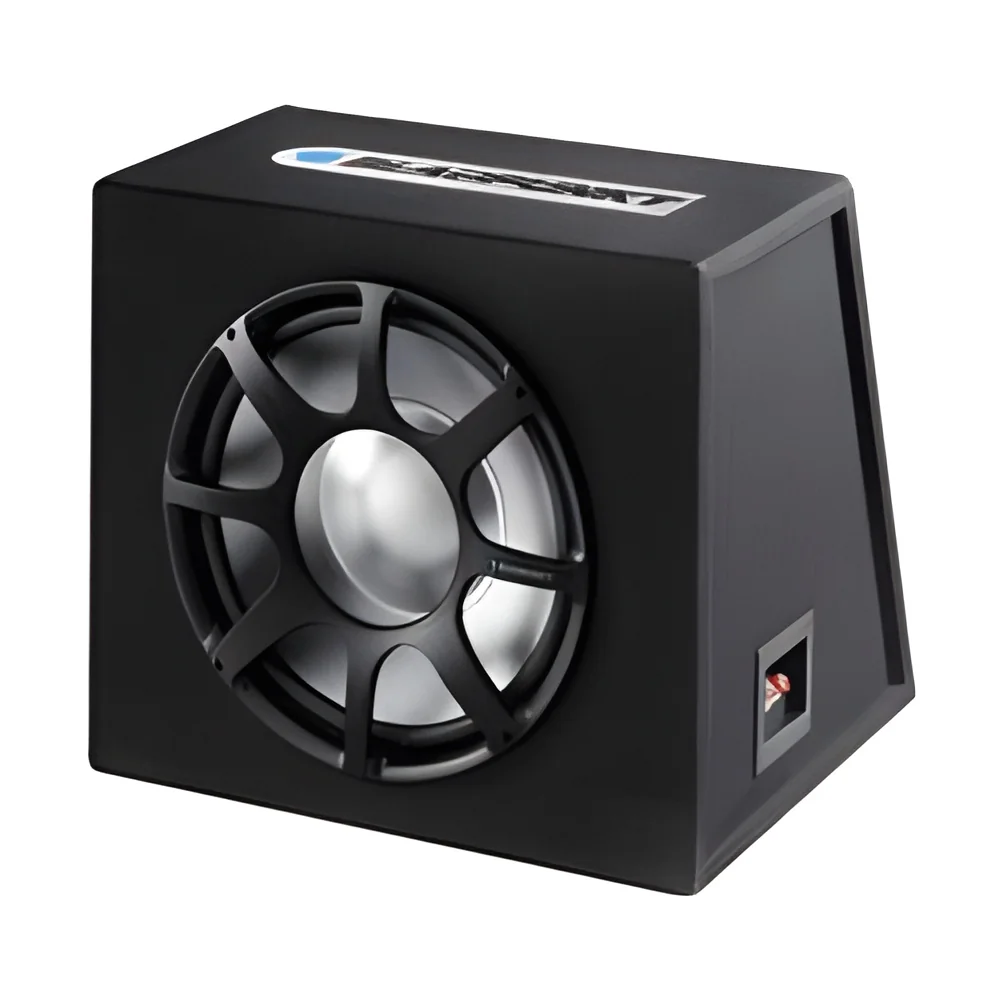
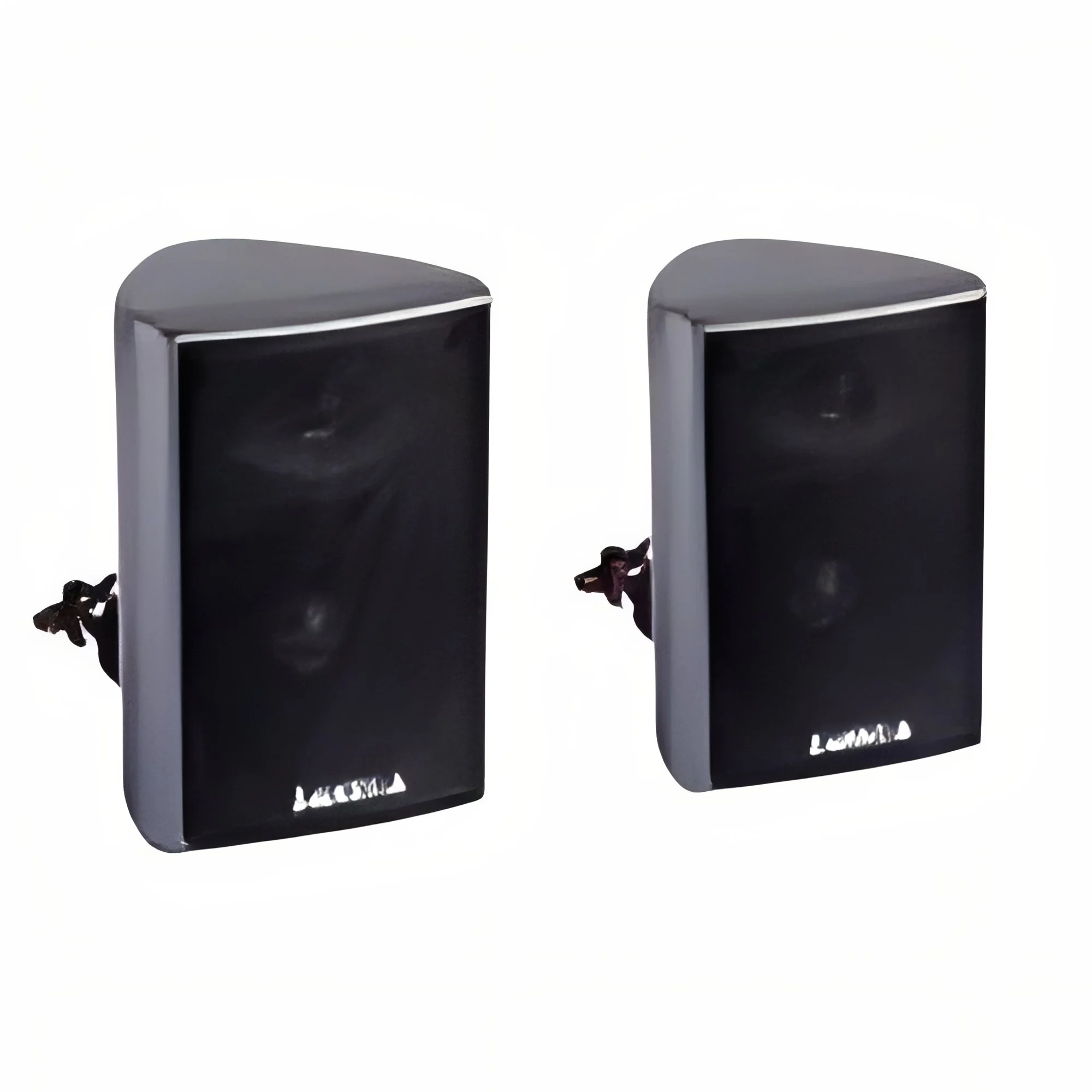
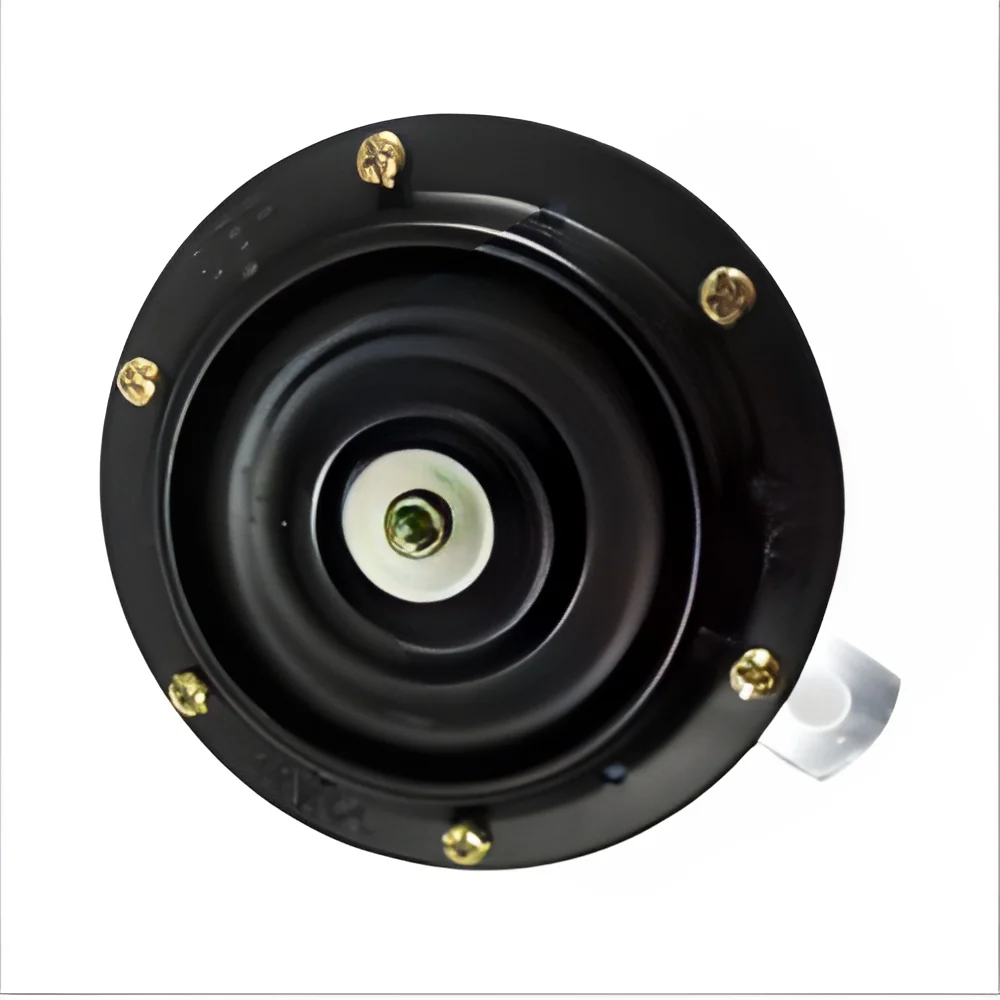
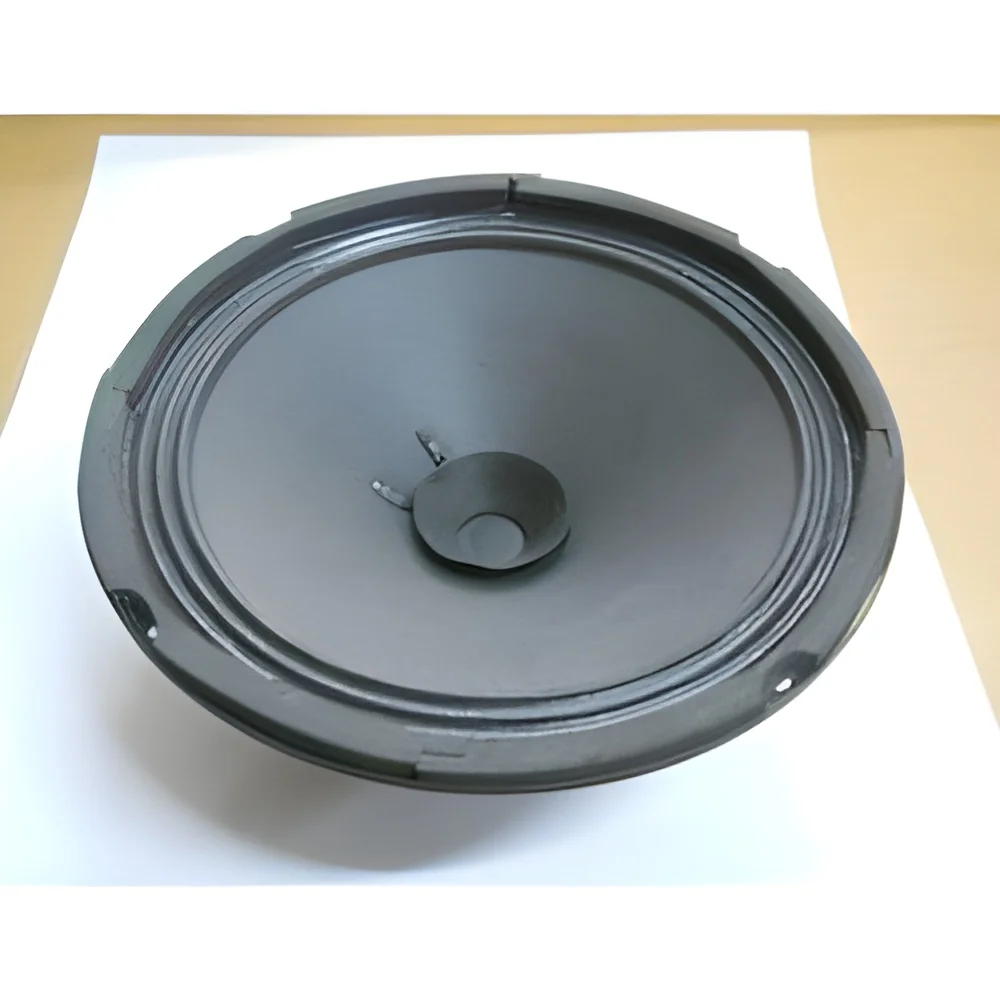
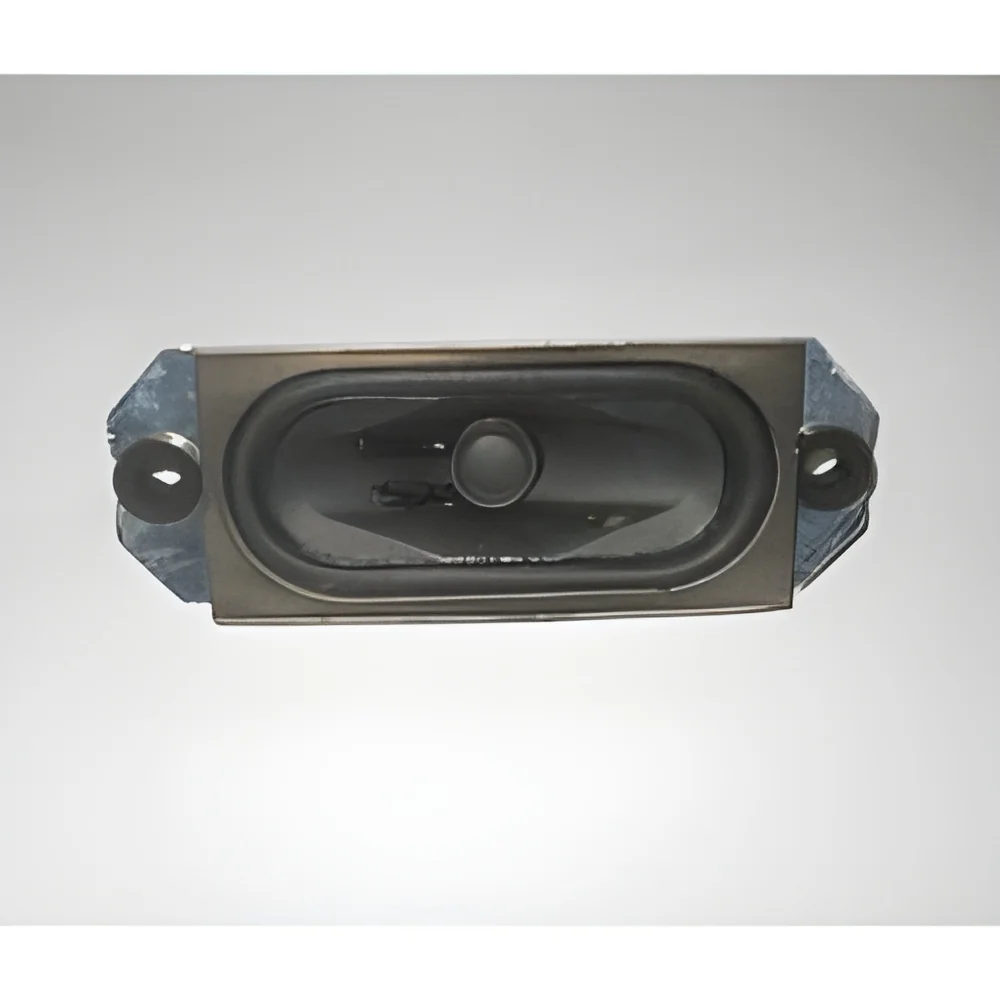
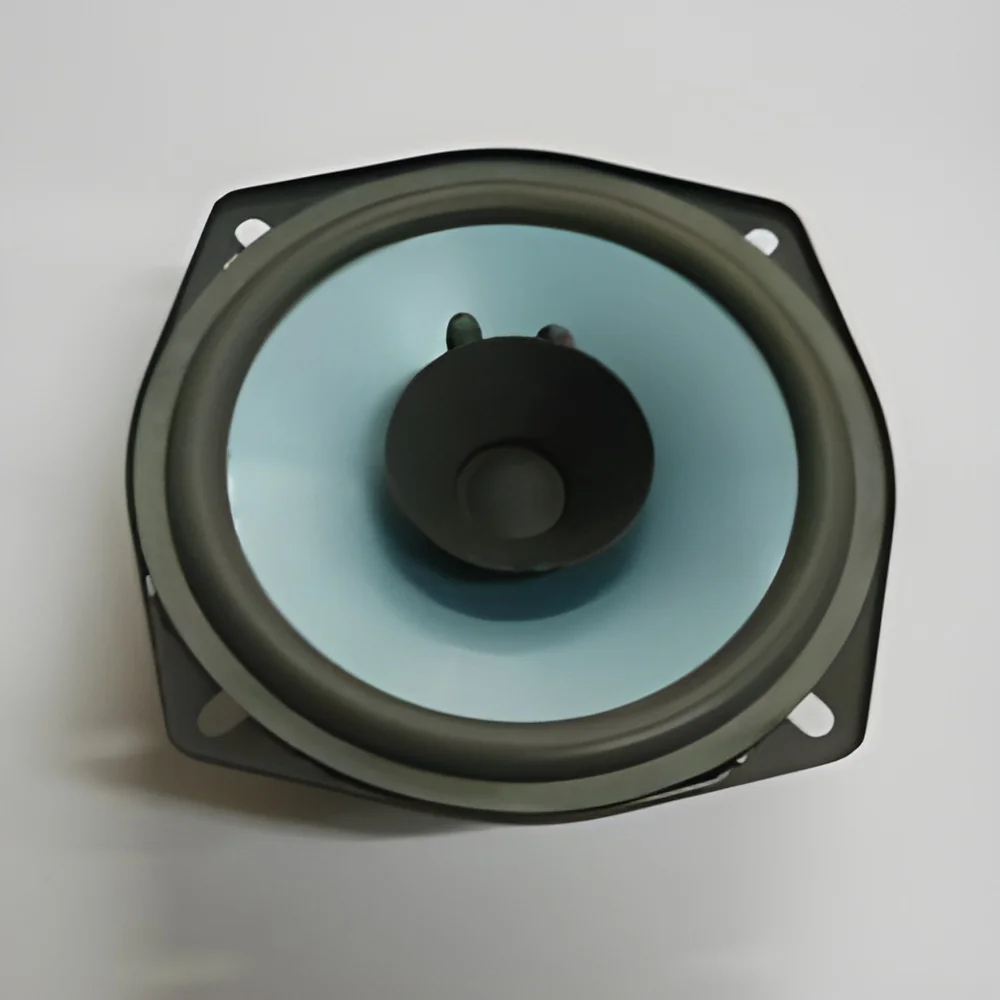
𝗪𝗵𝗮𝘁 𝗮𝗿𝗲 𝗔𝘂𝗱𝗶𝗼 & 𝗜𝗻𝗳𝗼𝘁𝗮𝗶𝗻𝗺𝗲𝗻𝘁 𝗦𝘆𝘀𝘁𝗲𝗺𝘀?
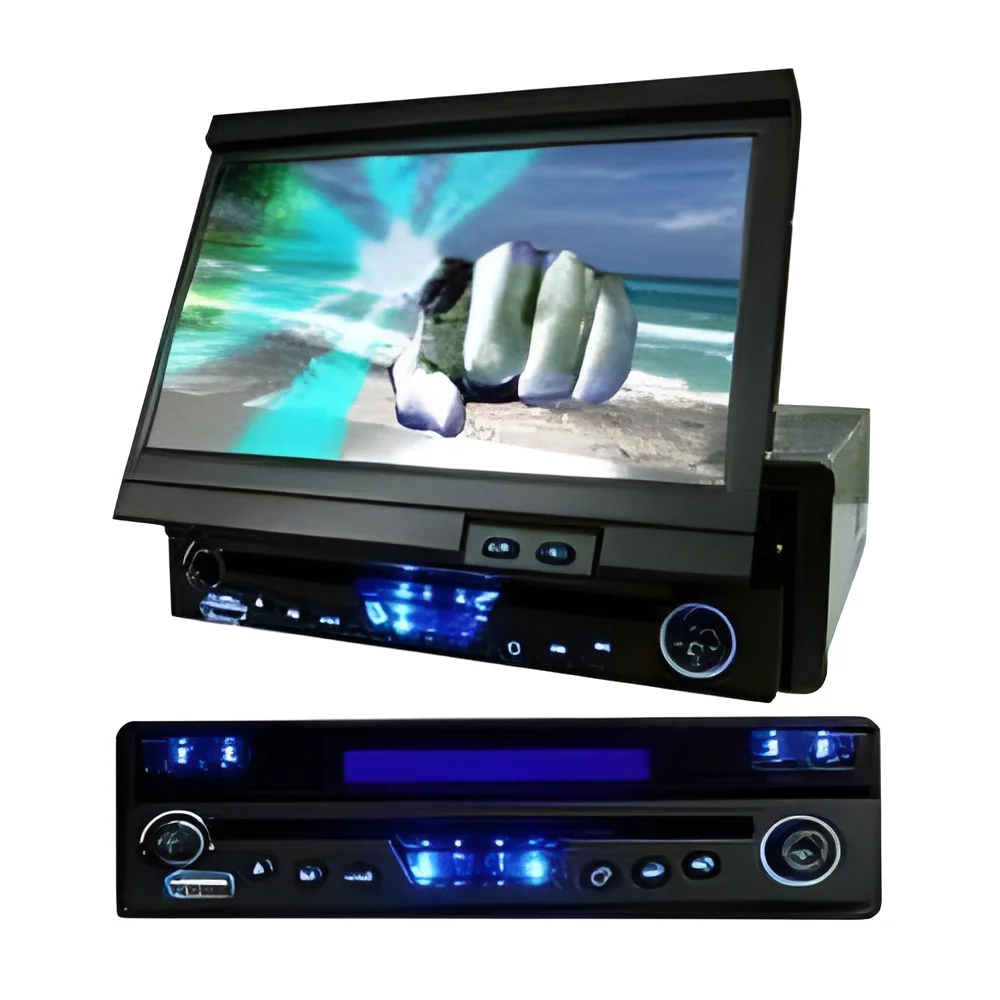
Audio and infotainment systems are integrated platforms designed to provide entertainment, information, and communication functionalities within vehicles and other industrial applications. These systems can include features such as audio playback, navigation, connectivity options, and vehicle diagnostics. They serve to enhance the user experience by combining various multimedia sources into a single interface.
In business contexts, audio and infotainment systems are utilized in automobiles, commercial vehicles, and even public transport. They are essential for improving safety by providing hands-free communication options, while also enhancing the overall comfort and enjoyment of passengers. Their importance has grown with the increasing integration of connectivity features such as Bluetooth, Wi-Fi, and smartphone compatibility.
The industry is rapidly evolving, driven by advancements in technology and changing consumer preferences. The market for audio and infotainment systems is characterized by intense competition, innovation, and a push toward more user-friendly interfaces. As the demand for smart vehicles rises, these systems are becoming a crucial component in the automotive industry and beyond.
𝗞𝗲𝘆 𝗙𝗲𝗮𝘁𝘂𝗿𝗲𝘀 𝗮𝗻𝗱 𝗦𝗽𝗲𝗰𝗶𝗳𝗶𝗰𝗮𝘁𝗶𝗼𝗻𝘀
Audio and infotainment systems come equipped with a variety of features and specifications designed to meet the needs of modern users. These specifications help businesses choose the right system for their specific applications.
Key specifications include:
1. Audio Quality
- High-fidelity sound with clear audio reproduction
- Supports various audio formats and streaming options
2. Connectivity Options
- Bluetooth and Wi-Fi for seamless device integration
- USB and auxiliary input for additional media sources
3. Navigation Capabilities
- Built-in GPS for real-time navigation and route planning
- Support for multiple map formats and updates
4. User Interface
- Touchscreen displays for intuitive operation
- Voice control features for hands-free usage
5. Compatibility
- Works with both Android and iOS devices
- Supports third-party applications for added functionality
6. Safety Features
- Built-in emergency calling features
- Vehicle diagnostics and alerts for driver safety
7. Customization Options
- Ability to personalize settings and interfaces
- Various themes available for user preference
8. Integration with Vehicle Systems
- Interfaces with vehicle sensors for enhanced performance
- Supports multimedia playback synchronized with vehicle functions
These specifications ensure that audio and infotainment systems meet the diverse needs of users while providing a reliable and enjoyable experience.
𝗖𝗼𝗺𝗺𝗼𝗻 𝗔𝗽𝗽𝗹𝗶𝗰𝗮𝘁𝗶𝗼𝗻𝘀 𝗮𝗻𝗱 𝗨𝘀𝗲 𝗖𝗮𝘀𝗲𝘀
Audio and infotainment systems are versatile products that find applications across various industries.
1. Automotive Industry: These systems enhance the driving experience by providing entertainment and navigation, improving passenger comfort and safety.
2. Commercial Vehicles: In fleet management, infotainment systems offer drivers real-time information and entertainment, which can lead to increased productivity and satisfaction.
3. Public Transportation: Systems installed in buses and trains deliver information to passengers, keeping them informed about schedules and routes while providing entertainment options.
4. Hospitality Sector: Hotels and resorts use infotainment systems to enhance guest experiences, offering information about amenities and local attractions.
5. Aviation: In-flight entertainment systems provide passengers with movies, music, and other content, improving overall satisfaction during travel.
6. Home Automation: Infotainment systems are also integrated into smart homes, controlling entertainment and information systems for convenience.
7. Retail Environments: Businesses use these systems for advertising and customer engagement, providing information about products and services.
𝗣𝗿𝗼𝗱𝘂𝗰𝘁 𝗩𝗮𝗿𝗶𝗮𝗻𝘁𝘀 𝗮𝗻𝗱 𝗦𝘂𝗯𝗰𝗮𝘁𝗲𝗴𝗼𝗿𝗶𝗲𝘀
Audio and infotainment systems come in various forms, catering to different user needs and preferences.
Standard Model
This model offers essential features such as basic audio playback and navigation. It is ideal for users seeking functionality without advanced features.
Premium Model
The premium variant includes enhanced audio quality and additional connectivity options. It is designed for users who prioritize superior sound and advanced functionalities.
Modular System
This variant allows for customization and scalability. Users can add or remove features based on their requirements, making it suitable for diverse applications.
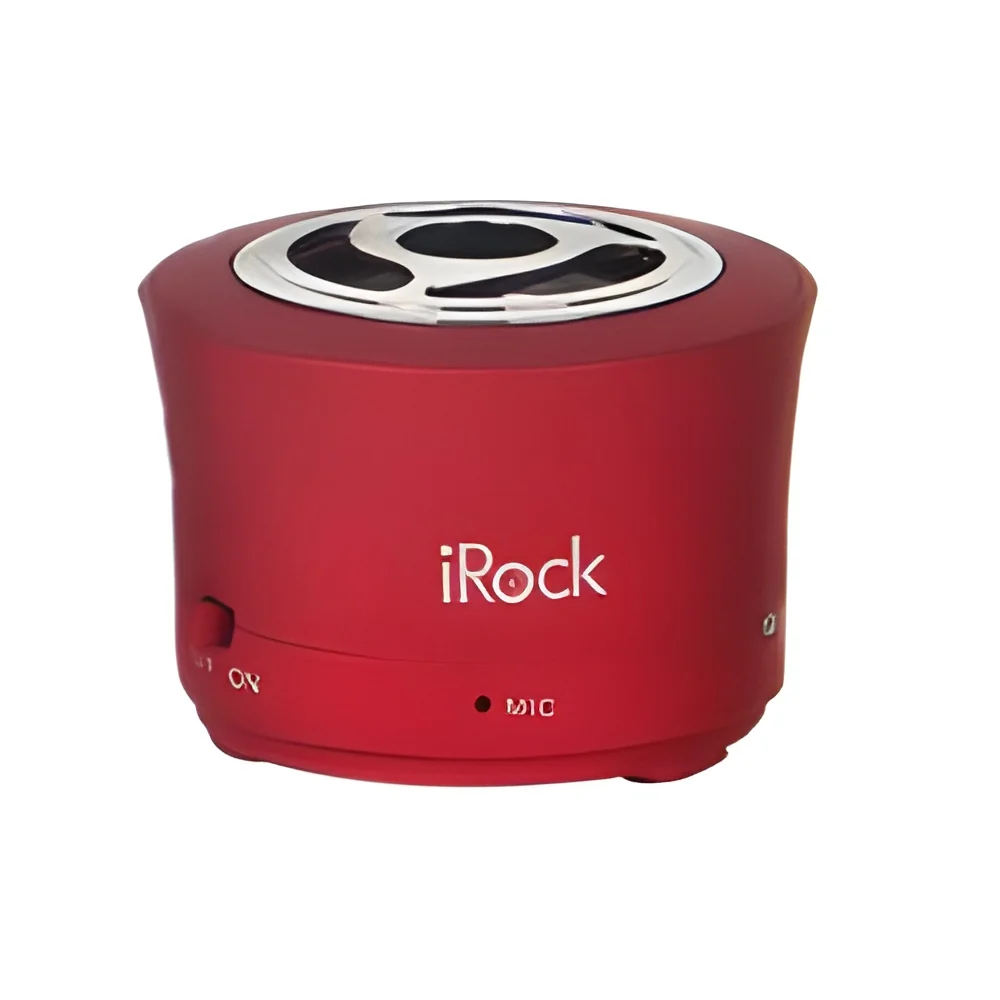
Portable System
Portable audio and infotainment systems are designed for flexible use in various settings. They are ideal for events, outdoor activities, or temporary installations.
𝗕𝗲𝗻𝗲𝗳𝗶𝘁𝘀 𝗮𝗻𝗱 𝗔𝗱𝘃𝗮𝗻𝘁𝗮𝗴𝗲𝘀
Audio and infotainment systems offer numerous advantages that enhance user experience and functionality.
Key benefits include:
1. Enhanced User Experience: These systems provide a seamless interface for audio and information, improving overall satisfaction for users.
2. Increased Safety: With features like hands-free calling, they help reduce distractions while driving, contributing to safer road conditions.
3. Versatile Applications: Their adaptability allows for use across various industries, enhancing functionality in different contexts.
4. Improved Communication: Integration with smartphones and other devices ensures that users stay connected, whether on the road or in a work environment.
5. Customization: Many systems offer personalization options, allowing users to tailor their experience according to preferences.
6. Future-Proofing: As technology evolves, many systems can be updated or expanded to include new features, ensuring longevity.
𝗕𝘂𝘆𝗶𝗻𝗴 𝗚𝘂𝗶𝗱𝗲 𝗳𝗼𝗿 𝗕𝟮𝗕 𝗕𝘂𝘆𝗲𝗿𝘀
When sourcing audio and infotainment systems, businesses should consider several key factors to ensure they make an informed decision.
1. Quality Assessment: Evaluate the sound quality, build materials, and durability of the systems. Look for reputable brands known for reliability and performance.
2. Supplier Verification: Vet suppliers by checking their credentials, customer reviews, and industry reputation. This ensures you partner with trustworthy manufacturers.
3. Pricing and MOQ: Understand the pricing structure and minimum order quantities to align with your budget and procurement needs.
4. Delivery and Lead Times: Confirm logistics arrangements, including shipping times and delivery reliability, to ensure timely installation and deployment.
5. Compliance Requirements: Investigate relevant regulatory and safety standards applicable to audio and infotainment systems to ensure compliance in your region.
𝗖𝗼𝗺𝗽𝗹𝗶𝗮𝗻𝗰𝗲 𝗮𝗻𝗱 𝗖𝗲𝗿𝘁𝗶𝗳𝗶𝗰𝗮𝘁𝗶𝗼𝗻𝘀
Audio and infotainment systems must adhere to various quality standards and certifications to ensure safety and reliability.
ISO 9001 is pertinent as it outlines quality management systems, ensuring consistent quality in production and service delivery.
CE certification indicates compliance with European health, safety, and environmental protection standards, which is essential for products sold in European markets.
Safety and testing requirements are crucial to ensure that these systems operate without risks to users. This includes rigorous testing for electrical safety and software reliability.
Regional compliance considerations may vary, so businesses should be aware of local regulations that govern the use of technology in vehicles and public transport.
𝗪𝗵𝘆 𝗦𝗼𝘂𝗿𝗰𝗲 𝗔𝘂𝗱𝗶𝗼 & 𝗜𝗻𝗳𝗼𝘁𝗮𝗶𝗻𝗺𝗲𝗻𝘁 𝗦𝘆𝘀𝘁𝗲𝗺𝘀 𝗳𝗿𝗼𝗺 𝗣𝗲𝗽𝗮𝗴𝗼𝗿𝗮?
Pepagora offers a trusted platform for sourcing audio and infotainment systems with several key advantages for B2B buyers.
Verified Supplier Network: The platform connects buyers with a network of verified suppliers, ensuring high-quality products and reliable service. This helps businesses find trusted partners with a proven track record.
Streamlined RFQ Process: Pepagora simplifies the request for quotation process, allowing buyers to easily compare offers from multiple suppliers. This efficiency saves time and aids in making informed purchasing decisions.
Trade Assurance and Support: Buyers benefit from trade assurance measures that provide protection throughout the purchasing process. Pepagora also offers support to address any concerns or issues that may arise.
Regional Coverage: With a strong presence in India, the GCC, and Southeast Asia, Pepagora provides comprehensive geographic reach, connecting buyers with suppliers across diverse markets. This enables businesses to source products tailored to their specific regional needs.

 IN
IN